
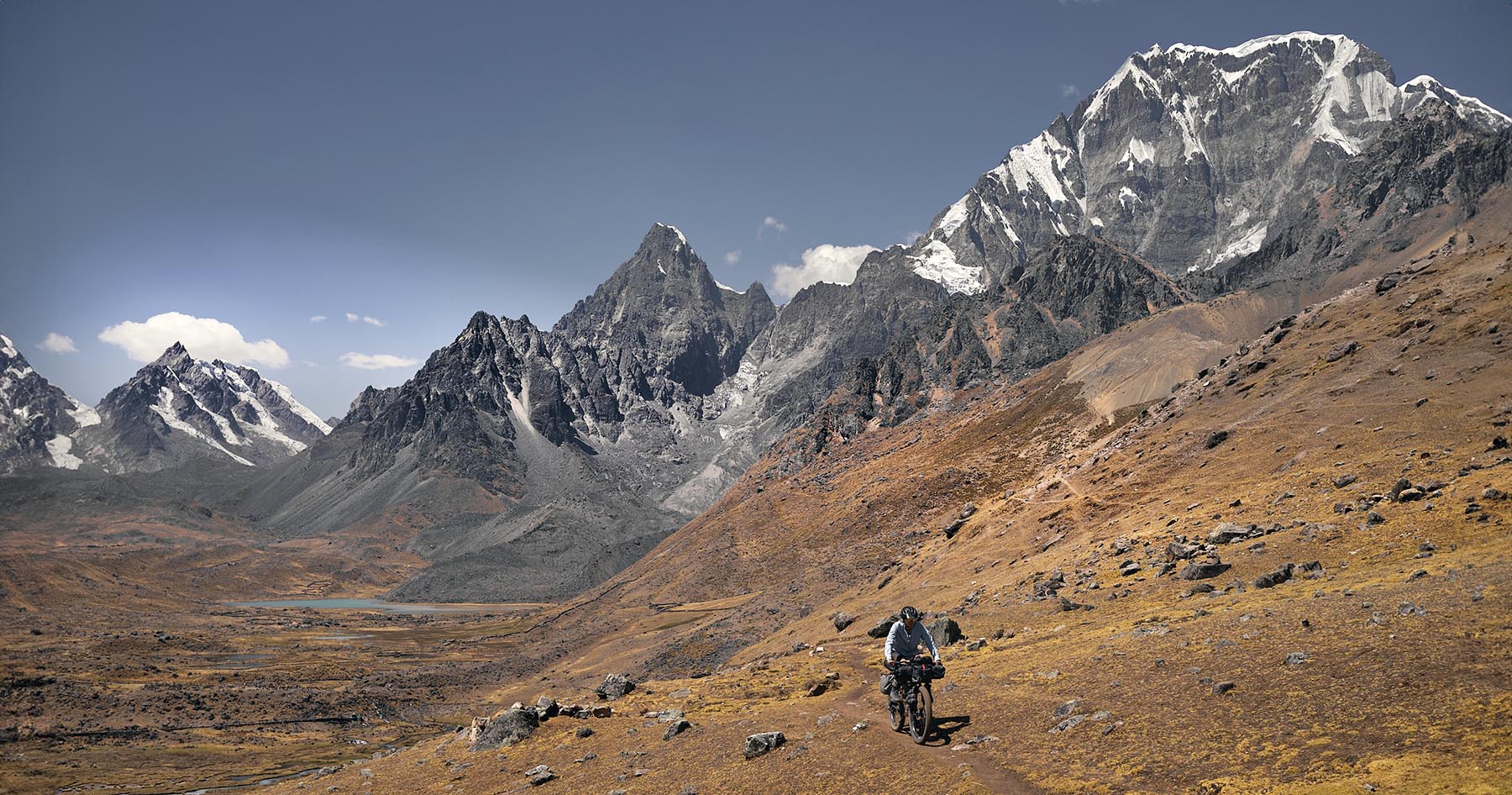
Amid hike-a-bikes, sickness, and exhaustion, bikepacking trips have a way of revealing the cracks in any relationship, but they can also highlight its strengths. In this piece, Kristi Stump transports readers to the rugged Peru Great Divide, where she pauses to appreciate a misadventure with her partner, Steffen Schraegle. Read it and see a dazzling set of Steffan’s photos here…
“If you keep doing the things you are comfortable with, and you enjoy, and they are cozy and familiar, you strengthen the friendship dimension of a relationship. Which is huge. But if you say, ‘I don’t just want to survive, I want to feel alive in my relationship,’ then you need to do something different than just the familiar and the cozy. And that means new experiences that involve risk and active engagement with the unknown and the novel, curiosity, playfulness, all of that.” —Esther Perel, psychotherapist.


What do you mean we have to jump across?! The water rushing below is so loud that I have to yell—actually scream—at you because I’m so terrified. There has to be another way! But I know there isn’t. I look back in the direction from where we came—the “trail” along the lake full of boulders we just spent hours pushing our bikes over. Beyond that must be the turn we missed. And above us, dark, threatening clouds are building. I know we can’t turn back. So here we are, about to jump a rock chasm above a rushing waterfall, where, in the best-case scenario, we lose our overloaded bikes. And in the worst case?
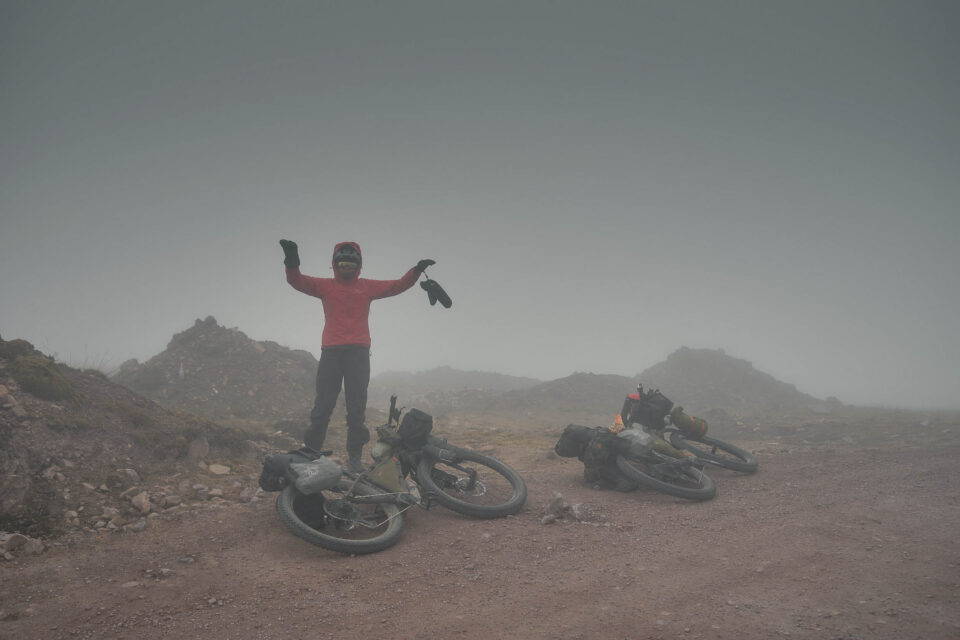
We’re normally not this stupid. Or maybe we are. Our 10 years together just played out like a video in my head—edited to show only the places we shouldn’t have been with our bikes: the near-misses, bad luck, and just plain F-ups. I barely remember a bike trip when one or both of us didn’t lose (or break) a critical piece of gear, a large portion of skin or intestines, or the route we were supposed to be on, all to do this thing we love. Here in Peru, we have already broken an axle and brake lever, lost a front light, and were stopped and threatened with a machete by locals striking against mine expansion.
Between us, we’ve endured vomiting, diarrhea, altitude sickness, back and hip pain, and even a dog bite—convalescing long enough in one town to witness a wedding, a funeral, an alpaca festival, and half of the summer Olympics on TV. Thankfully, those were all recoverable, solvable mishaps, but I’m pretty sure today, in the middle of the Ausangate Mountains, where we’ve combined several routes to make a loop instead of a traverse (not recommended, by the way), our luck is about to run out.
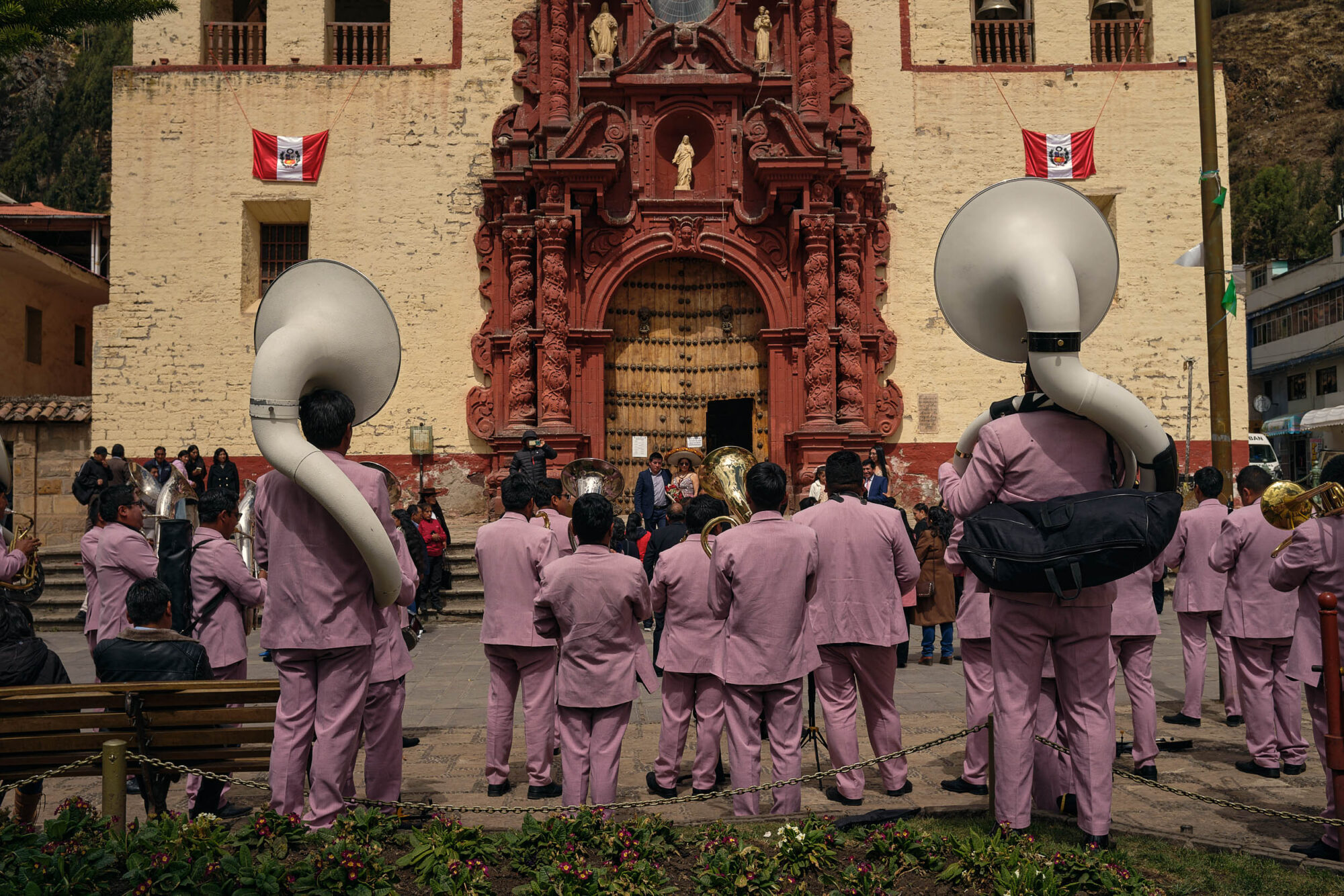
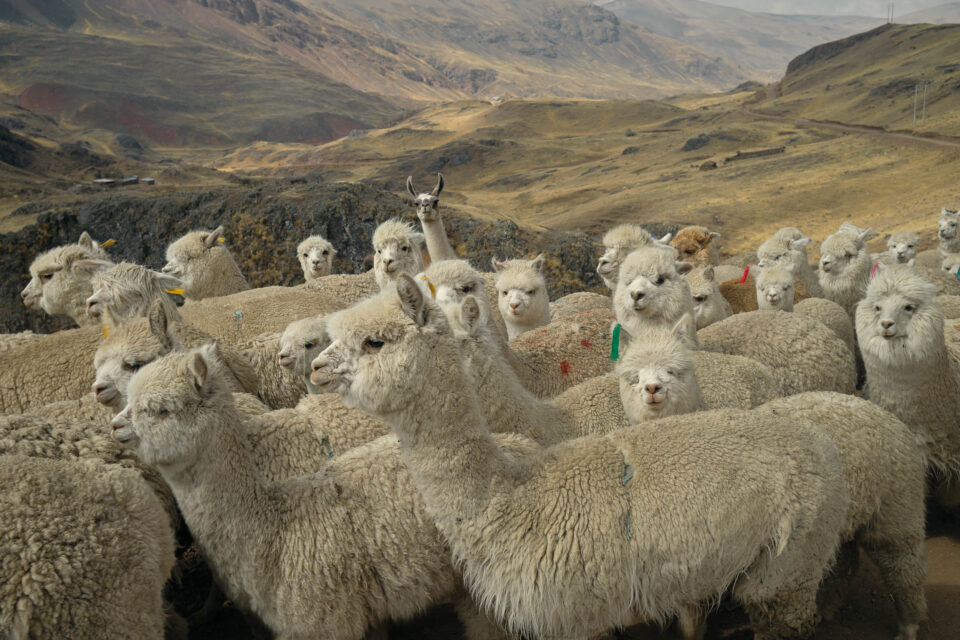
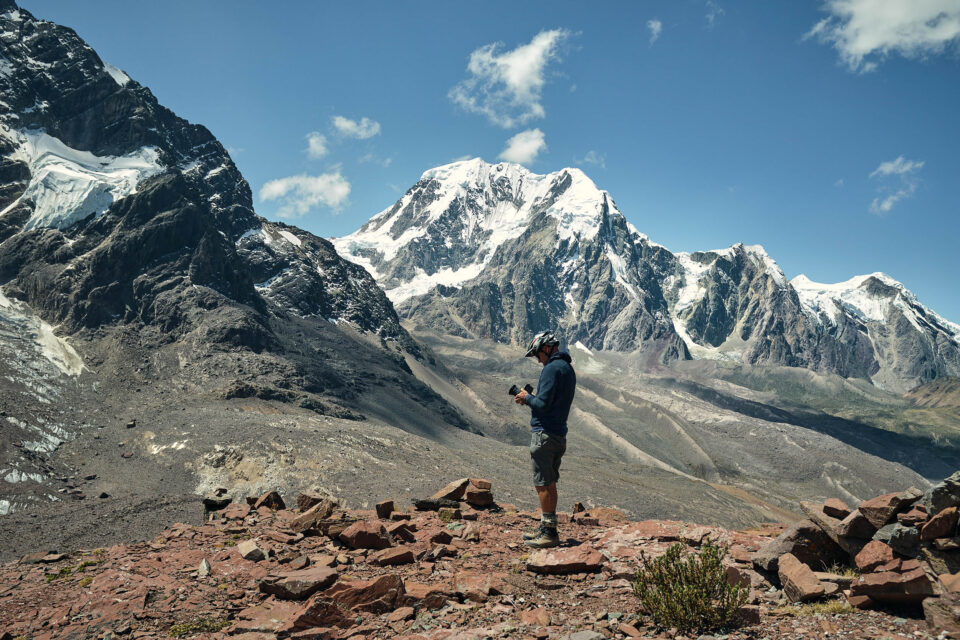
And I’m mad because we weren’t even supposed to be here. Not just here, off our route, but in this country. No offense to Peru, but traveling here just wasn’t on our radar until a seed was planted about riding part of the Peru Great Divide. You said it had been too long since our last big trip, and I agreed we were overdue for an adventure. But life at home was really good; we were happy, busy, and the usual excuses accumulated for why we shouldn’t go. We were “yes,” and then we were “no” until we finally ripped the bandage of indecision off and, two months ago, found ourselves somewhere east of Lima in the Andes.

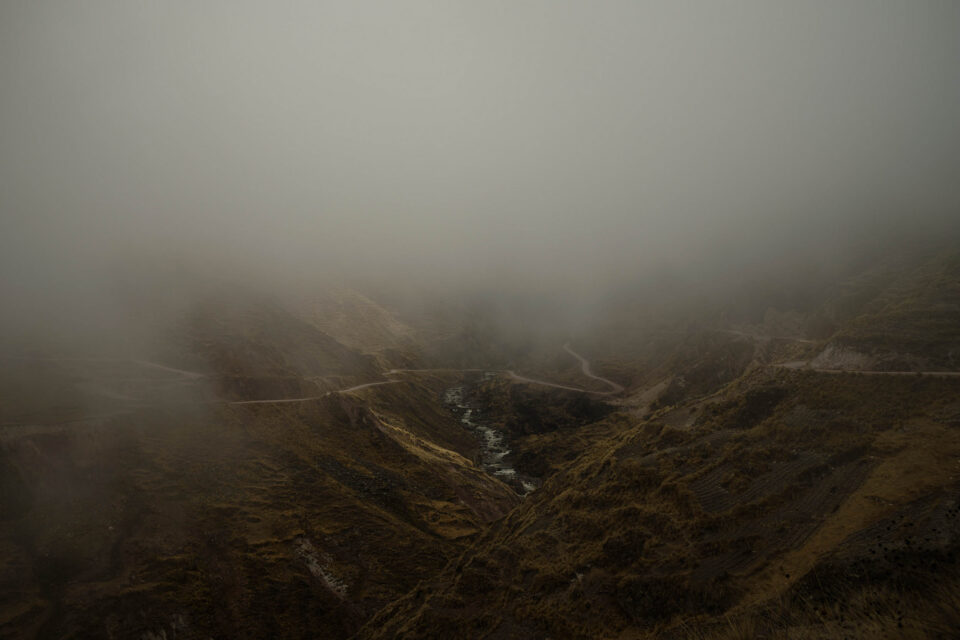
As we’ve made our way south on the Peru Great Divide route and then east to this point in the Ausangate range, we’ve already climbed more than 30,000 meters, not including the cumulative time spent pushing or dragging our bikes, which is a lot. When I’m not blaming you for how miserable I am, I’m thanking you for how happy I feel. This is by far the most physically demanding thing we’ve ever done on or off a bike—endless climbing, hike-a-bike, altitude, and cold—but it is also one of the most rewarding. Between us, we’ve had the good fortune to ride or hike beautiful mountains on every continent, yet none have brought us to tears like the colors and vastness of the Andes.

But it’s not only about seeing the beautiful landscape together. It’s about experiencing it the way bikepacking forces us to—waking to the songs of various birds, touching plants we don’t recognize, eating local fruits and vegetables, and interacting with people and animals we would otherwise never meet. And this could be anywhere; the important thing is that it’s somewhere different and outside our comfort zones—a little, a lot, sometimes too much!
This is when we learn the most about ourselves and each other. I admire (and am jealous of) your tolerance for adverse conditions like freezing cold temperatures and filthy shared bathrooms. Your ability to stay positive even when I want you to commiserate with me is both amazing and maddening. You call me your “safety anchor” and appreciate my voice of reason when it comes to risk or hardship assessment (contour lines too close equals too hard, or weather forecast too wet equals too cold). You tell me there’s no one else you would rather share this experience with, even after pouring what I thought was tomato sauce but was actually fiery hot sauce all over our pasta, with no choice but to eat it. And if I’m stuck for days in a shabby little hospedaje eating avocado sandwiches and snuggling under scratchy wool blankets, I want it to be with you.
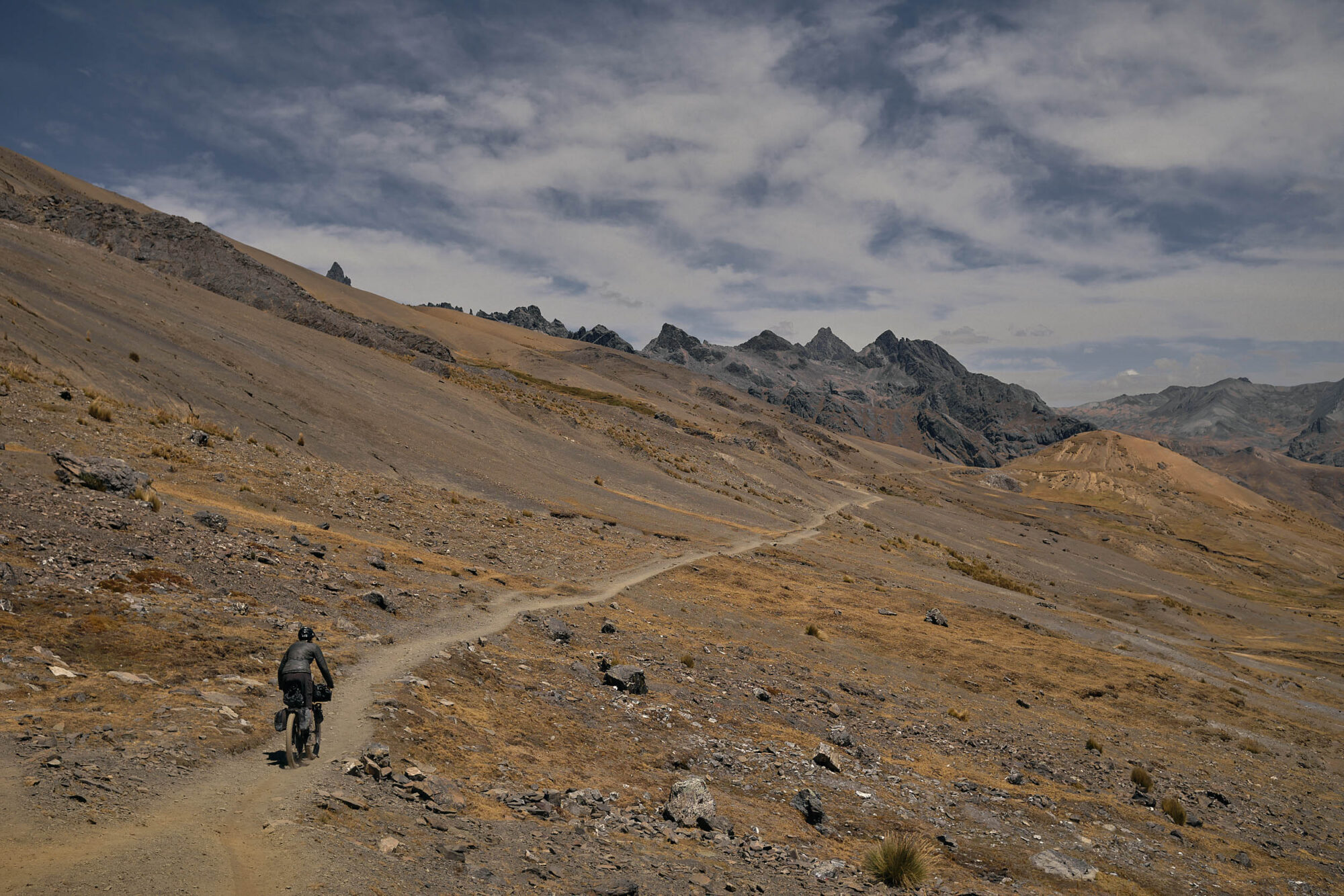
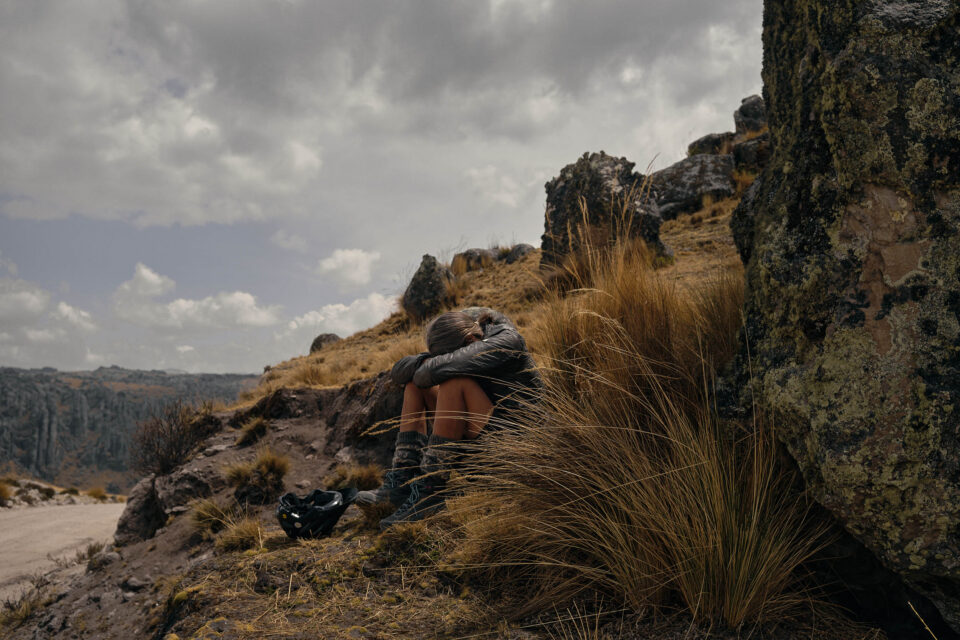
I see you in your element—observing and documenting the world around you, beaming with joy at the opportunity to connect so fully with nature. I also see you sick as a dog, crawling from bed to toilet and back again. Or throwing your bike and yelling in frustration after falling into a creek. You see me in my happy place—descending pristine singletrack or doing yoga outside our tent, grateful for the warm sun and soft moss under my bare feet. But you also see me melting down, dragging my nauseous and depleted body around, cursing at the top of my lungs, and later crying my eyes out because I have finally cracked.


We have helped each other push and carry each other’s bikes (okay, you more than me) and made each other tea on cold mornings (okay, always you). For better, for worse, in sickness and in health, for the highest of highs and the lowest of lows, together, we problem-solve and navigate this foreign environment, relying on each other in ways we’ve never done before. Maybe it’s because out here we face real challenges—the kind that affect our basic human needs of water, food, shelter, and safety. For example, this waterfall we’re about to jump over.
The only thing scarier than the thought of falling to my death is you falling to yours. You once wrote, “When you ride out there, not everything is cool, beautiful, and easy. You will always encounter some difficult, maybe even dangerous situations. But all you worry about is your partner. I know it sounds weird, but running out of water, you give your last sips to her. You feel only one worry inside… that your partner will be okay. You depend on each other, and your love and affection in this relationship suddenly mean something very different. You look after and care for each other without any security around you. Coping with everything together, you are in the same boat or in this case, on the same bike.”
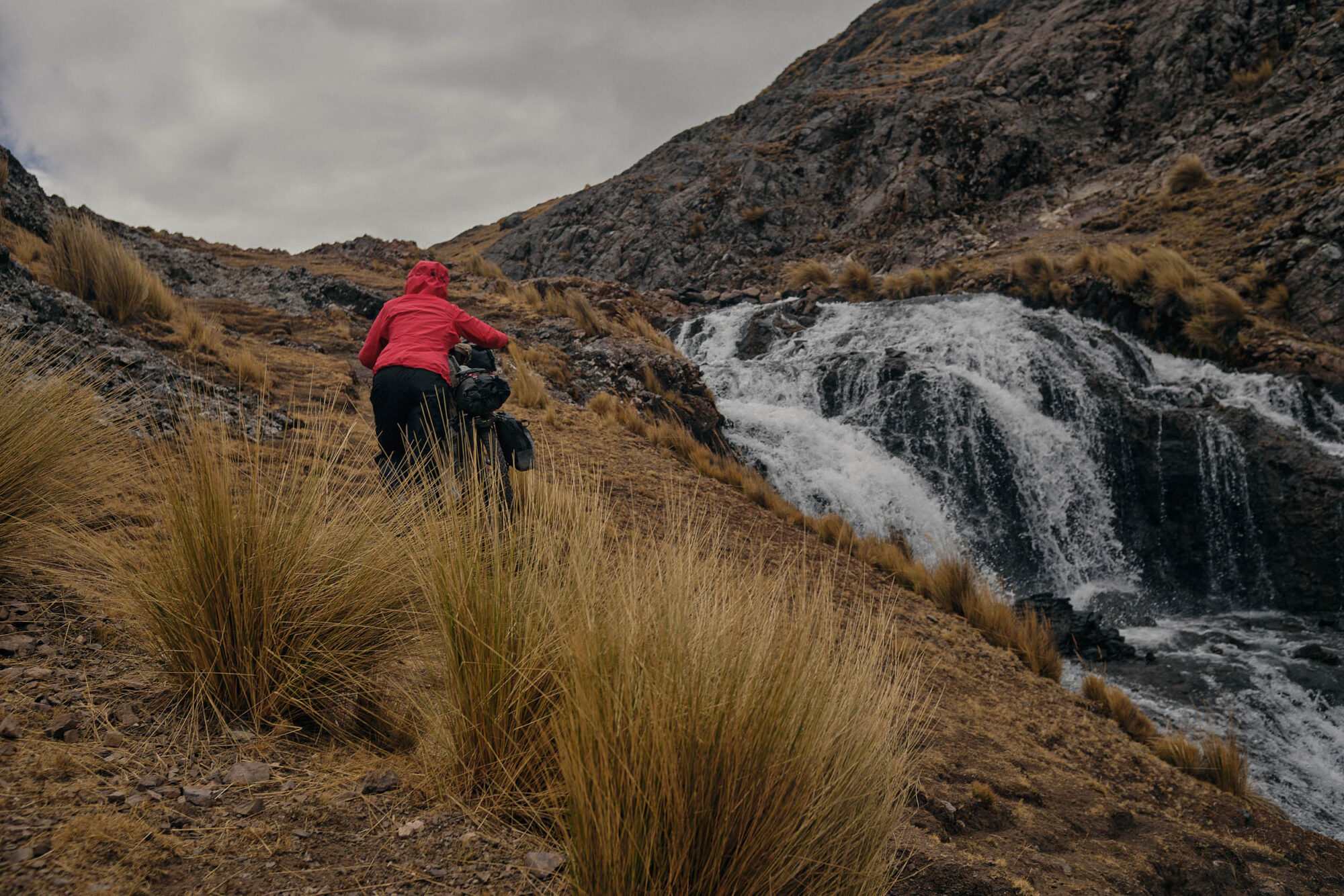

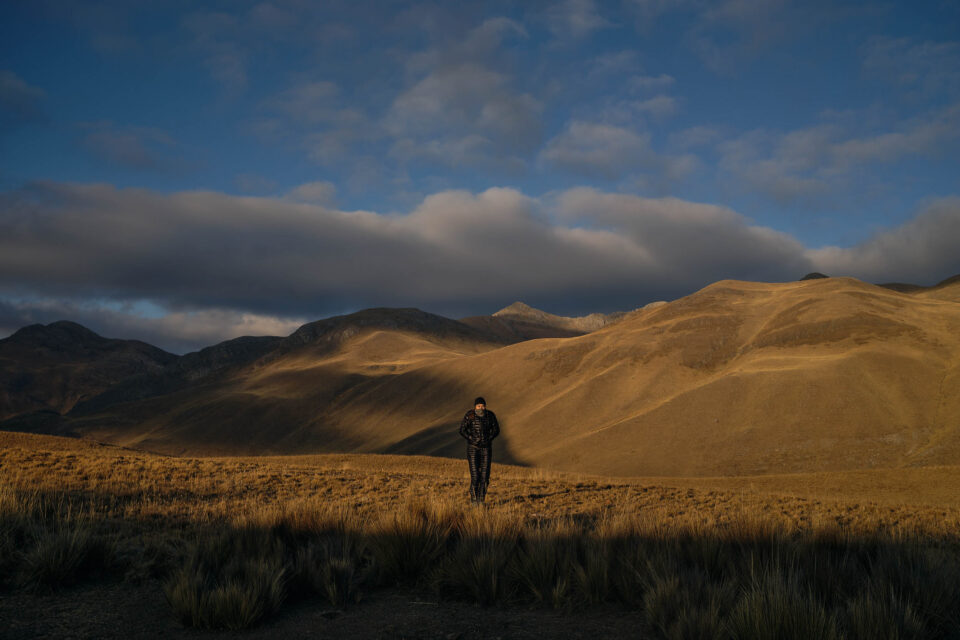
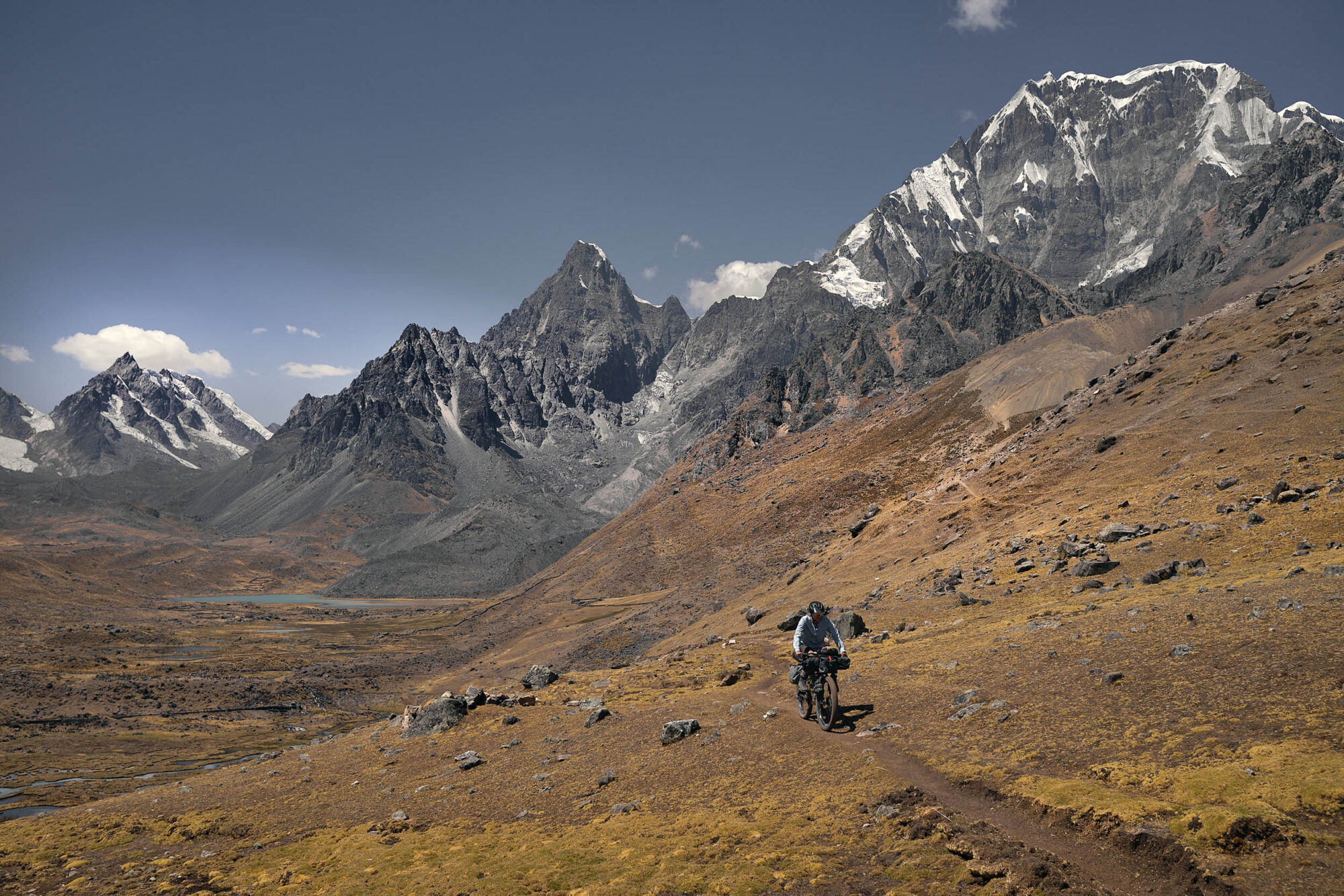
The massive Ausangate towers over us at 6,372 meters, a constant reminder of how small and insignificant we are. Our life back home and the things that mattered so much just a few months ago feel small and insignificant. Here and now, it’s just the simple fact that we have to reach civilization today. After five days of this circumnavigation, our food supply is low, and the chance of snow is high. But more than anything, I just need you to stay alive. Part of me hates you for talking me into this, but another, bigger part of me loves you for believing we can do it. The video of our 10 years together plays again in my head—this time highlighting the places we should have been on bikes—starting with the BC Bike Race, where we first met, to the 5,000-meter pass where you recently proposed to me, and all the extraordinary moments in between. My heart is exploding with love and fear, and I jump.
Further Reading
Make sure to dig into these related articles for more info…
Please keep the conversation civil, constructive, and inclusive, or your comment will be removed.