
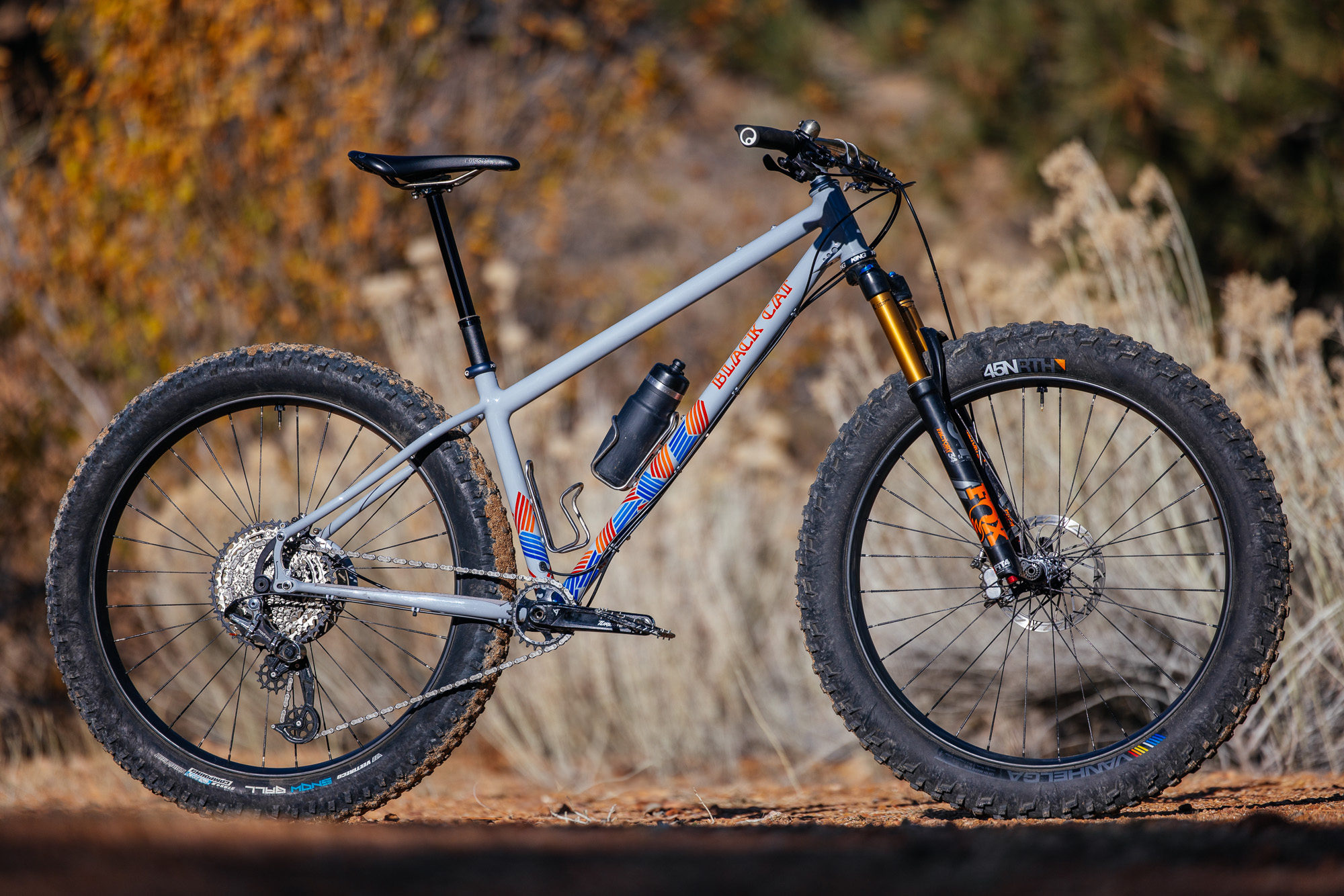
Choosing a custom-built bicycle frame provides the opportunity to create a functional artwork that is perfectly tuned to its environment, so Daniel orchestrated the ultimate B-Fat Santa Fe mountain bike, thanks to the help of Todd at Black Cat and a few of his friends. This is the story of adapting to high desert mountains, evolving terrain, and the custom bike that emerged as the perfect tool for a new landscape.
Ad·ap·ta·tion /ˌadapˈtāSHən/
noun: adaptation; plural noun: adaptations: change or the process of change by which an organism or species becomes better suited to its environment.
A Big Move
My family and I moved to Santa Fe, New Mexico, in the spring of 2021 after having spent the previous two decades living in the Bay Area of California. During this time, I spent countless hours exploring the golden hills of Northern California by bike. Naturally, I arrived wide-eyed and ready to do the same amongst the peaks, mountains, and hillsides that surrounded my new home in “the Land of Enchantment.” This move from sea level to 7,000 ft of elevation brought with it many changes and opportunities that required me to adapt, learn, and grow – personally, professionally, and, of course, as a cyclist.
I knew that living at the southern terminus of the Rocky Mountains would bring unique riding opportunities filled with terrain and trails that were different from what I had been accustomed to riding. What I failed to consider was how the terrain would not just change me and my riding, but also the type of bike that would best suit my new endeavors.
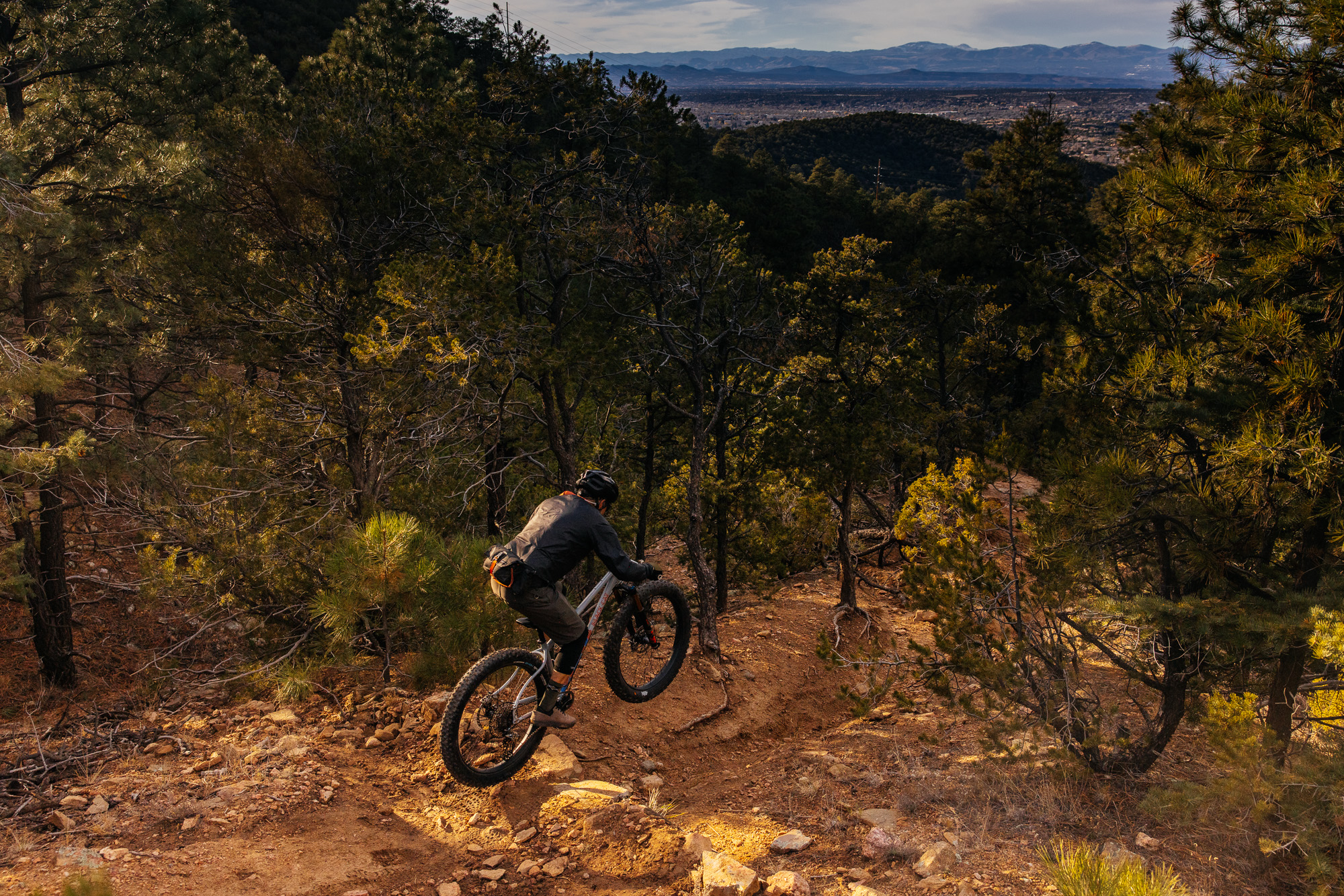
In hindsight, this makes perfect sense. Most of the rides out of my front door start with a jaunt through a sandy arroyo that snakes its way to the base of my local mountain, Atalaya. I then have countless options to climb to my heart’s content. The trails vary from rugged, steep, rocky two-track to technical singletrack that eventually reaches the stunning aspen trees and high alpine backcountry. Of course, what goes up must go down, and it’s not uncommon after a few hours to accumulate 2–5k feet worth of descending back down the aforementioned trails that eventually bring me back to the arroyo where I started.
Adaptation
One of my favorite aspects of these rides is that on any given day, I am just as likely to run into animals as I am to see other humans. Once I get past a certain elevation, the ratio of humans to animals drastically dwindles, if not disappears. It’s fascinating to see how the different animals that call these same mountains home have adapted to survive and thrive in the challenging, dry, high altitudes that can see both blazing hot summers as well as feet of snow in the wintertime.
In the heat of the summer, coyotes and mountain lions seek their prey at dawn and dusk to avoid peak midday temperatures. In the winters, deer and hares grow a dense white underfur that also serves as camouflage against the snow. Just like my non-human counterparts have done over time, I too had been adapting the bikes I ride in order to explore these stunning landscapes. Part of this process involved many hours spent pondering what my version of an ideal hardtail should be.
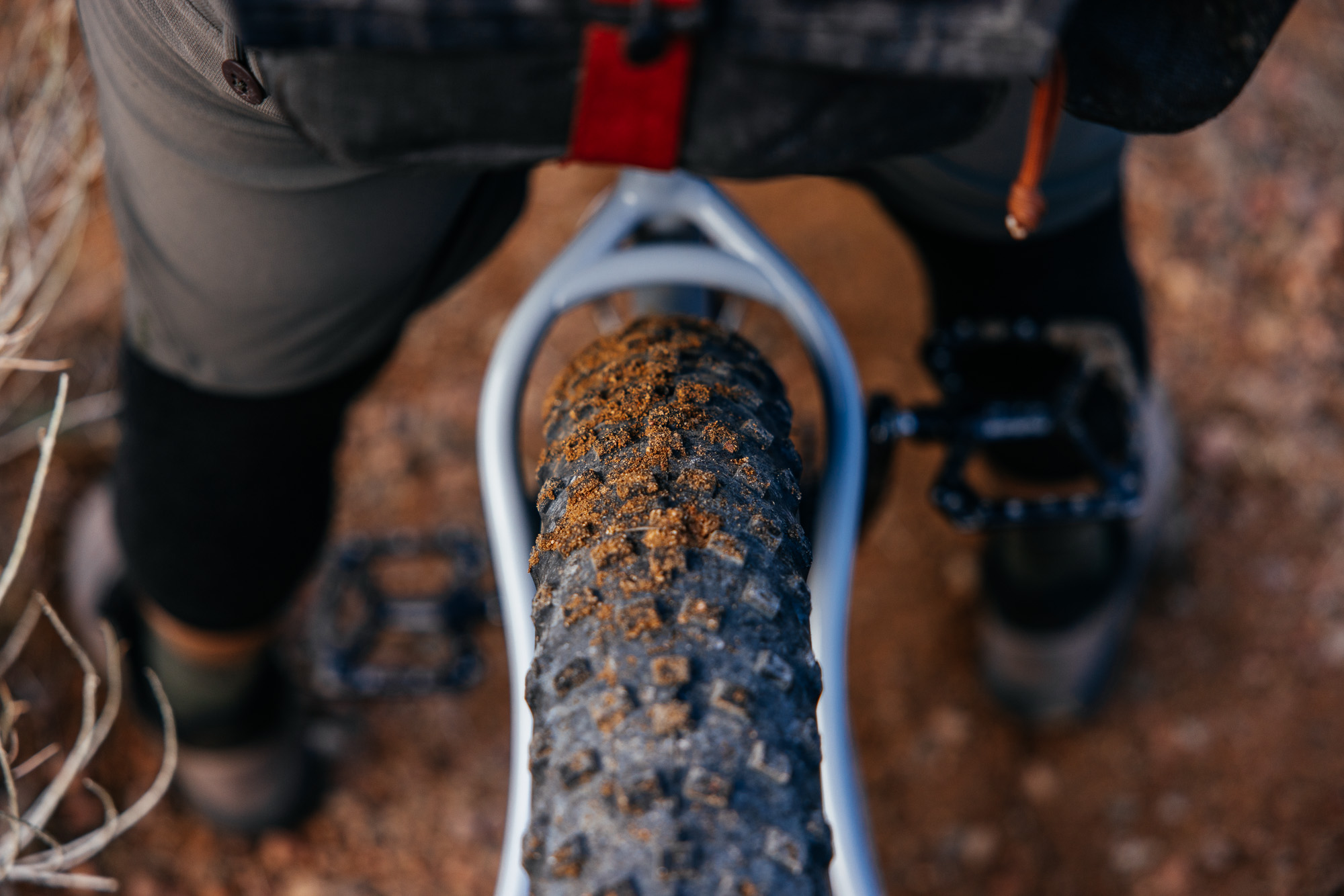
B-Fat = Large Tires
I have always been a fan of large tires on any kind of bicycle. As a point of reference, my “road bike” rolls on 2.3-inch rubber, and I’ve been riding 29+ tires as my go-to choice on my trail bike since about 2018. As soon as I encountered real winters in NM, I fell in love with fat biking and invested in a forever titanium snow bike.
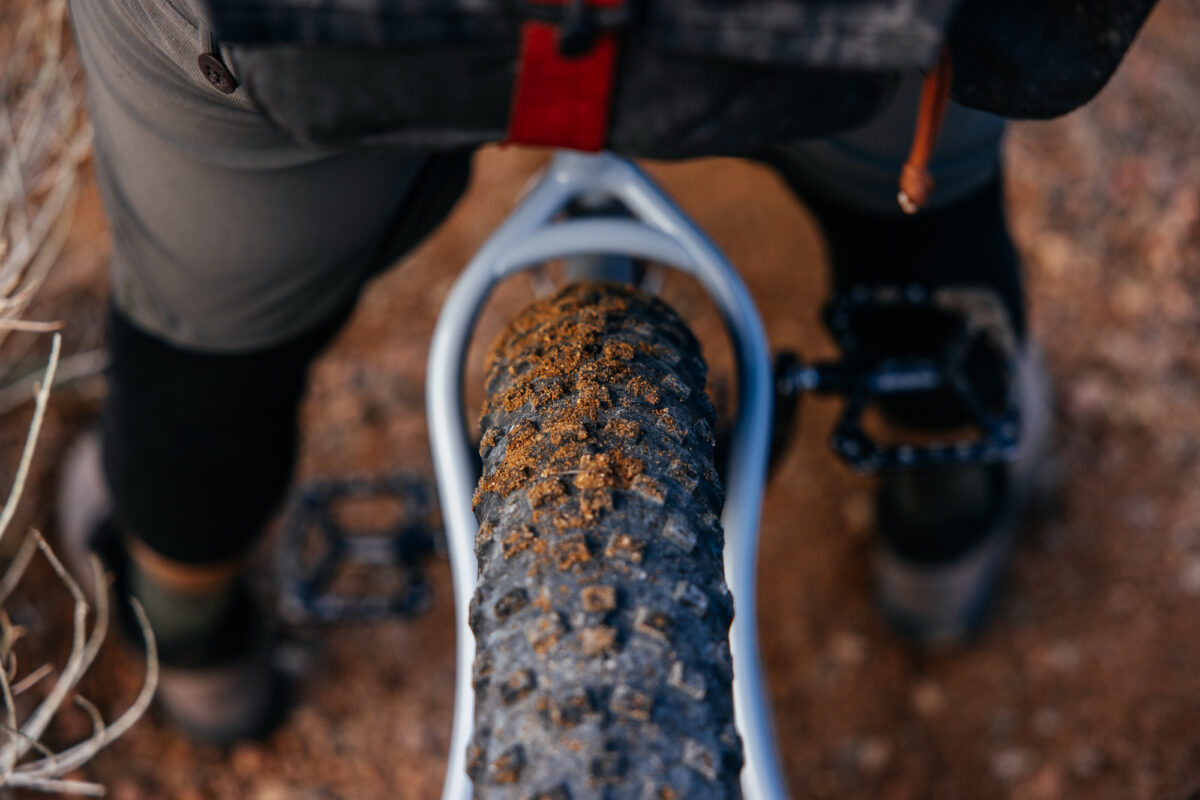
Whether it be bikepacking, trail riding, or just cruising around, it wasn’t long before I was reaching for my fat bike year-round. I came to realize just how well suited these wide tires were for my new surroundings. The low, single-digit air pressures I run provide natural suspension, flotation, and incomparable traction no matter which direction the trail points. The more time I spent riding them, the more I realized that 27.5 x 4.5” tires excel for all types of winter riding and are pretty damn fun the rest of the year, but at times they were a bit overkill for general trail riding.
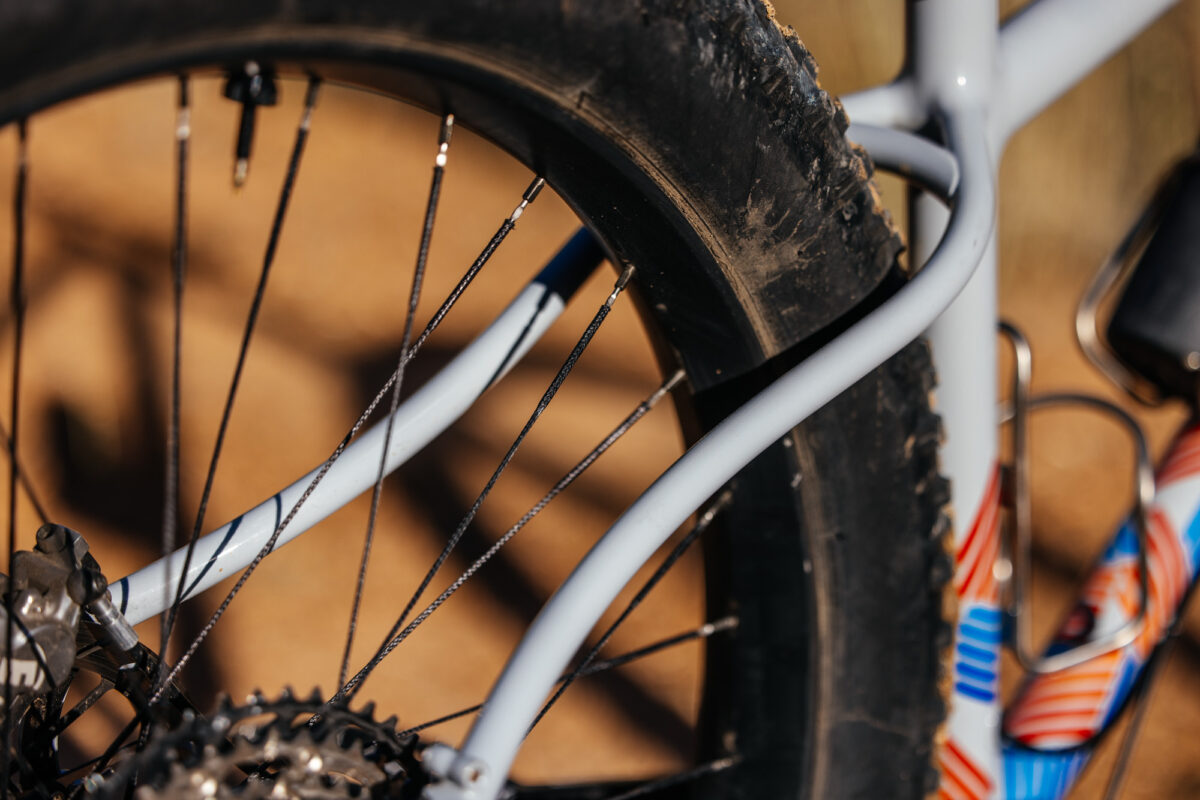
B-Fat Wheels
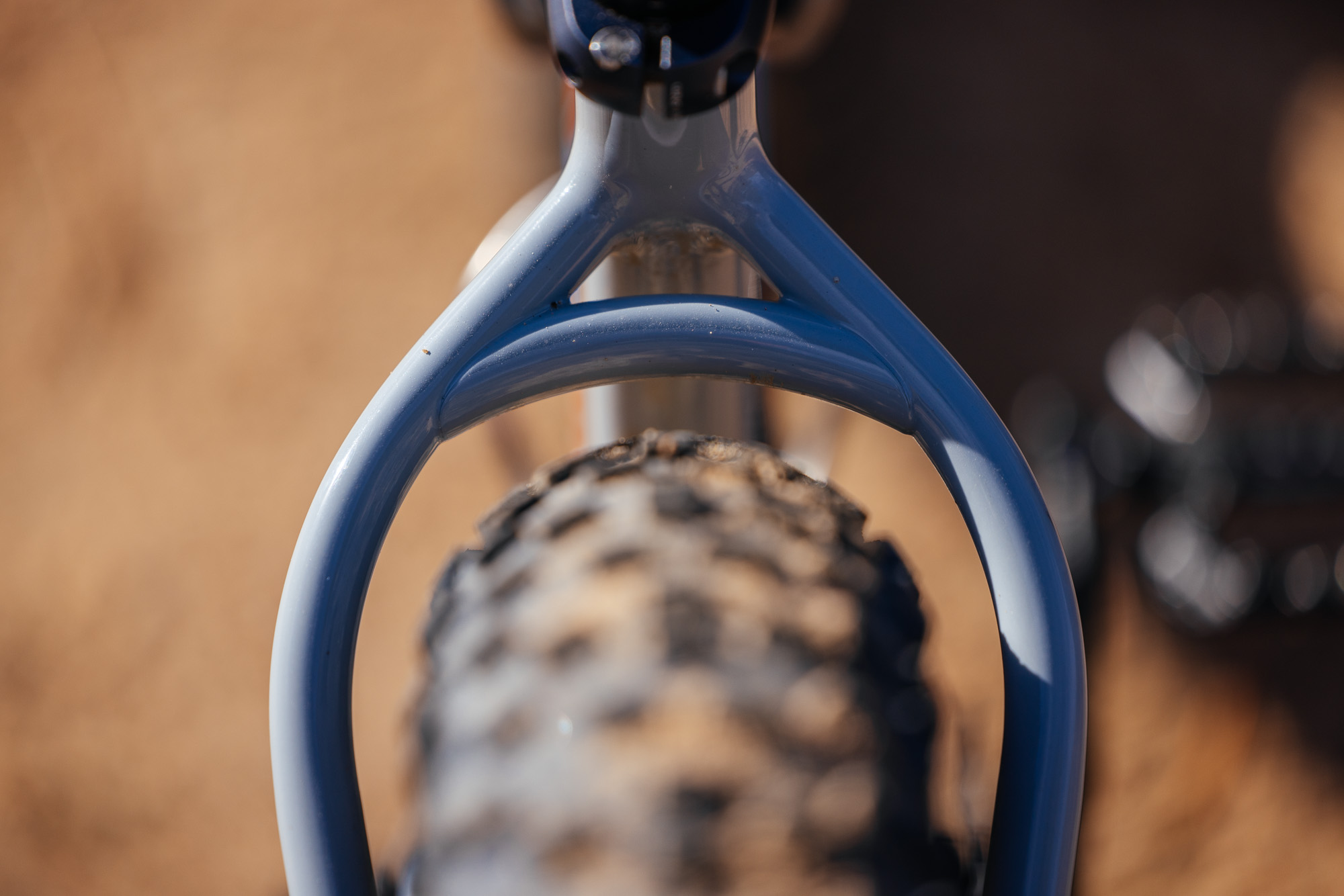
B-Fat is nomenclature for a 27.5” tire whose width falls somewhere between your “typical” mountain bike tire and a full-on fat bike tire: 3.8–4.0”. For me, it strikes a magical balance; you get the height and rollover capabilities of a 29+ tire, way more traction, float, and volume, all without the full weight of a true 4.5–5.0” fat bike tire. What, you might ask, are the compromises? It certainly weighs a bit more than a traditional tire and might be a bit slower (depending on the rider), but to me those are negligible in comparison to its benefits.
I scoured the internet for inspiration and examples of B-Fat trail bikes, only to realize that they are a dying breed. Meanwhile, my main hardtail trail bike at the time was a beautiful steel frame made in 2015 by Todd Ingermanson, the one-person show behind Black Cat Bicycles. Unfortunately, my old hardtail maxed out its rear tire clearance with a 2.3” tire. Not surprisingly, as the months went on, it spent more time hanging in my garage than it did being ridden like it should. Despite the ~4,000 miles and countless memories I had gathered while riding it, I decided it was time to sell it and look for something new.
Black Cat
When considering a new frame, it was a no-brainer to have Todd fabricate something new and different for the type of riding I was doing in and around Santa Fe. After putting a deposit down, I had almost a year to ponder the changes I wanted to make from my previous bike.
After a few months of back-and-forth emails, we settled upon a shreddy backcountry trail bike that would be as happy on all-day adventures as it would be loaded up for a few nights of bikepacking. This included updated geometry with a slacker, longer-travel fork and the ability to run a 27.5 x 4.0” tire. Why max out at 4.0”? Given that my full-on winter fat bike can clear up to a 26 x 5.0” or 27.5 x 4.5” tire, I wanted this new bike to have a different use-case scenario. With all this in mind, we settled on a 177mm rear end, as opposed to the traditional 197mm spacing on a full fat bike.
Frame Spacing
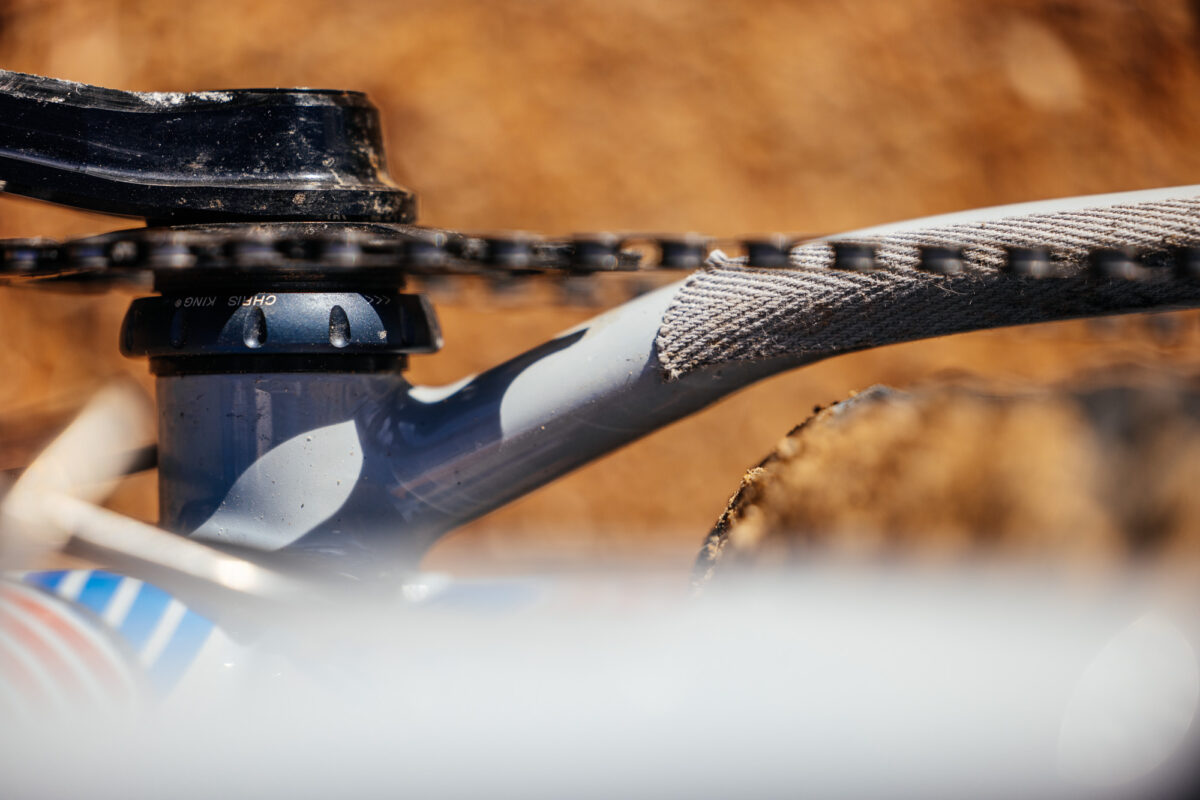
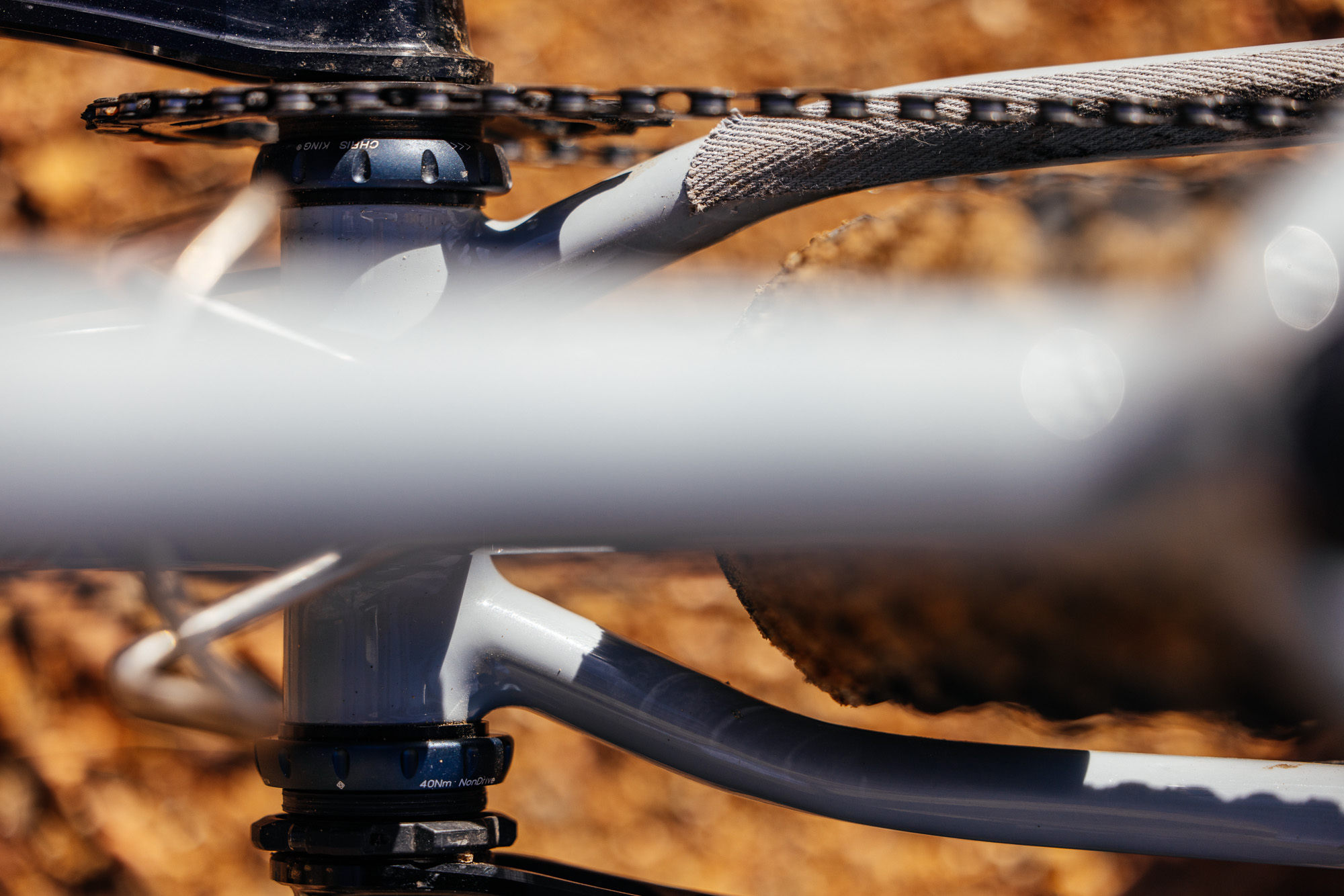
I was also hoping to be able to run a narrower Q-factor than on my full fat bike, and after some back and forth regarding an 83 vs. 100mm bottom bracket shell, Todd recommended sticking with a 100mm shell. This provided more real estate for the chainstays once they got around the tire, as well as ease of fabrication and mechanical integrity. In the end, I was able to run a shorter spindle length than on my fat bike, so the narrower Q-factor was achieved.
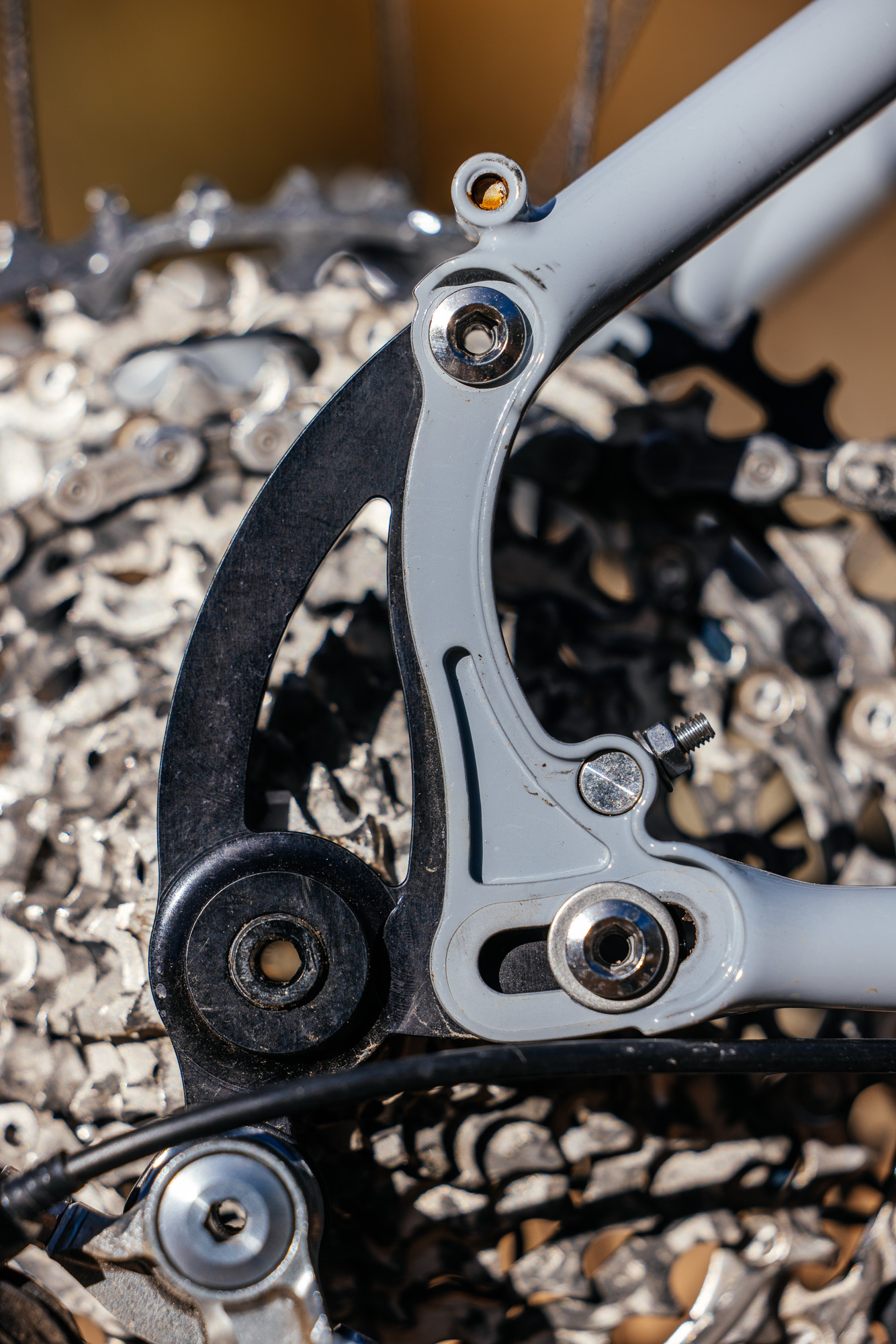
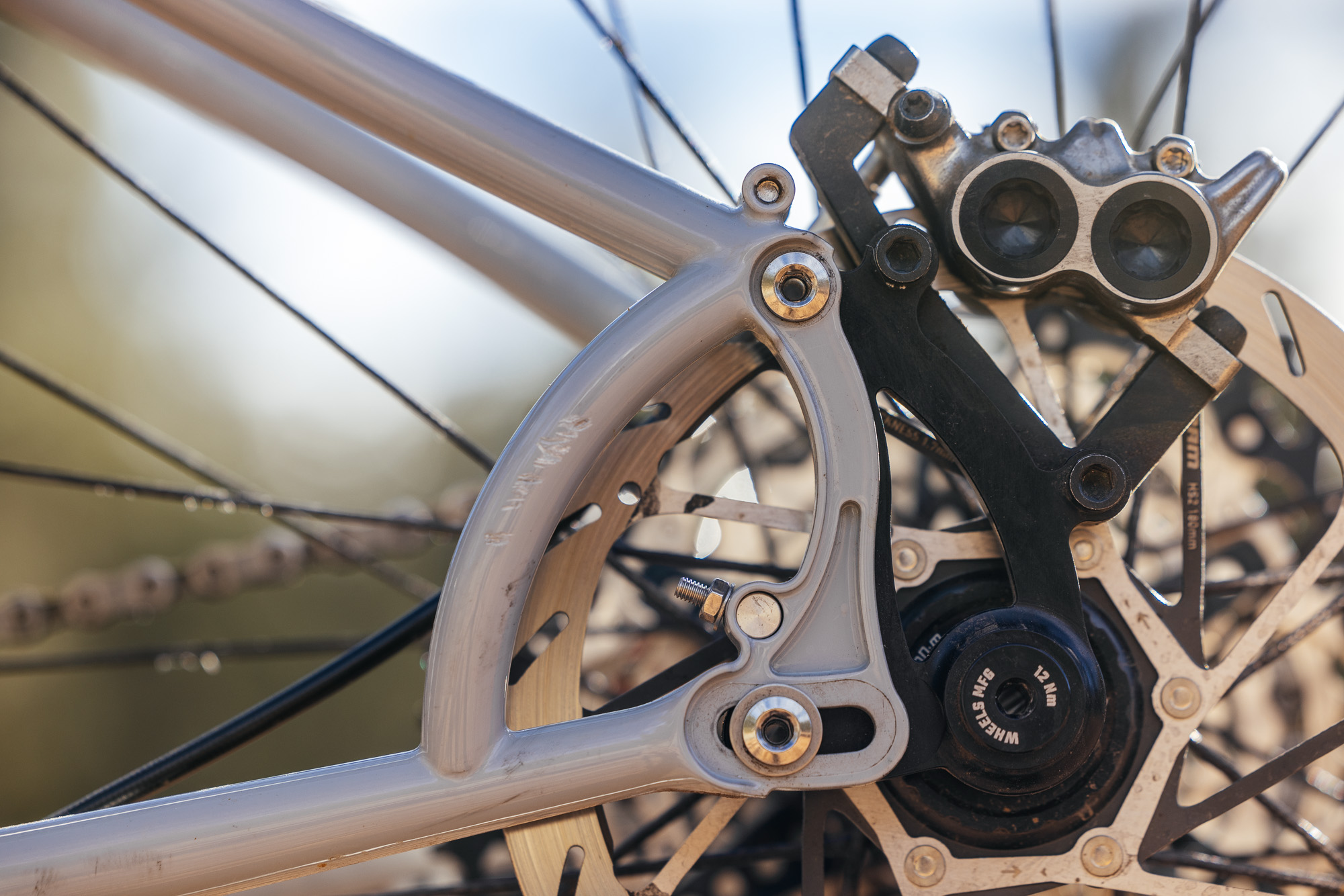
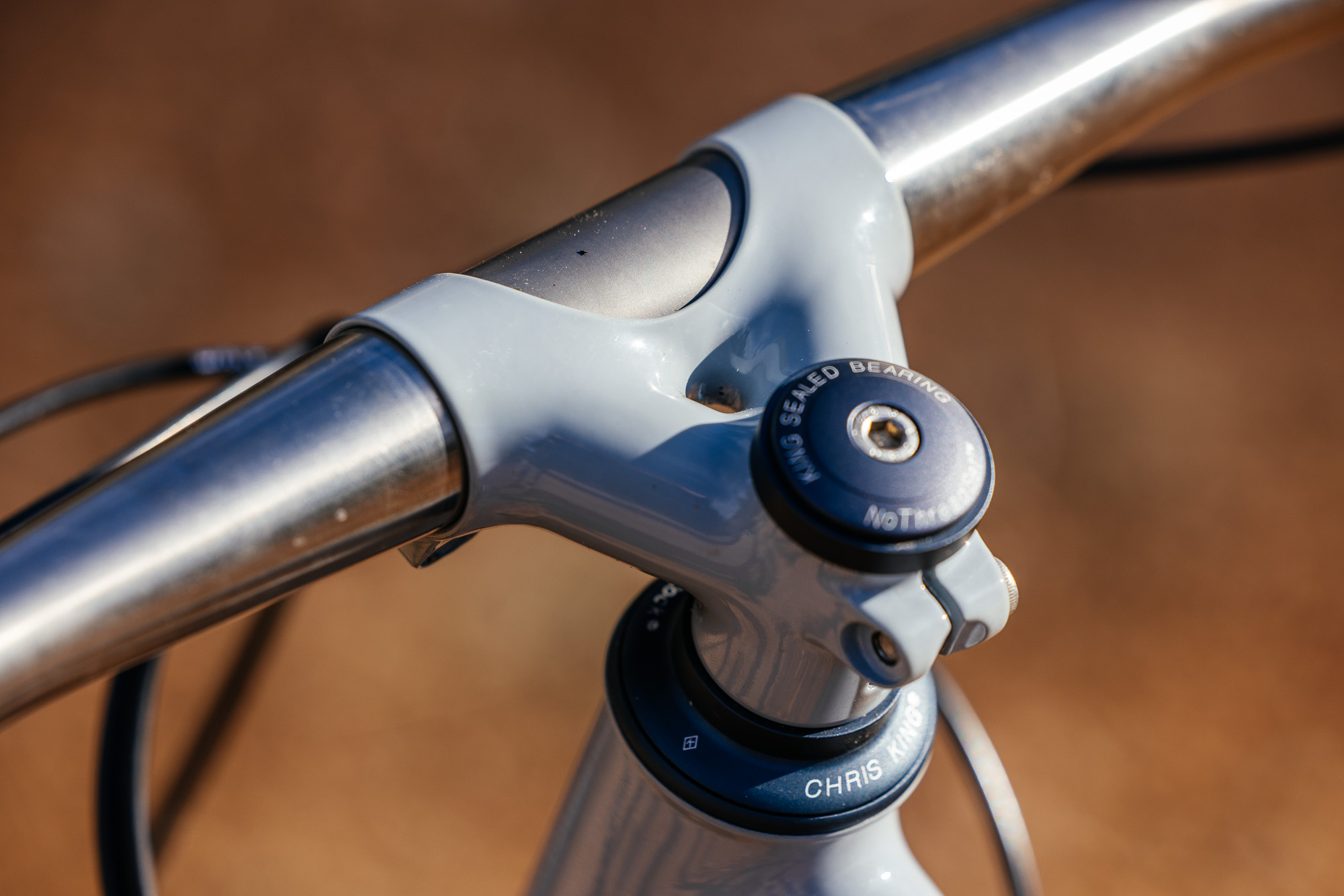
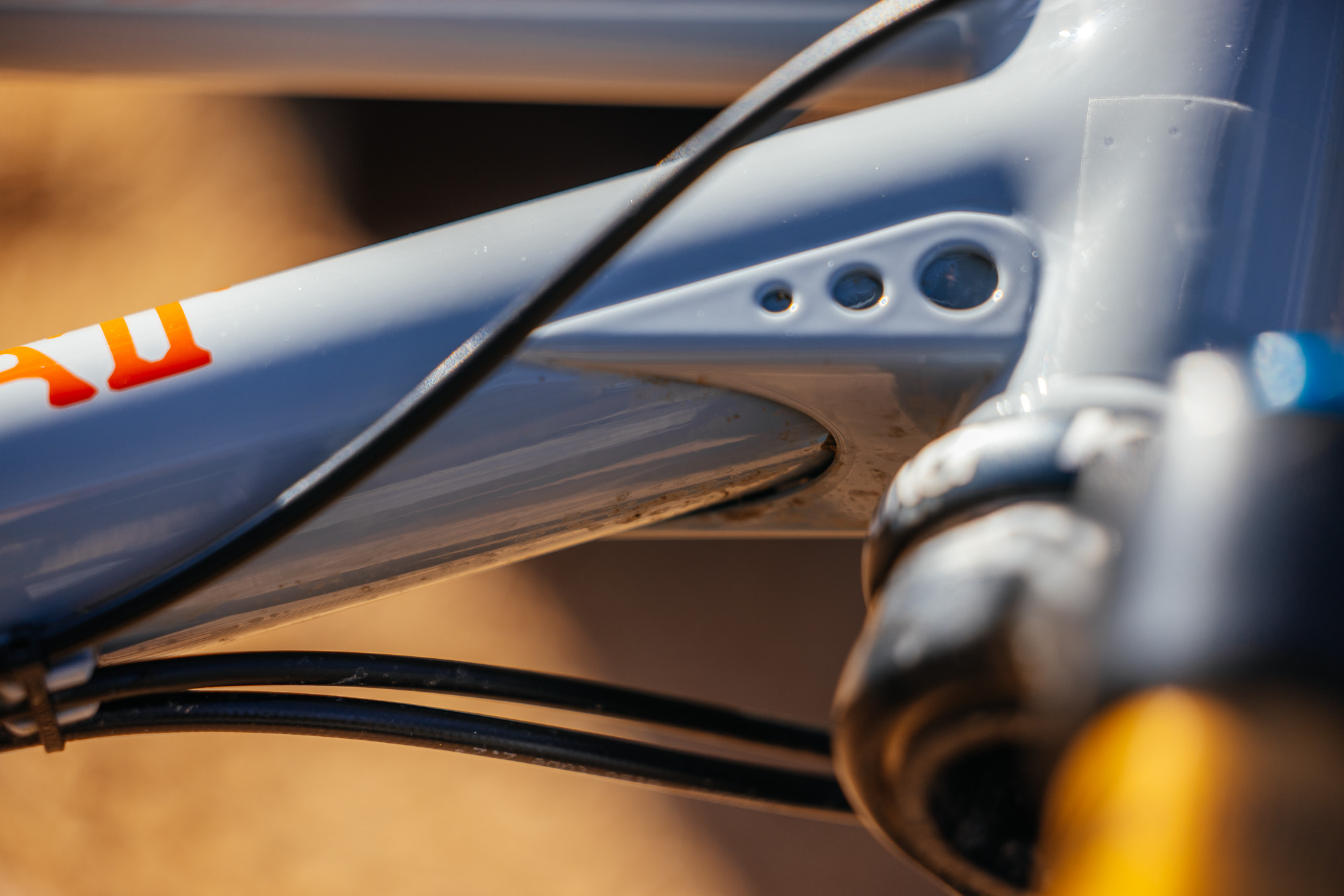
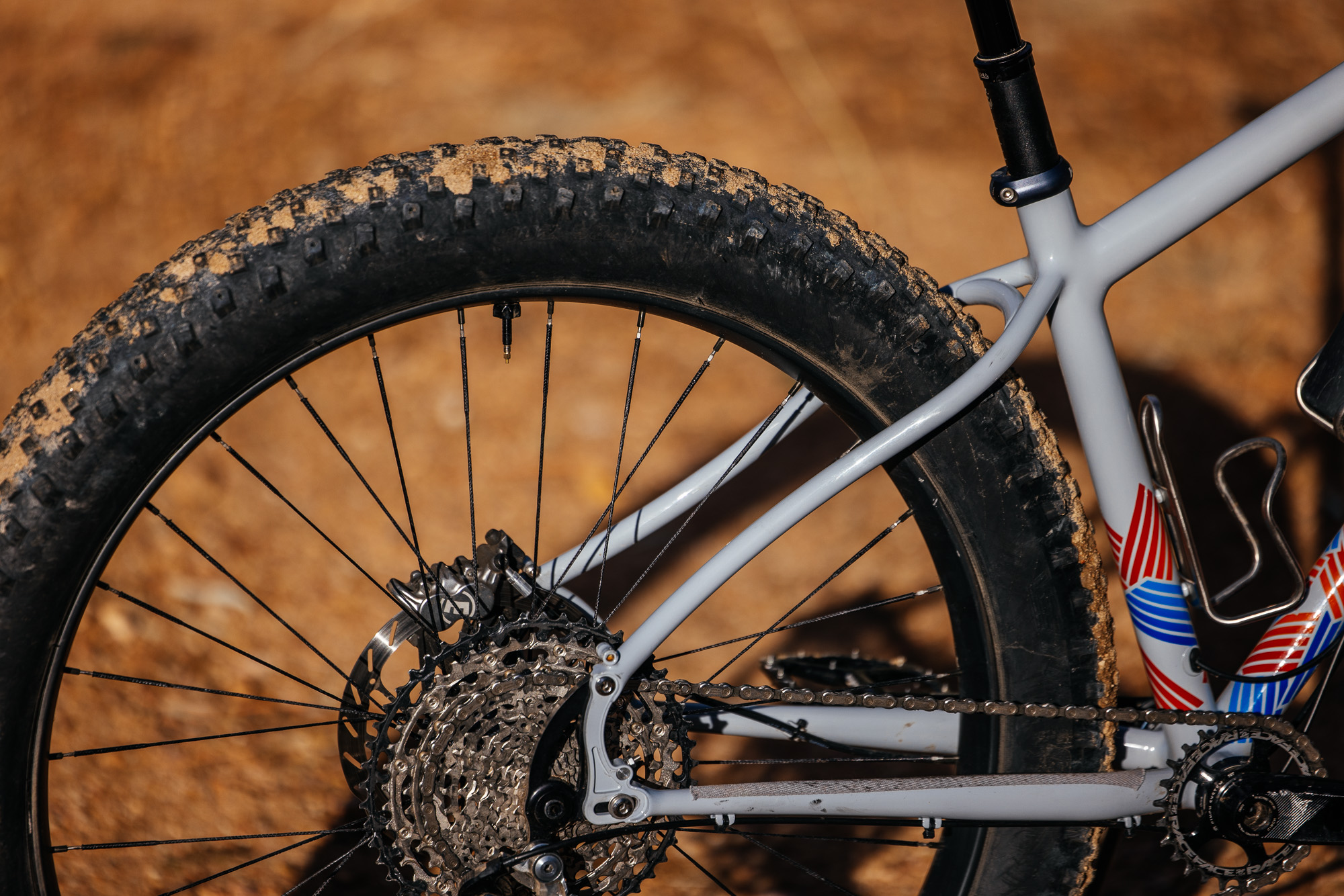
I also opted for Todd’s Swinger dropouts, which, aside from great looks, also allow for adjustment of chainstay length and the ability to tension a chain for singlespeeding. He was one of, if not the first, to use this design, and since then it has often been copied, but his remains one of the classiest. None of his bikes is fully complete without his stunning, color-matched, fillet-brazed mini bullmoose stems, so that was a must as well.
Detailing
Finally, Todd designed a color-matched and equally unique rear rack, which is unfortunately not pictured in the photoset. This rack allows me to strap on a rear bag with room for three pack mounts on each side for extra cargo. It’s a fantastic addition for bikepacking, allowing me to get full use of my 200mm dropper without having a wagging seatpost bag bouncing around behind me. For mounting points, Todd included braze-ons by the dropouts and a clever hinged clamp that attaches around the bottom of the dropper post.
Wheels
For wheels I turned to Mike Curiak, master wheel builder over at Lacemine29.com, and one of the folks who initially turned me on to the wonders of wider tires. I figured since I was going all in with the frame, I might as well do the same with the wheels. I’ve become a huge fan of Onyx hubs with their beautiful anodization options, silent coasting, and fast engagement. On top of that, they make Berd-spoke-specific hubs that use flanges instead of traditional holes for J-bend spokes.
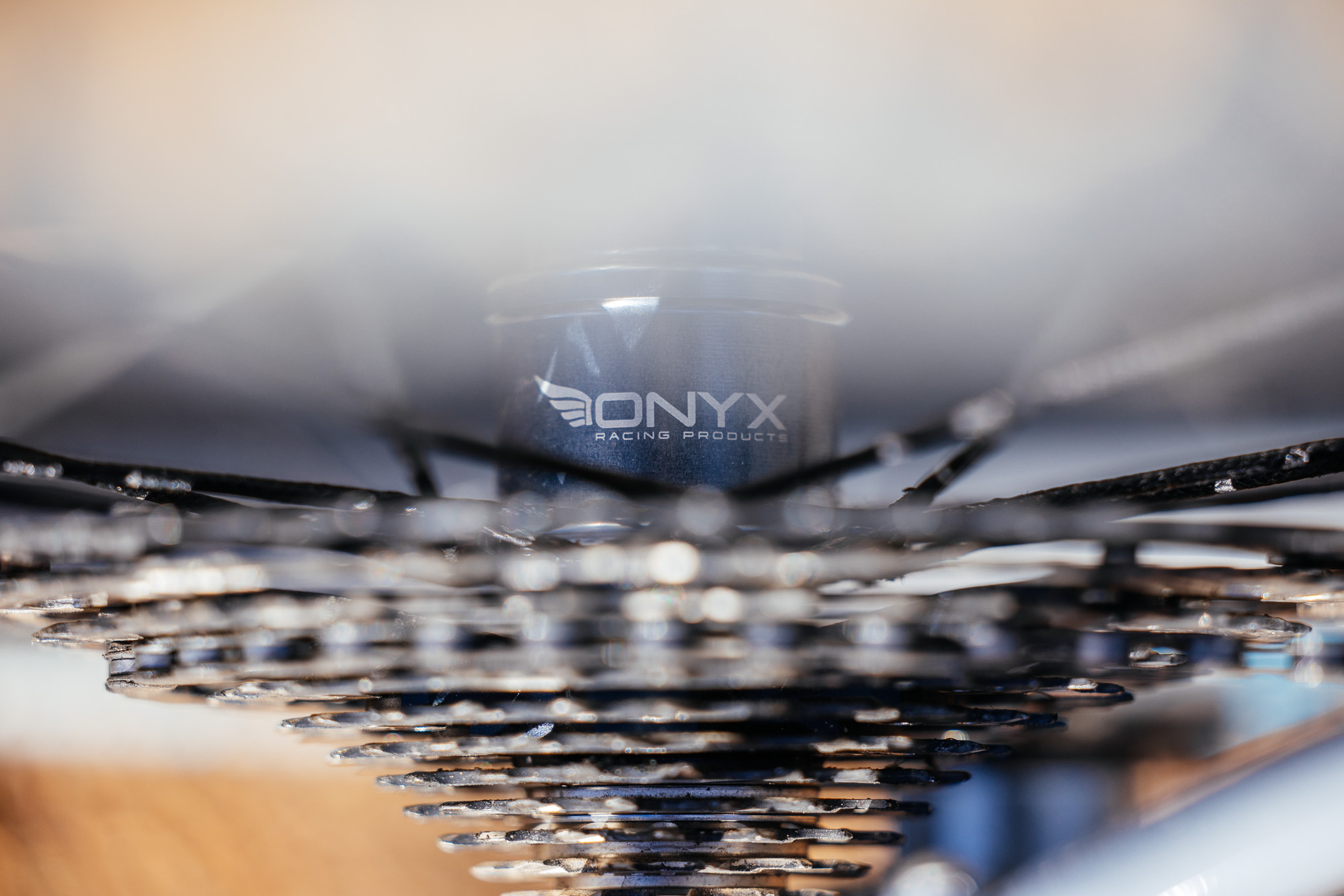
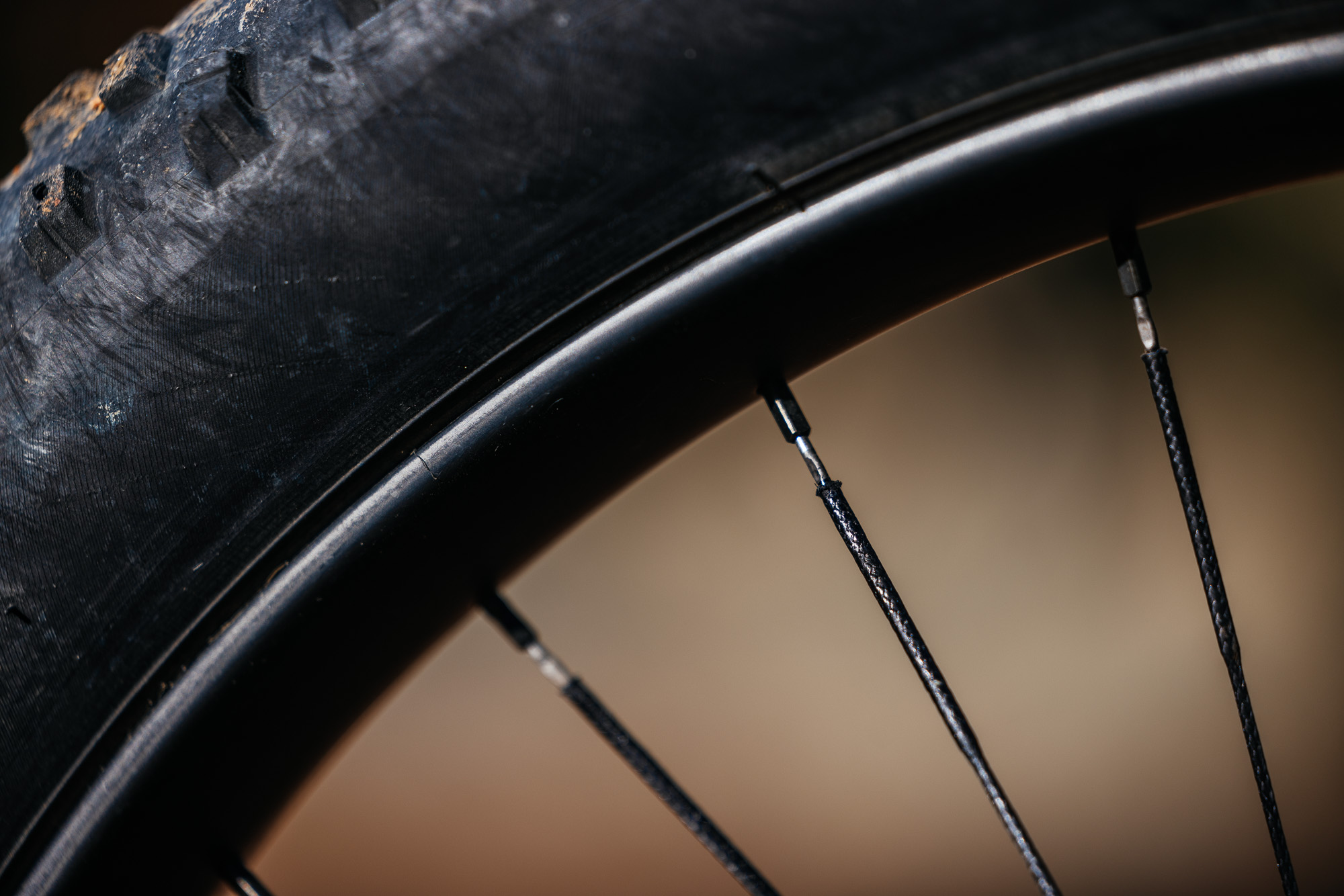
I had never ridden a wheelset with Berd spokes, but after having read extensively about their lightweight and vibration-damping qualities, I took a leap of faith and committed. Finally, I went with Nextie-brand Xiphia 50mm internal carbon rims. I’m a self-avowed carbon-phobe (#ridemetalthings), but I was assured that these would stand up to a beating and provide a nice, lightweight, damped ride quality.
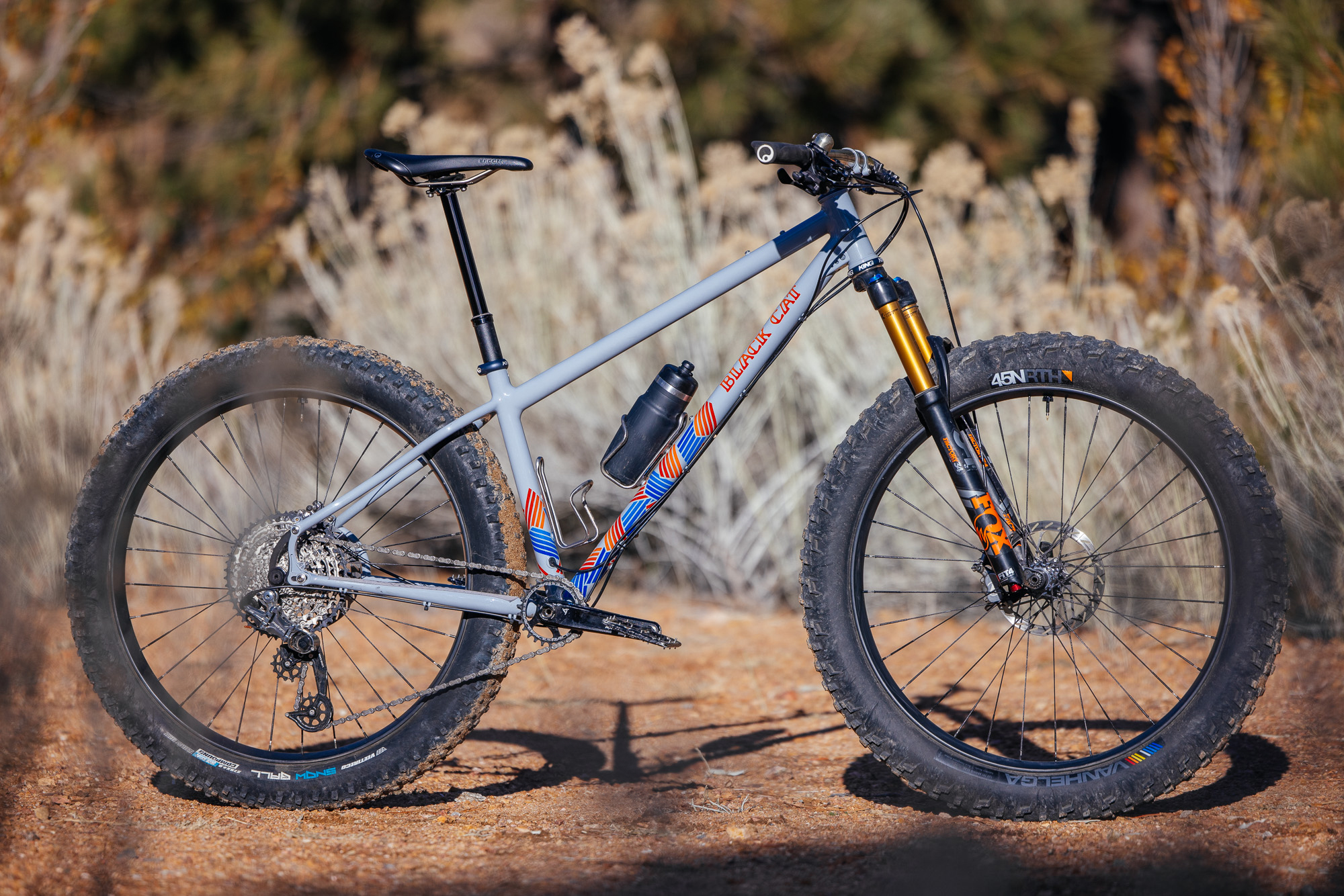
Todd is as known for his beautiful, swoopy fillet-brazed frames as he is for his incredible paint jobs. While the style of his artwork is recognizable, no one bike turns out the same, and all of them are jaw-dropping. He hand-paints over a solid powder coat color, which is then clear-coated to provide a lasting finish. He will work with you (and your budget) to develop a design. As inspiration, I chose an older paint scheme he did on a skinny-tubed road bike, and he adapted it for the canvas that the larger tubeset of a steel mountain bike provides. I couldn’t be happier and have no problem admitting that I spend a good amount of time staring at this frame and thinking, “God damn, that is a fine-looking bike!”
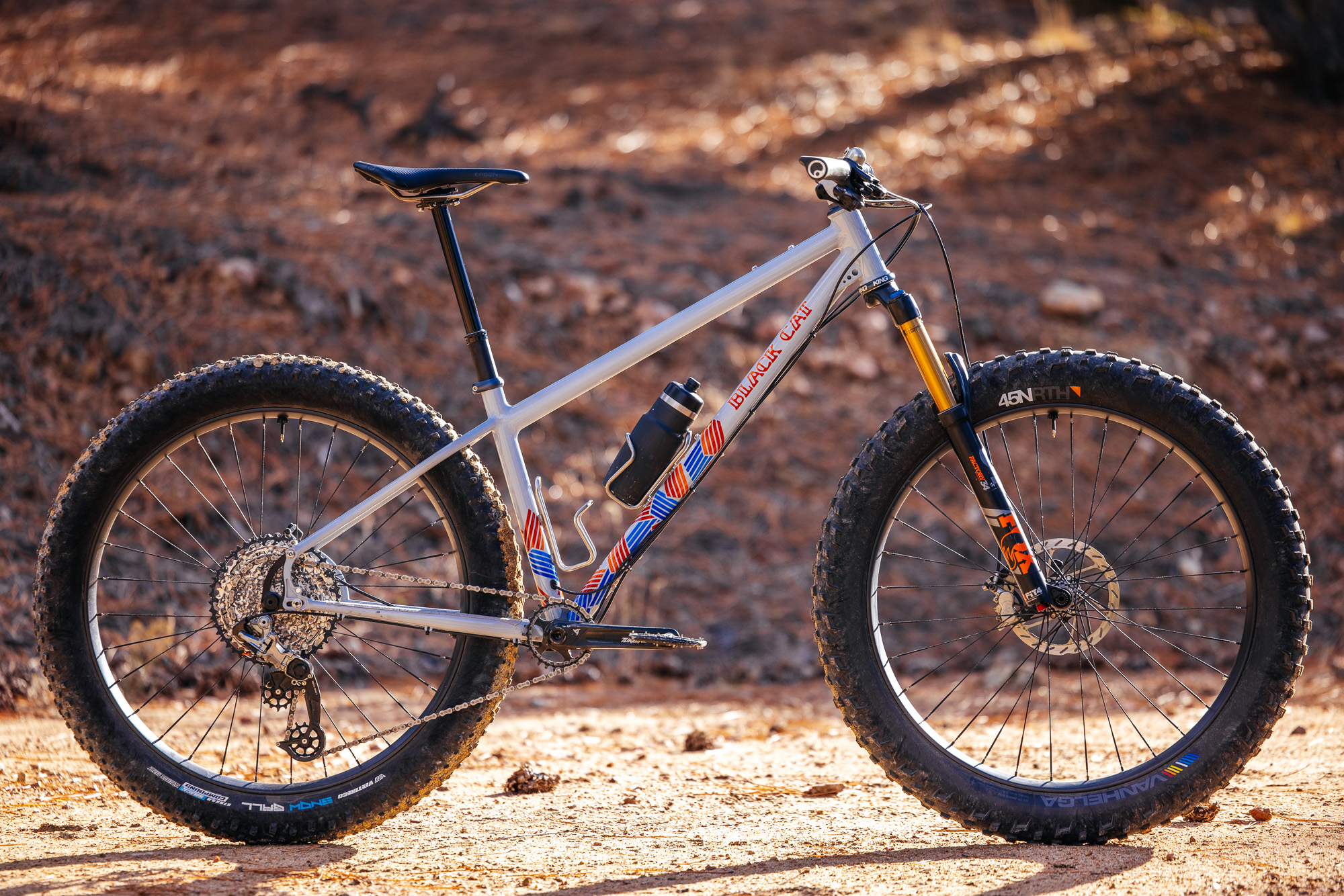
B-Fat Drivetrain
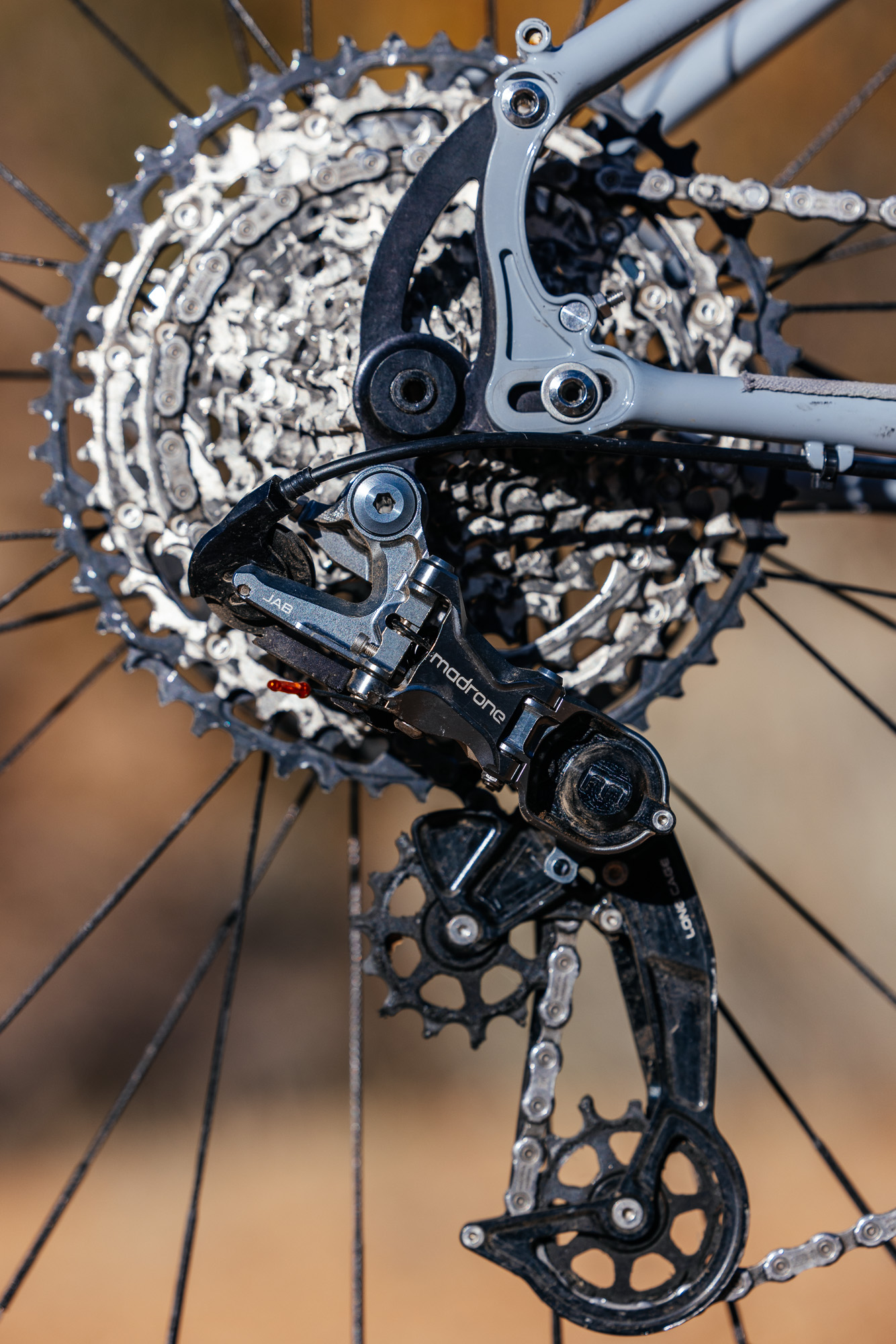
As for the drivetrain, I was super excited by the thoughtfulness, rebuildability, and brand-agnostic compatibility of the Madrone Jab derailleur. I went for my favorite tried-and-true Race Face Turbine cranks and one of their 26-tooth chainrings. I normally ride a 28-tooth ring on my other non-fat bikes because, as I mentioned in the intro, our trails are steep! Despite my best efforts, I continue to boldly age into my late 40s, and these grades aren’t getting any tamer, so I have no shame in proudly spinning that 26-tooth ring amidst a sea of (gasp!) 32-tooth front rings.
And finally, the fork – the ubiquitous Fox “Unicorn.” Somewhere around 2017–2018, in the midst of the 29/27.5 x 3.0” compatibility craze, Fox made this unique gem: a 110mm-spaced fork that could clear a 29 x 3.0” tire as well as a nice, plump 27.5 x 4.0” B-Fat setup. Despite its age, I’ve stayed on top of maintenance, and it continues to perform as smoothly as it did back then. The bike was designed around a 140 mm fork, but it’s currently set at 130 mm of travel, and I’m pretty content with its capability. I’ll eventually swap air springs to try the longer travel setting, but I’m in no rush.
As a side note: Hey Fox, if you want to make a modern version of the Unicorn with your new damper and 36mm stanchions, you would make a handful of weirdos like myself rather happy. Until that day comes, these are highly sought-after eBay finds that are rarely spotted in the wild.
Ride Quality
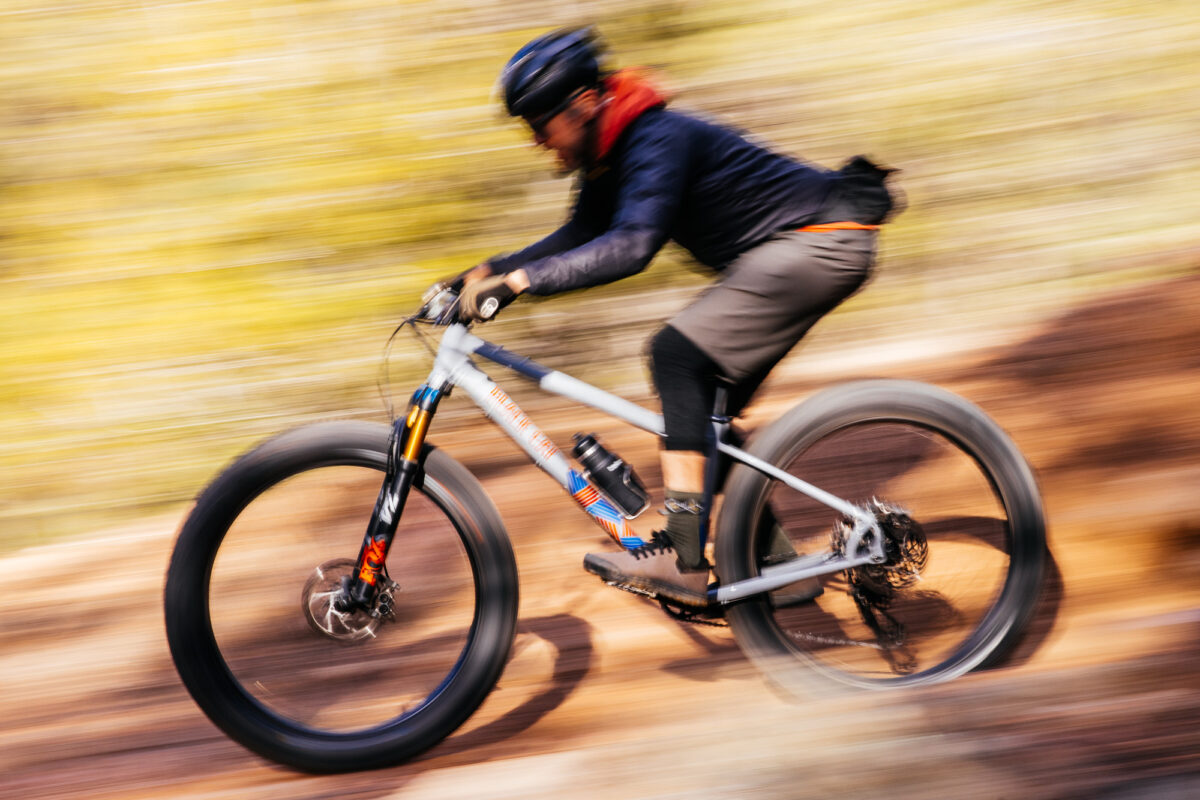
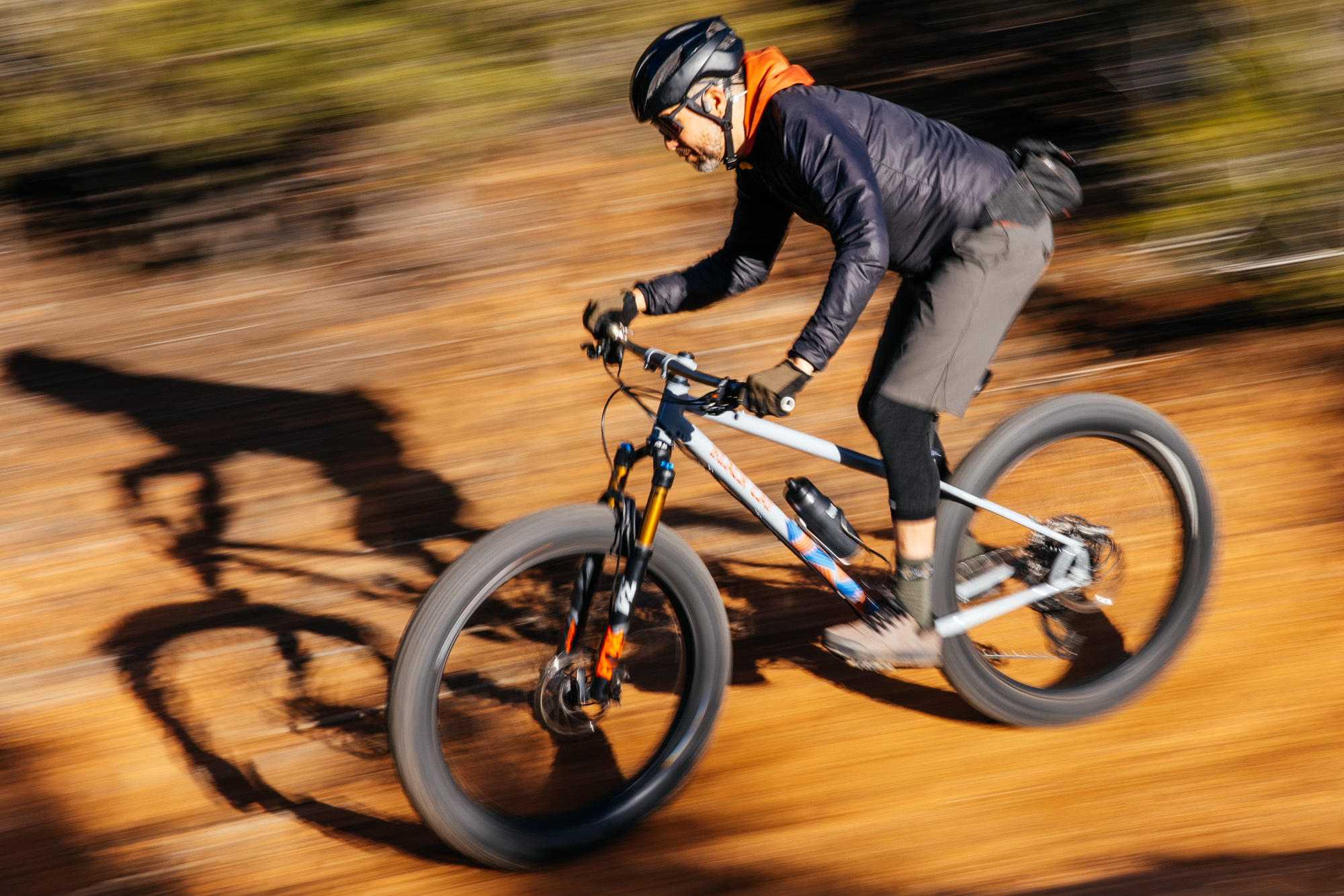
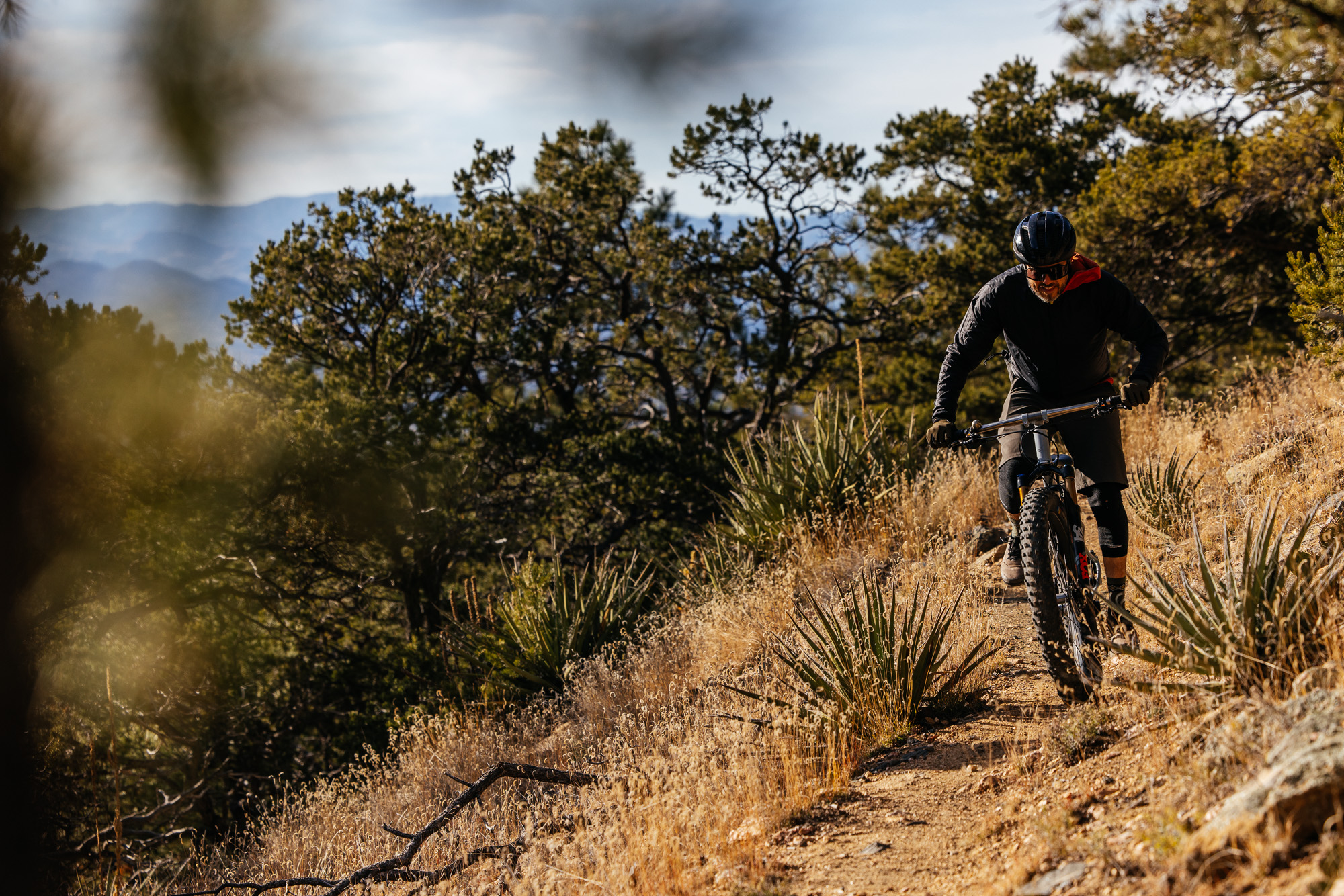
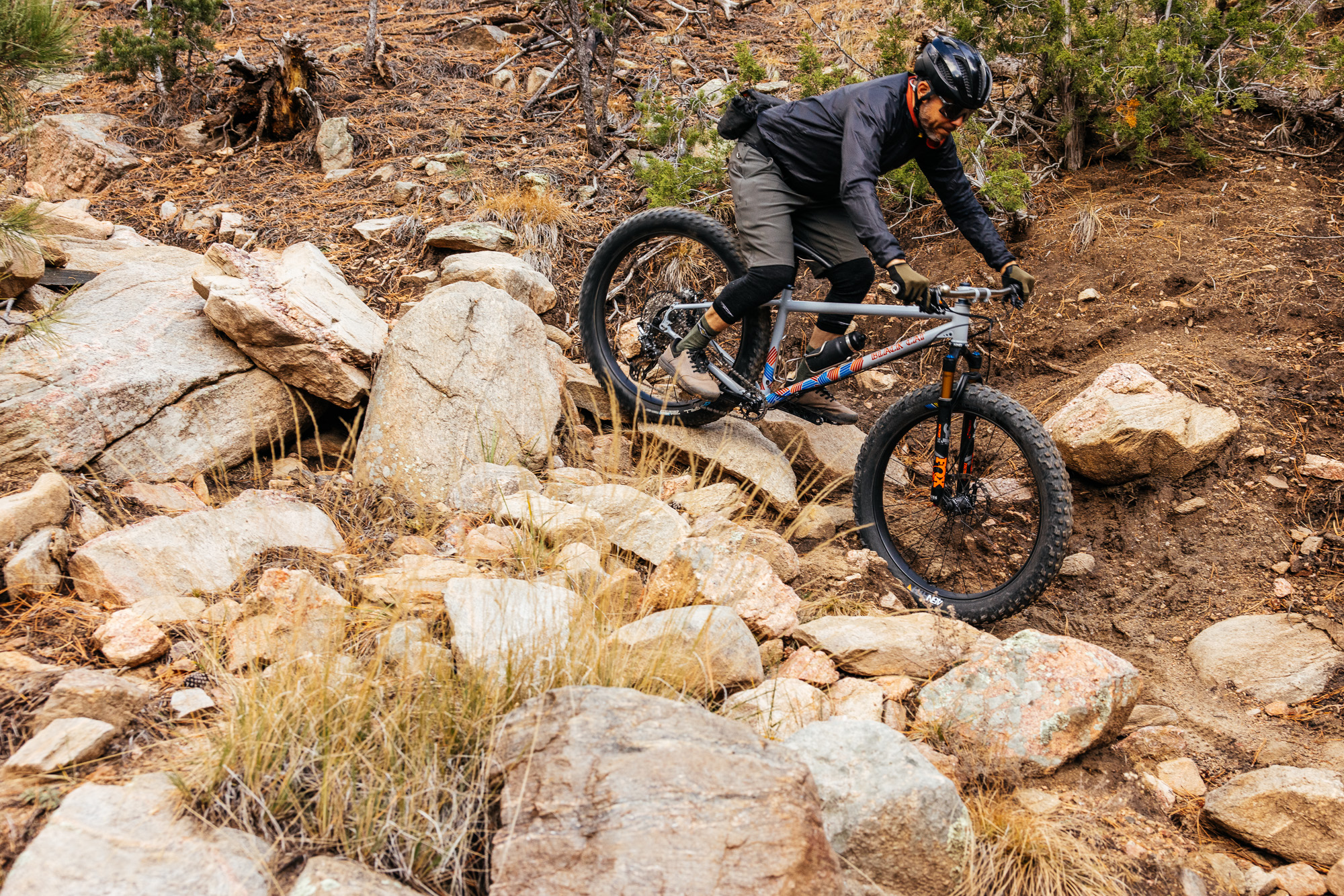
So after all of that, how does it ride? After nine weeks and about 350 miles, I can say with authority that this bike is on a different level than anything I’ve ever ridden and has exceeded my wildest expectations. I am consistently climbing and clearing stupidly steep grades that normally had me walking, while rolling over rocks and ledges that would previously give me pause. Descending has taken on a whole new level of joy for me – the bike is playful, planted when it needs to be, and gives me confidence to charge trails as if I were on my full-suspension rig. The drivetrain is incredibly smooth and quick-shifting, and not once have I ever wished for a larger front chainring!
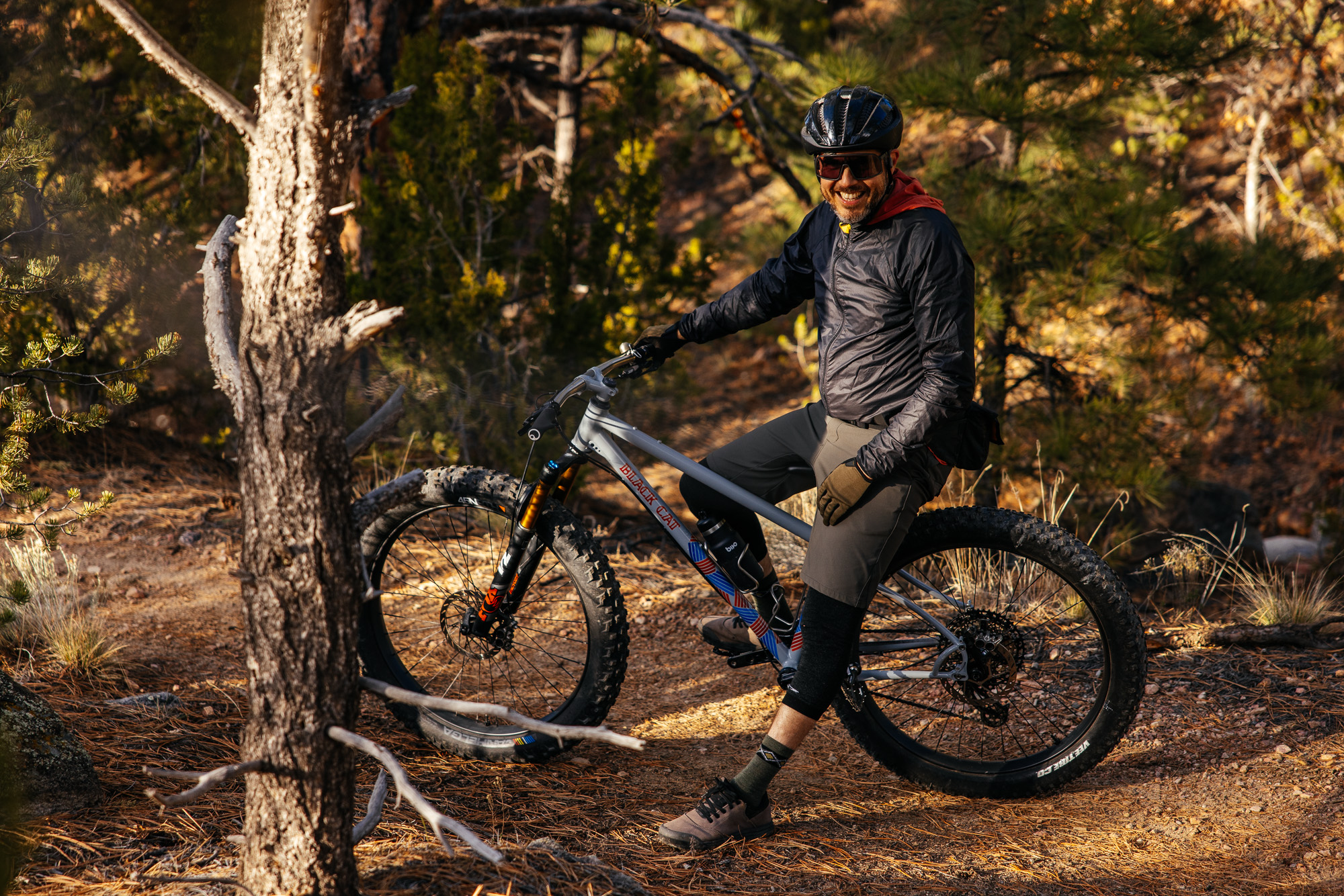
Oh, and those fancy wheelsets shod with 4” of 45NRTH and Vee Tire Company rubber? It’s hard to say whether it’s the volume provided by 4.0” tires run at 9.5 and 8.0 psi respectively, the Dyneema spokes, the carbon rims, or all of the above, but they really feel unlike anything I’ve ever ridden. It sounds cliché, but they are compliant, damped, and much lighter than they should be given their size. It’s a dangerous, slippery, and rather expensive slope to slide down, but it might be hard for me to go back to a “standard” wheel build!
Context: Ultimate Santa Fe Bike
Time will tell, but for now I feel pretty strongly that Todd created the “ultimate Santa Fe bike” for me. Is it for everyone? Definitely not, and that is okay – other folks can and will adapt their rigs to best suit their individual needs. In the meantime, this has been one of the best justifications for a truly custom rig that takes into consideration all of my unique needs, and I couldn’t be happier.
A huge thanks to Todd for being willing to think outside of the box and put together something very different than what he normally does; Mike C for all of the wheel and tire advice; Sincere Cycles for helping me stockpile parts for this project; Santa Fe Mobile Bike Works for the build (done in a van, outside my house!); and of course John for the mind-melting photography!
See more at Black Cat Bicycles.