
Jannik Sinner defeated Carlos Alcaraz 7/6 6/3 in the final of the Monte Carlo Rolex Masters on Sunday to clinch his third 1000s title in a row for 2026. The win also leapfrogs the Italian to number 1 in the ATP rankings.
Blustery grey April skies along the French Riviera turned Sunday’s final into a Tough Mudder version of tennis between the two apex players on tour.
“I think today was really difficult conditions, because I just consider myself that I play great tennis when there is a lot of wind. Today’s wind was a little bit tricky because it wasn’t in just one direction,” Alcaraz said. “It was twirling around. One point you play a point with the wind helping and the next point it was totally opposite. So it was tricky to understand where the wind goes.”
— Alcaraz for atptour.com
You wouldn’t have known it early on, with Alcaraz lacing a couple of forehands to earn an immediate break:
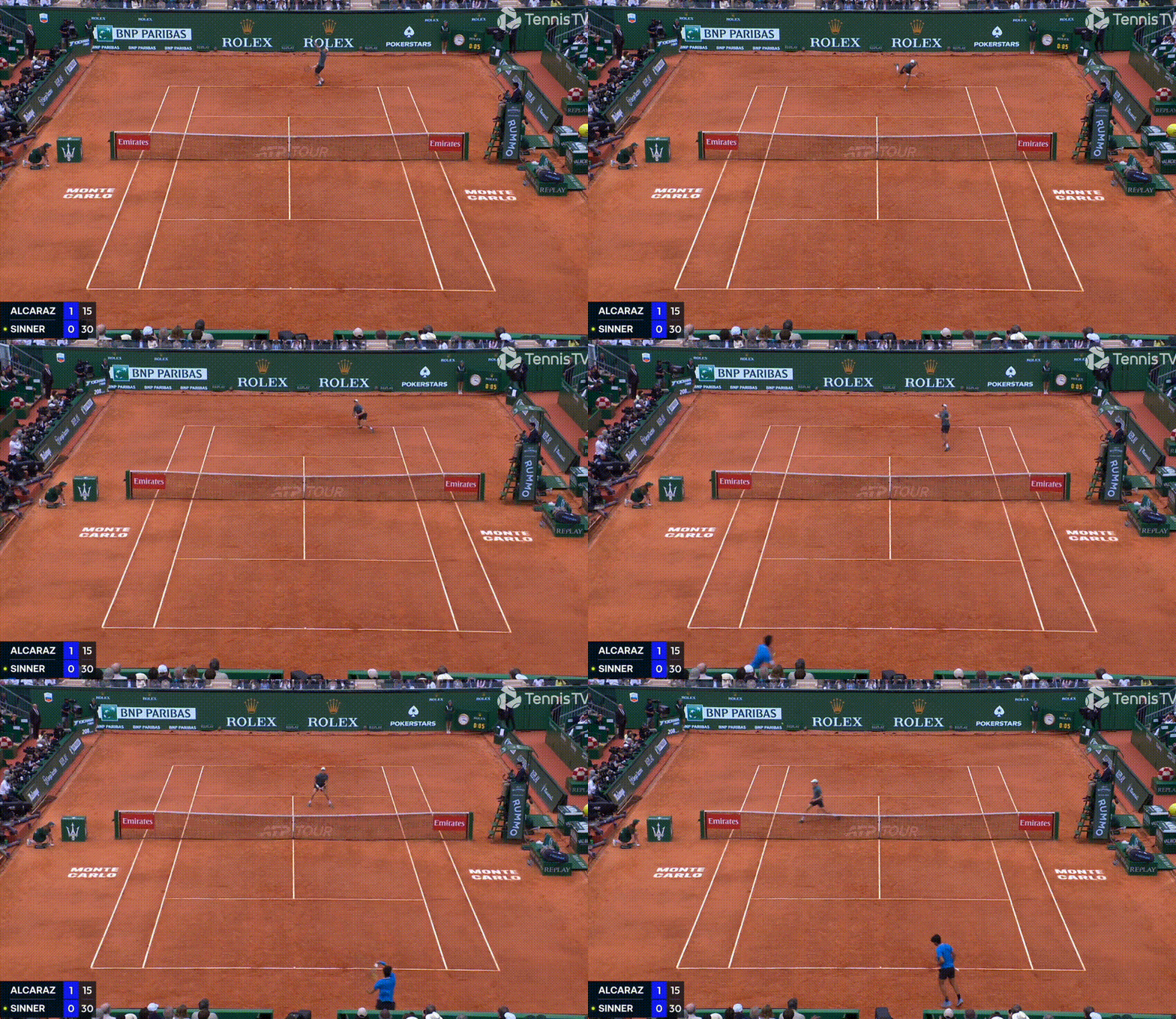
But as deadly as the Spaniard’s forehand remains, this match was decided by their backhands. Alcaraz gifted the break back immediately with some long errors from his backhand, and it was a constant blemish throughout today’s encounter.
Alcaraz only made 79% of his backhands (well below his 84% average), compared to Sinner’s typical 86%. The Italian owns one of the heaviest two-handers on tour, courtesy of a forehand-esque swing path that whips deep inside his hands. Alcaraz’s is far more compact by comparison, resulting in less speed and spin:
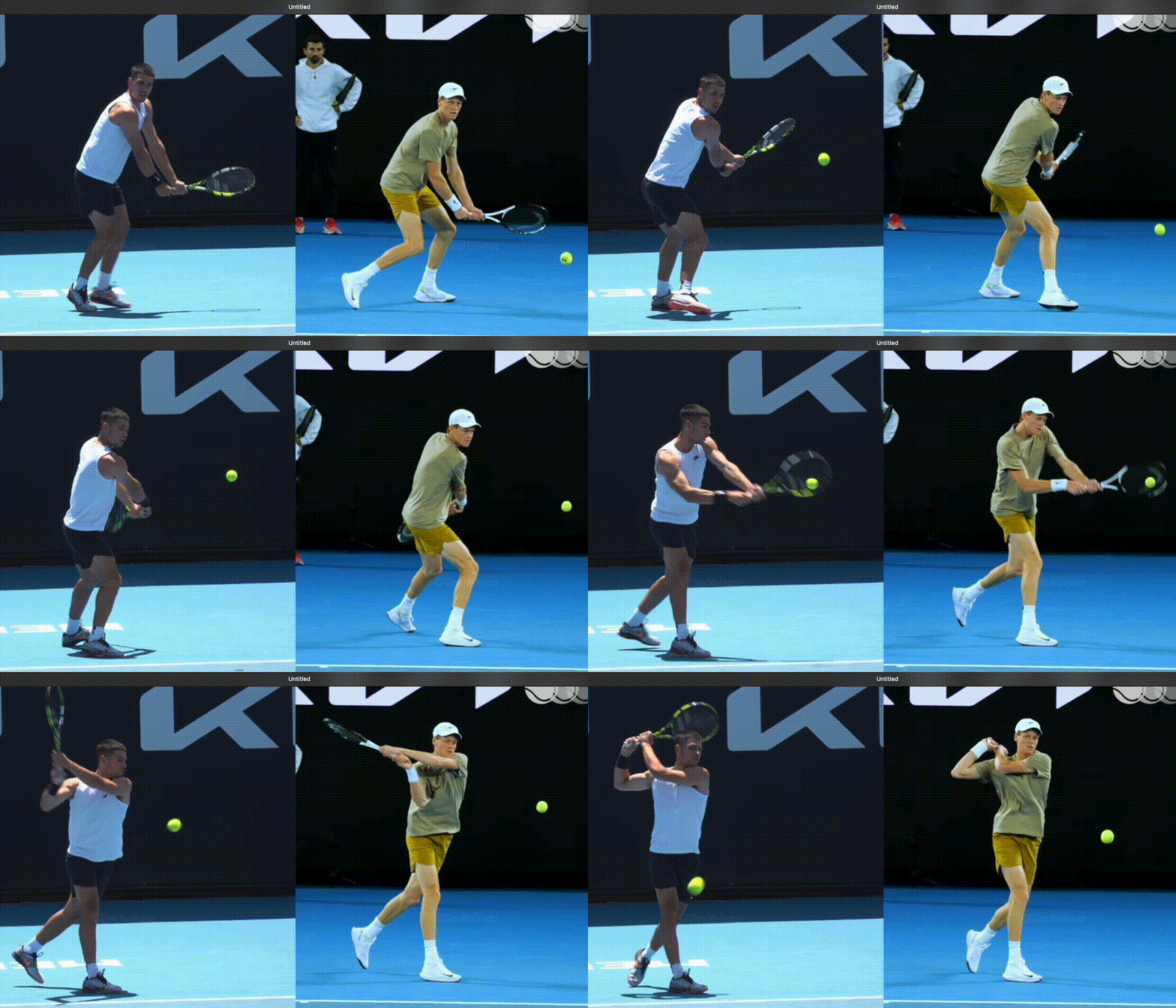
There are tradeoffs to these swings.
Alcaraz’s is better suited to crush-n’-rushin’ second serves.
Sinner’s is better suited to trading blows from behind the baseline with industrial inputs of speed and spin.
On a calm day and faster surface, those differences might blur, but on slow clay in the wind I think Sinner’s swing has an edge. Run the point over and over again, and the results skew.
Here’s each man’s maximum slot depth to compare:


To stay with our casino theme, I once likened groundstrokes to a poker hand: Djokovic, Sinner, and Alcaraz holding pocket Aces — elite forehand and backhand combos that should win more often than they lose — but like a game of Texas Hold’em, the better cards don’t win every hand, because within tennis’ river cards are wind and form and surfaces and fitness and confidence and matchups and luck and numerous other variables that make accruing any single point a messy and uncertain affair, but play enough points and the underlying edges start to assert themselves.
Sinner will always have the backhand edge in slow clay rallies because Sinner’s is the gold-standard for modern-day baseline crushing, but tucked up the Spaniard’s sleeve has always been his freakish ability to have Federer-level feel when taking the left hand off, and welding that skill onto vaporising footspeed that helps him steal points at a tour-leading clip when in defense:
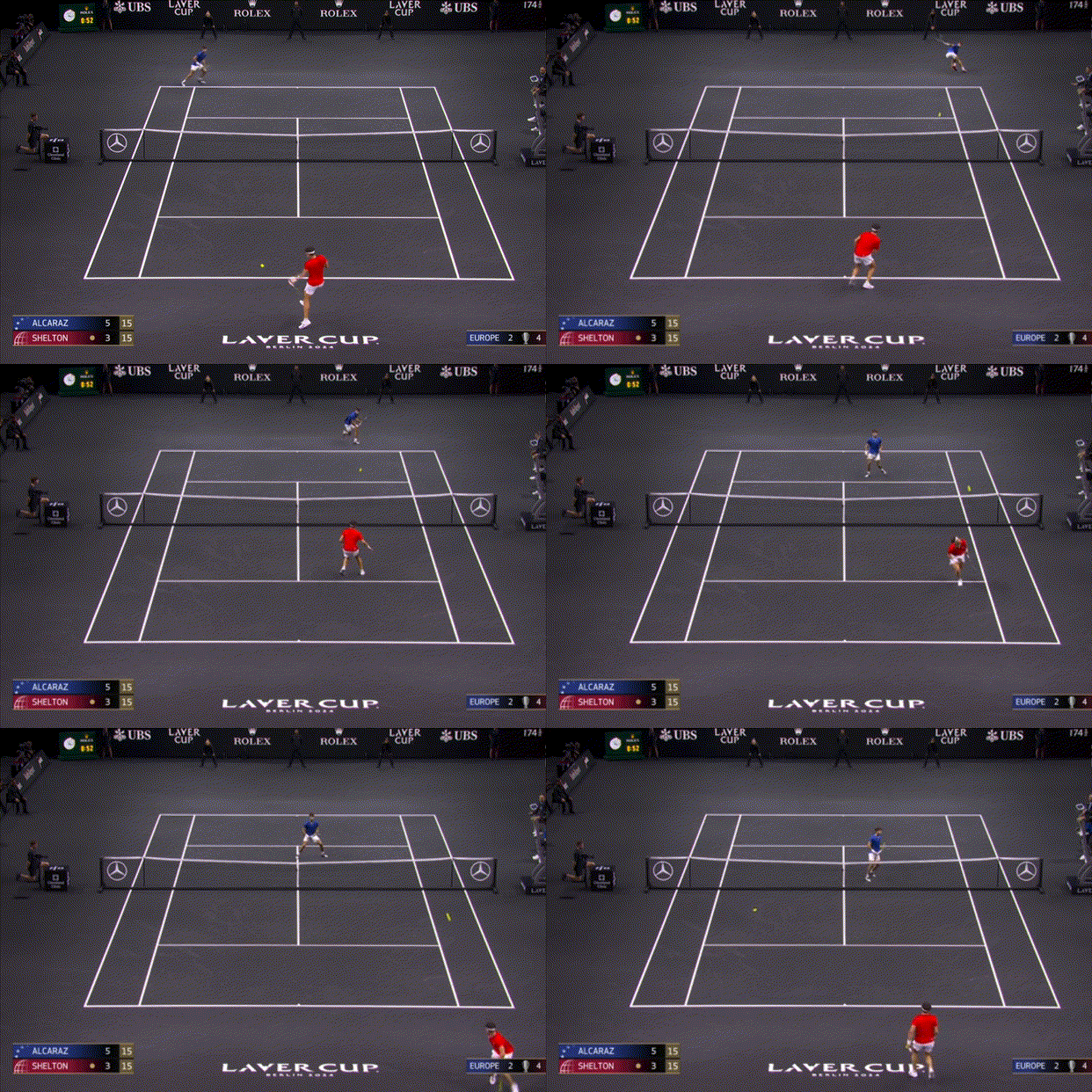
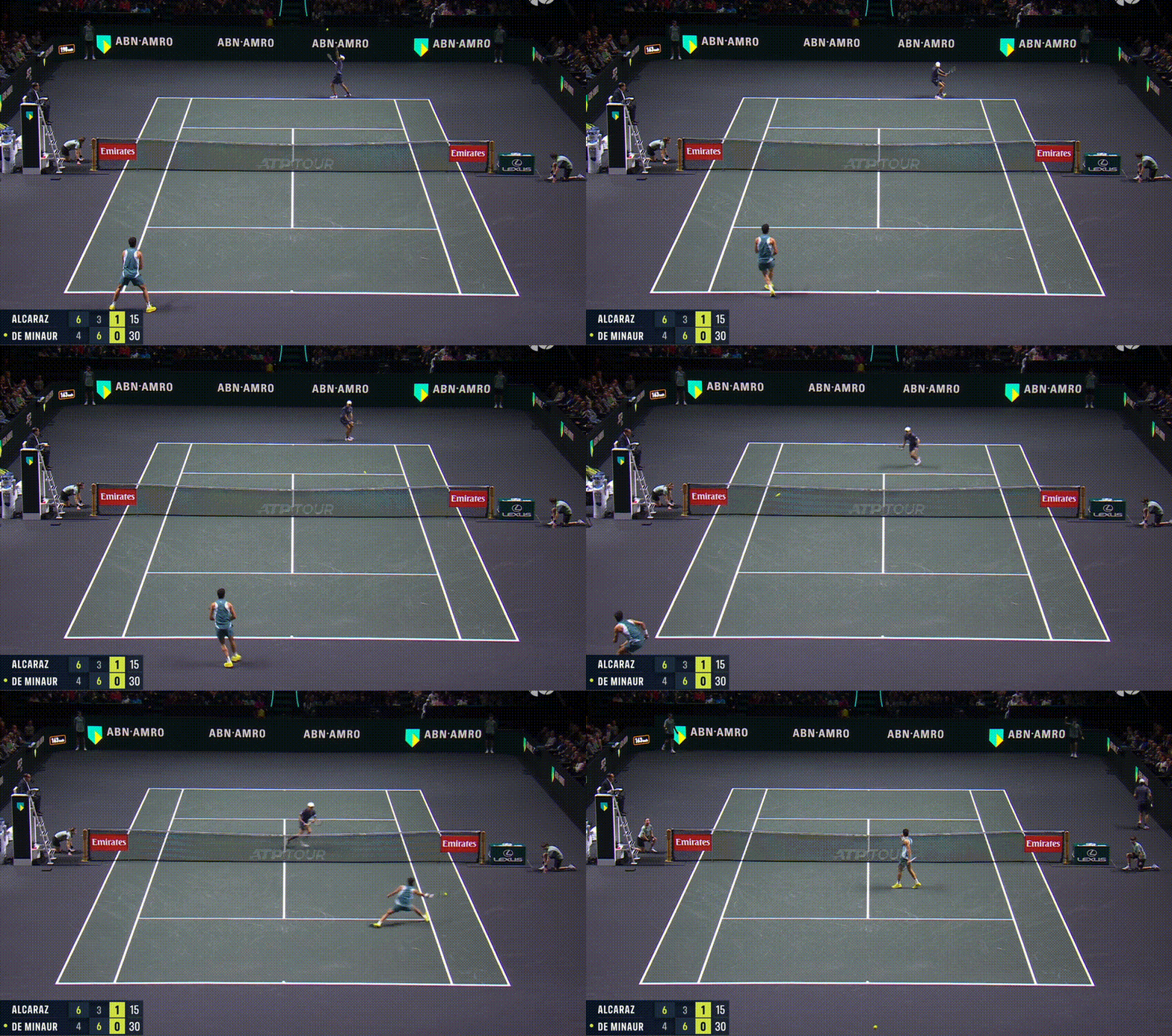
End-range steals aside, the wind meant this match was always going to be about playing with more patience and margin in stock topspin exchanges:

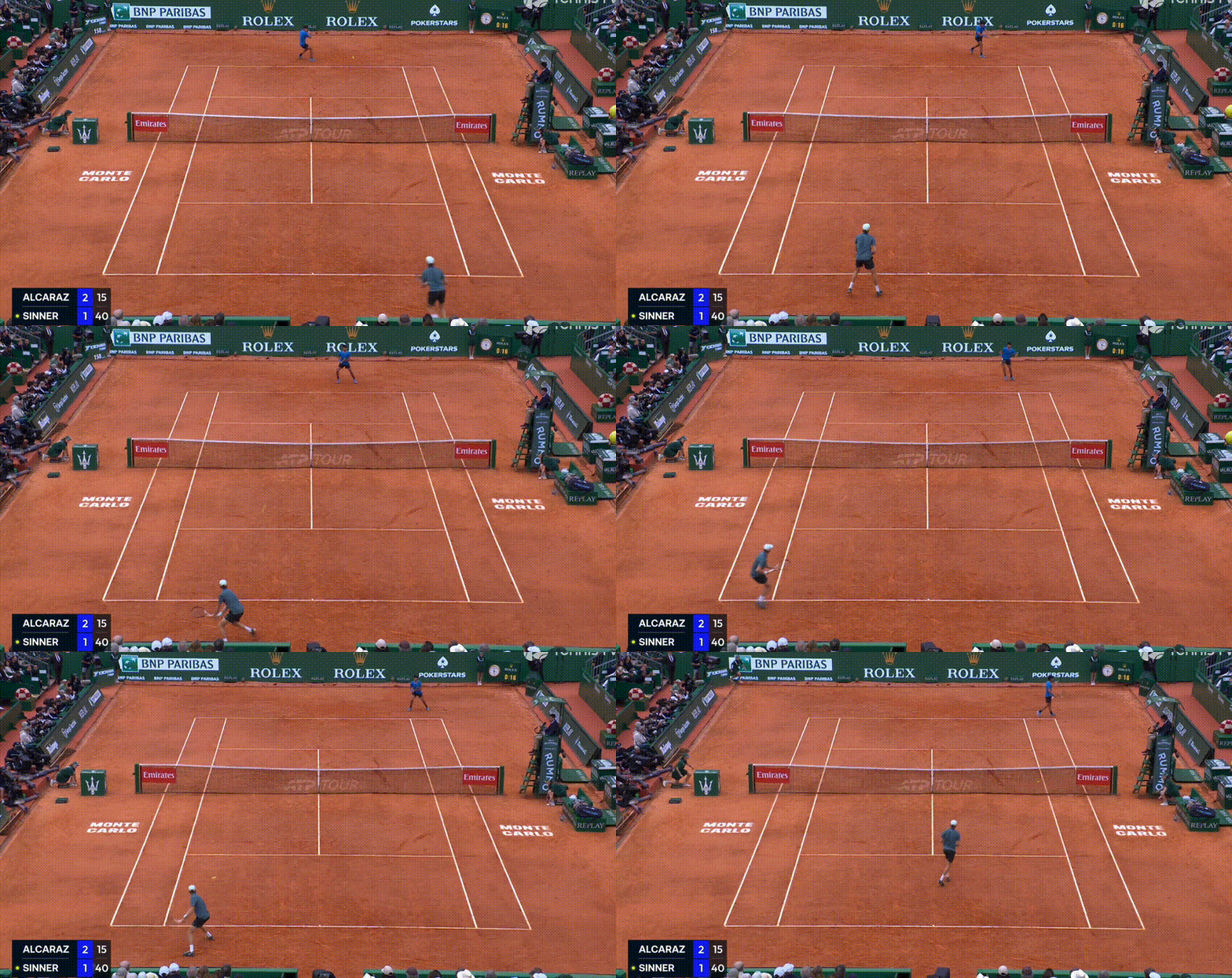
1-2 40-15 was the first lengthy exchange of the match (18 shots) and we got a glimpse into the Sinner game plan: go heavy into the backhand until the Spaniard taps out:
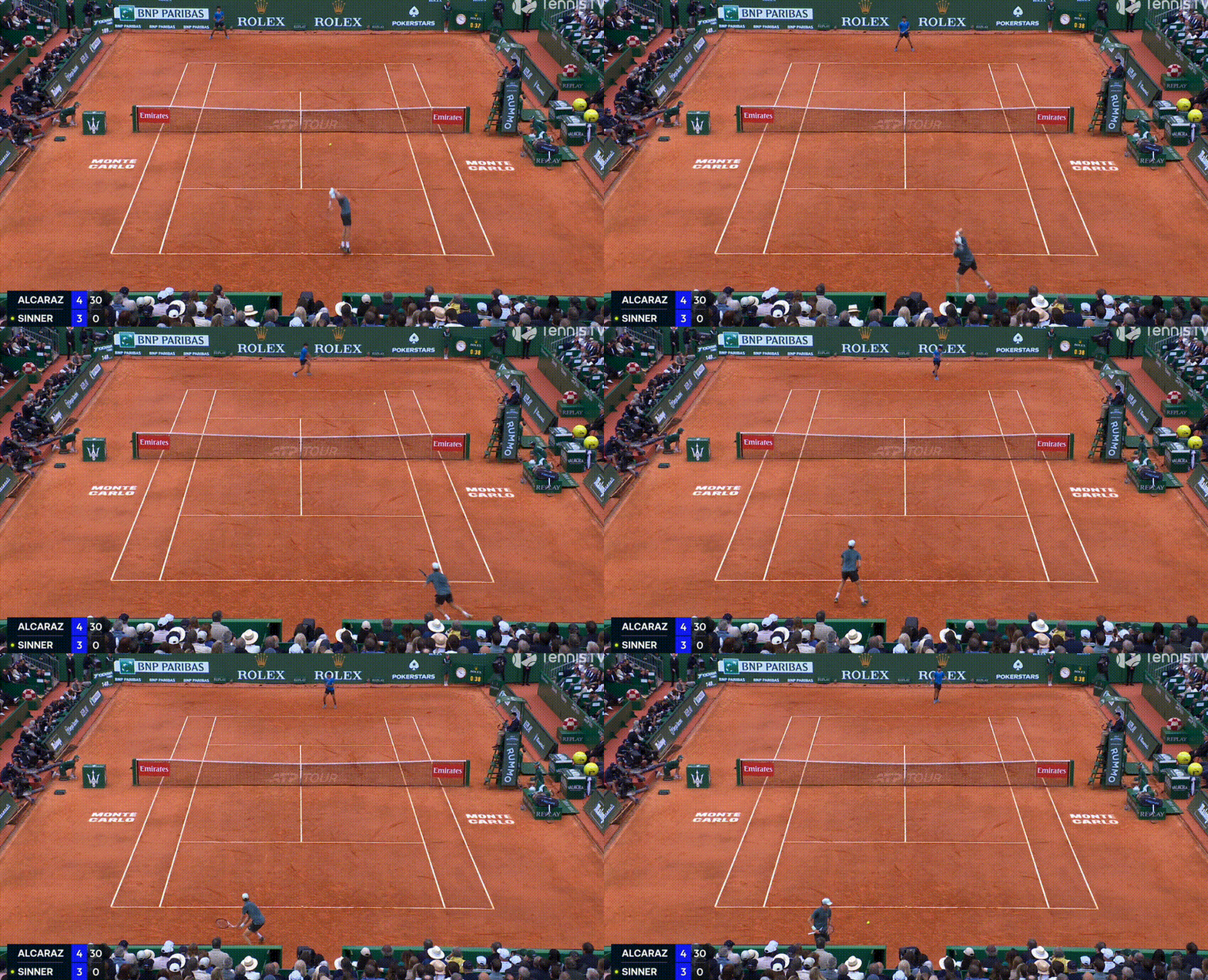
On return Alcaraz was standing deep and doing his best to get the ball up and out of the strike zone of Sinner, but as the Tennis TV commentators noted, with the damp court conditions, perhaps the Spaniard wasn’t getting the bounce necessary to trouble Sinner enough, and this point at 3-4 0-30 was a crucial one in the match. Here we see the intentions of both men so clearly: Alcaraz backing up on return to rip forehands into higher altitudes, Sinner slowly turning the screws into a backhand battle, until Alcaraz cracked:
And on the theme of return, the patterns of both in the early games were as expected: Sinner, consistent in his position and trying to get the ball quickly back on Alcaraz’s laces, whereas Alcaraz applies a bipolar strategy, sometimes dropping back to flight the ball high and heavy from the Rolex sponsor, sometimes closer in trying to rush one back from the baseline. This graphic from Matt Willis does a great job displaying these differences:
I don’t have additional graphic data for serves and returns, as the wifi was down for Hawkeye in Monte Carlo, but last year in Rome, Sinner didn’t do enough on second returns closer in, and he got minced that day. When he opts to take it early, if he doesn’t get a good chunk of the ball, he has to recover sharply back-and-middle, and that sets up the Alcaraz forehand drop shot perfectly, who so often plays it in the opposite direction of his opponent’s split-step:
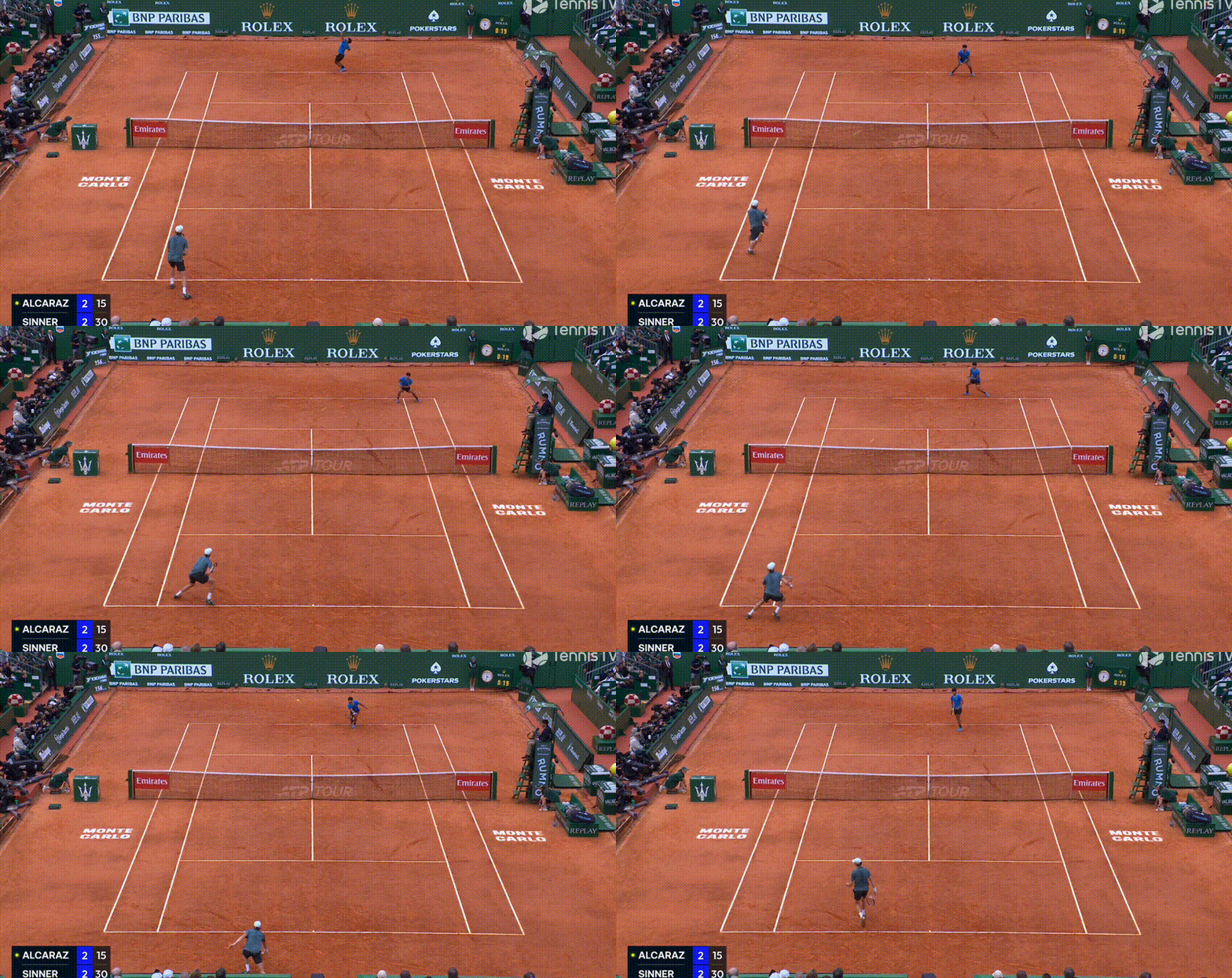
But Sinner had his return measured today, and this line attempt was perhaps his best:
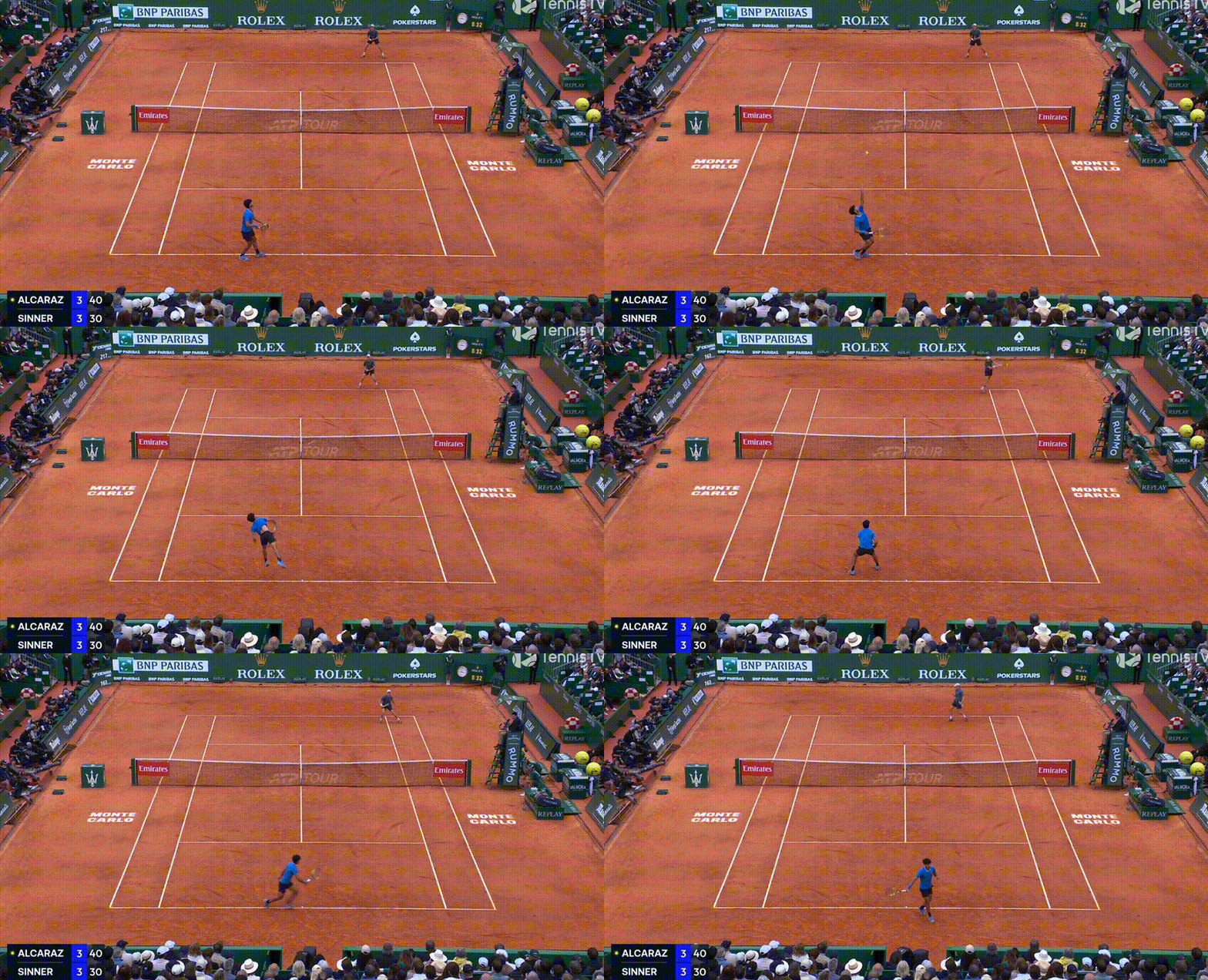
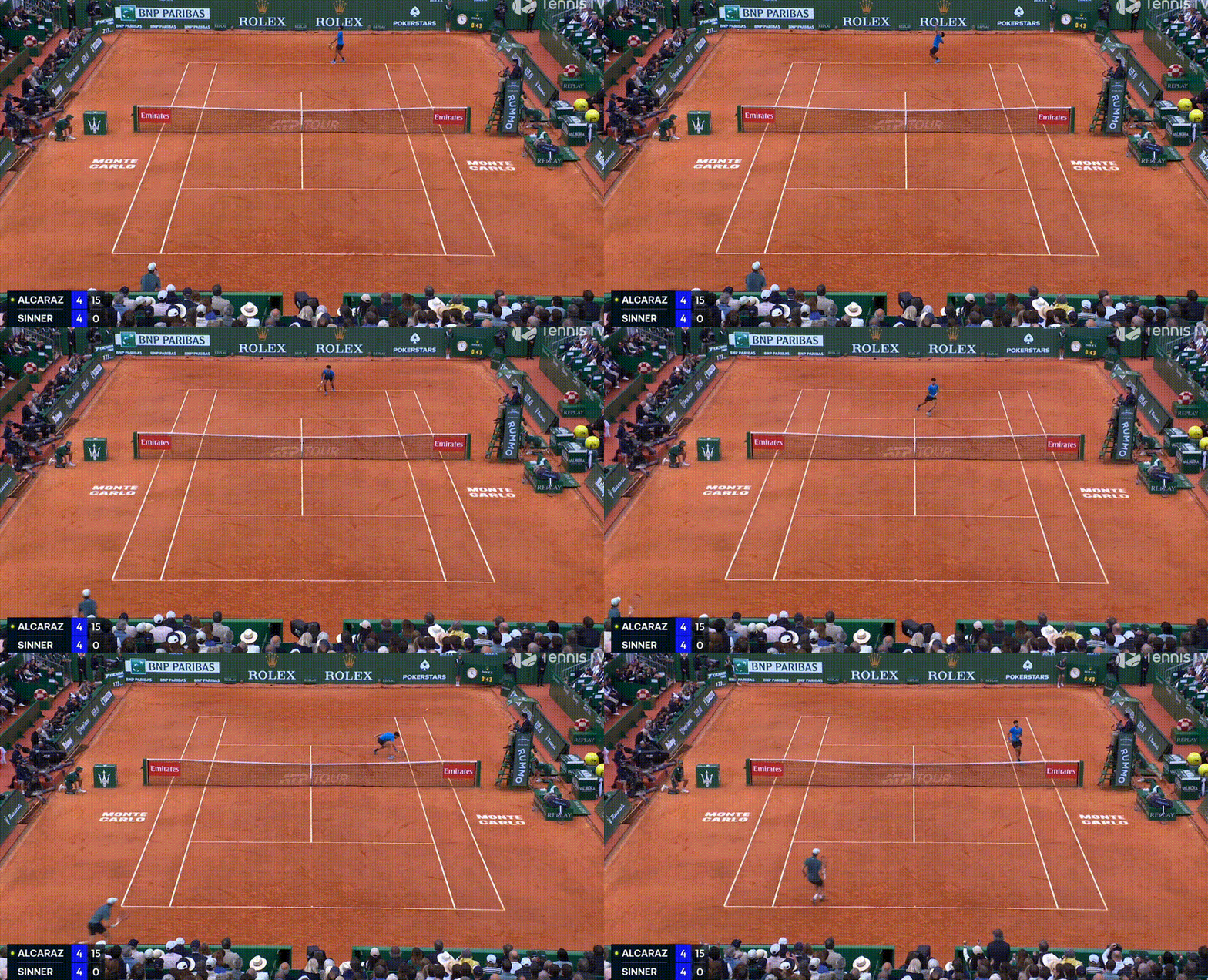
When Sinner does occasionally back up on return, Alcaraz’s first instinct, especially on the Ad-side, is to serve-and-volley. Here Sinner showed his class with a perfectly angled crosscourt pass (he had plenty of practice in the Miami final):
We got to a tie-breaker and what had been noticeably absent was Sinner’s lethal serving accuracy that had been so pivotal these last months. The percentage had tanked into the 40s. Then in the tie-breaker, he made 6/6 first-serves with all the precision and speed of Miami. In contrast, Alcaraz only made 2/6, throwing in a double fault down set point at 5/6.
“I would say that the important moments, the important points, I didn’t play well,” Alcaraz reflected in his post-match conditions. “I think I had so many opportunities in the match that I didn’t take it. So many games, points, so many 15/30, Love/30. I think the first tie-break, I didn’t play well and I think he just played unbelievable tennis when it mattered. I think that was the key today.”
— Alcaraz
Sinner has been open about Roland Garros being a major goal in 2026. And one of the major tactical shifts that happened today was the Italian’s willingness to find more forehands of his own. So often content to rip his “lefty forehand” (backhand) and maintain a central court position, today Sinner stepped left and found more forehands, with 60% of his groundstrokes coming off that wing. In contrast, the forehand hungry Alcaraz was reduced to just 46% forehands today — 9% less than his 2025 clay campaign average.
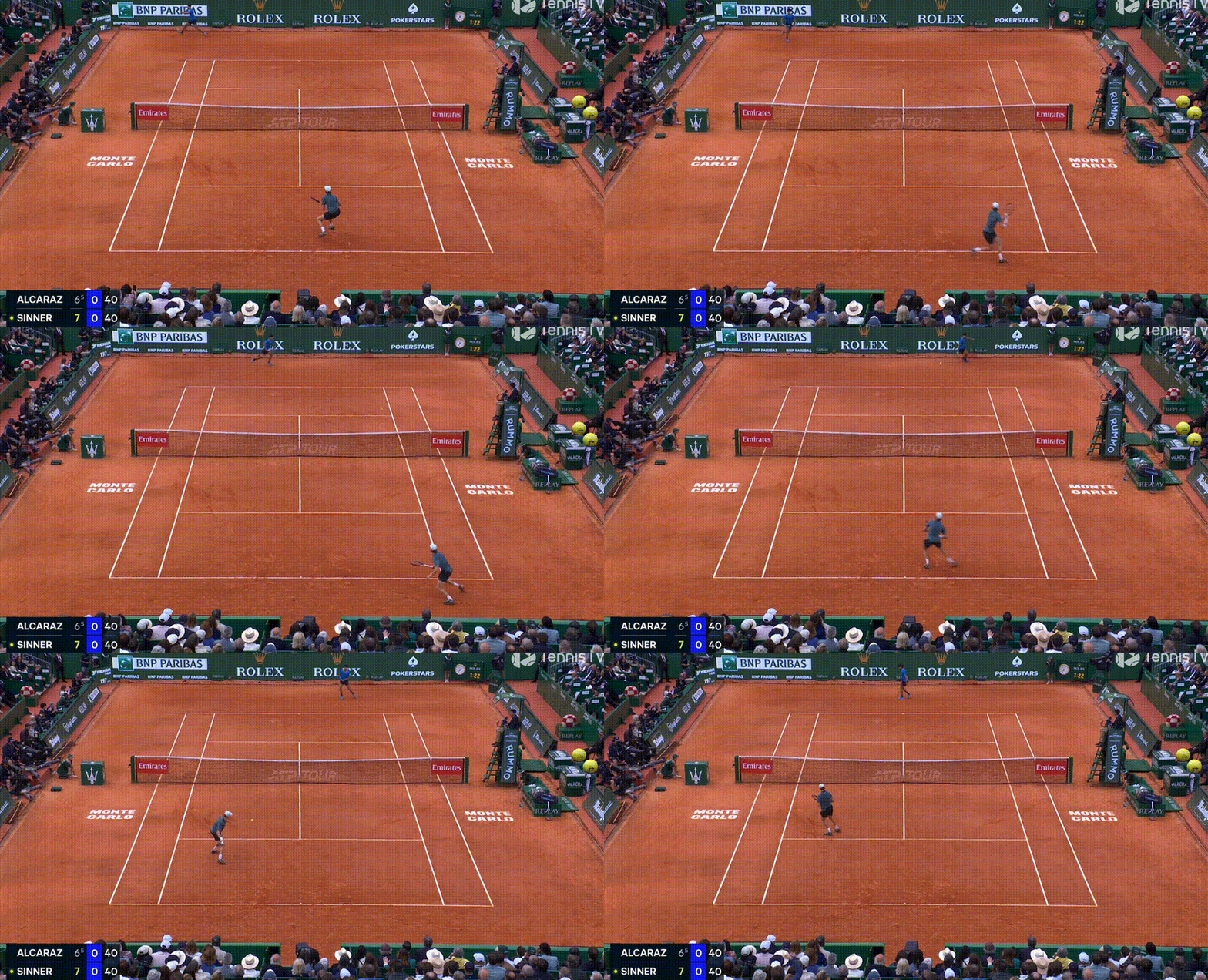
“Interesting split today. I was just thinking to myself, it looks as though he’s [Sinner] looking for the forehand a bit more today, and those numbers back that up. 63% of the balls he hit today have been forehands. Coming into this match it was 49%.”
— Tennis TV
That’s definitely a good idea: hit more forehands, make Alcaraz hit backhands. But the interesting thing about all this tactical chat is that these edges feel as small as ever; that perhaps they aren’t meaningful enough to overpower the random level your going to bring on any given day. Perhaps that’s also why Alcaraz was up a break in both sets: tactics are becoming less relevant when you have 100mph capabilities off the ground. As I wrote in the ATP Finals:
Conditions shape rivalries. But watching Alcaraz and Sinner trade their particular brands of violence, you get the sense that any pre-match punditry of balls and surfaces is slowly becoming a futile exercise in materials science; whether it’s red brick or acrylic resins, these two play a version of tennis that is less about building points and more about obliterating plans. Big moment trigger-control has defined their fates thus far.
Maybe there’s not much rhyme or reason to their results in terms of surfaces if you zoom out and consider how close several results have been. A thought I’ll keep in mind.
Anyway, here’s the point of the match. A classic two-shot pass:
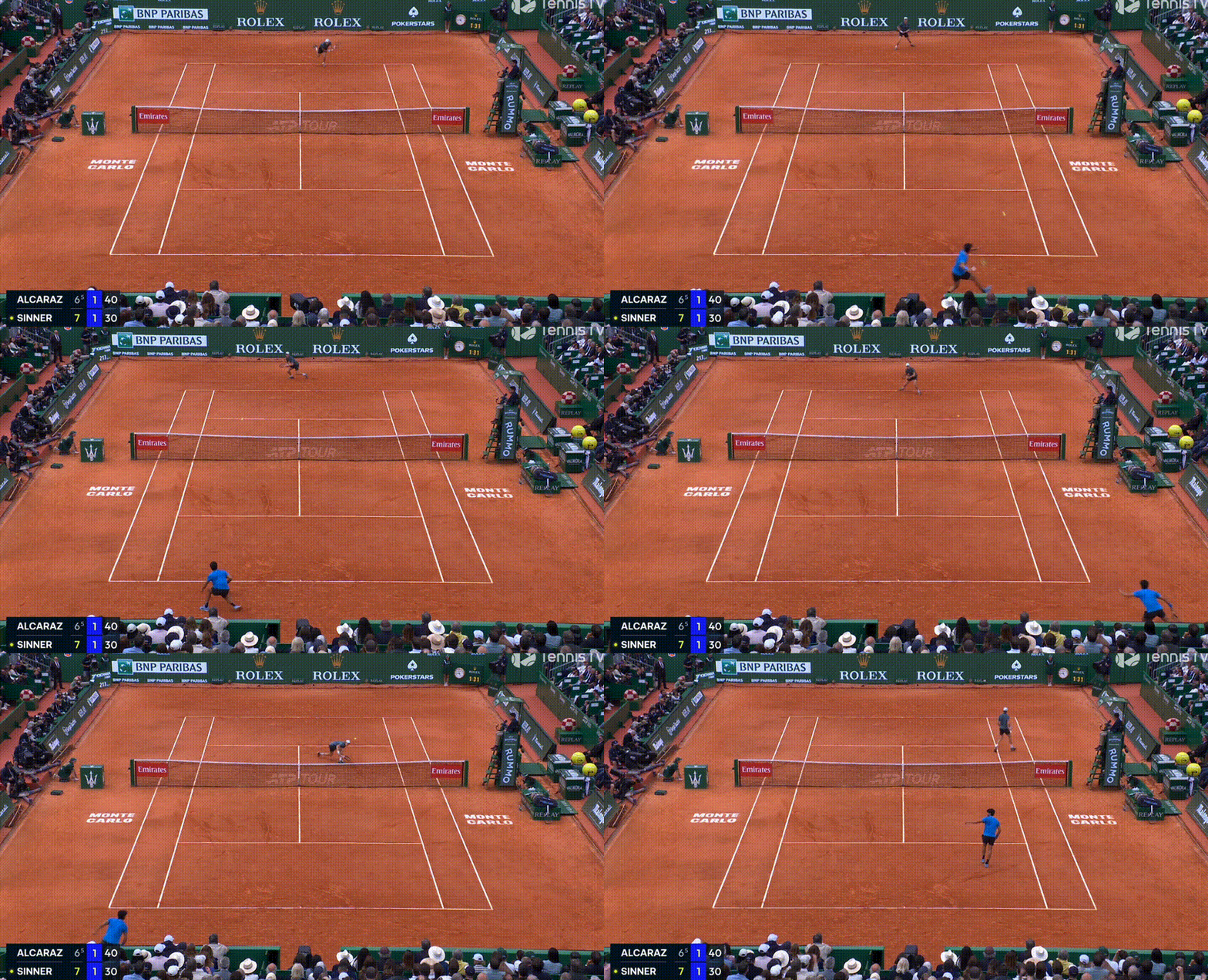
This angle helps you appreciate how good that first pass was. Laces:
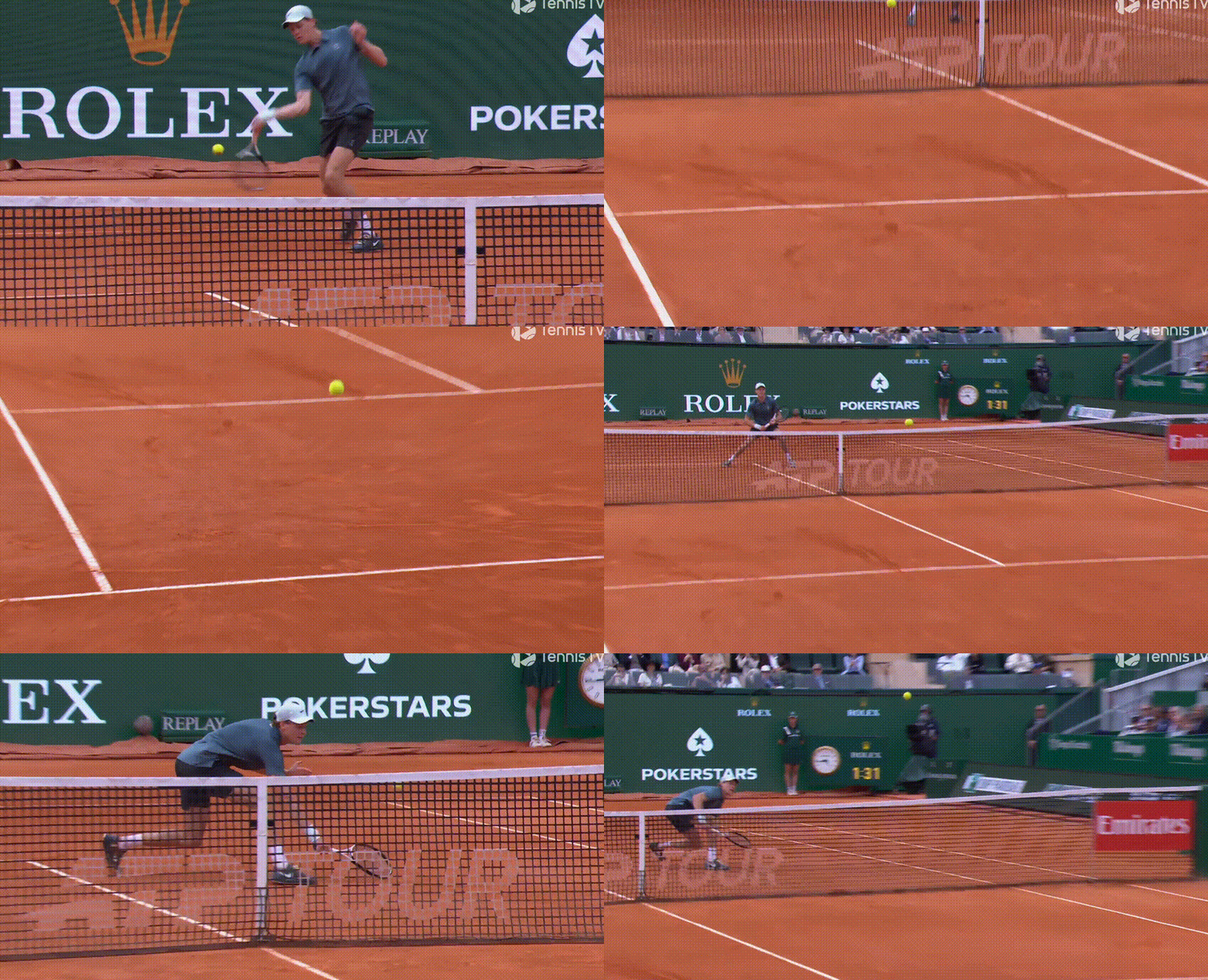
That was to break.
But true to the theme of this match, Alcaraz lost it the very next game. The Spaniard often missed his spots on serve, and Sinner returned with incredible depth from here on out, just relentless deep middle stuff that was Djokovician.
Alcaraz again squandered a service game from 40-15 at 3-4, and this point at deuce had all the elements we have covered today: the suffocating return, the backhand trade delta, and the more proactive forehand hunting to finish it off.
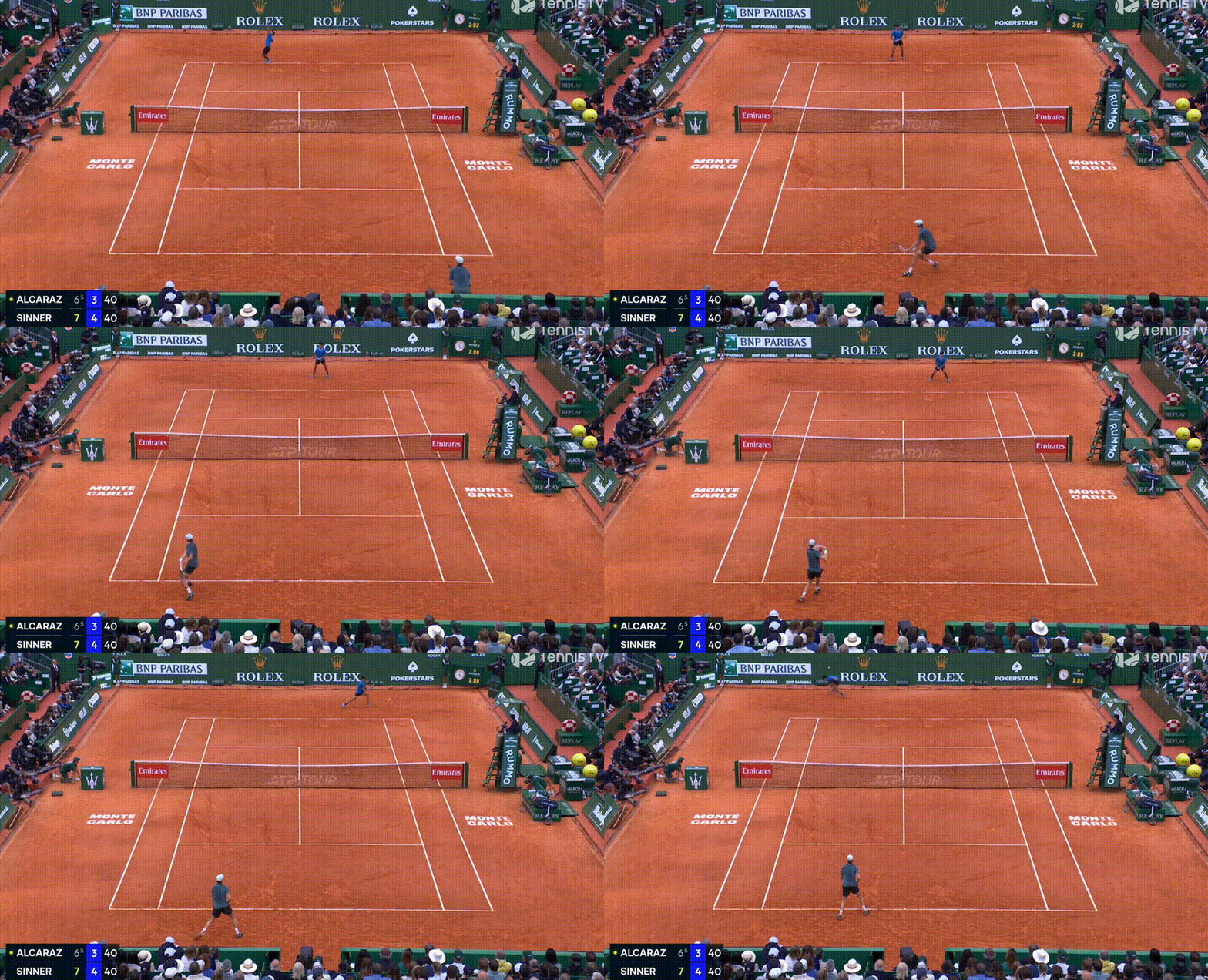
Sinner’s season has done a complete 180 since losing to Mensik in Doha: three Masters 1000s on the trot, a win over Alcaraz on clay with some sort of new blueprint.
In the larger scheme of this clay swing, I don’t know how much stock to put into this result. As I mentioned, for all the tactical adjustments, this could have easily been Alcaraz in straight sets, and it’s hard to know if this Sinner tactic is meaningfully better than what he was doing at Roland Garros last year, where he dominated the opening 90 minutes with some of the best power hitting you’ll ever witness on clay. Time will tell.
“We came here trying to get as many matches as possible, getting good feedback before other big tournaments coming up. Today was a high level from both of us,” Sinner said in his on-court interview. “It was a bit windy, a bit breezy. Different conditions from what the tournament has brought. The result is amazing. Getting back to No. 1 means a lot for me… I am very happy to win a big title on this surface. I haven’t done it before and it means a lot to me.”
— Jannik Sinner
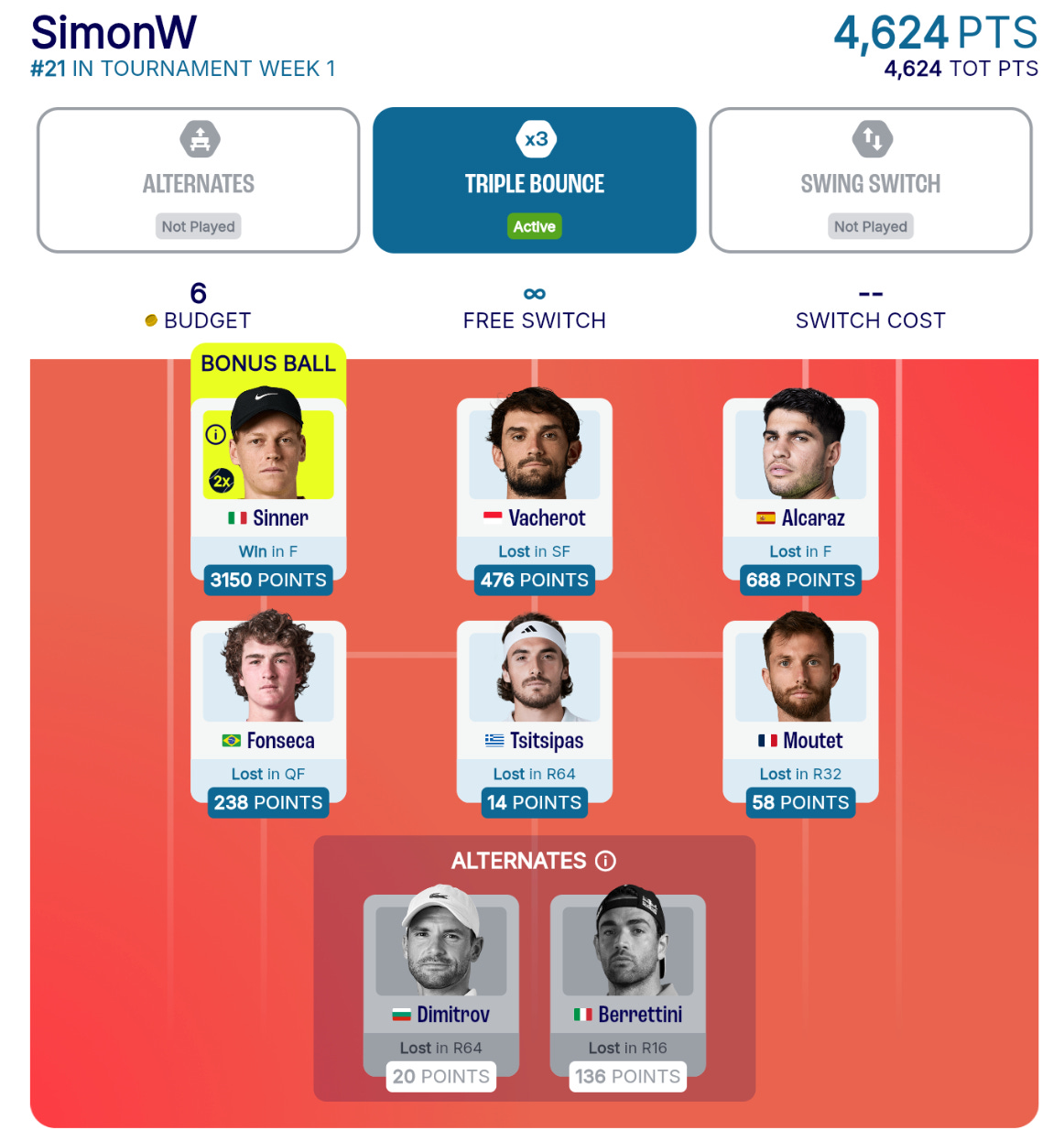
Great to see over 150 sign up for the Thread of Order Fantasy game. As I mentioned, I’m going to have a prize for first place, which is currently SimonW, who put up a mammoth 4624 points, using his Bonus Ball and Triple Bounce (not saving up for a slam!?) on Sinner.
That’s all I got. I’ll see you in the comments. HC