

Carlos Alcaraz will meet Jannik Sinner in the Cincinnati Masters on Monday in the pair’s first 1000 hard court final. The match will be the fourth instalment this year (Rome, RG, and Wimbledon) with Alcaraz leading the overall H2H 8-5.
Following Sinner’s Wimbledon triumph last month, I concluded that post with the question of whether this match up is less surface/movement dependent, and more court speed/bounce dependent. Sinner is now 2-0 against Alcaraz on the slick lawns of Wimbledon, and Alcaraz has won numerous slower hard court affairs (Beijing 2024, Indian Wells 2024/2023).
The court pace index (CPI) has rated Cincinnati this week as a ‘medium-fast’ hard court. Add in the 30+ degree temperatures, and this a fast and bouncy hard court.
Matt Willis of The Racquet put together this clean UI illustrating all available CPI data at courtspeed.com. You can toggle results by surface, champions, and ball types, and includes the ace-rates for each event as well:

The minutiae of CPI aside, these are the two preeminent first-strike players on the ATP tour, and when you put them on a lively hardcourt, first-strike execution will be the deciding factor.
That means first-serve percentage. It also means going bigger on second-serves.
The below graphic was made by Twitter user snack_attacck and displays serving data for the 2025 Wimbledon final:
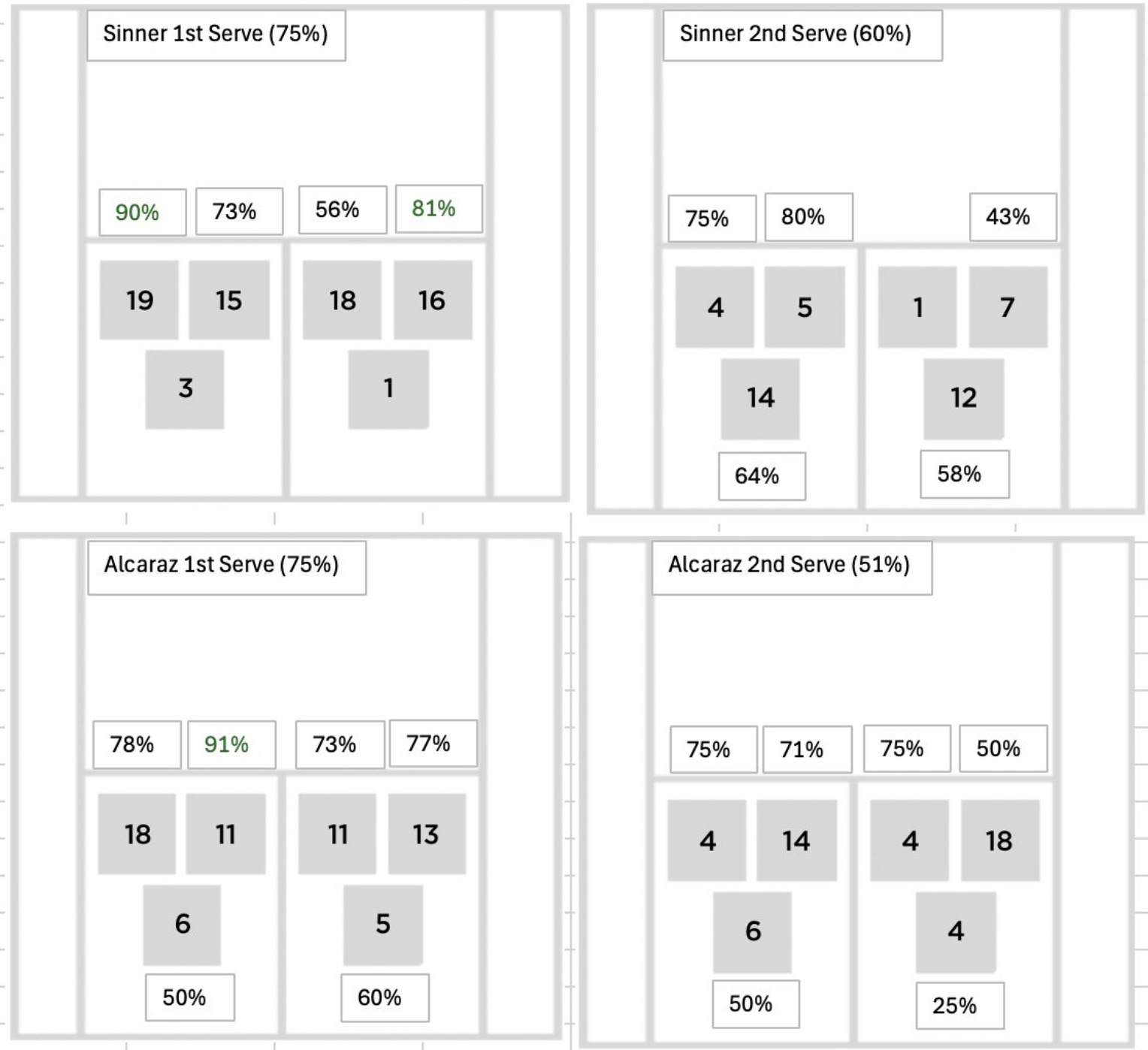
At Wimbledon last month, Sinner had one of his best serving performances against Alcaraz. He won 90% of his 19 wide first-serves on the deuce side, but he also went big at key moments with the deuce wide second serve that helped steer him out of some dicey moments in the third and fourth sets.
That will be a key battle tomorrow: can Alcaraz cover that leaky wide forehand with the block or deeper position, or will Sinner punish that too easily on a hard court?
Then we must notice the second-serve differences. Look how Sinner hit the body serve far more often compared to Alcaraz, whereas the Spaniard used more kick to the backhand on deuce and ad-sides. Sinner was protecting himself from the aggressive Alcaraz return position.
Last fall in Beijing Alcaraz feasted on regulation second-serves from Sinner, winning a dominant 8/11 on crush-and-rush return plays (10 off his backhand):
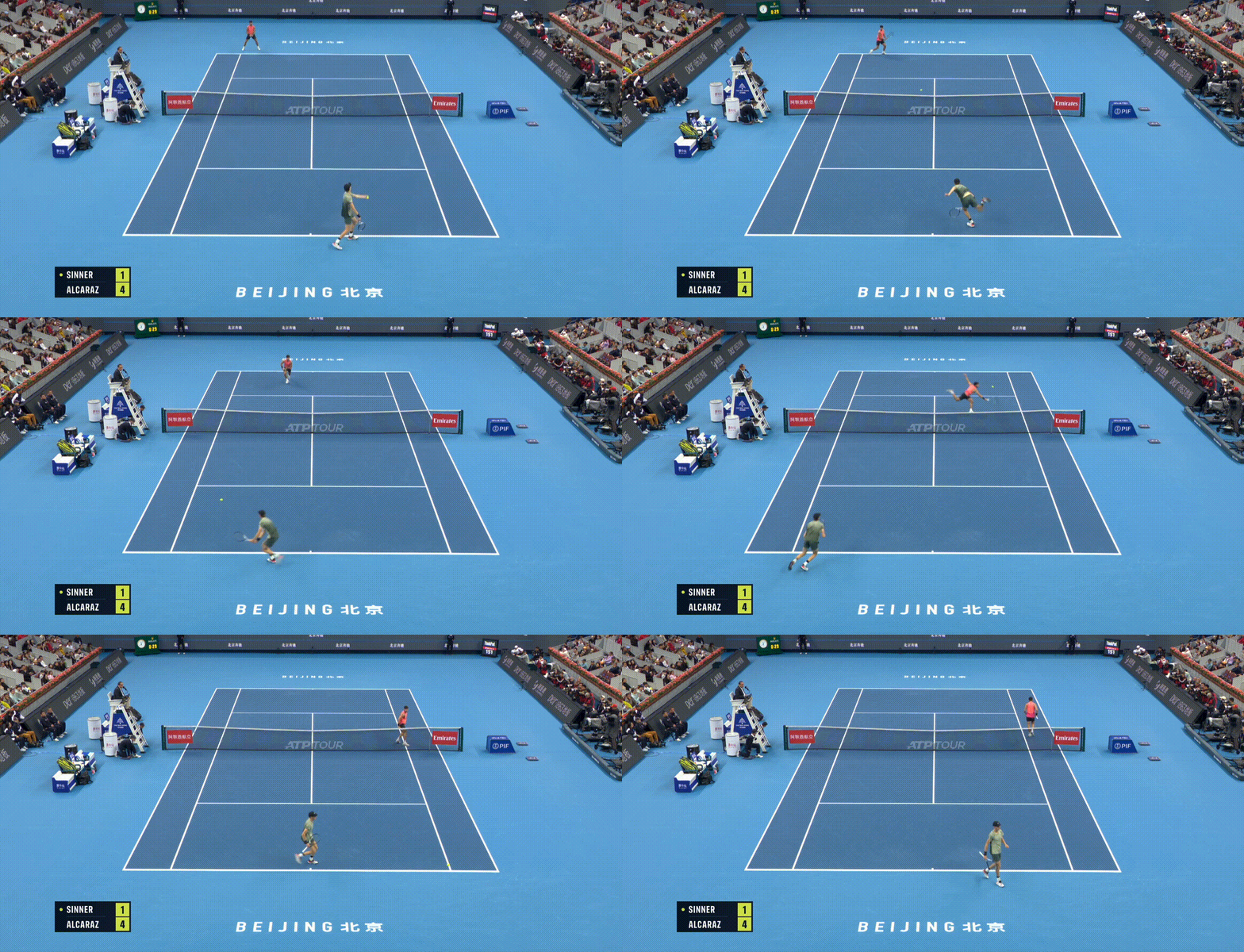
Since then, Sinner has gone bigger and more body on second deliveries, and it’s neutered the Alcaraz crush-and-rush. I didn’t count one attempt in the Wimbledon final. Tomorrow we’ll find out if that was a grass thing.
Specific to the ad-court, we’ve seen Alcaraz use the kick-serve out wide in bouncy conditions as an effective plus-one play to set up a forehand or sneak in for a serve-volley:
And the drop shot always looms when given time from the ad-side:

It will be interesting to note how aggressively Sinner positions himself on second serves on the ad-side. He got massacred in Rome playing too meekly off that return, but made amends in Paris/SW19, and I expect he will stand up and take it hard in both directions to close down the Alcaraz plus-one time and options.
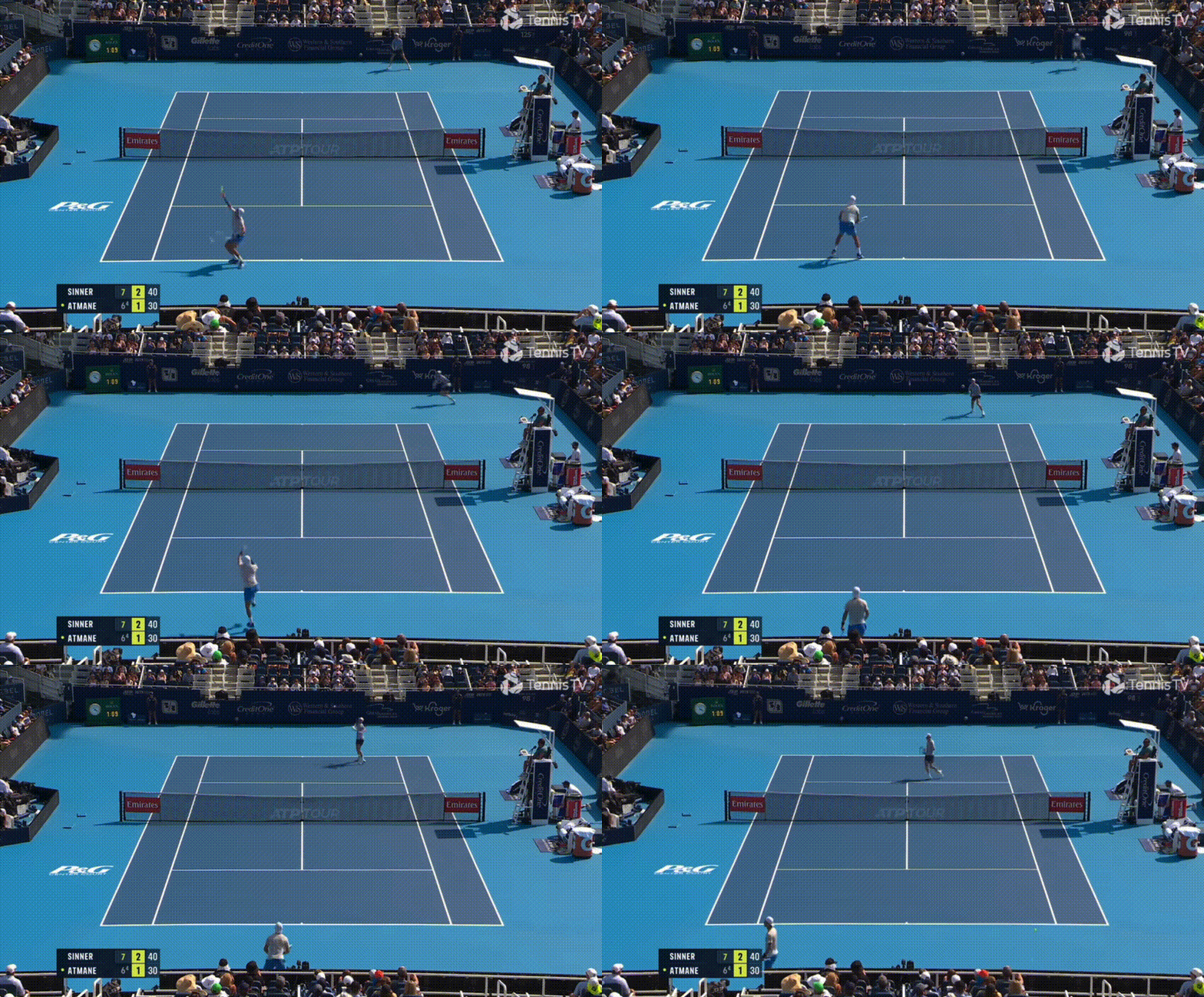
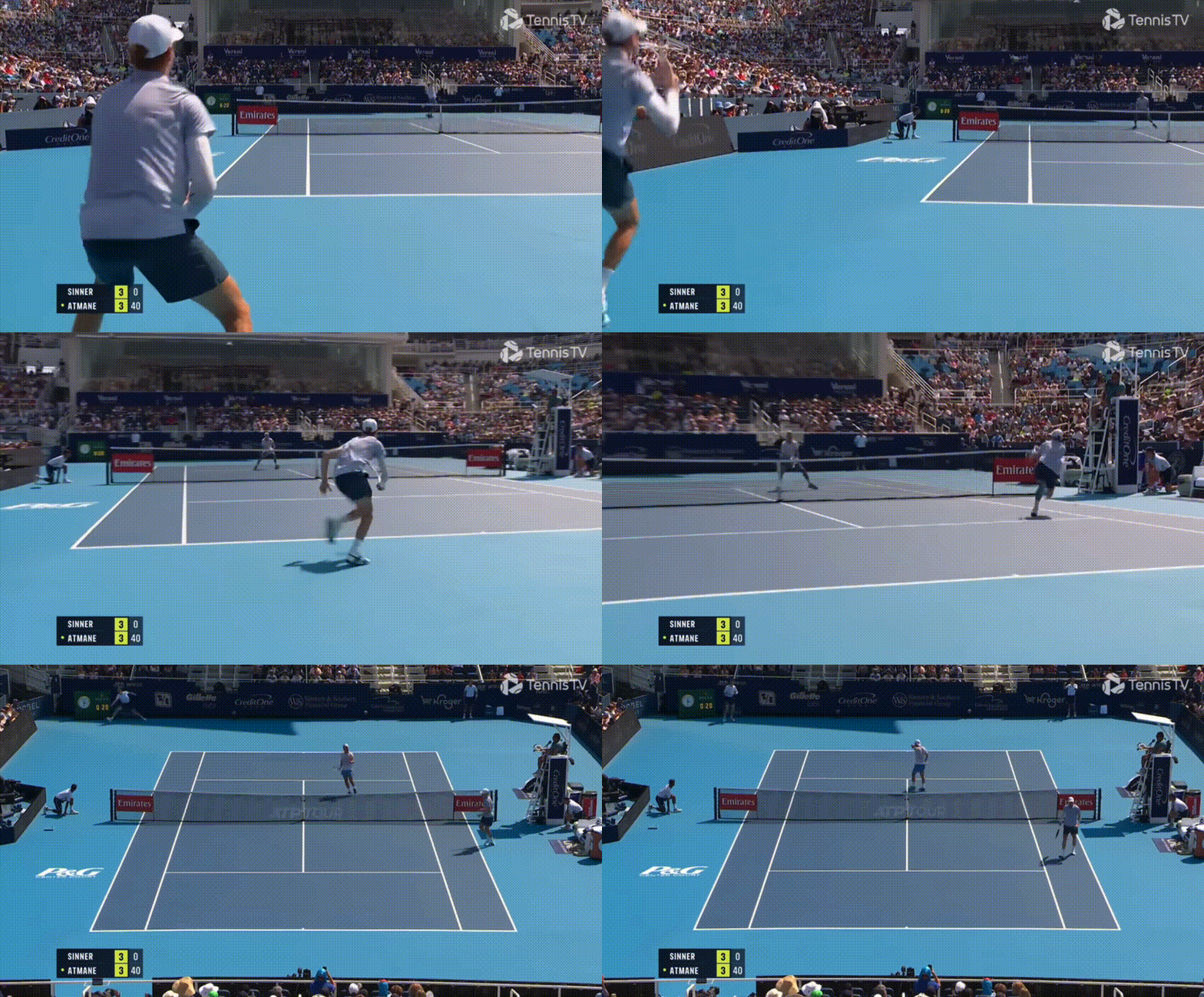
Even when returning deep, I’ve been most impressed with the control and power of the Sinner backhand in these lively conditions. He’s got so much spin and power on tap, but the consistency is still impeccable. Here’s a couple of examples from his semifinal win over Atmane:
Serve-return dynamics aside, what proved pivotal in the Wimbledon final was the Sinner backhand down the line. He can play it off the back foot and from deep and high contact points, thanks to his wickedly deep slot position that grants him “two forehands” as Tsitsipas described it. Compare Alcaraz’s more traditionally compact swing with the long, sling-shotted Sinner:
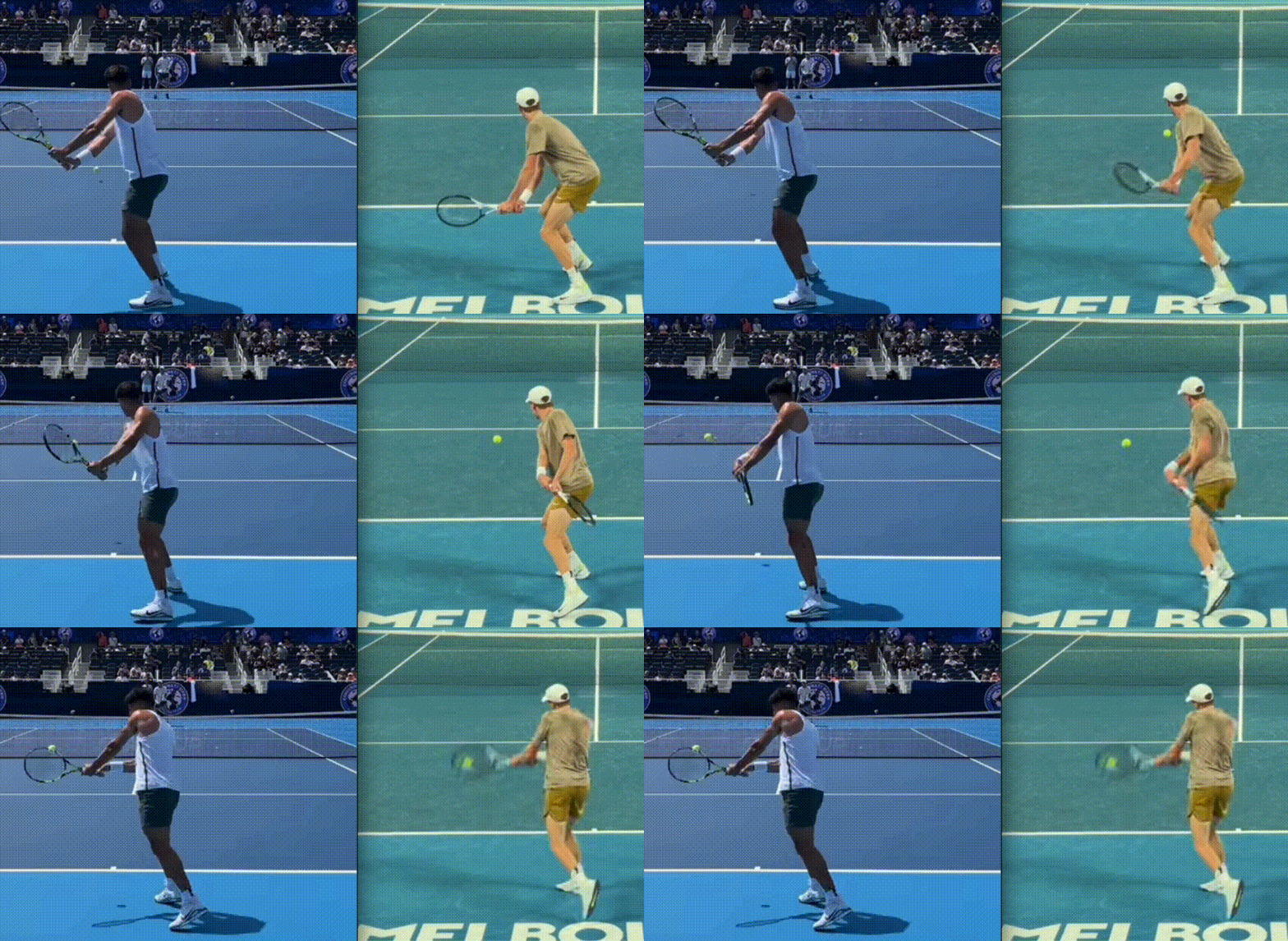
On the topic of forehands, this is basically a fight of speed versus spin. Yes, both have huge spin and speed assets on their forehands, remember this Nextgen-of-all-Nextgen-graphic?:

But Alcaraz uses more spin to create height and angles. He needs to get the duel off the hips, where Sinner can use his holstered swing setups to make it a game of speed. The bounce of Cincinnati gives him a window to use that in these conditions. If you see Sinner hitting lasso forehands off his back foot, you know Alcaraz is winning that duel:
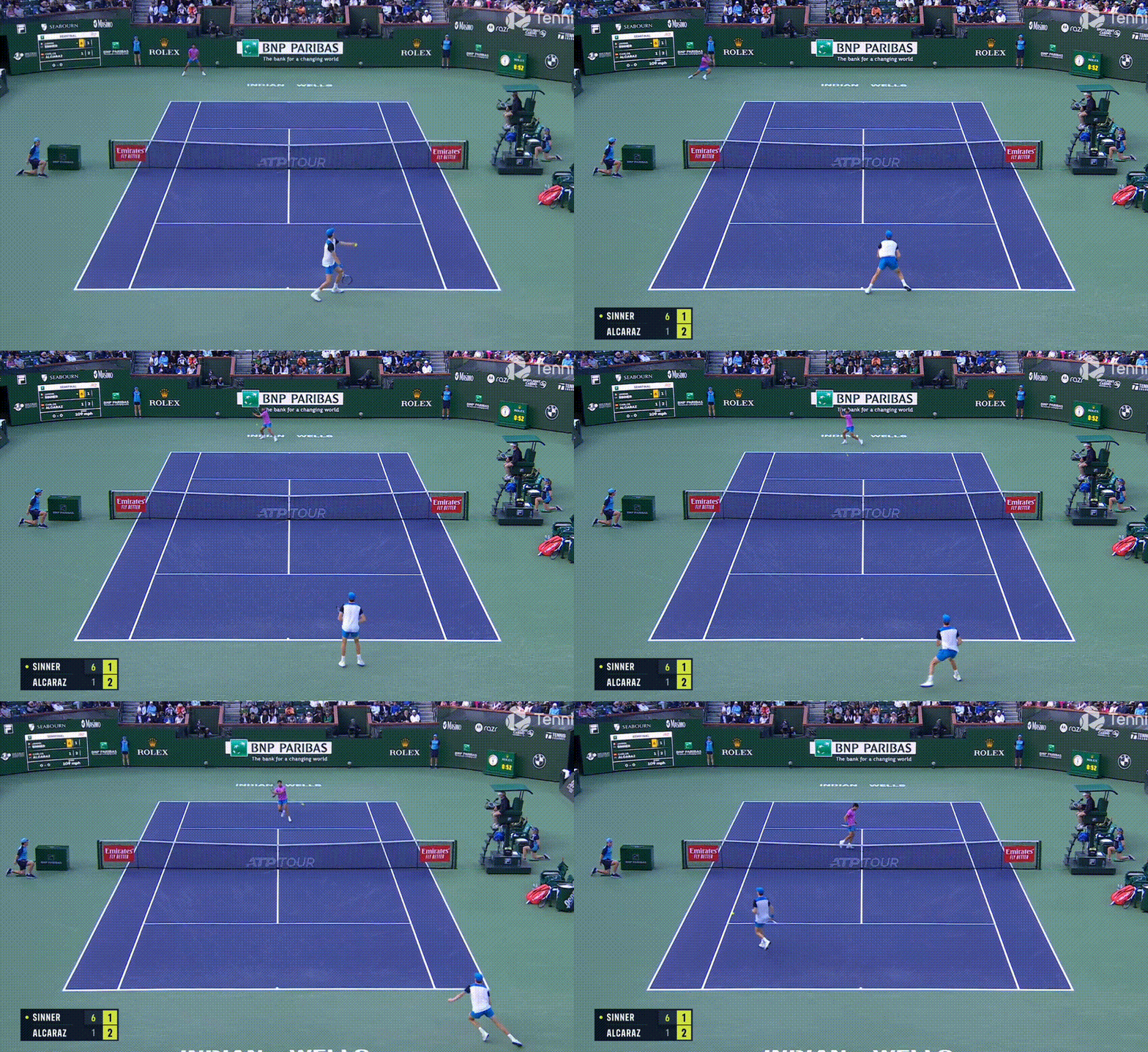
It is interesting watching Alcaraz forehands from 2022 to now. The takeback is slightly lower in 2025, shaved down by the grindstone of today’s power-hitting rivals:


And I can’t leave a Sincaraz preview without mentioning the backhand slice defence of Alcaraz. A known quantity now, you can almost feel the urgency of Sinner trying to close the net before that slice drops below the tape. Once it’s below net height, no matter where the Spaniard is on the court, he’s in the driving seat:
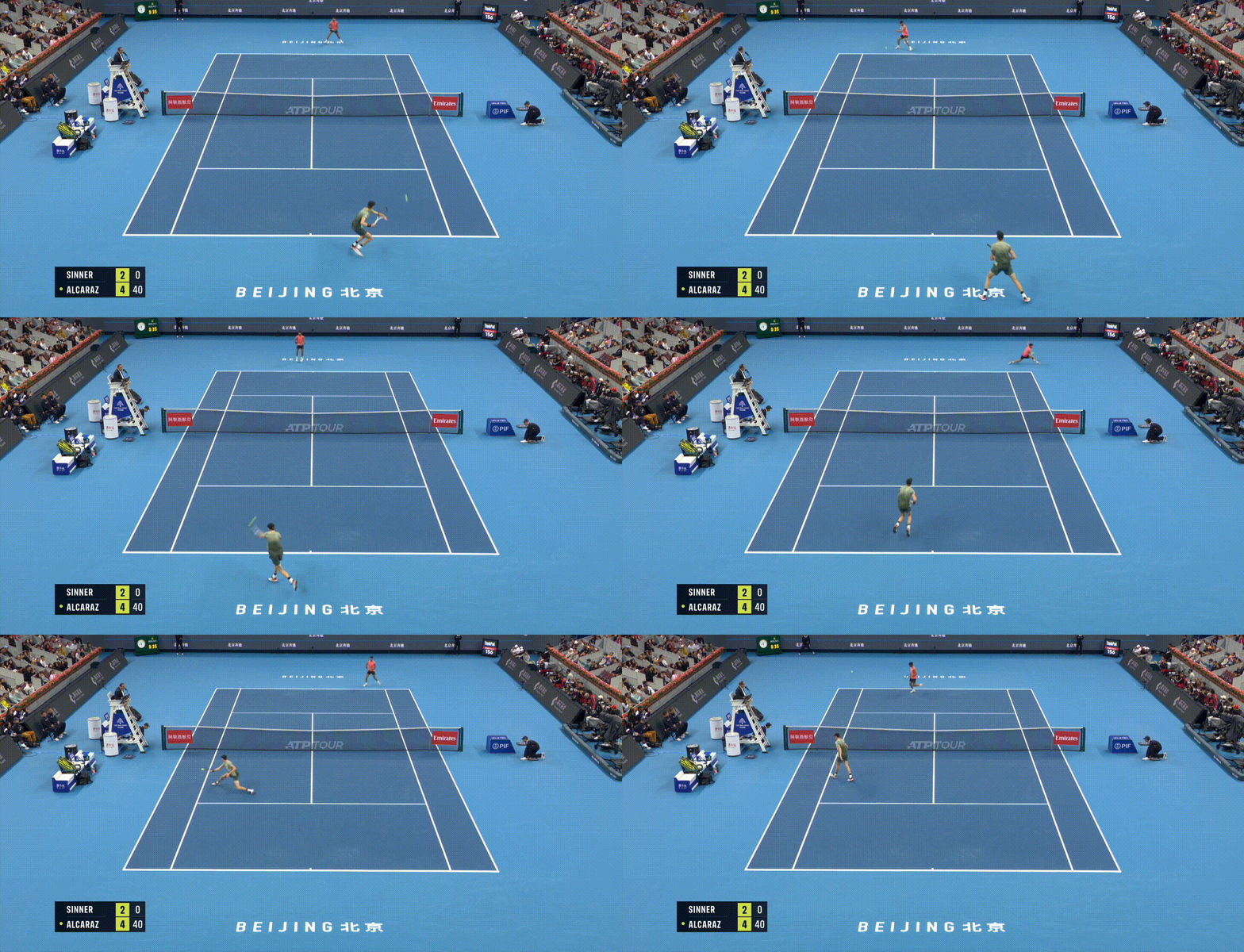
Hard court allows Alcaraz to slide into, and recover out of, the defensive slice most aggressively compared to grass or clay, and it’s a shot that has done well to kill opponent conversion scores, Sinner included.
Beijing was their most recent hardcourt affair, and it was a doozy. Both guys torched the forehands and ventured forward at every opportunity. Alcaraz came back from 0-3 down in the third set tie-breaker with that out-of-body-clutch-play he freakishly possesses, and overall his forehand was absolute dynamite.
But that was a slow hard court. And I just wonder if the livelier conditions will mean Alcaraz loses control of that shot trying to play aggressor. Sinner just has a steadiness to his top gear that can prove pivotal given the ebbs and flows of Alcaraz’s brilliance.
I’m leaning Sinner, feeling three sets. Hoping for overcast conditions so we can see the ball on TV. And hoping for another doozy. I’ll see you in the comments. HC