

Designer: A.W. Tillinghast (1922), Robert Trent Jones Sr. (1952, Redesign), Rees Jones (1992, 2009, Renovation), Gil Hanse (2021, Restoration)
Location: Springfield, New Jersey
History: Baltusrol was founded in 1895 by publisher Louis Keller and named after Baltus Roll, an 18th century farmer who used to live on the land. As legend has it, Mr. Roll was murdered in 1831 by thieves who heard he had treasure on the property. Baltusrol’s first course was designed by George Hunter in 1895 and was a fully functional 18 holes by 1898. This course, now known as the Old Course, was no slouch and hosted the 1901 and 1911 U.S. Women’s Amateurs, 1903 and 1915 U.S. Opens, and 1904 U.S. Amateur. Keller hired A.W. Tillinghast in 1918 to construct another 18, but Tillinghast recommended that the Old Course be destroyed so that he could build his own 36 holes. This was approved and Tillinghast’s design opened in 1922, with the Upper and Lower Courses. At the time, these “Dual Courses” were the first 36-hole design in America.
Championship golf soon returned to Baltusrol, with the Lower Course hosting the 1926 U.S. Amateur and Upper hosting the 1936 U.S. Open. In doing so, it became the only Club to have three separate courses host a USGA event. Since then, the Lower Course has been the primary tournament venue, hosting four additional U.S. Opens, two U.S. Amateurs, a U.S. Women’s Open, two PGA Championships (2005 and 2016), and most recently the 2023 Women’s PGA. Jack Nicklaus won two of his U.S. Opens here in 1967 and 1980 and Phil Mickelson won the 2005 PGA.
While the Lower Course is still considered an A.W. Tillinghast design, it has gone through numerous changes throughout the years, mostly to facilitate tournament play. Robert Trent Jones Sr. arrived in the early 1950s to lengthen the course and also modified several holes. His son Rees lengthened the course before the 1993 U.S. Open and returned several times to toughen the layout. In 2021, Baltusrol Lower underwent a substantial restoration from Gil Hanse, bringing back many of the original Tillinghast features. Baltusrol is in the conversation for best 36-hole Club in America, with both its courses ranked among the best in the country. Currently, Baltusrol Lower owns the following accolades:
- #70 Best Course in the World – Golf Magazine (2025)
- #42 Best Course in America – Golf Digest (2025)
- #42 Best Course in America – Golf Magazine (2024)
- #44 Best Course in America – Top100golfcourses.com (2024)
- #36 Best Classic Course in America – Golfweek (2025)
- #2 Best Course in New Jersey – Golf Digest (2025)
- #3 Best Course in New Jersey – Golf Magazine (2024)
- #3 Best Course in New Jersey – Top100golfcourses.com (2024)
- #4 Best Private Course in New Jersey – Golfweek (2025)
Conditions: 10/10, Baltusrol is in amazing condition, with lightning quick greens, thick, penal rough, and immaculate fairways and teeboxes.
Value: N/A, This is a private course.
Scorecard:
Tee Par Yardage Rating Slope
Tillinghast 72 7015 74.4 142
Baltusrol 72 6652 72.7 138
Club 72 6325 71.3 134
Curtis 72 5539 73.6 138
Hole Descriptions: I played Baltusrol Lower shortly before it closed for Gil Hanse’s restoration, and was hoping to play the new course before writing this blog. Unfortunately, it’s been a number of years since then and I have yet to see the new work and figured I should get this blog published. Gil’s work has been widely praised and hopefully I can see it someday soon to update this review.
Baltusrol Lower is the championship course at the world-class 36-hole Baltusrol Golf Club. As its name implies, the course occupies the lower part of the property while the Upper Course sits above the clubhouse. Lower could also be synonymous with flatter, as the terrain on this 18 is quite gentle and many holes play over dead flat land. It is a certifiable U.S. Open style parkland course with many long par fours, thick rough, and plenty of sand making it quite difficult. While the flat terrain limits the course aesthetically, it is an excellent routing with no bad holes and I do think Tillinghast got the most he could out of the property. I am told the membership enjoys the Upper Course more because it is more fun and better looking, and this would not surprise me. From the pictures I’ve seen, it seems Gil did great work here, and I can’t wait to see the restoration.
Baltusrol Lower opens with a brutally difficult par 4 for the pros but fairly gentle par 5 for membership at 470 yards. From a slightly elevated teebox, this straightaway hole runs along the edge of the property with OB down the left the entire way. I distinctly remember Phil Mickelson hitting his teeshot OB here and making a disastrous triple-bogey in the 2016 PGA. This fairway is on the narrower side and lined by thick rough and bunkers on either side for much of the landing area. It seems the left bunkers have been removed by Hanse, but numerous bunkers remain down the right with a small creek around 250 yards down this side as well. While readily reachable in two, those laying up will need to contend with a pair of crossbunkers jutting in on the right about 80 yards short of the green. This putting surface is open up front but lined by bunkers on either side.
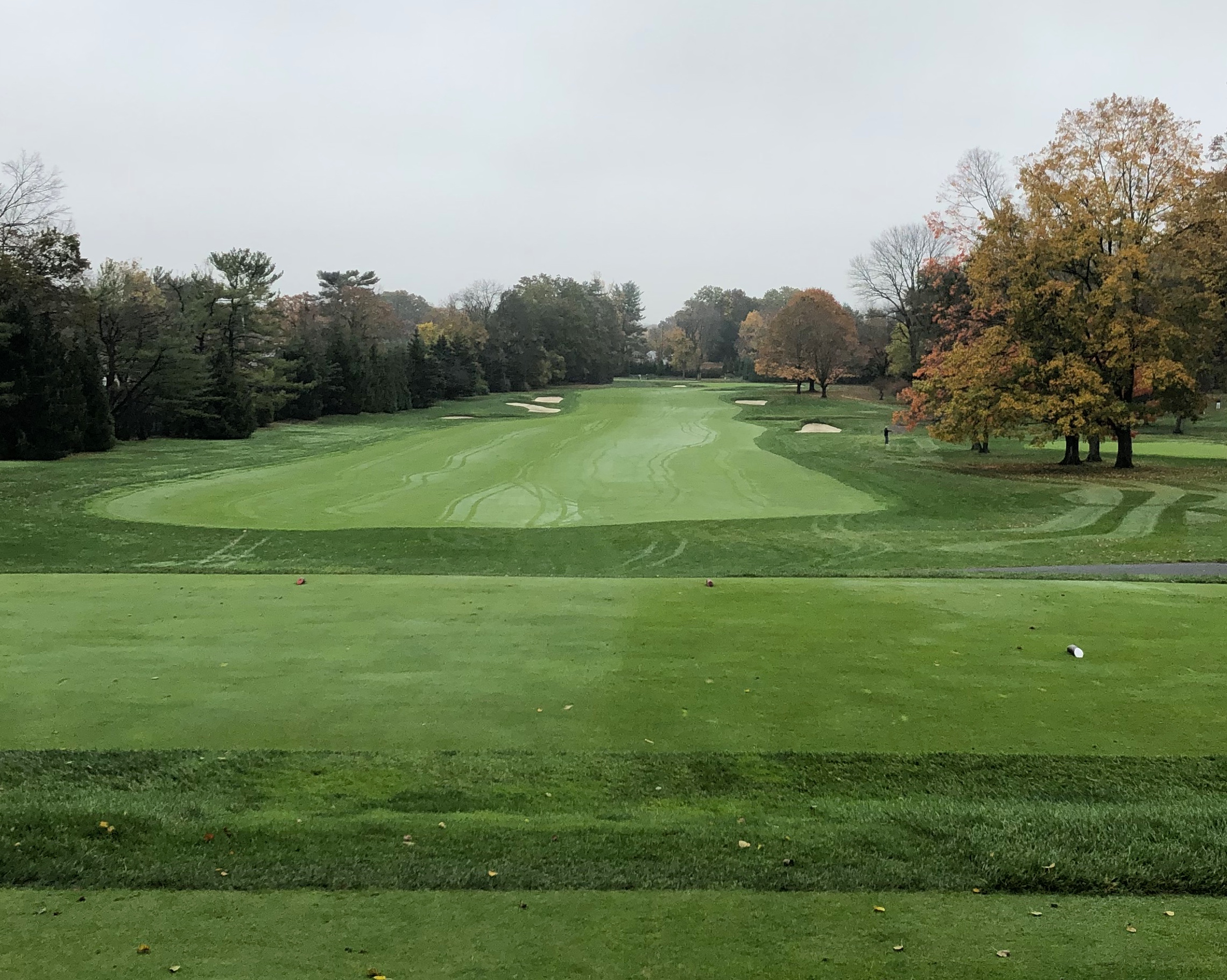
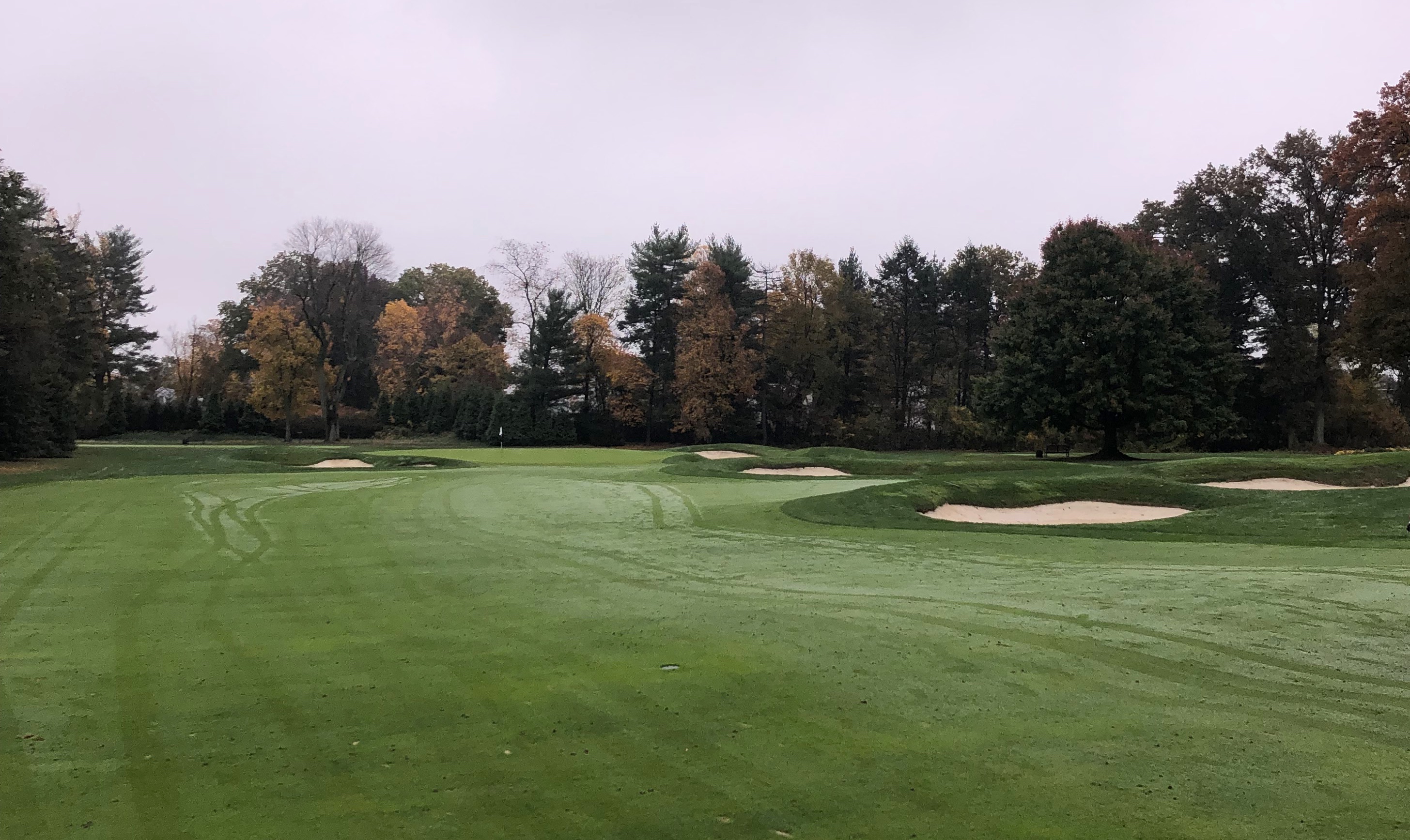
The 2nd hole also runs along the edge of the property and plays the most uphill of any hole on the course as a 362 yard dogleg left par 4. This hole is all about precision, as the teeshot must stay left of a right bunker at 220 yards and short of a “Great Hazard” of bunkers at around 240 yards. From just short of this hazard, you’ll have a wedge into a green that slopes towards its front left with bunkers on either side.
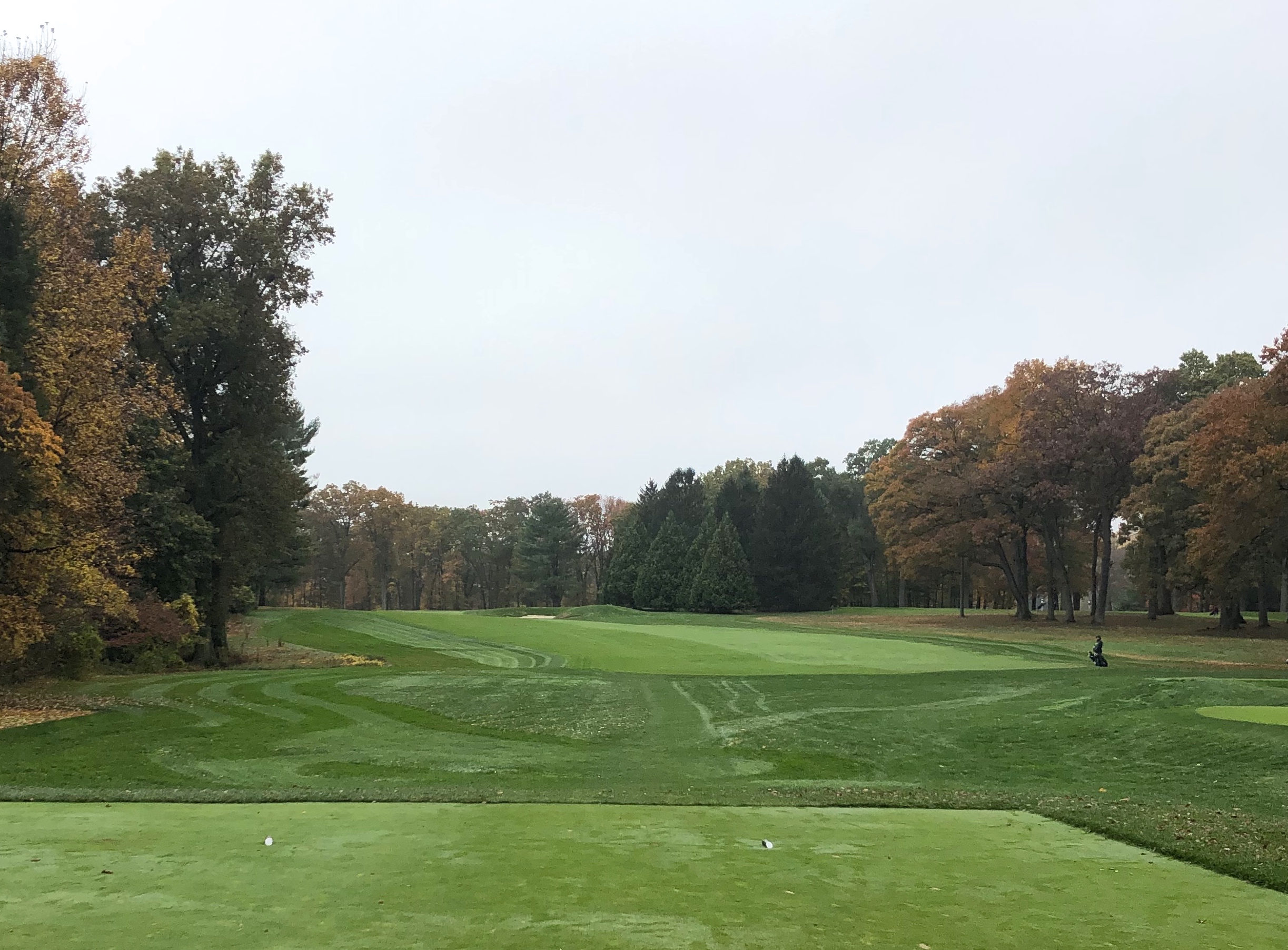
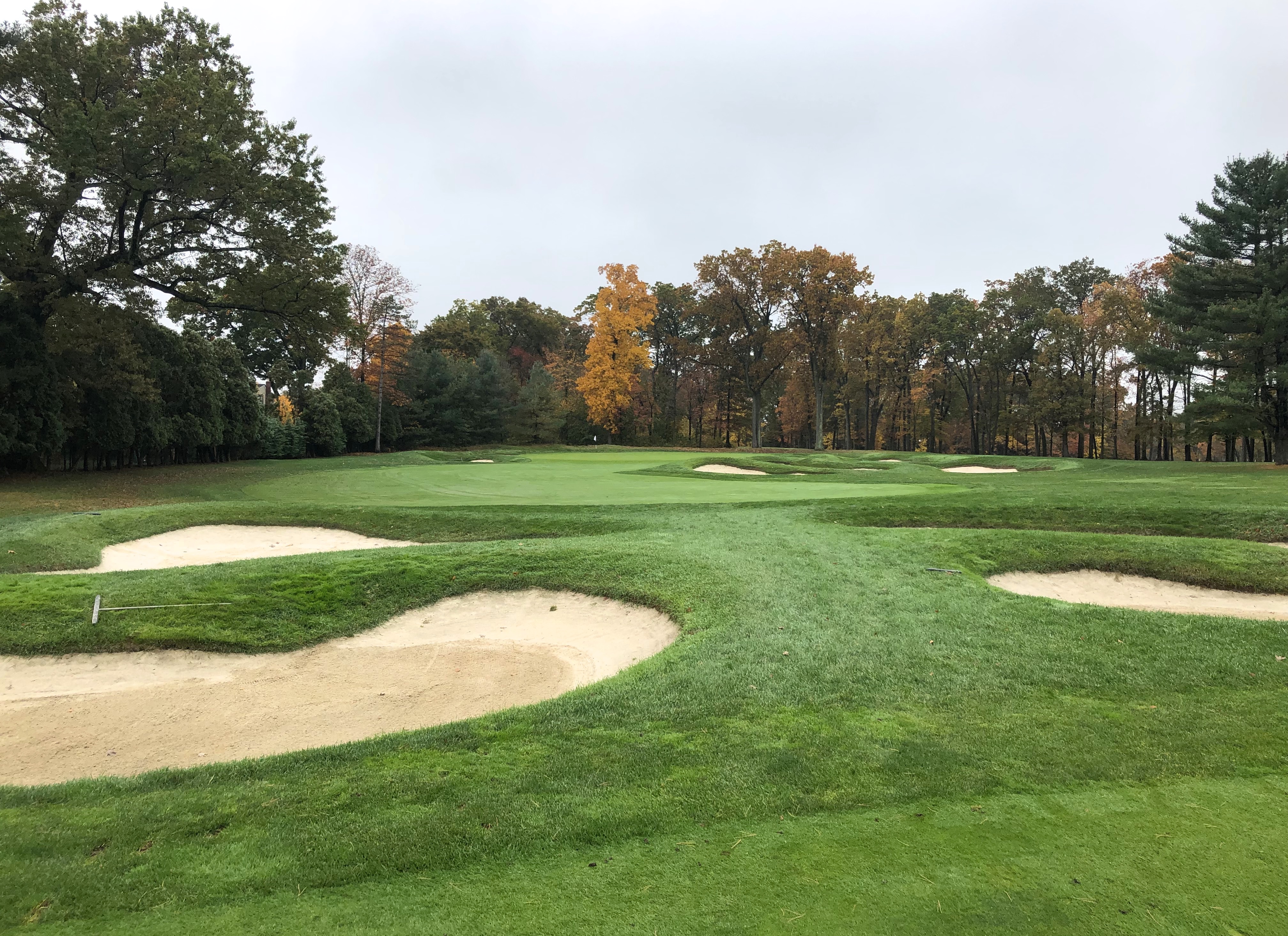
The 3rd hole is a deserving number 1 handicap as a very difficult 436 yard dogleg left par 4. Featuring a blind teeshot, this hole plays downhill and to the left with a narrow fairway lined by tall trees. Both accuracy and length are required, as anything short of 260 yards or so may be blocked out by trees down the left. This approach continues downhill and plays over a creek to a large, undulating green lined by bunkers short, left, and right.
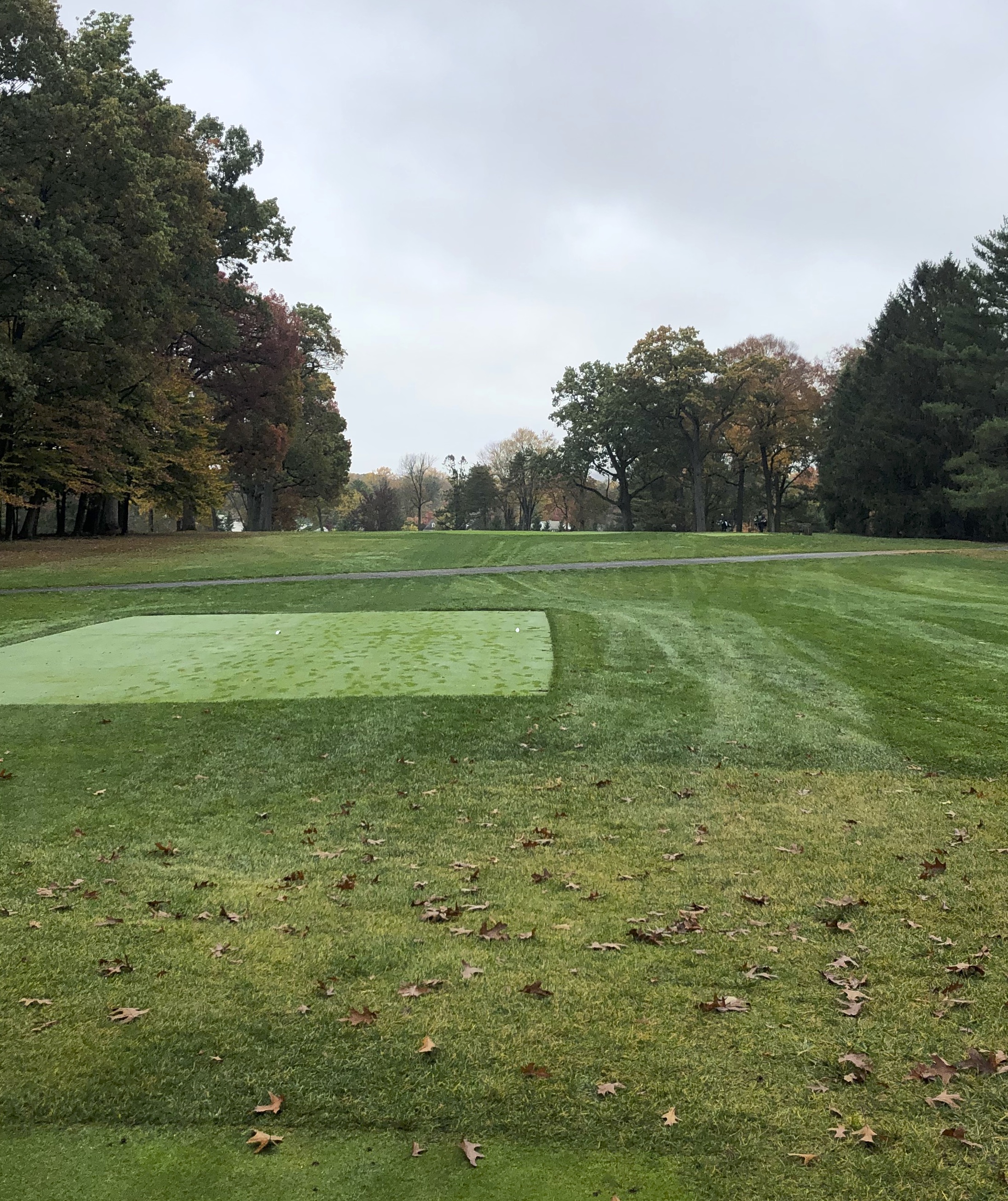
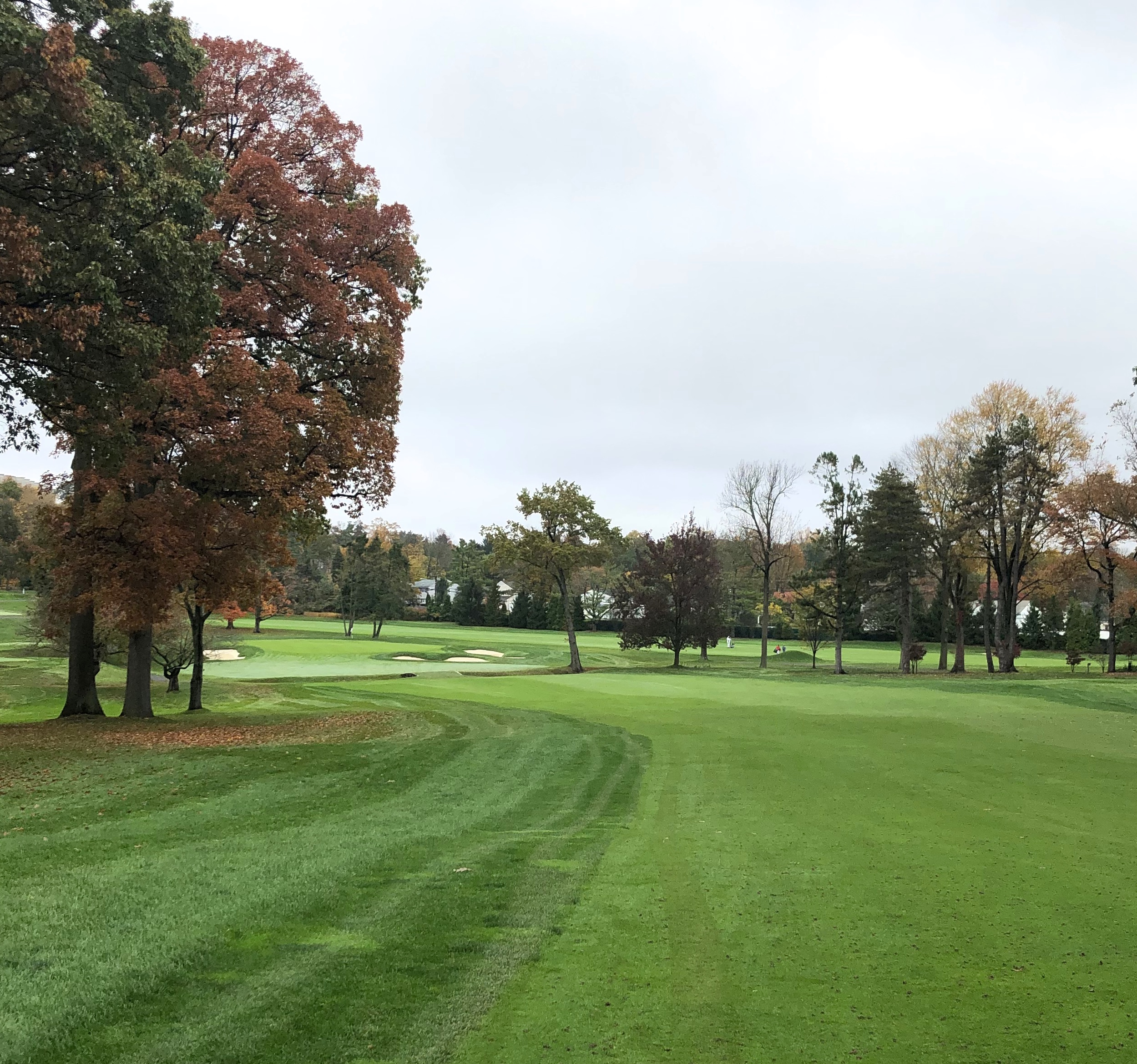
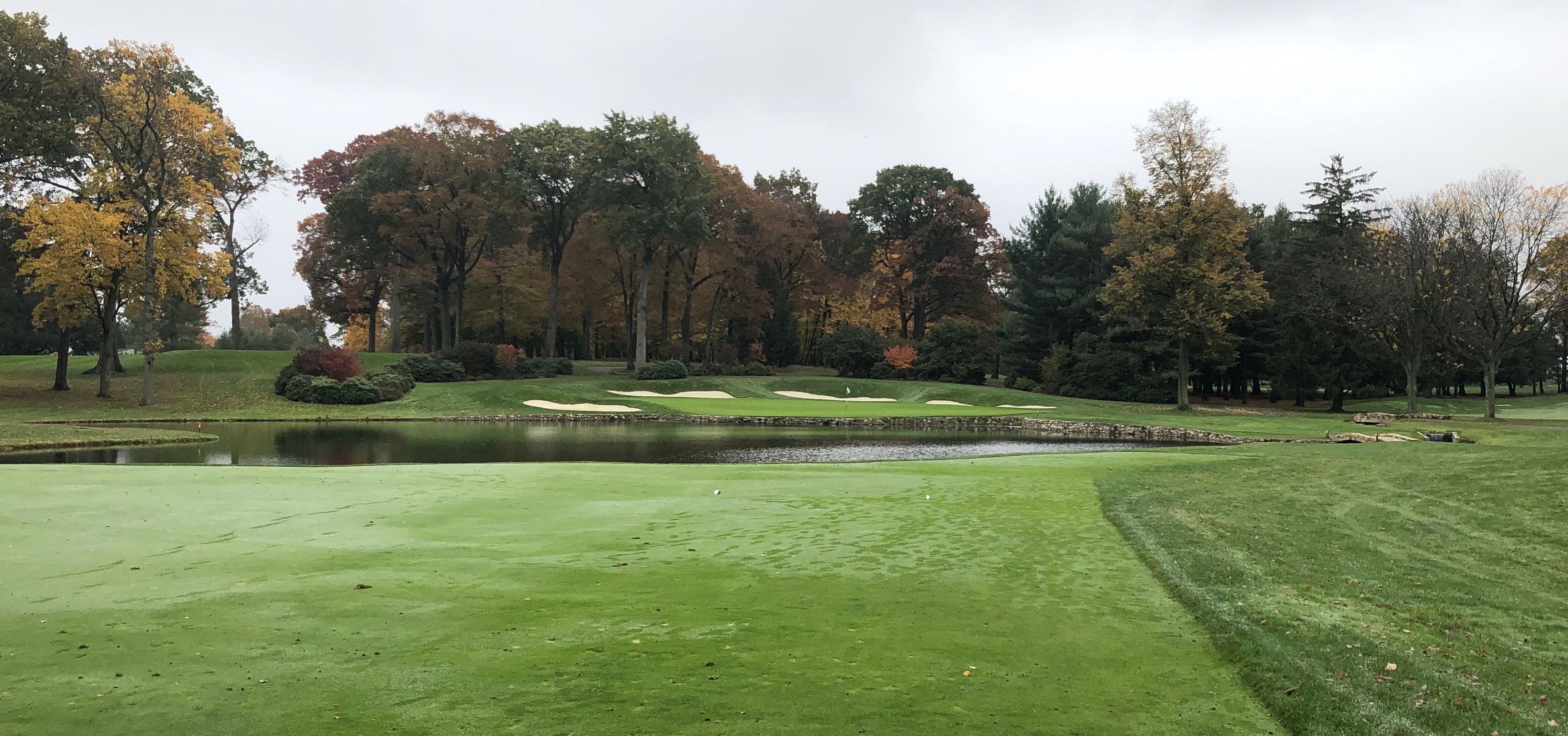
The Lower’s 4th hole was altered heavily by Robert Trent Jones Sr. in the 1950s and is one of its signature holes as an 143 yard par 3. This one-shotter plays over a pond the entire way to a wide, two-tiered, back-to-front sloped green lined by bunkers long and left. Apparently members thought this hole was too difficult when first created, but RTJ made an ace during an exhibition for members and quickly silenced the criticism. It is a pretty hole and almost certainly the best of a pretty forgettable set of par threes, but this is honestly a hole you can find at many other parkland courses in the Tristate area.
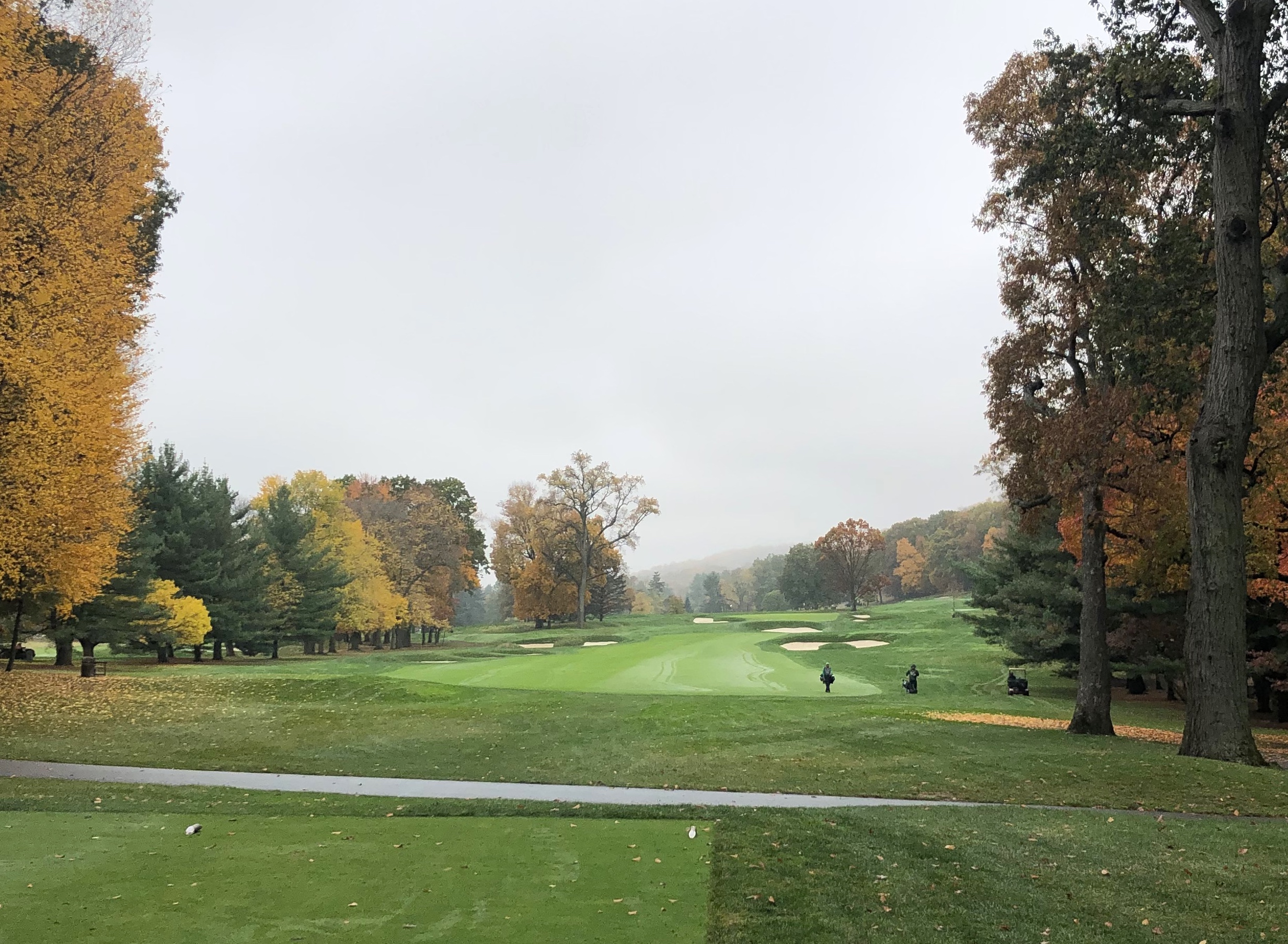
The 5th and 6th holes take you into the center of the property as straightaway par fours running the same direction. The 5th is the shorter of the two at 375 yards and features a progressively narrowing fairway lined by bunkers down either side. The most notable feature of this hole is a set of deep bunkers short of the green that mandate an aerial approach. This putting surface is also flanked by bunkers and plays functionally half as big, with a severe and unpinnable false front.
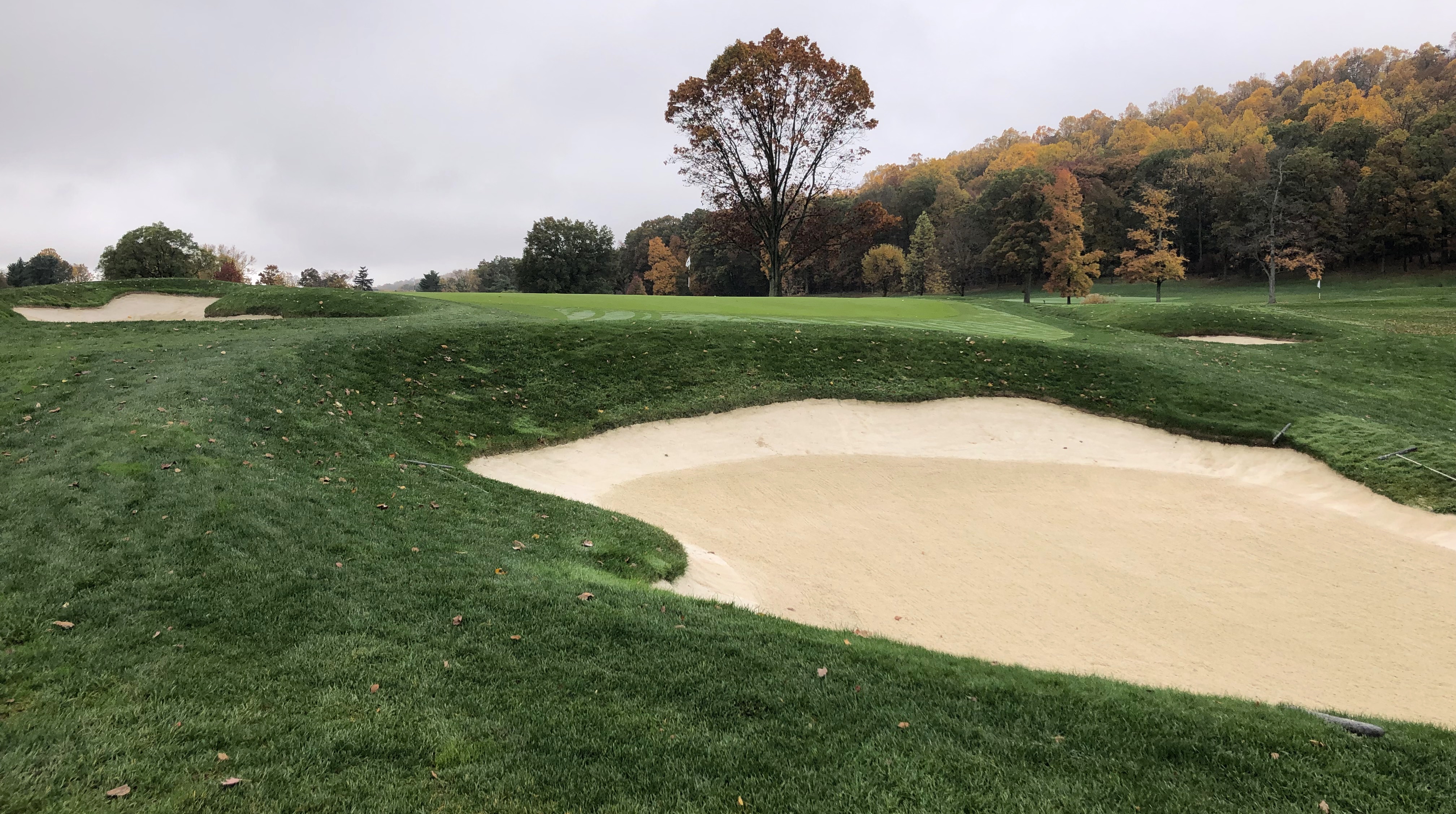
At 420 yards, the 6th hole is a longer par 4 with a more generous fairway lined by rough and bunkers down either side around 260 yards. The fairway has a slight left-to-right tilt, possibly leaving a difficult lie into a green that is open up front but lined by bunkers.
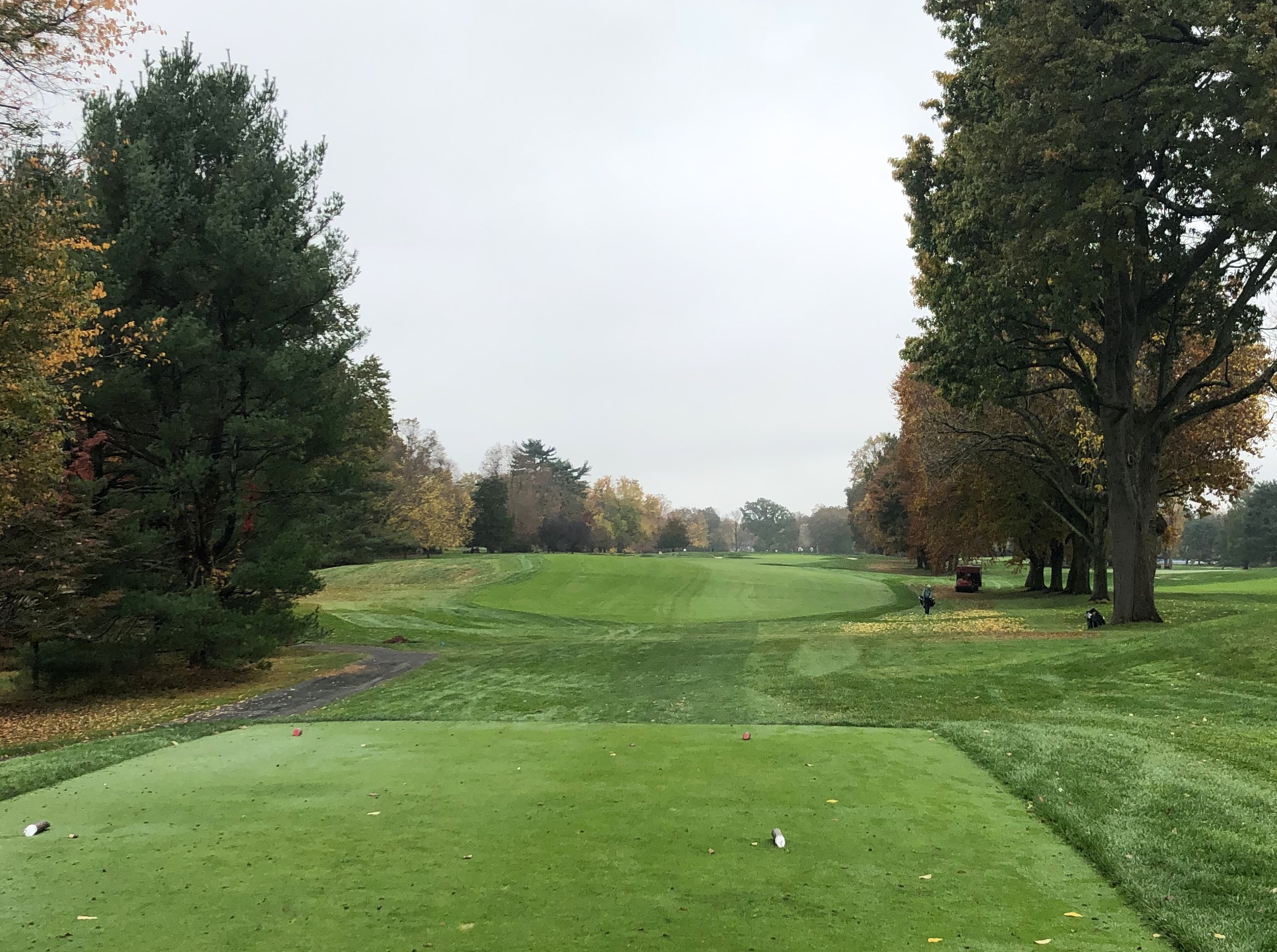
The 7th hole leads you into a tiny square in the far corner property that houses the next eight holes. The terrain in this square is especially flat, and as a result none of these holes are as memorable or attractive as the beginning or end of the course.
The 7th hole is a shorter par 5 at 494 yards that runs along the edge of the square and fence line. While not very visually appealing, this is a solid hole with good strategic angles. The fairway initially begins to bend to the right at about 260 yards, with a set of bunkers down the right longer hitters should look to carry. There’s another bunker ahead on the left at 300 yards, but this is not reachable for most golfers. In comparing aerials, it seems this approach was altered quite substantially by Hanse as the old green used to be shallow, with plateaus on either side and a pesky bunker just short that gave good players pause about going for it in two. The new green is much larger and open up front, and I actually think the old version was better, as it gave an otherwise short par 5 more teeth and interest.
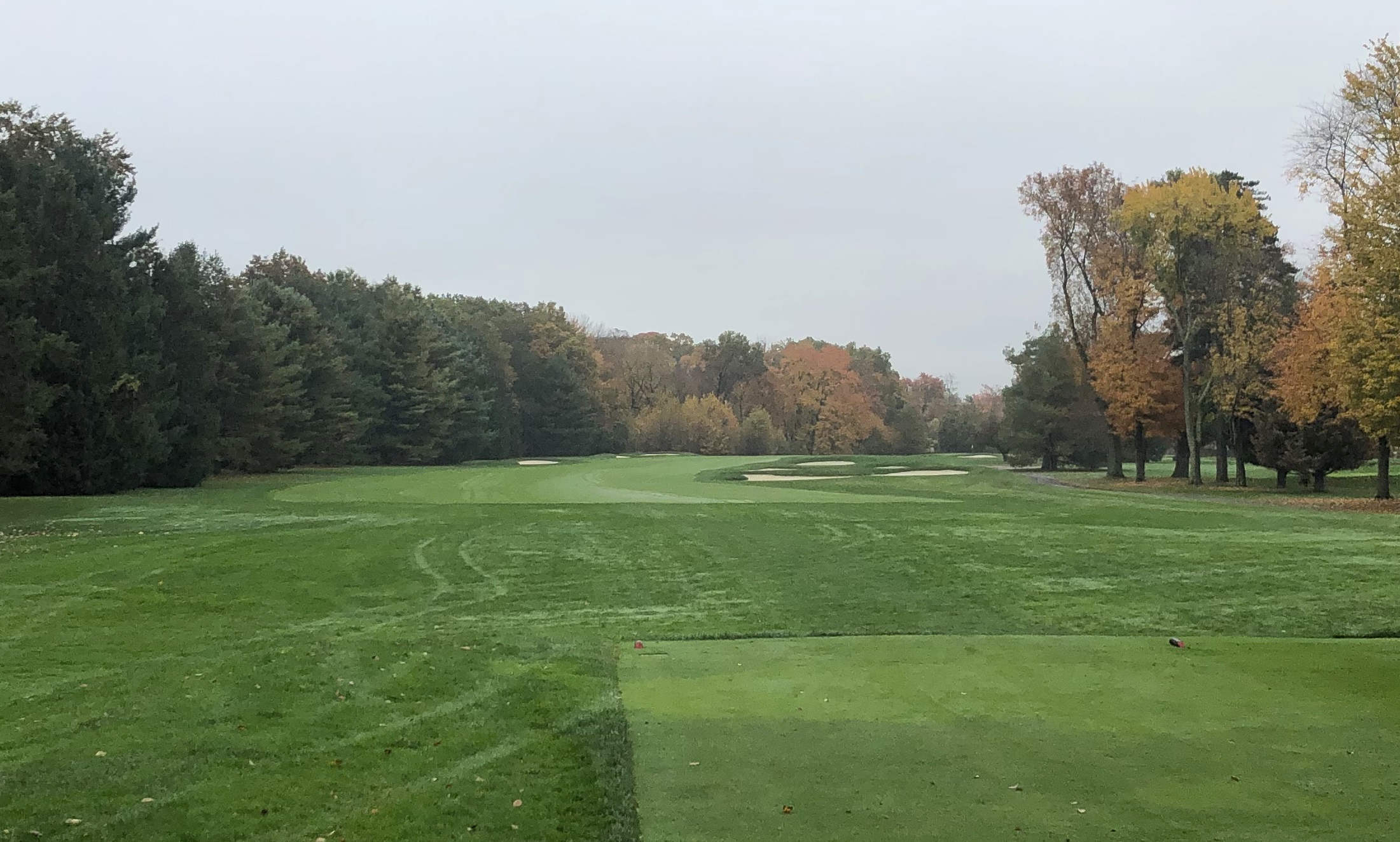
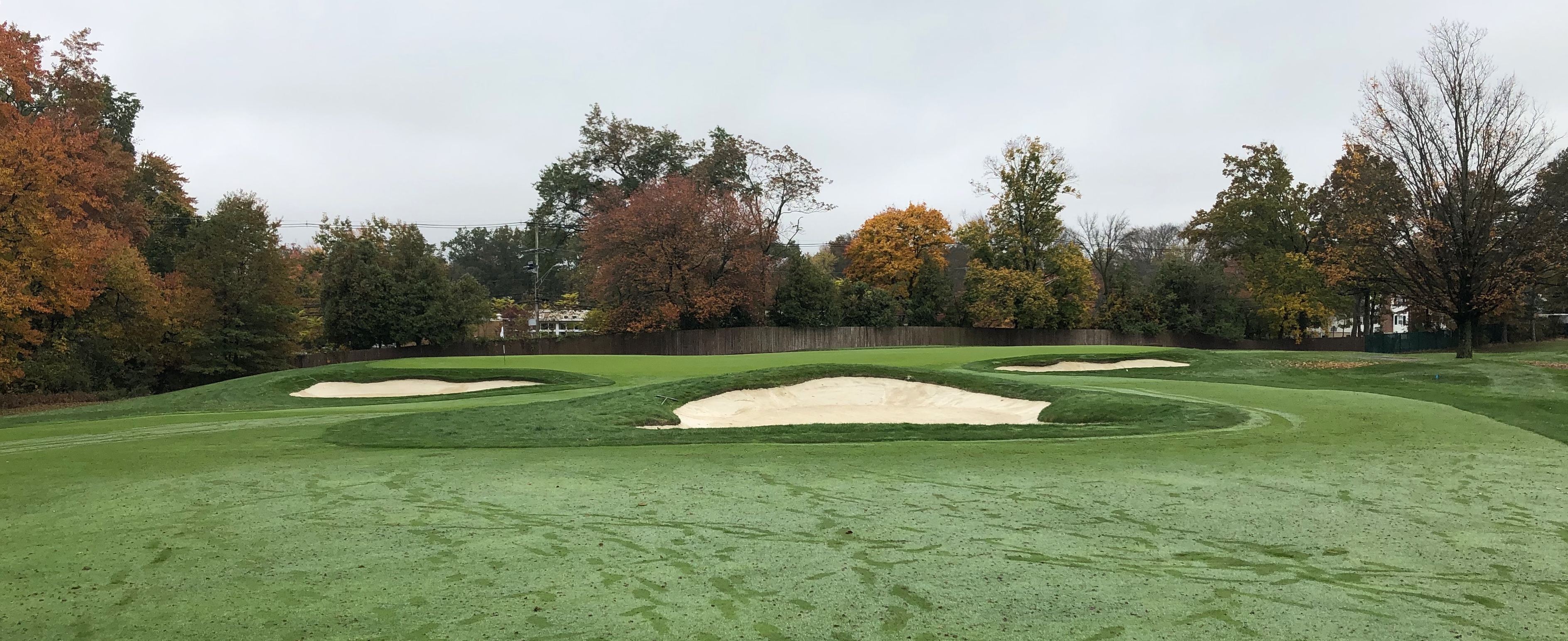
The 8th hole is crammed into the corner of the property and is a shorter, gentler par 4 at 360 yards. Bunkers run down both sides of the fairway for much of the landing area and the green is not in sight on this teebox. This approach plays slightly downhill to a beautiful greensite, with bunkers on all sides of a green containing several ridges.
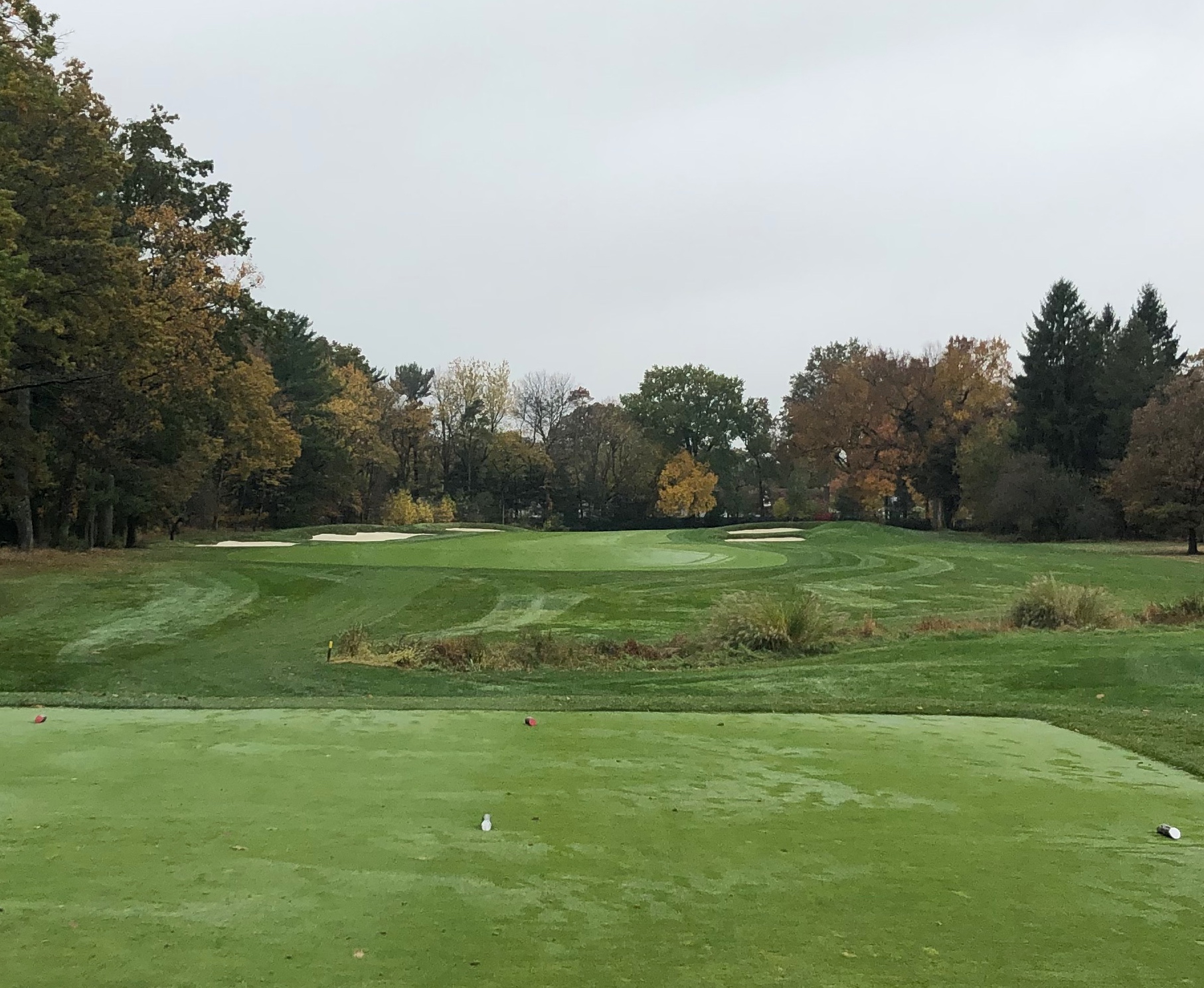
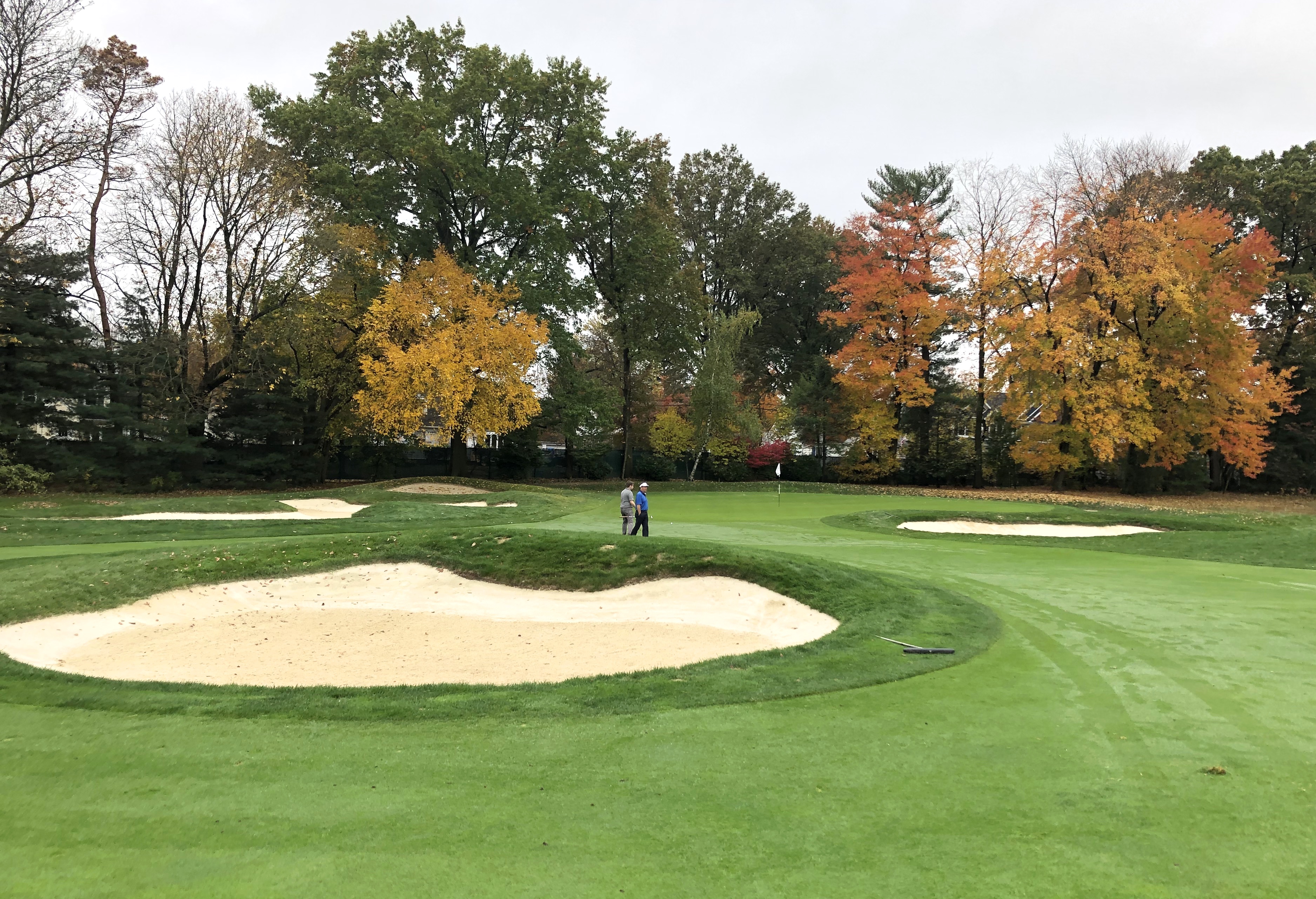
The front 9 concludes about as far away from the clubhouse as it gets with an 189 yard par 3. This is a solid “Reef” hole with a teeshot over barrier bunkers to a small, subtle green lined by bunkers.
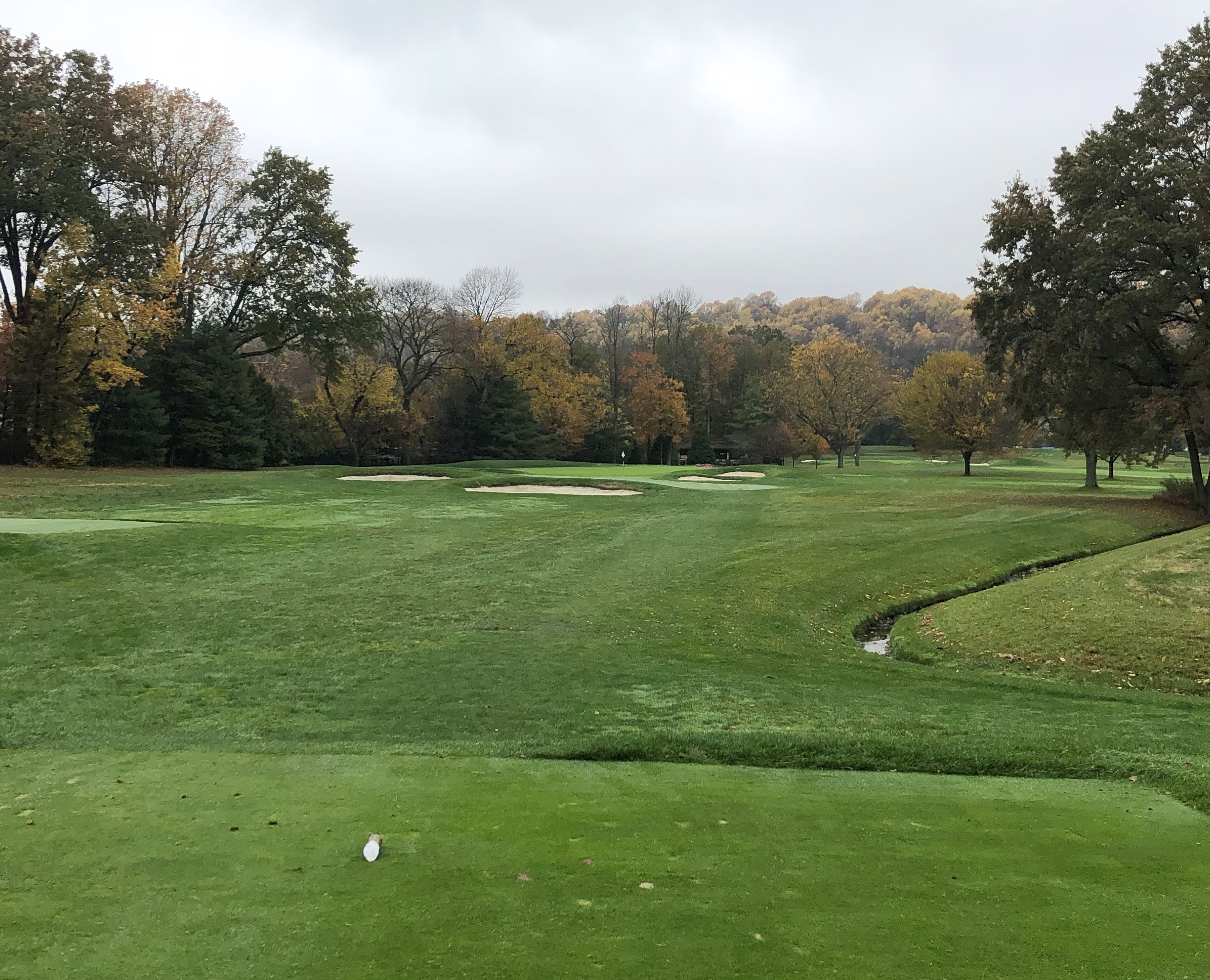
At 437 yards, the 10th hole is the longest par 4 on the course and a deserving number 2 handicap. This lengthy par 4 plays straight and slightly uphill to a narrow fairway lined by forest and a creek on the right. This green is open up front and on the flatter side with bunkers on either side.
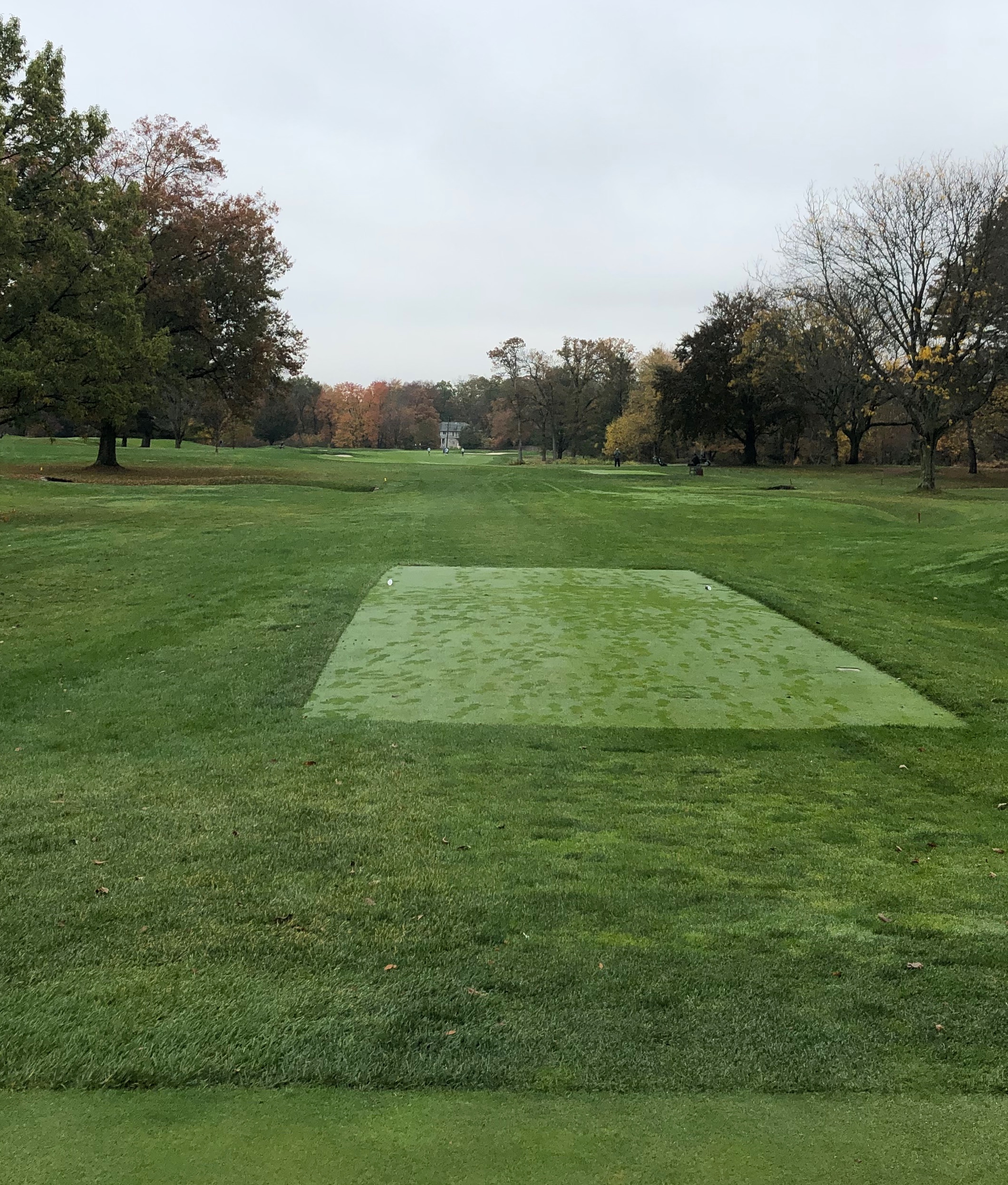
The 11th hole is another difficult par 4 and the most severe dogleg on the course. At 408 yards, this hole plays straight for the first 240 yards before turning abruptly left at this point. There are numerous bunkers down the right for the first 240 yards and another bunker on the inside corner of the dogleg as well. Those who don’t hit a drive at least 230 yards might be unable to get to the green in two. This approach plays over a midline fairway bunker to a subtle green surrounded by bunkers long.
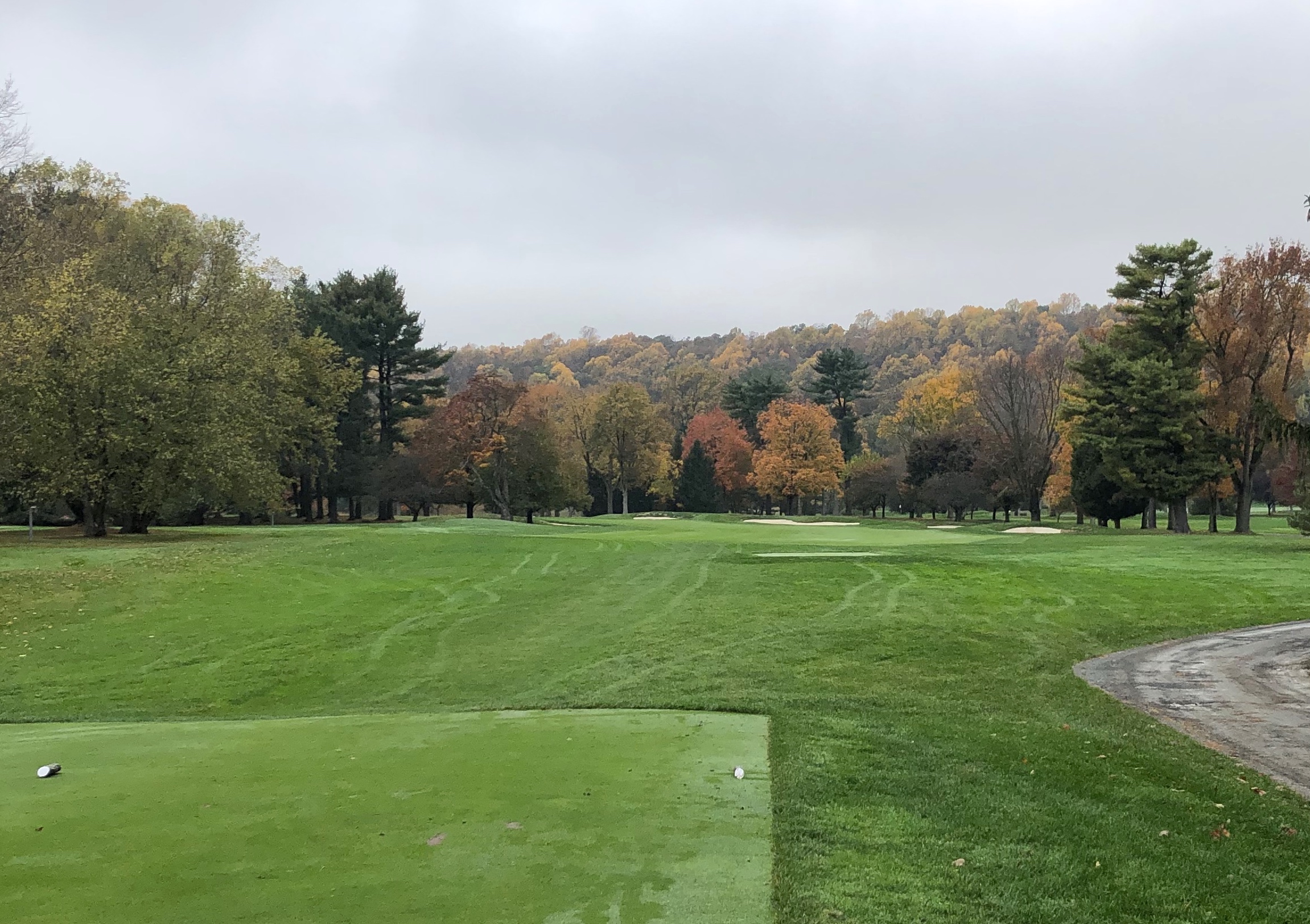
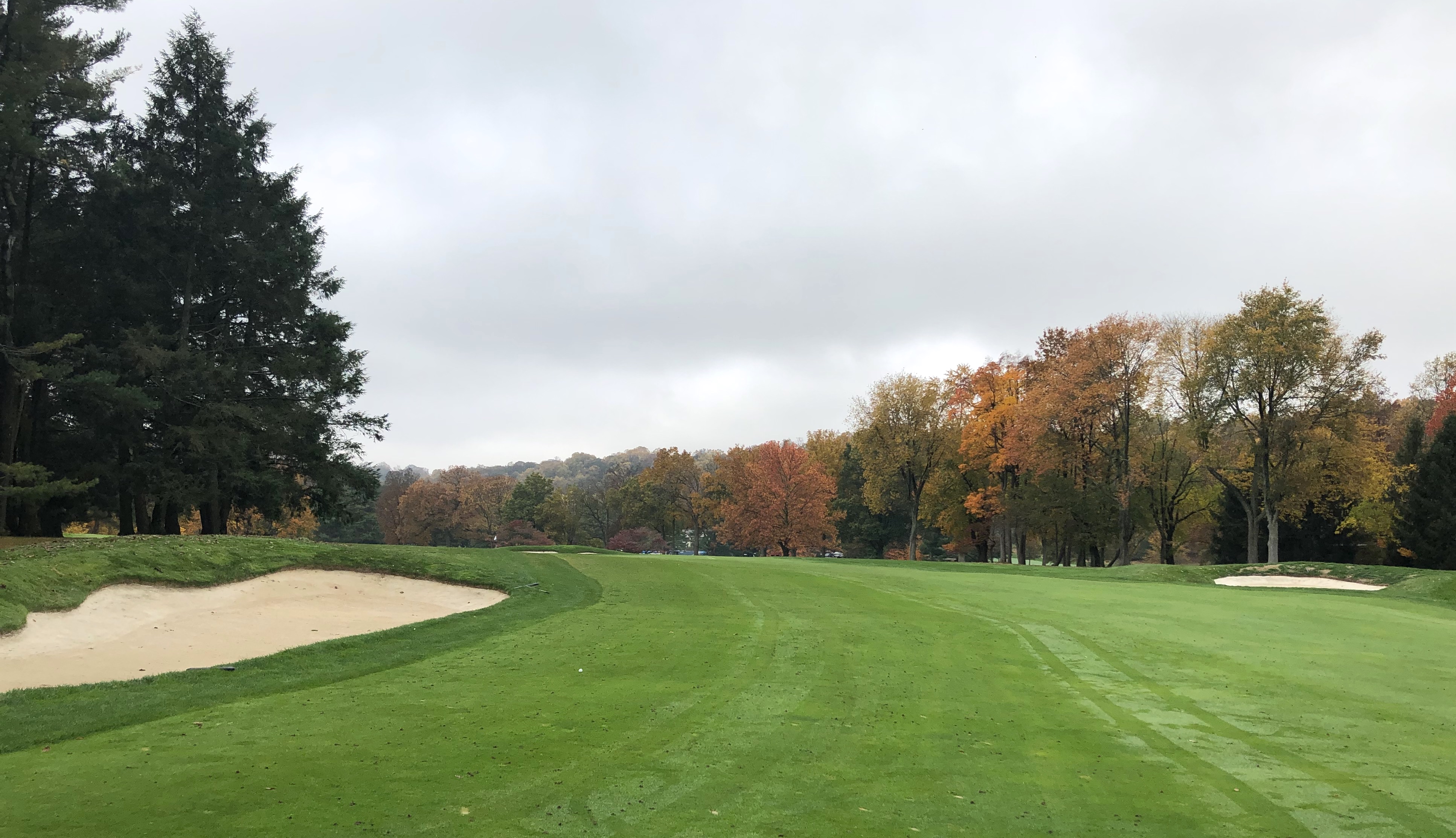
The 12th hole is an 188 yard par 3 that plays over a barrier bunker to a smaller, front-to-back sloped green lined by bunkers. Depth perception is difficult here due to the flat terrain and I found this hole somewhat forgettable and almost identical to the 9th hole.
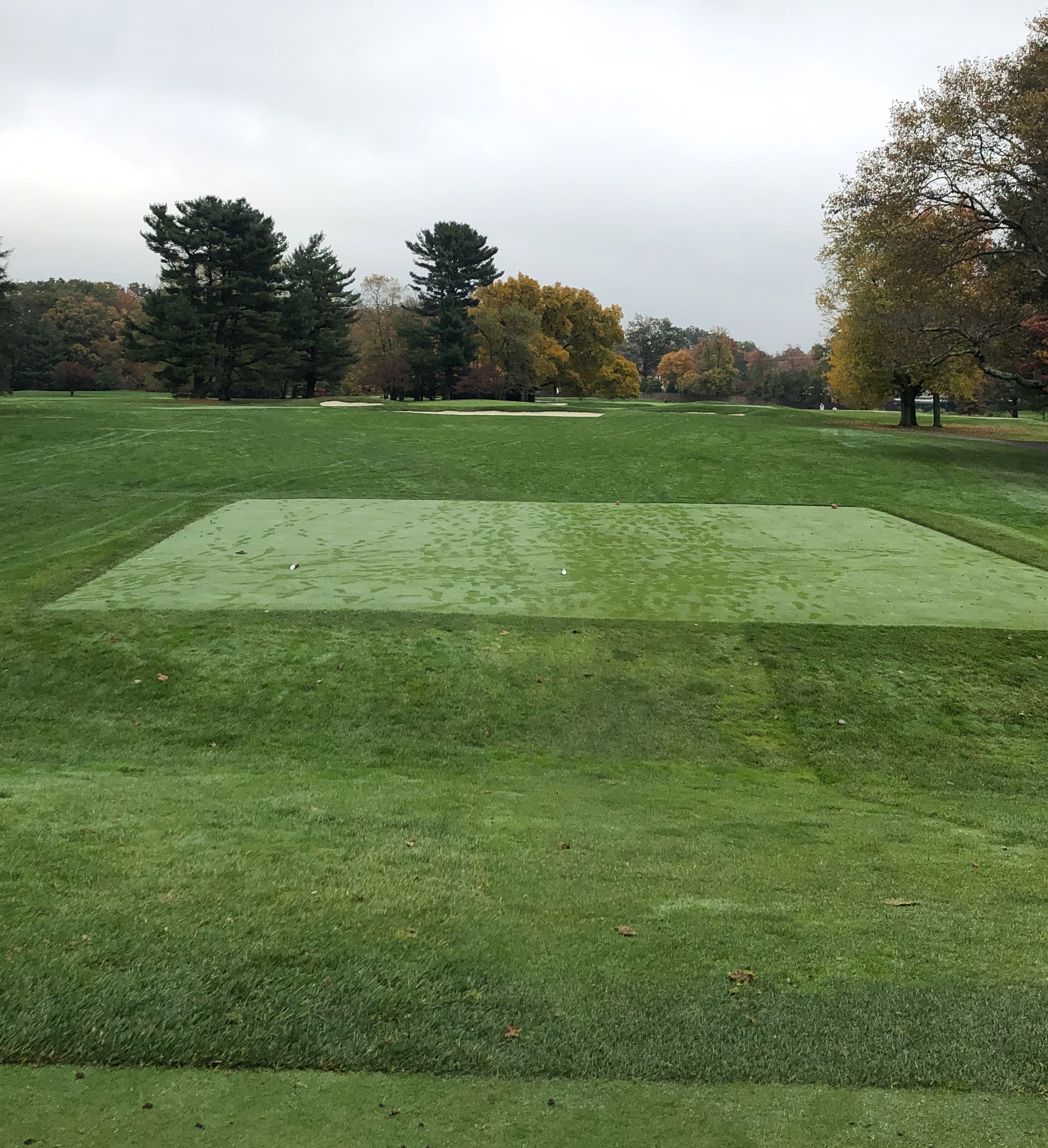
The 13th is one of my favorite holes at Baltusrol Lower as a 374 yard dogleg right par 4. This is a fascinating dogleg with a teeshot over a small slab of fairway and creek to another fairway that turns right around 200 yards. The creek continues down the right the entire way, and beautiful bunkers line the left side of the fairway. It seems Hanse removed these bunkers on the left and the teeshot is now easier. The greenside bunkering remains strong, with artistic bunkering on either side of a narrow, undulating green.
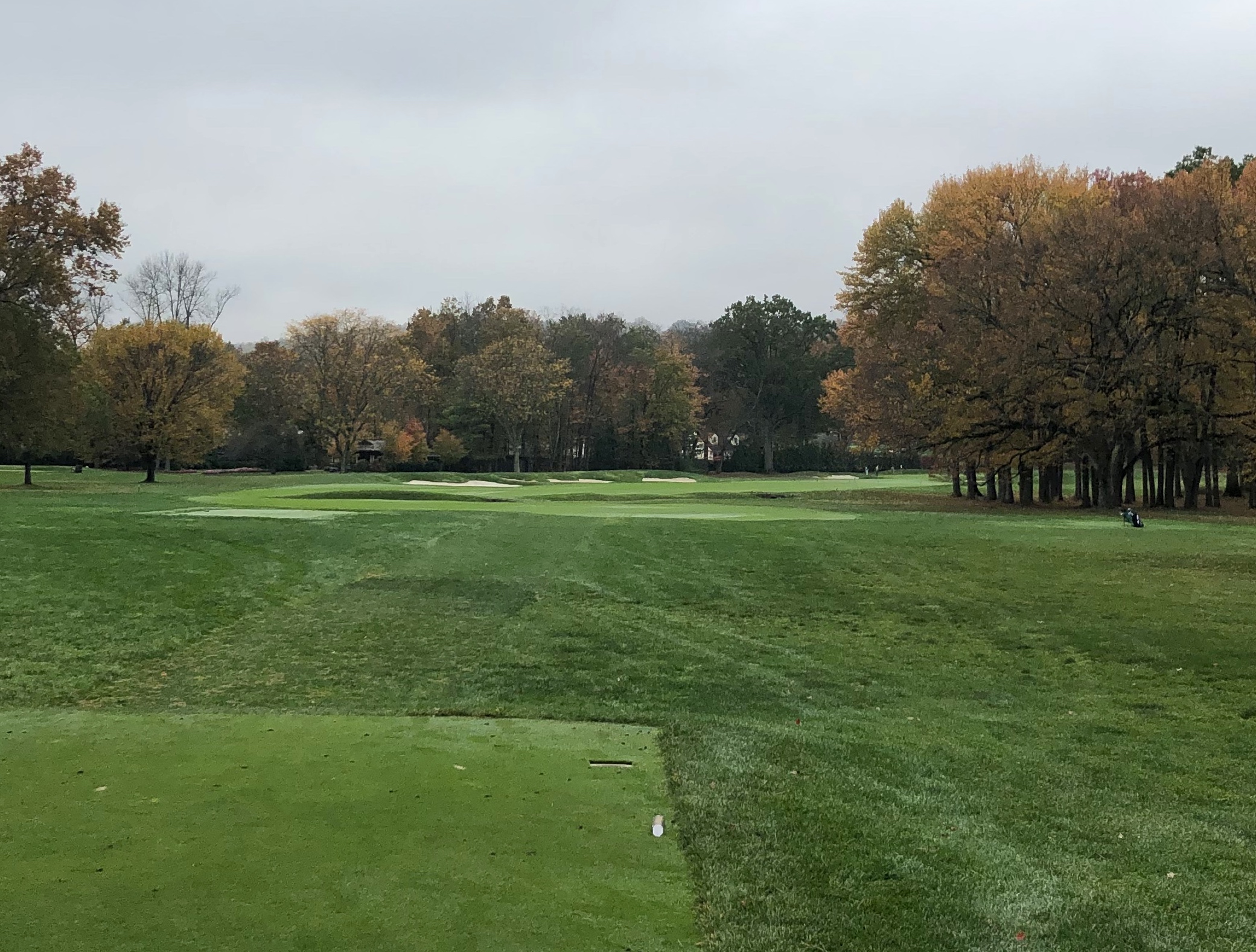
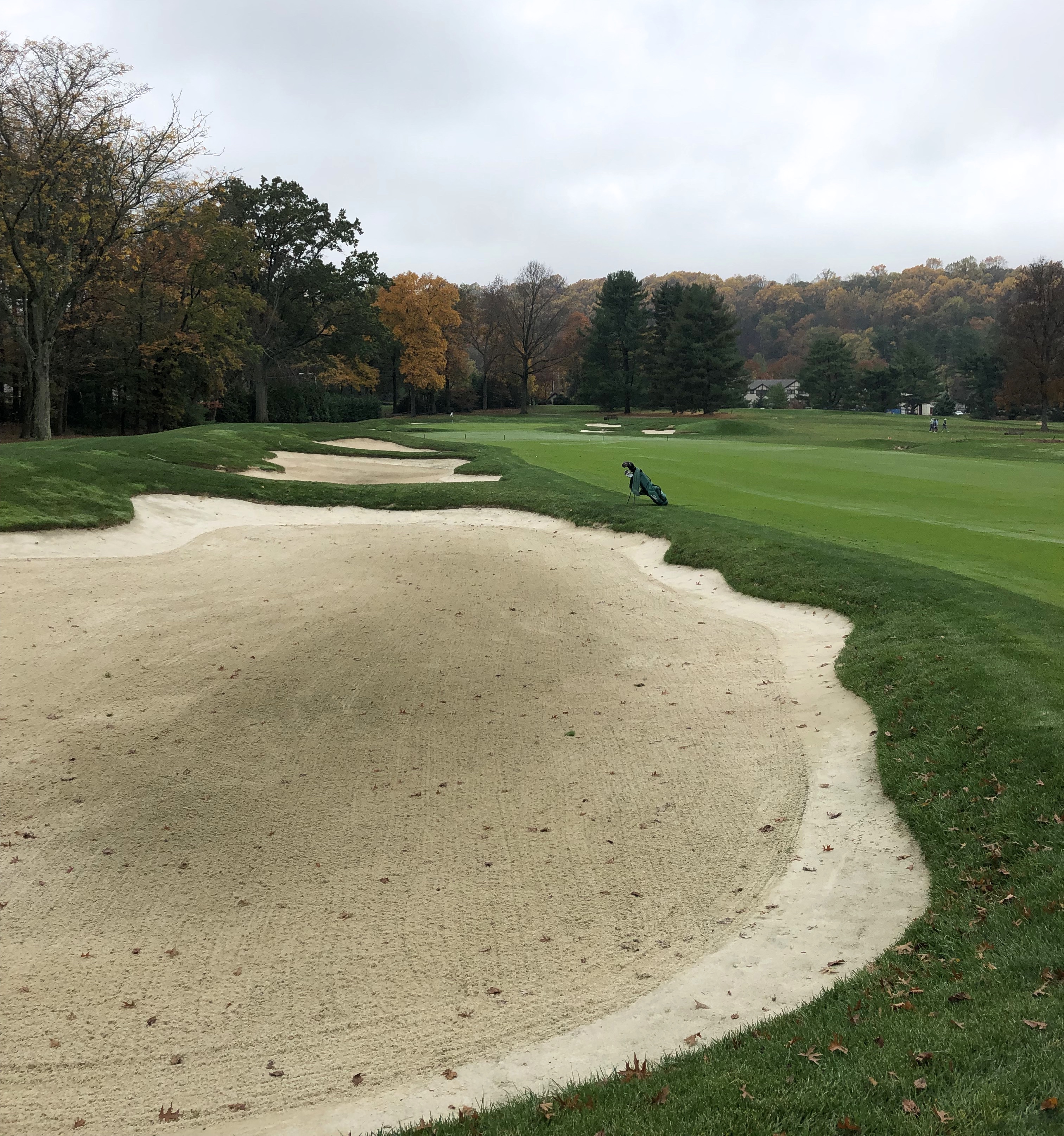
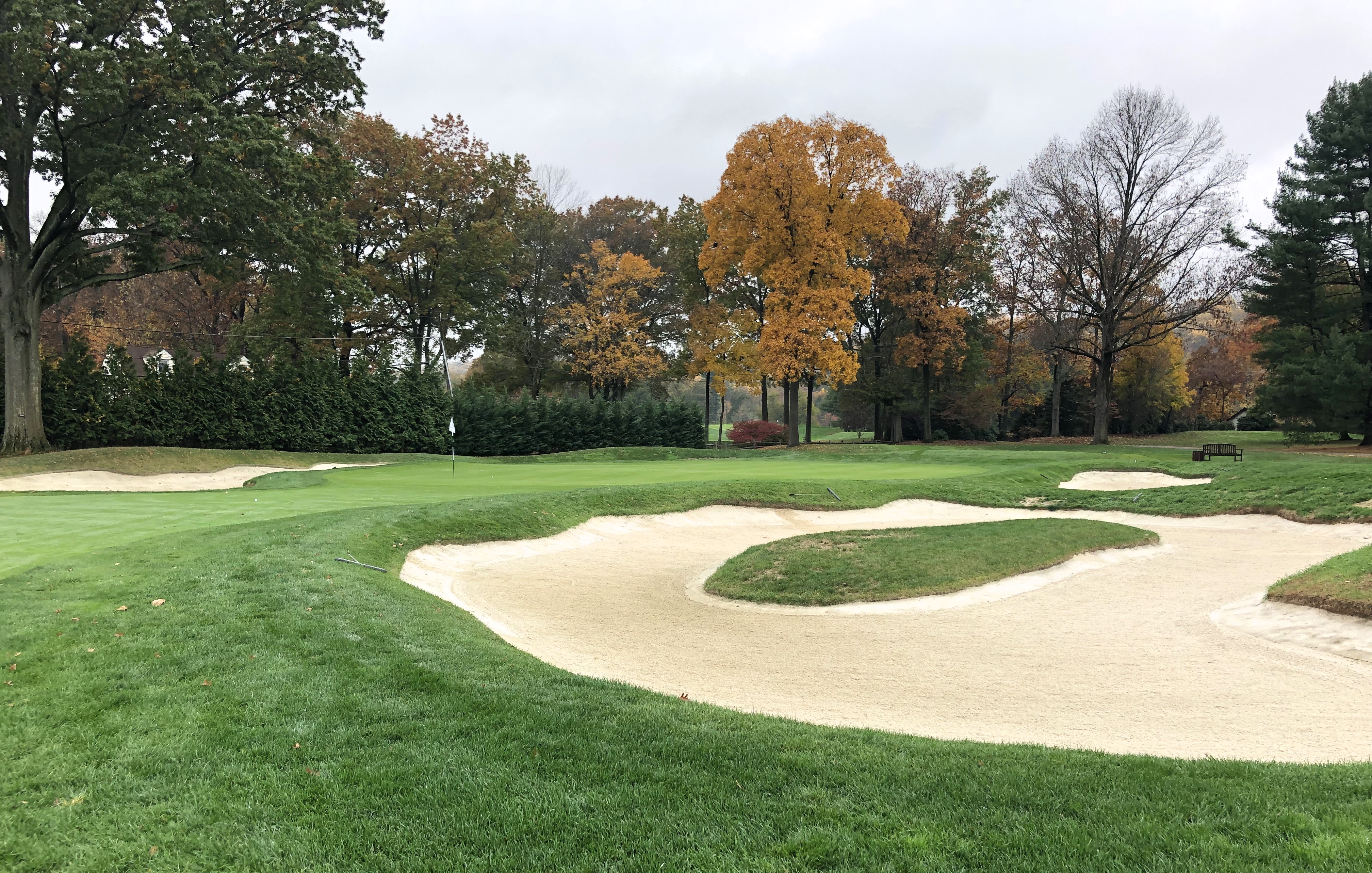
The 14th and 15th holes are the final two par fours on the course and are both solid, running parallel to each other. At 379 yards, the 14th is a slight dogleg left with well-placed bunkers down the left around 200 yards and right at 270 yards. The ideal ballflight is a right-to-left draw that splits the two. Numerous bunkers flank this back-to-front sloped green.
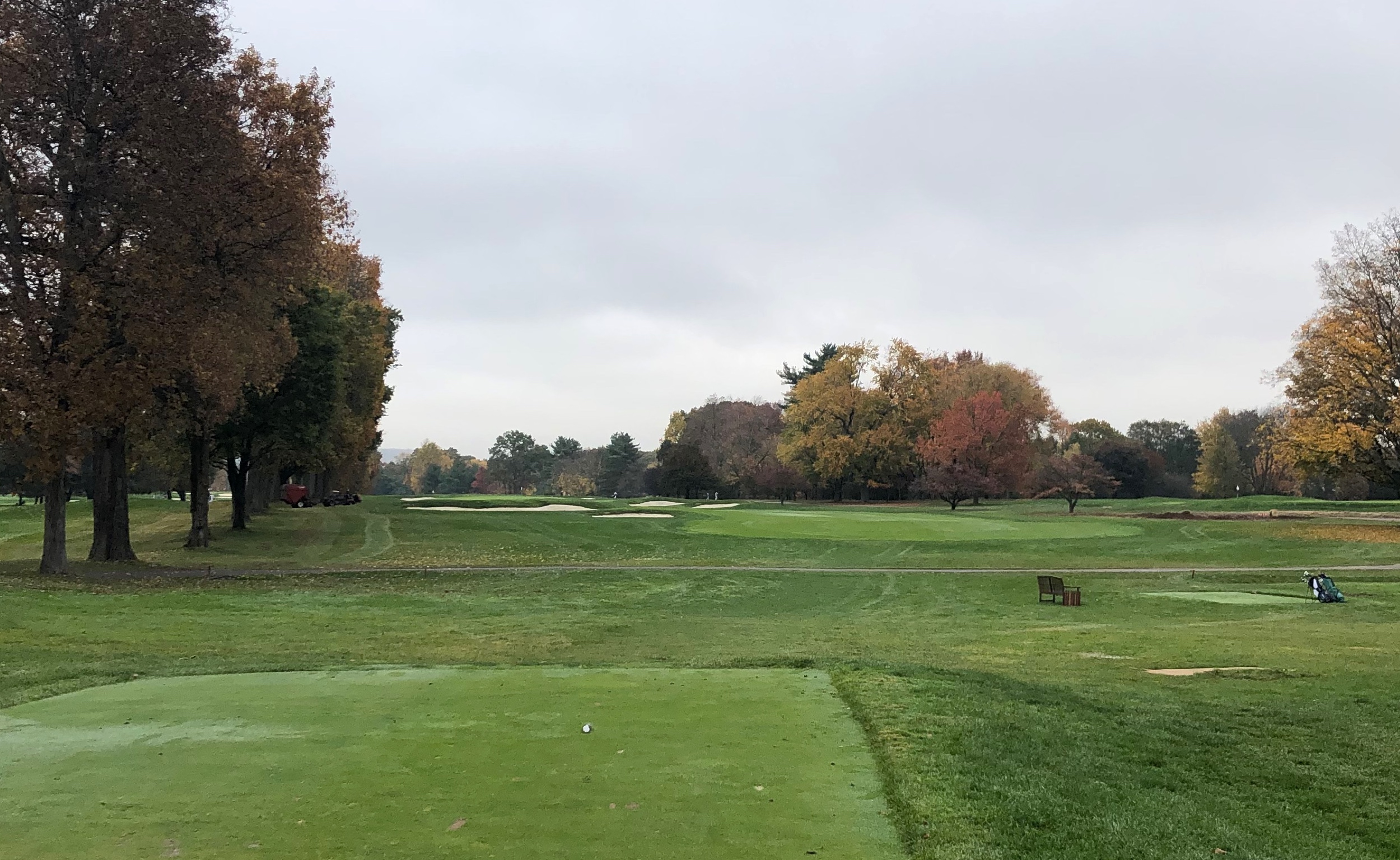
The 15th hole plays slightly longer and straighter at 383 yards. This tree-lined hole is also well-bunkered, as your teeshot must avoid bunkers on the right at 200 and 260 yards and left at 225 yards. A hidden creek runs across the fairway at about 300 yards, but is only in play for the longest hitters. This slightly elevated green contains a severe false front and is defended by large bunkers left, short, and right.
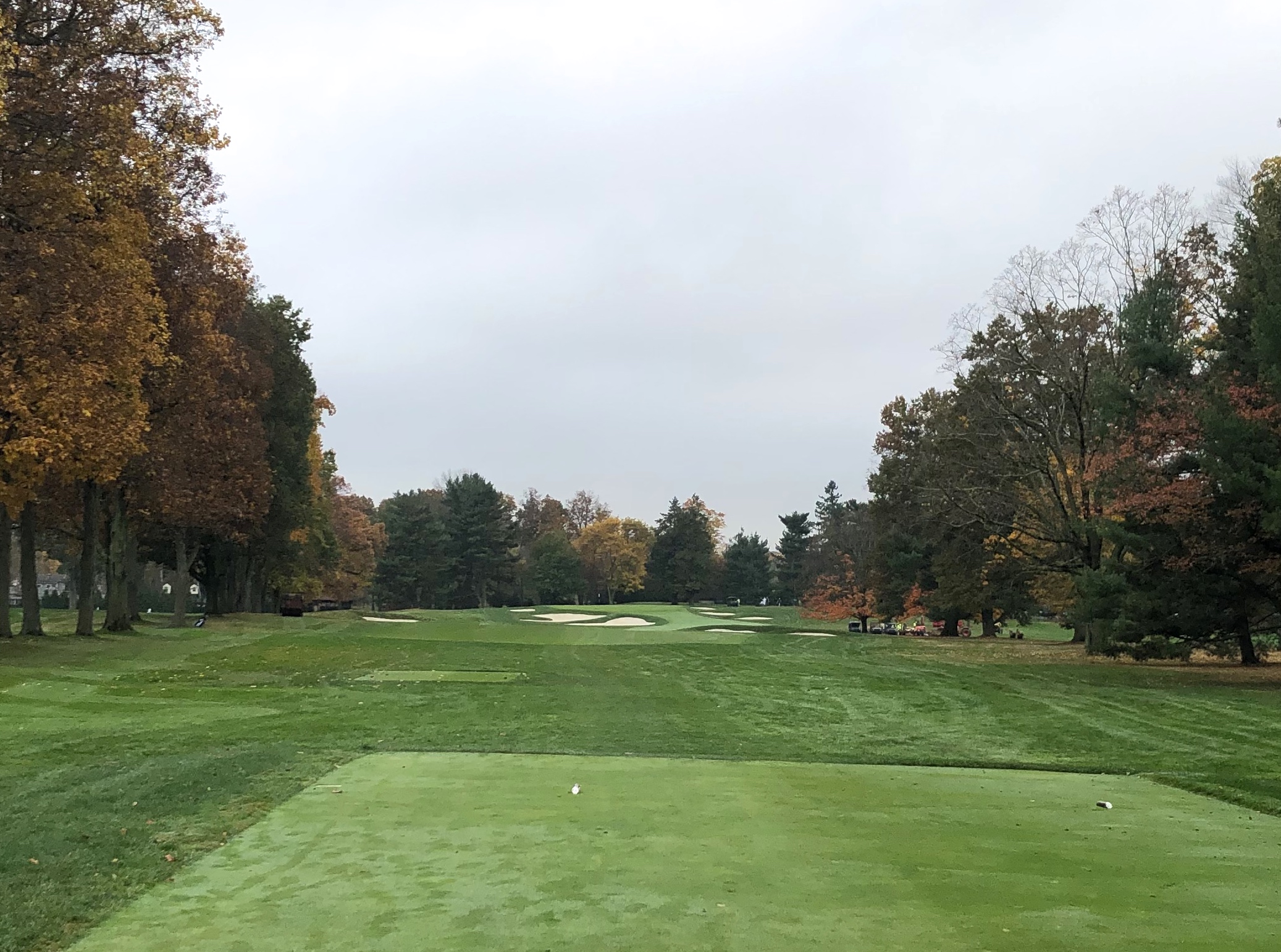
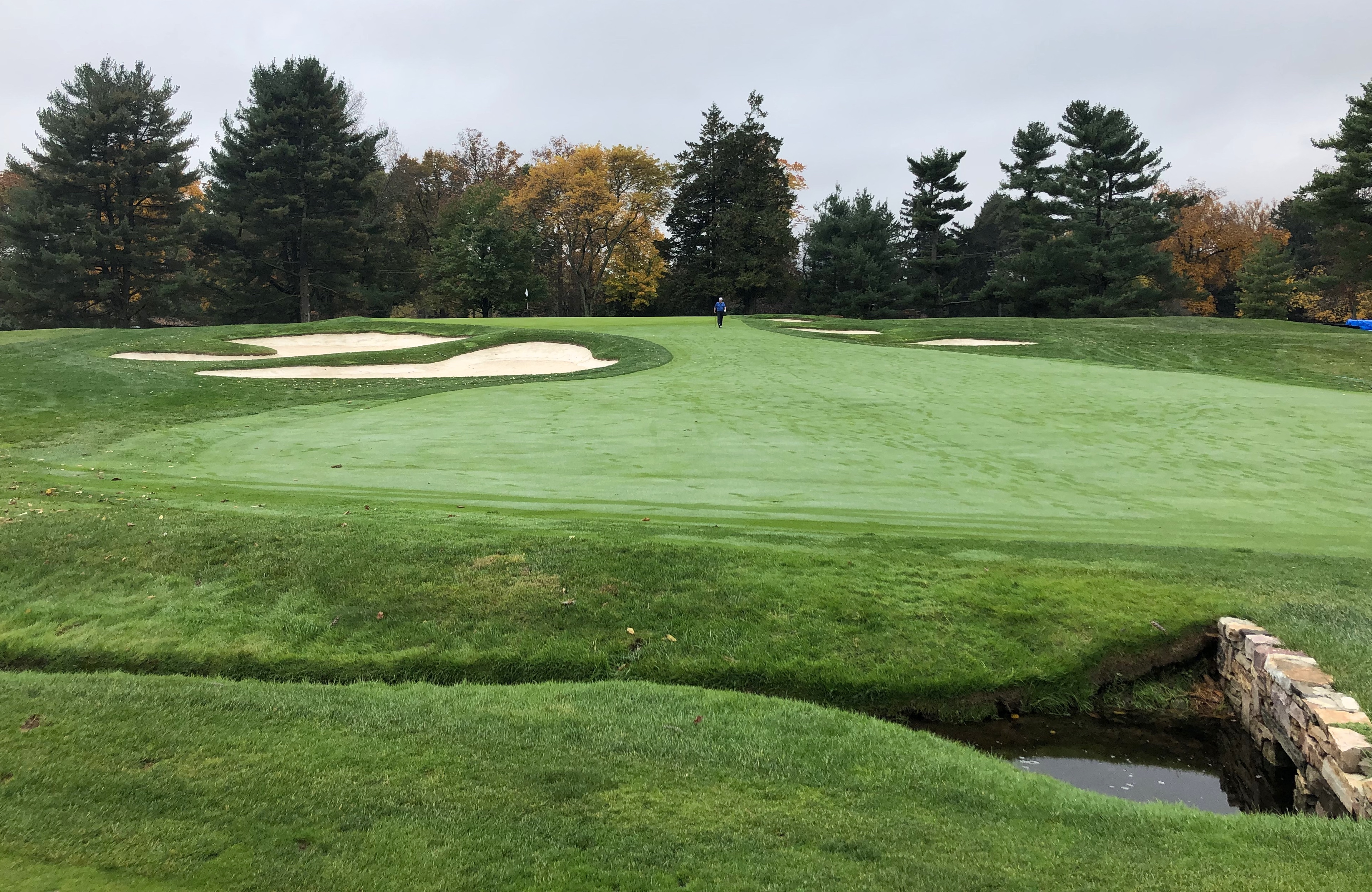
The 16th hole is the final par 3 on the course and plays slightly downhill at 180 yards. This is a fun one-shotter featuring a large green surrounded by numerous bunkers short, left, and right. The putting surface contains lots of internal movement, with significant slopes left-to-right and a backstop leading to some wild putts.
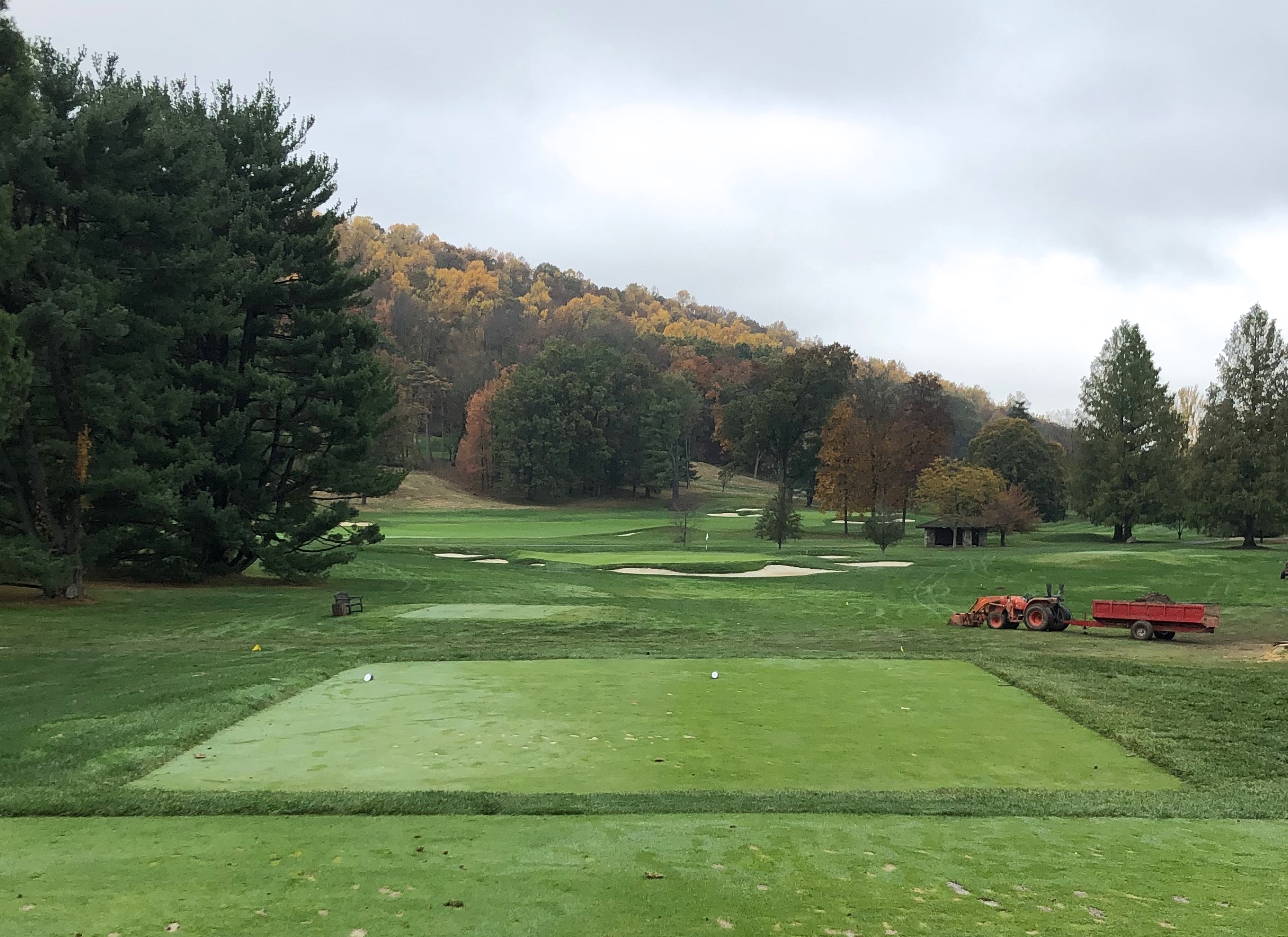
Baltusrol Lower closes in unusual fashion, with two par fives as its final two holes. These are two of the strongest holes on the course with the 17th hole in particular as one of the best par fives I’ve ever played. A monster par 5 at 543 yards, this hole initially plays straight for the first 300 yards with trees down the right and a left bunker around 225 yards. The defining feature of this hole is a Great Hazard bunker that begins around 290 yards as the hole starts to turns left. While the longest hitters will easily clear this hazard in two, the average amateur or golfer in the rough will have to hit an excellent second shot to clear this hazard. The second half of this hole plays uphill, with a left crossbunker about 100 yards short of the green and a large bunker complex short right. This putting surface mostly slopes back-to-front with two further bunkers on the left. Even for the Pros, this is a difficult par 5 stretching well over 600 yards. John Daly became the first player to reach this green in two during the 1993 U.S. Open.
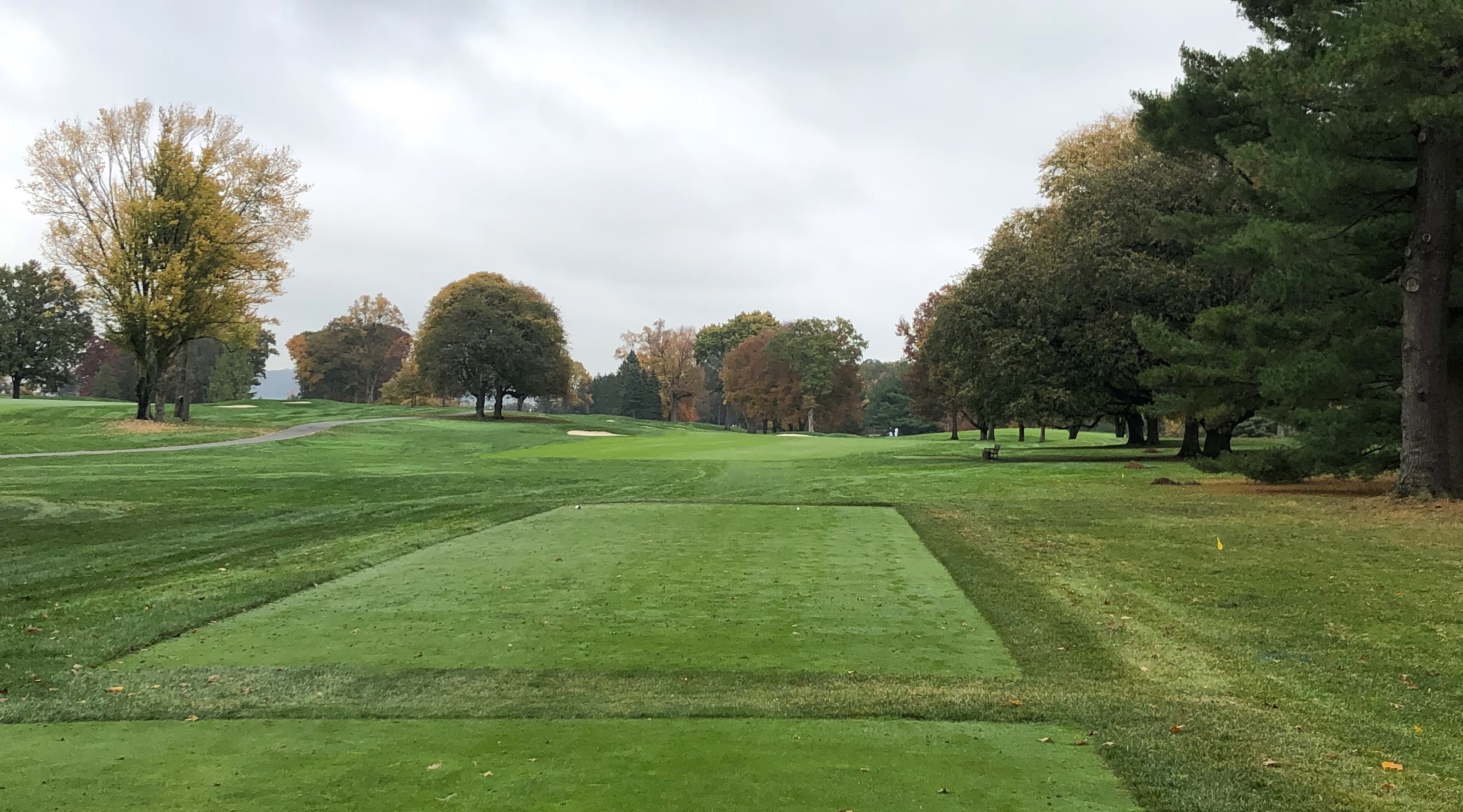
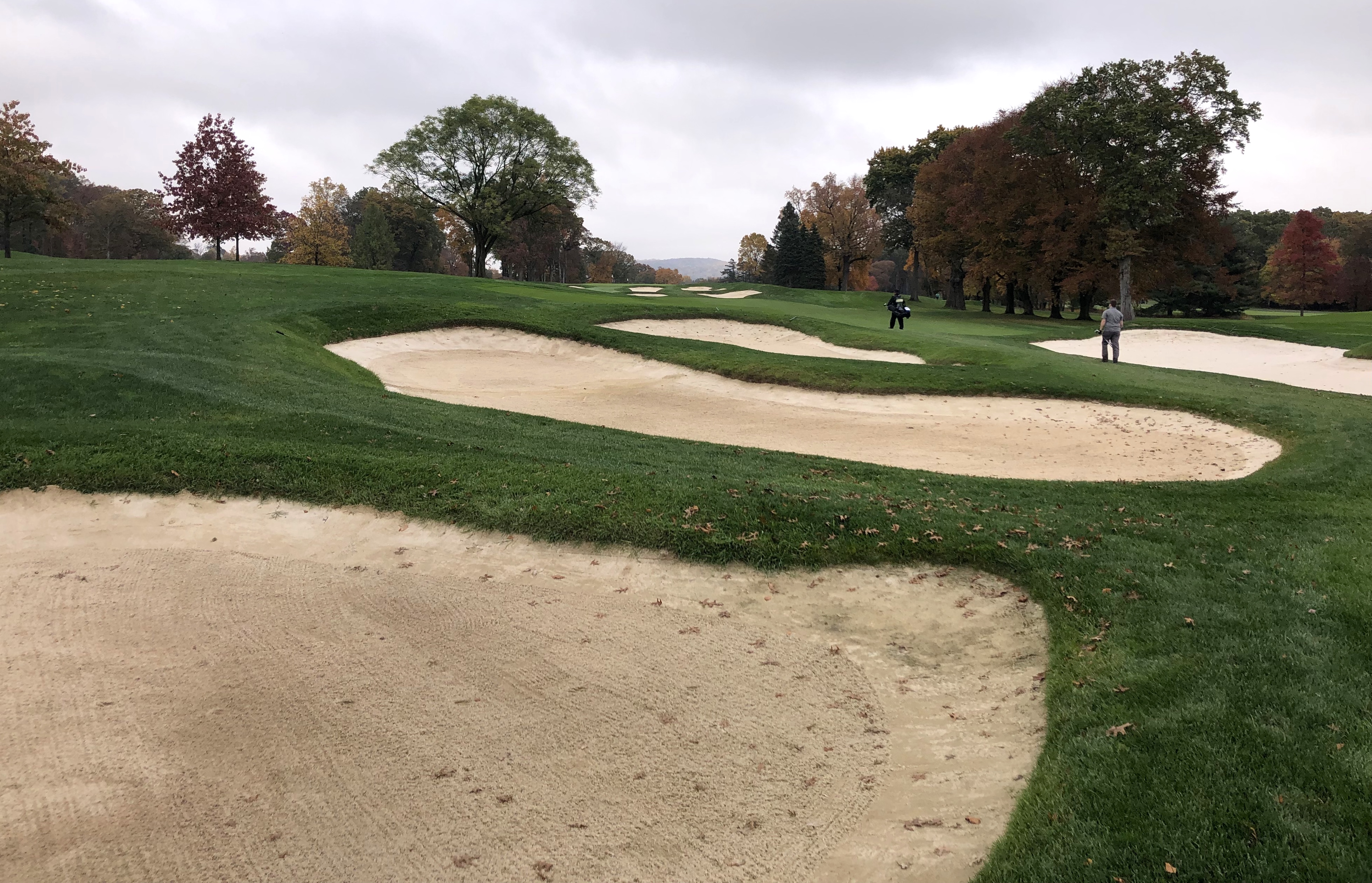
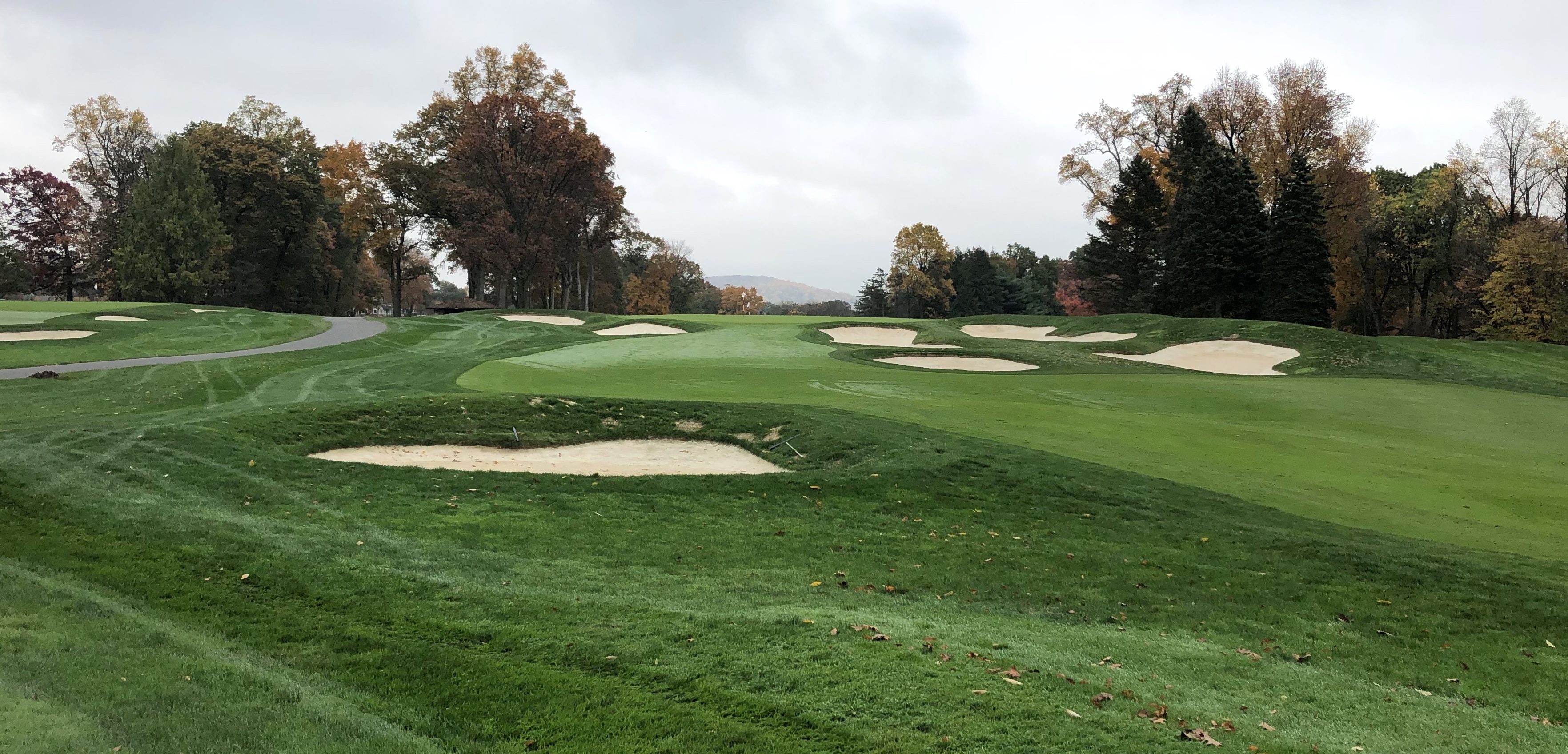
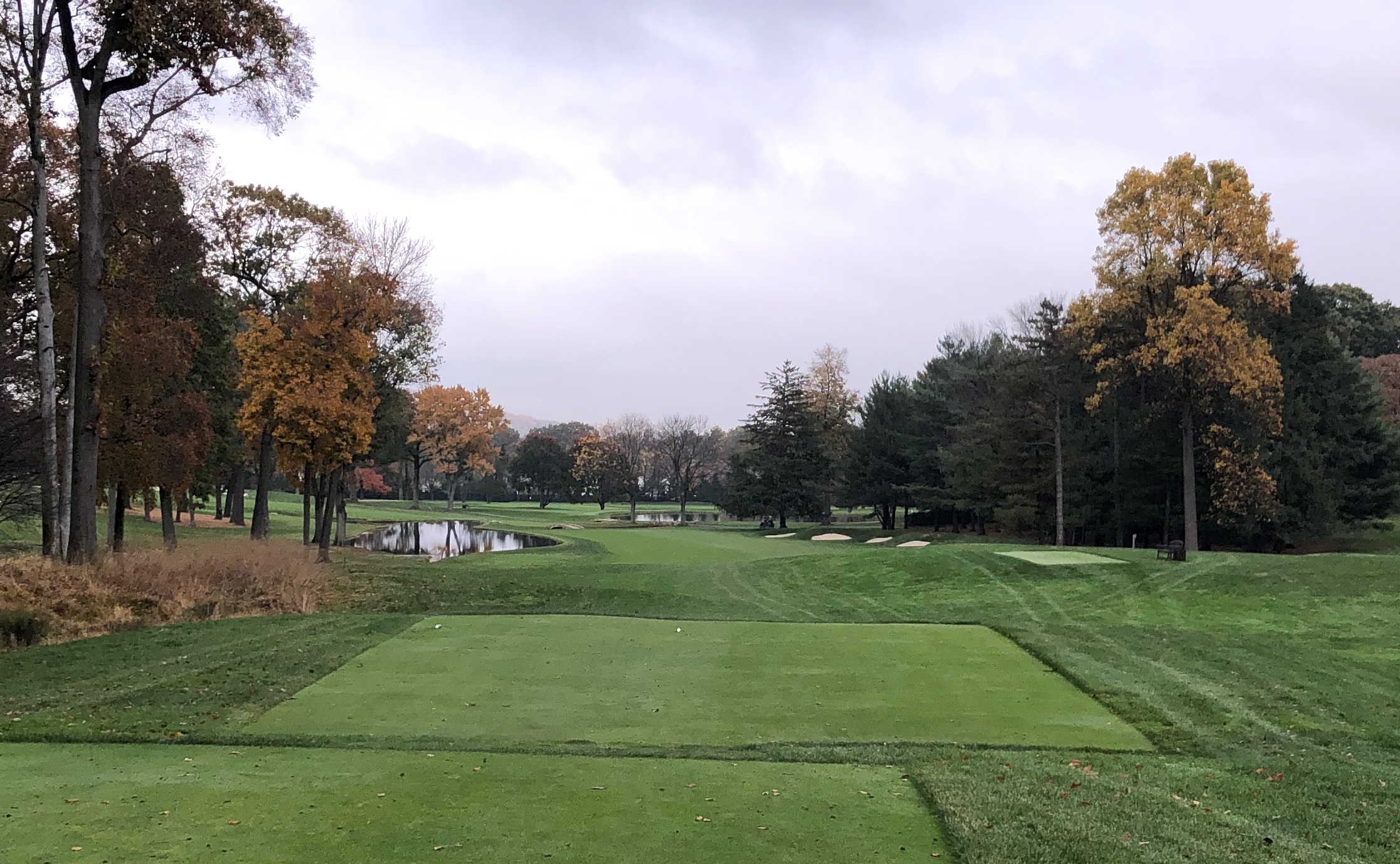
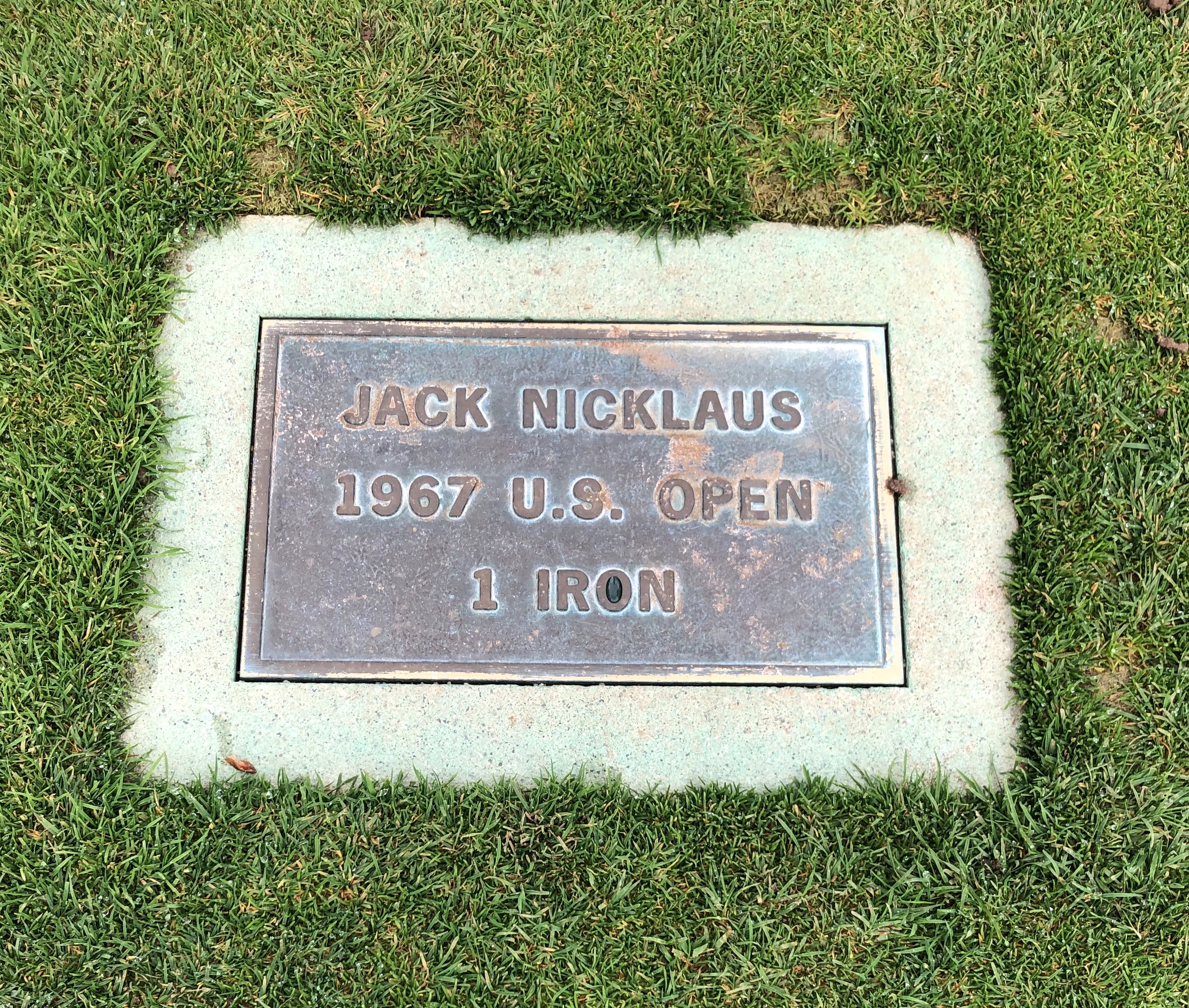
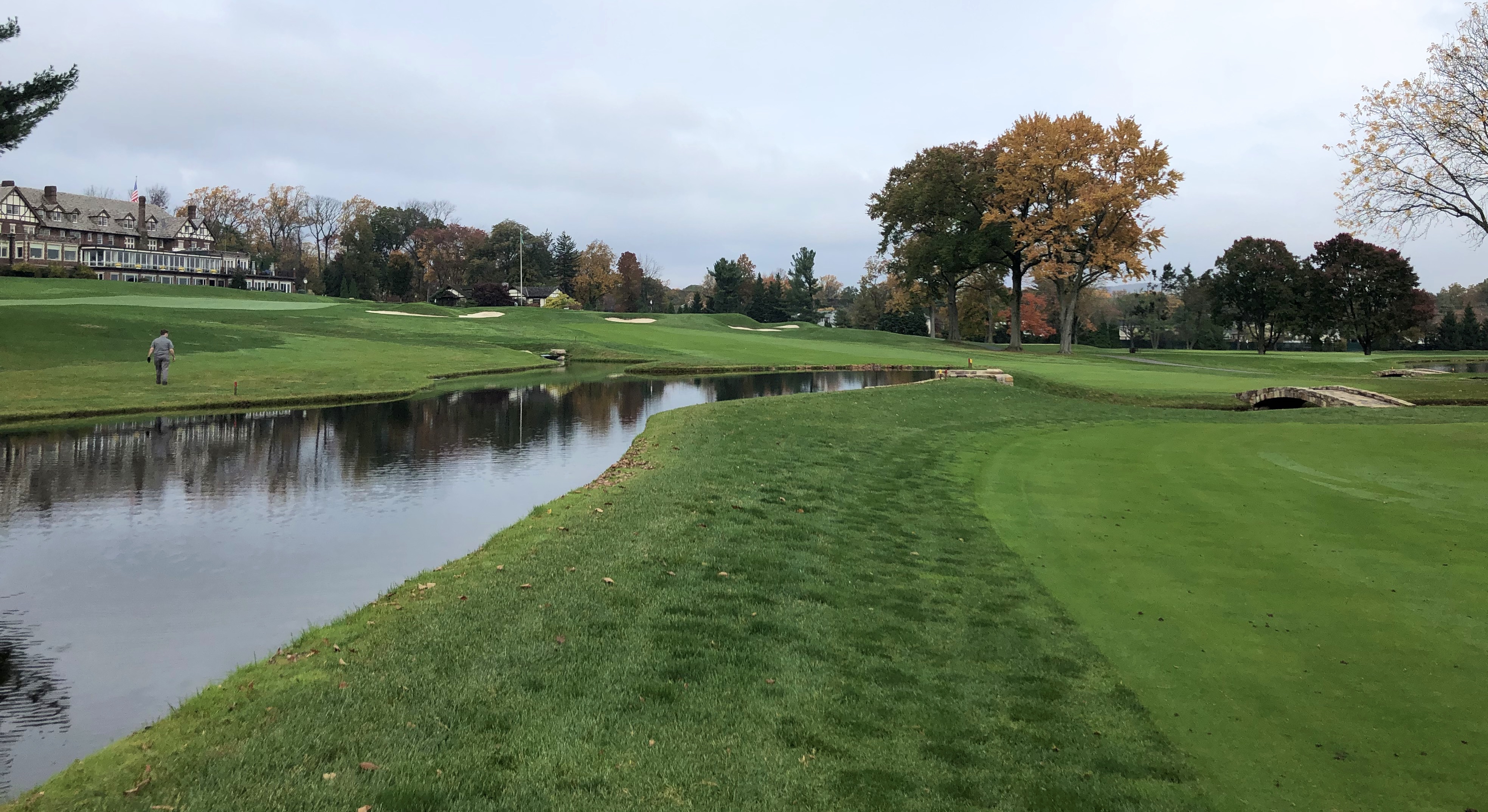
The 18th hole is a memorable closer as a risk/reward 511 yard dogleg left. This epic hole begins with an intimidating teeshot from an elevated teebox to a tight fairway lined by water down the left the entire way and a string of four bunkers on the right. At about 340 yards, this slab of fairway ends with a creek and the fairway on the other side turns left and uphill. The second half of this hole shares a fairway with the 18th on the Upper Course and both greens sit near the clubhouse. While this elevated green is now open up front, historically it was defended by a bunker short and required a phenomenal shot to reach in two. Jack Nicklaus famously made birdie here to win the 1967 U.S. Open by hitting a 1-iron from 230 yards to 22 feet. This putting surface predominantly slopes left-to-right with the terrain with deep bunkers on either side.
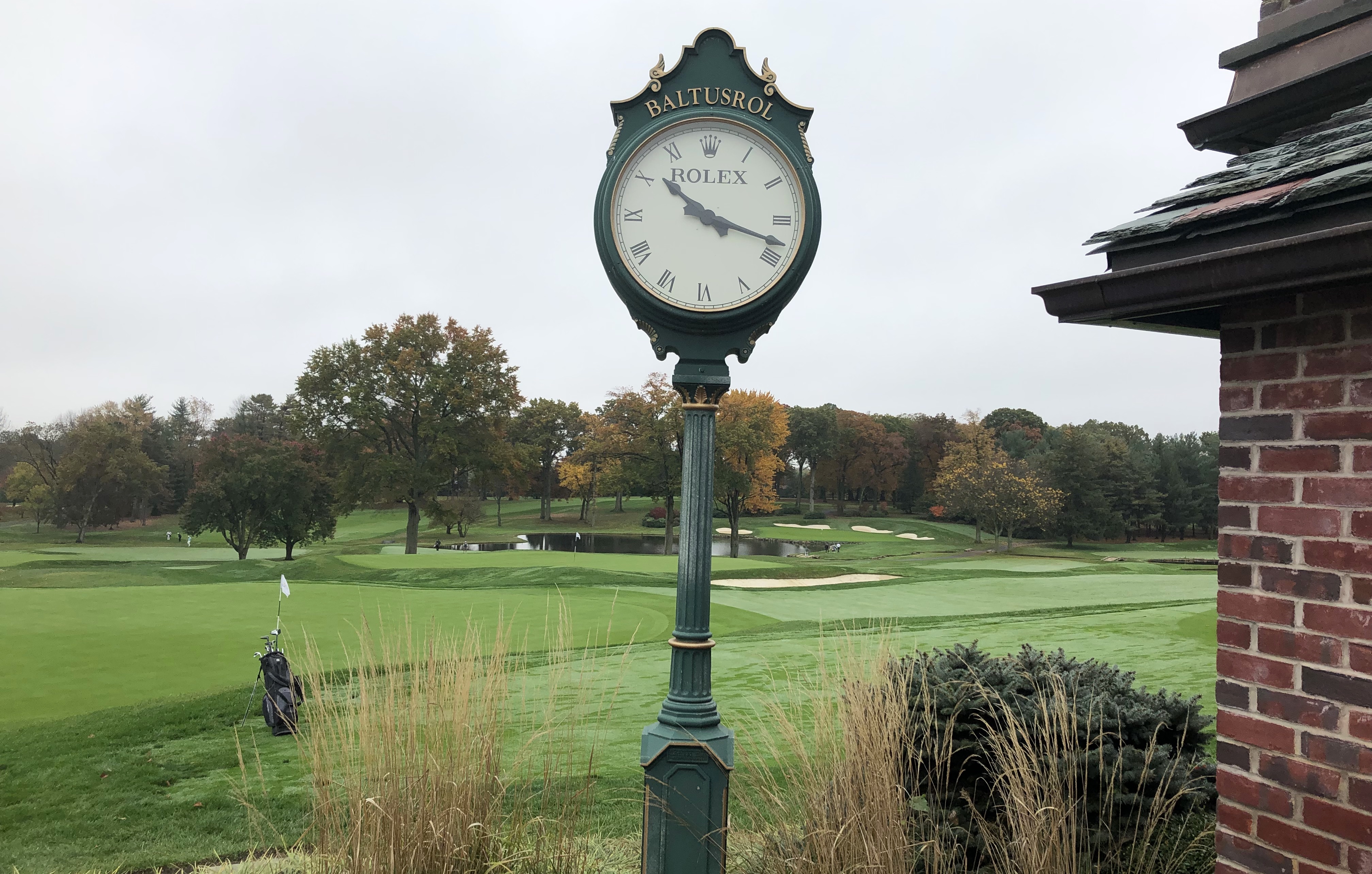
General Comments: Baltusrol is a golf-first Club, but the Tudor style clubhouse is spectacular and contains some of the best showers in golf. Practice facilities are also excellent with a giant range near the entrance and large practice green. Baltusrol Lower is a very pleasant walk and caddies are mandatory unless you have an exemption. This is definitely one of the best and most recognizable logos in golf.
Verdict: The championship course at world-famous Baltusrol Golf Club, The Lower Course is a U.S. Open style parkland design with thick rough, phenomenal conditions, and many long par fours. Although limited aesthetically due to very flat terrain, this is a well-routed and well-bunkered course with tremendous history and prestige. I haven’t been here since the Gil Hanse restoration and hope to see the changes soon!