
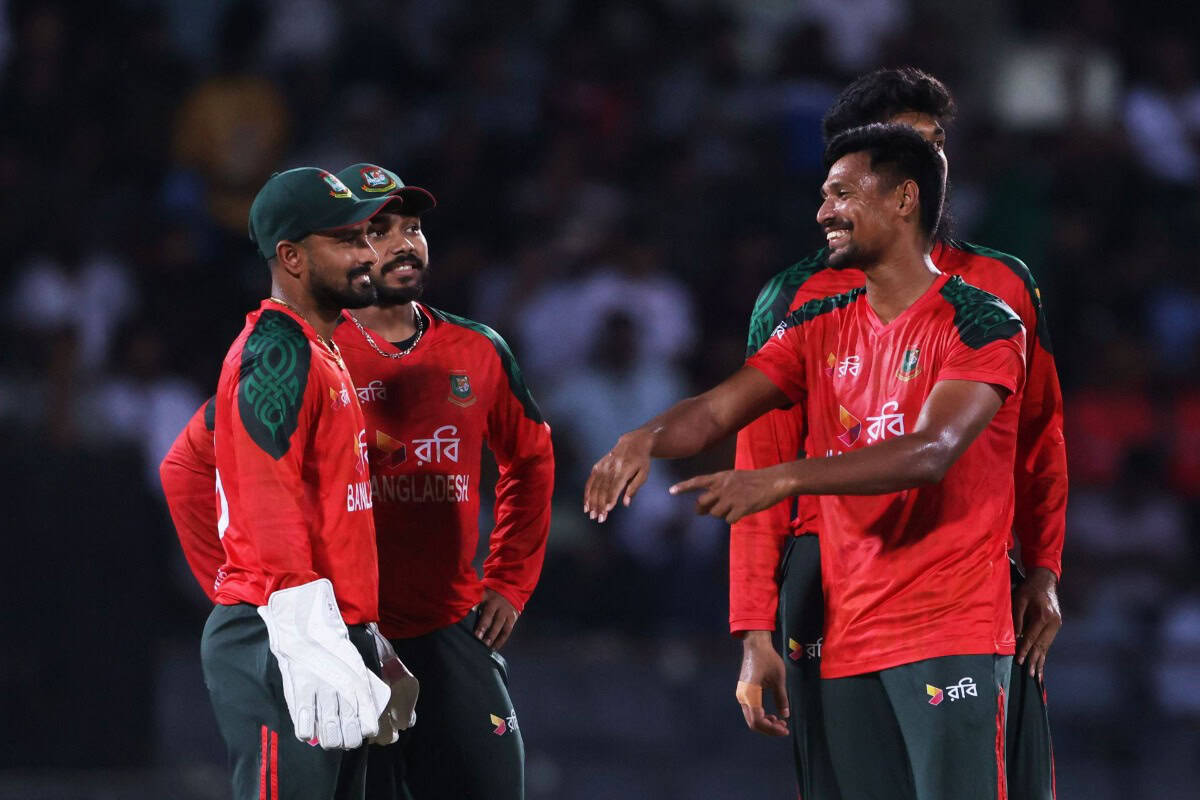
Bangladesh have officially pulled out of the ICC Men’s T20 World Cup 2026, which is set to be co-hosted by India and Sri Lanka. The decision comes after the International Cricket Council rejected Bangladesh’s request to move their matches out of India citing security concerns.

The standoff had been building for weeks. It began with Bangladesh fast bowler Mustafizur Rahman being overlooked during the IPL window, which angered officials at the Bangladesh Cricket Board. Soon after, the BCB warned that they would withdraw from the World Cup if their demands on venue changes and security were not accepted.
Following meetings between the government, players, and the cricket board, the Bangladesh government confirmed that the team would not travel to India. Officials said the decision was taken purely to protect players, framing it as a national security issue rather than a cricketing one.
The ICC, however, maintained that there was no threat. After reviewing security arrangements in India, the governing body refused to approve any venue changes. This response reportedly angered both the BCB and government officials, leading to the final boycott announcement.
Bangladesh’s Sports Advisor Asif Nazrul made the position clear, saying, “We cannot give up our players’ security.” The BCB President was even more direct, questioning ICC governance and India’s influence. He said Bangladesh wanted to play the World Cup but would not do so in India, adding that decisions like the Mustafizur episode showed India acting as the sole power in ICC meetings.
The situation now has wider implications. Pakistan had earlier warned that it could also boycott the tournament if Bangladesh pulled out. With Bangladesh’s decision now official, focus has shifted to the Pakistan Cricket Board and whether it will follow through on its threat.
Meanwhile, the ICC is already exploring backup plans. Scotland is being discussed as a possible replacement, as they are the highest-ranked team among those not already qualified. No formal approach has been made yet.
The episode highlights growing tension in global cricket politics, with smaller boards questioning fairness, influence, and decision-making at the top level of the game.