
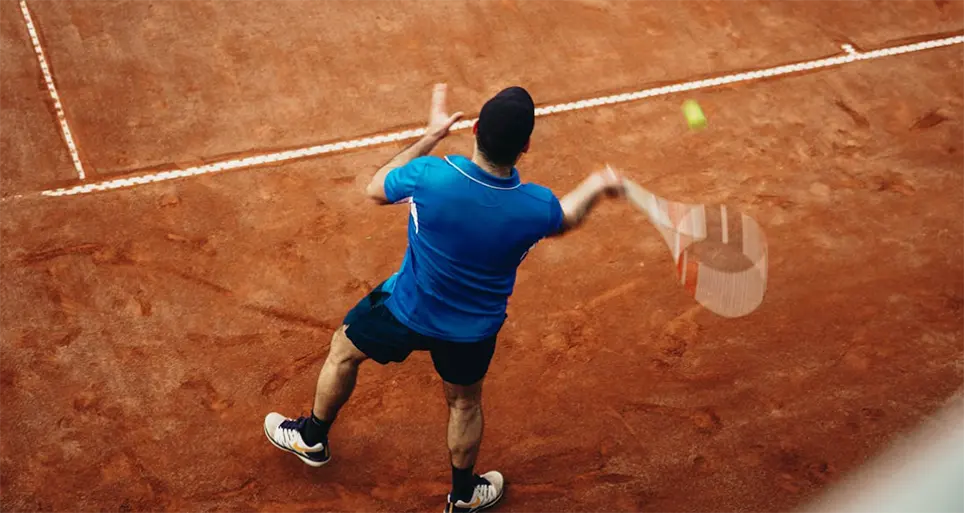
You don’t always need to spend $200+ to get a great tennis racquet. Whether you’re just starting out, getting back into tennis after years away, or simply don’t want to break the bank, these budget-friendly racquets deliver solid performance without the huge price tag.
There are different approaches. You can buy a used racquet on eBay or other for-sale sites. Or you can look at outgoing models at online shops like Tennis Warehouse.
Who Should Buy a Budget Racquet?
Beginners – Don’t invest heavily until you know you’ll stick with tennis. Start with a budget option and upgrade later.
Recreational Players – Playing casually with friends? A $100 racquet performs just fine for weekend matches.
Juniors – Kids grow fast and skill levels change quickly. Budget racquets make sense until they settle into serious play.
Players Returning to Tennis – Not sure if you’ll play regularly? Start affordable and see how it goes.
Backup Racquet – Even serious players benefit from having an inexpensive backup for practice or loaner situations.
Our Top Picks Under $100
Head Ti.S6 – Best Overall Budget Racquet
Price: ~$99
Head Size: 115 sq. in.
Weight: 8.9 oz (strung)
Length: 27.75 inches
The HEAD Ti.S6 racquet is a legend when we’re talking cheaper tennis racquets. It’s Head’s best-selling racquet of all time, and for good reason. It is a powerful one, more useful in veterans’ doubles than singles matches, but it is an icon for a reason. Super easy to use and loads of free power.
What makes it great:
- Ultra-lightweight (easiest to swing for beginners)
- Massive sweet spot (115 sq. in. head)
- Extended length adds power and reach
- Titanium/graphite construction is durable
- Comfortable, low vibration
Who it’s for: Beginners, recreational players, seniors or anyone with arm issues (tennis elbow). The light weight and big head make it incredibly forgiving.
The catch: Advanced players will find it too light and lacking control. Some feel it’s “too much power” once technique improves.
Our take: If you’re new to tennis or want an easy-to-use racquet, this is the safest bet. Henrik (that you’ve probably seen in some of our Youtube videos) tested this frame and was surprised by how well it performed for the price.
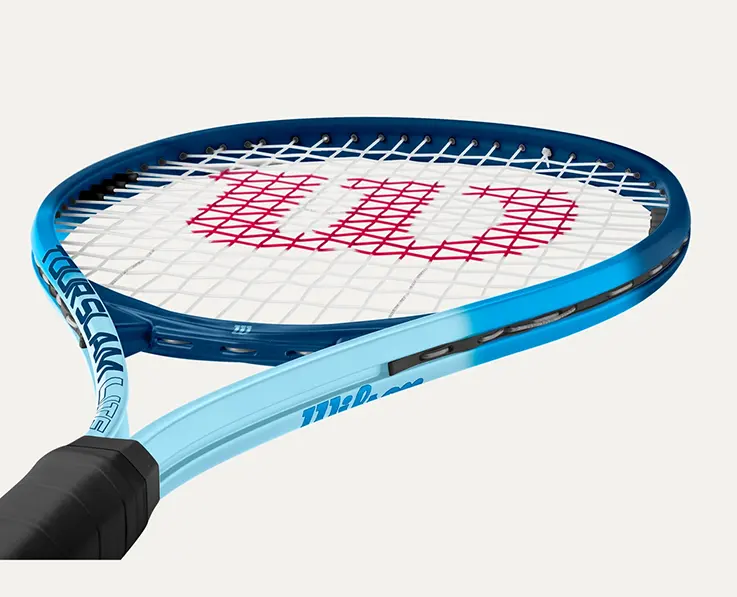
Wilson Tour Slam – Best Ultra-Budget Option for Beginners
Price: ~$40-60
Head Size: 112 sq. in.
Weight: ~9.7 oz
Length: 27.5 inches
If you want to spend as little as possible while still getting a playable racquet from a trusted brand, the Tour Slam is your answer.
What makes it great:
- Incredibly cheap
- Large head (forgiving)
- Pre-strung and ready to play
- Wilson quality at entry-level price
Who it’s for: Absolute beginners in tennis, kids on the court for the first time, or anyone who wants to test if they’ll enjoy tennis before committing more money.
The catch: You get what you pay for. It’s not as refined as the Ti.S6, but for casual play it works fine.
Our take: Perfect first racquet. If you decide tennis isn’t for you, you’re only out $50. Check it out over at Wilson here.
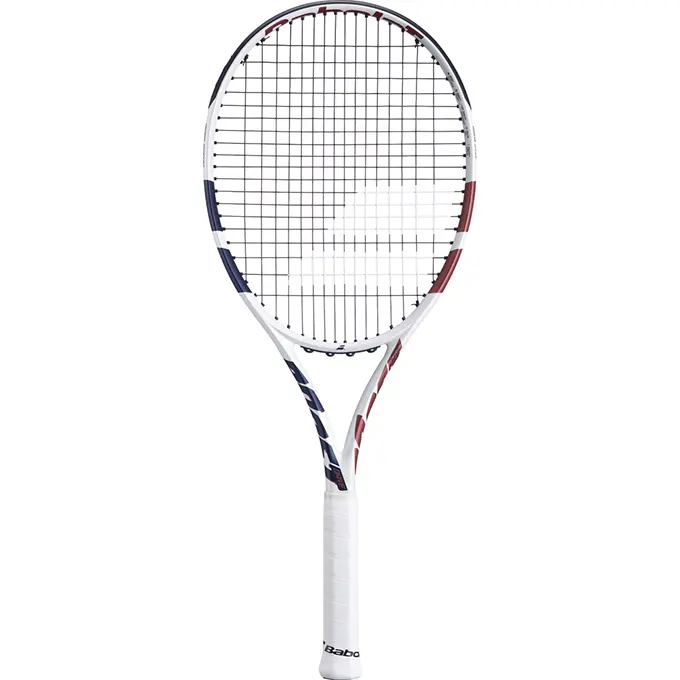
Babolat Boost Drive – Best for Spin & Power
Price: ~$90-100
Head Size: 105 sq. in.
Weight: ~9.5 oz
Length: 27 inches
Babolat’s entry into the budget market brings their pro-level spin technology to an affordable price.
What makes it great:
- Babolat’s Woofer tech (better feel, more power)
- 16×19 string pattern aids spin generation
- More “serious” feel than Ti.S6
- Good for players who plan to improve quickly
Who it’s for: Committed beginners and lower intermediates who want a racquet that won’t hold them back as they improve.
The catch: Slightly smaller head (105 vs 115) means less forgiveness than Ti.S6. Heavier too.
Our take: If you’re taking lessons and plan to play regularly, this is a better long-term investment than the Ti.S6.
Wilson Hyper Hammer 5.3 – Best for Baseline Power
Price: ~$80-100
Head Size: 110 sq. in.
Weight: ~9.7 oz
Length: 27.25 inches
The Hyper Hammer lives up to its name – it generates serious power from the baseline.
What makes it great:
- Head-heavy balance adds pop to groundstrokes
- Wide frame adds stability
- Good spin potential
- Lighter than it feels (stability from balance)
Who it’s for: Beginners who struggle to generate pace, recreational players who want easy power, or baseline-oriented players.
The catch: Less maneuverable at net due to head-heavy balance.
Our take: Great if you camp at the baseline and want help hitting through the ball.
Prince Ripstick 100 – Best for Improvement
Price: ~$120-150 (sometimes on sale under $100)
Head Size: 100 sq. in.
Weight: ~10.4 oz
Length: 27 inches
Technically just over budget, but worth mentioning for serious beginners.
What makes it great:
- More “player’s racquet” specs (100 sq. in., 10+ oz)
- Won’t become limiting as you improve
- Good blend of power and control
- Modern design and tech
Who it’s for: Beginners who are athletic, taking regular lessons, and plan to reach intermediate level within a year.
The catch: Smaller head and heavier weight demand better technique. Not as forgiving for true beginners.
Our take: If you can spend a bit more and are committed to improvement, start here instead of upgrading later. Read more about the new Prince Ripstick racquets.
What to Look For in a Budget Racquet
Head Size
100-115 sq. in. is ideal for beginners. Larger = more forgiving, bigger sweet spot, easier power.
Weight
Under 11 oz makes it easier to swing. Lighter racquets help beginners with control and reduce arm fatigue.
Balance
Head-heavy adds power. Even balance offers versatility. Avoid head-light (too demanding for beginners).
Length
Standard is 27 inches. Extended length (27.5″+) adds reach and power but can feel less maneuverable.
String Pattern
16×19 is most common. More open patterns (16×18, 16×17) help with spin but aren’t critical for beginners.
Pre-Strung
Budget racquets come pre-strung. Don’t worry about restringing until strings break or lose tension (6-12 months for casual play).
Budget vs Expensive: What’s the Difference?
Materials: Premium racquets use advanced graphite blends. Budget racquets use aluminum, titanium or basic graphite. This affects feel and control, not durability.
Precision: Expensive racquets are built to tighter tolerances. Weight matching, balance points are more consistent. For beginners, this doesn’t matter.
Feel: Premium racquets offer better feedback and dampening. Budget racquets can feel “boardy” or harsh. But comfort can be improved with better strings.
Performance Ceiling: Budget racquets limit advanced players. Beginners won’t notice.
Bottom line: Budget racquets are fine for learning fundamentals. Upgrade when your technique outgrows them (usually 1-2 years for committed players).
Should You Restring a Budget Racquet?
Yes! Actually, the factory strings on budget racquets are often the weak point. The strings are half the racquet, so make sure not to skimp out and ruin the playing experience.
Consider restringing with:
- Synthetic gut (Wilson NXT, Prince Synthetic Gut) – $25-40 installed
- This alone can make a $60 racquet feel like $120
When to restring:
- Strings break
- After 40-60 hours of play
- Lost tension (racquet feels “dead”)
Pro tip: Many budget racquets transform with better strings. The Ti.S6 strung with Babolat Excel at 55lbs is a completely different (and better) racquet.
Common Mistakes When Buying Budget Racquets
Buying too advanced: “I’ll grow into it” rarely works. Start forgiving, upgrade later.
Wrong grip size: Measure your hand. Too small = injury risk. Too large = loss of control.
Ignoring weight: “Heavier must be better” is wrong for beginners. Lighter = easier to learn with.
Buying the cheapest possible: There’s a difference between $40 (Wilson Tour Slam – legit) and $15 (department store junk – avoid).
Some Final Recommendations / Recap
If you’re brand new to tennis: Head Ti.S6 or Wilson Tour Slam
If you’re committed to learning: Babolat Boost Drive or Wilson Hyper Hammer 5.3
If you’re athletic/taking lessons: Prince Ripstick 100 (if you can stretch budget)
If you have arm issues: Head Ti.S6 (lightest, most comfortable)
If you’re on the tightest budget: Wilson Tour Slam
Upgrade When…
You’ll know it’s time to move beyond a budget racquet when:
- You’re playing 2-3x per week consistently
- Current racquet feels limiting (not enough control, too much power)
- You’re taking regular lessons and hitting with decent technique
- You’re joining leagues or tournaments
At that point, look at $150-250 racquets like Babolat Pure Drive, the new Head Speed, Wilson Blade, or Yonex Ezone series.
Bottom Line
Don’t overthink your first racquet. A $100 Head Ti.S6 or Babolat Boost Drive will serve you well for your first year or two of tennis. Focus your money on lessons (and don’t miss our Tennis Masterclass with Coach Adri) and court time – that’s where real improvement happens, not from equipment and gear.
The best budget racquet is the one that keeps you on court having fun.