
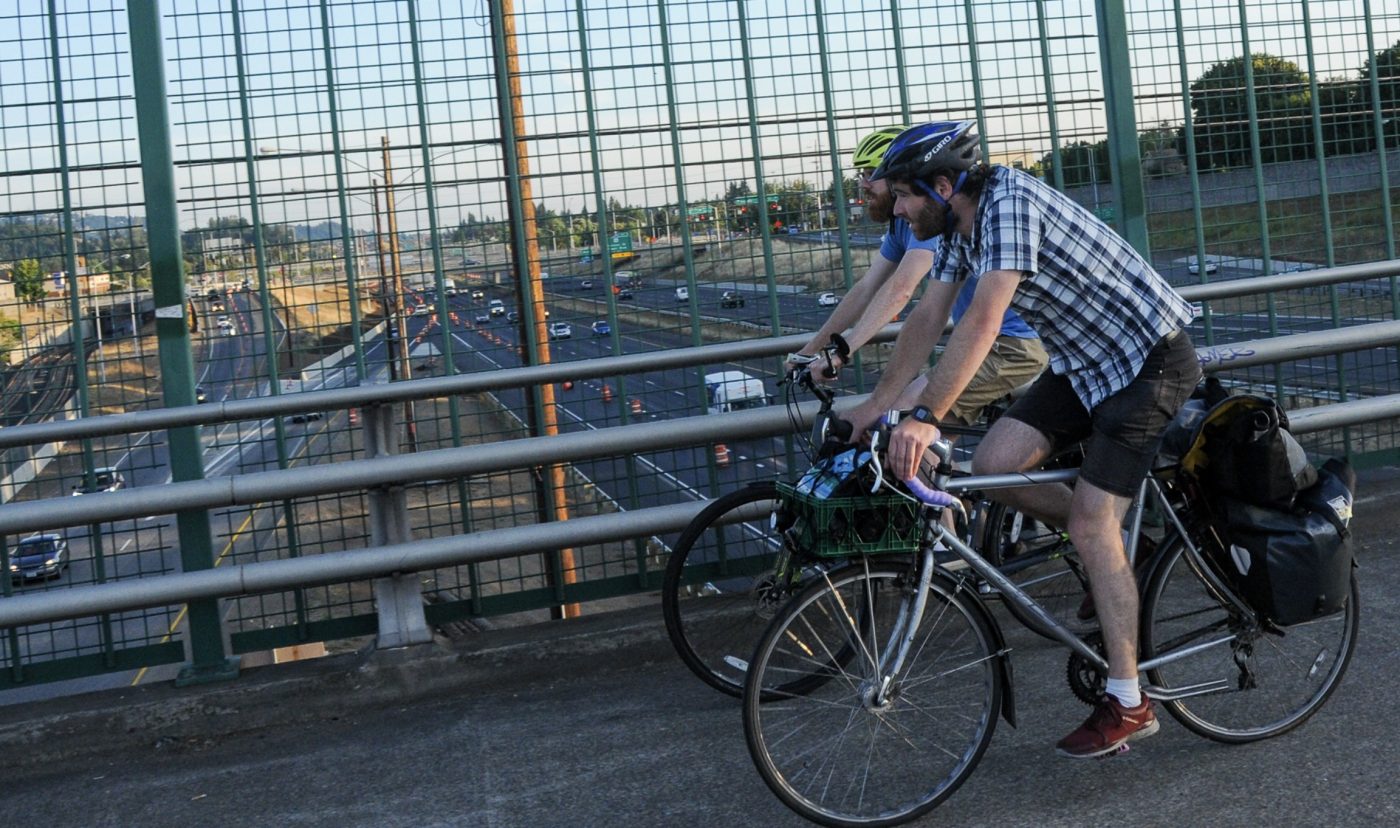
In a move that has touched off instant ire among transportation reform advocates, the Oregon Legislature moved a controversial funding bill forward this morning. As I shared yesterday, Senate Bill 1601 emerged over the weekend with provisions that would reallocate unobligated funds from within the Oregon Department of Transportation in order to backfill its highway operations and maintenance budget.
The budget balancing bill includes a $17 million reallocation from the Safe Routes to School program and $8 million from the Community Paths program — part of a total of $170 million that would be funneled into ODOT’s highway fund.
Lawmakers passed a stop-gap funding measure with a variety of taxes and fees last session, but that was put on hold when Republicans got it referred to the ballot — a move that created the $288 million hole lawmakers are now trying to fill. In this short session, the game is to find the least objectionable pots of money that can be moved around to fill that hole and keep ODOT’s top priorities — maintenance and operations of highways and interstates — functioning at an acceptable level. And it has to be done in a matter of hours to meet legislative deadlines.
In addition to the reallocations from Safe Routes and Community Paths (a program that’s, ironically, funded in part by revenue from Oregon’s $15 tax on new bicycles), the -3 amendments to SB 1601 include two other changes that have alarmed passenger rail advocates.
The bill takes $20 million from the Transportation Operating Fund (TOF, aka the “lawnmower fund” because it’s bolstered by a tax on non-automobile gas purchases). That raises concerns because TOF is used as a source of matching funds to leverage federal rail grants that go toward Amtrak’s Cascades service. SB 1601 would also reallocate $42 million from the Connect Oregon program which also funds rail projects.
In a hearing and vote on the bill this morning at the Joint Committee On Ways and Means Subcommittee On Capital Construction, lawmakers heard several members of the public share strident opposition.
Richard Sheperd with the Association of Oregon Rail Transit Advocates (AORTA) said the loss of Connect Oregon matching funds is comparable to losing $300 million from the federal government. “The failure for ODOT to manage costs related to their highway expansions and increasing maintenance should not be balanced by eliminating these critical matching funds,” Sheperd said.
Brett Morgan, policy director for Climate Solutions, also urged lawmakers to vote against the bill. “While the cuts proposed and redirects proposed in this budget feel like easy targets, small line items add up to big consequences,” Morgan said. “You might save a little now, but you’re going to end up paying more in the long term, both in crashes, loss of life, pollution and higher household transportation costs.”
Indi Namkoong, the transportation justice coordinator for Portland-based Verde, told lawmakers there were “less harmful” sources of funds lawmakers could have tapped.
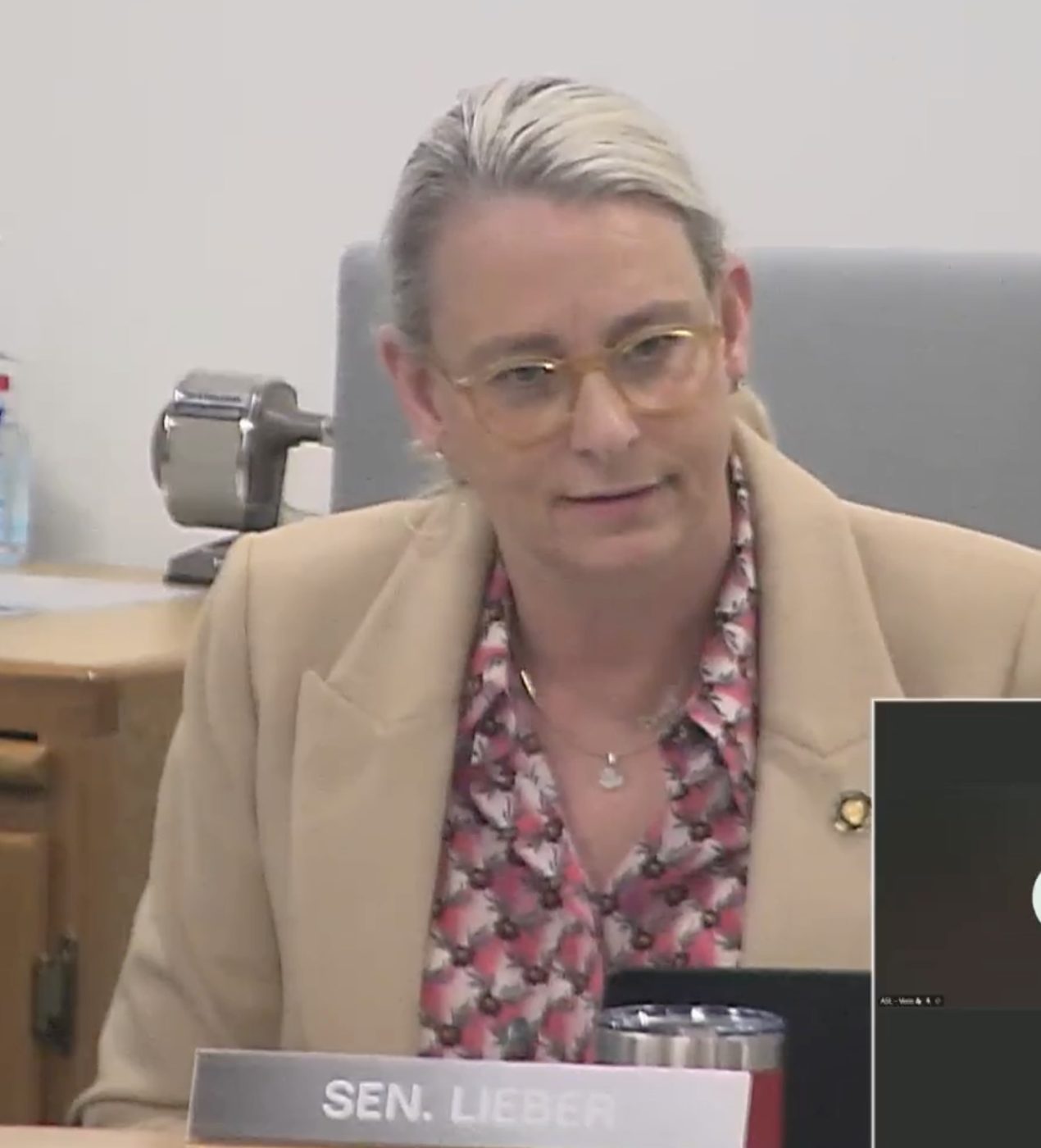
After public testimony was closed, Southeast Portland Representative Rob Nosse made a motion to move the bill forward (something folks noticed today, with one person saying, “He should be ashamed of this”). Before the bill passed out of committee, one of the architects of SB 1601, State Senator Kate Lieber (a Democrat who represents Beaverton and Southwest Portland), had some choice words for critics.
Sen. Lieber said the budget moves in the bill are only temporary. She also claimed that, “It actually does not impact service for Amtrak. That was something we were very, very cautious in making sure that it did not do.” While Lieber tried to set the record straight, she also acknowledged the anger in the room. “I’m glad you’re mad. You should be mad. You absolutely should be mad,” she said, speaking directly to people who’d opposed the bill. Lieber than had marching orders for folks who oppose the bill. “I believe those of you who are mad should go out there and you should work to defeat this ballot measure,” she said. (To which an audible “Oh boy” could be heard coming from another member of the committee.)
The bill passed out of the committee with no objections.
For Verde’s Namkoong and others, the hope now is that Lieber — and other lawmakers — can be trusted with claims that these cuts to popular programs are indeed temporary.
“We want to believe this is a one-off, short-term fix to this crisis,” Namkoong said during her testimony. “But when this legislature is promising to prioritize affordability, yet is cutting the services that already deliver it — it is difficult to extend the benefit of the doubt indefinitely. We need to see action.” Namkoong added that if the bill passes, she and other advocates will expect their needs to be met in the 2027 session, where lawmakers are expected to try yet again to pass a comprehensive transportation funding package.
“We ask that you please make this right moving into the future, we can’t be promised IOUs or silver bullets, and we need to restore these programs moving forward as the conversation progresses in 2027.”