Updated February 17, 2026 01:12PM
Pros
SRAM UDH
Threaded BB (BSA)
Tire clearance increased to 32mm
Narrowed handlebar
Delta steerer solves an aero problem
Includes excellent aero wheels
Beautiful carbon weave on display
Cons
Non removable front derailleur mount
Overly short stem specced
Drop in stack height paired with a short stem
Specs
Size tested: 54
Weight: 7.42 kg / 16.4 lb ready to ride minus pedals
Price: $9,499
Brand: Cannondale
Verdict
The fifth generation Cannondale SuperSix Evo isn’t a class leader in any specific category, but the changes take a gorgeous carbon race bike and likely elevate it to the top echelon of all-around race bikes. Nothing wrong with that, but without class leading numbers it seems an odd choice to make if you are looking to pay for the best. This bike makes a lot more sense in the cheaper builds.
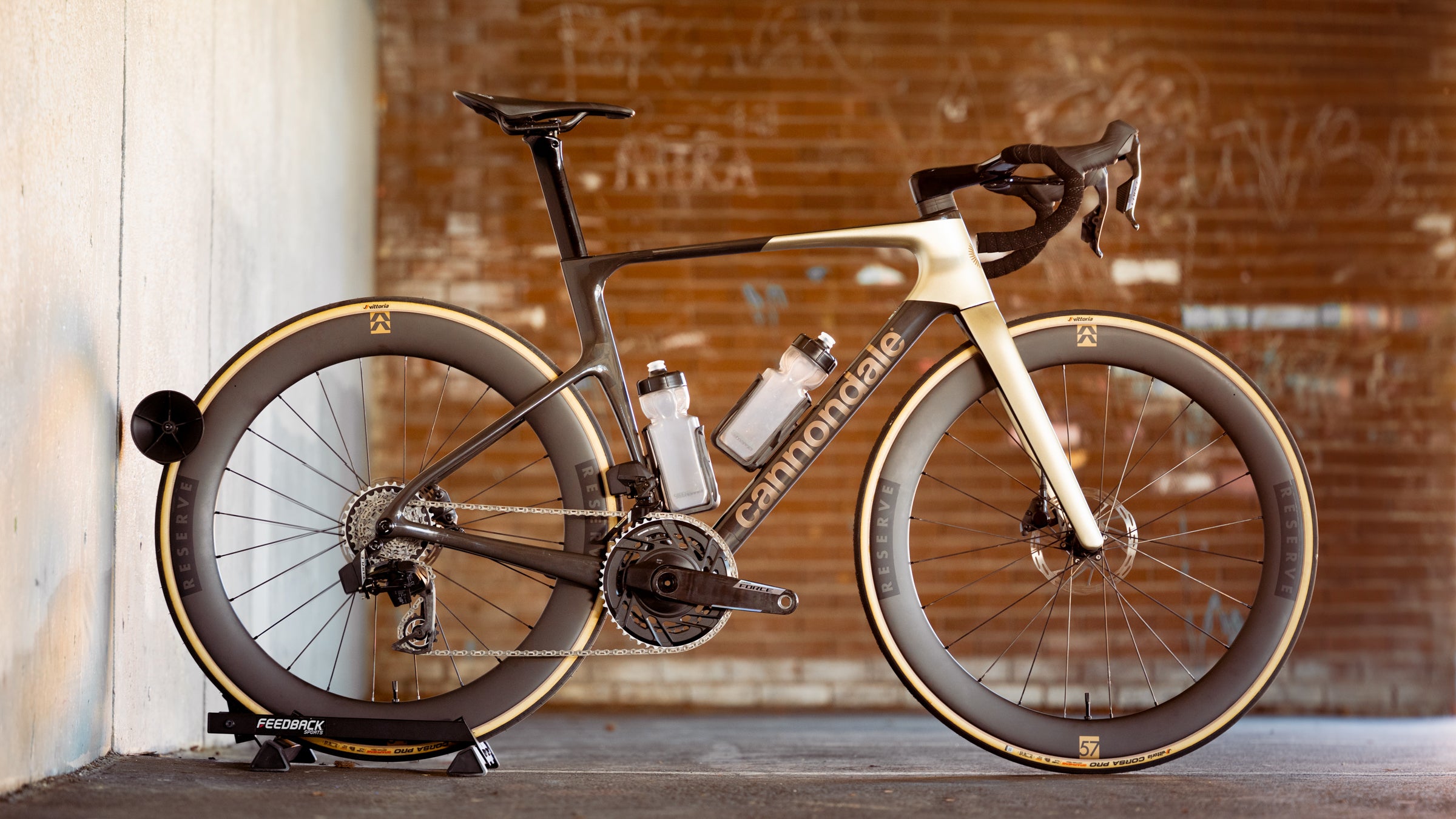
Today Cannondale is announcing the brand-new fifth generation SuperSix Evo race bike and it’s gone through an identity adjustment.
Back in the “good old days” of 2019, the lines were clearly drawn. You chose the Cannondale SystemSix if you wanted an aero sledgehammer to rival the Specialized Venge or Cervélo S5. If you wanted to climb, you bought the SuperSix. Then, the aerodynamics evolved.
By the fourth generation, the SuperSix Evo had transitioned from a pure climber’s rig to an all-around race machine. Cannondale claimed it was now as fast as the SystemSix but without the weight or the harshness. It was a pitch that mirrored Specialized and the transition from the Venge to the Tarmac, but Cannondale kept a foot in the door of usability. The SuperSix specced a taller head tube that acknowledged not every racer has the lower back of a 20-year-old pro.
The bike you see today indicates that the evolution has taken another turn. In an unexpected move, the SuperSix is getting lower, and more focused. I’ve spent the last month putting this new geometry to the test and here is what I found.
Quick hits: 8 standout details of the Gen 5 Cannondale SuperSix Evo
- Stack height on a size 54 shrunk by 10 mm.
- The triangular Delta Steerer remains as the solution to internal routing with a narrow headtube.
- Tire clearance expands to 32mm.
- No longer SmartSense compatible.
- Hi-Mod and Lab71 SL variants available, with the lightest build weighing 6.35 kg/13.8 lb.
- HollowGram wheels are gone, replaced with Reserve, DT Swiss, or Vision.
- 38cm bar is the largest offered with a build and width has decreased across the entire range.
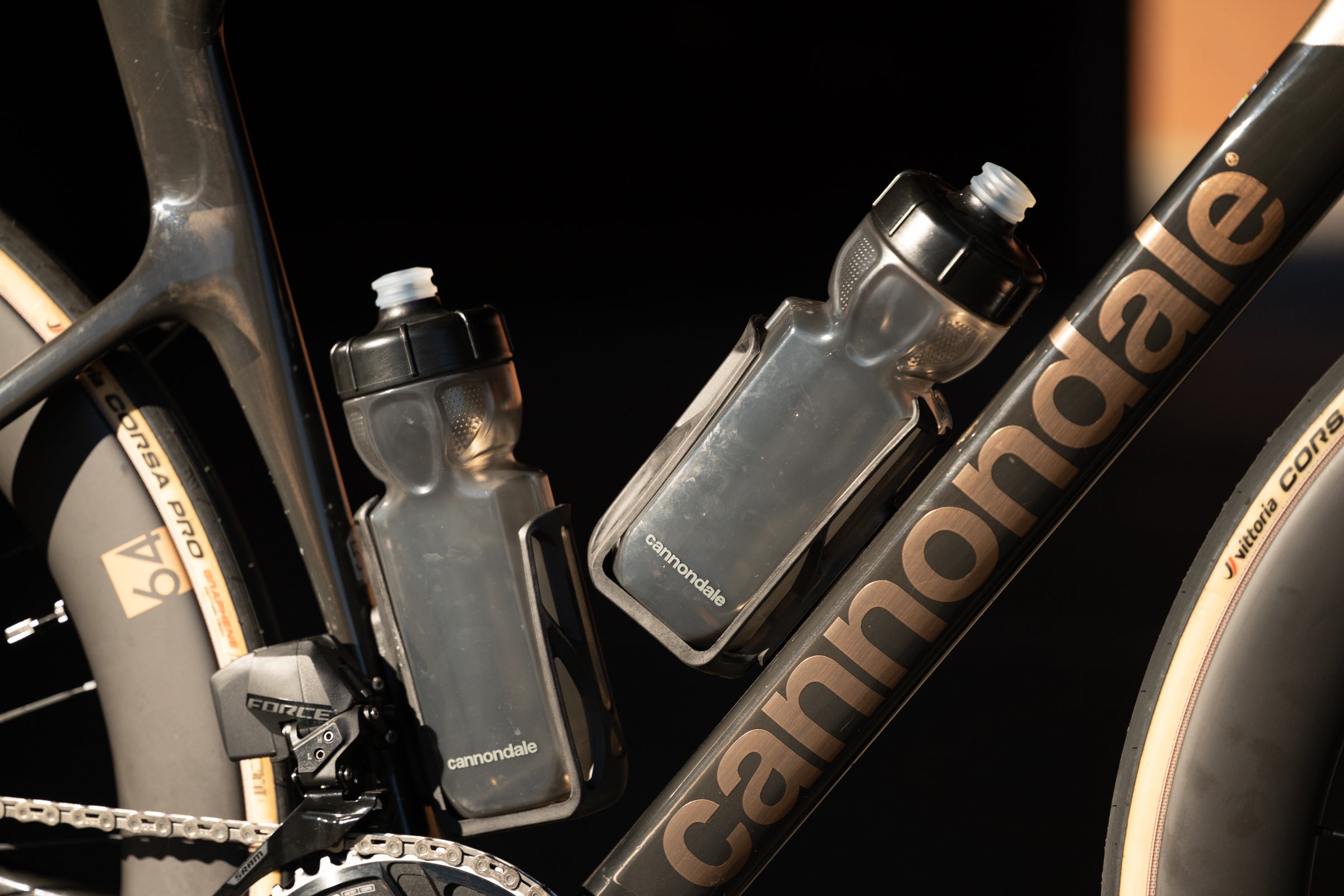
- ReGrip Aero cages and bottles are a considered part of the aero profile but will accept round bottles.
- For more information visit the Cannondale Website
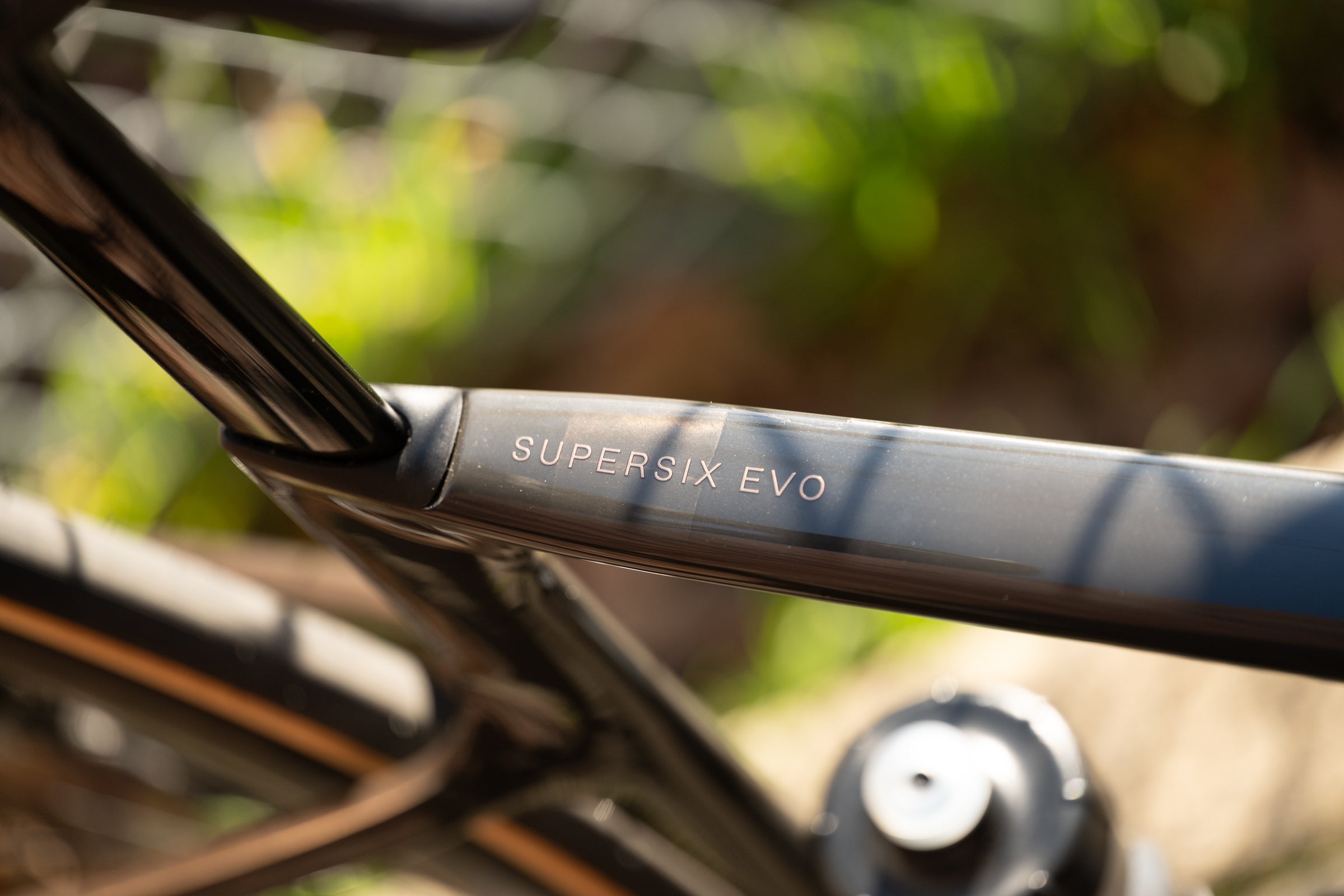
Gen 5 Cannondale SuperSix Evo frame details
At a quick glance, the fifth-generation SuperSix EVO looks like a familiar refinement of the platform we’ve known since 2023. It showed up at Tour Down Under and barely raised an eyebrow for exactly this reason. I would say the reality is a little more nuanced but there’s no doubt a lot of what’s new comes down to refinement. There are several updates here that are simply the “cost of entry” for a flagship race bike in 2026.
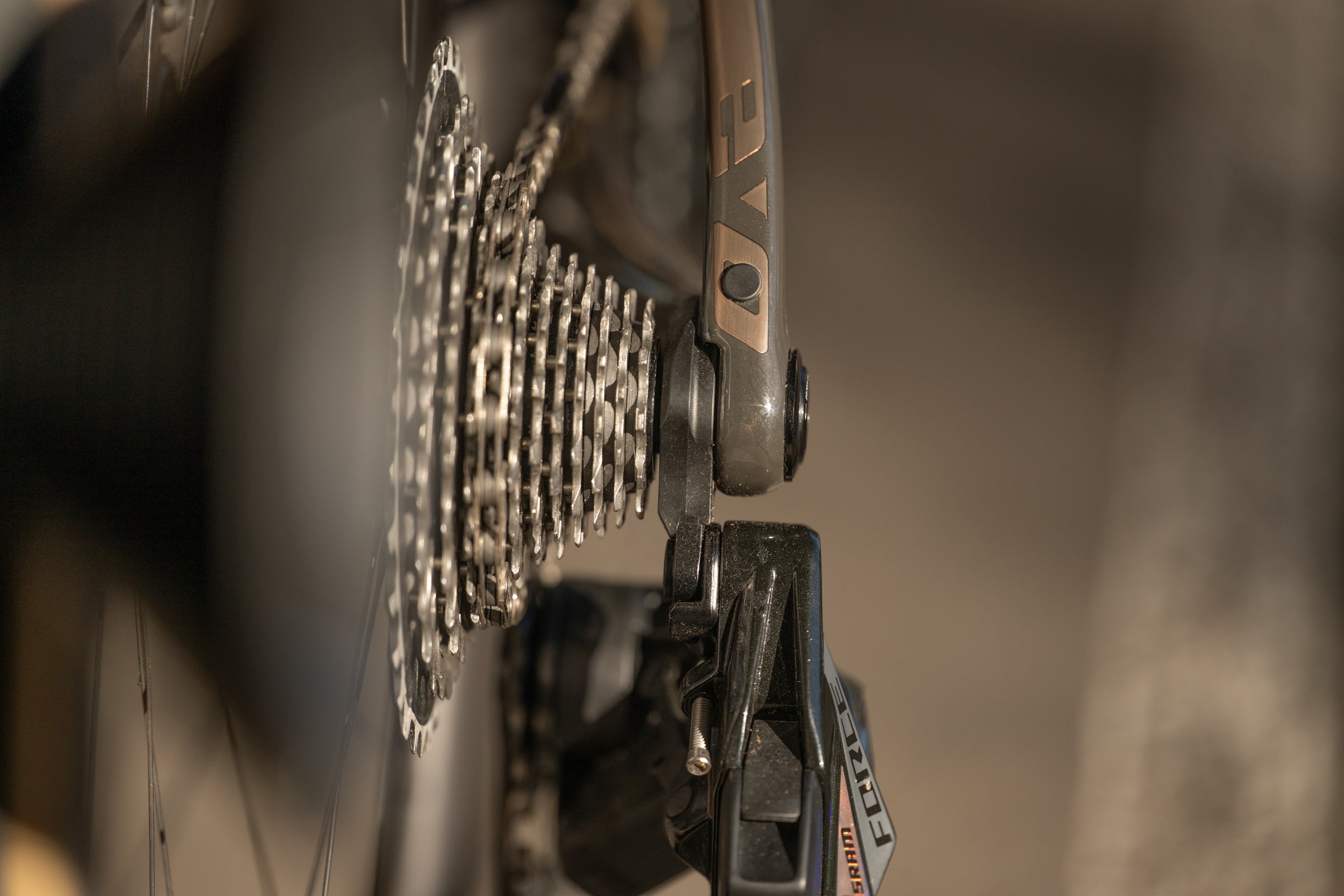
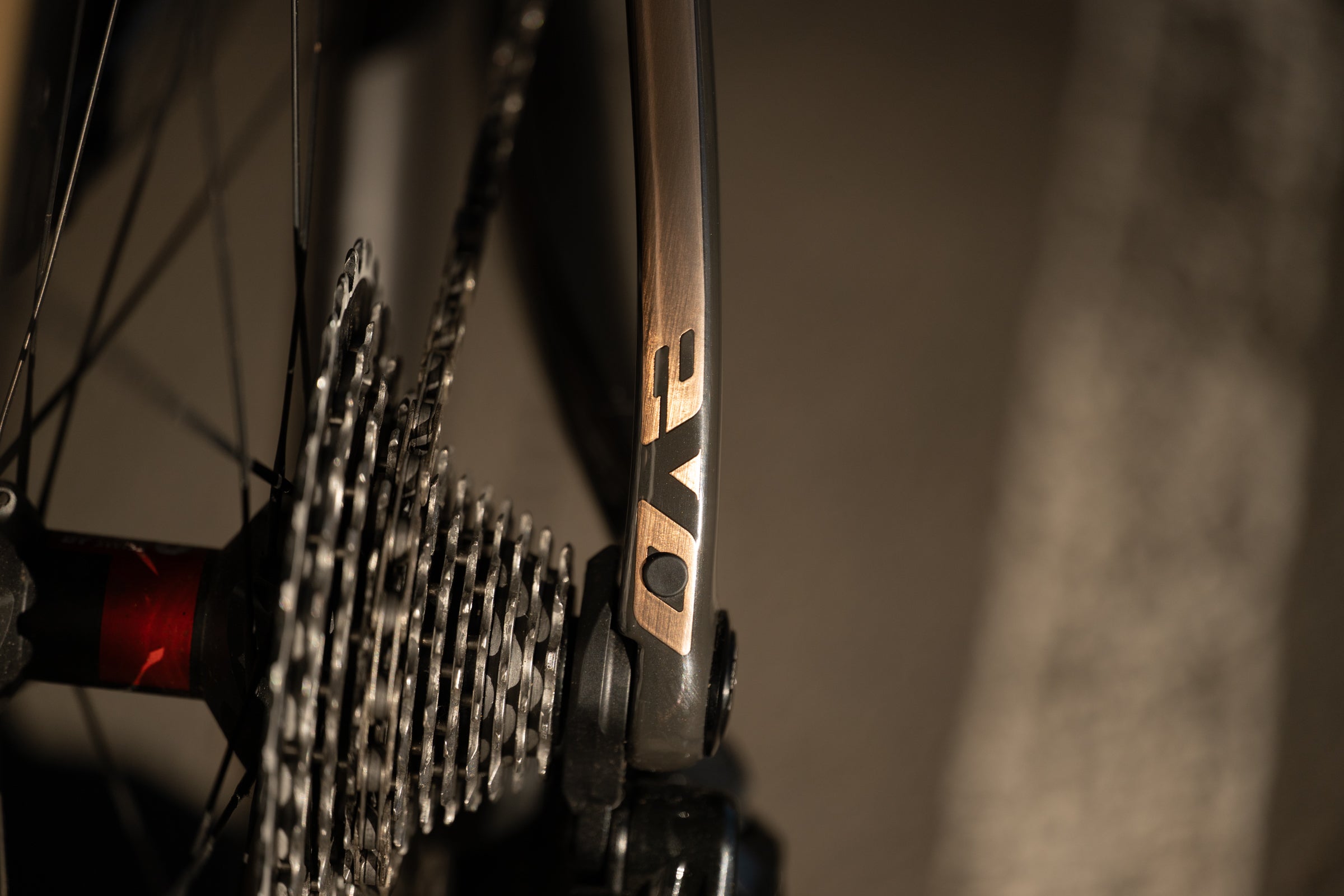
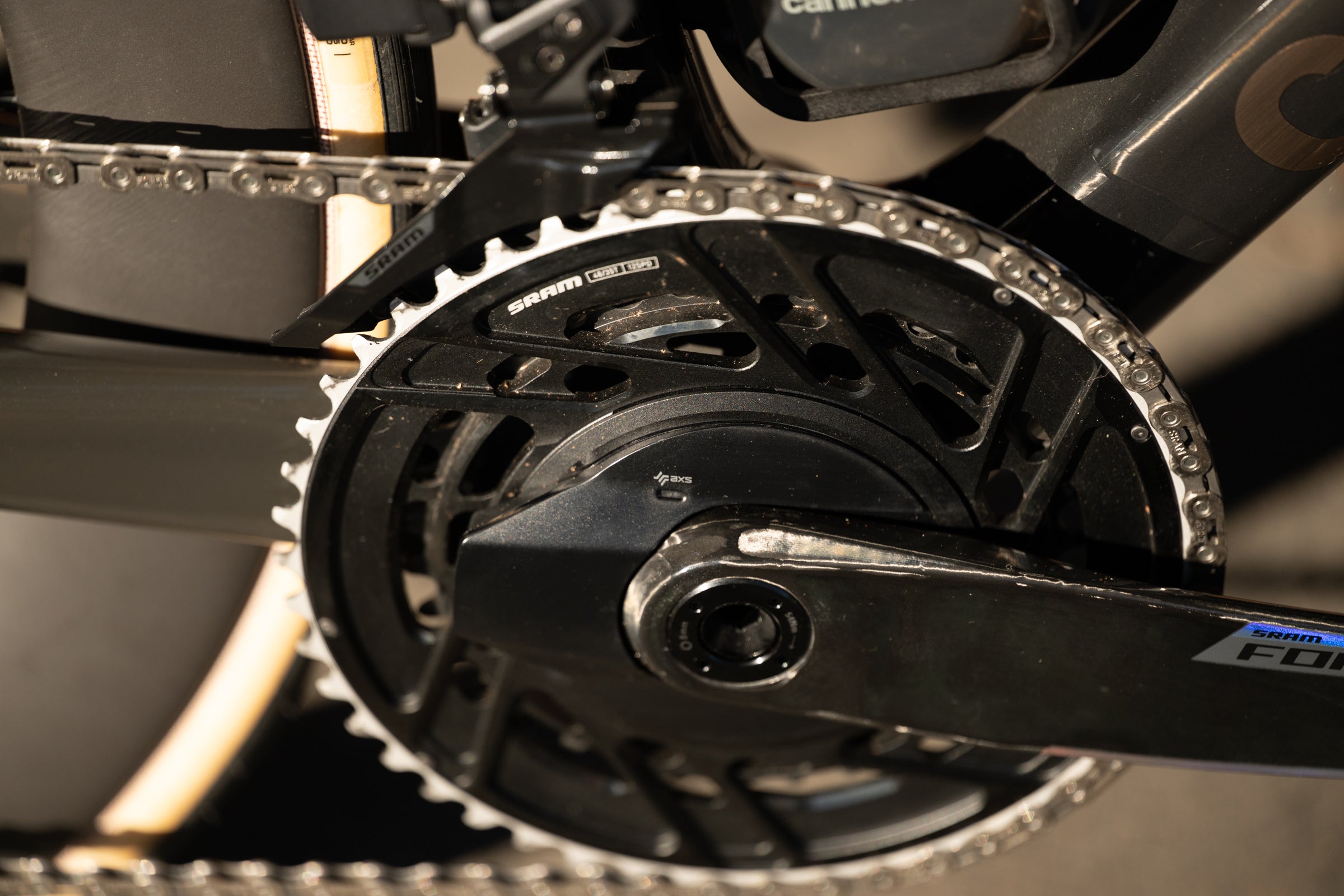
First among those is the move to SRAM UDH (Universal Derailleur Hanger). While the Gen 4 relied on proprietary hangers, the Gen 5 is adopting something that’s a clear benefit to users. UDH means you can find a replacement hanger in almost any shop and it provides native compatibility if you decide to run an XPLR system.
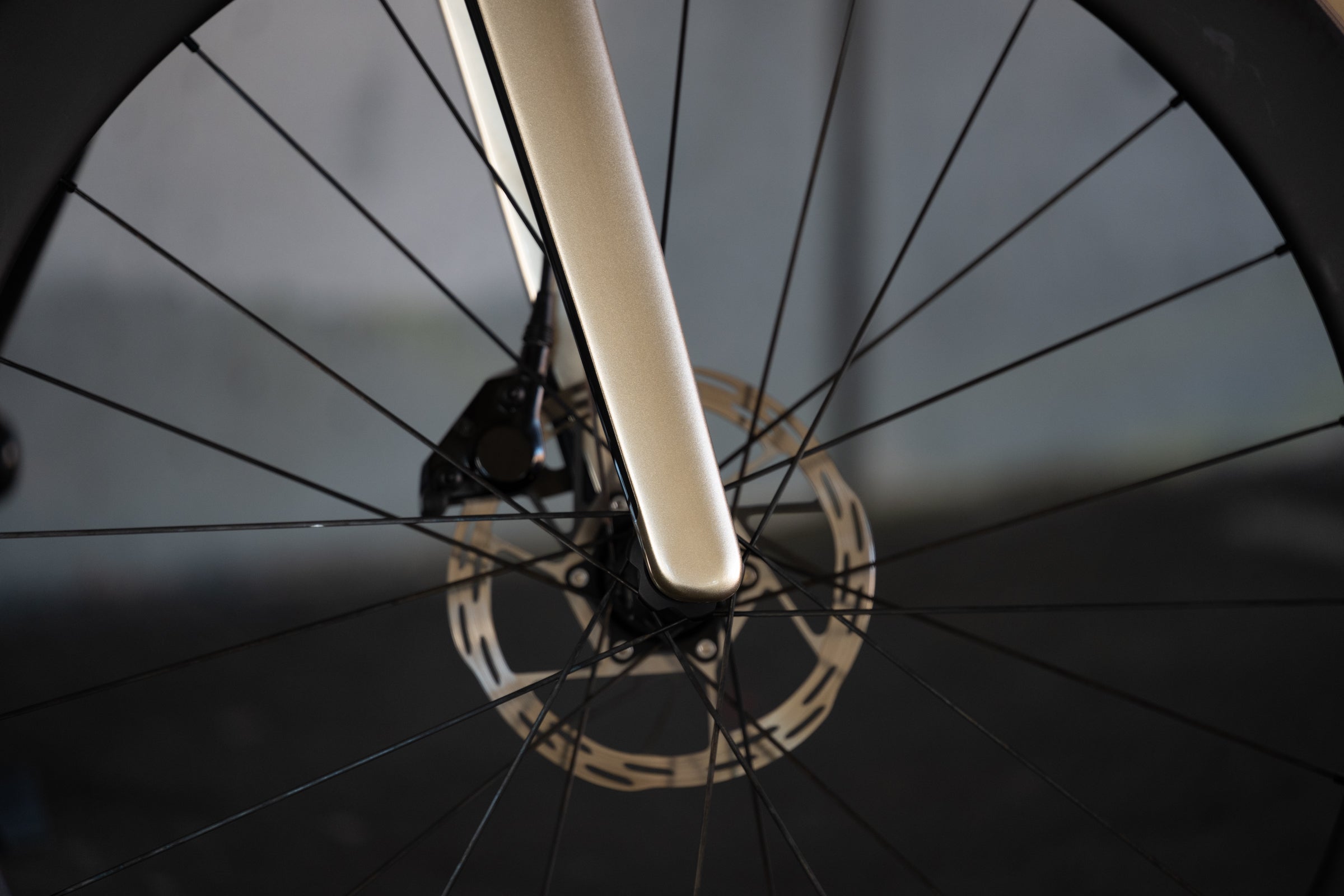
Similarly, the official tire clearance has expanded to 32mm. This isn’t exactly groundbreaking to stop at a 32mm but it does bring the SuperSix into alignment with the Tarmac and Madone and allows for high-volume rubber on the rough chip-seal roads.
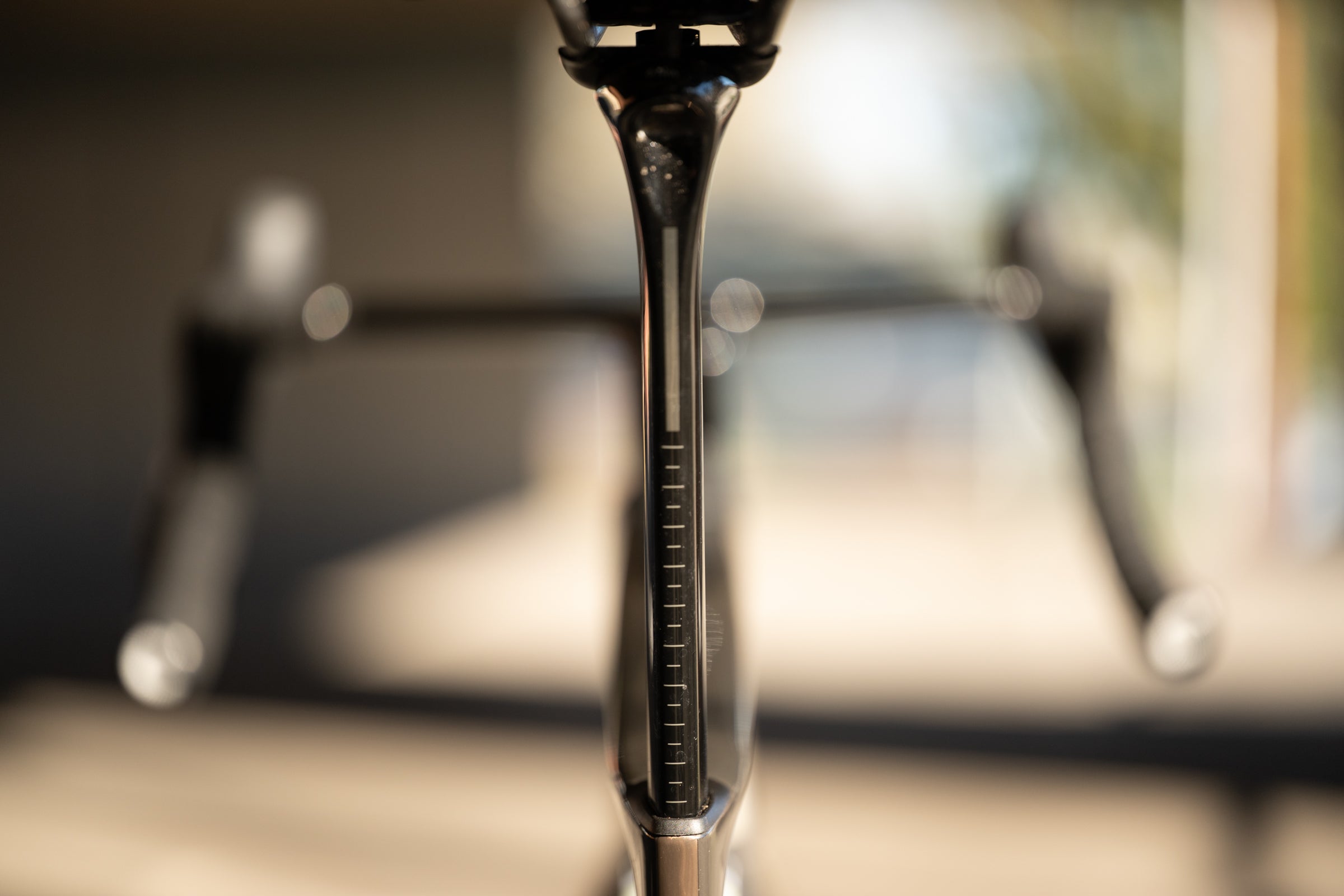
Of course there’s refined aerodynamics as well. Despite the similar silhouettes, the Gen 5 features deeper, more concave shaping on the head tube and a reprofiled fork crown. Additionally, the frame continues to use the ReGrip Aero system, where the down tube and seat tube are specifically sculpted to work in tandem with flat-sided bottles to “complete” the airfoil.
None of that is the real story of this bike though. Yes it’s faster, and it’s got UDH and tire clearance but what really happened is that Cannondale took advantage of the same tricks you can use to upgrade any older bike.
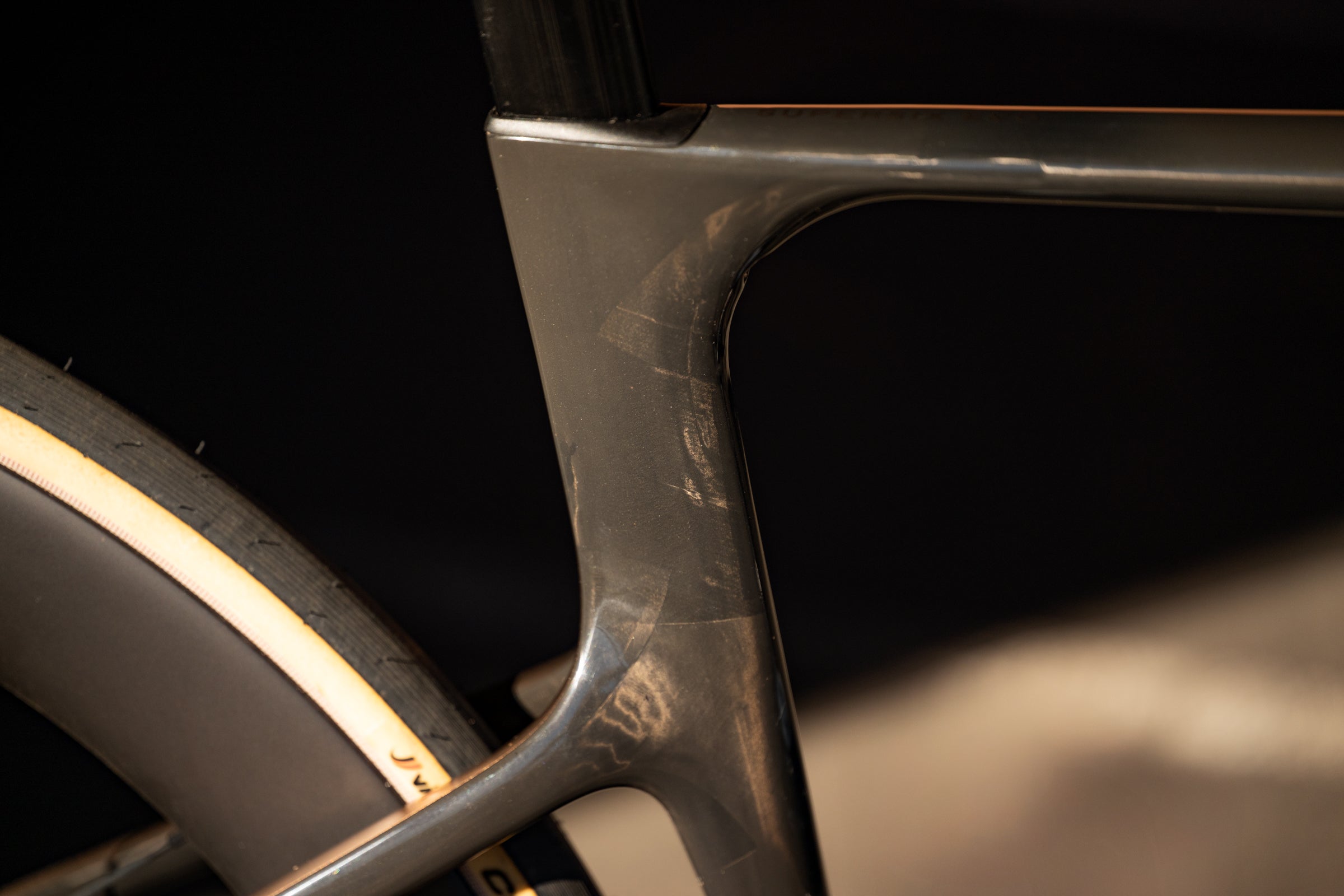
Like everything related to aerodynamics there’s a lot of nuance. Right now, there’s a tug of war going on with stack height as it relates to aerodynamics and Cannondale chose a side. While a lot of bike brands are trending towards taller headtubes so that regular people can hold a more aero position with fewer spacers. Cannondale seems to have instead doubled down on smaller frontal areas and the brand chopped a stack off the old bike. In a size 54, the new one is 10mm lower.
It moves the SuperSix from being a bike with a unique identity to one of many in the pack. The new bike essentially matches the stack height of a Tarmac SL8 but it’s still a bit heavier at 728 grams for the Series 0 carbon SuperSix and 685 grams for the Tarmac. I’ll throw out a wild guess and say the two are somewhat evenly matched for aerodynamics also. There’s also no more SmartSense compatibility.
Along with this change there’s a couple of supporting characters. The first is the continued use of the Delta Steerer. While it debuted on the Gen 4, its role here feels more critical. To achieve an even lower stack height while maintaining fully internal cable routing, you need space. Typically you’d get there by going a bit wider for the headtube. Another option would be doing something similar as Specialized did with the Speed Sniffer and pushing forward.
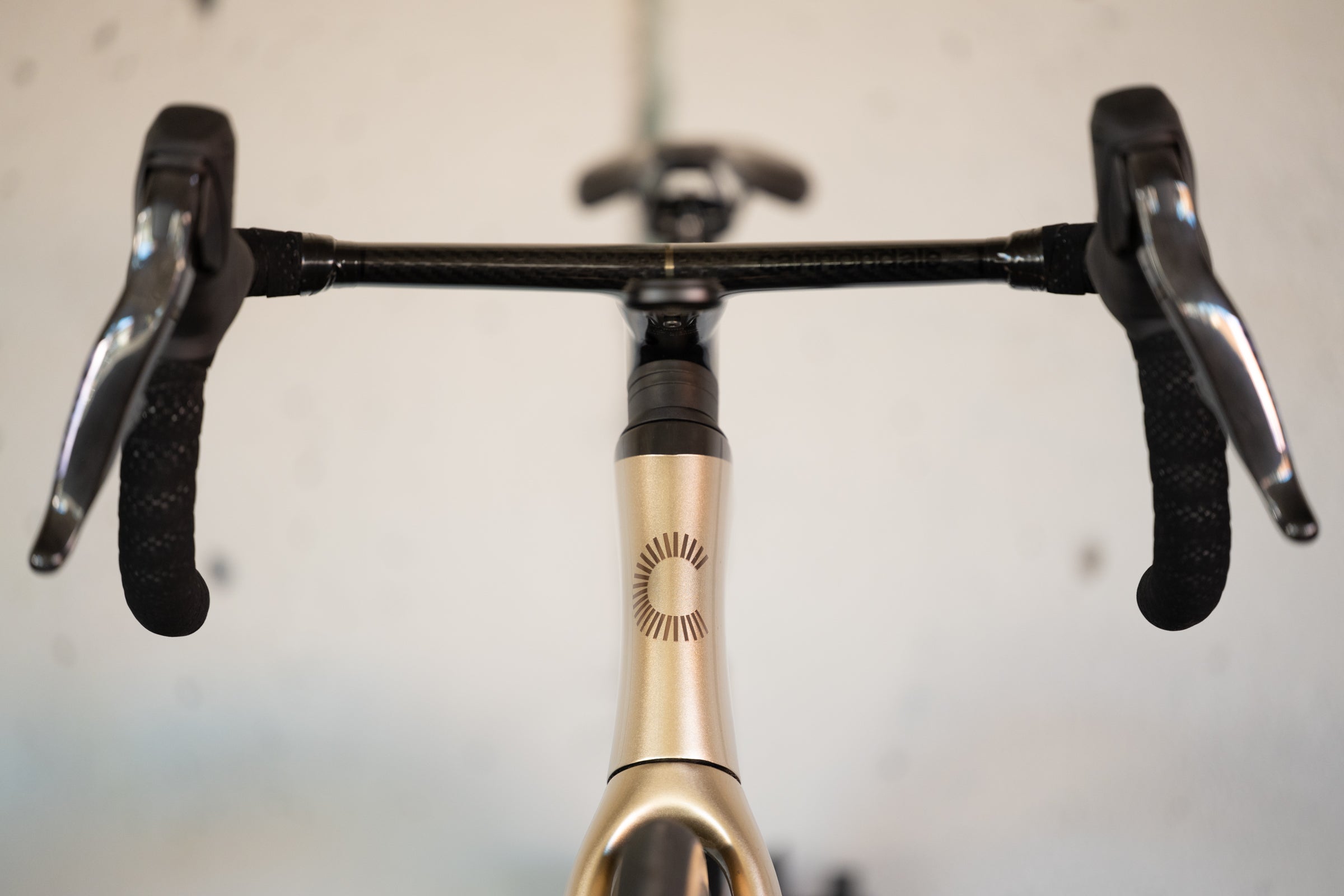
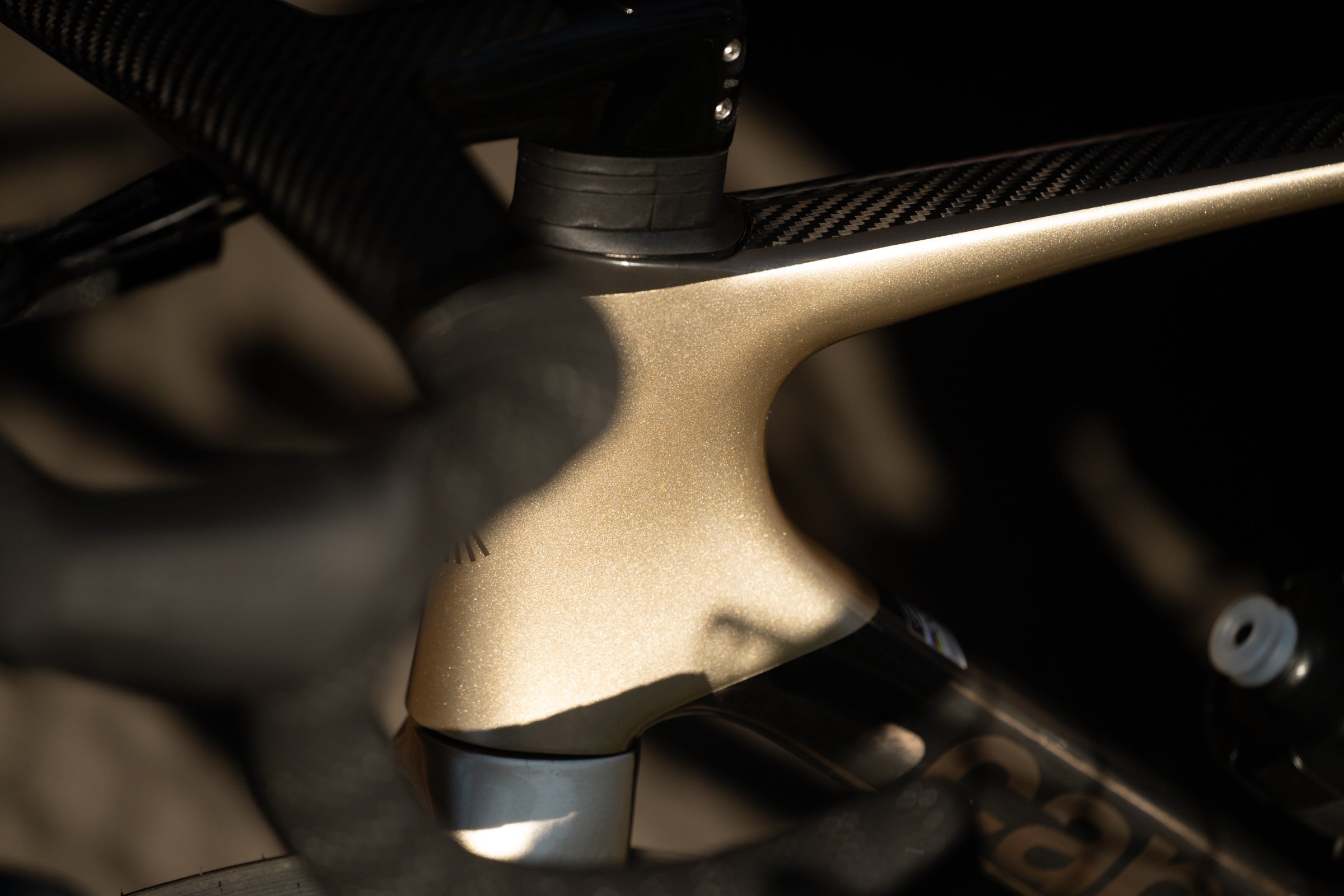
The triangular Delta Steerer allows Cannondale to do the opposite. By using a non-round steerer tube, they can tuck the hoses into the “voids” of the triangle, allowing for a head tube that is remarkably narrow. This is how the bike manages to look so svelte despite getting a bit lower. While the system brings its hassles for mechanics—proprietary wedges and Innegra-wrapped carbon to protect the steerer from hose rub—it is a great engineering solution. It let the Gen 5 shorten the headtube a bit while also having a narrow, and pointed, headtube.
There’s more too but that requires a jump into build details.
Build details
This section of the review is supposed to be about build options and price. I’ll get there, but you have to understand that there’s a bit of an attempt to distract you with marketing on this bike. Nothing you are being told is untrue, but it’s incredibly basic while being pushed as some kind of breakthrough.
Cannondale doesn’t explicitly state how aero this bike is, but it’s heavily insinuated that it’s a leap beyond the last generation. I’d tend to agree, but lines like “while others may bluff with gimmicky cosmetics, EVO’s lines are refined from a wealth of aero data,” combined with the lower front end and delta steerer, make it seem like there’s a lot going on here.
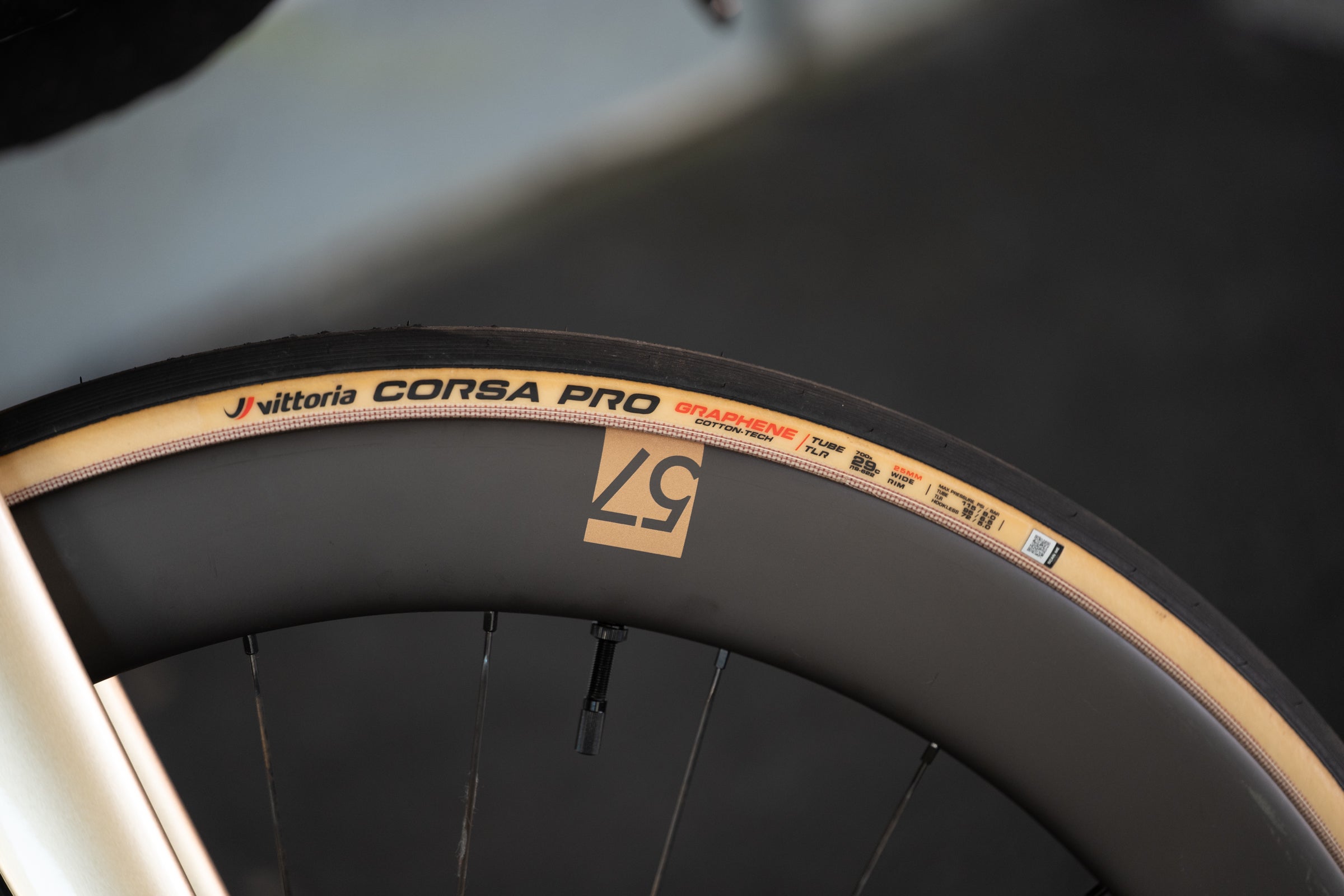
The reality is actually pretty simple: deeper wheels and narrower handlebars. I said I bet the bike is more aero than before not because I’m some aero genius but that’s what happens when you move from a 42cm bar on a 54 frame down to a 36cm and shift from a 50mm HollowGram wheel to the same Reserve 57/64 found on a Cervélo S5. If you want to truly aero-optimize a bike, it doesn’t happen by squeezing the head tube a little; it comes from a lower, narrower rider position and deeper wheels. Cannondale has simply baked a bike fit into the box.
Unfortunately there are a couple of problems with that narrative. For one thing, Cannondale is also marketing the SuperSix EVO as an ultra-light climber’s bike. The suggestion is that you can have it all and that’s not quite true. The SL variants use non-aero handlebars and 38mm depth wheels which, while perfectly fine, essentially makes them a different bike with a different performance profile. There is also a weight reality to contend with; the standard carbon version of this frame is 910g with a 427g fork, while the Tarmac SL8 in the “cheaper” 10r carbon is 780g. Cannondale is chasing two rabbits here, and at the standard carbon level, the Specialized is still significantly lighter.
My read is that most people should lean into the aero aspect of this bike, but you have to be able to fit on it. If you can’t handle that stack drop or the 36cm width without a tower of spacers, you aren’t getting the aero benefits you’re paying for. There’s also the oddity of the stem sizing. Speccing a 100mm stem on a size 54 race bike makes for a stunted fit. If you can fit this bike you are going to want more reach to complement that low front end and narrow bars.
Gen 5 Cannondale SuperSix Evo Geometry
Gen 5 Cannondale SuperSix Evo Ride Experience
When the last SuperSix EVO launched, I was beside myself with enthusiasm. I’m a huge Lachlan Morton fan, and seeing him ride the Alt-Tour on that bike made it feel special. While Morton rode it because he’s an EF rider, the bike was legitimately built for that kind of dual personality.
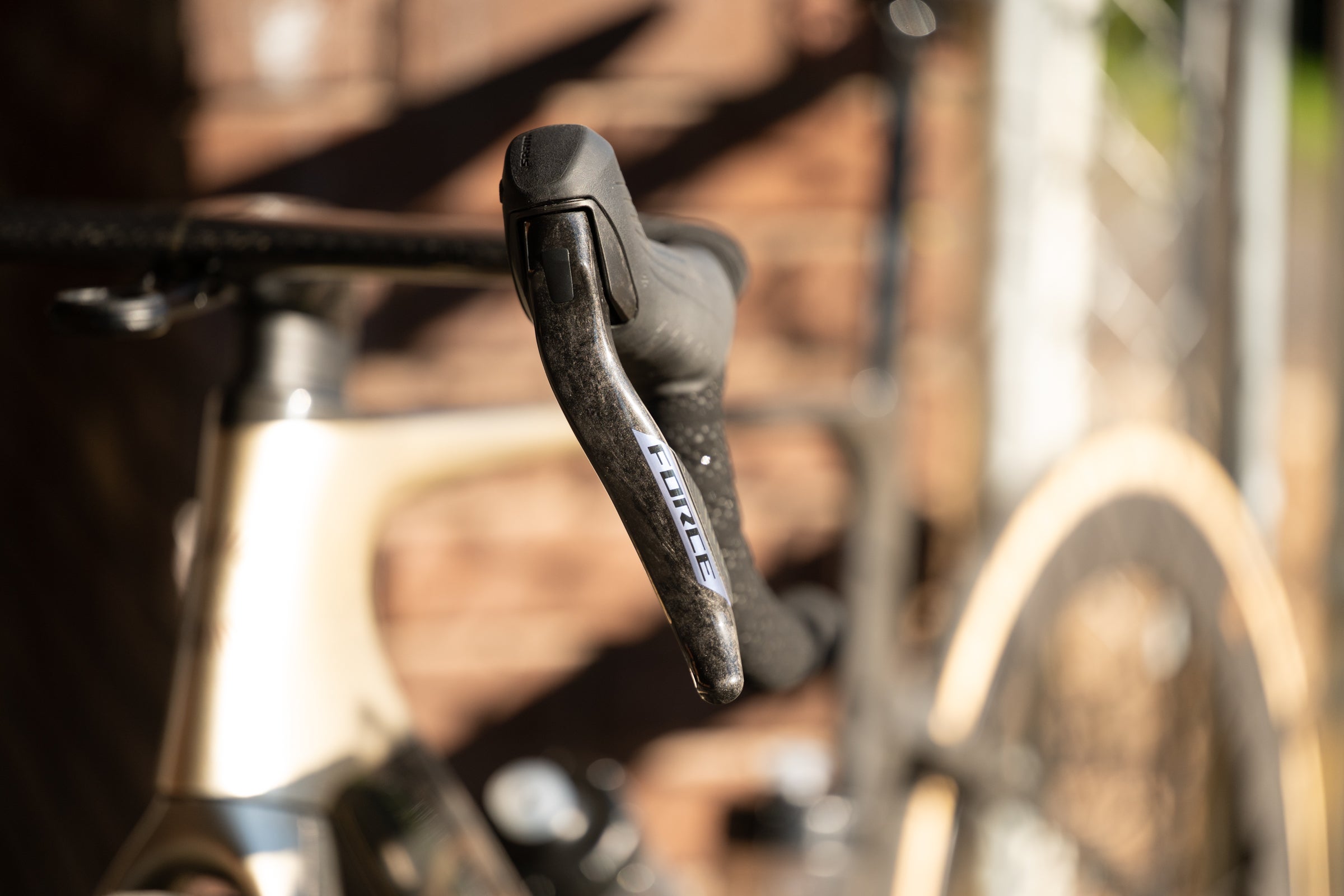
The Gen 4 was a bit taller, and both generations have a long wheelbase for this category. While the handlebars were wide on the previous model, I could forgive that at the time. Now we have proper, progressive handlebar widths, but they are paired with oddly short 100mm stems. Conceptually, it feels off, and I requested a 110mm stem to fix the fit.
That’s an expensive compromise consumers will have to navigate. I also requested no spacers, but that’s not what I got. Cannondale didn’t want to cut the steerer because other reviewers can’t ride a slammed bike.
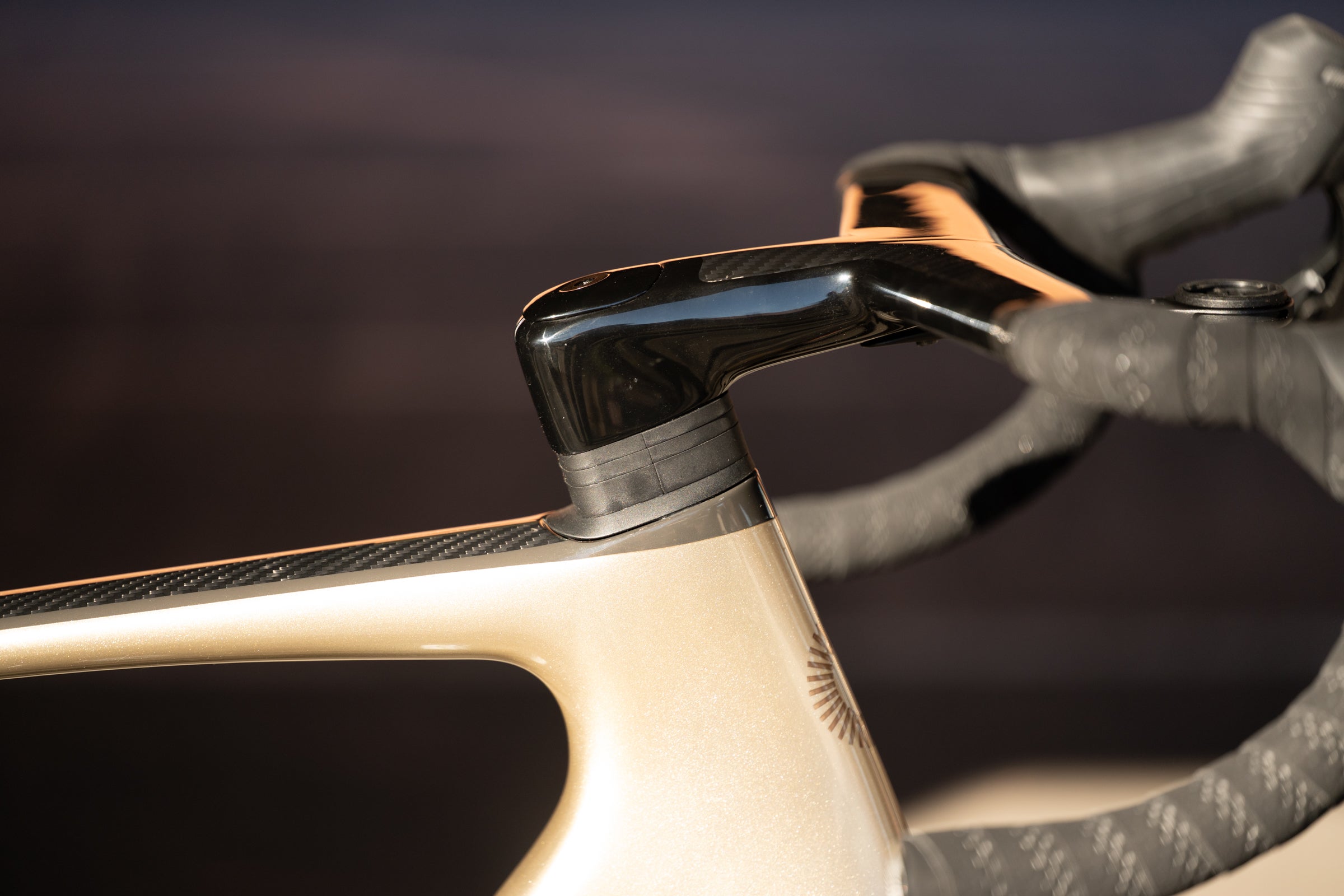
I’d say there’s a glaring issue in that: if the Gen 5 front end is so low that reviewers can’t ride it without spacers, why reduce the stack height at all? I’ve ended up testing the bike exactly how most consumers will run it, and the result feels generic. If the lower front end was an engineering must-have, what happens to that advantage when you add a stack of spacers and a longer stem?
Instead of drawing me to do some kind of ultra-endurance ride, the latest Cannondale feels like a fast all-arounder. Of course, that’s the point, but it does feel legitimately fast. I didn’t test the SL variant but I’m not sure this is even the bike to build like that and I’m a huge fan of these Reserve 57|64 wheels. They were on the Cervelo S5 and with a 25.4mm/24.4mm F/R internal width they feel both comfortable and excellent at dealing with crosswinds. What they don’t feel is all that light at 1544 grams. Great wheels and it’s fast, sounds like a good thing, right?
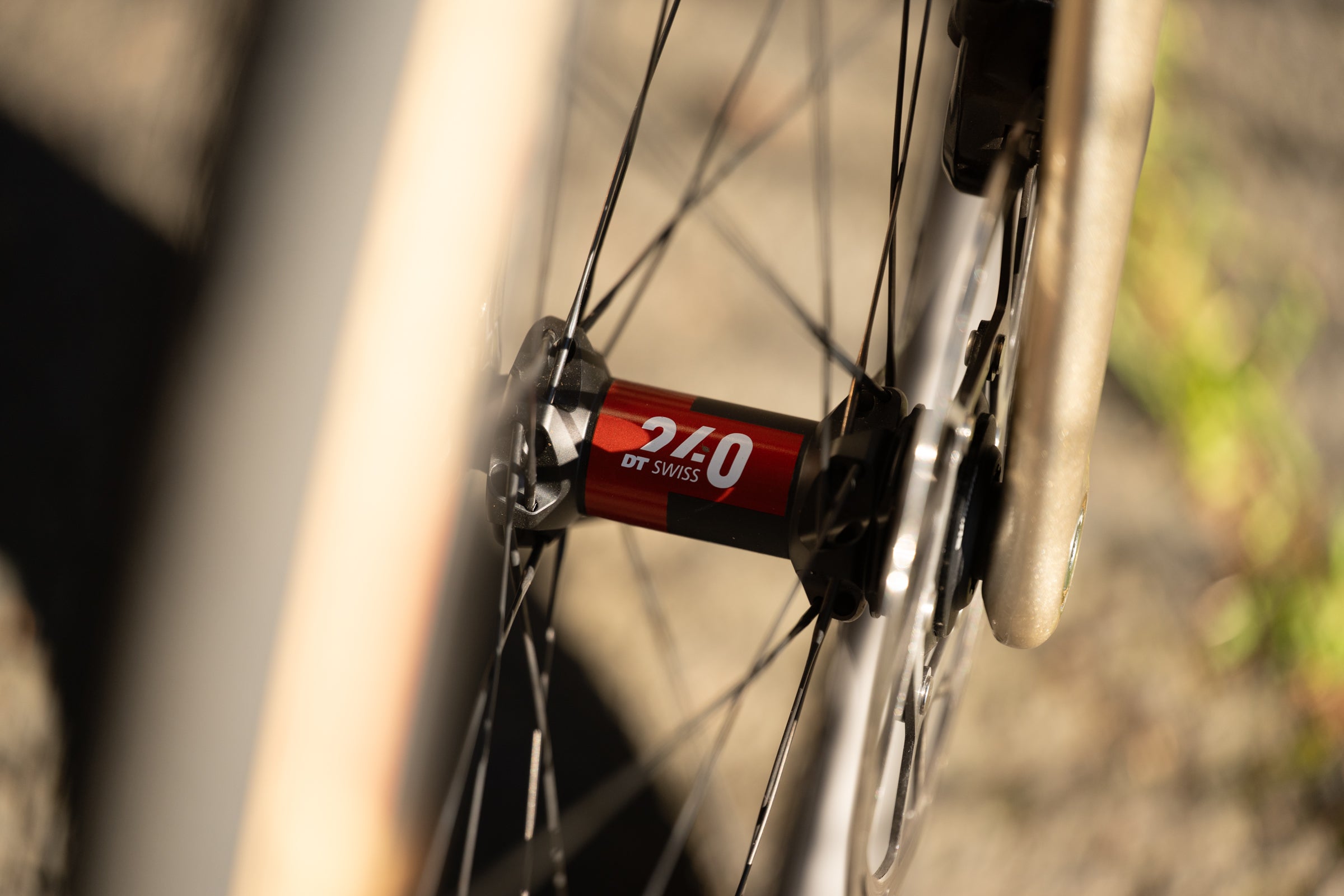
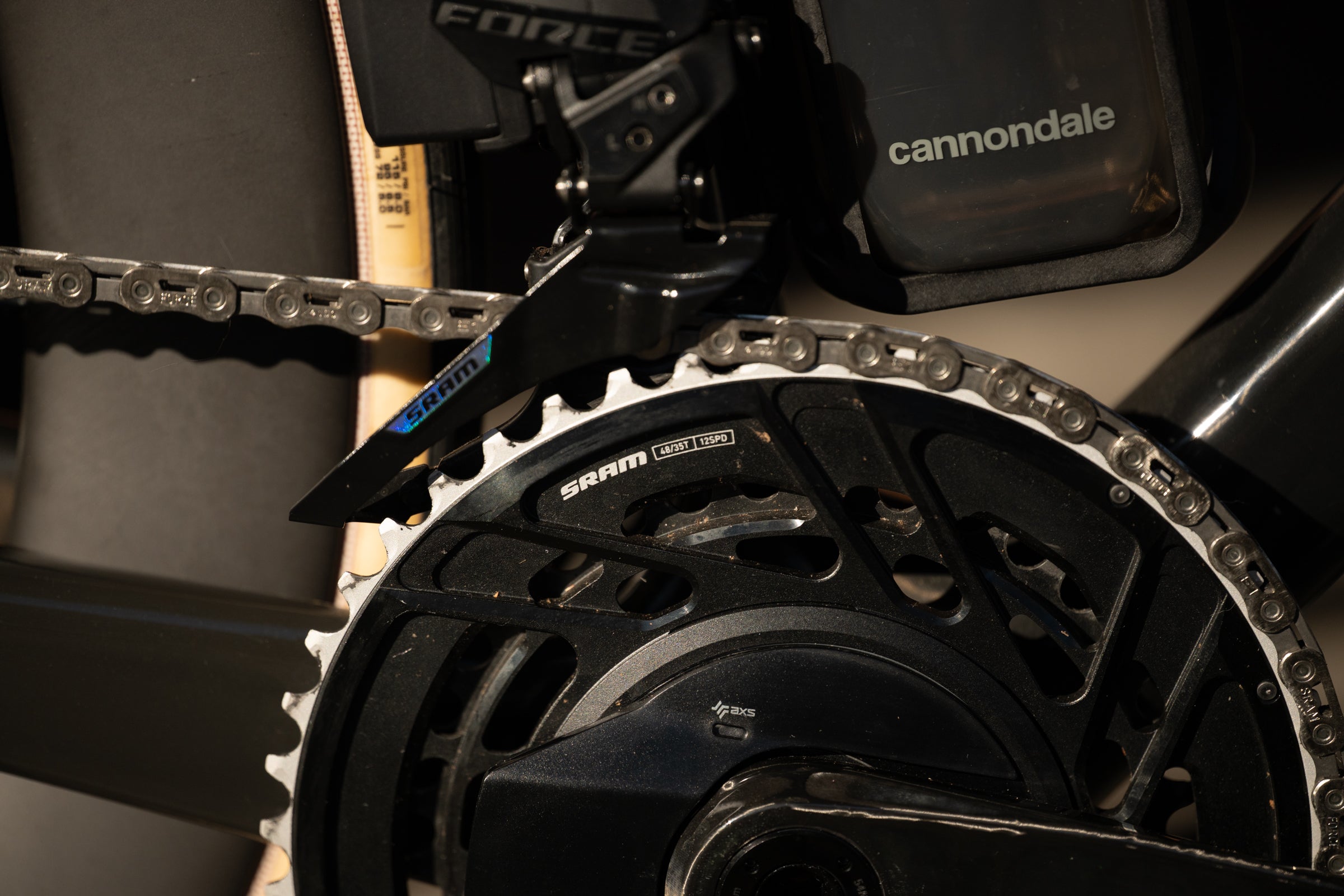
But what about the Cervélo S5? It uses those same wheels and it’s faster. You can also run a 1x aero build on the S5, whereas Cannondale stuck with rivets on the front hanger. Unless you build the SL, even the Hi-Mod I tested isn’t remarkably light.
You could build an SL variant but at that point you are looking at a $6000 frame. You could get yourself a nice S-Works for a few hundred dollars less and it’s lighter. Not much but why are you buying the most expensive frameset to get a lighter weight frame if you aren’t getting the lightest frame in the category?
This section is supposed to be about how a bike rides but sometimes the story is more than that. I appreciate the long wheelbase for the type of rider I am. It felt great to take this bike out and hammer through a 12 mile TT. When I later took it to hills I was on an aero optimized 16 lb bike and I was happy with that performance. It’s certainly not holding me back in the hills.
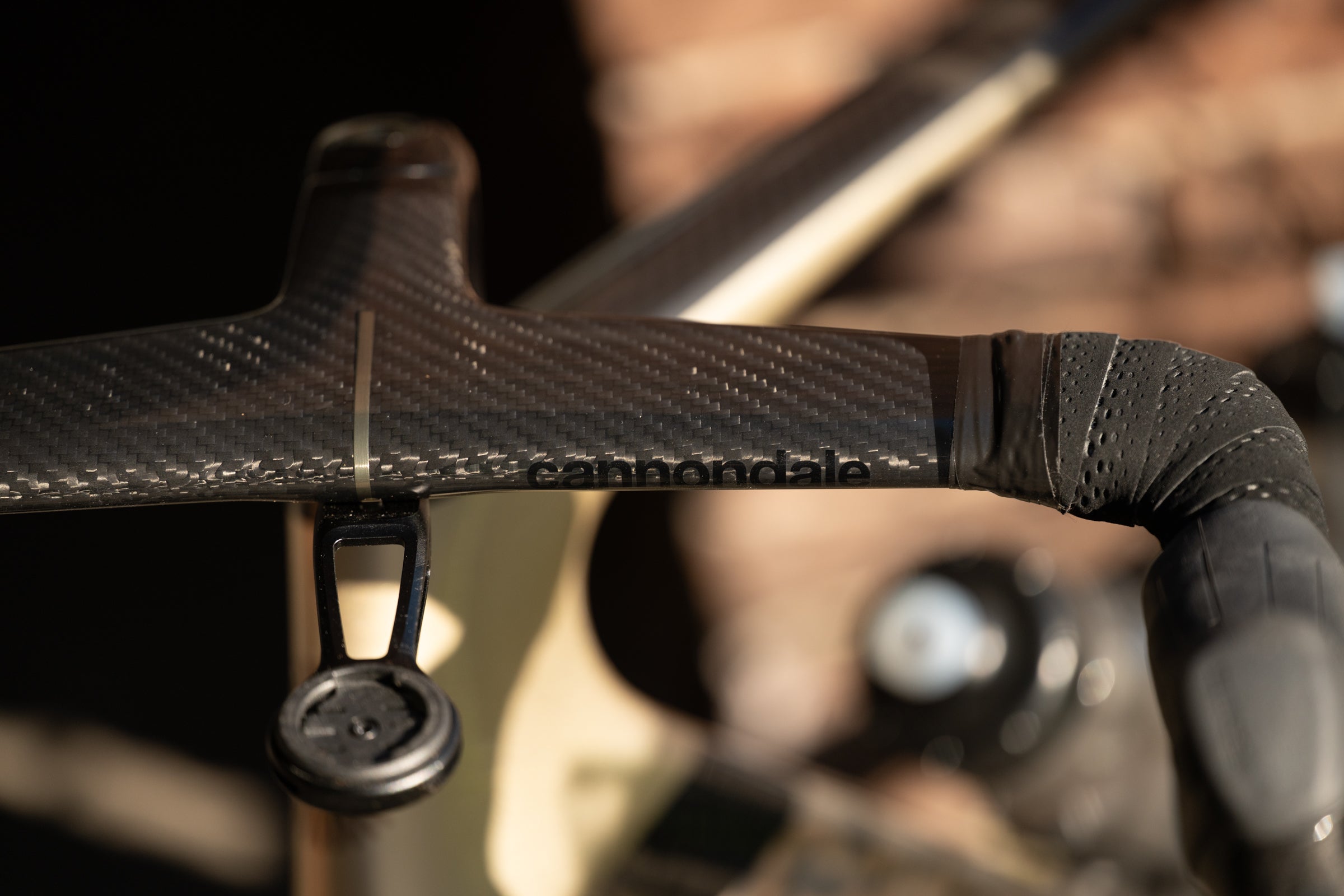
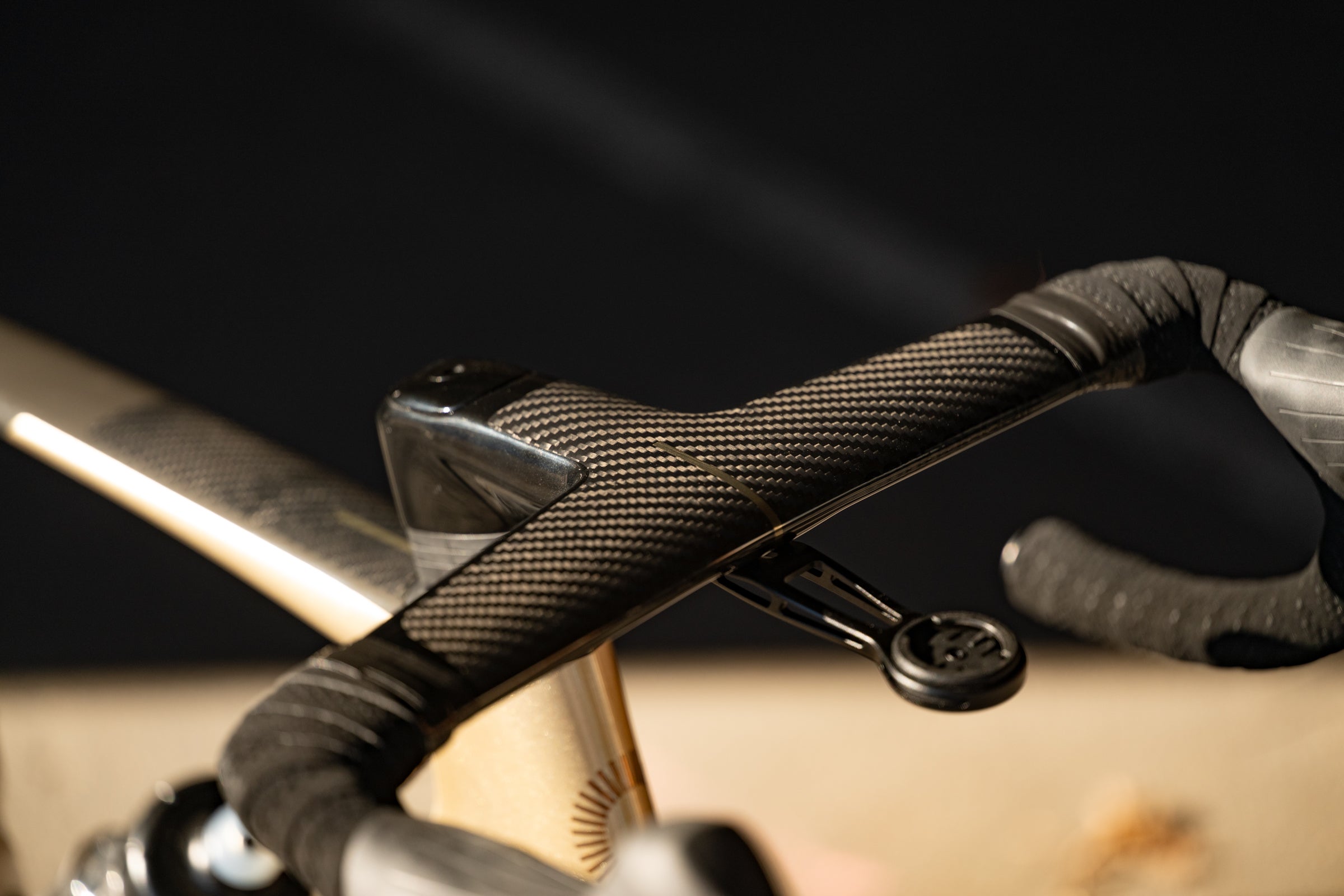
There are also a couple of small details that Cannondale fixed about this bike compared to the last generation. The outfront mount, which is very important when you are buying a bike with a one-piece bar and stem, is worlds better. The old one felt vague and cheap and this time it’s on the money.
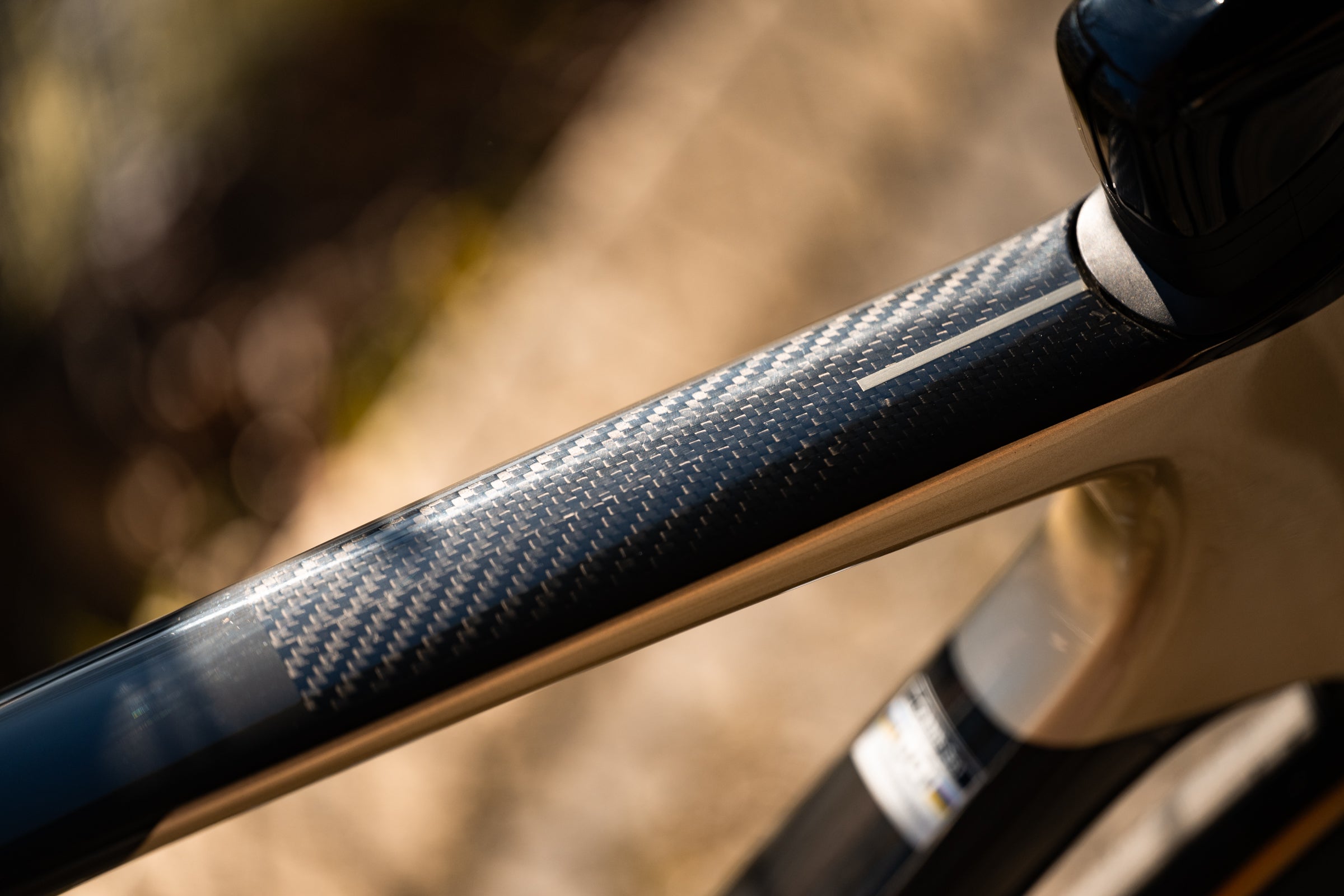
I’d give the same note to the handlebar in general. Looks matter in an expensive bike and the weave that Cannondale is putting on display is gorgeous. The little window on the top tube, which shows that weave, is equally beautiful. In general this is a good looking bike.
This bike is still missing something but you’ll have to check the conclusion.
Usability
This is a modern aero optimized bike. It’s not the easiest to work on and the Delta Steerer doesn’t help things. The design is a great engineering solution for getting internal routing to fit into a small space but it means dealing with wedges and potential compression plug issues. I’d call that the cost of doing business with a modern bike, but you’ll have to decide.
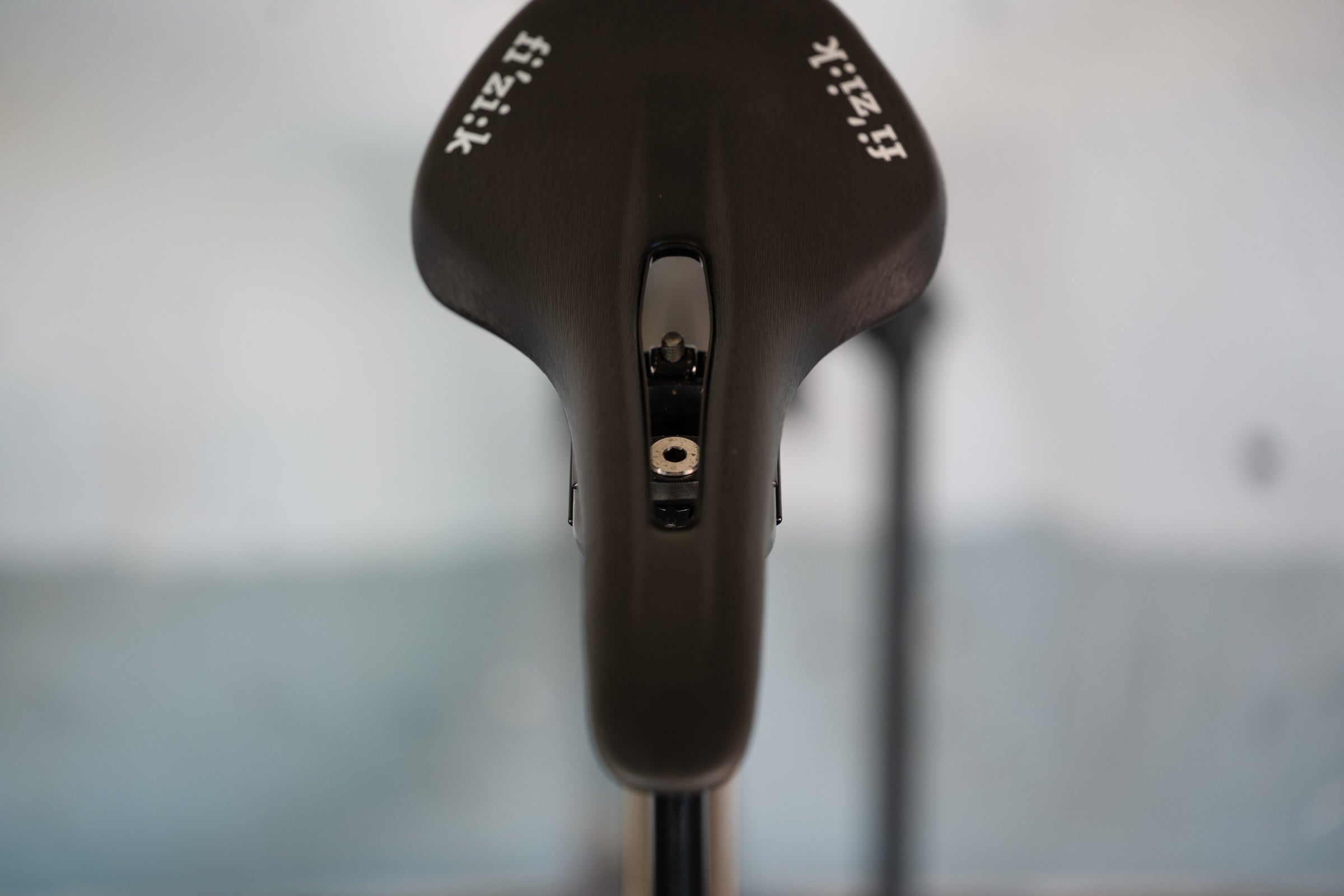
In the positive column you’ll find checkmarks for the inclusion of UDH and for a BSA bottom bracket that’s threaded with plenty of room to get tools on.
One detail of note is the front derailleur hanger. I haven’t traditionally commented on this but more and more I’m starting to see 1x as a viable aero option on the road. The front hanger should be removable for a bike like this where it might be advantageous to move to 1x.
Conclusion
What the fifth generation of the Cannondale SuperSix Evo is missing is a good story, and that matters. You might think it’s merely a marketing issue, but it’s bigger than that. A good marketing story flows naturally from engineering and performance. The fact that it’s missing here points to an identity problem.
This bike is reasonably fast and reasonably light but why would you choose Cannondale for either? If you go light, there’s lighter available at a similar price. If you want to focus on aerodynamics and look for a fast bike, there’s faster available for a similar price. It used to be a bike that focused on balancing comfort with winning races but the combination of small geometry changes and movement in the market got rid of that subtle differentiation.
There is a ray of hope, though. I tested the Evo 1 Hi-Mod model which is a pricey $9500. That price puts the bike into the running against the Cervelo S5 which is heavier but also faster. The S5 also has no lower priced models. If you look at the down market SuperSix Evo it gets as cheap as $3000.
At $3000 you don’t have the same wealth of options for uber aero race machines and small differences in frame weight don’t register in the overall build weight. This is a pretty bike and the longer wheelbase with shorter stem will likely make for a comfortable and stable bike. A Cannondale CAAD was once one of the best entry level bikes you could buy but right now the SuperSix sure looks awfully good for that role.