
CPSC urges immediate action on Rad Power Bikes batteries linked to 31 fires and $734,500 in property damage
WASHINGTON, D.C. (November 24, 2025) — The U.S. Consumer Product Safety Commission has issued an urgent warning urging consumers to immediately stop using certain lithium-ion batteries in Rad Power Bikes e-bikes after the Seattle-based company refused to agree to a formal recall.
The warning marks an unusual escalation in product safety enforcement, coming after Rad Power Bikes Inc. declined to participate in what the agency considered an acceptable recall program. The company cited financial constraints that it says would force it out of business.
“Given its financial situation, Rad Power Bikes has indicated to CPSC that it is unable to offer replacement batteries or refunds to all consumers,” the agency stated in its warning.
The Hazard
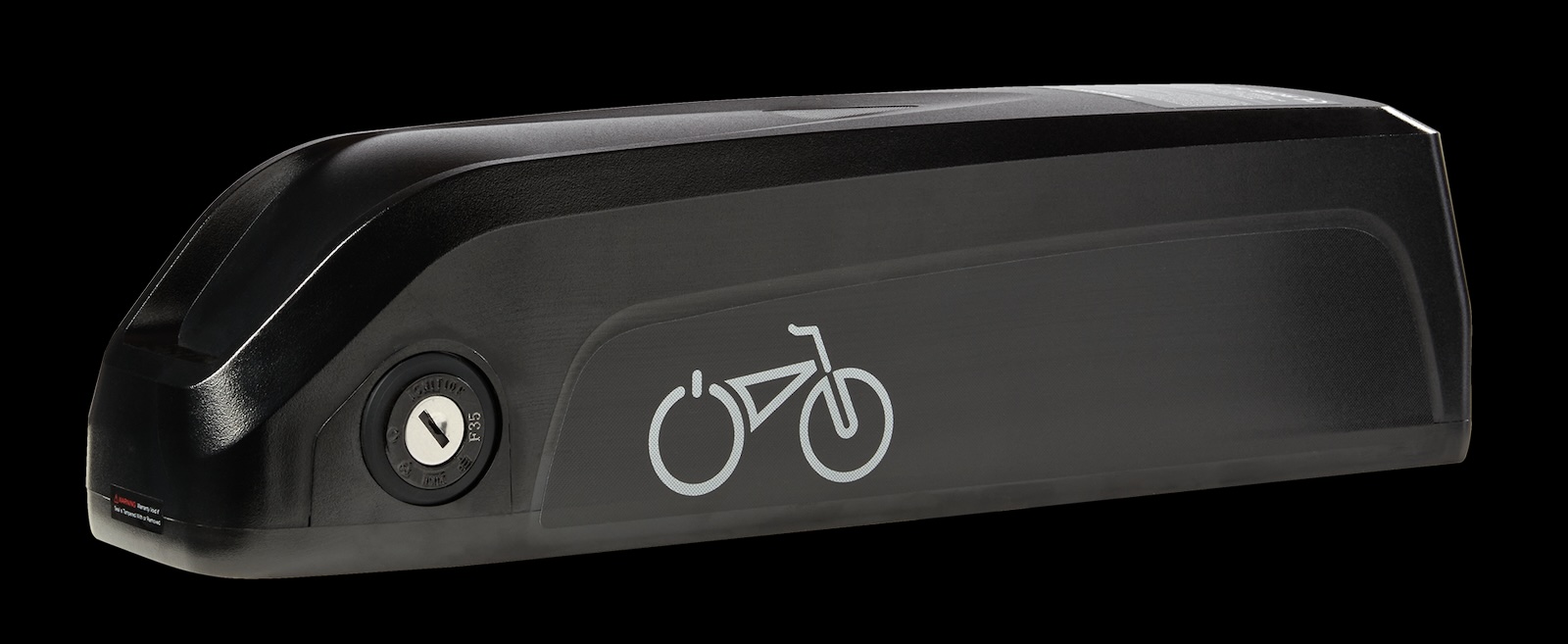
The CPSC warning covers lithium-ion batteries with model numbers RP-1304 and HL-RP-S1304. According to the agency, “the hazardous batteries can unexpectedly ignite and explode, posing a fire hazard to consumers, especially when the battery or the harness has been exposed to water and debris.”
The agency is aware of 31 reports of fire, including 12 reports of property damage totaling approximately $734,500. Particularly concerning to regulators: “Some of these incidents occurred when the battery was not charging, the product was not in use, and the product was in storage.”
The batteries were sold with nine Rad Power Bikes e-bike models: RadWagon 4, RadCity HS 4, RadRover High Step 5, RadCity Step Thru 3, RadRover Step Thru 1, RadRunner 2, RadRunner 1, RadRunner Plus, and RadExpand 5. They were also sold as replacement batteries.
|
|
|
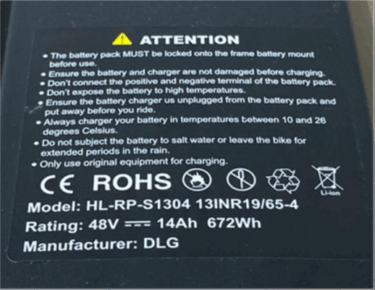
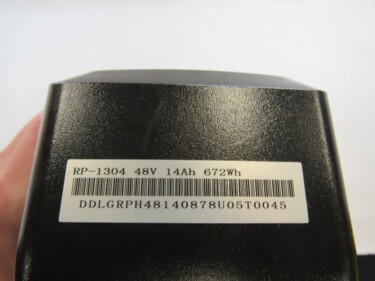
Consumers can identify affected batteries by checking for the model number—HL-RP-S1304 or RP-1304—printed on a label on the back or rear of the battery.
Distribution and Sales
The batteries were sold on RadPowerBikes.com and at Best Buy stores and independent bike shops nationwide. Replacement batteries sold for approximately $550, while complete e-bikes with the batteries were priced between $1,500 and $2,000. The batteries were manufactured in China.
Company Response
In comments included with the CPSC warning at the company’s request, Rad Power Bikes stated: “Rad’s Safe Shield batteries and semi-integrated batteries are not subject to the agency’s statement. Rad had the batteries re-tested by third-party labs as part of this investigation; the batteries passed these tests again.”
The company said it proposed multiple solutions but was rebuffed. “Rad informed the agency that its demand to replace all batteries, regardless of condition, would immediately put Rad out of business, which would be of no benefit to our riders,” the statement said. “Rad is disappointed that it could not reach a resolution that best serves our riders and the industry at large.”
The company advised customers to “inspect batteries before use or charging and immediately stop using batteries that show signs of damage, water ingress, or corrosion, and to contact Rad so we can support our riders.”
Detailed Company Statement
In a separate response published on its website, Rad Power Bikes offered a more extensive defense, stating it “firmly stands behind our batteries and our reputation as leaders in the ebike industry, and strongly disagrees with the CPSC’s characterization of certain Rad batteries as defective or unsafe.”
The company emphasized its compliance record: “We have a long and well-documented track record of building safe, reliable ebikes equipped with batteries that meet or exceed rigorous international safety standards, including UL-2271 and UL-2849. The CPSC proposed requiring these UL standards in January 2025, but has yet to adopt them. Rad ebikes have met these standards for years.”
Rad Power Bikes said that “reputable, independent third-party labs tested Rad’s batteries, both as part of our typical product testing and again during the CPSC investigation, and confirmed compliance with the highest industry standards. Our understanding is that the CPSC does not dispute the conclusions of these tests. It is also our understanding that the battery itself was not independently examined per industry-accepted test standards.”
Incident Rate and Context
The company characterized the problem in terms of scale: “The incident rate associated with the batteries in the CPSC’s notice is a fraction of one percent. While that number is low, we know even one incident is one too many, and we are heartbroken by any report involving our products.”
Rad Power Bikes argued that battery fire risks exist across industries: “It is also widely understood that all lithium-ion batteries—whether in ebikes, e-scooters, laptops, or power tools—can pose a fire risk if damaged, improperly charged, exposed to excess moisture, subjected to extreme temperatures or improper modifications to the electrical components, all of which Rad repeatedly advises against in user manuals and customer safety guides.”
The company disputed the CPSC’s characterization of the water exposure hazard: “Contrary to the CPSC’s statement, mere exposure to water and debris does not create a hazard; rather, significant water exposure, as warned against in our manuals, can pose a hazard.”
The company added: “These risks apply across industries and exist even in products that are fully UL compliant. Ebike batteries are significantly more powerful than household device batteries, which is why proper care and maintenance are so important and why Rad continues to invest in rider education and safety innovation.”
Failed Negotiations
According to Rad Power Bikes, the company attempted to find a compromise. “Rad offered multiple good-faith solutions to address the agency’s concerns, including offering consumers an opportunity to upgrade to Safe Shield batteries (described below) at a substantial discount. CPSC rejected this opportunity,” the company stated.
The company said the financial burden would be insurmountable: “The significant cost of the all-or-nothing demand would force Rad to shut its doors immediately, leaving no way to support our riders or our employees.”
Safety Innovation Defense
The company defended its development of newer battery technology as evidence of commitment to safety, not an admission that older products were defective. “Rad has been a pioneer in promoting and advancing energy-efficient transportation, and our efforts to innovate and build safer, better batteries led to the development of the Rad Safe Shield battery. However, a product that incorporates new, safer, and better technology does not thereby mean that preceding products are not safe or defective.”
Rad Power Bikes drew an analogy: “For example, when anti-lock brakes were developed, that did not render earlier cars unsafe; it simply meant a better, safer technology was available to consumers.”
The company concluded: “That kind of thinking discourages innovation and limits the accessibility that ebikes bring to millions of people. Without the adoption of clear, common-sense standards, no electric bike manufacturer can operate with confidence.”
What Consumers Should Do
The CPSC is urging consumers to take immediate action: “CPSC urges consumers to immediately remove the battery from the e-bike and dispose of the battery following local hazardous waste disposal procedures. Do not sell or give away these hazardous batteries.”
The agency provided specific disposal instructions: “Do not throw this lithium-ion battery or device in the trash, the general recycling stream (e.g., street-level or curbside recycling bins) or used battery recycling boxes found at various retail and home improvement stores. Hazardous lithium-ion batteries must be disposed of differently than other batteries because they present a greater risk of fire.”
Consumers should contact their municipal household hazardous waste collection center before bringing batteries for disposal. “Before taking your battery or device to a HHW collection center, contact it ahead of time and ask whether it accepts hazardous lithium-ion batteries. If it does not, contact your municipality for further guidance,” the agency advised.
Regulatory Action
The CPSC stated it “is issuing this public health and safety finding to expedite public warning about this product because individuals may be in danger from this product hazard.”
The product safety warning is numbered 26-118 and is available at cpsc.gov.
(Visited 139 times, 47 visits today)