
In John’s review of the Crust Bikes Nor’Easter, he proves that the latest and greatest technology doesn’t always make for the best bikes. Read on for a jam-packed gallery of a bike that he believes best represents peak gravel and embodies the spirit of steel…
Lay waste. To pinched tire clearances. Plastic, obtuse tubing. Internal routing. Electronic shifting. And embrace rim brakes. Feel the flex of classic tubing diameters. Seek a cush pedaling demeanor.
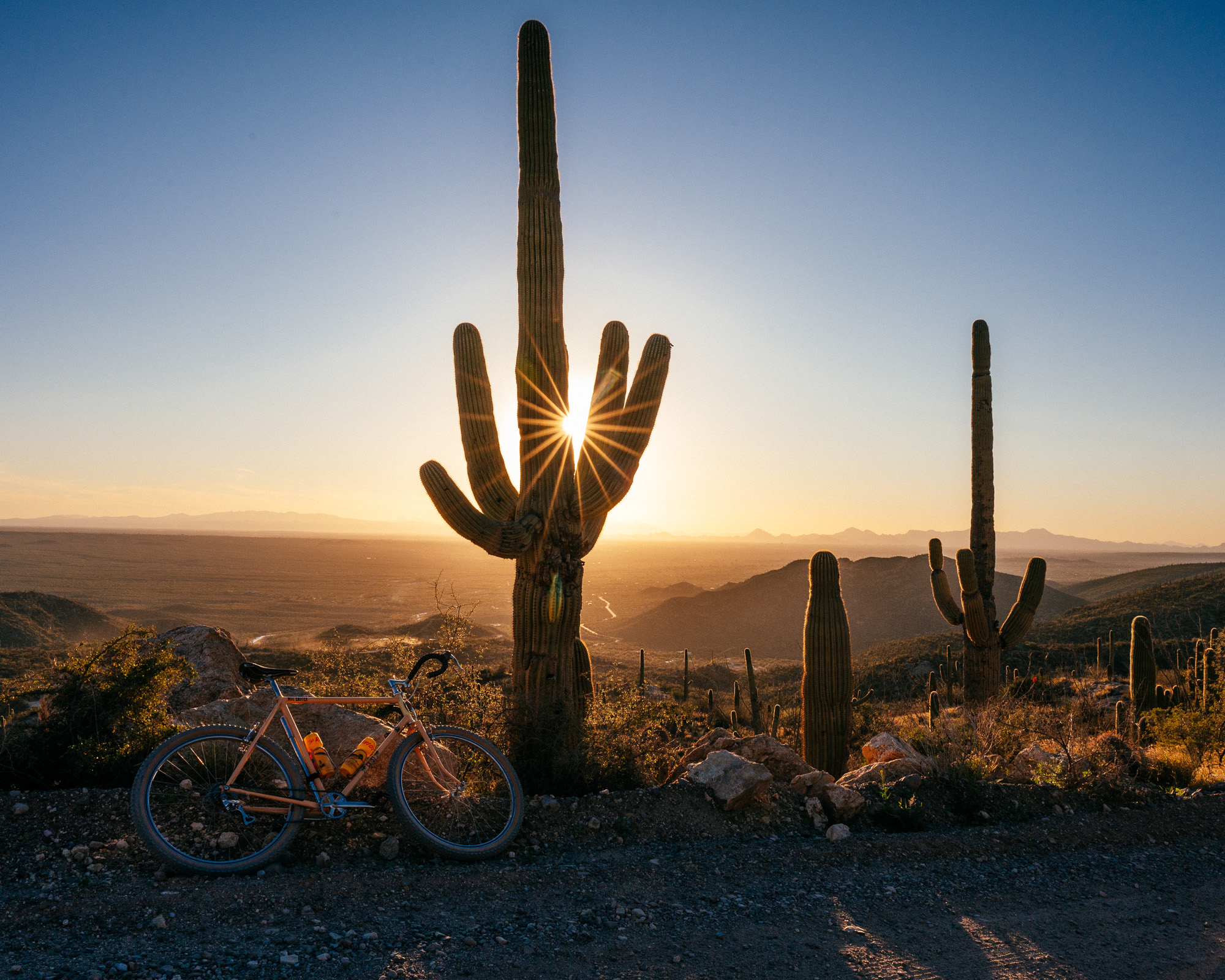
After a mild troll in 2024, I built up a Crust Bikes Nor’Easter frame with a mix of parts-bin components and neo-retro bits. Over the past year, I’ve used the bike for chilleur gravel rides around Santa Fe, and on a recent trip to Tucson, I worked with Spencer Harding on shooting some really special photos for this review that I believe captured the spirit of the bike. But before we get into all that, I want to wax poetic about skinny tubes and how they bring about a pleasant shimmy shimmy ya.
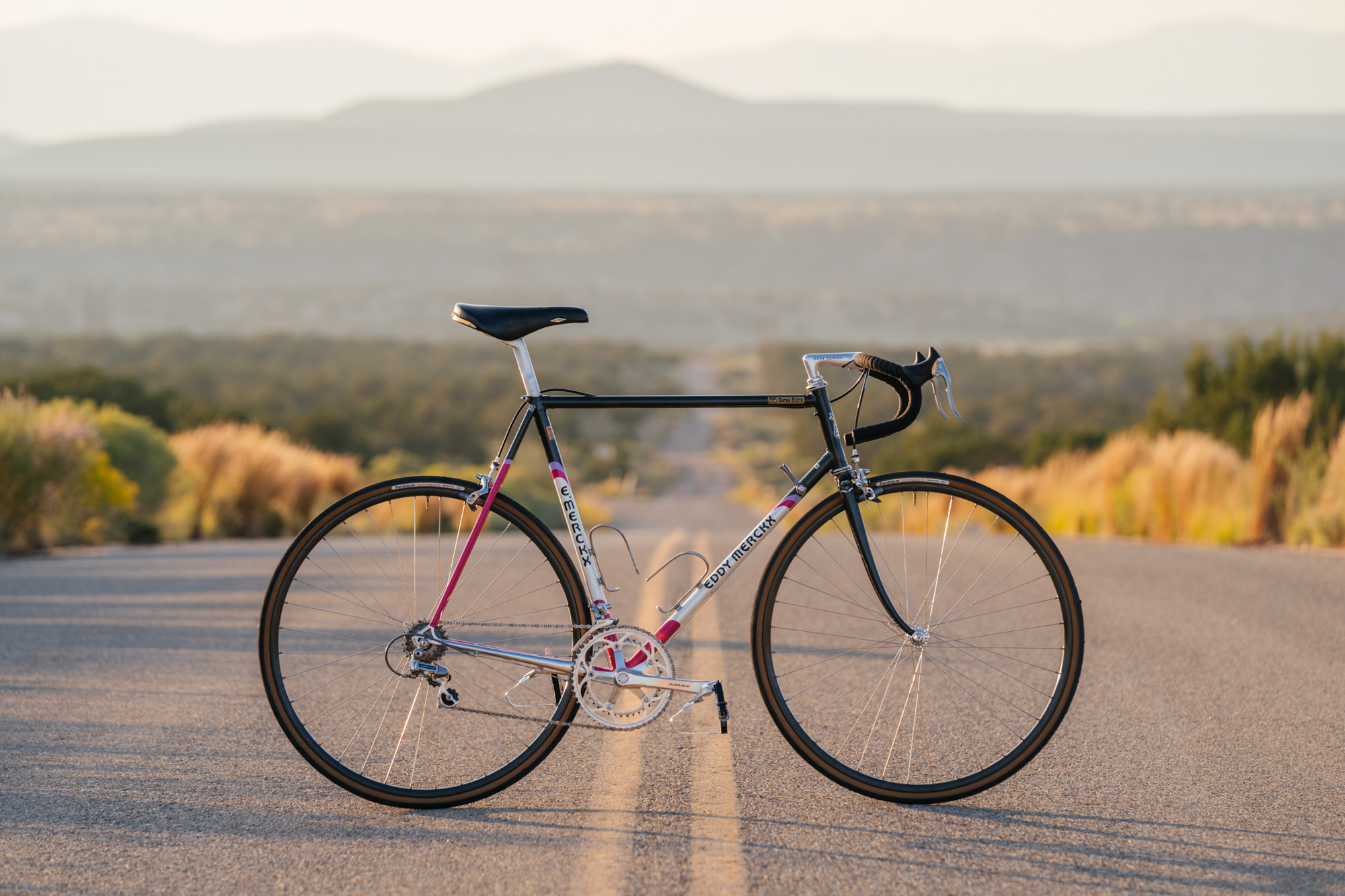
Back in 2020, I wrote an article that pulled at the heartstrings of our readership titled “Riding as Ceremony: A Vintage Road Bike is All You Need.” I’d just moved to Santa Fe and was exploring the possible road riding routes around my house. Modern road bikes didn’t and don’t do it for me, but the love of vintage late 1980s and early 1990s Eddy Merckx bikes brought me to seeking out a Telekom Merckx with Dura Ace 7400.
The article waxed poetic about the allure of skinny tubes and the way they “dance” with you up climbs. The Merckx is but one gem from a golden era of steel bikes.
Unfortunately, modern gravel bikes have evolved more from modern road than vintage road, and with it, flexy bikes were lost to a bygone era. That’s where the Crust Nor’Easter comes in. Take the same vibes, with a similar flex and feel. Now throw some gasoline on the fire.
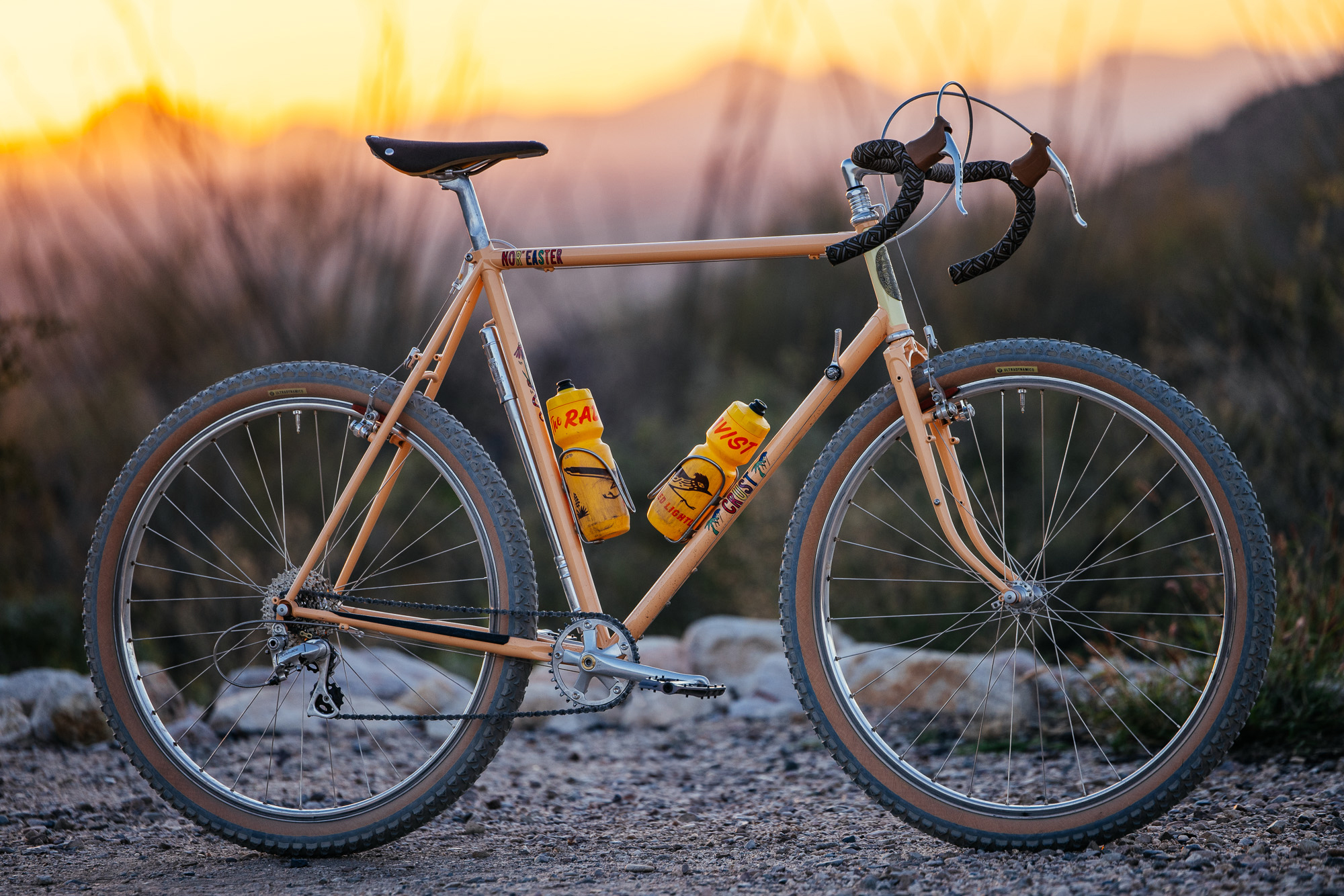
Crust Bikes Nor’Easter Quick Hits
- Made in Taiwan
- $1,250 frame and fork
- 29 x 2.6″ or 27.5 x 2.8″ tire clearance
- Disc or Rim Brake
- Turquoise or Pastel Orange
- Sizes: Small 52 cm | Medium 55 cm | Large 58 cm | Extra Large 62 cm (reviewed here)
- Head Tube Diameter: 1″ (Threaded Steerer) 26.4 crown race
- Bottom Bracket: 68 mm English (BSA) Threaded
- Fork Spacing: Disc: 12×100 mm | Canti: 9×100 mm
- Rear End Spacing: Disc: 12×142 mm | Canti: 9×135 mm
- Seat Post Diameter: 27.2 mm
- Build weight 23.5 lbs as shown with pedals
Low-Mid Trail Geometry
The 62 cm Nor’Easter features 48 mm of trail. Trail is measured by the horizontal distance between the projected steering axis of the fork’s steerer tube and the point where the front tire contacts the ground. Meaning, the steerer tube’s axis actually “trails” behind the tire’s contact patch . The larger the distance measurement between the steering axis and the contact patch, the higher the trail, and lesser distance makes for lower trail.
- Low Trail is approximately between 30 mm 40 mm (Typically found in road bikes).
- Mid Trail is approximately between 50 mm 65 mm (Typically found in off-road bikes).
- High Trail is approximately anything above 70 mm (Typically found in mountain bikes).
The Crust Nor’Easter trail differs across the sizing due to the head angle. The fork rake – 65 mm – of each size is the same. This is typically referred to “low to mid trail” and with it comes a hefty load of riding connotations. But like all geometric integers, the way a bike rides is the culmination of many factors and not beholden to any one specific measurement or degree.
For instance, the Nor’Easter in size 62 cm has 82 mm of bottom bracket drop, and has parallel angles of 73º, close to what Eddy Merckx made his road racing bikes, but with substantially less rake and thus less trail, too.
Matt from Crust Bikes is a fan of low-mid trail geometry, and the Nor’Easter represents the pinnacle of the Crust Bikes design ethos (ATMO).
Frame Design
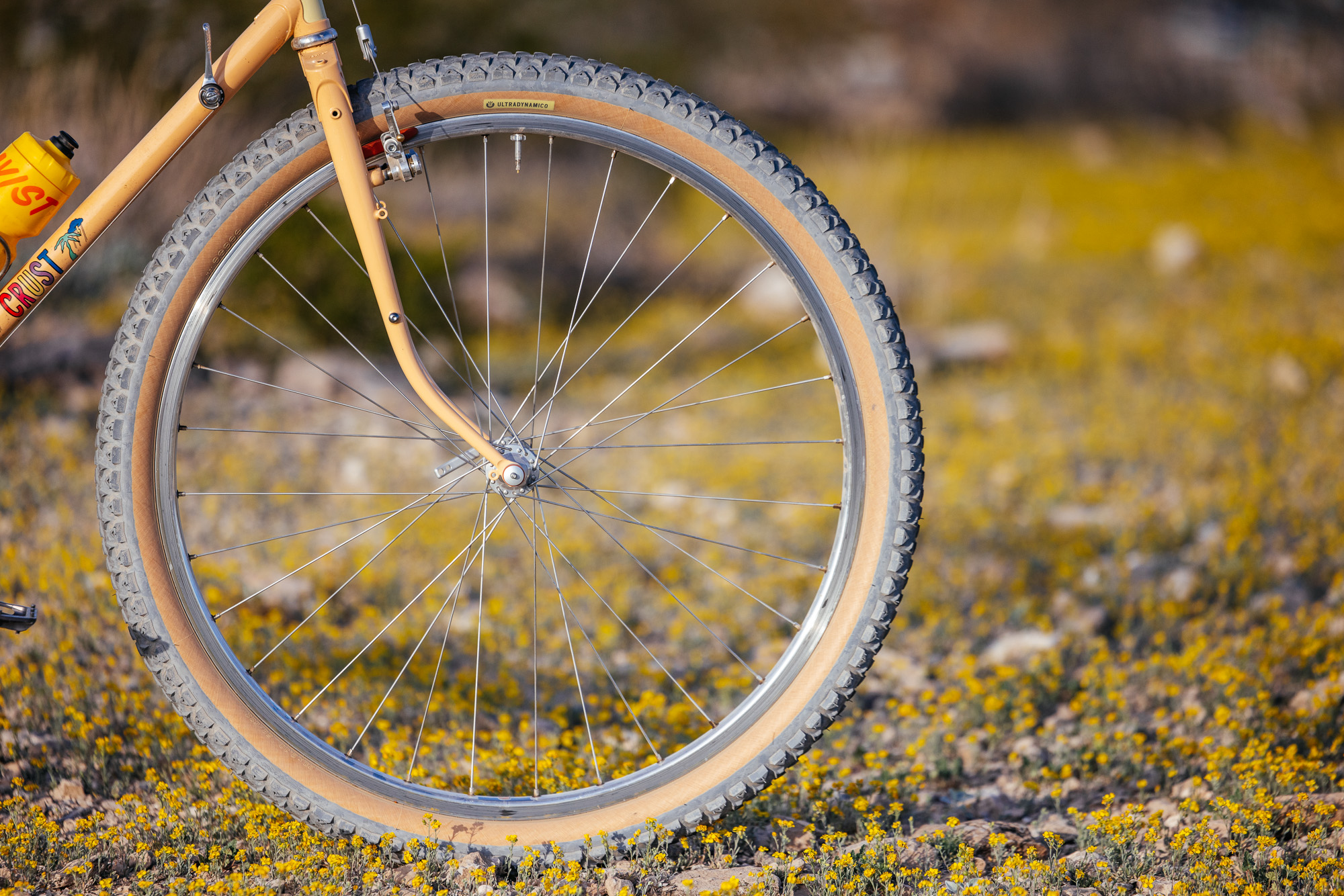
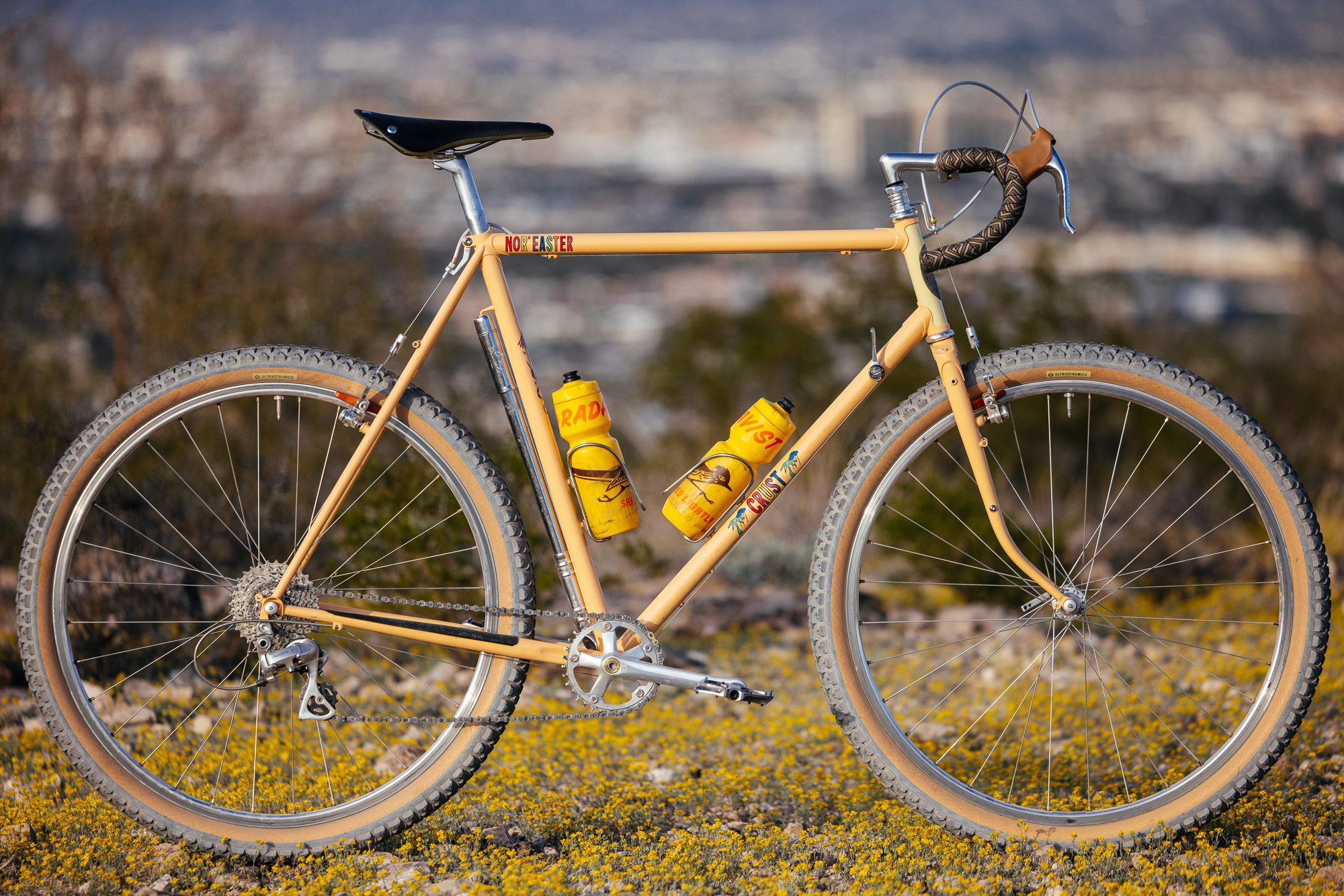
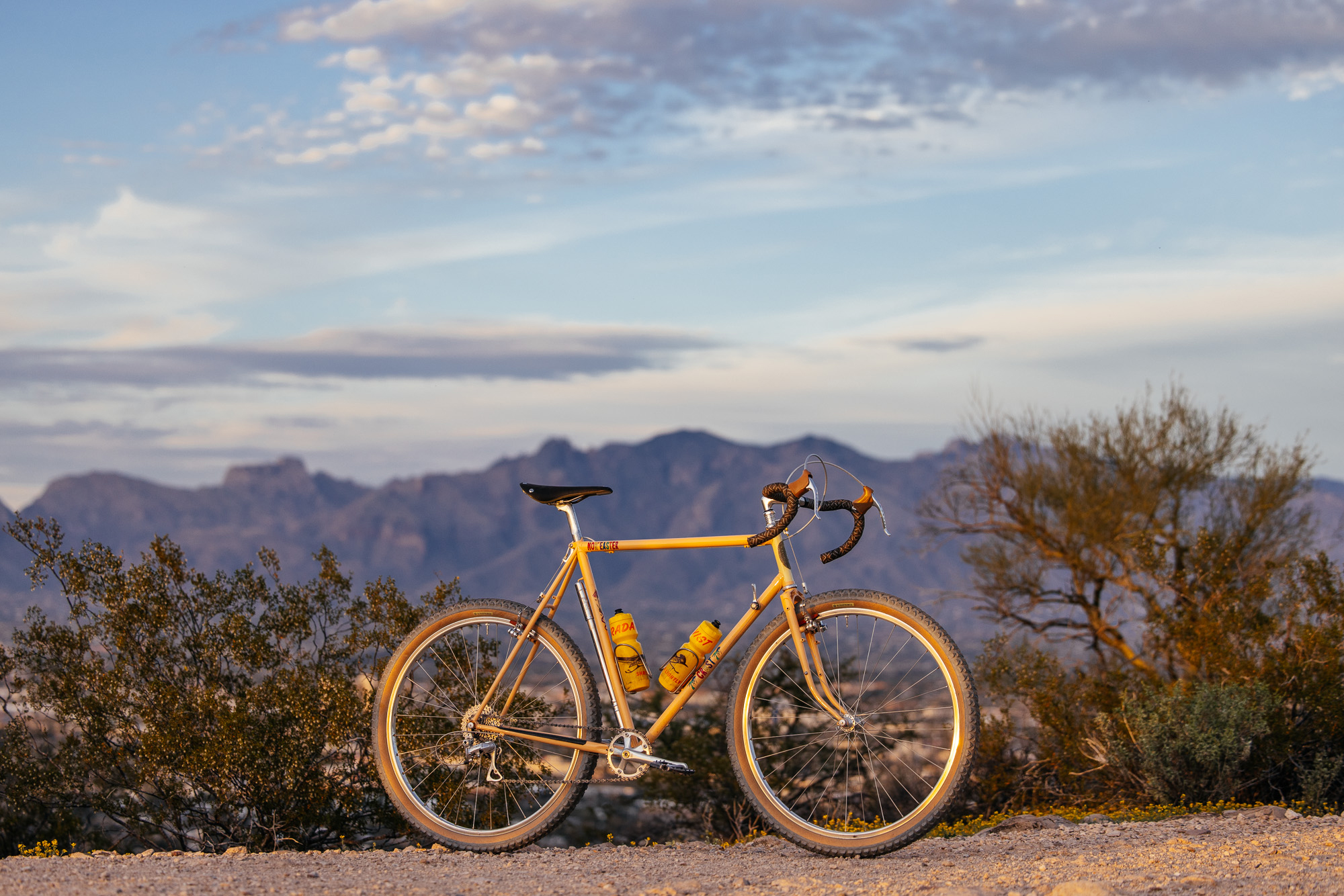
How can this bike fit a 2.6″ tire? Easy. It uses a road spec bottom bracket shell – 68 mm – and a 135 mm quick-release rear end. The front fork ends are spaced at 100 mm, so your standard-issue 1990s MTB hubs will fit spec. The chainstays are longer, which allows for the 2.6″ rubber to be crammed in. Although, with a caveat to say that it depends on rim width and tire spec. With the 27 mm wide Velo Orange Voyager rims and 29er Ultradynamico Mars tires, the 2.3″-ish rubber doesn’t leave much clearance at the chainstays.
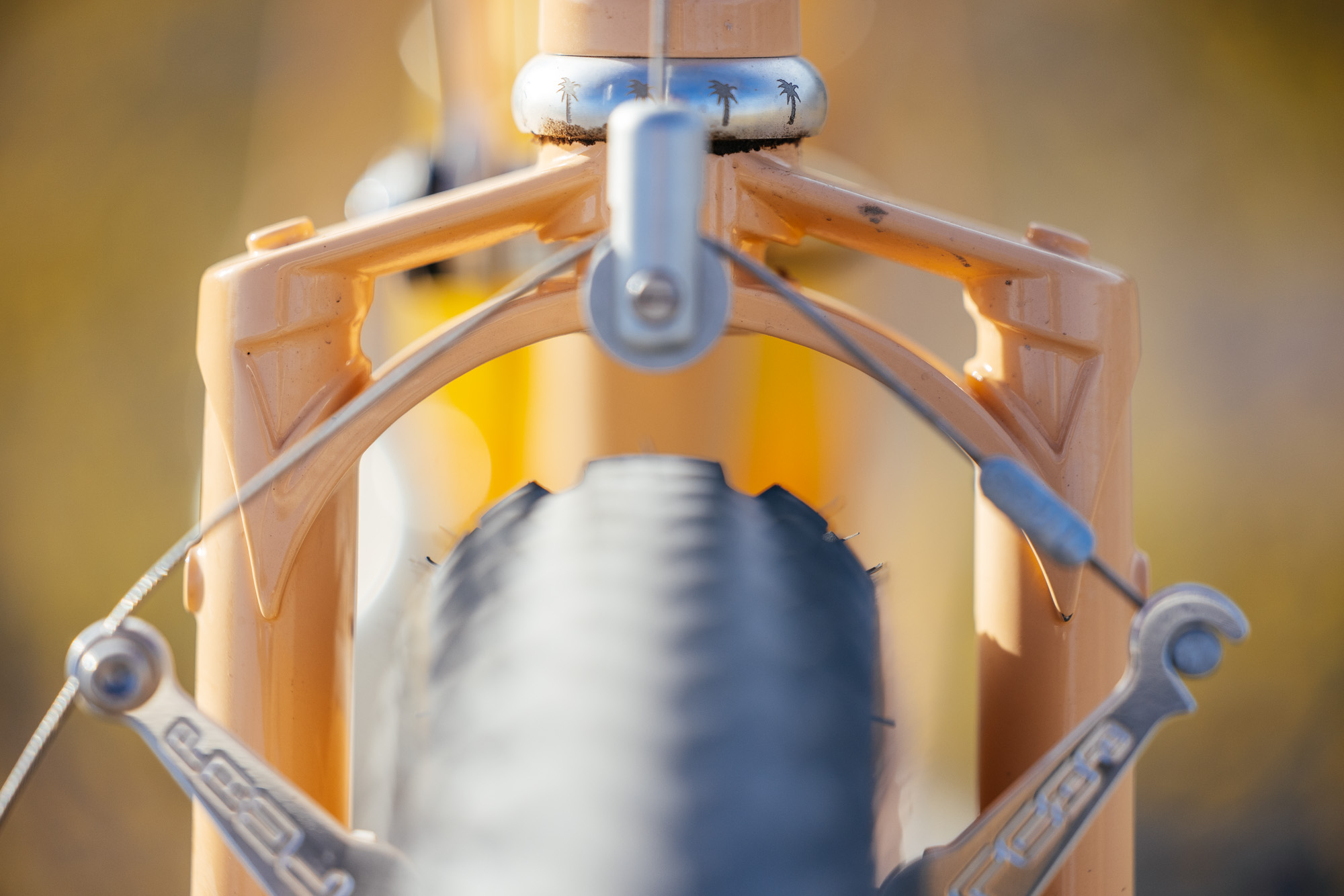
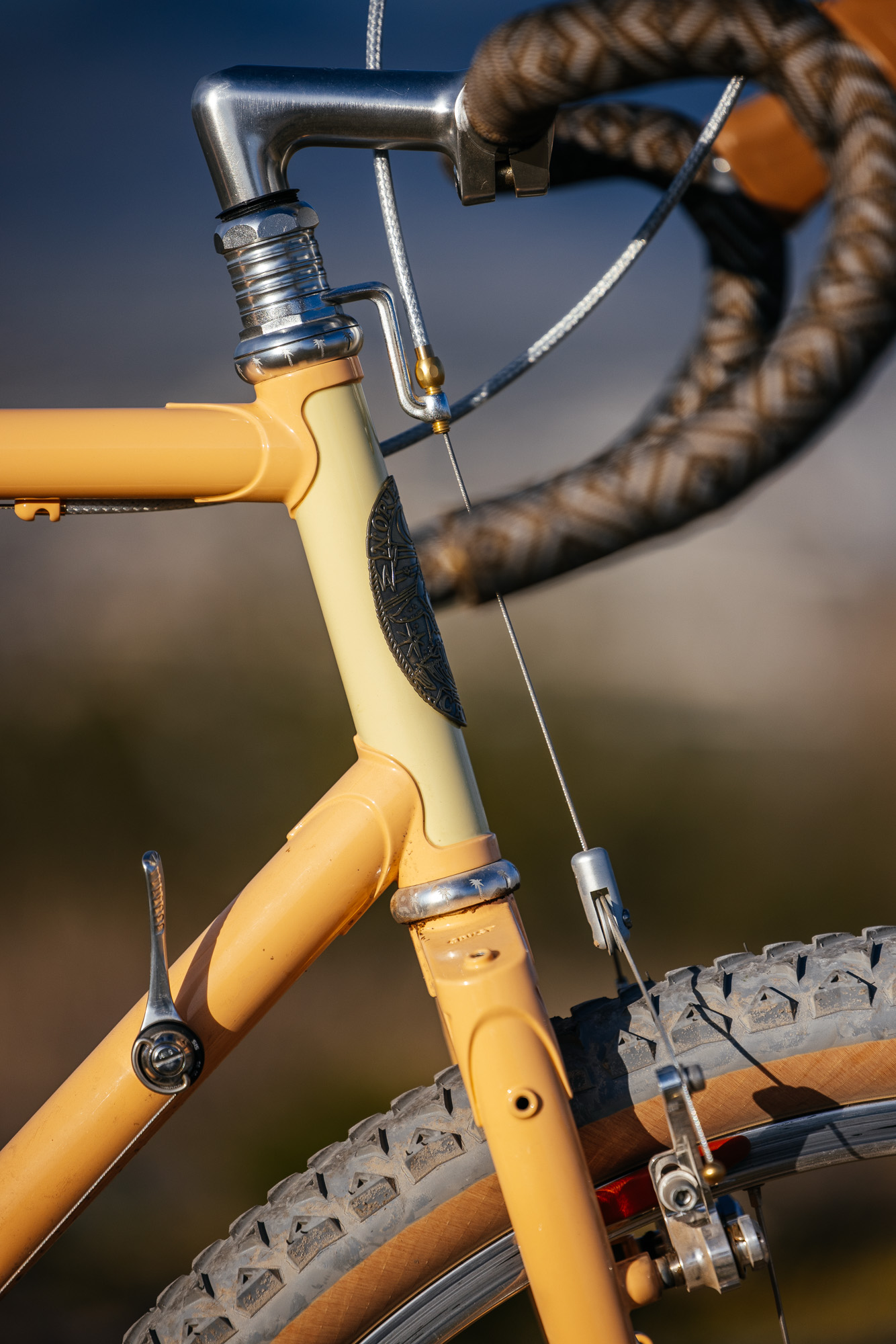
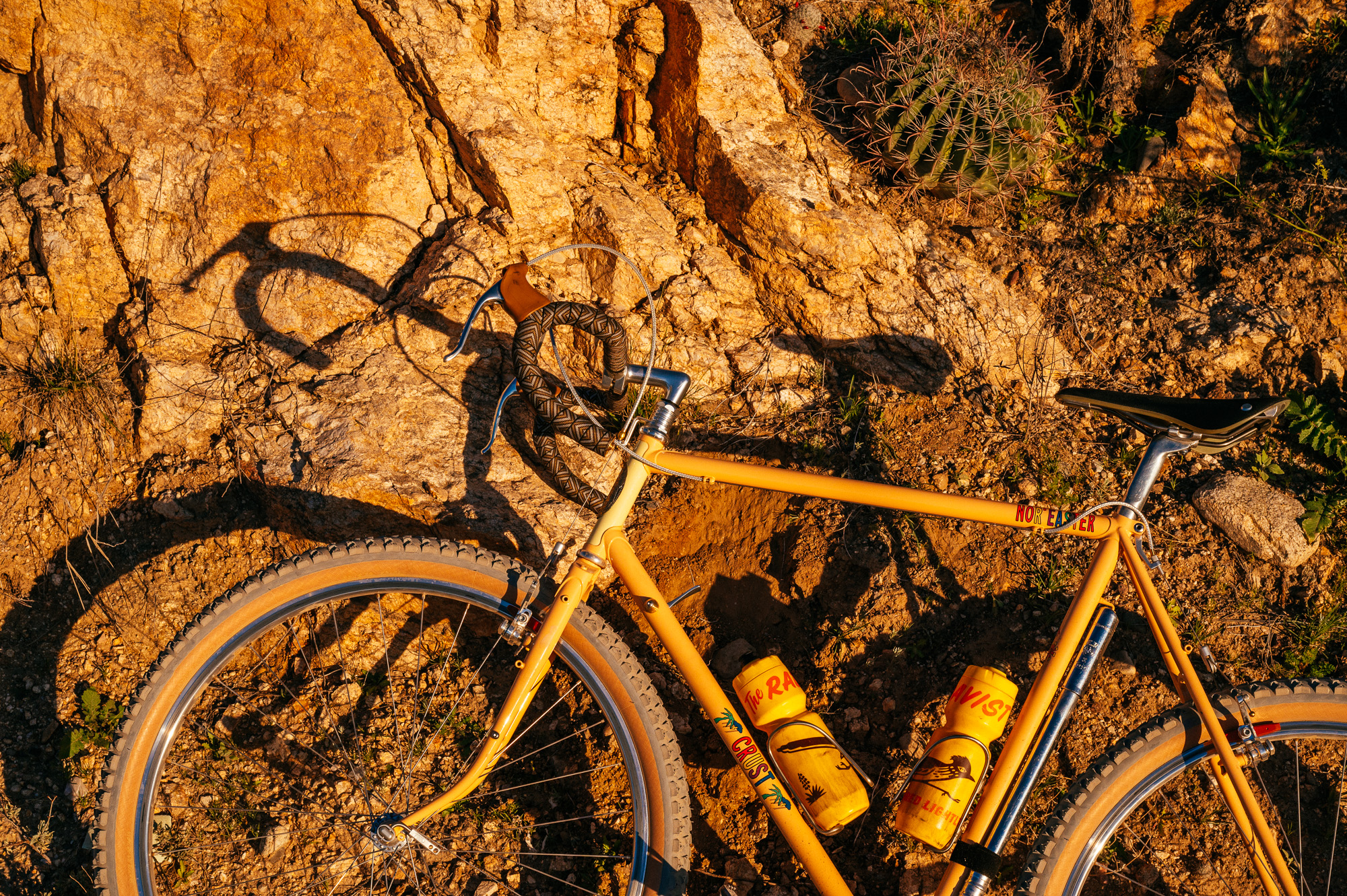
Made from a mix of brazed lugs and Tig-welded construction techniques, the Nor’Easter has a beautiful head tube cluster, with contrasting paint on the head tube, an elegant seat cluster, precision cast dropouts, and a biplane fork crown that was designed with the help of Adam Sklar and is inspired by the original Ritchey crowns.
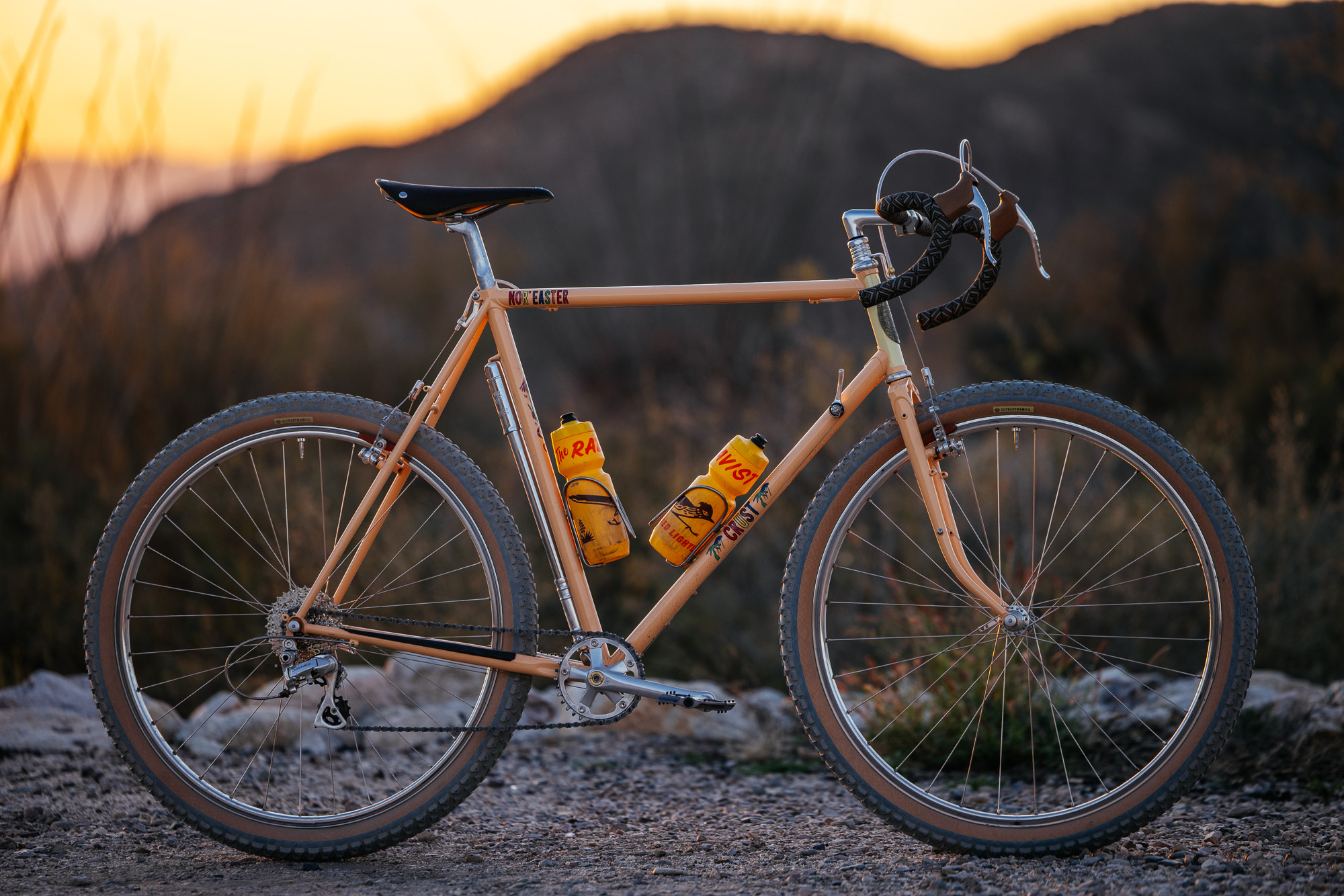
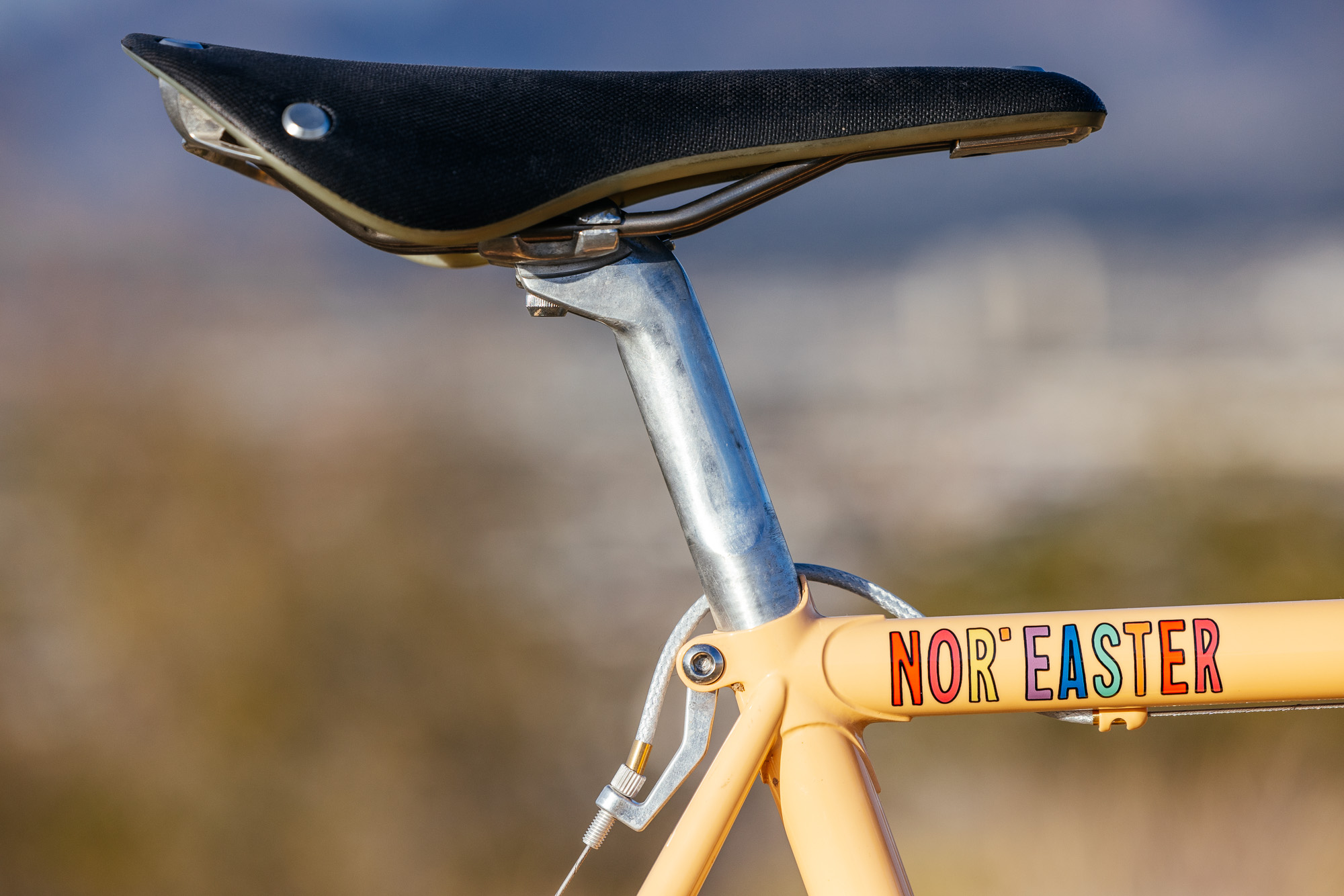
Even the paint, dubbed Pastel Orange, has grown on me.
Build Kit
Here’s where we get to the good stuff! I cracked open some NOS components to bring the build over the top and mixed in some classic parts-bin components with modern, neo-retro blingy bits. For wheels, I chose the Velo Orange Voyager rims for the vintage aesthetic, with a polished finish and eyeletted spokes, laced to vintage Hugi trials hubs. They’re wrapped in Ultradynamico Mars tires.
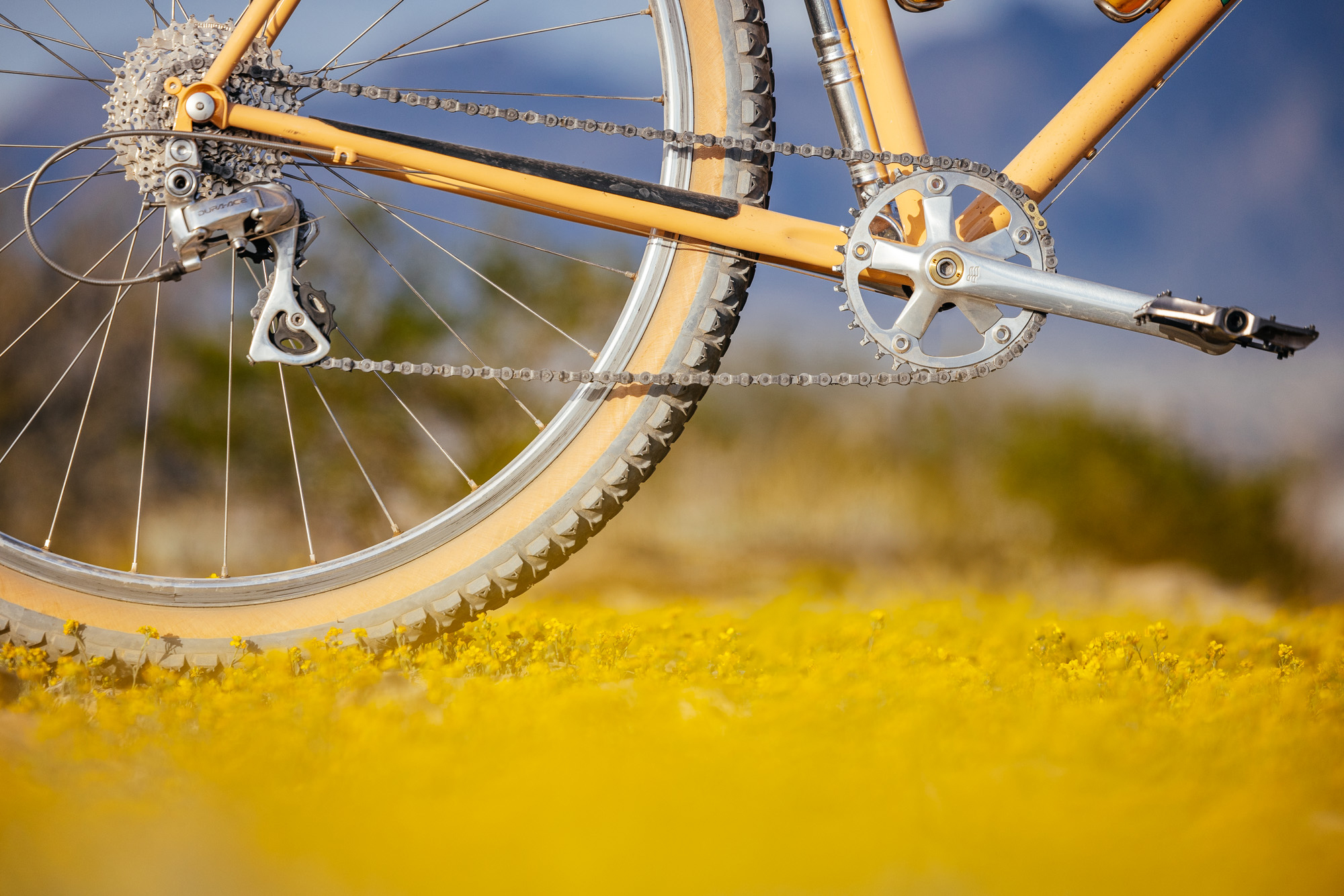
For gearing, a 32-tooth Shimano cassette mates to a Dura Ace rear mech with a Wolf Tooth road link. I stripped silver to barely eke out the gear inches around the 32-tooth cassette. It’s definitely not ideal, but I really wanted to document the bike with the Dura Ace mech before swapping to a Deore M737 or the like. For shifting, I went with the indexed Dura Ace 9-speed downtube shifter.
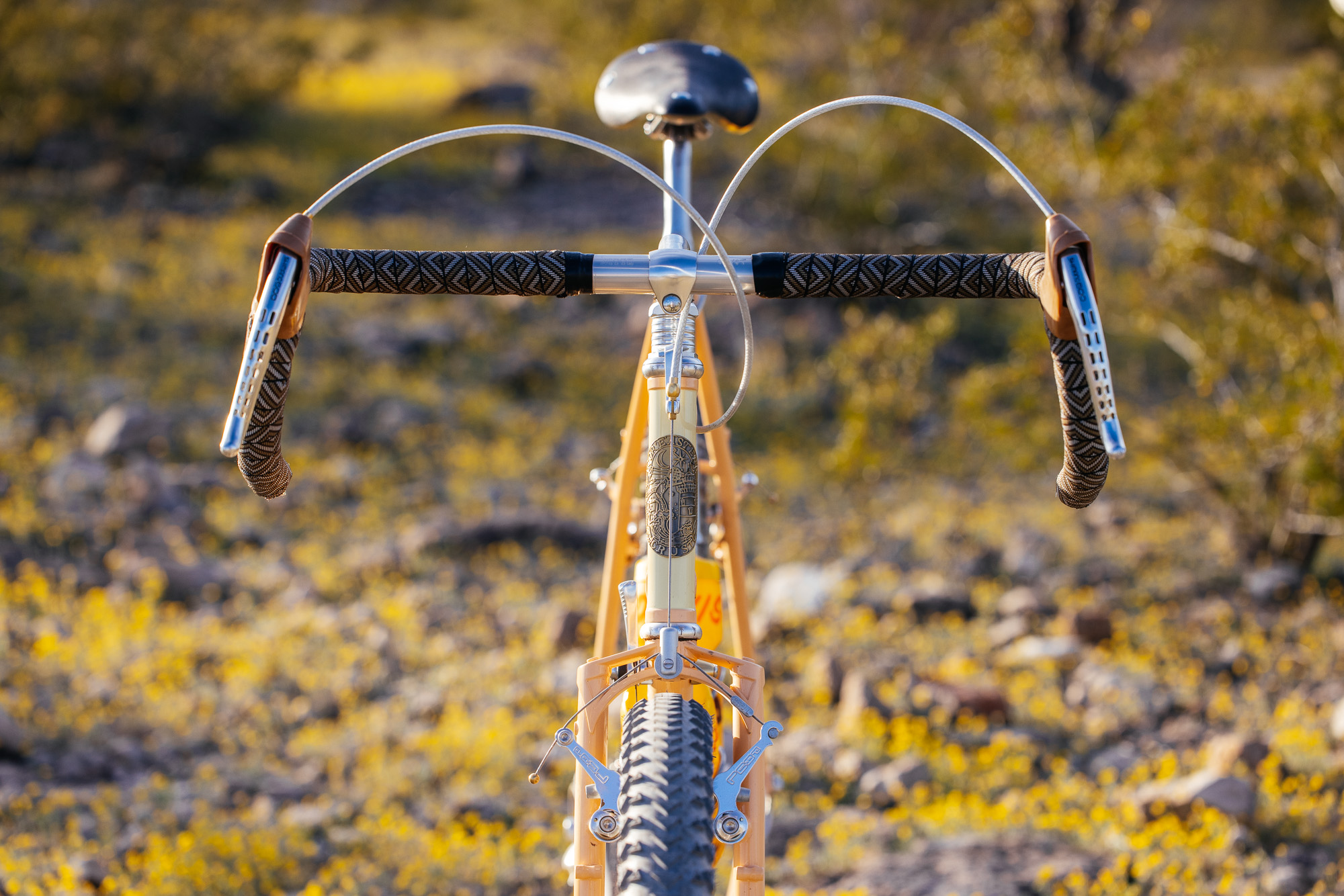
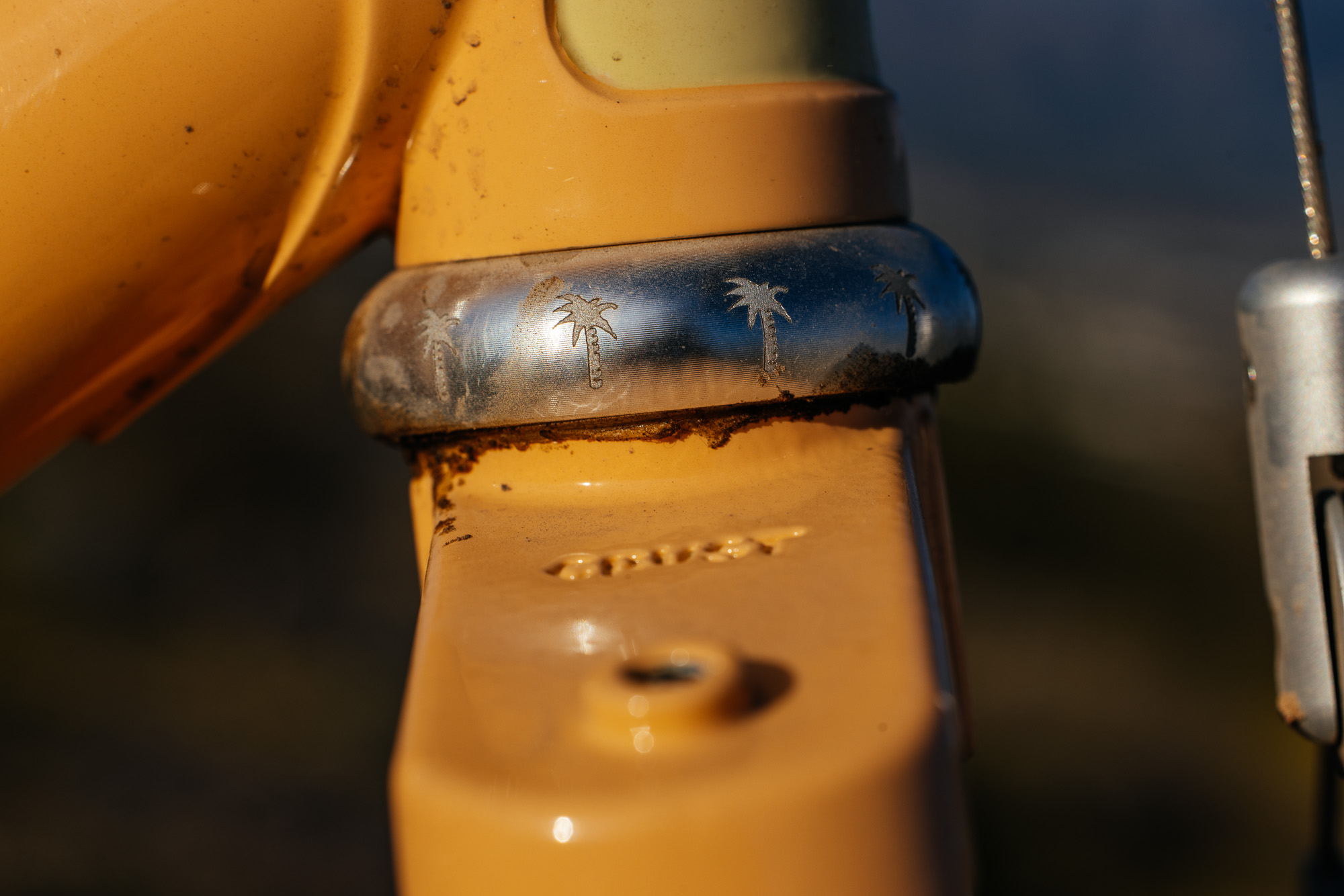
The cranks are Specialized Flag Cranks I bought from Charlie Cunningham, with a stripped Wolf Tooth 36-tooth ring, and Yoshimura pedals, which grip my Vans just great! A Shimano 600 seatpost with a Brooks Cambium saddle, a Crust 24 Palms 1″ threaded headset (which has never come loose, by the way), a Cinelli Milano quill stem, Crust Shaka bars, NOS Shimano 600 non-aero levers with reproduction hoods. The wide boy bars are freshly re-wrapped with Camp and Go Slow Great Horned Owl tape.
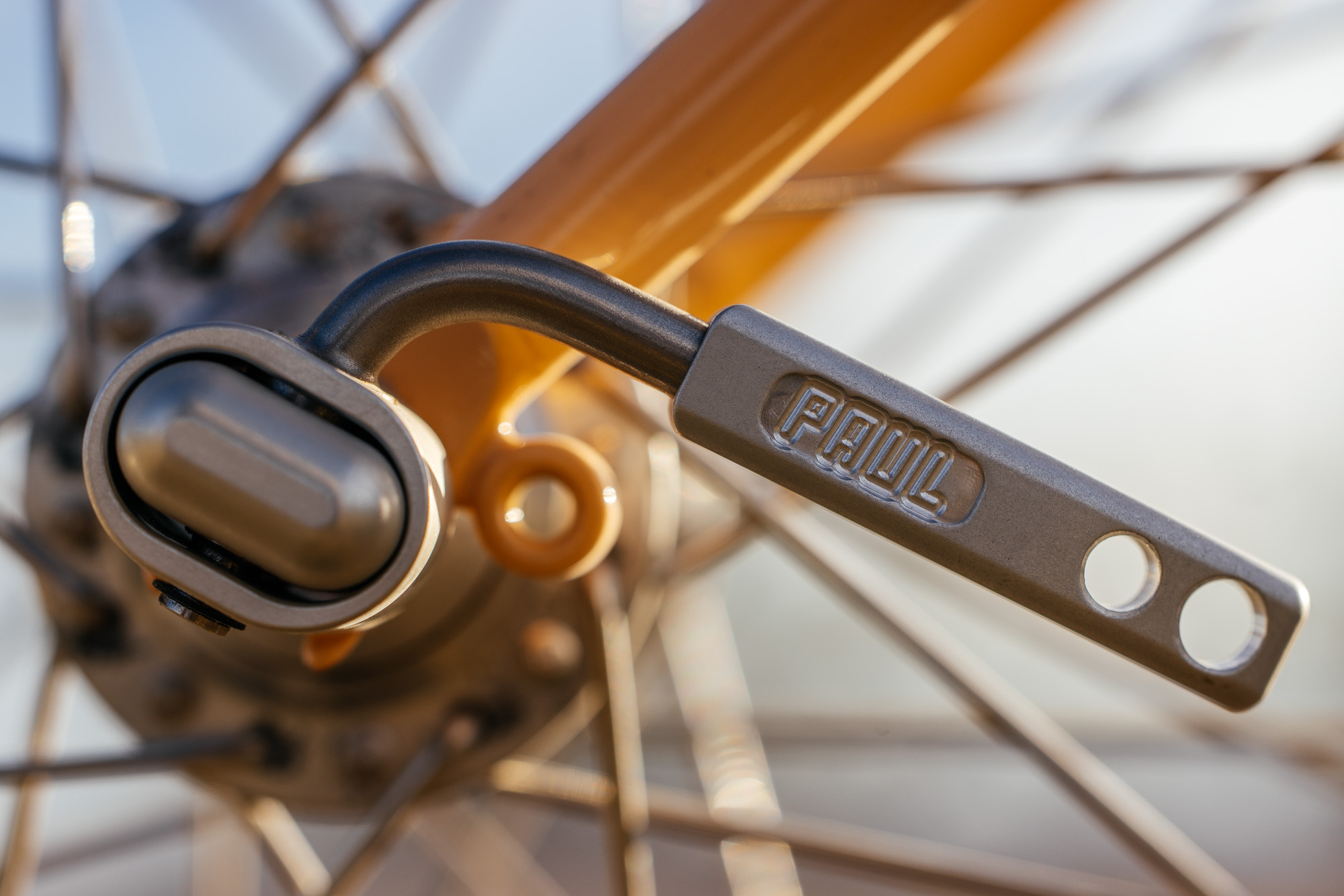
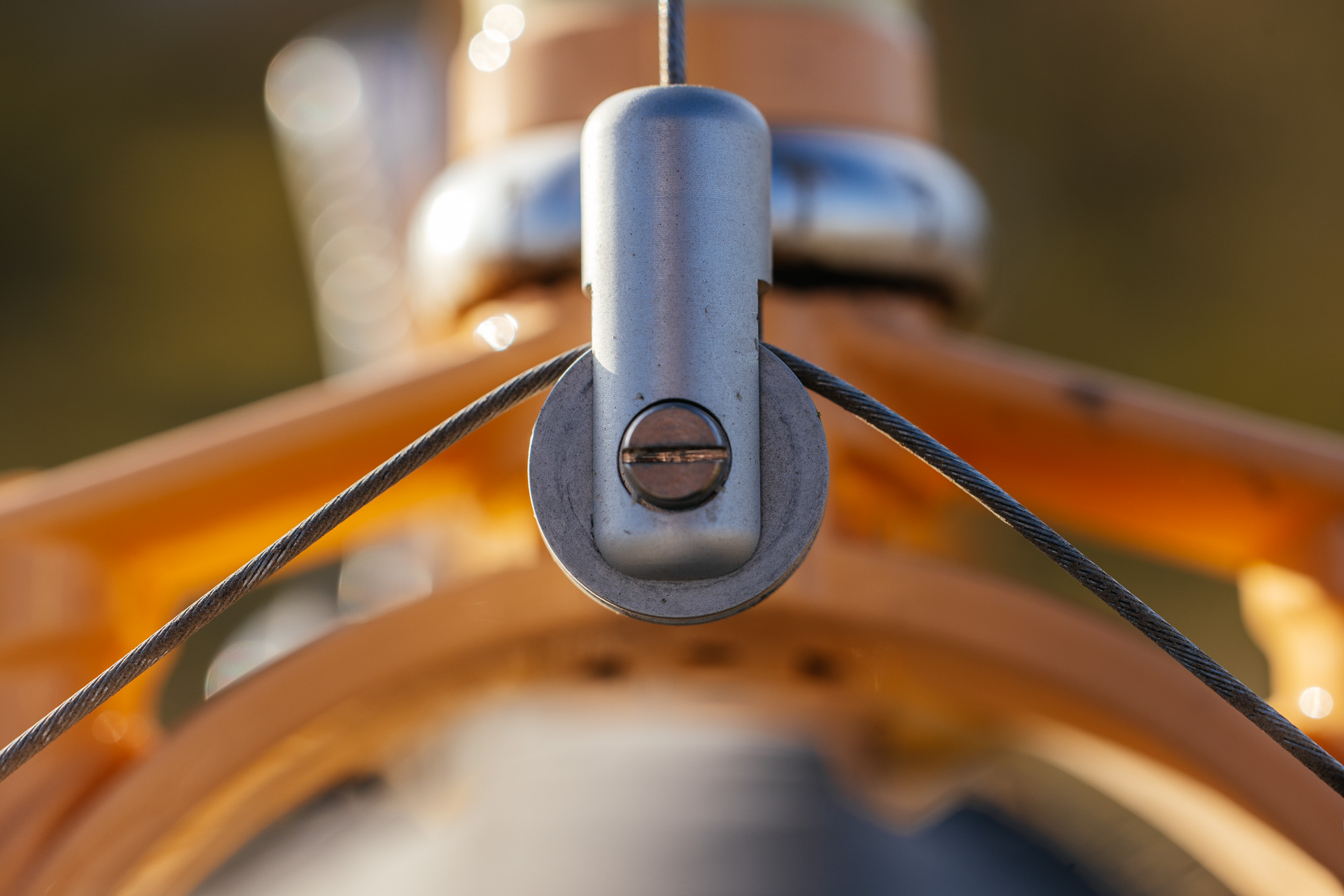
For modern componentry bling, the Paul Touring Cantis provide the stopping power for skidz, while the Shovel Research WRT hanger and Forager Cable Cherries are, well, the cherry on top.

Sizing
There’s a term when it comes to sizing older (1970s through the 1980s) frames – “French Fit” – which is shorthand for a sizing convention that relied on the bars roughly level with the saddle, because the longest seatpost available was only 200 mm long from the rails to the bottom of the post. So, road bikes and randonneuring bikes were sized with a “fist full” of seatpost. This sizing convention was popularized in the golden age of road racing by Frenchman Bernard Hinault and other ultra-distance cyclists.
Later, it was disrupted by the new generation of racers who used smaller frames and much longer seatposts, which eventually led to the aero boom and the popularization of compact geometry, with sloping top tubes replacing the level top tubes of more traditional steel road bikes. Thankfully, the Nor’Easter pretends like none of this ever happened and keeps it as French as Serge Gainsbourg smoking a Gauloise on the Seine. It doesn’t hurt that the level top tube looks tres chic too.
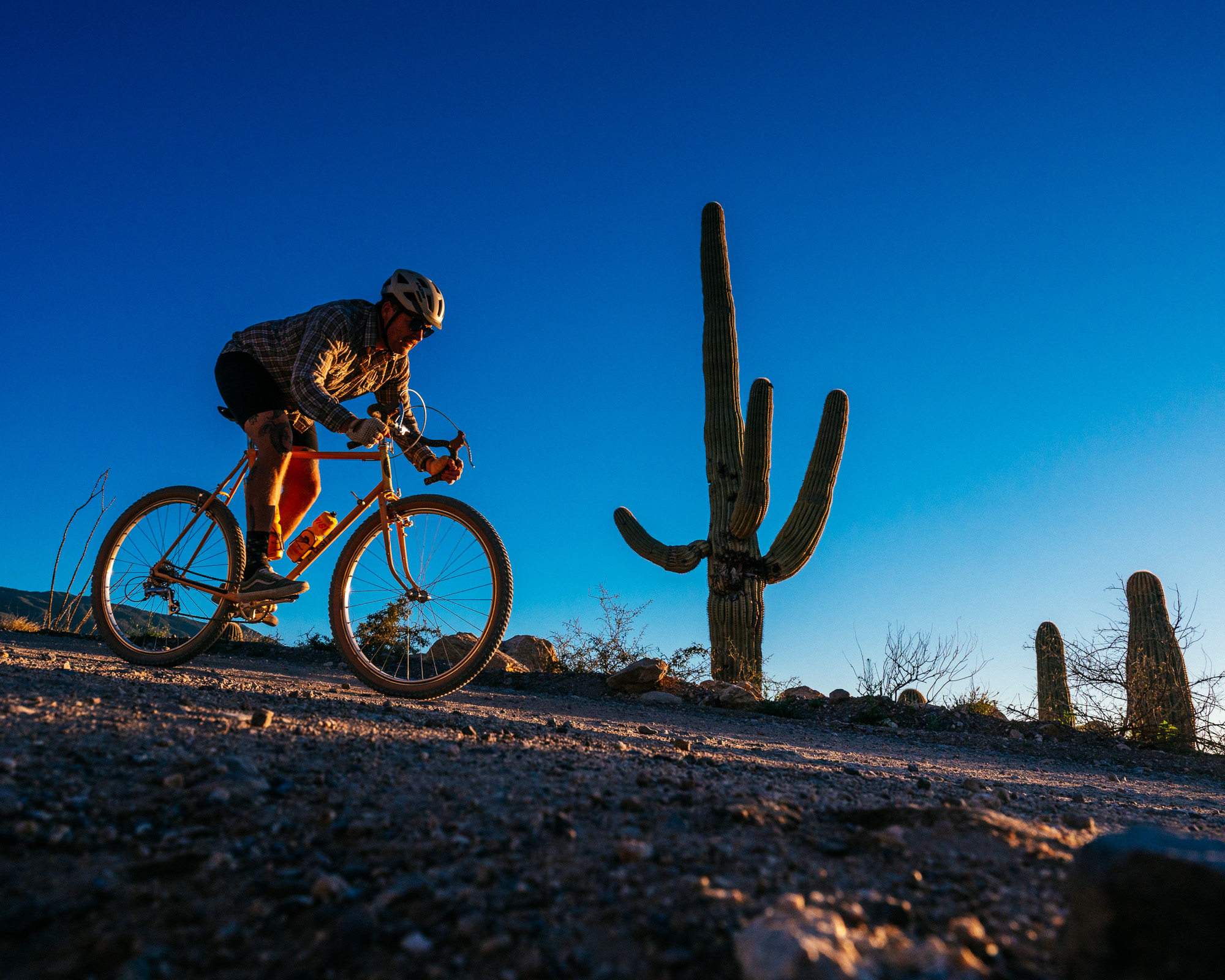

The benefits of this sizing include being able to comfortably ride in the drops, which, at the time, was necessary because the non-aero brake levers were not intended to be used from the top of the hoods. For optimal braking power, a finger or two from the drops is key. Being in the drops also made the barcon or downtube shifters of the era easier to operate, since you’re closer to each other while riding in the drops.
Since it’s a proper mixed-terrain bicycle, I like having a short stem to bring my hands back behind the front hub, too. A NOS 90 mm Cinelli Milano stem fit the bill. I still believe a frame sized like this is the best-looking and best-riding option. Modern road racing fit inspired modern gravel racing fit, and neither of which is appealing to me.
Plus, the stance of the bike just looks so well-balanced! Which is often hard to achieve on a size 62 cm frame.
Spirit of Steel
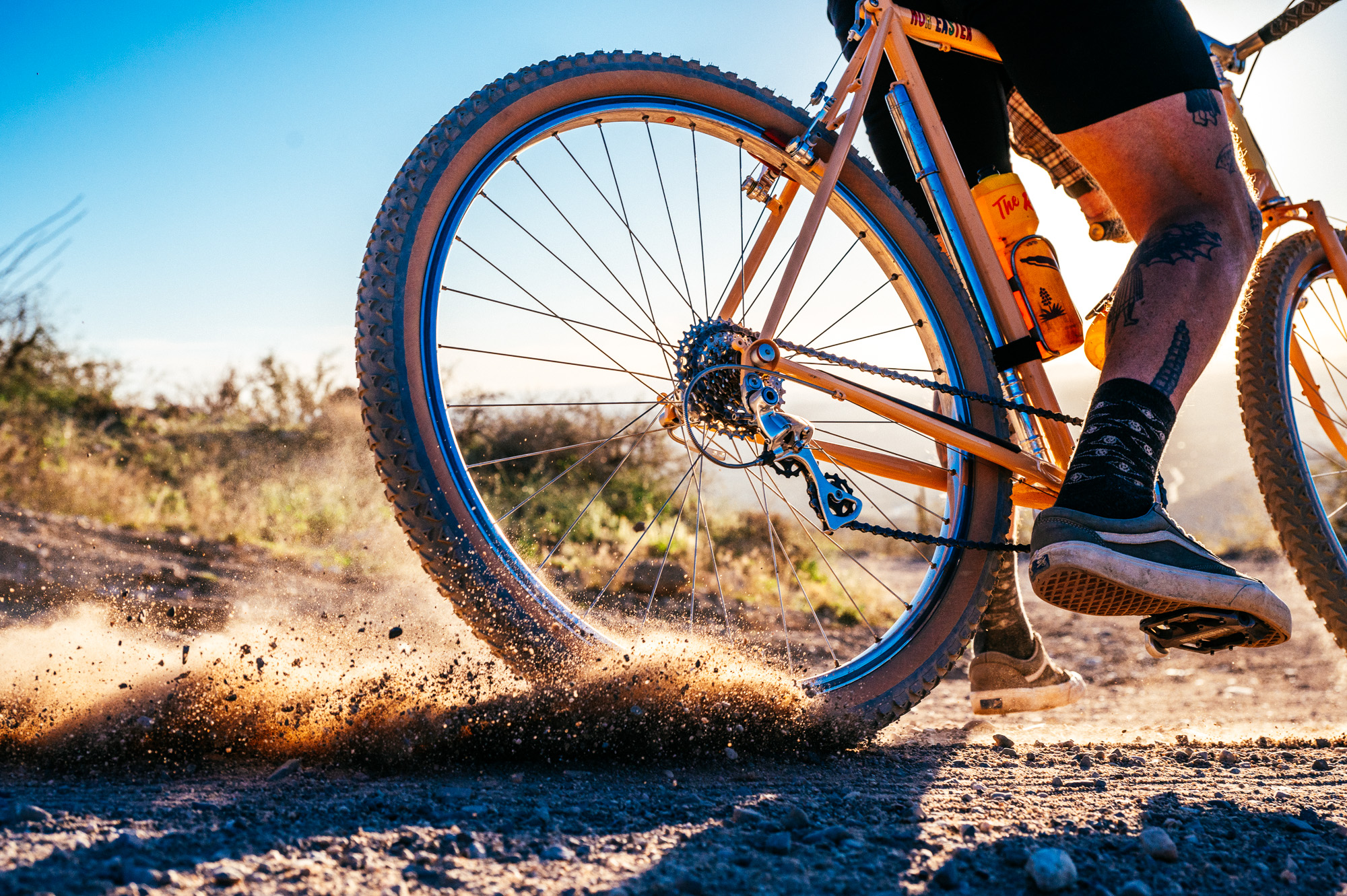
Now imagine a contemporary gravel bike that shows homage to those vintage road bikes and fattens up the fork and stays to clear big, modern tires. Keep the frame flex, the planing, and shimmying. Keep the dance. Keep the ceremony. That’s what the Nor’Easter represents: the spirit of steel.
Much like my old SLX-tubed Eddy Merckx bikes, the Nor’Easter uses smaller-diameter, butted tubing that is light and is engineered with flex in mind. This elasticity might be a bit much for some people – namely, my tall friends who can also throw a leg over the size 62 cm – who will immediately sway their hips and arms, forcing the bike into torsion. Each person has comments on how flexy the chassis is. I respond, “But when do you ride a bike like that, though?”
Steel, like every alloy, can be engineered to perform however you’d like. Those who’ve ridden Columbus MAX know it’s wildely different from SLX and how some aluminum bikes are ass-hatchets, while others are flexy. The same applies to titanium. Choosing tubing to achieve the ride quality a customer wants is a strong argument for bespoke bicycles.
So for Crust Bikes to make a production model that offers a spring-like ride quality, while sacrificing robust durability – i.e., over-engineering it for the masses – is a big risk. But it’s one that was worth it.
Nor’Easter Messaging
Having spent a good amount of time on spindly steel bikes over the years, I can look at a frame’s visual cues and understand its operating limits. The Nor’Easter fits a 2.6″ tire in the 29er configuration and a 2.8″ with 27.5 wheels. People often conflate big tires with mountain bike riding, but like the early French constructeurs, bigger tires – say, 650b by 48 mm – were used for comfort on longer rides and increased road damping as they were ridden in mixed terrain exclusively. This includes pavé and hardpack.
The Nor’Easter is not a mountain bike. It is a mixed-terrain bicycle, and in my opinion, this terrain ends when the road turns into rocky double and singletrack. It’s not an adventure gravel bike; it’s a gravel road bike.
I have a hard time contextualizing this with people who don’t understand that not all bikes are engineered to be ridden the same. It’s why I never rode my Bruce Gordon Monster Cross on rocky roads: when a frame flexes this much unloaded, it is not properly engineered to withstand the rigors of mountain biking and everything it entails. And it for sure isn’t meant to be loaded with front and rear racks and a week’s supply of touring necessities. Look at bikes like the Tumbleweed Stargazer for touring like that.
The Stargazer rides exceptionally well loaded down, but it doesn’t ride with the same light-footed sway as the Nor’Easter. They are different bikes.
No Racks, No Masters
The Nor’Easter is marketed as a bike designed to haul a “couple of days’ jaunt with everything you will need for a whimsical time,” but it doesn’t call it a fully-loaded touring bike. While most customer builds online, including Matt’s own bike, show handlebar bags and saddle bags, there have been a few builds floating around online that show them fully-loaded with front and rear racks. This is the problem with rack mounts. People will overload them.
A good analogy is a car’s payload, or the amount of weight it can tow. A Subaru Outback can’t tow as much as a Ram 3500. Bikes follow the same line of reasoning. The Nor’Easter is not a Stargazer. Payload is also why racks have weight limits and require a tether strap, securing the handlebars to the tongue loop.
Unfortunately, I don’t believe Crust has been very clear in its messaging about this frame’s engineering, and people want rack mounts on everything. However, if Crust were to over-engineer the Nor’Easter to handle fully-loaded touring, it would kill what makes the bike so special to me. It’s through this reasoning that I wish the frame omitted rack mounts altogether.
I understand that many people want one bike to do everything, and that is the main motivation for touring on a gravel bike. But it’s also my opinion that not all bikes need to have a dozen use cases. It’s why I’ll always recommend a legit touring bike, designed to withstand a lot of added weight, rather than overextending a bike’s engineered limits.
I decided while building this bike up that it would function as a gravel road bike. Most of the miles were on hardpack gravel paths and graded roads. I have my Ponderosa for the chunky stuff, and legit mountain bikes for everything else. The few times I took the Nor’Easter into drop-bar MTB or adventure gravel terrain, it became quickly apparent that the bike is not intended to be wielded in such a way. Bear in mind, I’m a 6’2″, 200 lb human.
Custom? No, Crust!
Like Tay’s epiphany when comparing the Ritchey Montebello to her Rock Lobster, I’d entertained having a very similar bike to the Nor’Easter be made by Chris Bishop. I’d even given him a deposit for one. But when I received the Nor’Easter, I quickly realized it was the very bike I’d commissioned Chris to make. The team at Crust really nailed it on this one. Even on cafe rides throughout the year, people have asked if the bike was custom or bespoke, and when I tell them it’s a $1,200 frameset from Crust Bikes, they’re amazed.
Like (most) all frames, these are handmade, one at a time, in a small factory in Taiwan. They’re made from tubing Matt and Garrett select, and the colors are designed by Cheech, who often reaches out to other artists to design the graphics. Many humans go into making these frames, and it shows. Matt once joked with me that his frame dealer in Taiwan was astonished that he wanted a different cast head badge for every frame in the Crust catalog, joking how it was “going to be very expensive!”
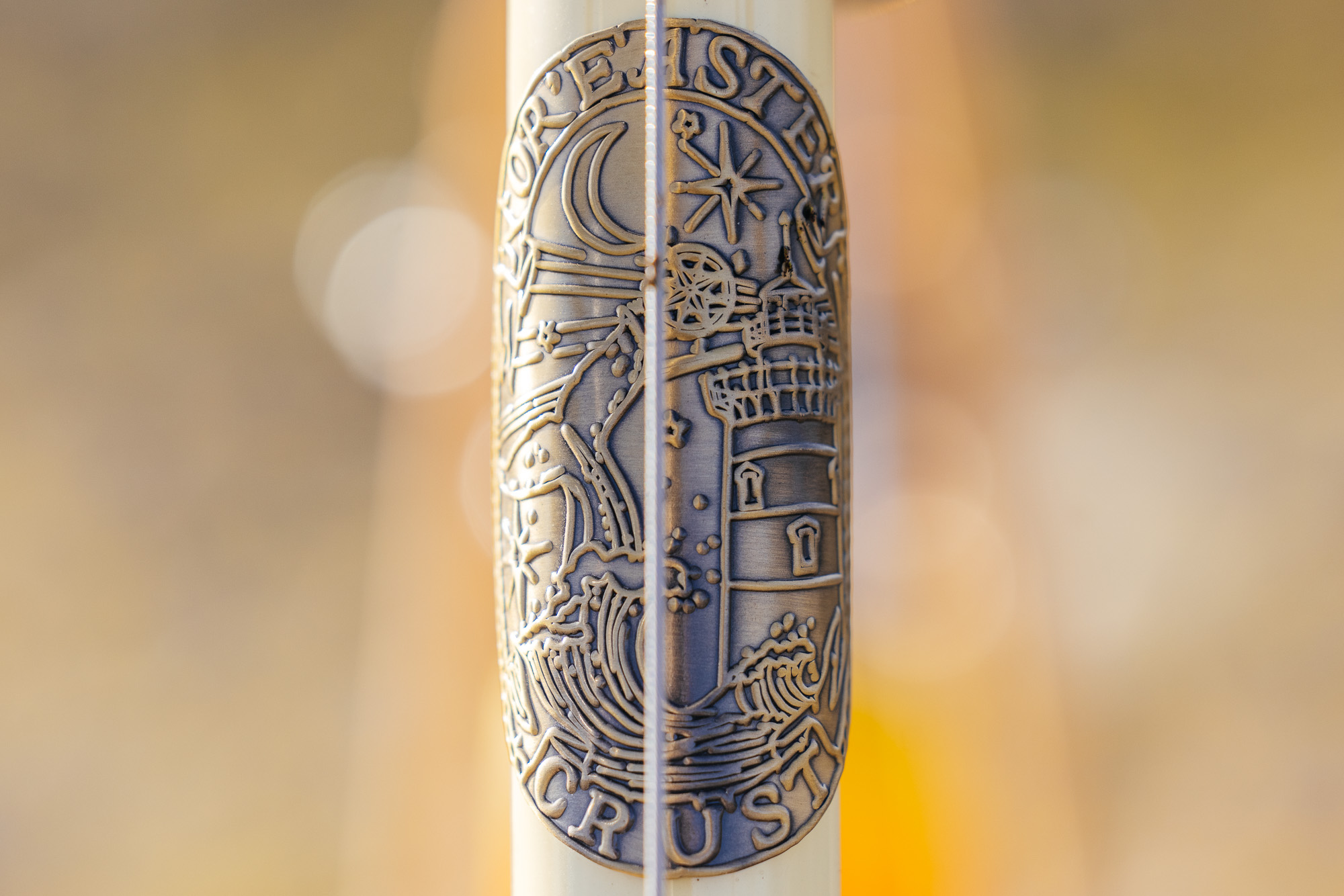
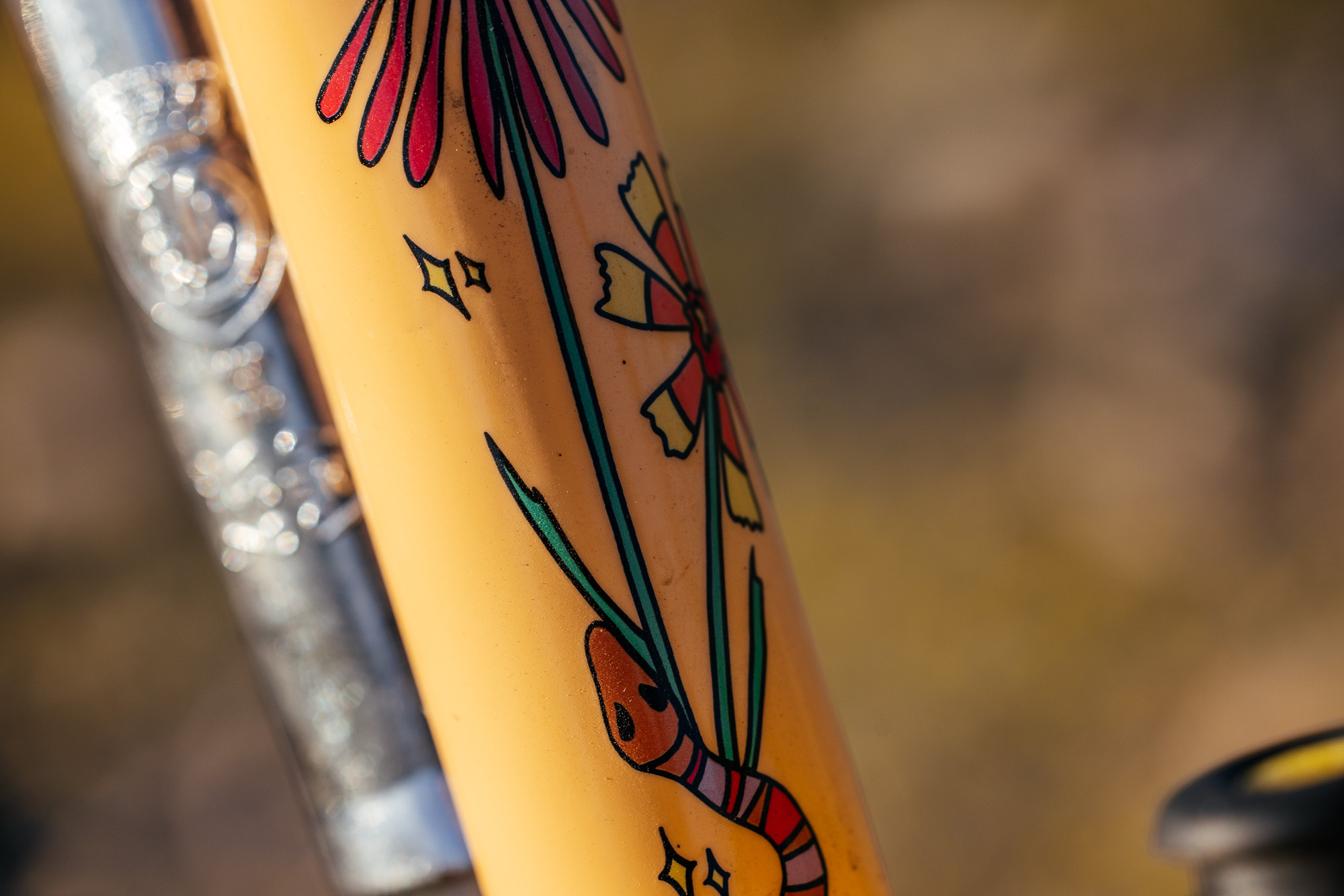
It’s these details – like those model-specific headbadges and unique bike artwork – that make a Crust Bike feel less like a cookie-cutter production frame and more like a custom bespoke offering.
Matt, the founder and co-owner of Crust Bikes, told me they’re in the middle of a brand catalog culling, and the Nor’Easter is on the chopping block. He didn’t go into why that was, and I agree that culling SKUs is a smart move, but it really breaks my heart because this bike is the fucking best production gravel bike I’ve ridden. I don’t say such things without understanding the weight those words carry. It’s true. I can’t think of another bike that feels as good as the Nor’Easter.
Ride Quality: Climbing “In/On/Atop”
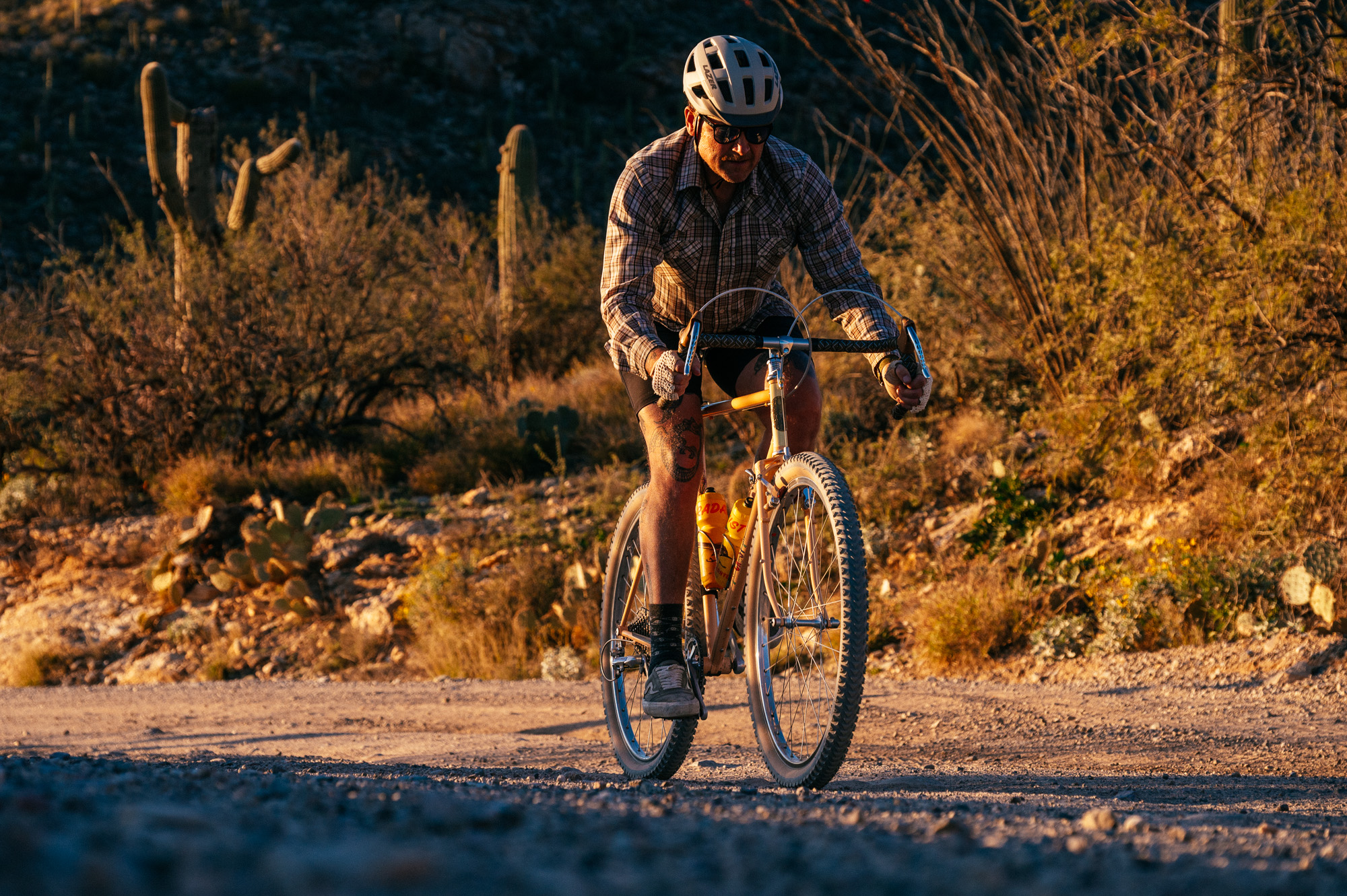
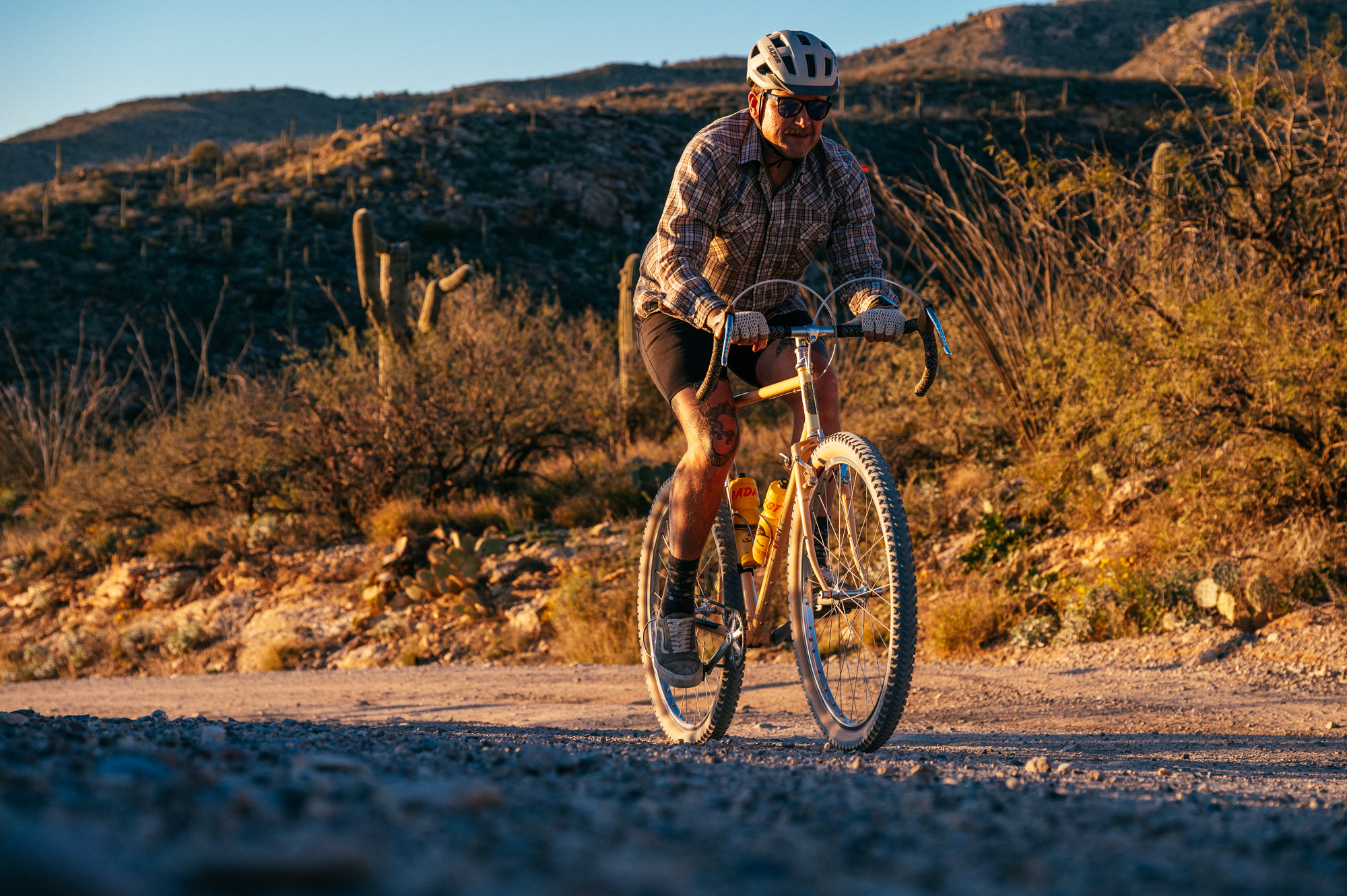
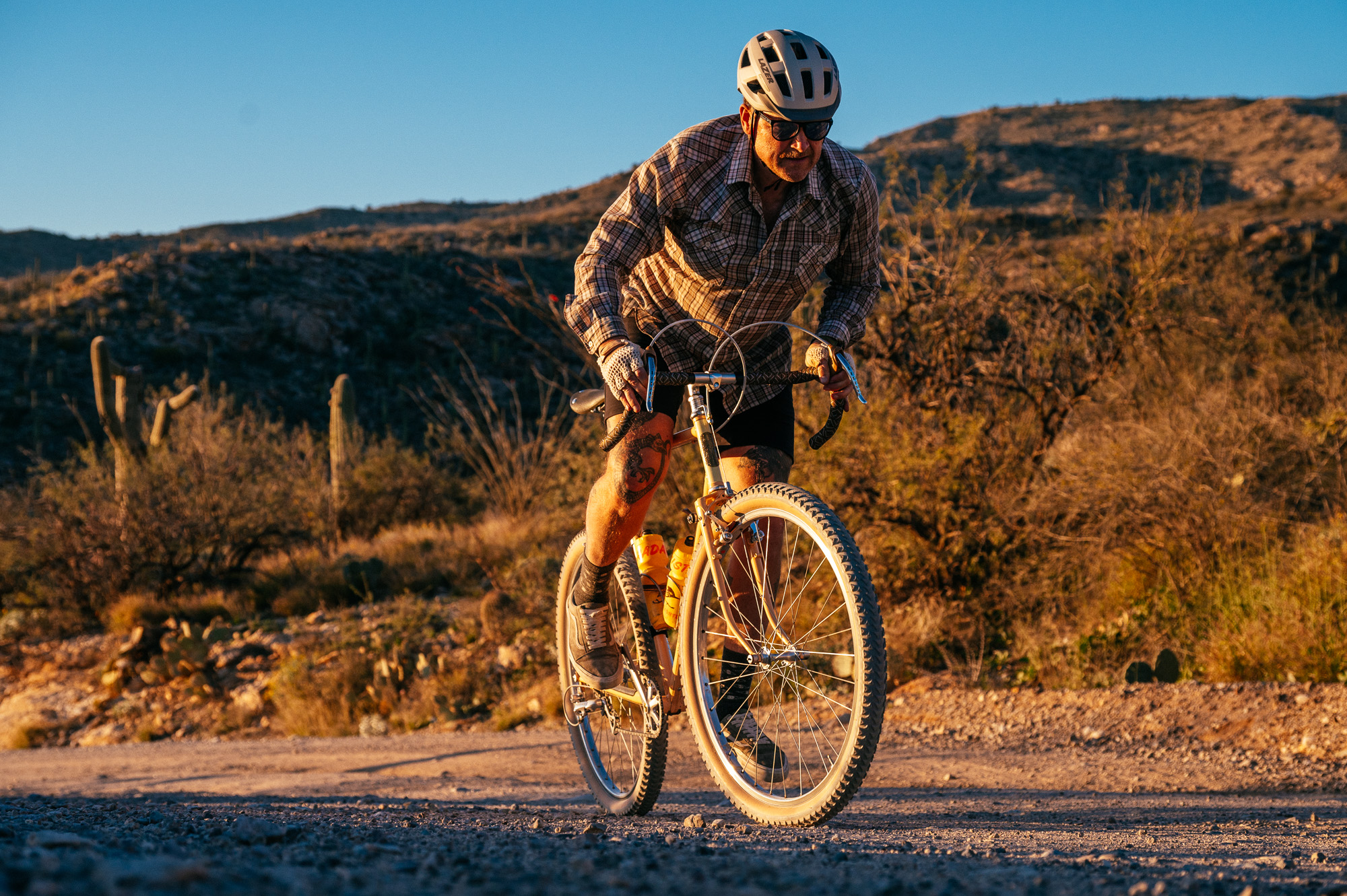
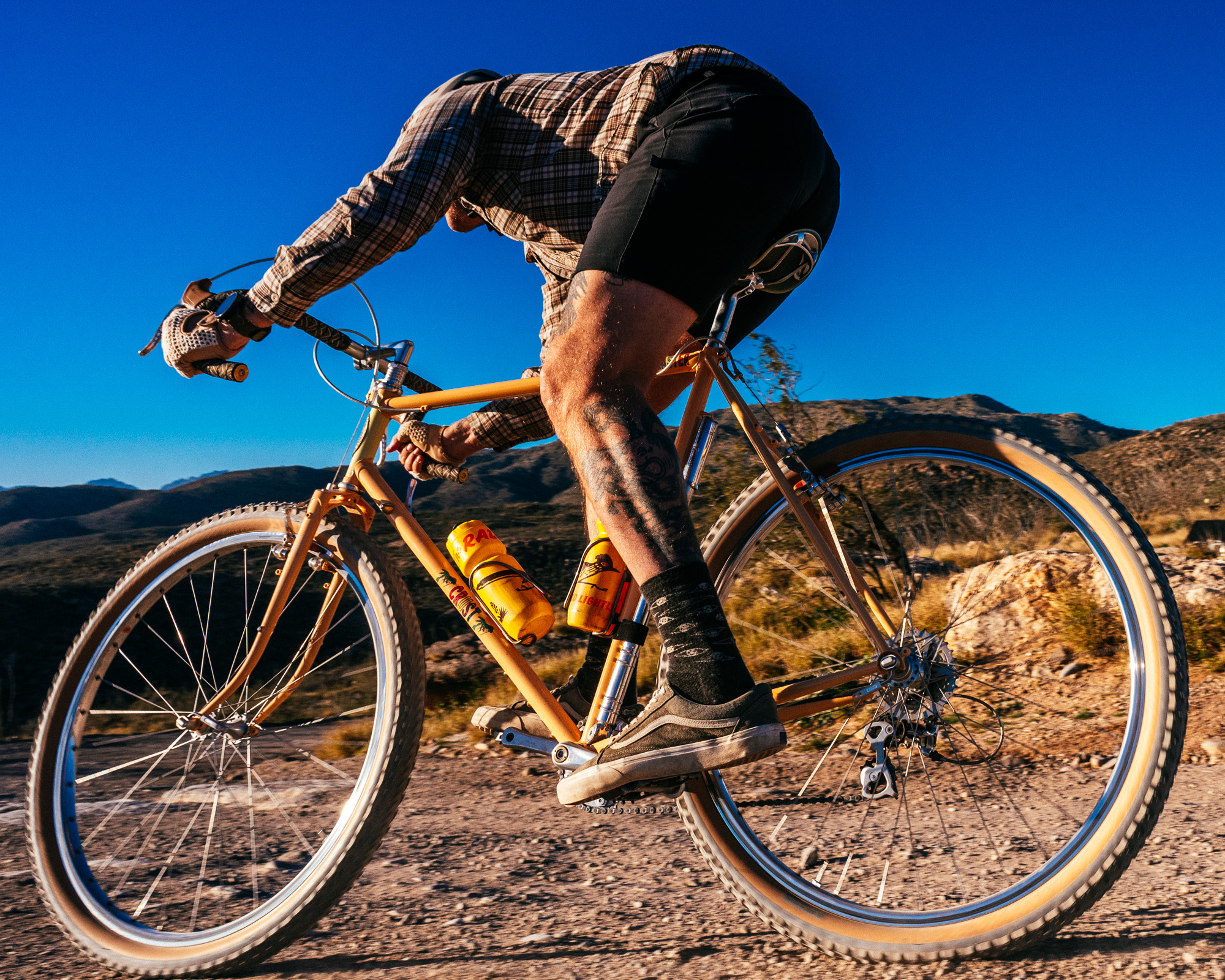
With a classic-sized frame, you’re given the option of three riding positions: either in the drops, putting in watts, on the tops, resting, or on the hoods, out of the saddle, grinding out all the traction you can afford. With my bike fit on the 62 cm frame, each of these positions was utilized on every ride. Being in the Southwest means we get a lot of spring winds, and being stuck 20 miles outside of town in a headwind, going up a long, 1000′ climb back home, I spent a lot of time in the drops, trying to get as low as possible.
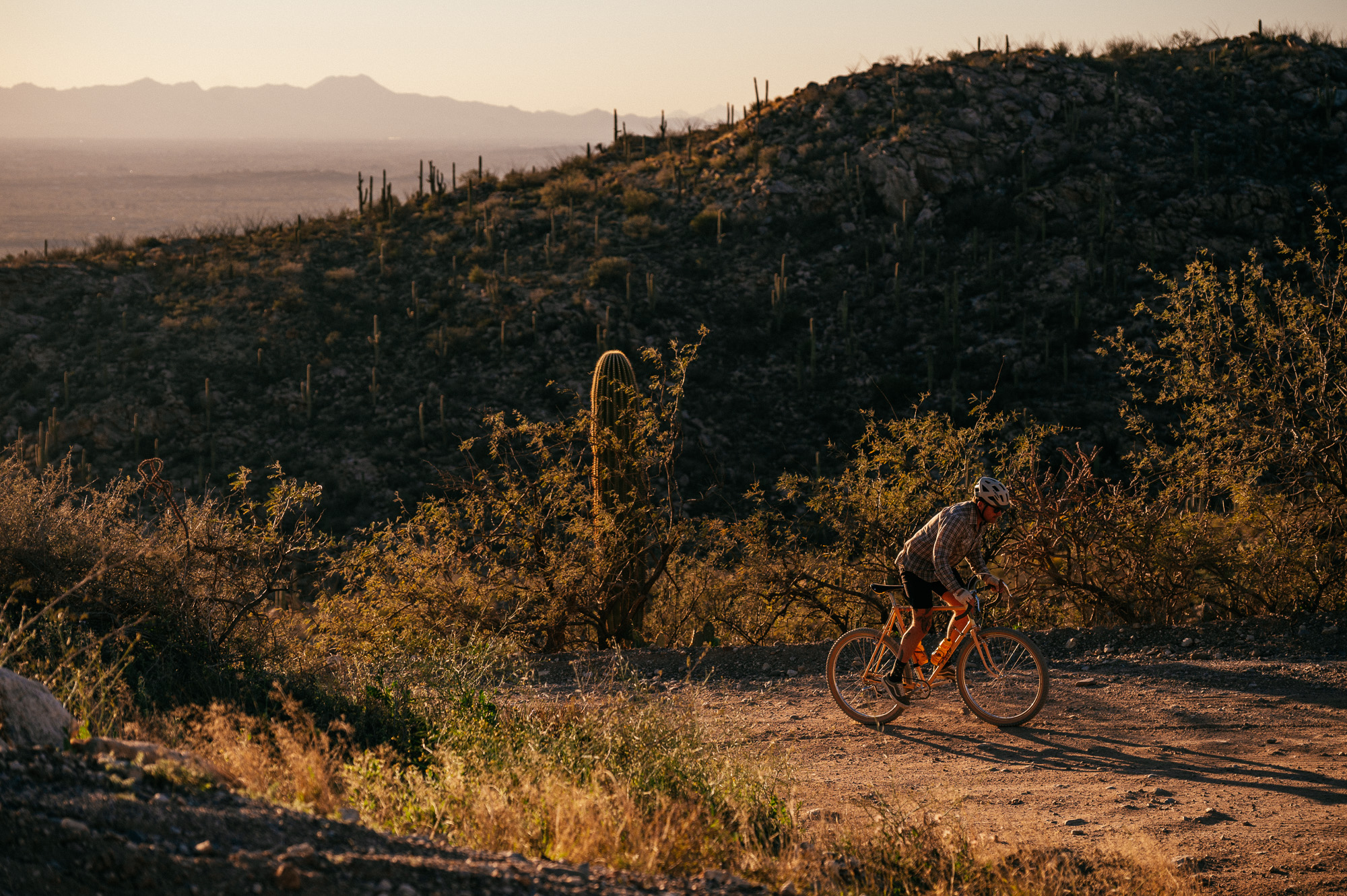
Then, when riding up Pacheco Canyon in Santa Fe or Salero Canyon in Patagonia, I would switch between these three positions frequently, depending on road quality and pitch. Unlike a modern gravel bike with a lot of saddle to bar drop, riding in the drops is nice to stretch out your back muscles and open your hips on climbs. Having these three positions at your disposal is what makes bikes like the Nor’Easter stand out from a sea of modern gravel machines.
Where it excels, however, is on the descents!
Ride Quality: Descending “In”
I won’t waste time mincing words here. This bike fucking rips on the descents. The mid-to-low tail front end is snappy enough when you need it to be and stable enough underfoot when you want to tuck in for speed hauls. It turns with predictable security and snaps around and over any sort of ruts. The fork flexes with an oscillation that’s bound to make your riding mates comment. “Dude! Look at how much your fork is flexing!” That’s called planing, bud.
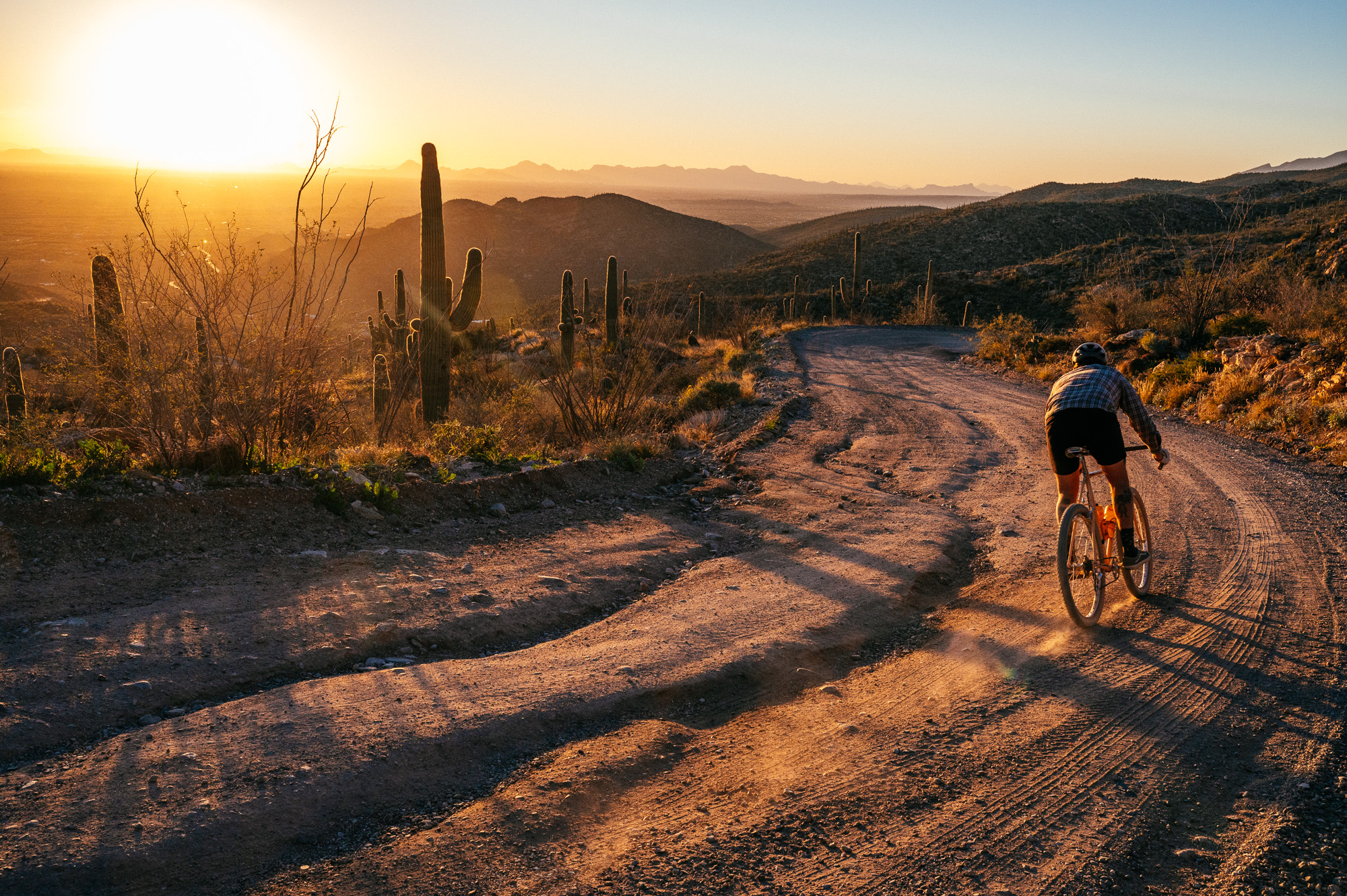
I’ve never left a ride on the Nor’Easter feeling beaten up. The 1″ quill stem flexes while you’re out of the saddle, and the wide bars give plenty of leverage for mashing on the pavement back home. Tucking into the frame, within the drops, one or two fingers on the brake lever give you complete control. My size 62 cm has a lot of bottom bracket drop, yet I never found myself catching my pedals on rocks or while pedaling through turns. Rather, my body is locked “in” the frame.
Being able to shift weight on banked turns and press into the bottom bracket, feeling the slightest sway, is a sensation I wish every carbon-bike-riding gravelleur could feel and vibe with.

TL;DR
When wrapping my head around this review, my critiques, and my praises, I wanted to shoot it in a terrain I felt it would appear symbiotic with. Bikes like this were designed for rough Southwestern roads. Gravel out here is rough, rugged, and under-maintained. Big, plump, high-volume tires smooth the washboarded corrugations, alleviate your wrists from the constant blasting of sedimentary rock and ruts, and the frame’s flex dances with you on your out-of-the-saddle efforts.
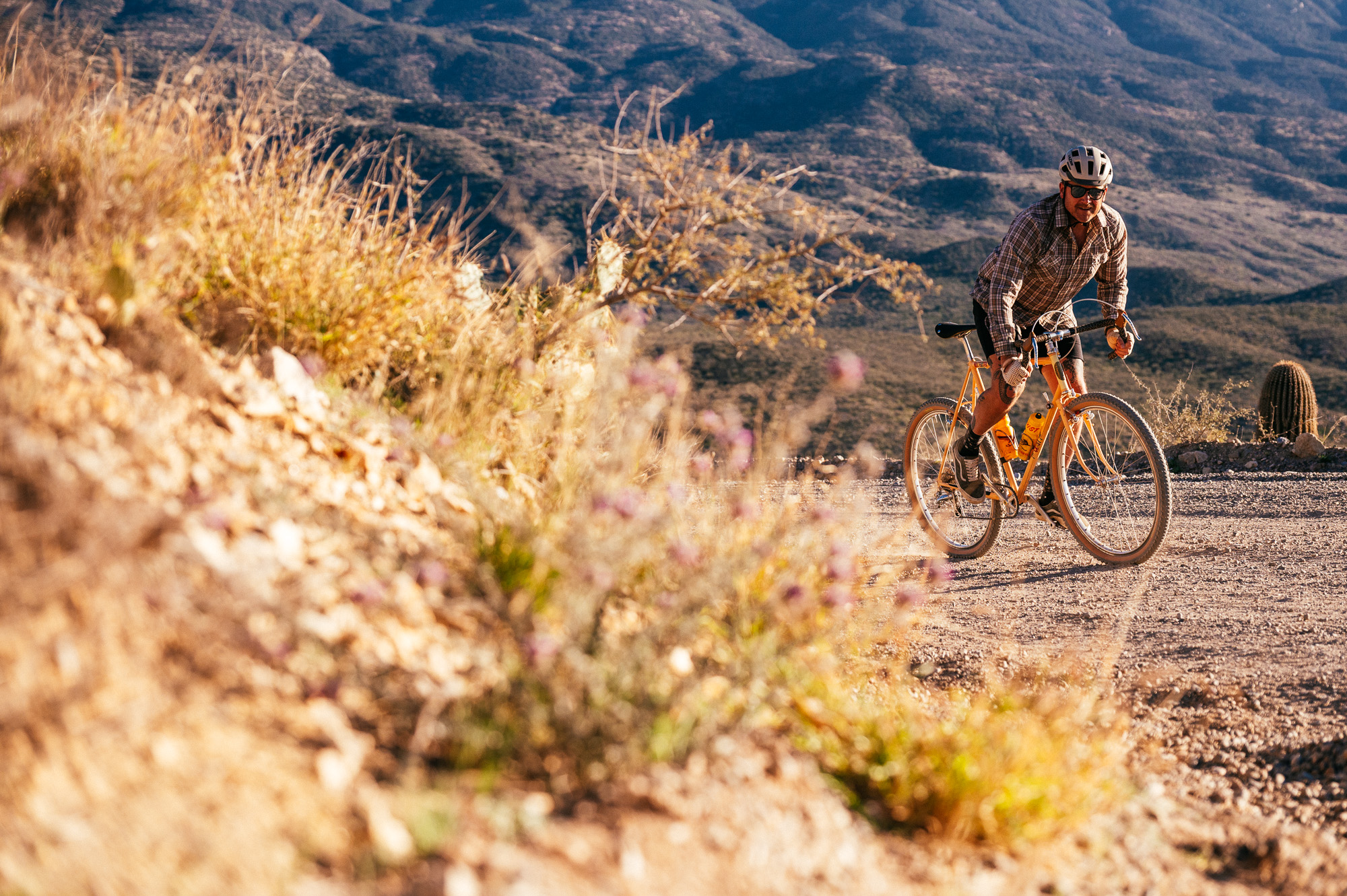
Much like my ode to vintage road bikes I penned six years ago, the Crust Nor’Easter is the gravel bike that you didn’t know you needed, but you’ll never regret owning. It might be as tricked out or as flashy as modern carbon bikes, but it laughs at the absurdity of their pinched chainstays and obtuse saddle to bar drop.
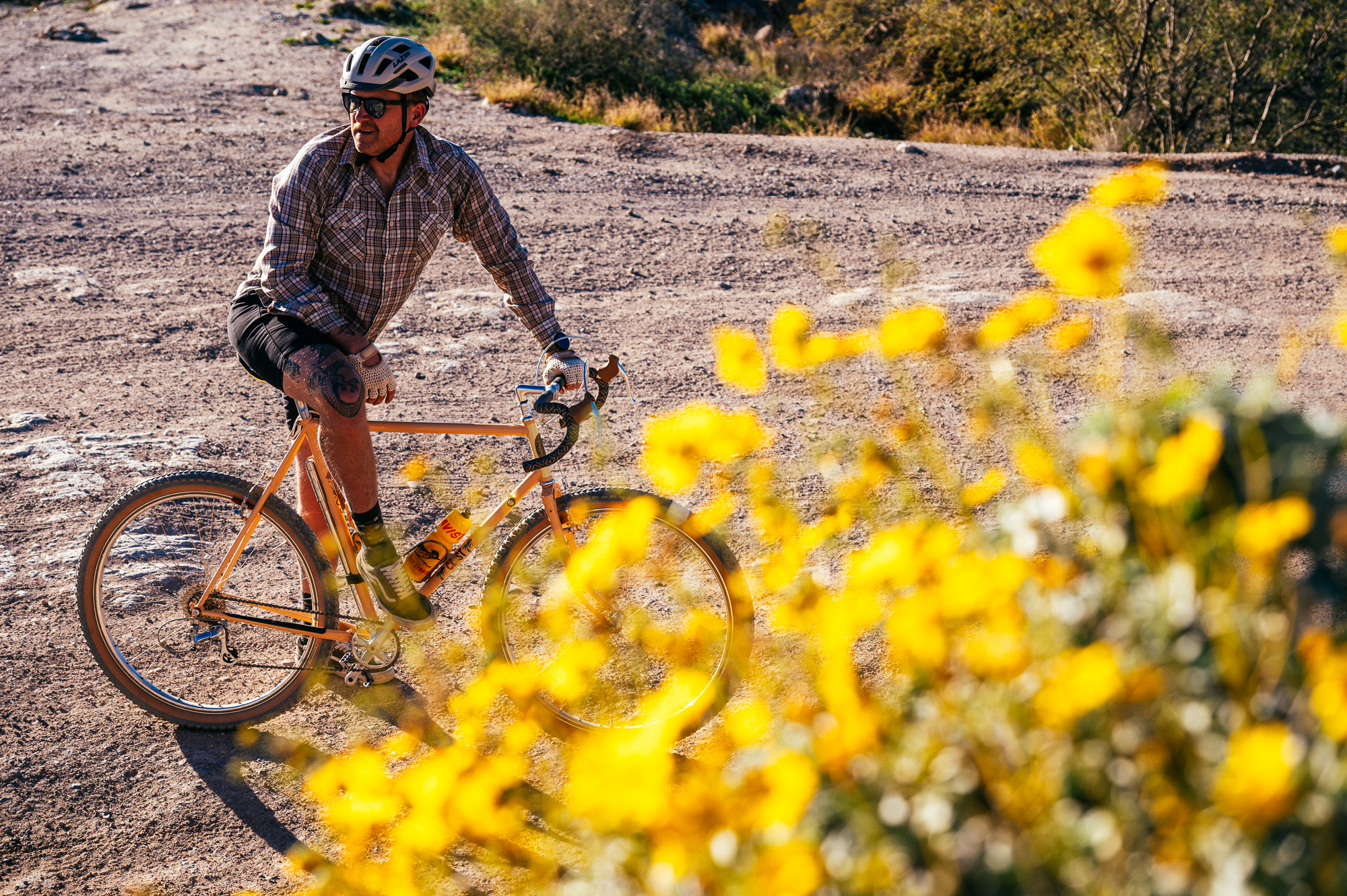
My only critique is the rack mounts, only because people will always overload racks, and overloaded racks on inappropriate terrain is the Achilles heel of flexy bikes like the Crust Nor’Easter. This, to me, is not a fully-loaded touring bike. It’s a proper mixed-terrain bicycle, and it thrives on hardpack gravel, leaving the rougher stuff for bikes that are over-engineered to take a beating. If you are going to take it camping, be sure to load it lightly.
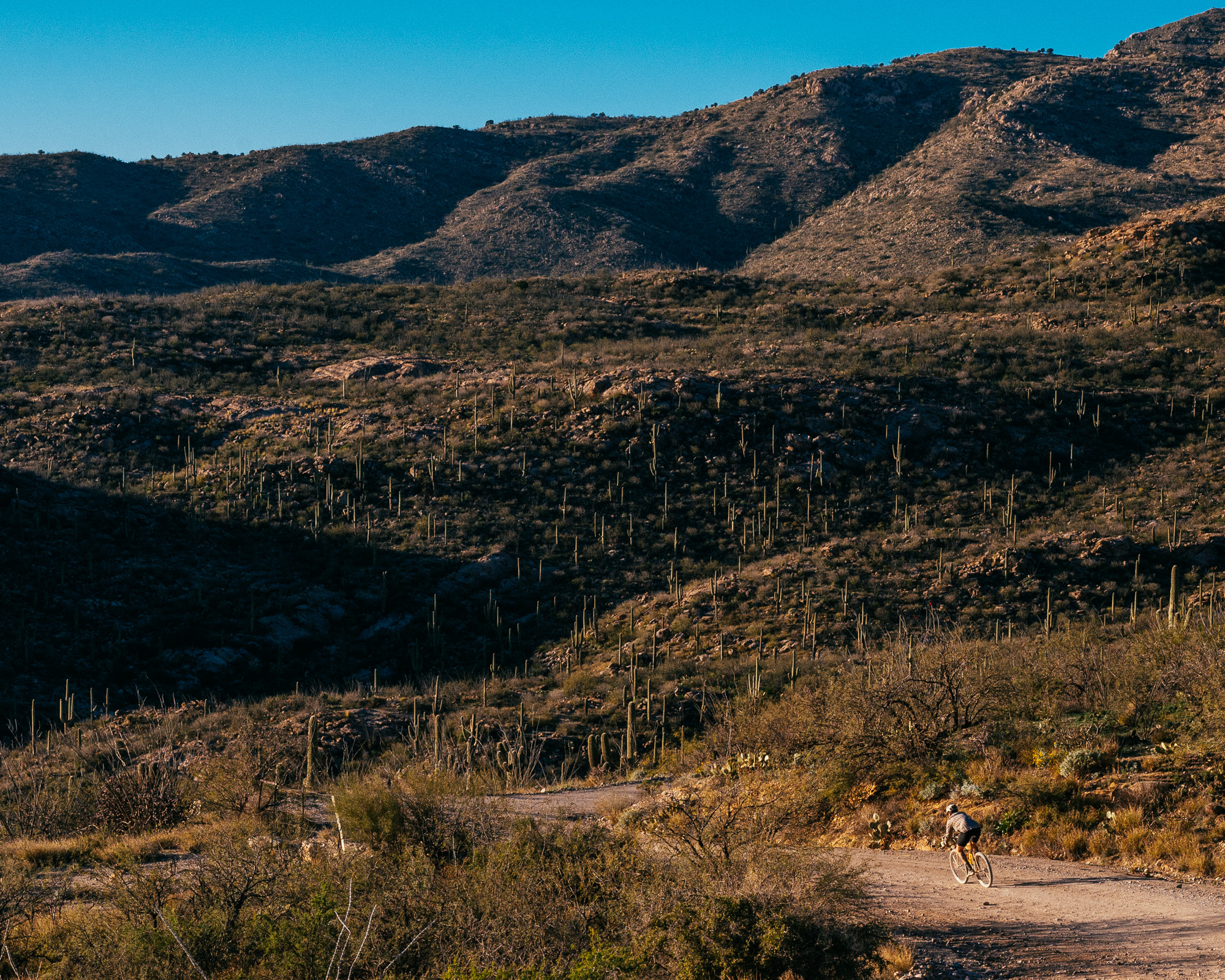
Crust has for sure designed the finest production gravel bike I’ve ridden. And while it will take some people a bit of deprogramming to catch the drift, when they do, it’s hard to deny the allure of skinny tubes and fat tires.
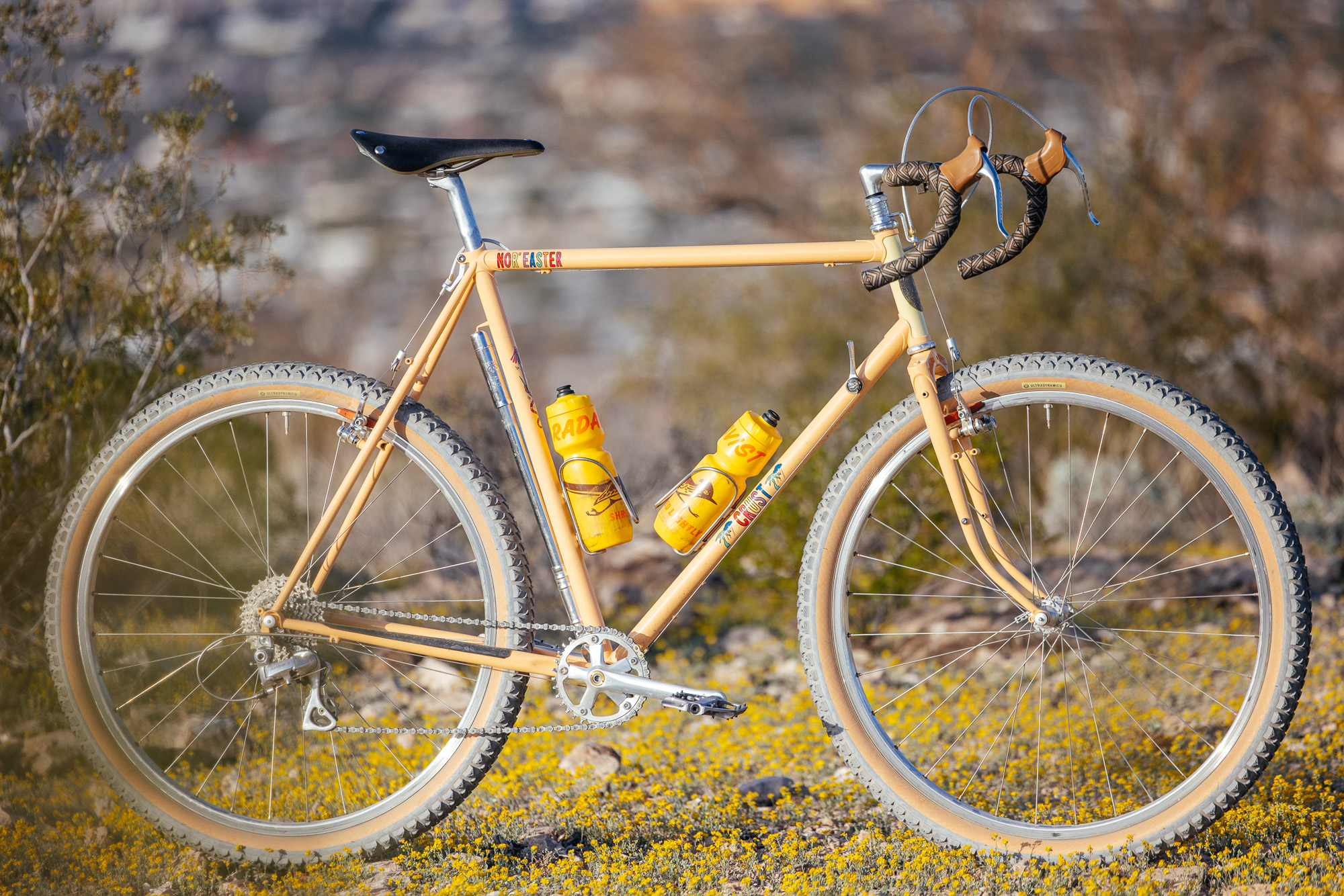
So yes, lay waste. To pinched tire clearances. Plastic, obtuse tubing. Internal routing. Electronic shifting. And embrace rim brakes. Feel the flex of classic tubing diameters. Seek a cush pedaling demeanor. And worship at the church of the spirit of steel.
Act fast, as Crust Bikes only has 20 framesets left.
Pros
- Lightweight, classic frame
- Flexy feel
- Awesome tire clearance
- Custom or bespoke details in a production bike
- Affordable for what you get
Cons
- It’s going away! Crust Bikes has only 20 left in stock.
- Rack mounts send mixed messaging; it’s not a heavy-duty touring bike
- Finding wheels to fit the rim brake model is harder, but not impossible
See more at Crust Bikes.