
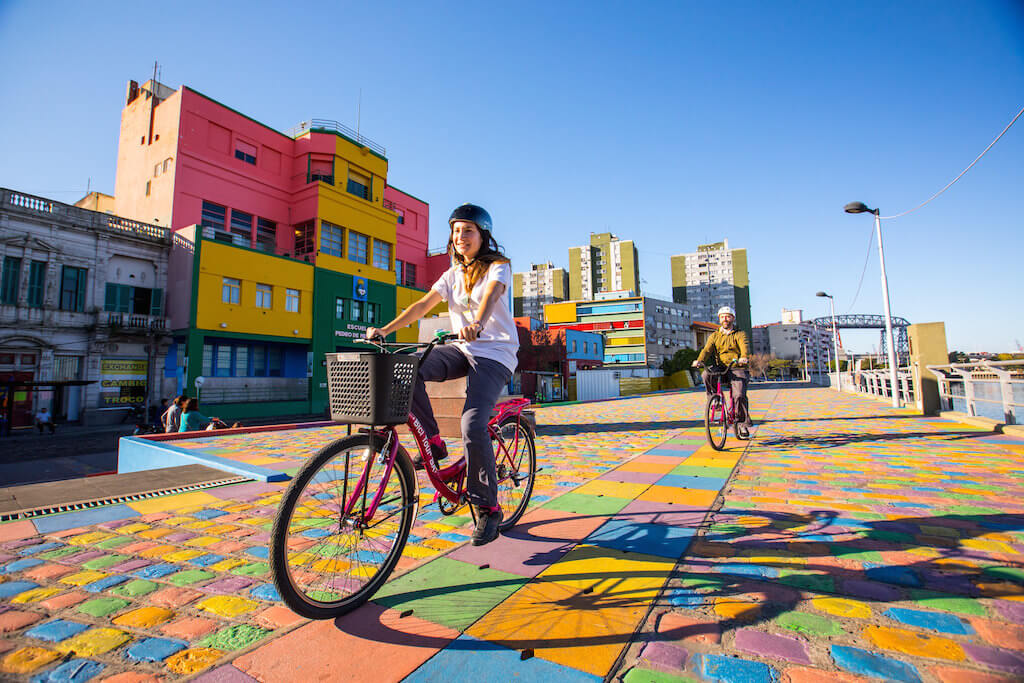
For decades, Canadian winter meant the same predictable migration. When the snow piles high, the days shrink, and temperatures dip into bitter cold, countless Canadians reach for plane tickets bound for Florida or Arizona. It is, in a sense, ritualistic: beaches, warm air, and the familiar rhythm of snowbird life. But recent years have introduced friction into this routine. Political tensions, tariff talk, and the unpredictable shadow of Donald Trump’s return to the public stage have added a significant layer of uncertainty.
For Canadian cyclists, this hesitancy has sparked curiosity—and opportunity. With Florida and Arizona suddenly feeling more like default options than irresistible destinations, the adventurous eye turns south. Latin America, long overlooked by casual winter travelers, has emerged as a revelation. Here, the streets themselves are designed with cyclists in mind; riding a bike is not a recreational novelty but a legitimate mode of daily life.
Using the Copenhagenize Index, which evaluates cities worldwide on cycling infrastructure, culture, and safety, five cities rise to the top as winter-friendly escapes. Each offers warm sunshine, cultural richness, and streets ready to be explored at human pace.
These are cities where Canadians can cycle the day away, eat, sightsee, and live like locals—all while leaving the snow, politics, and winter jackets behind.
Niterói, Brazil
Crossing Guanabara Bay from the frenetic energy of Rio de Janeiro, Niterói feels almost like a secret revealed. While Rio dazzles with its iconic beaches and carnival spectacle, Niterói is quieter, greener, and measured in a way that makes cycling both easy and endlessly rewarding. Arrive in January or February, and the city is awash with tropical light: golden sun over turquoise water, gentle breezes off the bay, and streets alive with residents on bikes, rollerskates, and casual strolls.
Cyclists find themselves drawn to the Orla de Icaraí, a four-kilometer coastal promenade where the Atlantic meets the city. Protected lanes hug the shoreline, offering glimpses of Rio’s skyline across the bay. Morning rides are best, when the sun casts long shadows and the city awakens slowly. Midday, a stop at Café do Forte or Solar do Jambeiro provides fresh coffee and light fare, ideal for stretching legs before venturing into the hills. From there, Parque da Cidade beckons with panoramic vistas; climbing its winding roads rewards riders with sweeping views of the bay, the city, and beyond.
For longer explorations, Itacoatiara Beach offers a 15-minute ride to sandy stretches where waves break gently and local surfers weave between cyclists and sunbathers. Historical sites such as Forte de Santa Cruz add cultural texture to a ride that is at once physical, aesthetic, and cerebral. Evening rides along the waterfront, when the heat softens and local families stroll along the boardwalk, highlight Niterói’s singular rhythm: it is a city built for bikes, but also for living, seeing, and savoring.
Where to Stay: Hotels like Solar Porto Atlantico or Niterói Praia Hotel provide secure bike storage and easy access to waterfront lanes. Both welcome cyclists with flexible breakfast hours, bicycle repair kits on request, and routes mapped for exploration.
Bogotá, Colombia
High in the Andes, Bogotá enjoys a spring-like climate year-round, making it a rare city where Canadians can escape winter without trading snow for stifling heat. Temperatures hover between 18 and 22°C, with minimal rainfall during the winter months, creating perfect conditions for cycling through both the city’s bustling neighborhoods and its serene parks.
The city is legendary among cyclists. Every Sunday, Ciclovía closes more than 120 kilometers of streets to cars, allowing locals to run, rollerblade, or simply pedal freely. But cycling is not confined to Sundays. Protected lanes along Carrera 7and Calle 26 form an integrated network connecting commercial districts, parks, and residential neighborhoods. Bike-share stations are ubiquitous, and locals ride in all seasons, demonstrating that a bicycle here is more than recreation—it is daily life.
Cyclists can explore La Candelaria, Bogotá’s historic heart, with its colorful colonial architecture and narrow cobbled streets. Café stops such as Abasto Café or Devoción provide respite and craft coffee. For a cultural interlude, the Gold Museum or Botero Museum are easily accessible on two wheels. For those seeking a challenge, Monserrate rises above the city. The ascent is steep but manageable, rewarding riders with panoramic views of sprawling Bogotá below and the Andes in the distance. Evening rides along Parque Simón Bolívar offer a more relaxed tempo, weaving through lush greenery, lakes, and paths lined with joggers, families, and fellow cyclists.
Where to Stay: The Click Clack Hotel cater to cyclists with secure bike storage, maps for local routes, and easy access to protected lanes.
Riding the weekly Ciclovía in Bogotá (Photo by Aaron Naparstek)
Fortaleza, Brazil
Fortaleza is the embodiment of a tropical cycling dream. Situated along Brazil’s northeastern coast, the city offers near-constant sunshine, warm temperatures in the mid to high 20s, and a coastline that seems custom-made for casual, scenic riding.
Cyclists quickly find themselves drawn to Av. Beira Mar, a wide avenue that traces the beachfront. Early morning rides offer a quiet city gradually coming to life, with vendors setting up food stalls, joggers pacing the sidewalks, and surfers heading out into the waves. The route from Praia do Futuro to Meireles is ideal for those seeking distance or casual leisure. Along the way, cyclists can pause at cafés offering fresh coconut water, açaí bowls, or tropical fruits that reflect Fortaleza’s flavor-rich culture.
For inland excursions, Parque do Cocó provides shaded paths and varied terrain for an alternative to coastal roads. Cultural landmarks such as Dragão do Mar Center for Art and Culture invite exploration, and the city’s nightlife, including open-air cafés and small restaurants, complements daytime cycling.
Where to Stay: Gran Mareiro Hotel offers bike rentals, close proximity to coastal rides, and concierge tips for cyclist-friendly routes.

Fortaleza, Brazil
Guadalajara, Mexico
Guadalajara is a city that comes alive during winter. Dry air, bright sun, and clear skies create an environment perfectly suited to cycling. Infrastructure improvements have made protected lanes more extensive, and bike-share programs make short and long trips alike seamless.
Riding along Avenida Chapultepec immerses cyclists in the rhythm of the city: cafés spilling onto sidewalks, boutique shops beckoning, and local residents moving at a human pace. Bosque Los Colomos offers leafy paths, shaded trails, and quiet spots for a picnic or rest. Beyond the city, the agave fields surrounding Tequila beckon for day rides, where long stretches of open road and rolling countryside reward adventurous cyclists with both scenery and solitude. The arts district of Tlaquepaque is accessible via bike-friendly streets, where cobblestones, colorful buildings, and artisan shops invite slower exploration.
Dining is an integral part of the ride. Stop for tacos al pastor at street-side stands, or savor regional specialties at cafés and local eateries. Guadalajara’s blend of cycling infrastructure, culture, and culinary life creates a dynamic, immersive experience for Canadians seeking warmth, activity, and authenticity.
Where to Stay: Casa Habita offers free bicycles and Hotel Demetria provides secure bike parking, both having access to protected lanes, and concierge services familiar with local cycling routes.

Sunflower Tour Guadalajara (Guadalajara Tourism)
Buenos Aires, Argentina
Buenos Aires, sprawling across the pampas and kissed by the Rio de la Plata, shines in the Southern Hemisphere summer. January brings long days, golden evenings, and streets alive with cyclists, pedestrians, and café culture. Flat terrain, expansive parks, and growing networks of protected bike lanes make it a city designed to be explored by pedal power.
The EcoBici system allows visitors to pick up bikes and move seamlessly between districts. Coastal rides along Costanera Sur and Puerto Madero provide uninterrupted waterfront paths with spectacular views of the river and city skyline. Neighborhoods like Palermo, Recoleta, and San Telmo reward slower exploration, offering parks, historic architecture, and street art around every corner. Cyclists can pause at legendary cafés such as Café Tortoni, or enjoy a parrilla at Don Julio, where bike racks are plentiful and staff welcome cycling patrons.
Buenos Aires’ rhythm is inseparable from the ride. Pedaling through colorful La Boca, exploring galleries in San Telmo, or cruising tree-lined streets in Palermo feels less like touring and more like participation in the city’s heartbeat. Evening rides along quiet streets lined with jacaranda trees provide a contemplative close to days spent in sun and warmth.
Where to Stay: Mine Hotel Boutique or Hub Porteño offer bike storage, rental options, and easy access to EcoBici stations and popular urban routes.
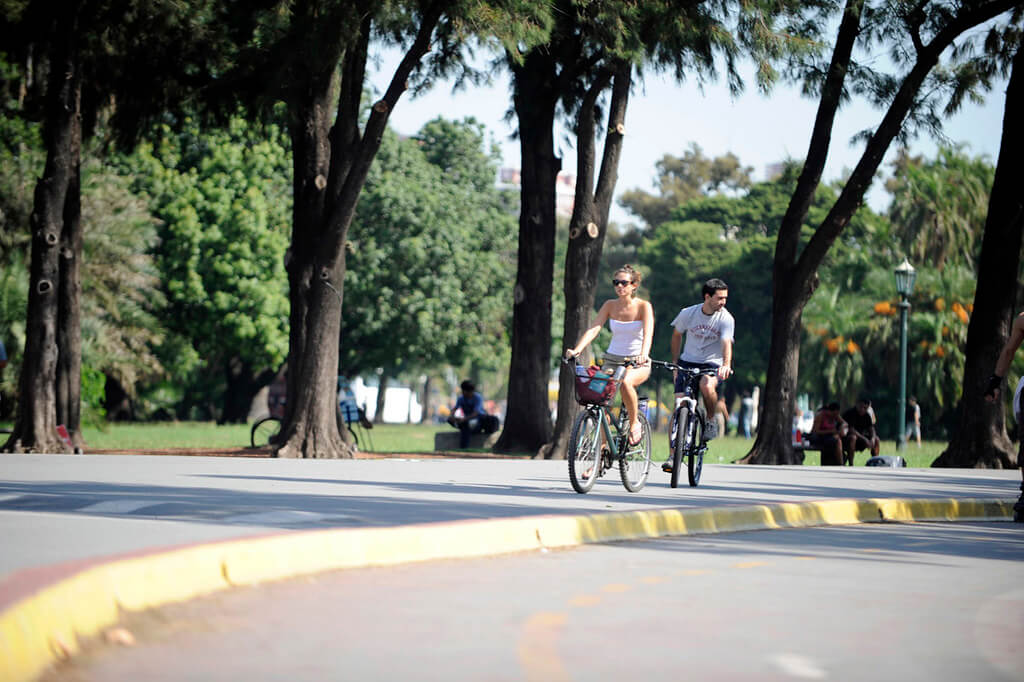
Cycling in Buenos Aires
For Canadians reconsidering the traditional Florida or Arizona escape, Latin America offers more than warmth. It offers cities where cycling is cultural, practical, and deeply woven into daily life. From the tranquil streets and waterfronts of Niterói to Bogotá’s high-altitude climbs and civic embrace of bicycles, from Fortaleza’s tropical coastlines to Guadalajara’s cultural tapestry and Buenos Aires’ expansive boulevards, the region presents a compelling alternative.
Here, winter is no longer a season to endure but an invitation to explore. Every ride becomes a window into culture, cuisine, and urban life. For Canadian cyclists, this is more than travel—it is the perfect winter reimagined, where bicycles, sunshine, and curiosity intersect to create unforgettable journeys.