British boxing promoter Frank Warren and his company Queensberry Promotions are preparing or have initiated legal action that could seek up to $1 billion from Dana White’s parent outfit, TKO Group Holdings, and the Saudi‑backed events group Sela, whose chairman is Turki Alalshikh. The dispute centers on the formation of Zuffa Boxing, a new boxing promotion co‑fronted by White and Alalshikh, allegedly built on agreements that Queensberry says were circumvented or violated.
Core legal claims
Queensberry’s position, as reported by several outlets citing legal documents and correspondence, is that it entered an exclusive operational agreement with Sela in September 2023, under which Warren provided boxing expertise as the Saudi‑owned company sought to enter the sport. Around the same time, Queensberry also claims it had a separate agreement with TKO, the combat‑sports parent of UFC and WWE, granting TKO access to Queensberry’s data and to the Sela arrangement.
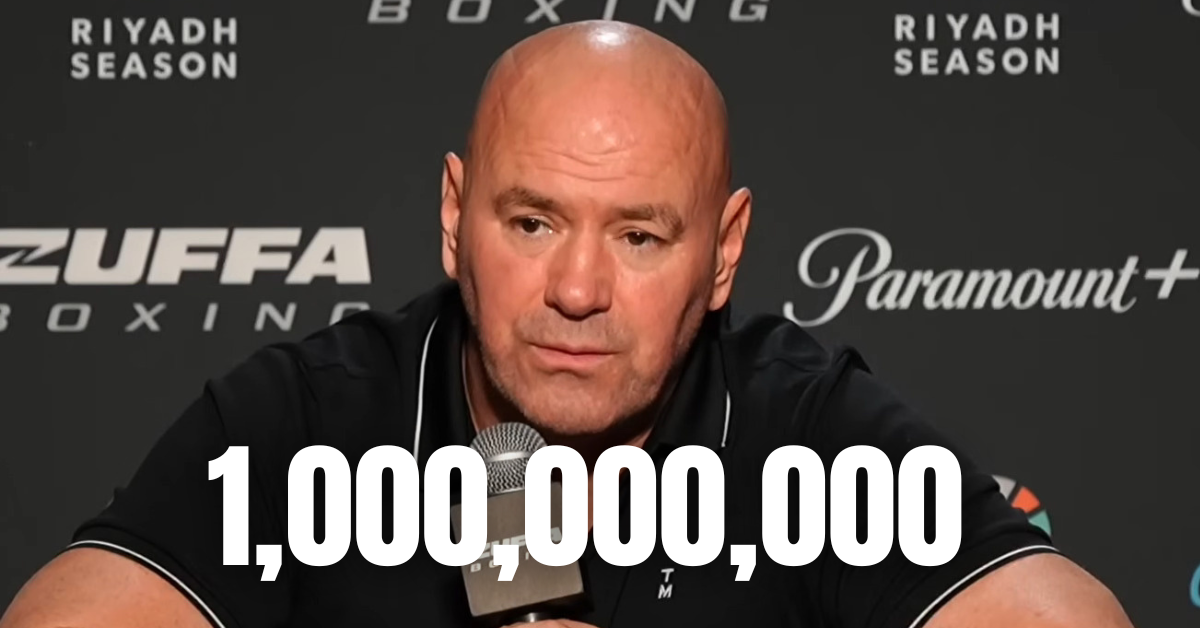
Queensberry alleges that Sela and TKO then used that information to form Zuffa Boxing, a joint‑venture structure that aims to supervise and centralize major boxing projects backed by Saudi funding, without properly including Warren’s group or honoring prior contractual understandings. The claim is that this move effectively cut Queensberry out of a multi‑year ecosystem that could involve hundreds of millions of dollars in media rights and event revenue, with Warren’s team saying the potential lost income over several years could reach the $1 billion mark.
Role of Dana White and Turki Alalshikh
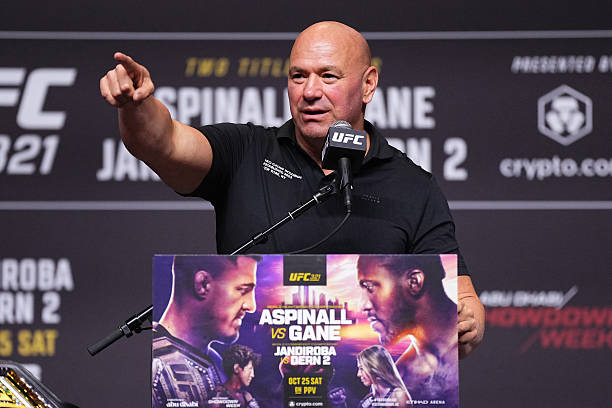
Zuffa Boxing is being led day‑to‑day by Dana White, who remains president of the UFC, while Turki Alalshikh, chairman of Saudi Arabia’s General Entertainment Authority, acts as a key Saudi partner and co‑founder of the venture. Nick Khan, president of WWE and a board member of TKO, is also named as a public figure in the new structure.
Alalshikh has previously worked with Warren on multiple high‑profile UK‑based boxing events, including episodes within the Riyadh Season calendar, and has been instrumental in bringing together Warren and rival promoter Eddie Hearn for cross‑company collaborations. However, the emergence of Zuffa Boxing has sharply shifted the dynamic, with Warren’s camp arguing that Alalshikh’s Saudi‑linked entities are now aligning with White and TKO in a way that sidelines Queensberry’s prior role.
Context of Zuffa Boxing’s structure
Zuffa Boxing is described as a Saudi‑American joint initiative using the Zuffa brand, which is historically associated with the UFC’s early‑era ownership group. It is understood to be co‑owned by TKO Group Holdings and Sela, the latter being a state‑funded entity tied to Saudi’s Public Investment Fund‑backed entertainment apparatus.
Reports indicate Zuffa Boxing has already secured, or is in the process of securing, multi‑year media agreements worth an estimated $500 million in the US and other markets, with platforms such as Paramount+ engaged and discussions ongoing with UK broadcasters like Sky Sports. This underlying valuation underpins Queensberry’s argument that the exclusion from Zuffa’s ecosystem could translate into hundreds of millions to a billion dollars in missed revenue streams from events, data rights, and broadcast cut‑ins.
Legal mechanics and current status
Queensberry has issued what are described as “letters before action” to TKO and Sela, which are formal legal communications that typically precede a formal claim in the UK High Court or an equivalent jurisdiction. These letters lay out the alleged breaches of contract and outline the demand for compensation, with reports noting Queensberry is seeking up to $1 billion (£740 million) in claimed lost income.
If the parties do not reach a settlement, Queensberry has indicated it intends to file proceedings, which would likely focus on the 2023 Sela agreement, the TKO data‑sharing arrangement, and how Zuffa Boxing was structured and capitalized. The case would also probe whether Sela and TKO used confidential information or operational knowledge from Queensberry to gain an unfair competitive advantage in building Zuffa’s portfolio.
Positions of the other parties
Sela has publicly responded by saying it is “disappointed” by Queensberry’s claims and describing them as “unfounded”, while stating it intends to defend itself fully. The company has framed the situation as a commercial disagreement and emphasized its confidence that the facts will support its position.
TKO and Dana White’s camp have not issued a detailed, unified legal rebuttal, but internal messaging has reportedly focused on the idea that Zuffa Boxing is a new venture formed under valid corporate authority, not a derivative of Queensberry’s contracts. White has long been critical of boxing’s fragmented promotion model and has argued that a more centralized, media‑driven structure can better serve fighters and broadcasters, a stance that underpins the Zuffa boxing narrative even as the lawsuit unfolds.
Potential implications for boxing
If the dispute proceeds to trial, it could force a public airing of internal Saudi and TKO‑Sela negotiations, including how events, media rights, and fighter contracts have been allocated since 2023. That level of transparency could complicate the Saudi‑backed boxing calendar, because promoters and networks may hesitate to sign long‑term deals if underlying contractual disputes are unresolved.
For traditional UK promoters such as Warren and Eddie Hearn, the case represents a test of whether established promotional relationships with Saudi entities still carry enforceable weight against newer, more centralized structures like Zuffa. If Queensberry succeeds in proving breach of exclusivity or misuse of confidential information, it could set a precedent for how Saudi‑backed projects must negotiate with Western promoters, while defeat would likely accelerate the shift of control toward the Zuffa‑Sela‑TKO axis.