
Diverticulitis diet low fiber
The most important recommendation in a low fiber diet is to exclude from the menu products containing a high amount of fiber. Majority of them are widely recognized as healthy. These products include, among other, sources of whole grain carbohydrates such as: thick groats, whole grain bread, dark pasta, brown rice. It is much better to choose wheat products such as white, stale bread, rolls, white, thin pasta, rice noodles, rusks, small groats (semolina, couscous, millet), potatoes or rice flakes. Remember to cook them until soft instead of “al dente”. This will increase their digestibility.
When choosing meat or cured meat, preferably veal, chicken or turkey. Definitely exclude mutton, pork, bacon, duck or venison.
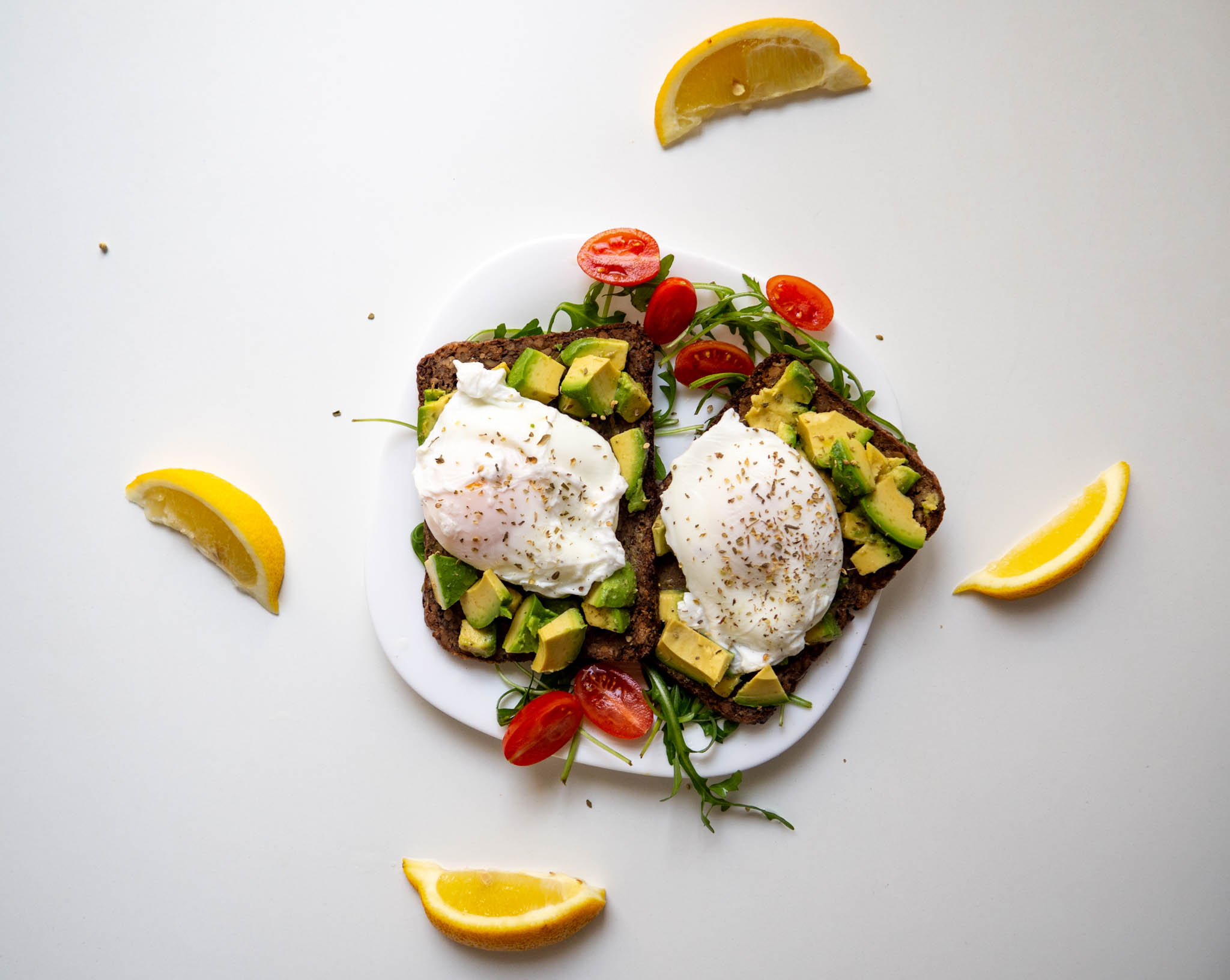
Eggs are best eaten soft or in the form of steamed scrambled eggs.
A large amount of saturated fatty acids is not recommended, therefore eliminate fat such as lard, bacon, tallow and margarine in cubes in favor of vegetable oils, such as olive oil, rapeseed oil, linseed oil or avocado, which are a good source of omega acids 3. In small quantities, you can afford real butter.
When choosing fish, pick lean types such as cod, sole, flatfish, zander, pike, hake and pollock. Resign with oily species such as eel, salmon, catfish, silver carp, halibut, sea trout, pickling, and sprat. Preserved or smoked fish will also not be recommended.
When choosing dairy products, pay attention to skim milk and milk products. Scrub full-fat milk, yellow cheese, toasted cheese and feta cheese.
Try to peel the vegetables and fruits, puree or squeeze the juice out of them. Remember to remove small stones that can overlap the diverticula and cause pain. Around vegetables, it’s best to choose carrots, beets, peeled tomatoes, spinach, lettuce or dill and eat in crumbled and cooked form. Refrain from eating cabbage, cauliflower, cucumber, onion, radish, mushrooms and legumes, for example chickpeas, lentils, peas or beans. Fruit is best eaten baked, or in the form of mousse. Choose apples, bananas, berries, peaches or apricots. Avoid cherries, pears, gooseberries, cherries, plums, nuts, seeds or stones, and dried fruit.
Do not irritate your digestive system unnecessarily with hot spices such as chillies, pepper, garlic, mustard, vinegar, horseradish, maggi and broth cubes. Try to choose milder substitutes like lemon juice, parsley, dill or cinnamon. You can also use salt in limited quantities. As with any diet, you should quit sweets, chocolates, cakes and even cocoa. In case of cravings, choose homemade pudding or jelly.
Finally, don’t forget to drink still water. It is best to give up other drinks. Carbonated and sweetened drinks, coffee, strong tea or alcoholic drinks are not recommended.