
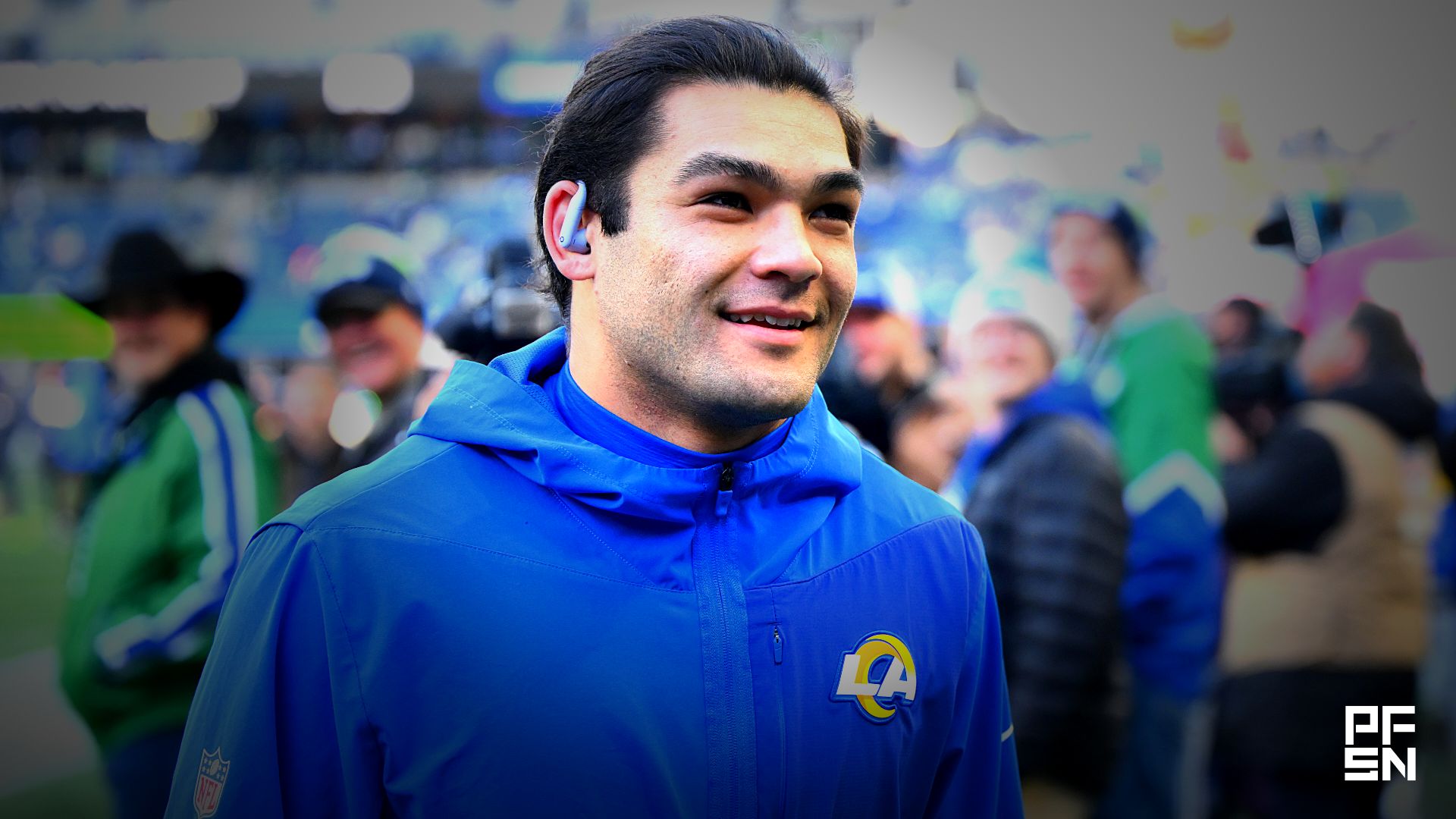
Los Angeles Rams wide receiver Puka Nacua has checked into a luxury rehab facility in Malibu, his attorney Levi McCathern announced on Wednesday evening.
This puts the off-field struggles of professional athletes back in the national spotlight. The 2025 First-Team All-Pro entered the treatment center recently to focus on his personal growth and address his behavior. The move follows a New Year’s Eve encounter that resulted in a civil lawsuit after Nacua was accused of biting a woman and making an antisemitic remark while intoxicated.
Nacua checked into the Malibu facility weeks before the civil lawsuit became public knowledge. His attorney emphasized that the rehab stint is about long-term behavioral changes rather than simple crisis management. Nacua is expected to finish his treatment in time for the Rams’ organized team activities in May.
This proactive step highlights a crucial aspect of life in the league. When a player realizes he needs help, the NFL has a massive, well-funded apparatus waiting to catch him.
How the NFL Pays for Addiction and Mental Health Treatment
The short answer is yes, the league and its union foot the bill for addiction and mental health treatment. Through the NFL Player Assistance and Counseling Program, which is run in partnership with Cigna, active players and their families have access to a confidential network of care.
The NFL Player Insurance Plan covers inpatient care, outpatient office visits, and long-term stays at behavioral health facilities for substance abuse treatment. Active players receive their first eight counseling sessions completely free of charge. Subsequent treatment is covered under their union-negotiated insurance plan, shielding players from the crushing out-of-pocket costs of luxury inpatient rehab.
The partnership with Cigna dates back to 2012, when the NFL launched its Total Wellness Initiative. Prior to that, players were largely left to navigate the healthcare system on their own. Now, there’s also an NFL Life Line that operates as a 24/7 independent crisis intervention resource. Players and their family members can call or chat online with trained clinicians at any hour of the day.
And the league’s approach to substance abuse goes beyond cutting a check for a Malibu treatment center. The NFL Policy and Program on Substances of Abuse features a specific self-admittance track. If a player recognizes he has a problem with alcohol or drugs, he can confidentially seek help from the league and enter Stage 1 of the intervention program.
Once admitted, the player is evaluated by a regional medical team assigned by the league’s medical director. This team develops a comprehensive, individualized treatment plan based on clinical needs rather than disciplinary action. This track allows players to get targeted treatment plans without facing the immediate suspensions that accompany failed random drug tests.
By self-admitting, a player secures early, league-sponsored treatment that protects him from fines for alcohol and drug violations while starting the journey to recovery.
The Push for On-Site Mental Health
The league has not always been proactive about mental health, but recent collective bargaining agreements forced a massive culture change. Under the 2019 Behavioral Health Agreement between the NFL and the NFLPA, every single franchise is now required to employ a licensed mental health clinician.
The mandate requires a board-certified psychiatrist or clinical psychologist to be fully integrated into the team environment. They must be on-site at the team facility for at least eight to 12 hours a week during the season and training camp. This ensures that teams take this seriously and don’t just hire independent contractors who drop by once a month to check a box.
Their job is to provide direct counseling, recognize early warning signs of addiction, and manage a referral network for specialized treatment like inpatient psychiatric care or substance abuse rehab. The CBA clearly dictates that their work is strictly confidential. Team clinicians cannot share treatment details with coaches or the front office, ensuring players can seek help without fear of losing their roster spot. If an unauthorized disclosure occurs, the offending party faces severe league discipline.
Rams head coach Sean McVay publicly expressed his support for Nacua during the NFL’s annual meetings, noting that the team wants to continue helping him grow while they gather all the relevant facts. That supportive tone reflects a broader league-wide shift. Teams now understand that treating a player’s mental health is just as critical as rehabbing a torn ACL or a separated shoulder.
The transition out of football often triggers mental health and substance abuse crises, which is why the league extended its financial coverage to retired players as well. The Trust, an initiative launched by the NFLPA, provides vested veterans with specialized support.
This includes fully funded stays at 30-day inpatient facilities. The NFL Player Care Foundation also steps in with charitable grants to help former players facing severe financial hardship due to medical or psychological emergencies.
The modern NFL recognizes that the immense pressure, physical toll, and financial stress of pro football require a comprehensive safety net. The league does not just punish mistakes anymore; it actively pays to fix them.