
Smart fantasy basketball managers know that building a winning roster is a balancing act. Instead of walking a tightrope, owners are mixing early-round stars with later-round sleepers to create a well-rounded roster free of category holes and punting candidates.
Our proven draft strategy shows exactly how to construct a championship roster round by round, so you can dominate every category from points to steals starting in Week 1.
Round-by-Round Blueprint for a Balanced Roster
Rounds 1-3: Anchor with Elite Production
A bit of a no-brainer: Start your draft by grabbing two or three star players who promise multi-category production. Think standouts like Victor Wembanyama, who can post 20-plus points per night while also delivering elite rebound and assist numbers. (Bonus, Wemby adds killer blocking.)
Setting the foundation with multi-cat producers means you will have fewer holes to fill in late draft rounds. (More on that a little later.)
Rounds 4-6: Add Multi-Category Sleepers
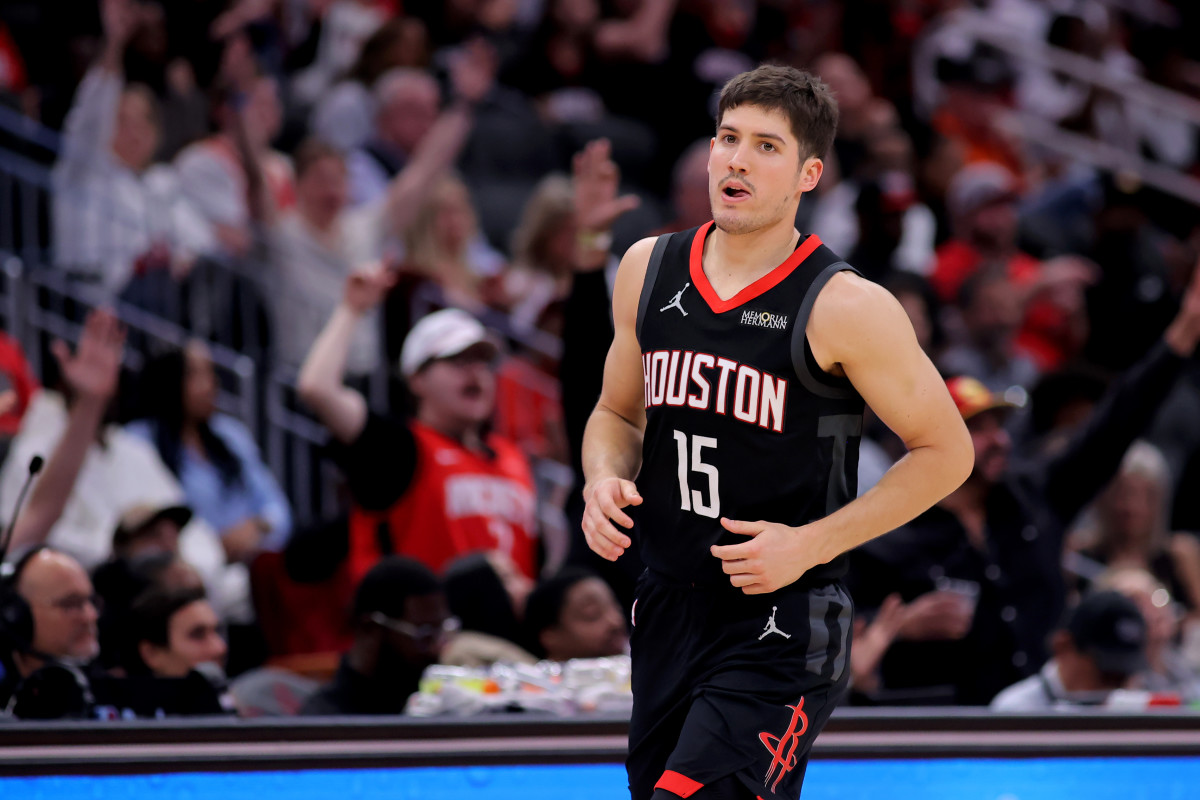
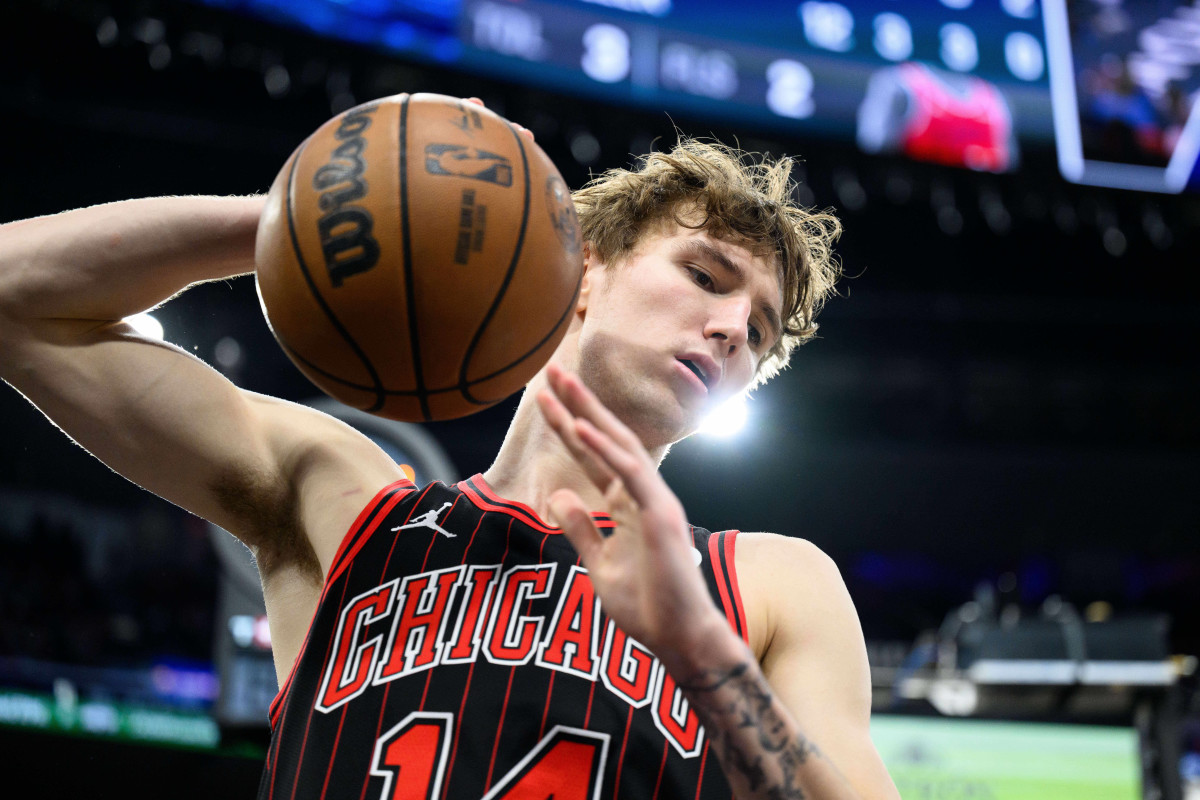
With your star foundation in place, it’s time to add undervalued players who check all the boxes. Managers should target Reed Sheppard and similar guards, who can add balance in points, three-pointers, and assists. This is also the time to add bigs like Matas Buzelis, who add blocks and rebounding to help fill out defensive categories.
Rounds 7+: Fill with Specialists and Upside
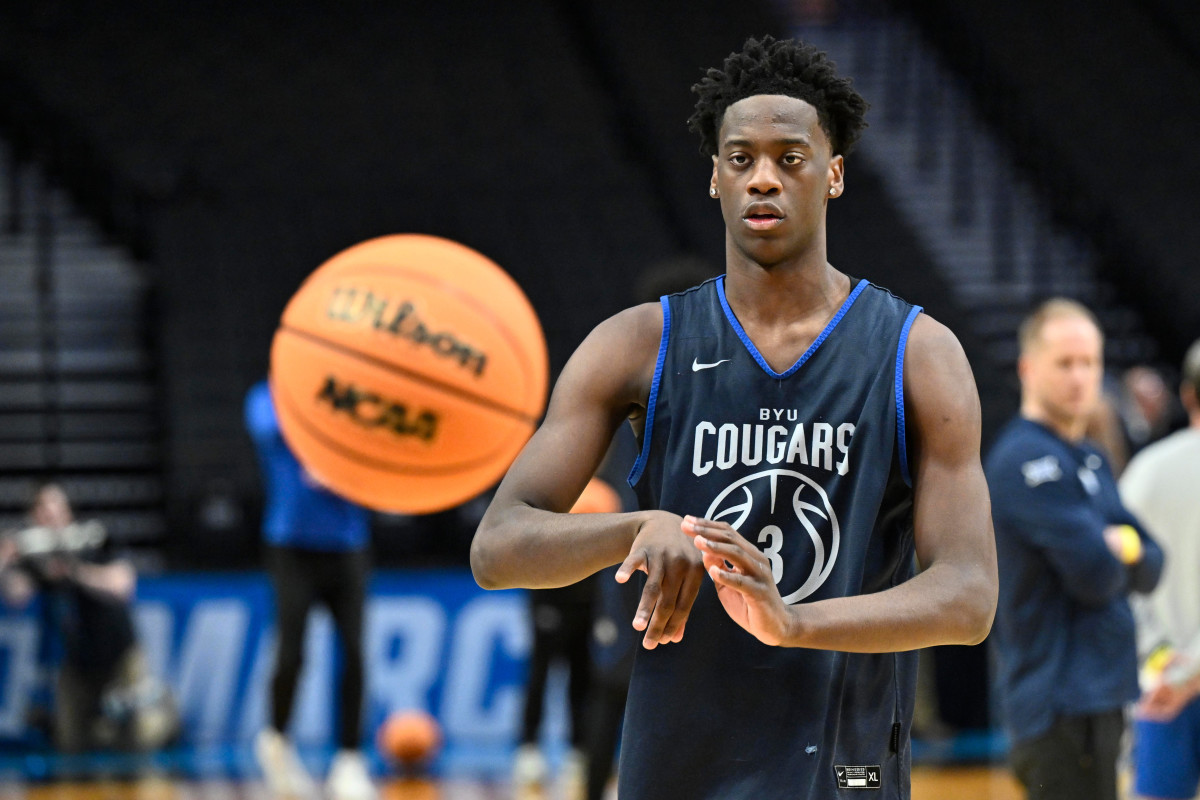
Time to bring that roster balance together with category specialists and incoming rookie talent. BYU product A.J. Dybantsa has been on Athlon’s radar lately, as he adds a mix of size and scoring ability that can translate into multi-category help.
Managers should also use the late rounds to add assists and steals specialists, filling in every category so your roster doesn’t have weak spots.
Why Balance Beats Punting in 2026-27
Sure, punting categories is still an option in fantasy basketball. But modern leagues reward consistency across all categories, instead of one-dimensional builds that can tank your roster on a bad week.
Remember, managers get rewarded for adding well-rounded players with upside in different categories. Drafting a boom-or-bust roster can lead to tanking if there are injuries or a week with fewer games.
Fantasy Draft Strategies for Building Balanced Rosters
It may seem like there are a lot of rules to follow to build a balanced fantasy basketball roster, but it’s actually very straightforward.
Experienced managers make up their roster drafting about 60% high-floor players who can fulfill multiple fantasy categories. The other 40% is used for drafting sleepers and specialists who ensure every statistical need is met.
Don’t sweat it if you’re feeling rushed to build the perfect lineup: You have a little bit of time to monitor players before locking in a stable roster. Keep an eye on summer league games, offseason workouts, and preseason tuneups before making your final draft decisions.
Conclusion: Balance Is The Goal
Your 2026-27 fantasy draft strategy is simple when you focus on building a balanced roster. Set your foundation with star anchors, add multi-category sleepers, and finish with specialists who guarantee every statistical need is satisfied. Follow this blueprint and watch your team dominate every category, from Week 1 all the way to the championship.
Managers Want To Know How To Best Build A Balanced Fantasy Basketball Roster
What is the best fantasy basketball draft strategy for 2026-27?
Build a balanced roster that covers every category instead of punting.
How do I build a balanced fantasy basketball roster?
Mix early stars with mid-round sleepers like Reed Sheppard and Cooper Flagg.
Should I punt categories in 2026-27 fantasy basketball?
No, balanced builds win more consistently in modern leagues.
Who are the best players for a balanced roster in 2026-27?
Cooper Flagg, Reed Sheppard, and AJ Dybantsa provide multi-category value.
When should I start building a balanced roster in drafts?
From pick one by targeting high-floor anchors and flexible sleepers.
What makes a fantasy basketball roster balanced in 2026-27?
Strong coverage across points, rebounds, assists, steals, blocks, and percentages.