
This piece first appeared in the January edition of BikeBiz magazine – not subscribed? Get a free subscription.
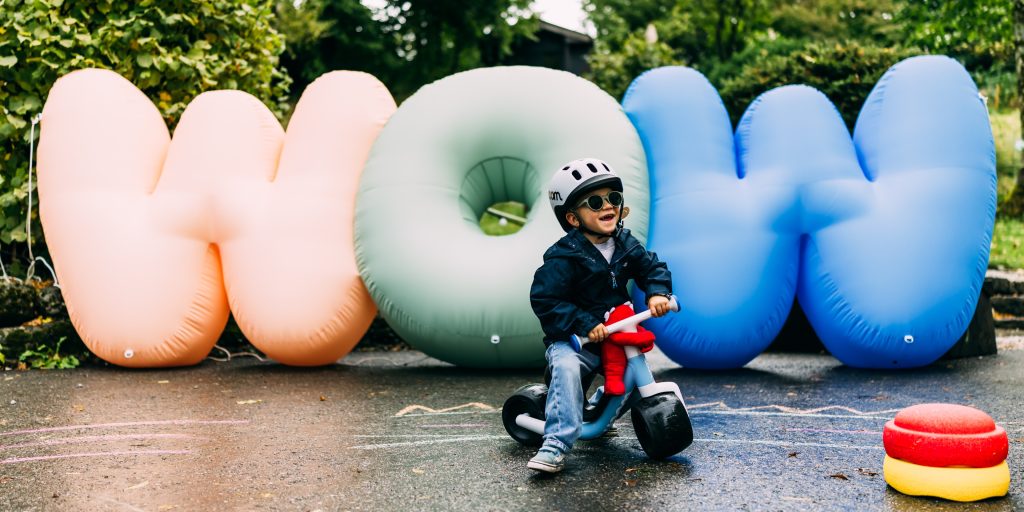
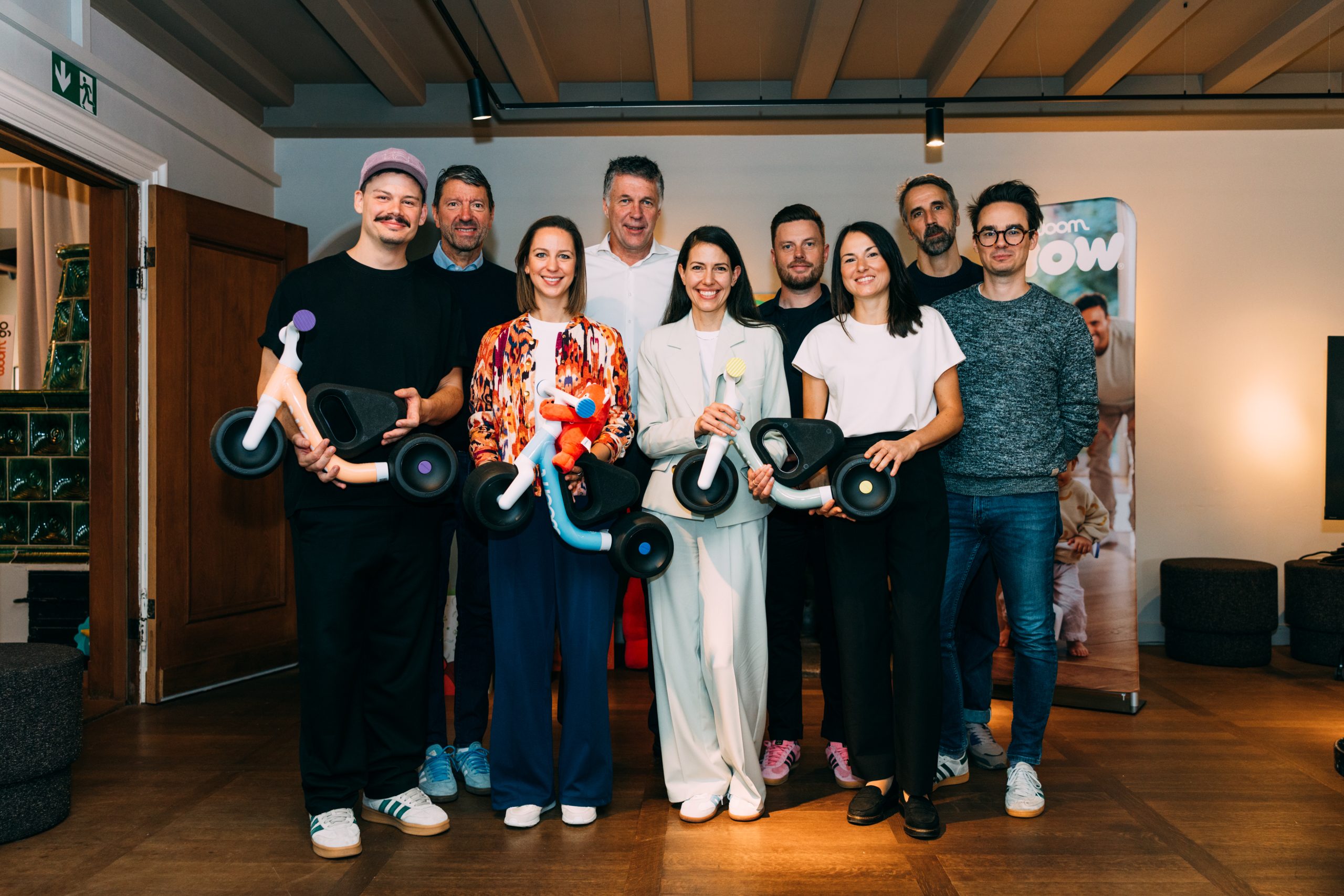
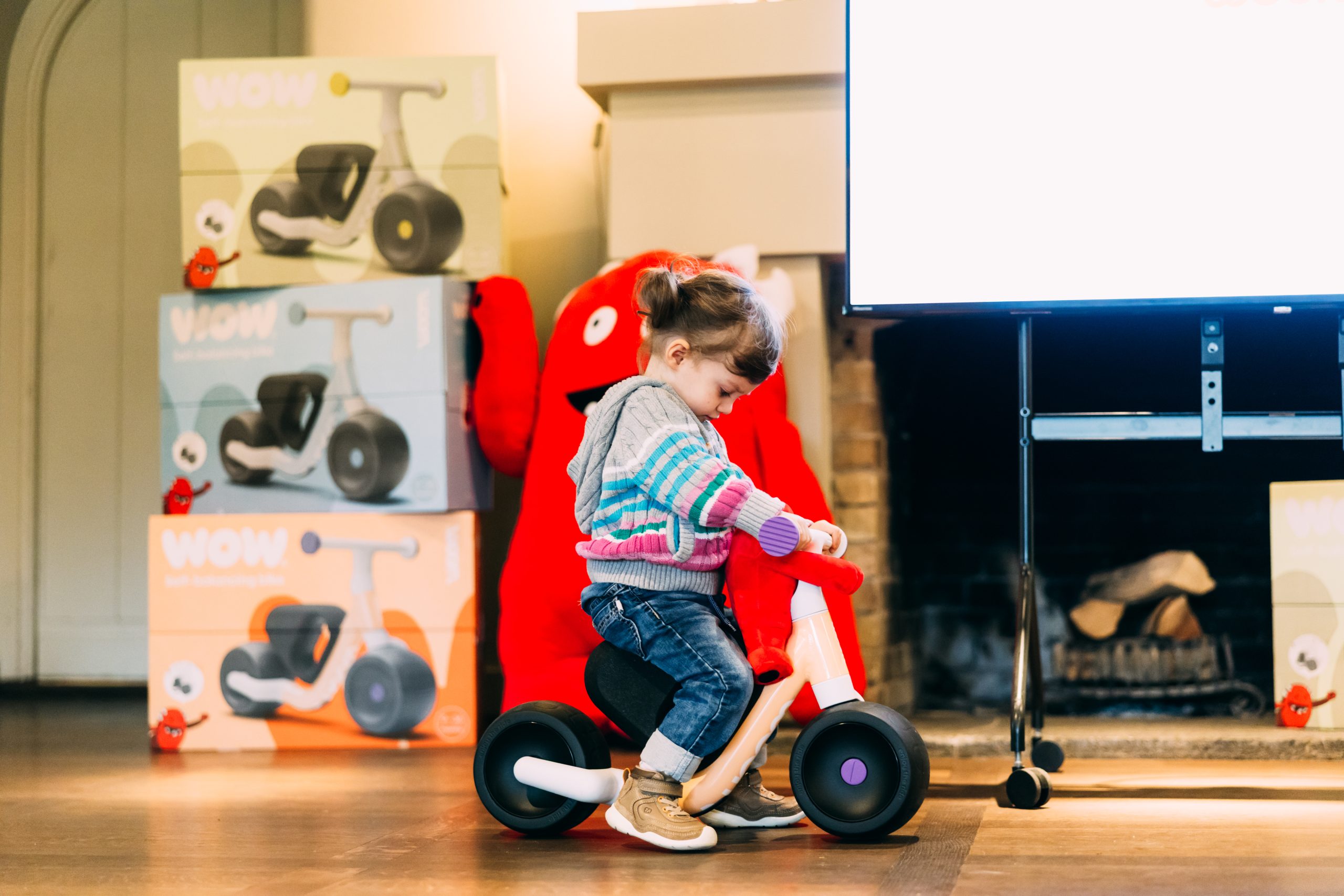
In recent months, Austrian children’s bike brand woom launched the WOW, a uniquely designed and manufactured self-balancing bike.
The launch proved an opportune time to speak with woom CEO Bernd Hake and VP of Design and Innovation, Chris Small. After all, how often do you hear of a children’s bike brand which starts in a garage, and, 12 years later, is on track for a €150 million year!
First up, thank you both for making the time to talk. With the recent launch of WOW, there’s been plenty of media coverage. Here we’ll dip into a few different aspects of the woom conversation.
Let’s start with that eye-catching “children’s bike brand which starts in a garage, and 12 years later is on track for a €150 million year” headline.
woom CEO, Bernd Hake
Bernd, can you share some details with us?
Here we are. It’s the accurate and attention-grabbing version of our story, for sure.
Crediting the founders, Christian Bezdeka and Marcus Ihlenfeld – two fathers who were dissatisfied with the heavy, poorly designed children’s bikes available at the time – they started the brand in a garage in Vienna in 2013.
In the UK, it’s not uncommon to hear bike shops say something along the lines of ‘there’s no money in children’s bikes’. What makes woom the successful business it so clearly is?
I’d say that woom’s success is, quite rightly, attributed to its innovative, ergonomic design, deep customer understanding, and emotional storytelling. Our ideas and our actions are what lead to a projected €150 million in revenue this year.
What does it take to get here? Well, it’s certainly interesting to say that neither Chris nor I come from the cycling industry. Our expertise comes from other business environments. I was previously CCO at Hugo Boss, and have experience at Red Bull as well as time working in private equity. Chris comes to woom with extensive product design and industrial design experience across a variety of business sectors, including sports goods, working with seed-funded start-ups and large multinationals.
I should mention here that we definitely do have a host of people within the business who have deep cycle-specific experience. Our woom team has such a rich and diverse blend of experience that we make the absolute best of.
Hopefully, it’s also easy to see that we, as a brand, have a very different approach to engaging our target audiences – parents and young riders.
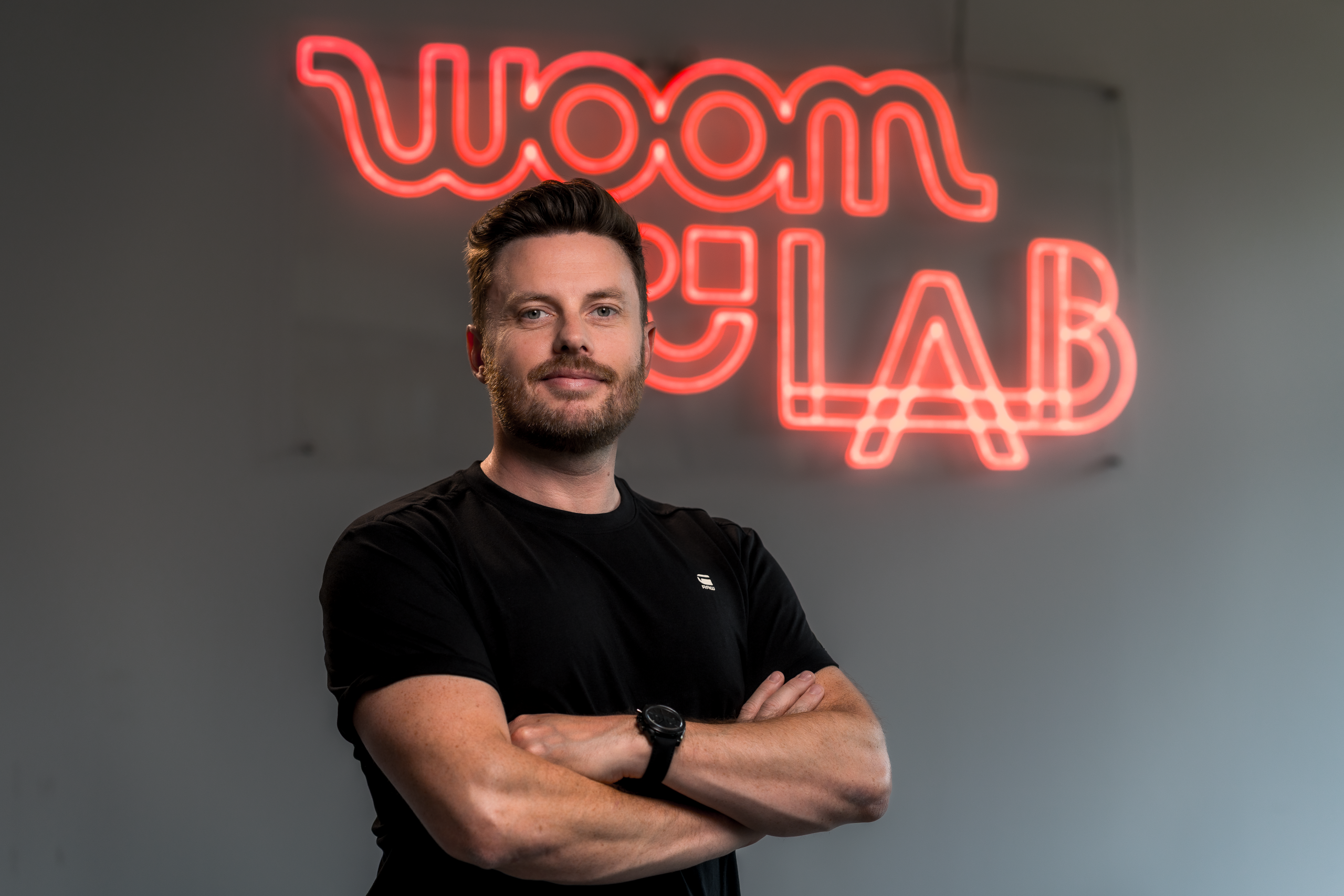
woom VP, Chris Small
Chris, can you expand upon this a little for us? How is the woom approach different to that of other bike businesses?
Sure. Two key phrases I’ll introduce here: Firstly, woom’s success stems from emotional storytelling, aiming to connect with customers’ hearts and minds. Matching this, we, across the business, intimately understand and work with a user-centric design approach.
In more everyday language, deeply understanding the needs of both parents and children is critical – parents are primarily in the driving seat for purchasing decisions.
In my experience, that’s easy to say but hard to do.
What I mean to say – when you can explain it clearly, in a single sentence – my experience is that organisations that can do this have put a lot of time and effort into making it seem and sound that simple. It’s hard work to distil business-critical culture and concepts into such a short and to-the-point message.
Thank you. I’d agree with you. Woom’s approach is anything but simple, requiring significant investment in user-centric design and storytelling, which many companies avoid due to the perceived effort.
Why do we do it? I’d highlight the non-transactional goal of developing products and experiences that build trust with parents and empower children.
It’s very easy to design something complex, but extremely difficult to design something simple. There aren’t many companies out there that invest so much in user-centric, human-centric design, experience, storytelling and everything else needed to support this – I think, because many in our industry see themselves as a product business, first and foremost.
Our belief, as a company, is that this investment, this approach, this focus is, ultimately, what makes the difference.
That the business understands this, can articulate this, across functions, means everyone works toward a clear vision. Bernd, can you expand further on this?
The phrase is emotional storytelling. At a design level, this internal narrative is there right at the start of the process – something Chris often points out. Innovations need to be clearly articulated. We have two users to consider as part of any project: the kids and the parents. Whether it’s developing a feature or telling a story, it’s important to have both in mind.
Identifying those opportunities where we can innovate – where innovation for us means user-centric design, ensuring we’re really understanding our customers and our users as deeply as possible, and identifying those opportunities that are going to make the difference.
I come back to the same point we made earlier: from my own perspective. It’s very easy to design something complex, but very, very difficult to design something simple and deeply impactful.
I’d point out that there aren’t many companies which invest so much in user-centric, human-centric design, experience, and storytelling. I repeat the point, but think it is important to do so, because most in our industry see themselves as a product business first and foremost. In contrast, our belief as a company is that this investment and this focus ultimately is what will make the difference.
Not something easy to replicate. Definitely not ‘cut and paste’. Very much like building a company culture. You can see what you like in other businesses or brands, yet replicating this isn’t remotely a plug-and-play process.
Exactly.
I mentioned previously working for Hugo Boss and for Red Bull, both highly consumer-focused companies, but these kinds of ideas, these kinds of innovations, and really pushing boundaries – this I experience at woom in a very strong way.
I see the energy and the spirit of our team when it comes to design, when it comes to engineering. That same energy is there with those who look into spaces in the market which might fit for woom. This is incredible. Our focus, making dreams live in a product, is strongly ingrained in our business.
People make the culture, which makes the brand. You live these things. People come to work for you for these things. It’s an obvious competitive advantage.
Chris, how does this work its way into product design and development?
At woom, the goal is to develop products and experiences that are not surface deep; rather, they are emotional, building trust. Yes, there’s definitely an intrinsic desire to build the best kids’ bikes, but the motivation goes deeper than that. Beyond transactional. It’s really about creating this emotional attachment to the brand.
“Asking better questions” is something you’ll hear a lot when talking about innovation, about making a quantifiable difference. At woom, this concept is very much alive and deeply seated in our culture.