
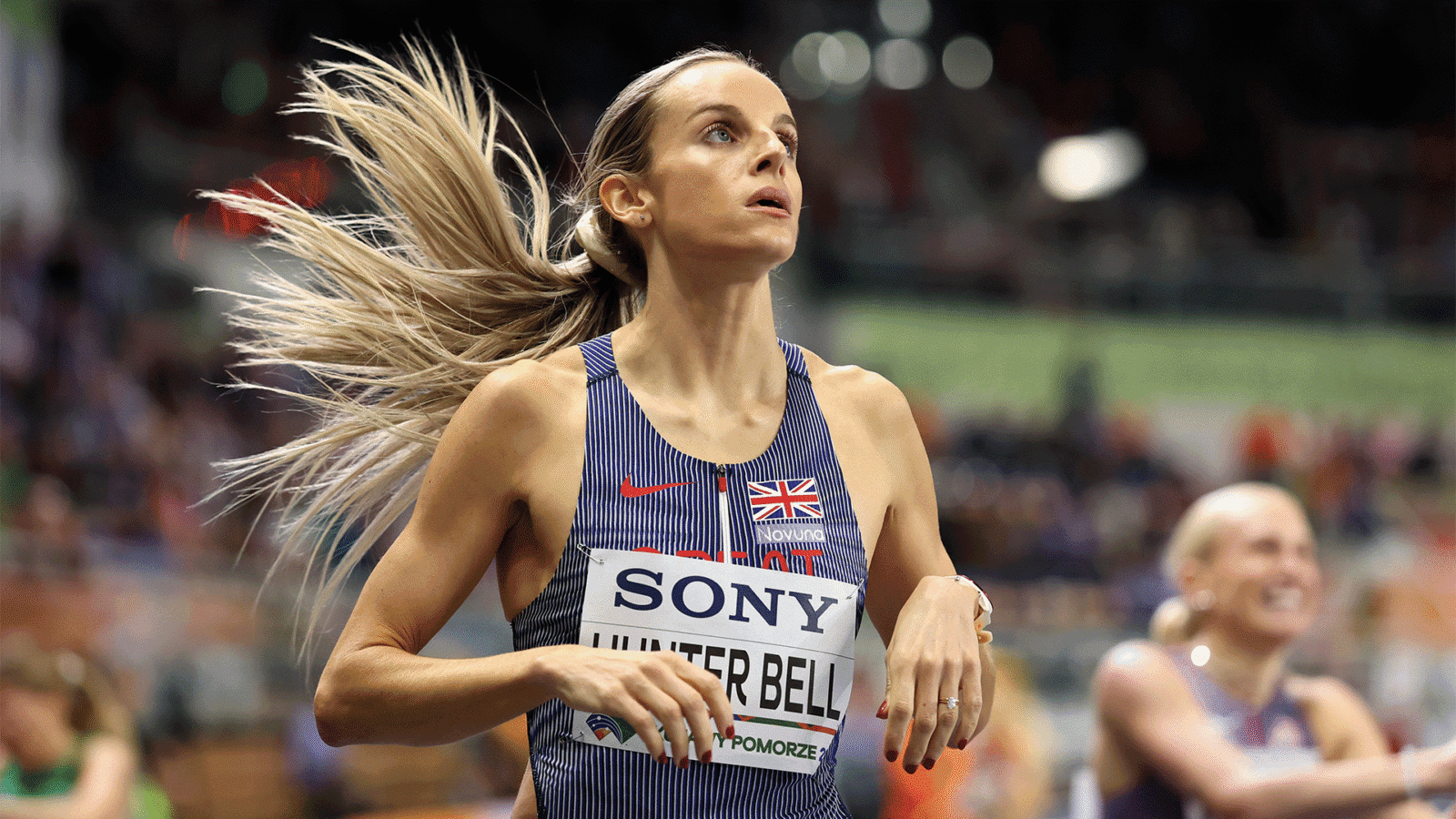
Rather than adopting her usual front-running style, the Brit opted for patience, settling at the back of the field during the early stages. It proved a wise move in a tightly packed race where jostling and contact were frequent among those at the front.
The pace was slow from the outset, with no athlete willing to take control. Bell passed 800m in 2:24.80, keeping herself out of trouble before making her move.
She came through strongly to take the win, finishing ahead of Australia’s Jess Hull (4:12.45) and United States’ Gracie Morris (4:12.57), with all three progressing to Sunday’s final at 5:12pm GMT.
Afterwards, Bell reflected on the race. “I’m happy to get through but me and Jess [Hull] were saying at the end that it was not a fun way to run a 1500m. I felt like I was jogging and then I looked at the clock and realised I was actually jogging so something bad is going to happen.
“I did a bit of a Laura Muir and hung back which is not my usual thing and it feels nice, I see why she does it. I feel like I didn’t waste a lot of energy at all and I felt good to just come home. You can lose a lot of energy barging round, I learnt that in Lievin.
“Last year I learnt that you do not need to win in a big way. You just need to win if you are trying to win.”
While Bell advanced comfortably, it was a far more frustrating outing for fellow Brit Jemma Reekie, who narrowly missed out on qualification.
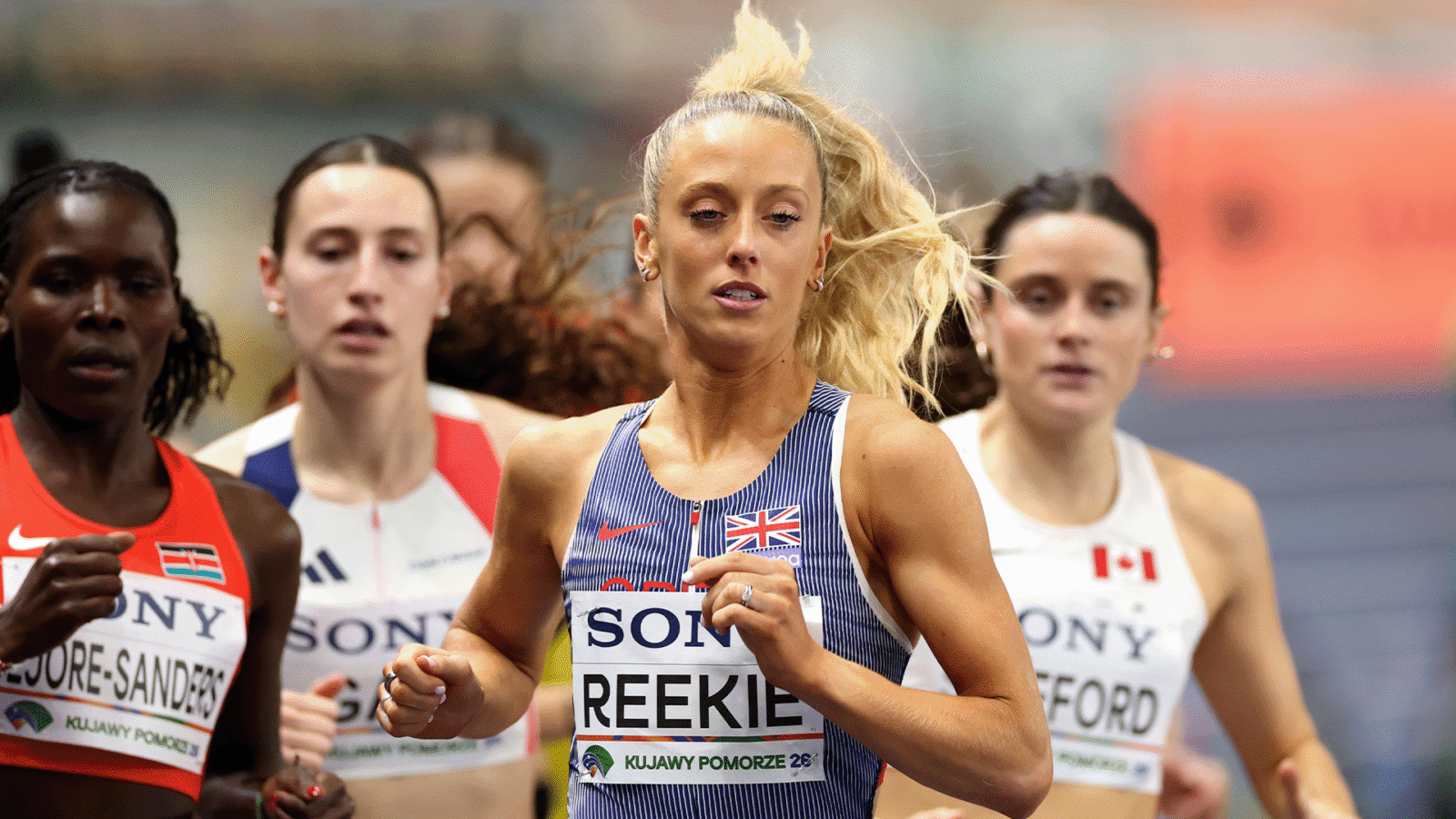
Reekie finished fourth in her heat in 4:11.61 — just 0.20 seconds shy of an automatic place — despite recording the fourth fastest time across all heats. Caught in a similarly physical race, she was forced into an early lead at a slow pace before the tempo lifted sharply in the closing laps, leaving her unable to respond in time.
“It was messy. I obviously didn’t want to be at the front but I put myself there by accident. I know I’m in much better shape than that and my training showed that. It’s been a common theme but I just need to be patient.
“I got bumped and barged and banged out sometimes. I had to keep myself on my feet but that’s 1500m running for you.”
It was Birke Haylom (4:10.66), Klaudia Kazimierska (4:11.33) and Susan Ejore-Sanders (4:11.41) who qualified out of that heat.
In the men’s 1500m heats, all eyes were on Isaac Nader, the Olympic 1500m champion from Portugal, who ended up also qualfying for the final, finishing second in his heat clocking 3:43.58 behind Sweden’s Samuel Pihlstrom who ran 3:43.58.
Great Britain and Northern Ireland had two athletes in the men’s heats, Jack Higgins and James McMurray who made his GB & NI debut. McMurray finished seventh in his heat (3:42.51) and Higgins finished seventh in his with 3:44.75.
Birke Haylom led the way in that heat, progressing with 4:10.66 alongside Klaudia Kazimierska (4:11.33) and Susan Ejore-Sanders (4:11.41), who also secured their places in the final.
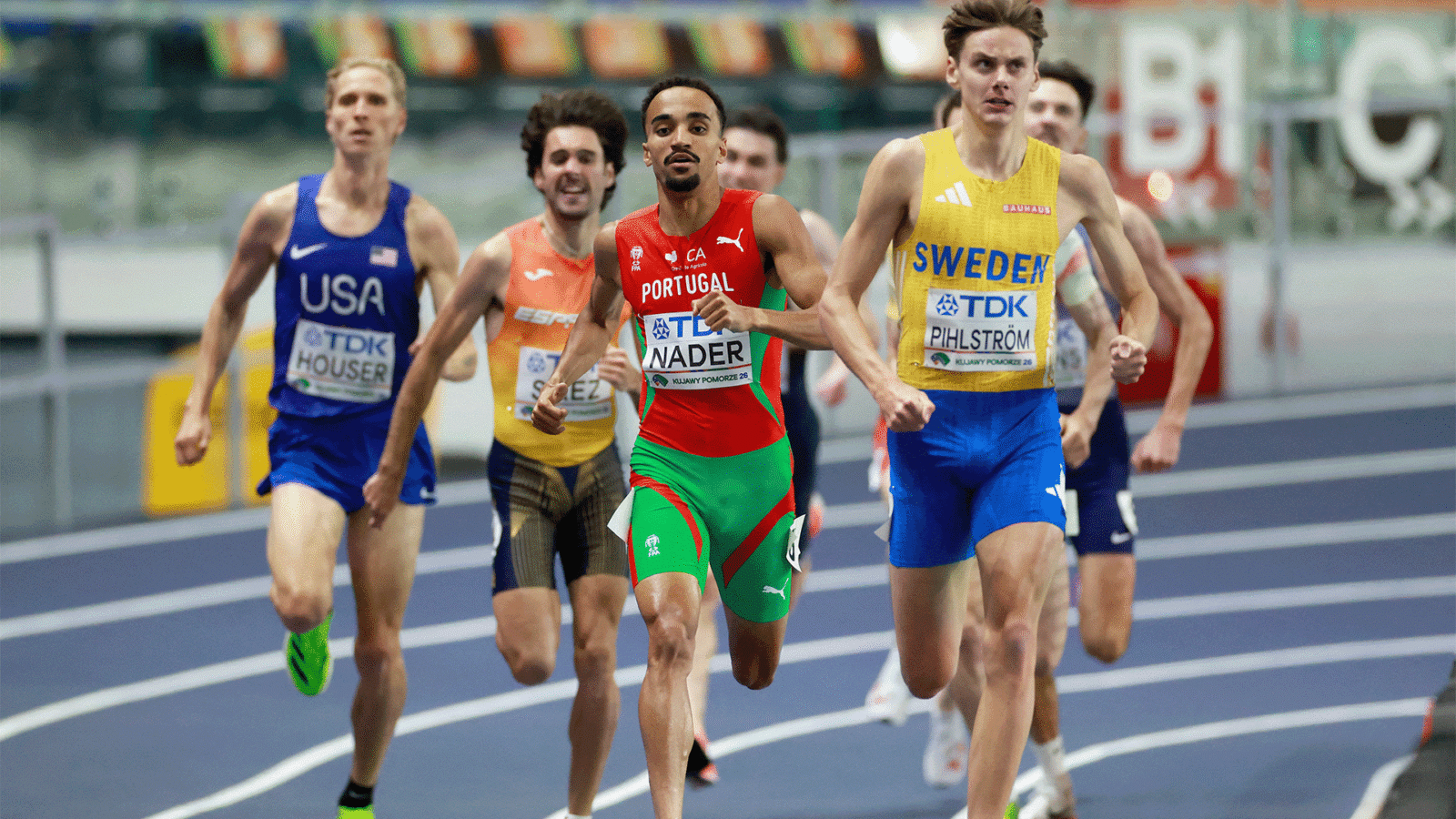
Attention then turned to the men’s 1500m heats, where Isaac Nader, the Olympic champion, was the standout name in action. The Portuguese athlete safely advanced to the final, finishing second in his heat in 3:43.58 behind Sweden’s Samuel Pihlström, who clocked 3:43.38 to take the win.
Great Britain and Northern Ireland were represented by Jack Higgins and debutant James McMurray. McMurray placed seventh in his heat in 3:42.51, while Higgins also finished seventh in his race, recording 3:44.75.