
As the HBCU Legacy Bowl continues to strengthen its alignment with the National Football League, its next strategic step should be to formally highlight the expanding global footprint of HBCU talent.
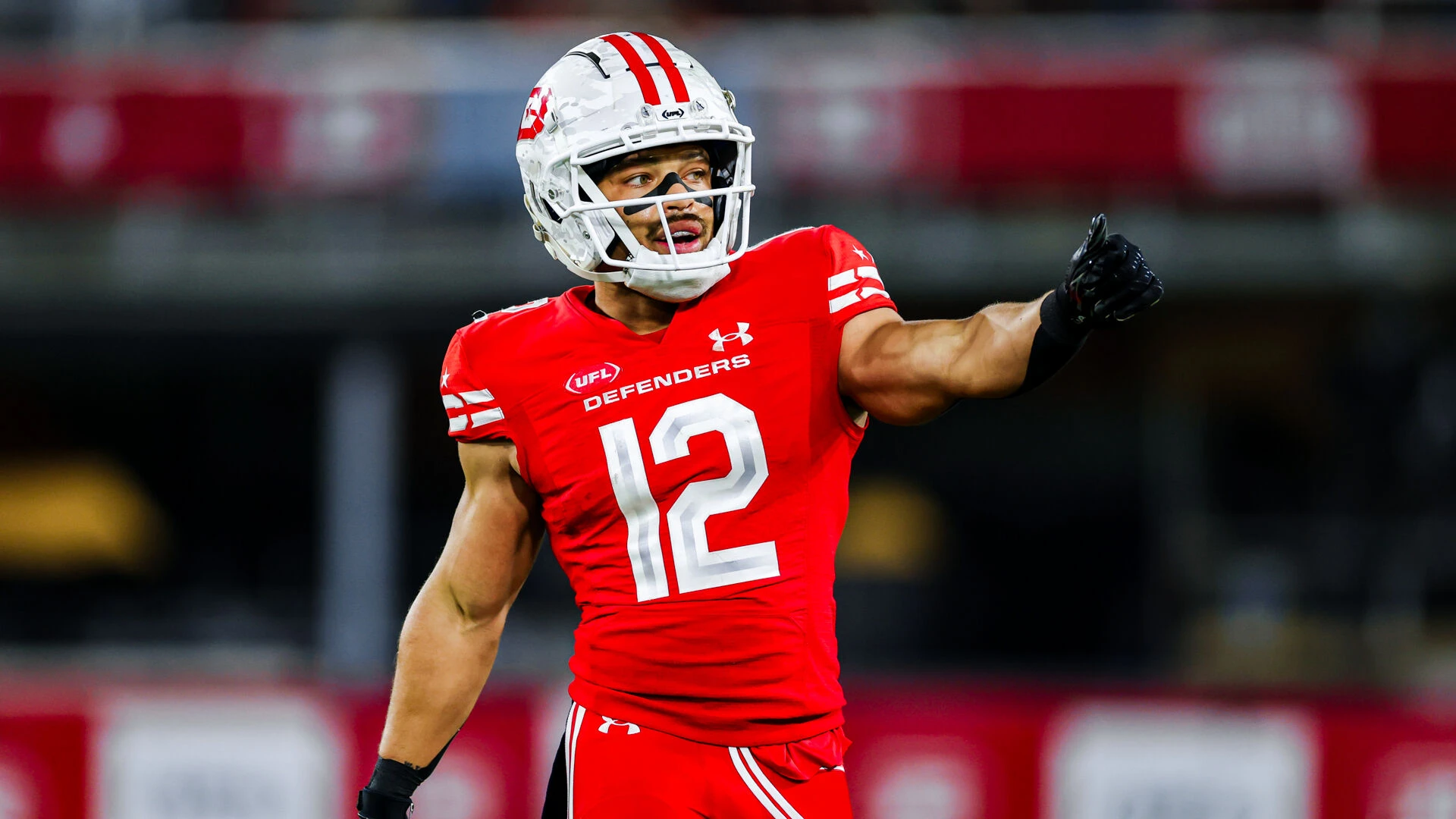
Players such as Brandon Stewart of Tennessee State, who built a championship career in the Canadian Football League, and Chris Rowland of Tennessee State, who became one of spring football’s most dynamic playmakers in what is now the United Football League, demonstrate that HBCUs consistently produce professional-caliber athletes across multiple leagues.
The recent CFL Combine invitation extended to Alabama State wide receiver Dylan Djete further reinforces that HBCU prospects are gaining international traction beyond traditional NFL pathways.By publicly embracing these cross-league success stories, the Legacy Bowl can position itself not only as an NFL pipeline, but as the premier North American gateway for professional football opportunity.
Djete’s CFL opportunity, in particular, strengthens recruiting leverage in two directions: it opens the door for more Canadian prospects to view HBCUs as viable development platforms, and it signals to HBCU athletes that professional opportunities extend to CFL, UFL, and other emerging leagues, not solely the NFL Draft. A structured inclusion of CFL and UFL personnel during Legacy Bowl week — while preserving its NFL-first branding — would expand economic outcomes for student-athletes, enhance international recruiting pipelines, and elevate HBCUs as institutions that develop professional football talent for multiple combines and drafts across the continent.

Worked as a Scout and volunteer for the East n West Shriners game in 2016-2017.
Also attended the Hula bowl and Tropical Bowl games. 2022
Also was a independent Agent and Scout at the CGS bowl game in 2021.
Worked All star games like the EPS All-Americans game in 2017.