
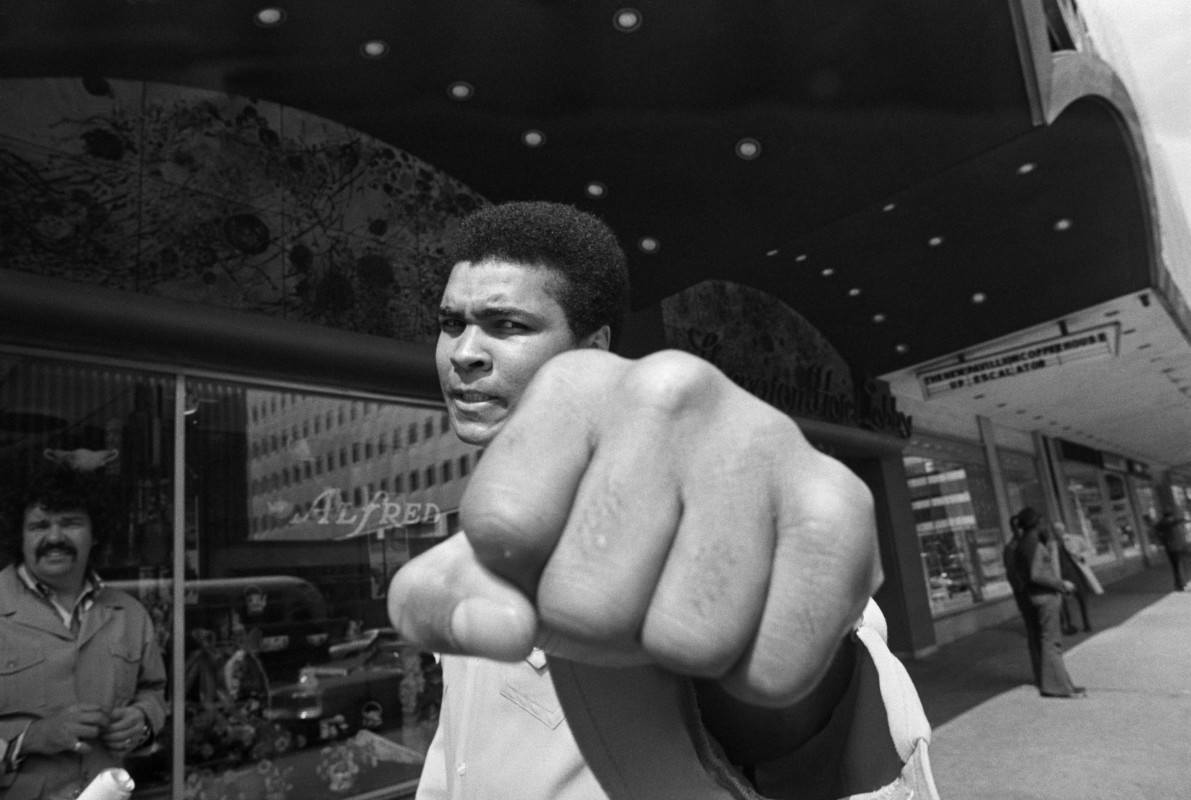
The U.S. House of Representatives passed the Muhammad Ali American Boxing Revival Act (H.R. 4624) on March 24, 2026, a bill focused on changing federal regulations for professional boxing. The legislation was passed by a bipartisan vote of 30-4, with only one audible vote cast in opposition.
The bill now moves to the Senate for further consideration before potentially heading to President Donald Trump’s desk.
The bill amends the Professional Boxing Safety Act of 1996 and builds upon the original Muhammad Ali Boxing Reform Act of 2000. Its passage marks the first major update to federal boxing law in over a quarter century.
The bipartisan legislation was sponsored by Representatives Sharice Davids (D-KS-03), a former mixed martial artist, and Brian Jack (R-GA-03), who served as White House political director in the first Trump administration.
How Will this Change Boxing?
The legislation establishes a new framework by creating Unified Boxing Organizations (UBOs) that can operate as both promoters and sanctioning bodies. This structure allows UBOs to set their own rankings, crown champions, and sign fighters to exclusive contracts.
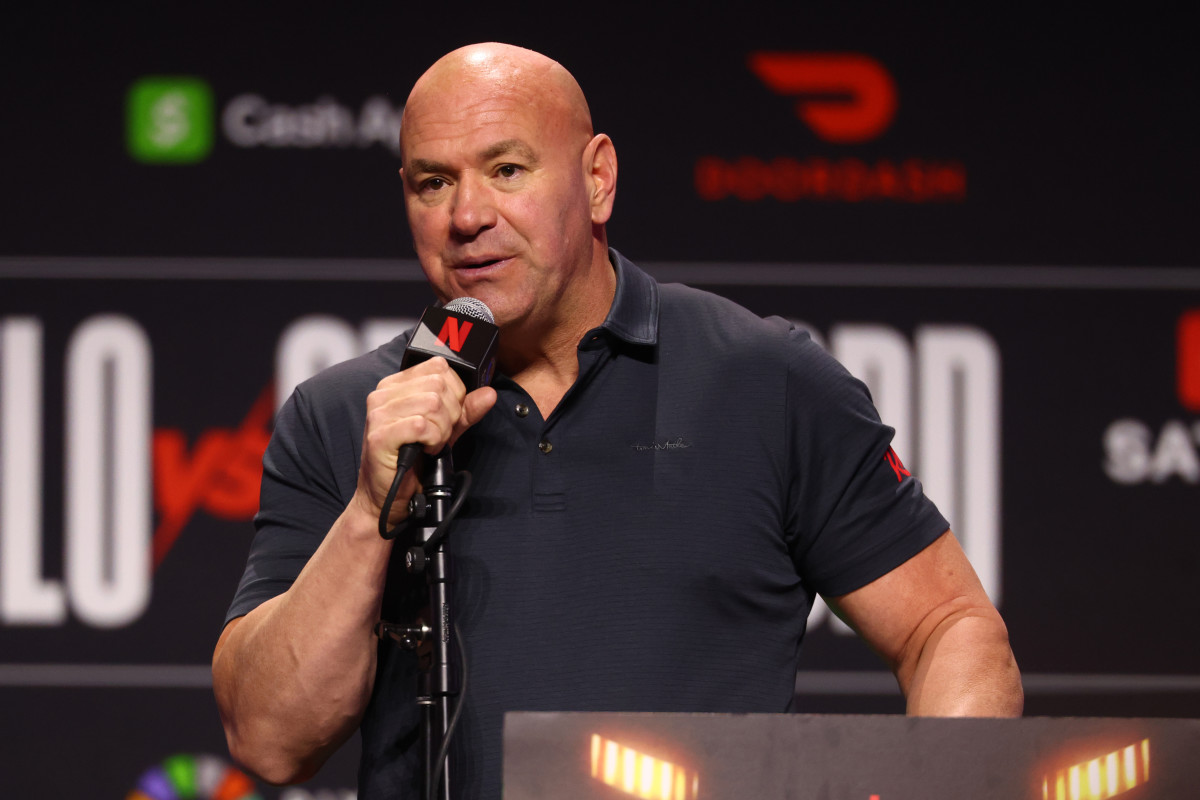
Supporters, like UFC President Dana White, argue that this model introduces competition and provides fighters with an alternative career path. Its detractors, however, have heavily criticized the bill and believe it will prevent boxers from having leverage when it comes to contract negotiations.
Getty
News of the bill moving past the House of Representatives has been divisive among fans, athletes, and promoters of the boxing world.
Specifics of the Bill
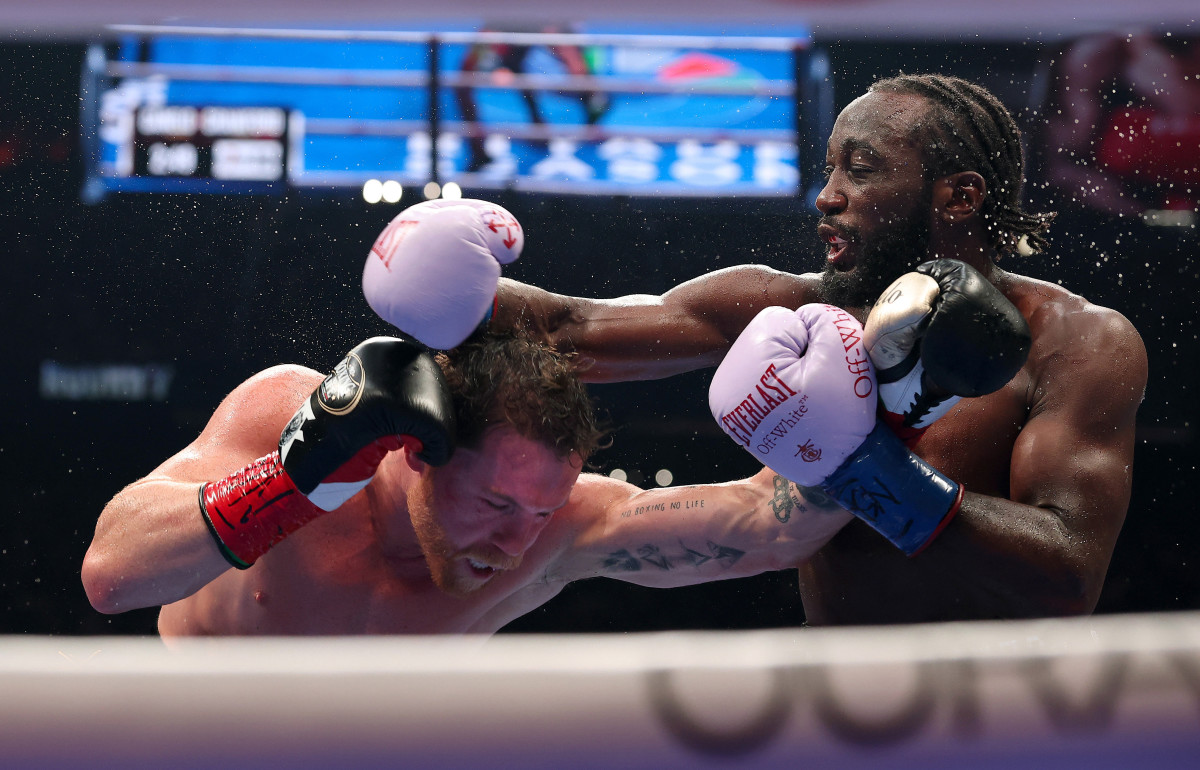
Key provisions establish baseline financial protections for boxers, including a minimum payment of $200 per scheduled round. The bill also mandates a national minimum of $50,000 in medical coverage for injuries sustained during bouts. Additional requirements include the presence of at least two ambulances at events and a minimum number of ringside physicians.
Getty Images
The legislation strengthens medical safety requirements through mandatory annual physical examinations for all boxers. Fighters must undergo eye examinations, HIV and hepatitis testing, and brain health evaluations, including MRI and MRA tests.
Female boxers are required to take pregnancy tests within 14 days of each match, while boxers aged 40 and older must undergo supplemental examinations, including chest X-rays and electrocardiograms.
Politicians Overwhelmingly Agree
During the House hearing, Representatives like Ilhan Omar (D-MN) spoke in favor of the bill after negotiating amendments to improve its protections (via CSPAN):
“At its best, boxing is a sport of courage, discipline, and dignity. But for too long, the people risking the most have not always been treated with fairness and the respect they deserve,” Omar said during floor debate.
She added that “when this bill first came before us, I had significant concerns. That is why I worked hard to make it better. We negotiated in good faith with the majority, and we did make it better.”
Despite her support, she urged Senators to continue improving the bill as it moves through the legislative process.
“Let me be clear, this work is not done,” Omar stated. “We still need stronger financial transparency, stronger anti-monopoly provisions, and stronger safeguards against coercive contracts, including forced arbitration clauses.”
Representative Joe Courtney (D-CT) was the sole vocal opponent, raising concerns about the bill’s departure from the original Ali Act’s framework.
“I rise today in opposition of H.R. 4624… a bill which radically amends the existing Muhammad Ali Act that was passed in 2000,” Courtney said. He warned that “UBO organizations proposed under H.R. 4624 will replicate a model that has been extremely lucrative in other non-boxing, mixed martial arts sports worlds, that operate with few legal and economic protections for fighters.”
Boxing World Disagrees
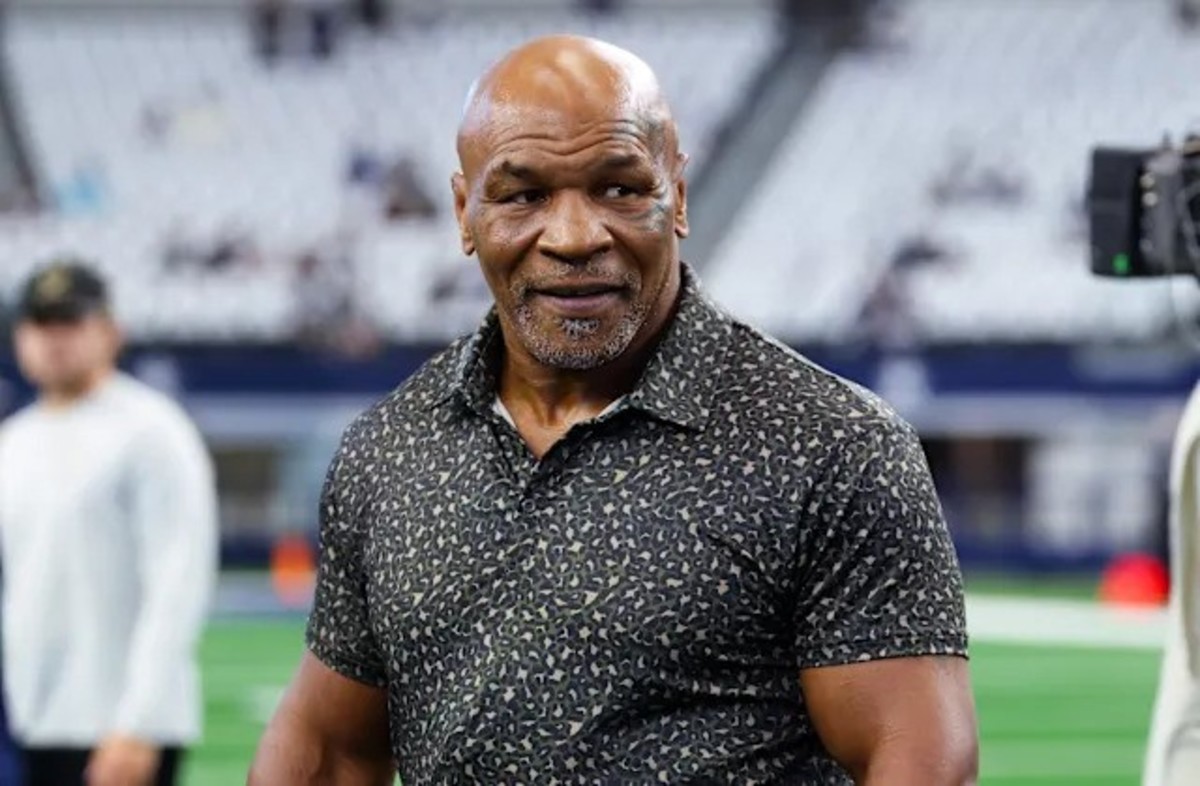
The bill has drawn prominent endorsements from Lonnie Ali, the widow of Muhammad Ali, and former heavyweight champion Mike Tyson.
WBC
Tyson supported the legislation as a measure to restore balance to the sport.
“Supporting these revisions honors the spirit of the original Ali Act by closing loopholes that have allowed some promoters to regain monopolistic control over fighters’ careers,” Tyson stated in the United States House Committee on Education & Workforce last December.
Ali’s own grandson, Nico Ali Walsh, has been vocal about this bill since last year. Back in August, he made it clear that his opinion on the revival act is negative (via Nico Ali Walsh on X):
As an Ali, I’m completely against altering the Muhammad Ali Act. My grandfather fought for it to protect fighters from getting screwed over. Remove it, and promoters take control while fighters get paid less. Keep the act and protect the fighters who put their lives on the line.
— Nico Ali Walsh (@nicoaliwalsh) August 11, 2025
The legislation is backed by TKO Group Holdings, the parent company of UFC and WWE, which recently launched Zuffa Boxing as a promotional venture.
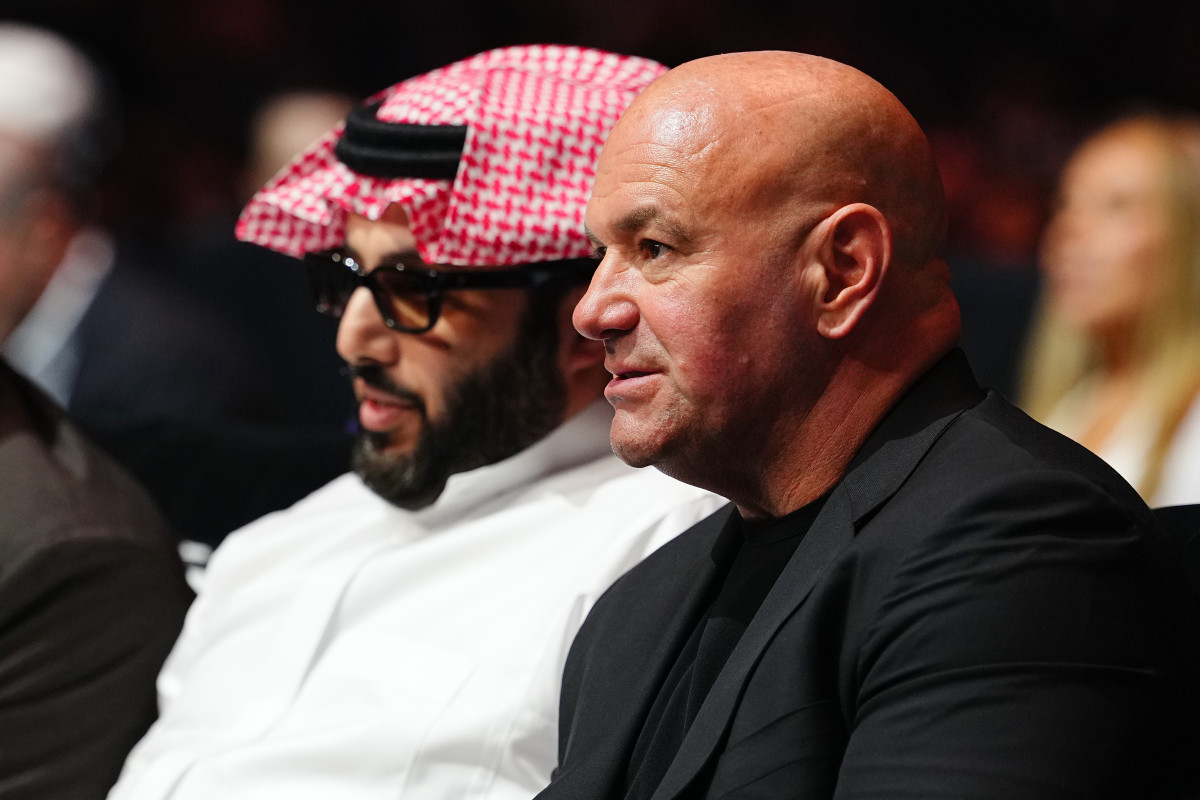
Chris Unger-GettyImages
Critics, including Oscar De La Hoya, Bob Arum, and Eddie Hearn, have expressed opposition, arguing that the bill could enable monopolistic practices.
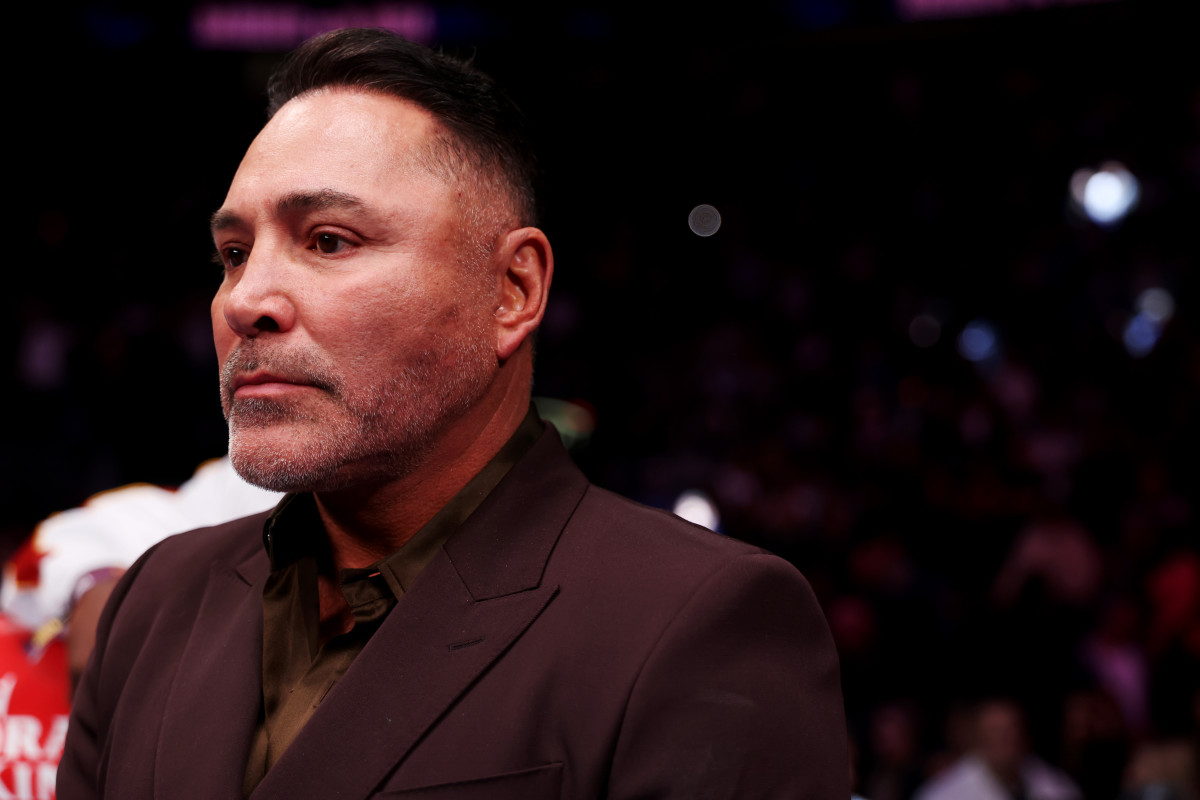
Cris Esqueda/Golden Boy/Getty Images
One critic, combat sports finance reporter John S. Nash, wrote a piece for Uncrowned explaining why he believes this potential law is bad for the sport.
“Genuine reform of the Ali Act would not be difficult to design. The congressional record already contains the blueprint… None of that is in this bill,” he writes. “It offers boxers a choice between continuing with the corrupt system we currently have in boxing or signing on to a model that has led to monopolization and the exploitation of MMA fighters.”
What are your thoughts about this bill? Let us know in the poll as well as in the comments.