
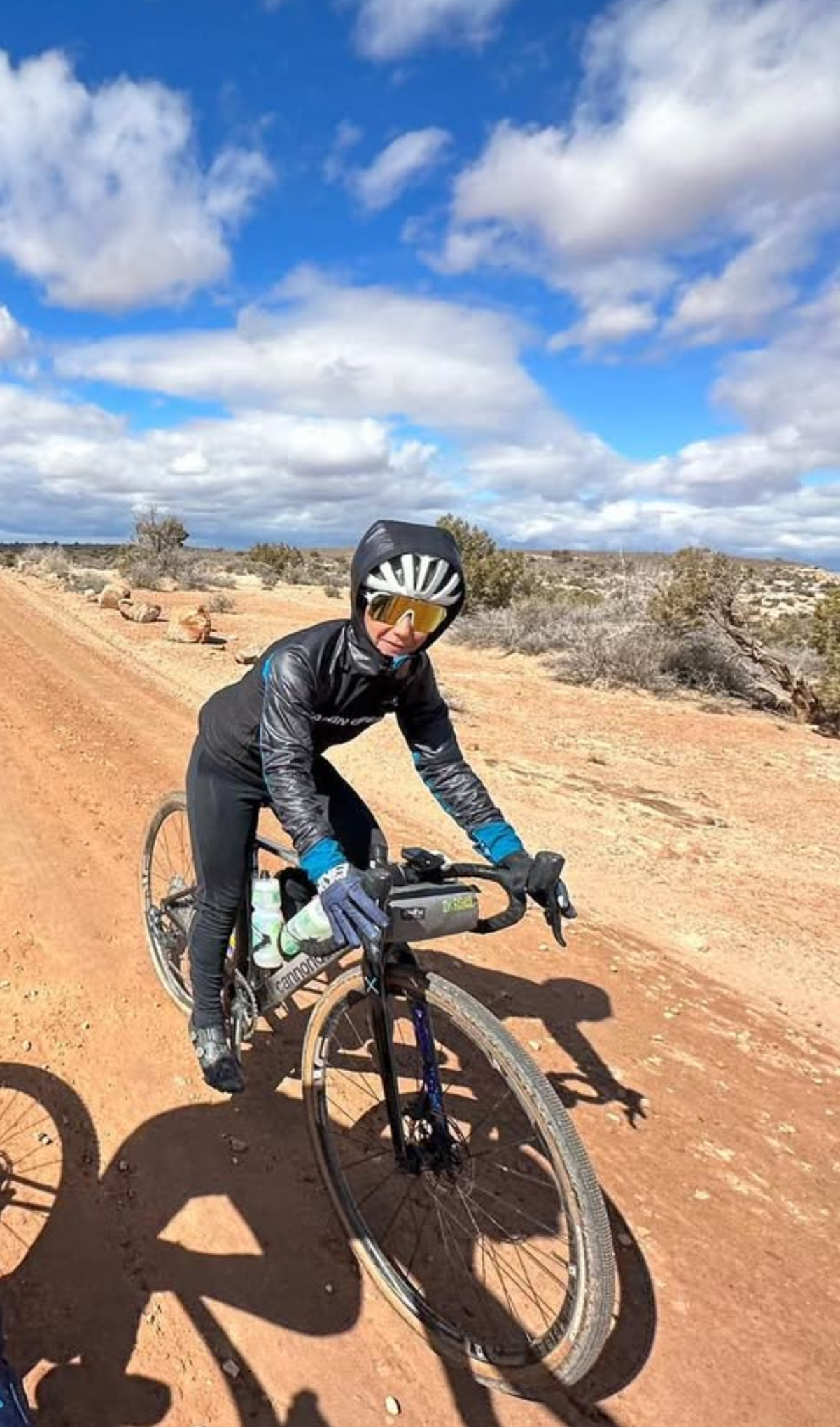
By Sarah Kaufmann — As temps drop and daylight shortens, clothing choice becomes critical to continue riding through the winter. Options abound for indoor riding and you can maintain your bike habit with outdoor rides as well. Cycling is challenging in cold temps because the changes in speed (and therefore wind) are dramatic, making it difficult to be dressed for the right temps all the time. Being selective with weather and timing will help and a few key clothing choices can make these rides more pleasant. The goal is to be cool enough to avoid sweating through your clothes but stay warm enough to be comfortable – a balance. Manage temps in categories – core/trunk and extremities.
Feet First
Toes are often the pain point. Metal pedals and cleats against the soles of your feet means it’s hard to keep toes warm.
-
- Chemical toe warmers go a long way. Here are a few options for various temps and cold tolerance:
-
-
- Under your sock, on top of your toes, directly against your skin. (And in violation of the warning label).
- Over your sock, inside your shoe.
- On top of your shoe, under a shoe cover (always use shoe covers if it’s cold).
-
-
- Heated insoles/socks: Pricier, but more environmentally friendly. Battery life drops with higher heat settings.
- Wool socks: Always. Feet sweat, wool insulates even when damp.
- Pro tip: Start with warm shoes — use a boot dryer or set them in front of a heating vent for pre warming.
Some fat bike riders skip clipless pedals altogether and go for winter boots and platform pedals. Less efficient, but warmer.
Hands Next
Hands are trickier — you need warmth but also enough dexterity to brake and shift.
-
- Bar Mitts/pogies: Great for flat bars. On drop bars they can make it slightly more difficult to go from hoods to drops.
- Convertible mittens: My personal favorite is a $40 pair called SnowStoppers, made by Treeline, and available on Amazon. Mittens for descents, lightweight gloves for climbing.
- Sweat management: Wet gloves = cold fingers. Carry at least one backup pair if it’s a long ride.
- Hack: A thin latex glove liner holds heat. But your hands will get quite wet with sweat. This is more of a last resort. These gloves are extremely light and packable so useful to carry for a numb fingers emergency.
Core, Legs & Layering
Layering is the key. For reference, here’s my go-to for 20–30°F sunny or 30–45°F cloudy days:
-
- Bottoms: Thermal tights or thermal shorts with thermal leg warmers. Hips catch a lot of wind so thermal fabrics help cut the sting of the cold.
- Tops: Thermal long sleeve jersey or long sleeve base layer plus lighter weight long sleeve jersey.
- Outerwear: A softshell or wind jacket you can unzip/zip frequently for temperature management. Vests are also a popular choice.
- Neck Buff: Small, lightweight, and a big difference-maker for core temperature. Pull it up on descents, pull it down or take it off when you start to sweat.
- Head: Ear band or cap works, but I swear by a hoodie jacket with the hood over your helmet. Easy to take the hood up or down and, again, a big difference-maker in holding or shedding heat. Keep it up for high speed or descents and pull it down on climbs or as you warm up.
- Helmet: Aero helmets minimize venting. Nice but not critical.
Managing Layers
A bar bag or small pack can be really helpful as you will likely have more to carry than warm summer rides. Winter riding usually means frequent stops to add or subtract layers and your pockets will quickly become too full. Plan to start the ride slightly chilly and you will warm up in the first 10-20 minutes, when you can stop for your first layer shedding.
This Investment in Fitness Goes Far
Be guided by wicking fabrics or wool, avoiding sweat and moisture, and an emphasis on extremity warmth. Training through the winter gives us so much to be thankful for when it’s warm and sunny. Winter cycling is what makes the difference for those who reach their summertime fitness goals. Dress smart and get out!
(Visited 21 times, 21 visits today)