
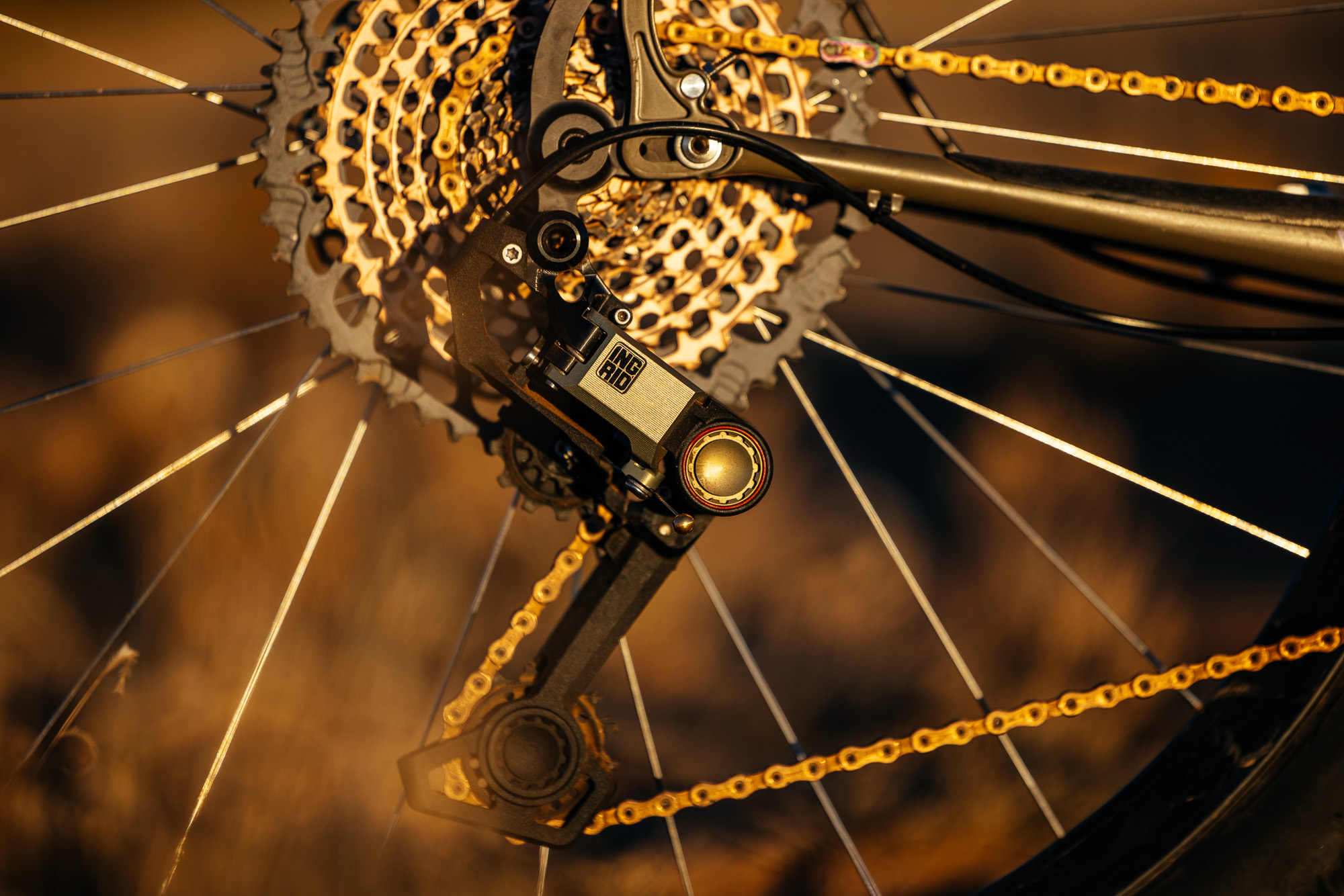
After two years of riding the Ingrid RD1 MK3 on his Black Cat Swami, John contextualizes this rear mech’s importance in the recent rebuildable derailleur arms race…
While everyone’s hot and bothered by Madrone, Vivo, and even SRAM’s rebuildable derailleurs – all of which I’ve reviewed – I’d argue we can thank Ingrid for its pioneering first steps in the space. Officially launched to the public back in 2021, the RD1 was years ahead of other manufacturers.
While the RD1 is now in the MK3 generation, its intent was there before the others.
Fabbricato in Italia
Made in Italy has long been associated with luxury, and the RD1’s price point certainly places it within that category. At 572,95 € retail, which after tariffs comes to $745 USD retail, it’s anything but affordable. But, by comparison, Campy’s made-in-Italy Super Record 13-speed mech topples that at $948. But when I purchased my RD1, it was around $500 USD.
My derailleur, specced in long cage and SRAM 12-speed, weighs 272 grams. By comparison, the Eagle 90 derailleur is 395 grams, the Vivo Enduro derailleur is 315 grams, and Madrone’s Jab is 326 grams.
Needless to say, the RD1 MK3 is Gucci.
Beating Other Mechs to Market
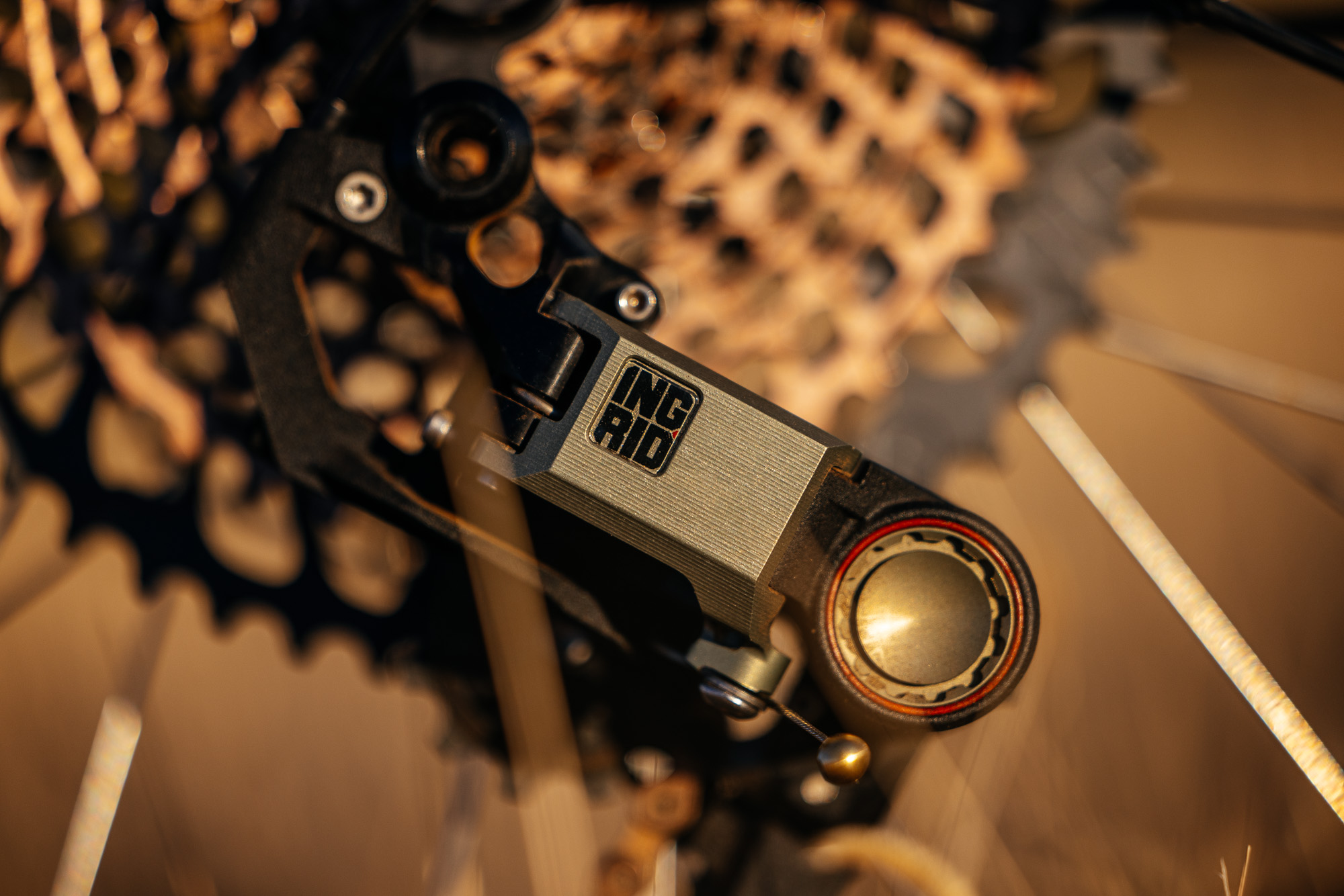
Over the past twelve months alone, I’ve reviewed three rebuildable derailleurs, yet none were 100% wholly made in their country of design origin. SRAM V90 is wholly made in Taiwan, Vivo and Madrone are assembled in the USA from global components. In fact, Ratio’s just-announced made-in-the-UK mech is the only derailleur, other than Ingrid’s, to be made entirely in the country of design origin.
Again, Ingrid beat all these mechs to the market, and I’d argue that was perhaps a motivator for these brands.
11 to 12 Speed
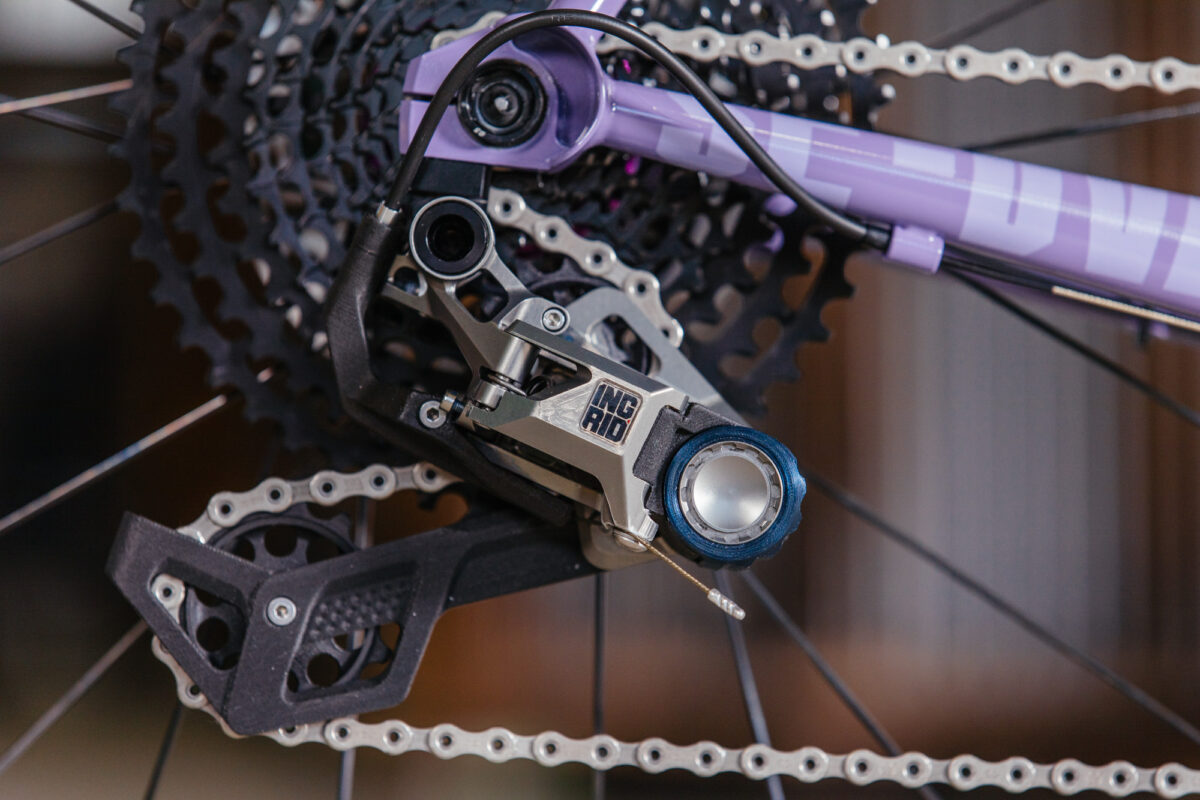
Much like the Madrone Jab, the Ingrid RD1 comes with a variety of “fins” to offer compatibility with every modern (cable-actuated) drivetrain system. You select 11 or 12 speed, SRAM drop or flat bar, Campagnolo, or Shimano drop or flat bar upon ordering. And yes, these fins can be purchased aftermarket to swap your RD1’s compatibility in the future.
There are even two cage lengths available: short cage throws to a 46-tooth cassette and the long cage, a 52-tooth cassette.
RD1 MK3 Materials
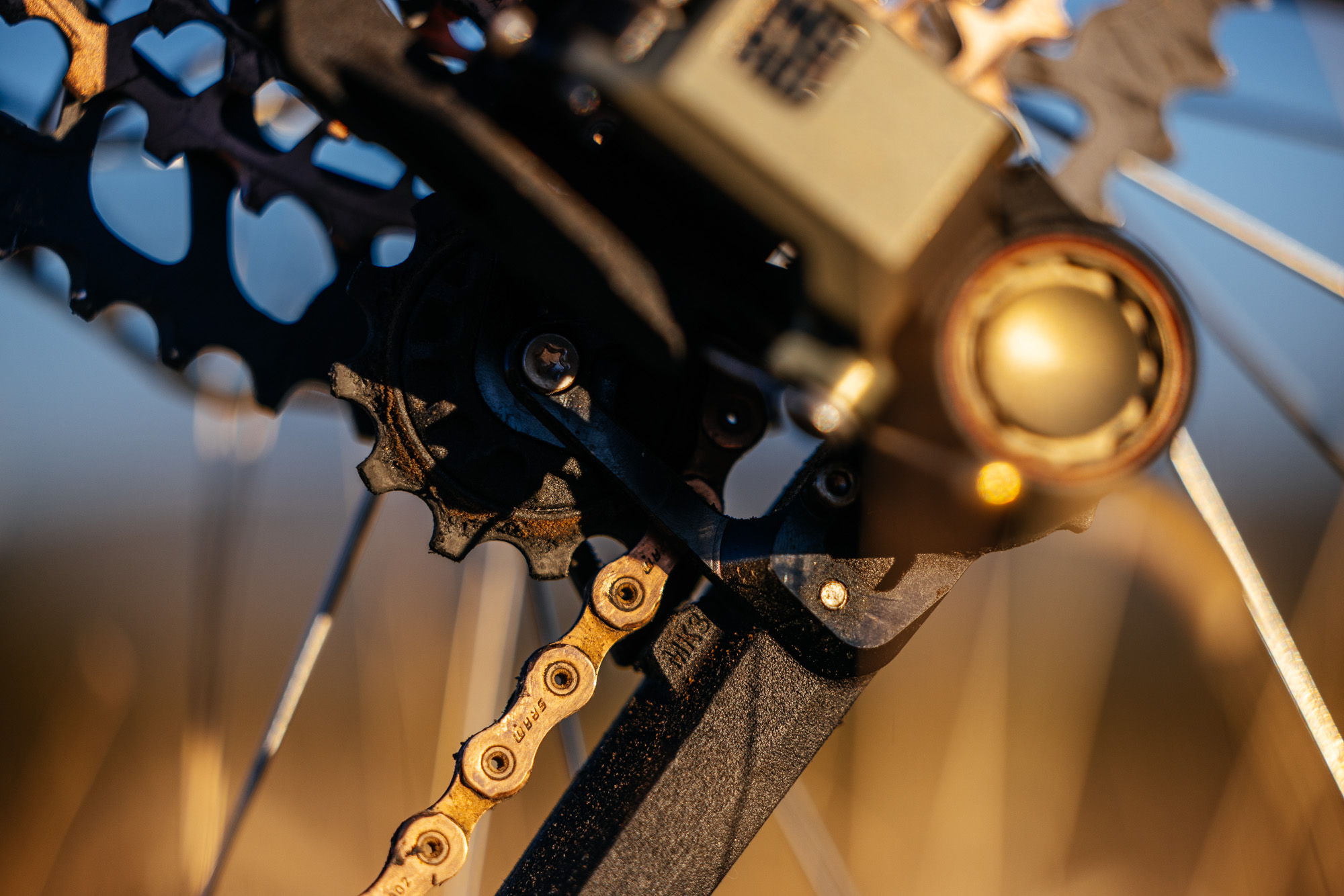
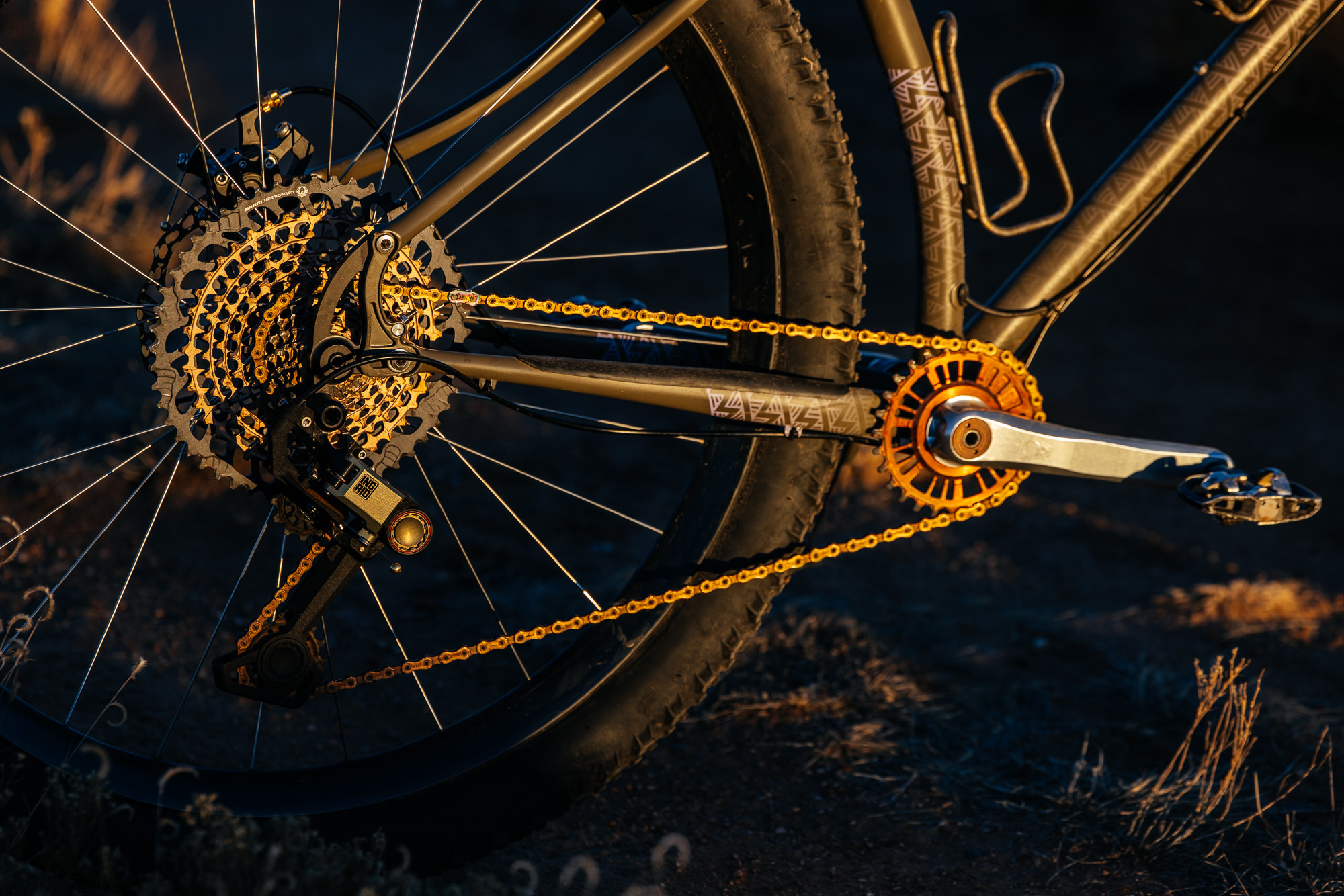
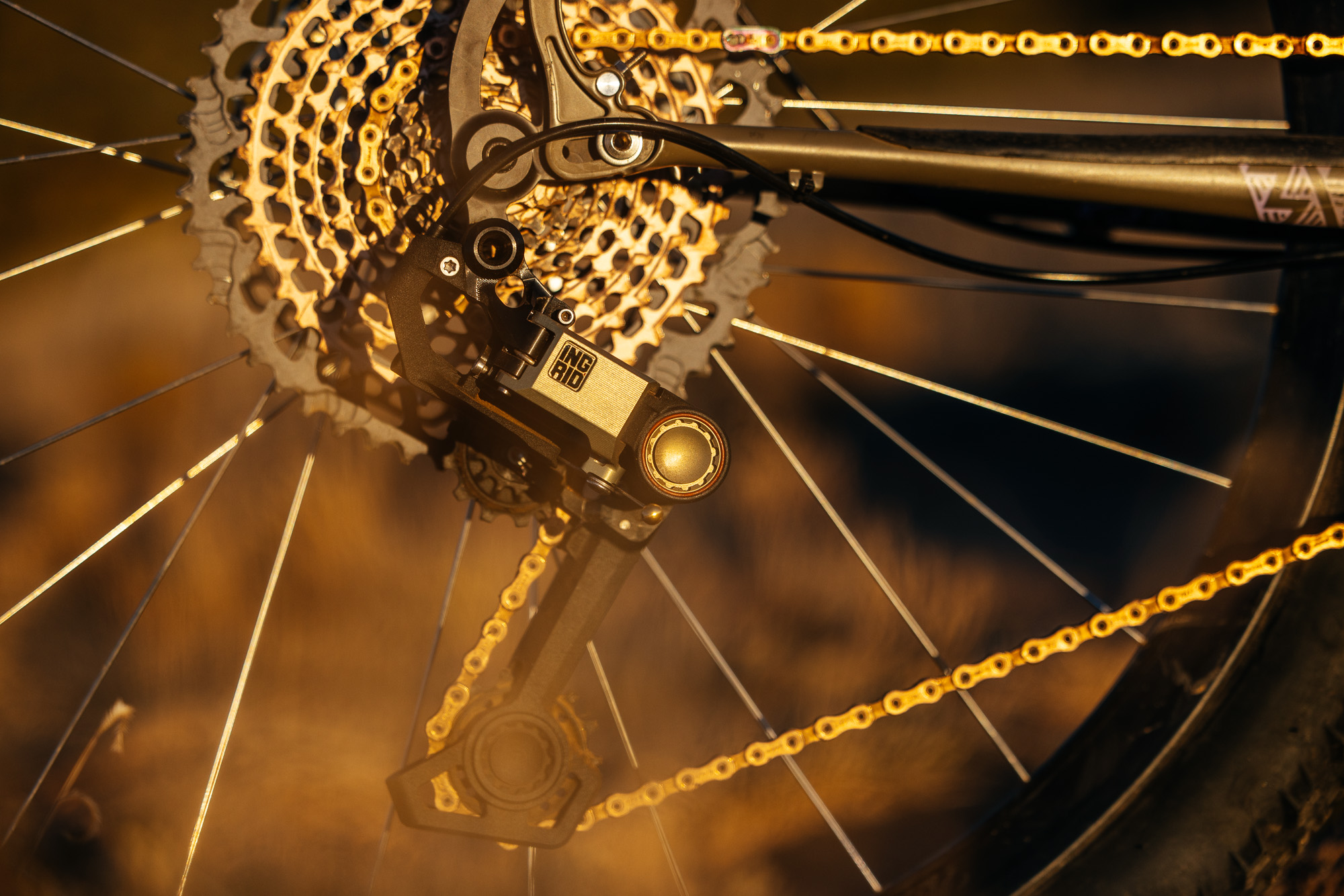
Ingrid chose to manufacture every single component of the RD1 in Italy. This project began in 2017 and was first featured here on The Radavist in 2019. It didn’t come to market until early 2021, set back by the Pandemic. Over the years, they’ve slowly refined the design, with the only indicator on the derailleur of its generation denoted by a small “MK3” on the cage.
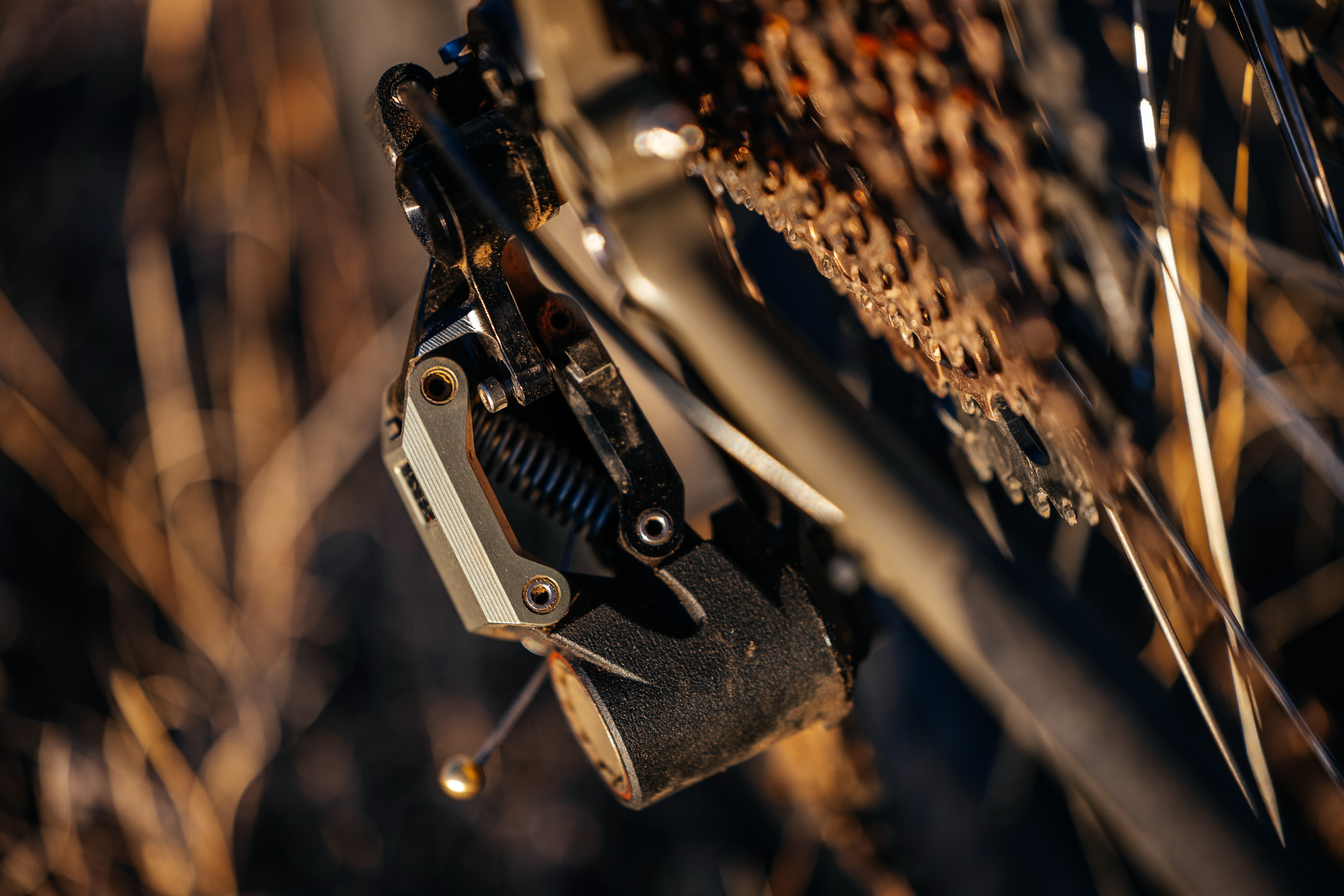
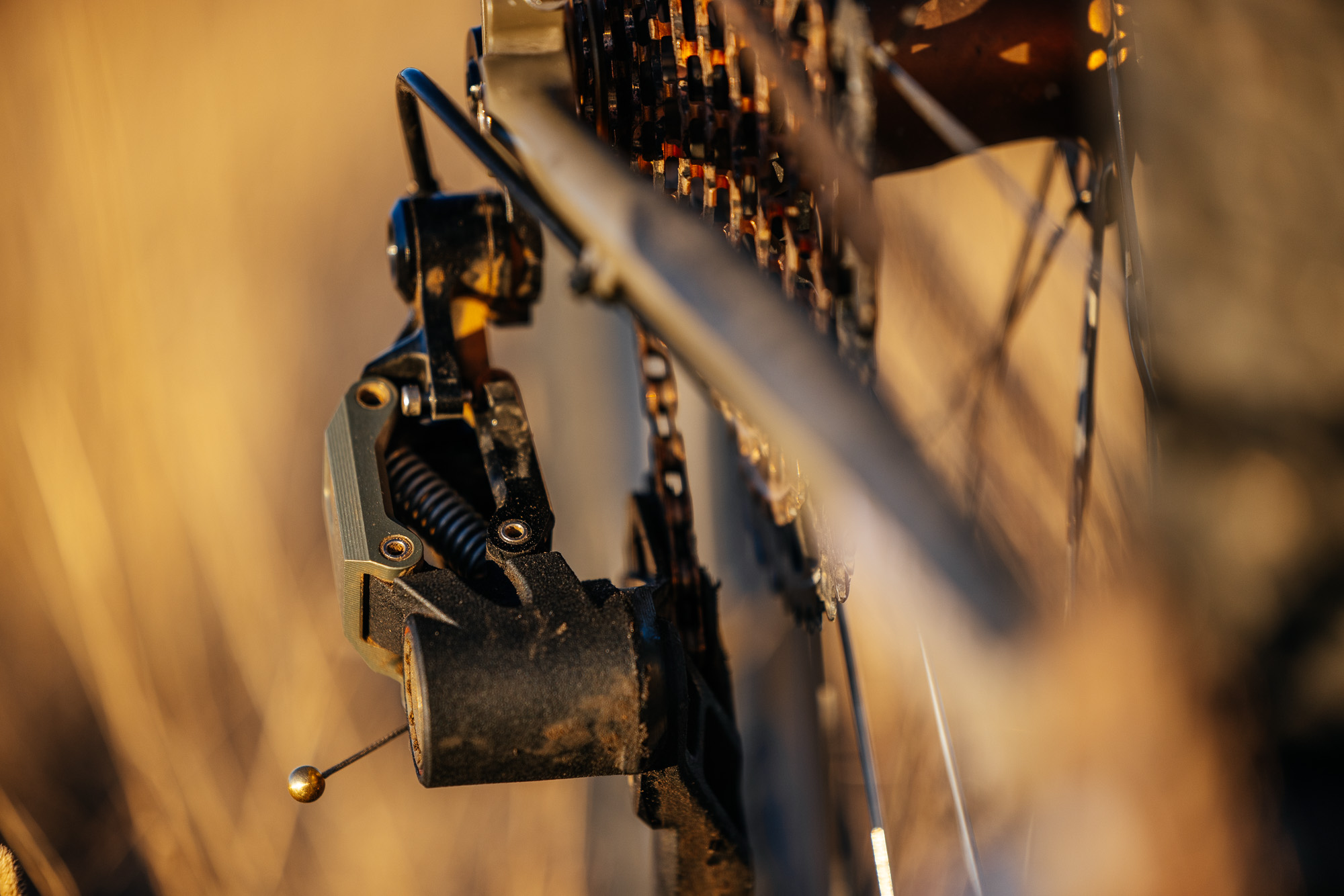
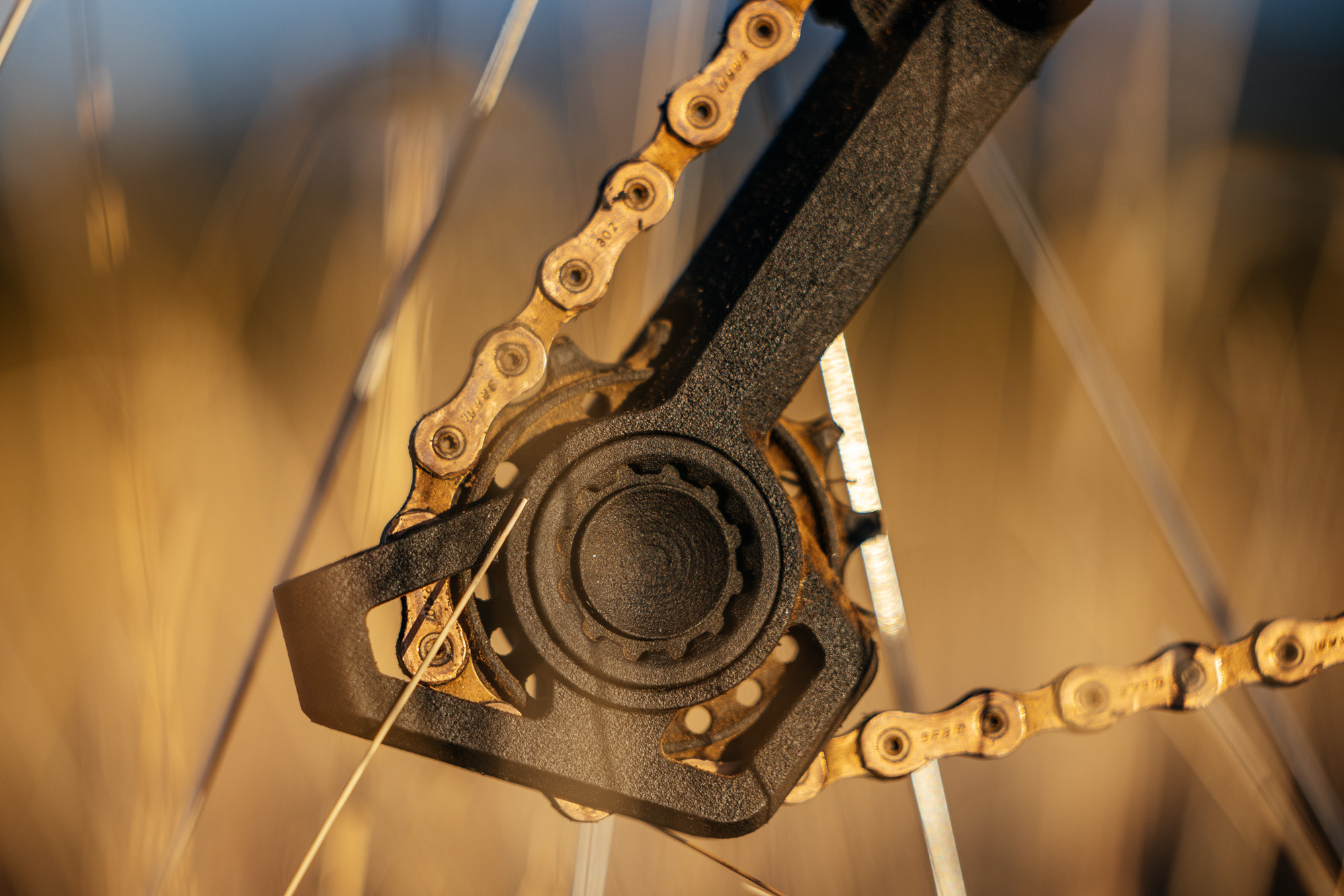
The mech’s materials are a mix of 7075 and PA12, or Nylon 12. This 3D printed material is a high-performance thermoplastic polymer known for its strength, chemical resistance, and low moisture absorption. PA12 is tough and lightweight. Compared to carbon fiber, it’s easier to batch as well.
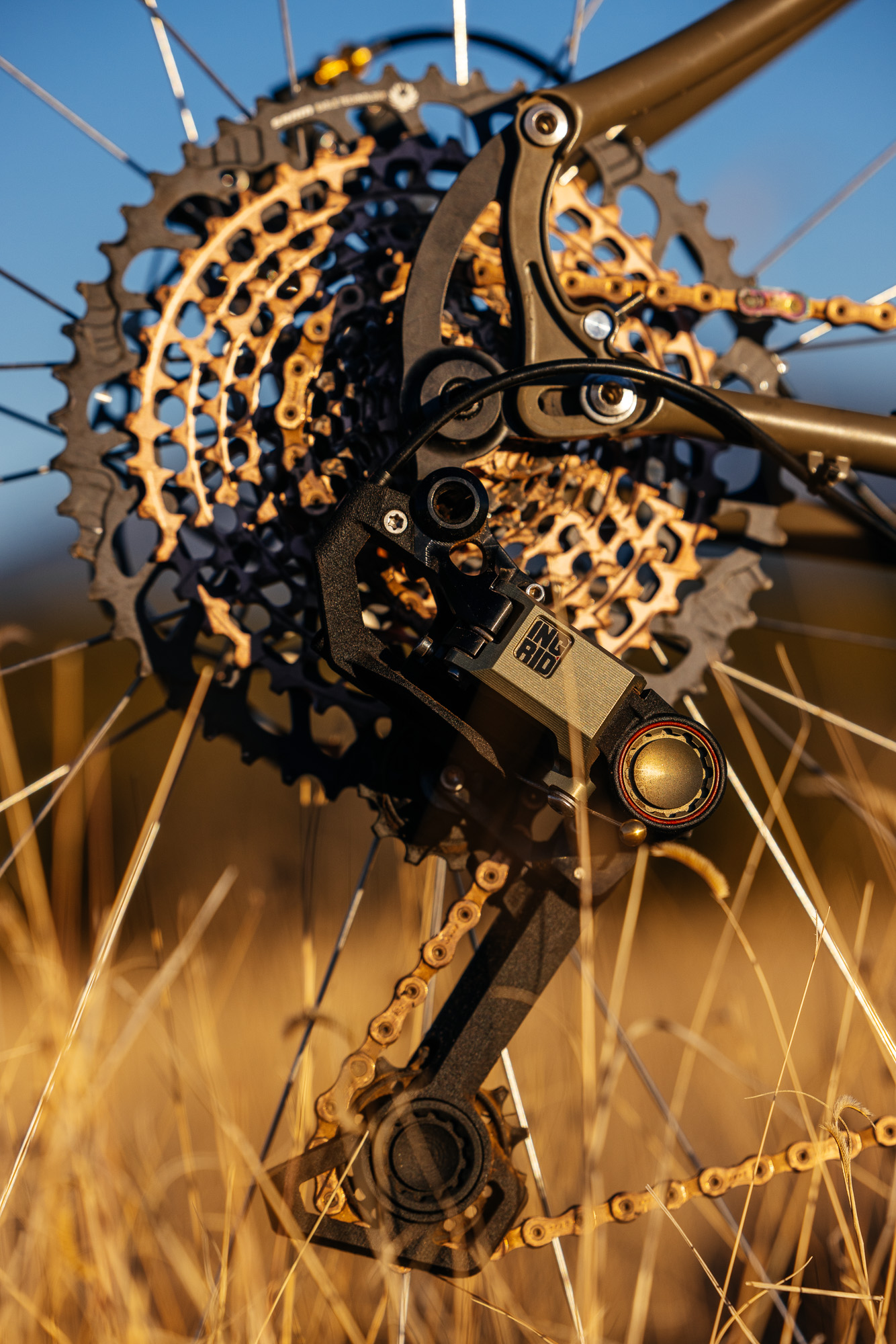
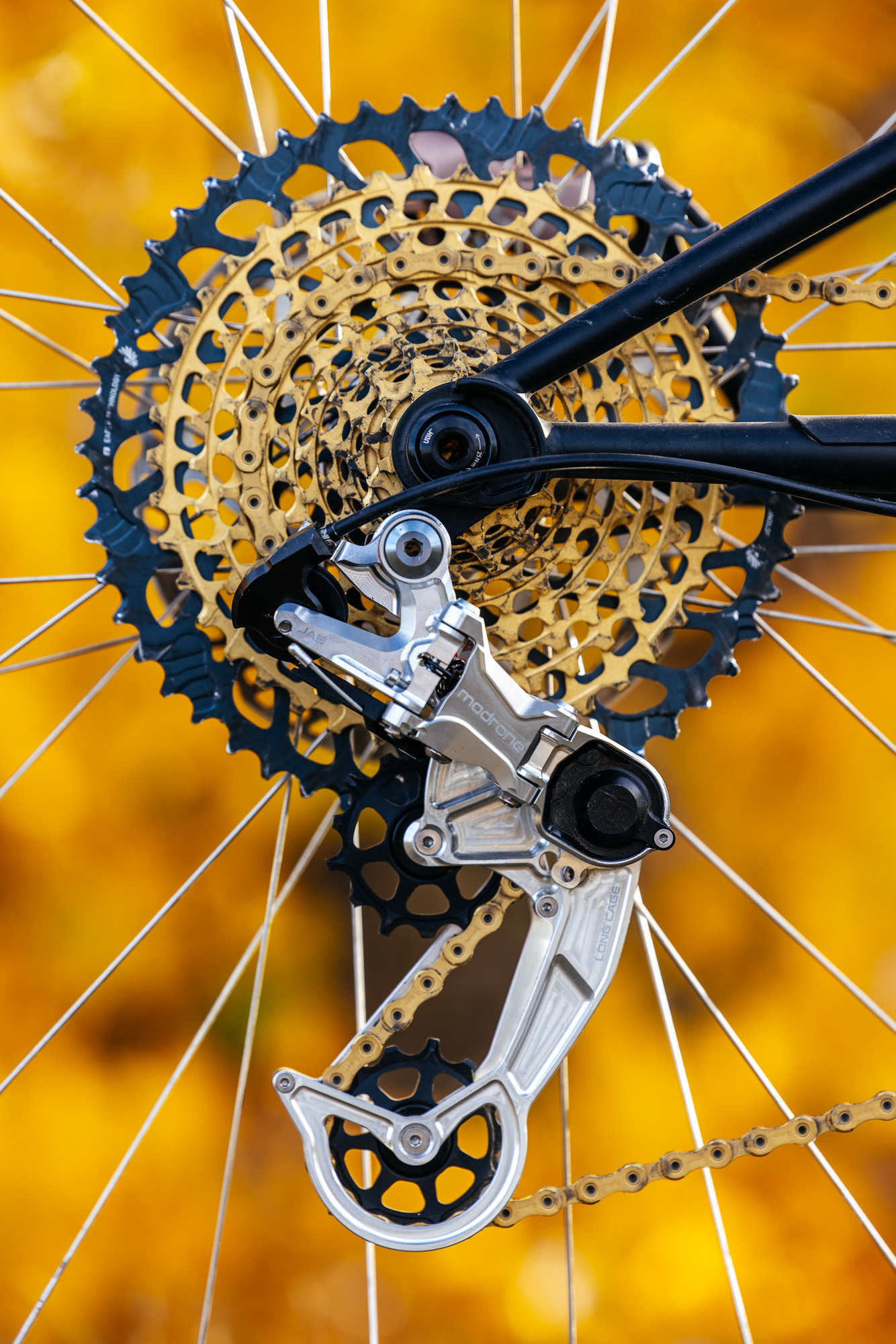
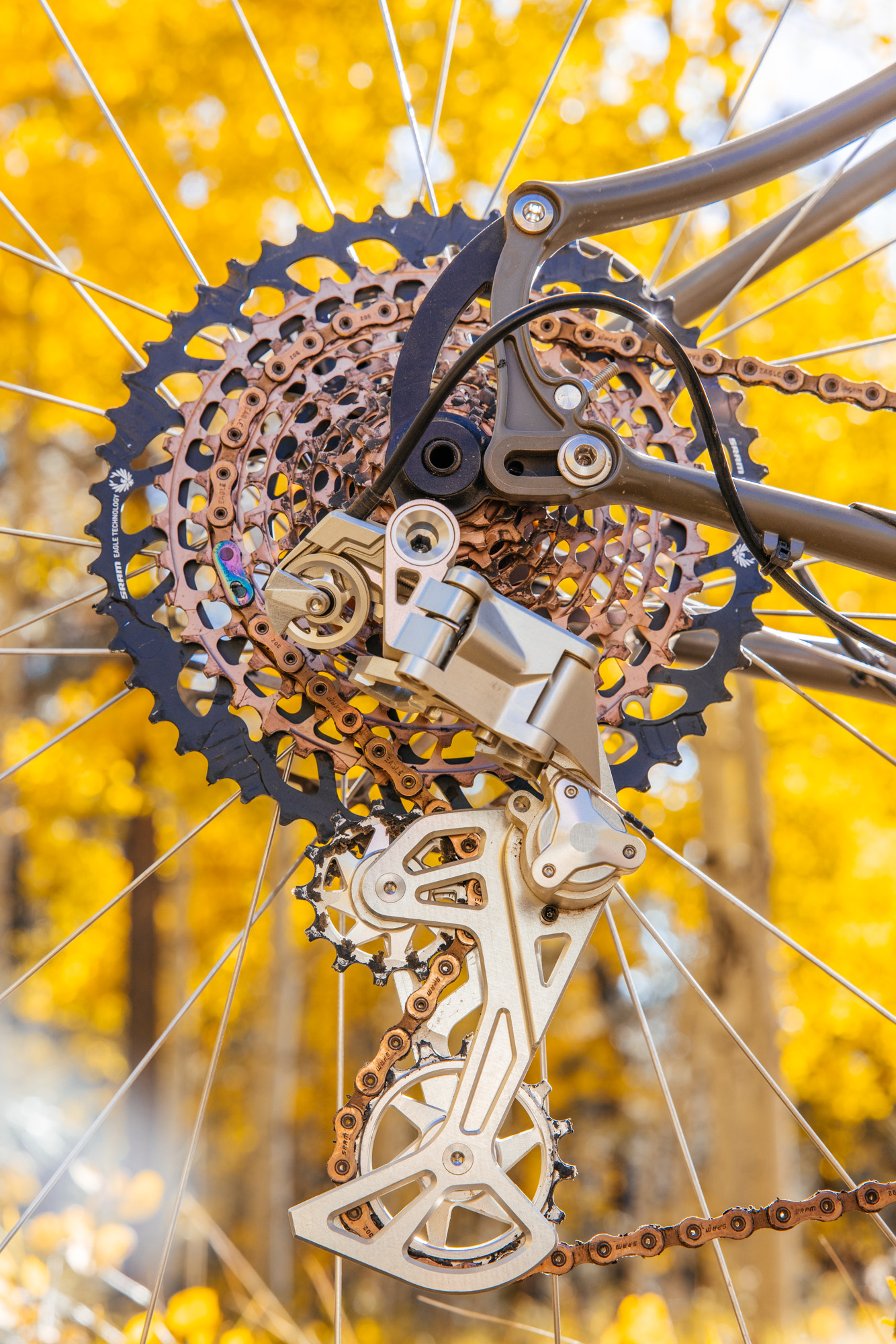
Ingrid’s use of PA12 may be why the derailleur didn’t catch on as quickly as Madrone’s Jab derailleur, or Vivo’s Enduro, which are mostly metal. But its use of PA12 is also why it is the most unique-looking mech on the market. And one of the reasons why it is the lightest. Again, I need to emphasize that Ingrid began using this technology in 2017!
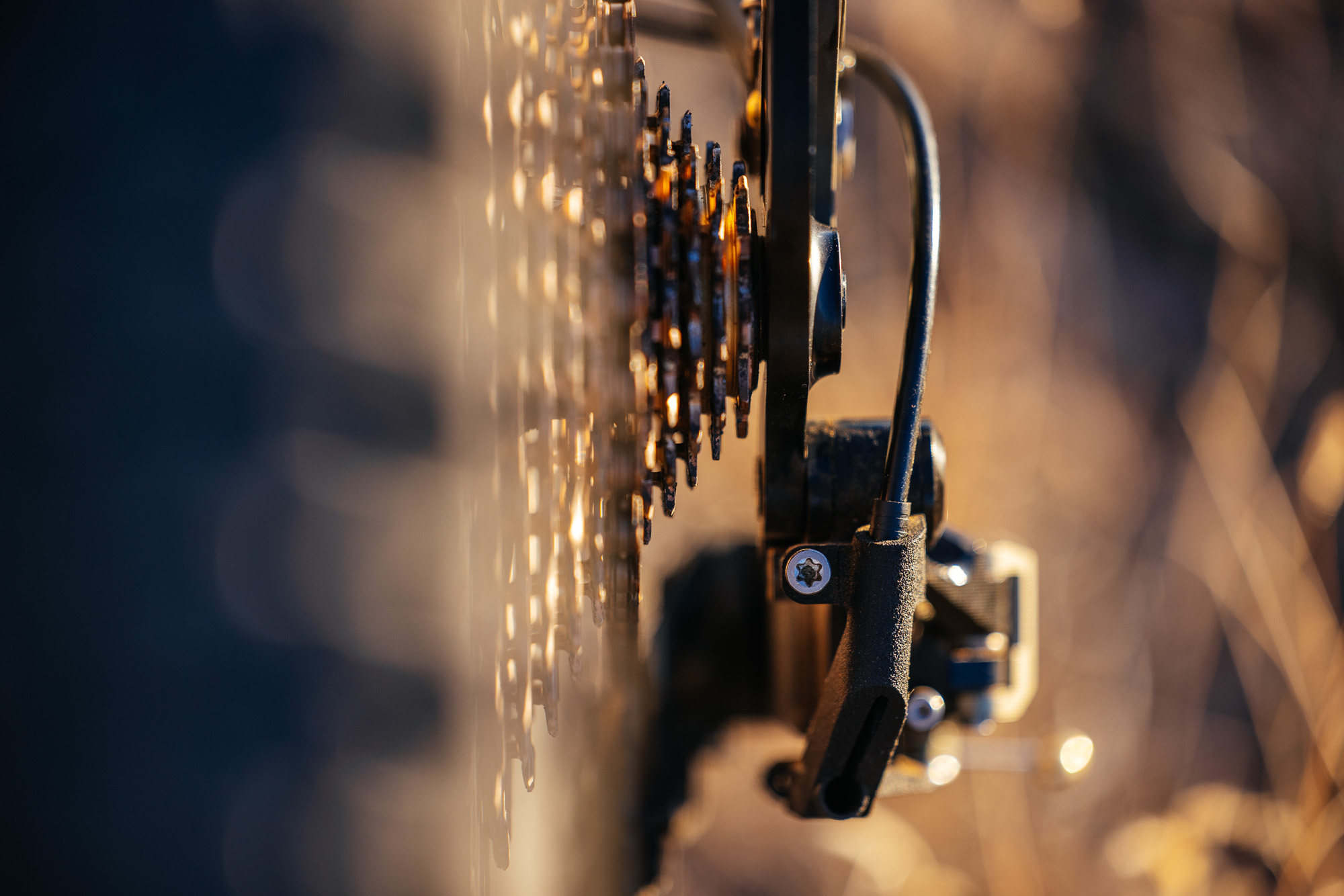
I began using my RD1 with a SRAM GX shifter, but it didn’t really “click” from a user experience until I bought the TTS Thumb Shifter…
TTS Thumb Shifter
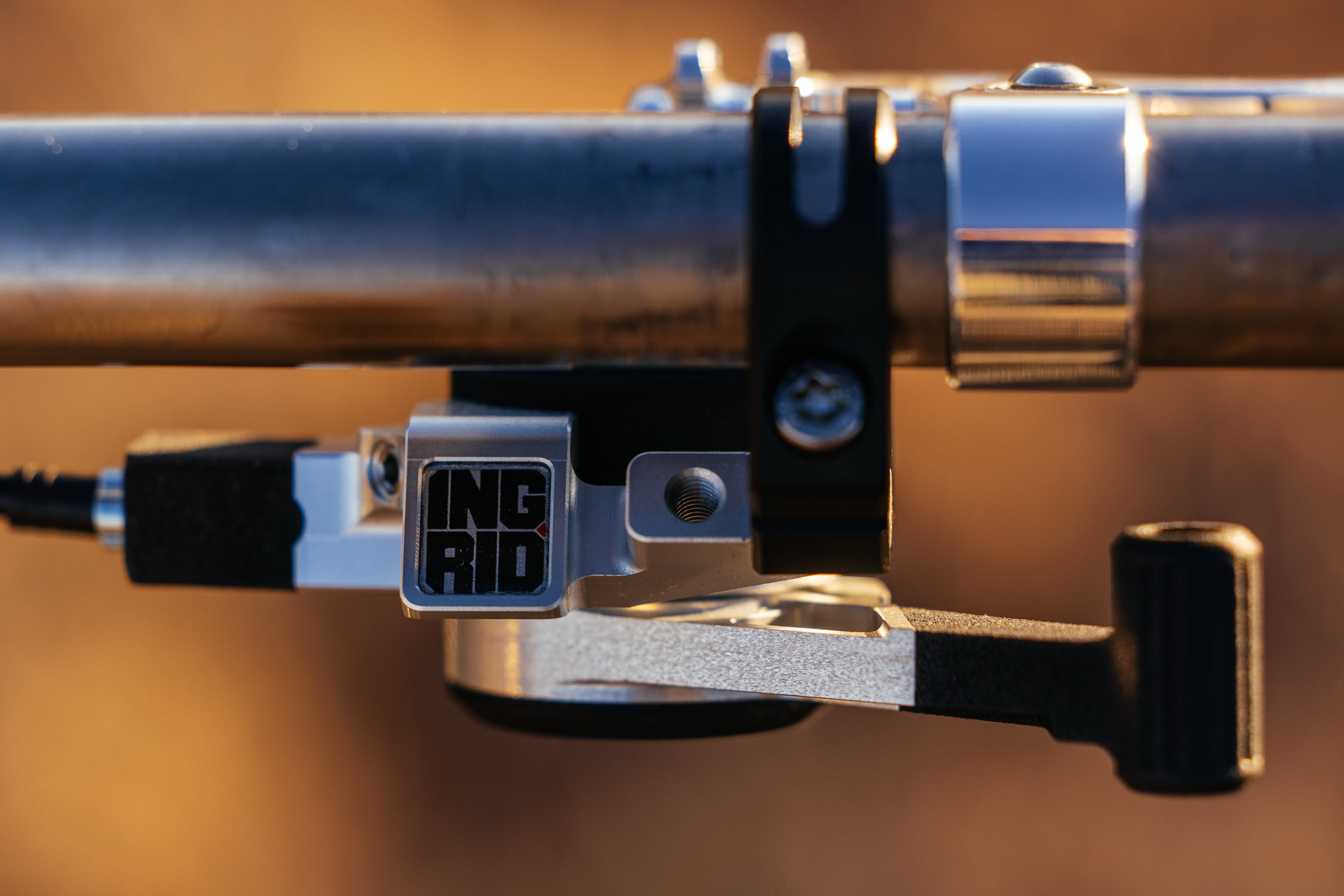
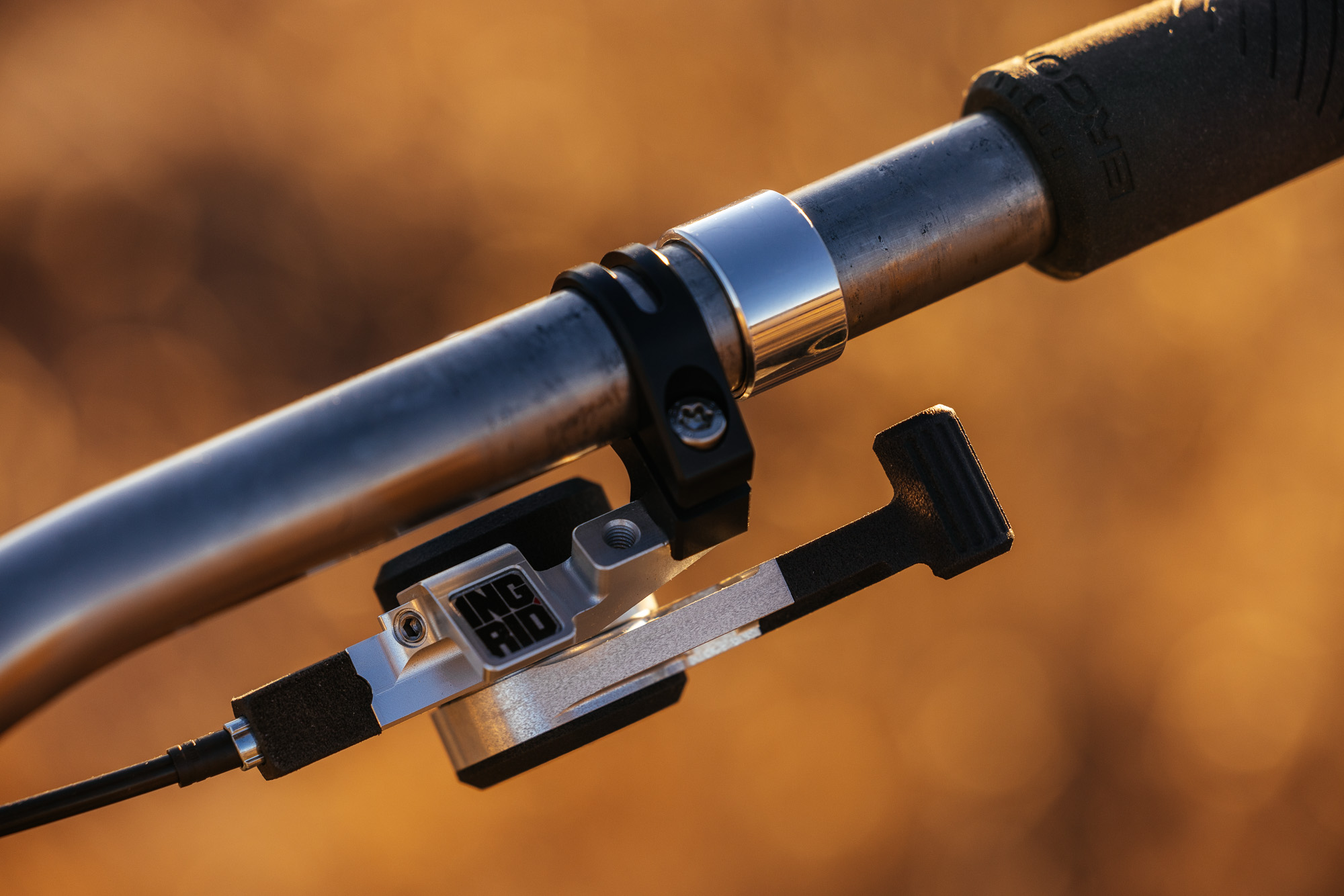
Where Ingrid once again shines is its innovative TTS Thumb Shifter. Unlike the Vivo shifter, which feels very similar to SRAM or Shimano in its functionality, the TTS Thumb Shifter is truly innovative. There is nothing like it on the market. The TTS feels like something Suntour would have brought to market in its last months – some sort of Hail Mary to save the brand from Shimano’s encroachment into the mountain bike domain with Deer Head coming to market in 1983.
I say that not as a dig at its design — more a compliment to its simplicity.
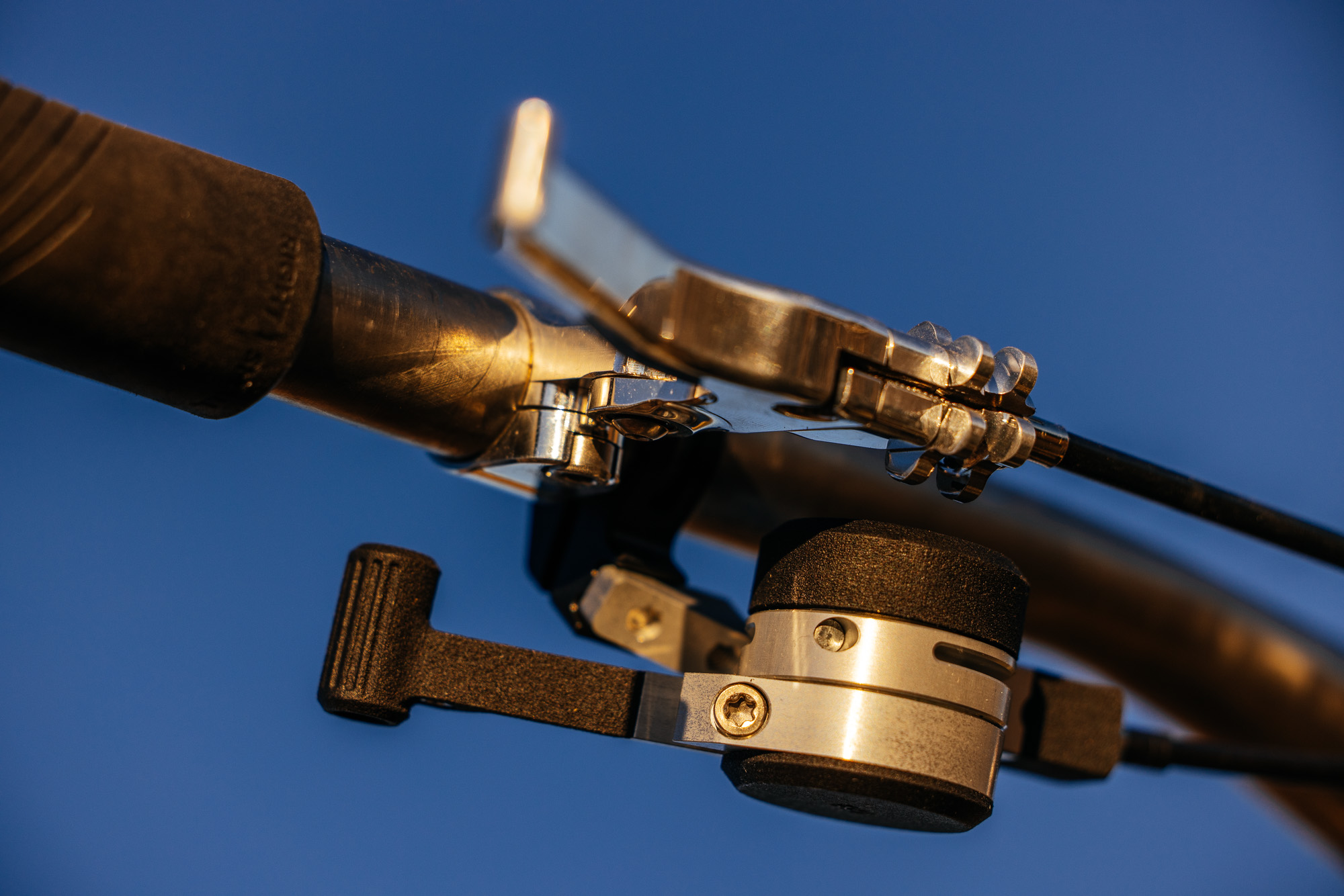
To operate the TTS, simply press the lever down to go down the cluster and up to go up. It’s super intuitive, and each indexed “click” responds with a crisp, sharp shift. Threading the cable in is a cinch, and you can even adjust the shifter arm’s position by loosening the T25 bolt. I think this is the nicest feeling indexed shifter on the market.
It’s genius, and to be fair, the only reason it hasn’t received media-wide applause is its retail price of 327,05€ or $399 USD.
Speaking of shifting…
RD1 MK3 Shifting
If you grew up on friction Suntour and Shimano mountain bikes, you learned how to shift with finesse. Jamming the shifter across the gearing spread under load would teach you a quick lesson, as the chain often jammed. In fact, I feel that indexed shifting was a way to “slow” the shifting of these narrower chains and tighter cassette or cluster gaps. Even when I rode my first indexed groupset, a 9-speed Shimano setup on my Gary Fisher back in 1999, I was surprised at how slow the shifting felt compared to friction. Riding modern 12-speed indexed systems behaves similarly.
As such, riding these modern systems, you learn to let off the gas when throwing the shifter lever.
I’ve heard some people say that the Ingrid RD1 shift isn’t as stiff as an SRAM Eagle AXS or Transmission derailleur. And I’d agree with that slightly, but I don’t think it ought to or that it needs to be. The RD1 is in a different class. Visually, it’s slimmer and more elegant than a bulky Direct Mount mech. As such, it’s not a broad sword to be swung and is more of a fencing Épée.

RD1 Shifting Under Load
Shifting under slight load isn’t an issue, and to be fair, I’ve shifted it plenty under load but only unintentionally. The RD1 has lived exclusively on my Black Cat Swami, which primarily gets ridden in XC singletrack and backcountry double-track terrain. While on singletrack, it gets shifted frequently. Sometimes abruptly, as I tractor up a steep face but on doubletrack, I usually find my gear and settle in.
If I were to rate the RD1 MK3 on par with a modern, readily available mech, I’d place it in the same class as the incredibly affordable Shimano XT.
The RD1 MK3 currently lacks a UDH Direct Mount option.
Ingrid Ecosystem
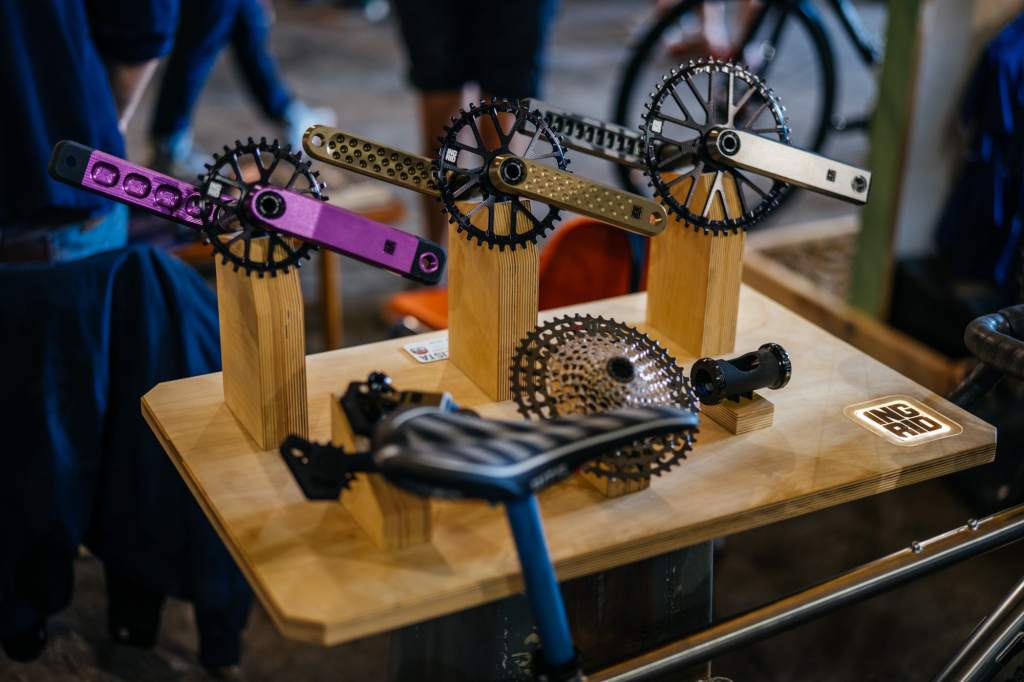
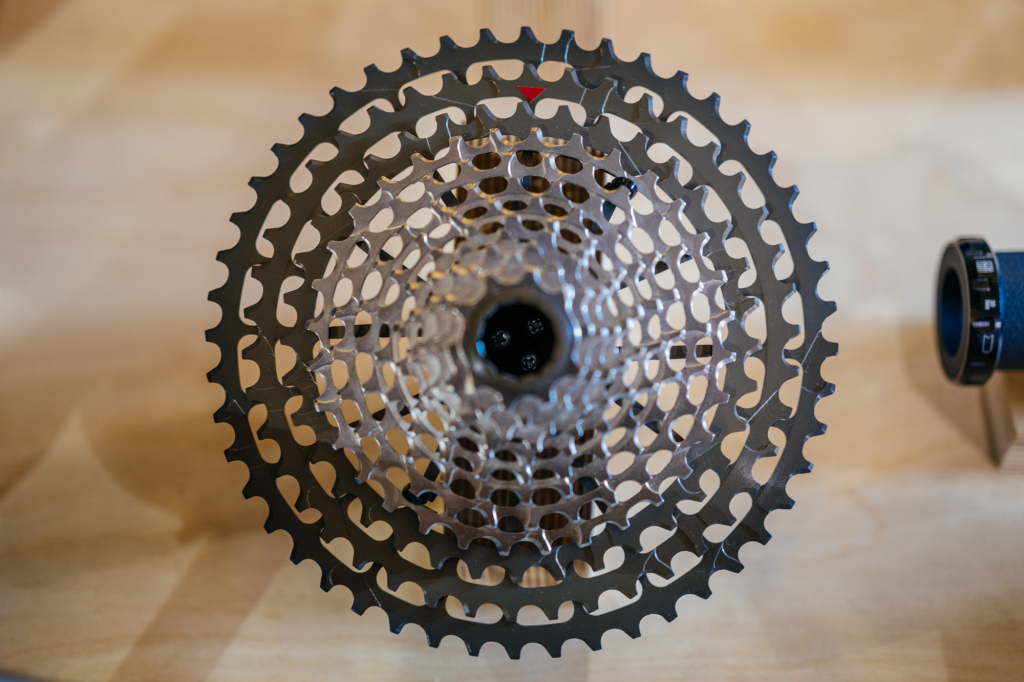
Ingrid also manufactures cranksets and cassettes that match the finishing found on the RD1 MK3 derailleur and TTS shifter. With six colors to choose from and even a few limited edition offerings – like the olive drab RD1 MK3 on my Black Cat – you can add a bit of bling to your custom builds. I have no experience with the cassettes or cranksets, but have documented them on many show bikes…
RD1 Luxury Bling
Look, a $1,000 derailleur and shifter ain’t an easy sell, not in today’s economy – hell, not in any economy. The title of this review was intended to place it within the luxury category. Seeing as how the RD1 MK3 and TTS, when combined, retail for the same as a pair of Gucci Loafers, it’s clear that Ingrid is leaning on its wholly made-in-Italy pride.
This isn’t a groupset for a wall-hanger. It’s meant to be used, ridden, thrashed, and dirtied. Not that you’d take a pair of Gucci loafers to a bike park – but you wouldn’t be afraid to walk in them either.
I’m not here to convince you to buy the RD1 MK3. There are other, equally functional and more affordable mechs out there, but I do want to give Ingrid props for laying the groundwork for this new wave of rebuildable mechs we’re seeing more frequently.
Made in Italy has long been synonymous with luxury and functionality, and Ingrid has leaned in on that with the RD1 MK3 and TTS system.
Pros
- Rebuildable, repairable, swappable from 11 to 12 speed systems
- Made in Italy
- Lightest rebuildable derailleur at 272 grams
- Short or long cage
- Drop bar with eagle range
- Did I mention it’s rebuildable?
- Limited edition anodizing colors are superb
- Less bulky-looking than other mechs
- TTS shifter is crisp and super intuitive!
Cons
- Expensive
- Nylon parts make it look cheap, compared to all-metal mechs
- TTS is kind of bulky
- No UDH
- Did I mention it’s expensive?
Scope the Ingrid Components RD1 MK3, the TTS, and other Ingrid components in the USA at Biciclista.