
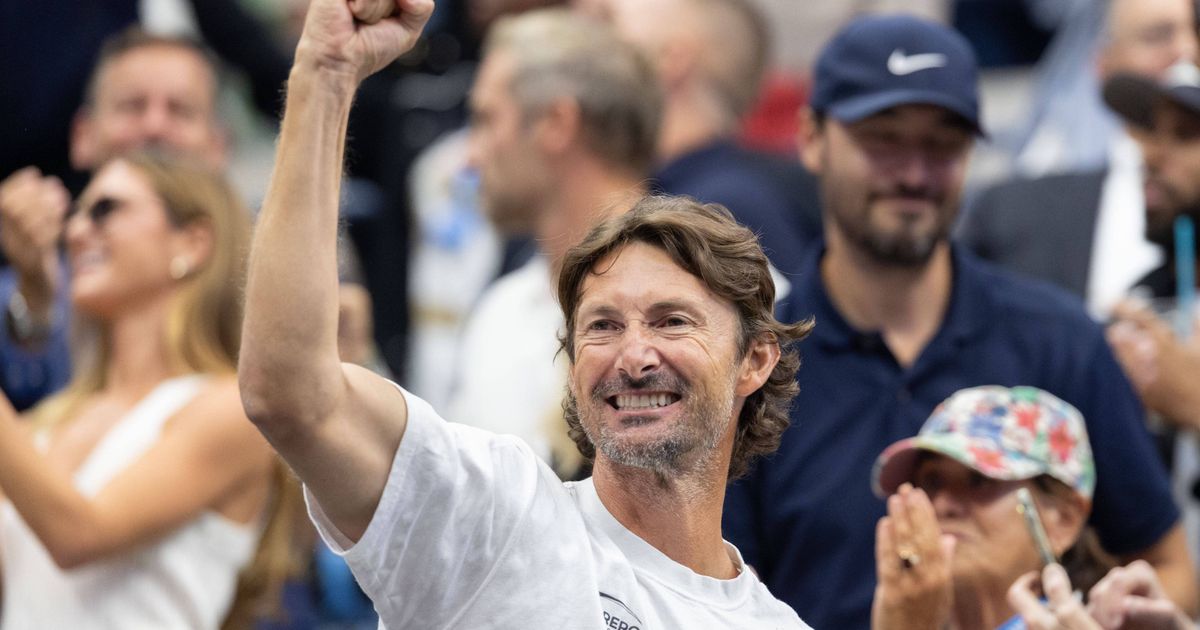
Despite his absence from the circuit, Ferrero remains closely connected to the sport. He continues to follow results selectively and maintains contact with players and teams, including Alcaraz’s camp after the Spaniard’s Australian Open success earlier this season.
Motivation and timing central to any return
Ferrero made clear that the primary factor behind his current decision is not the lack of opportunities, but internal motivation. The Spaniard confirmed that multiple offers have arrived, including interest from players on both the ATP and WTA Tours, but none have met the personal threshold required to return.
“I’ve had very good offers, but at the level of internal motivation, not motivation for the player, I haven’t found the reason to travel again.”
That distinction underlines Ferrero’s approach to coaching at this stage of his career. After years on tour, including the demands of guiding a top-ranked player, he is prioritising balance and long-term clarity over immediate opportunities. “Right now I don’t miss tennis. I need this break and I’m calm.”
His current role reflects that shift. Ferrero has taken on a new position working alongside golfer Ángel Ayora as a mental coach, applying his experience from tennis to a different competitive environment. While the workload is reduced compared to full-time coaching, the project allows him to remain active in elite sport.
Alcaraz, motivation and the modern elite standard
Ferrero also reflected on the factors behind Alcaraz’s continued success, identifying motivation as a central component in sustaining performance at the highest level. The Spaniard has continued to compete at the top of the ATP Tour in 2026, reinforcing the foundations built during their partnership. “Motivation has to stay intact. When you achieve your goals, if motivation is not at 100 percent, then professional discipline has to come in.”
That framework, according to Ferrero, separates leading players from the rest of the field. He pointed to the current ATP landscape, where Alcaraz and Jannik Sinner have established themselves as the reference point, while players such as Alexander Zverev and Novak Djokovic remain capable of challenging at the highest level.
Ferrero also addressed Sinner’s recent performances, including his loss to Djokovic at the Australian Open, suggesting context matters when evaluating results. “I wouldn’t say Sinner disappointed me for losing to Novak, because it happened to Carlos the year before.”
Future remains open as Ferrero evaluates next step
For now, Ferrero’s position remains unchanged. He is not actively pursuing a return, but neither has he closed the possibility. The timeline will depend on whether the right combination of project, motivation and personal readiness aligns in the coming months. “It has to come naturally… I’m calm, with this new project, and without rush to return.”
His presence around tennis, even at a distance, ensures that any comeback would not require a full reset. However, as he emphasised, the decision will not be driven by external demand, but by internal conviction. “I’m calm at the academy. I see young players every day… I’m not that far from tennis.”