
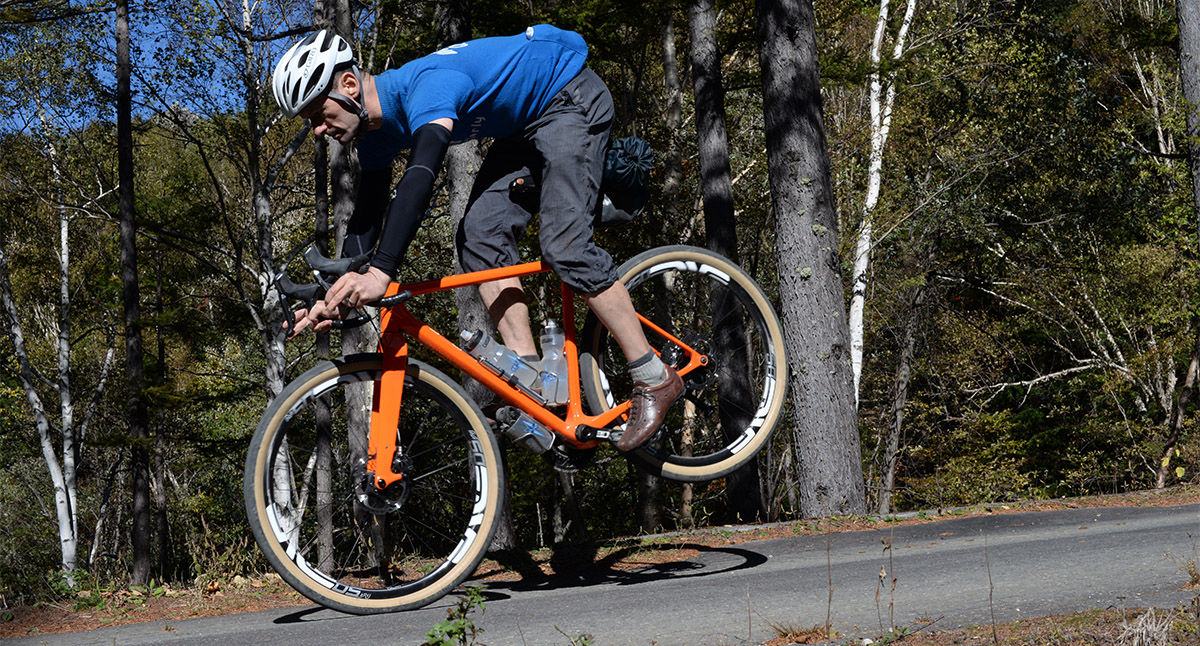
Cycling is a relatively safe sport. And once we factor in the health benefits of exercise, cyclists actually tend to live longer than people who don’t exercise. That doesn’t mean we can’t make cycling even safer. At Rene Herse Cycles, we’ve been working on just that. After years of R&D and half a dozen patents, we are excited to present revolutionary safety aids that take much of the danger out of cycling. The new system consists of several components:
Anti-Lock Brakes
No more flipping over the handlebars every time we brake hard—even if we forget to shift our weight backwards! The new Rene Herse brake-by-wire system releases the front brake ever-so-slightly once the rear wheel starts to rise up. This allows hard braking without the risk of doing an endo. It also prevents locking up the front wheel on slippery surfaces.
The system uses the inputs from speed, inclination and tire pressure sensors, plus the position of the brake lever, to avoid ‘false-positives.’ For example, the system recognizes when we crest a hill and start braking as the bike is tilting downhill, or if we are riding off a curb. If the front tire pressure does not increase measurably as the bike tilts forward, the system knows that we are not about to go over the bars… but just going down a hill.
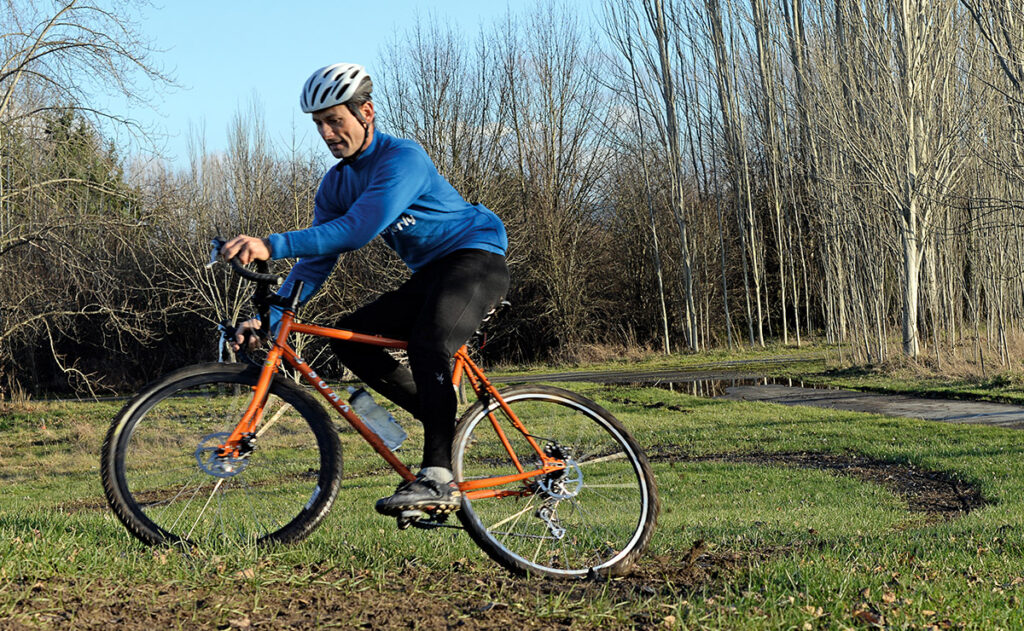
The Rene Herse anti-lock brake system also works on the rear brake to prevent skidding. What if we want to impress our friends with our skids? No problem! Via the settings menu, the system can be adjusted to allow a small (and safe) degree of sliding. The system removes the risk of overdoing it and crashing—and our friends laughing at us!
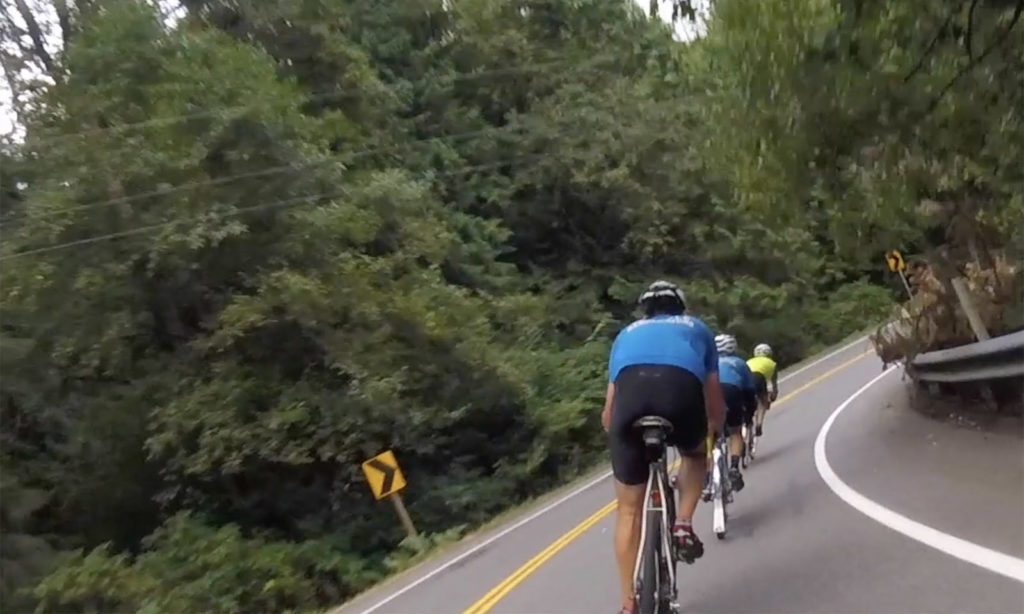
Combined with a forward-facing radar, the new Rene Herse braking system makes group riding safer. It detects when a rider several rows in front slams on the brakes for no apparent reason. Then it applies the brakes gently, giving us ample warning that braking may be needed. Brake force is capped in this application, so the rider doesn’t fly forward when the bike suddenly slows down. (Bicycles do not have seatbelts—yet.)
Anti-Wheelie
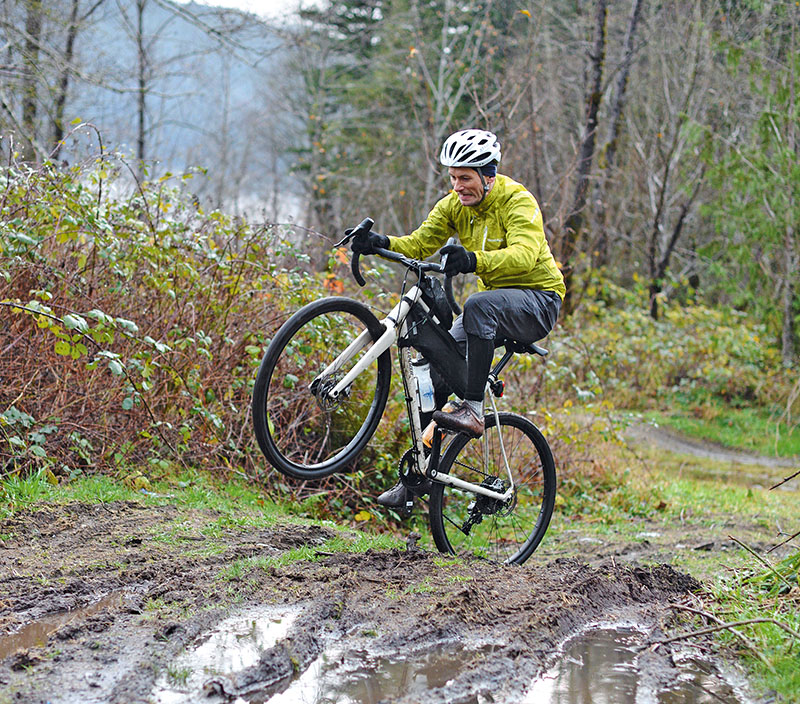
The Rene Herse braking system doesn’t just prevent going over the bars. It also works the other way around: It prevents wheelies from getting out of hand by applying the rear brake as soon as it detects the front wheel rising up too far. The settings menu allows selecting the ‘maximum wheelie height.’ This is for riders who want to lift the front wheel over obstacles—or who just enjoy showing off.
Stability Control
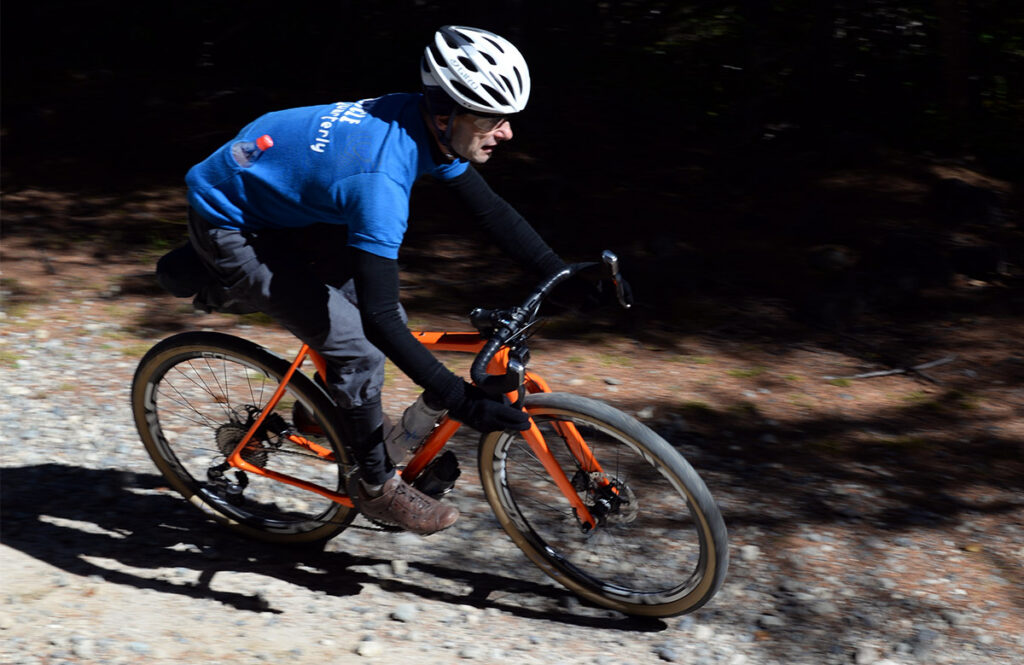
Who hasn’t been on a group ride where the experienced riders go around a corner without problems, but somebody further back wipes out, even though they aren’t going any faster? When riders crash in corners, it’s rarely because they’ve exceeded the limits of physics. Usually their inputs were jerky, or they lost confidence and braked in mid-corner. That’s where Rene Herse stability control comes in.
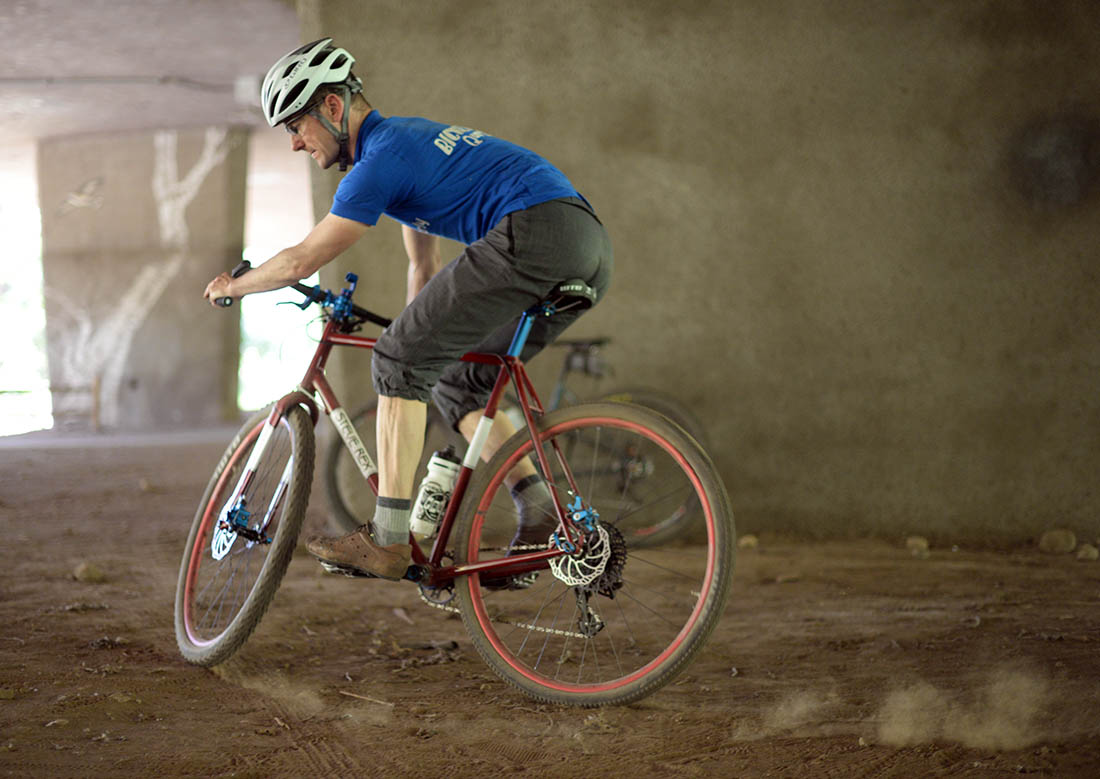
By decoupling the handlebars from the fork and incorporating a small motor that can turn the fork a few degrees either way of the handlebar position, Rene Herse has created a steer-by-wire system that corrects the rider’s inputs. The system calculates a smooth line around the turn and adjusts the angle of the front wheel accordingly. On popular routes, GPS data is used to predict the line through the turn, which makes the corrections even smoother.
The anti-lock braking system also plays an important role in preventing corner wipe-outs: It limits braking in mid-corner and prevents locking up the wheels. Just as importantly, it uses the tire pressure sensors to predict which wheel is about to lose traction. If more traction on the front wheel is required, the system applies the brakes to shift the weight distribution forward. If more traction is required on the rear, the brakes are released to unload the front wheel, shifting the weight distribution rearward for more traction there.
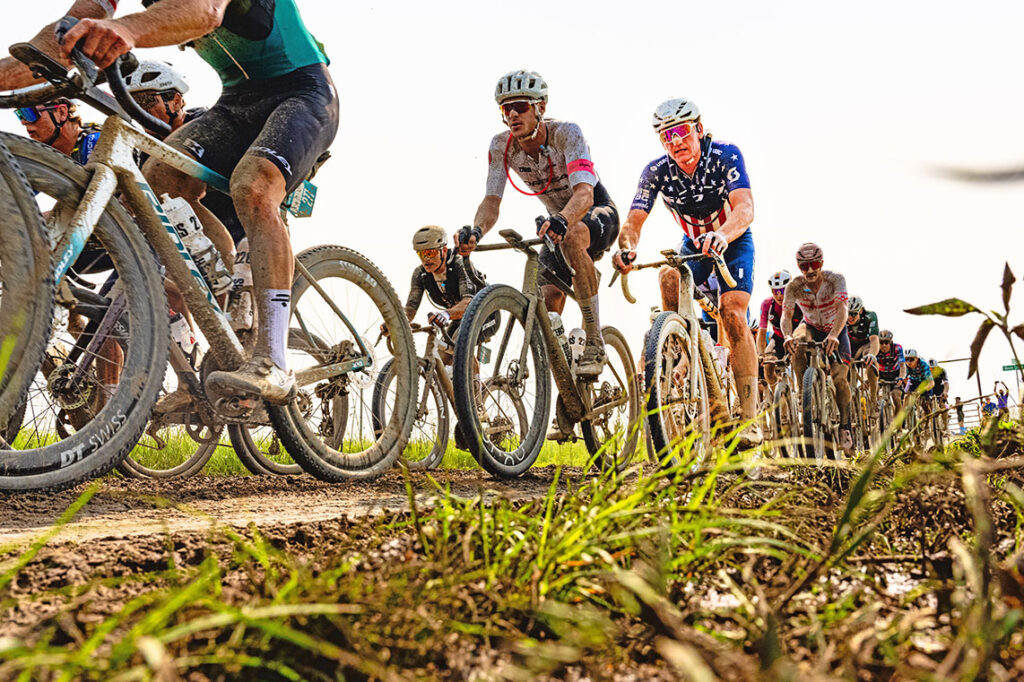
The Rene Herse Stability Control also works while riding straight: No more wobbles! This alone makes group riding much, much safer. No longer will other riders yell: “Hold your line!” The bike now does this automatically, even if the rider sneezes or hits a bump.
In their current form, these new technologies are working as rider aids, smoothing and improving our inputs as we ride our bikes. For the future, Rene Herse Cycles is working on fully autonomous bikes, where the rider only has to pedal. With the course programmed into the GPS, the bike will balance, brake and corner on its own. This is especially useful for riders who started on Zwift and are curious what it’s like to ride outside, but are turned off by the difficulties of actually riding a bike.
The new Rene Herse safety systems will remove a major hurdle when it comes to riding safely and with confidence. They are certain to bring new people into cycling and help grow the sport.