
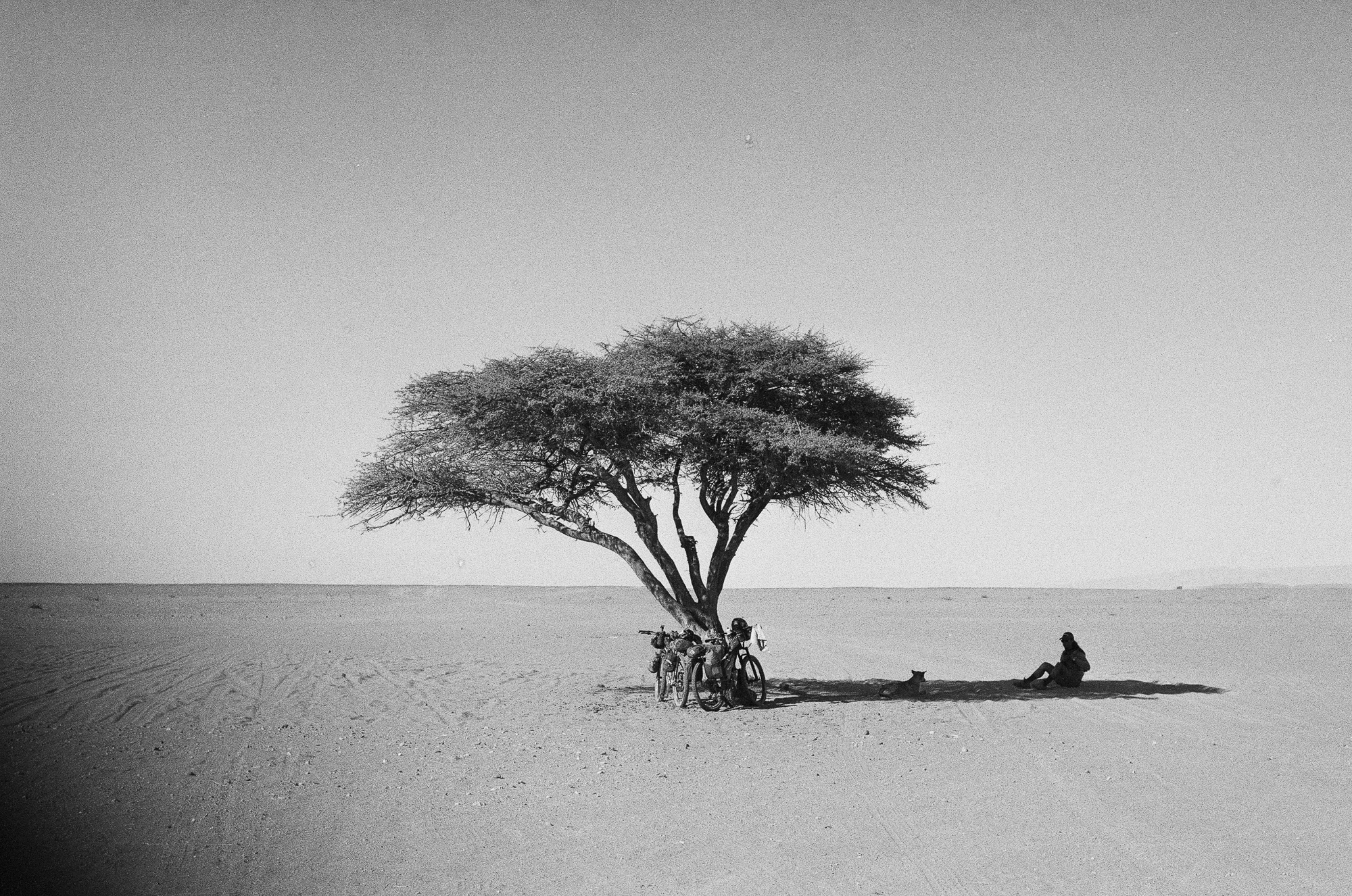
Morocco, with its sprawling desert landscapes and perfectly peeling waves, is known for its beauty and hospitality. But the only way to truly understand a place is to move through it slowly. Molly Harrison set out by bicycle to seek a deeper connection to this ancient and storied land. This love letter will inspire you.
“To inquire into the intricacies of a distant landscape, then, is to provoke thoughts about one’s own interior landscape, and the familiar landscapes of memory. The land urges us to come around to an understanding of ourselves.” – Barry Lopez
Morocco had been in the back of my mind since an encounter with two German surfers on a beach in Baja. As they grilled their freshly spear-caught fish over the campfire, they told tales of a beautiful, friendly country filled with good food and beginner-friendly surf. I spent many hours in the interim years looking at Morocco’s perfectly peeling waves, but I was also drawn to the interior of the country with its towering red canyons and sweeping Saharan dunes. Perhaps it’s a bit like when you have a crush on someone that’s a little like you – I saw those cliffs and saw my home of Moab reflected back, the familiar landscapes of memory. But with the alluring addition of rocky mountain passes, beautifully woven rugs, elaborate mosques, and sizzling tagines, I was keen to learn about the Moroccan landscape’s unique intricacies as well. I set my goals to see the country off-the-beaten path by bicycle, and to cap the trip off on the coast with those storied waves.
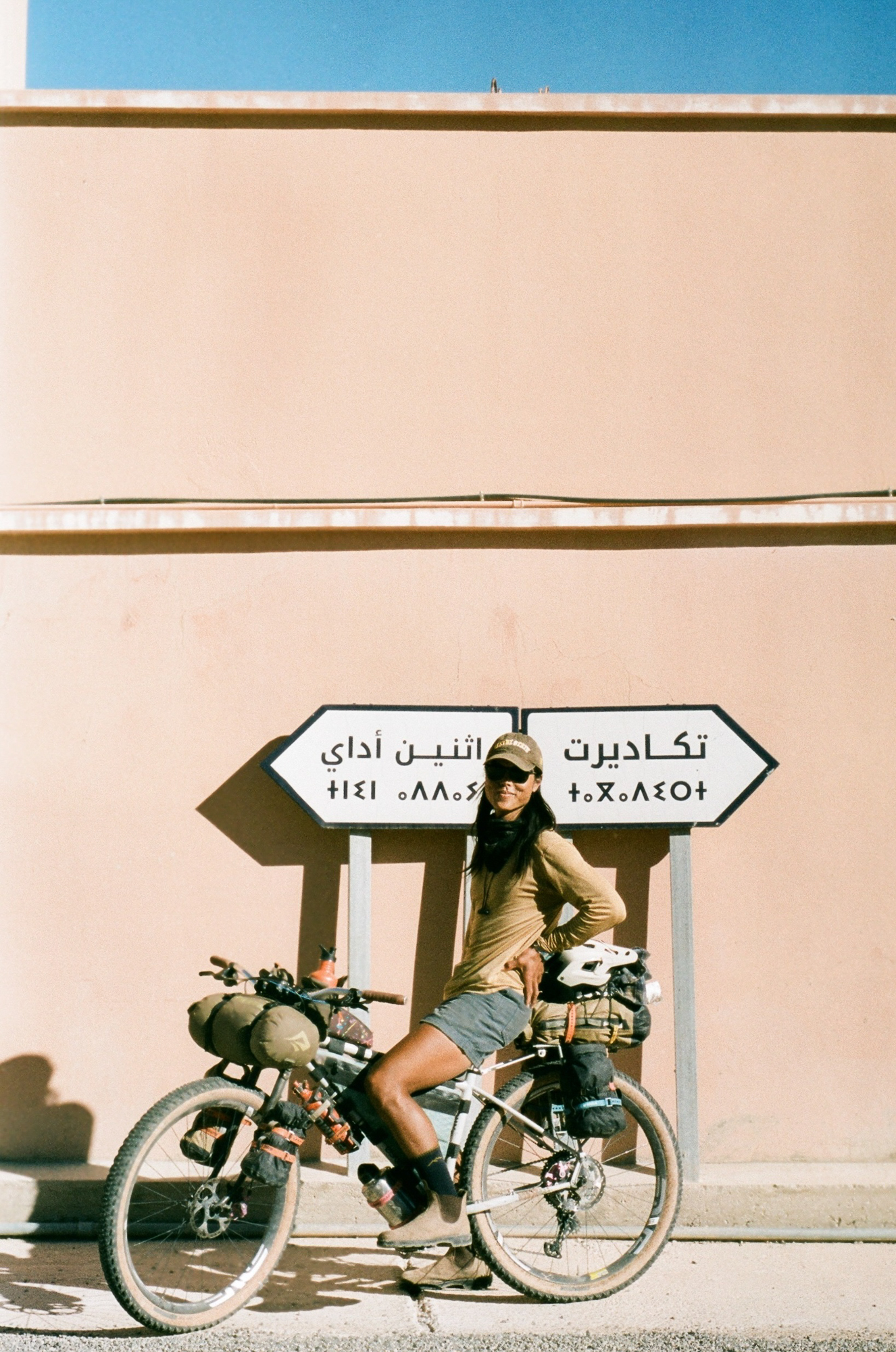
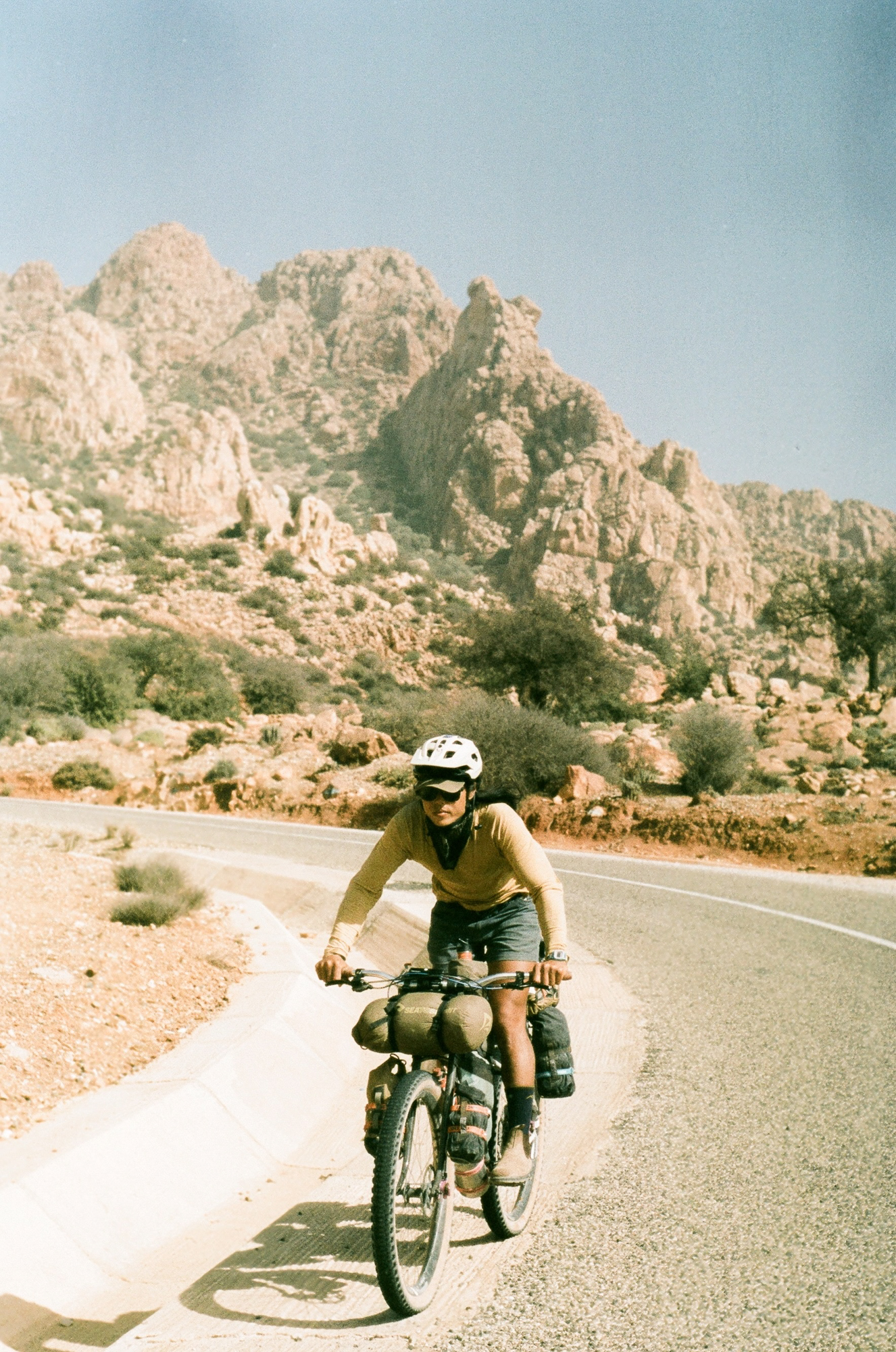
It won’t come as a surprise to most readers on the Radavist that experiencing another country by bicycle is one of the deeper immersions you can have in a new place. But it is a stark contrast to many people’s surf vacations. The gear needed for bumbling around in the ocean necessitates a different mode of transportation, often encouraging you to stay in one place for ease (unless you are one of the brave souls willing to suffer on a bike with a surfboard attached – of whom I am not). When cycling, you are part of the place. You are vulnerable to the elements and terrain. You are capable of traveling long distances, yet you are slow enough to take in the long views, to stop and say hello. Surfing, not so much. I was seeking the well-rounded experience of both coastal relaxation and traversing a large portion of the country, and so we set out to see the country by bike and board.
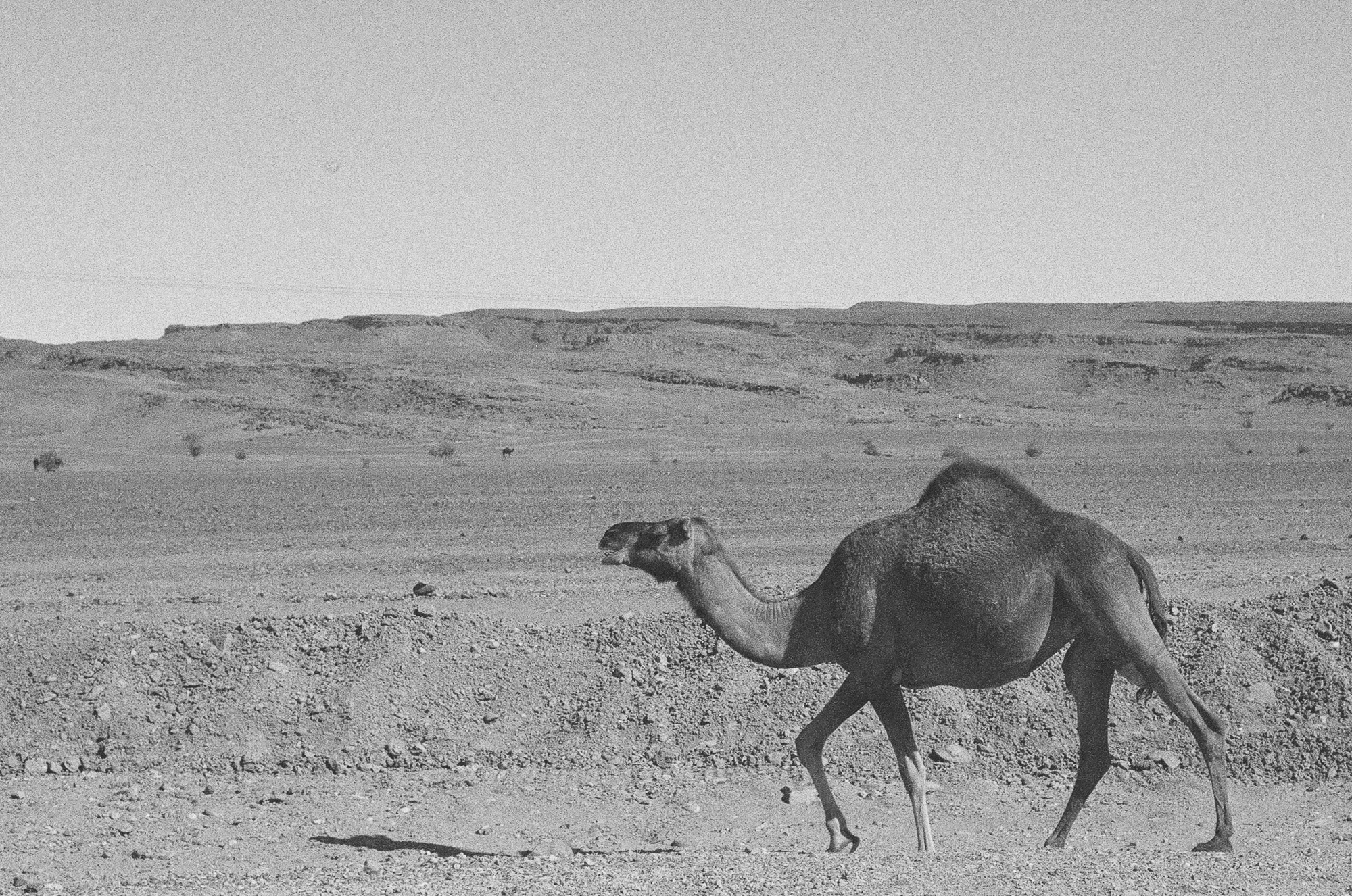
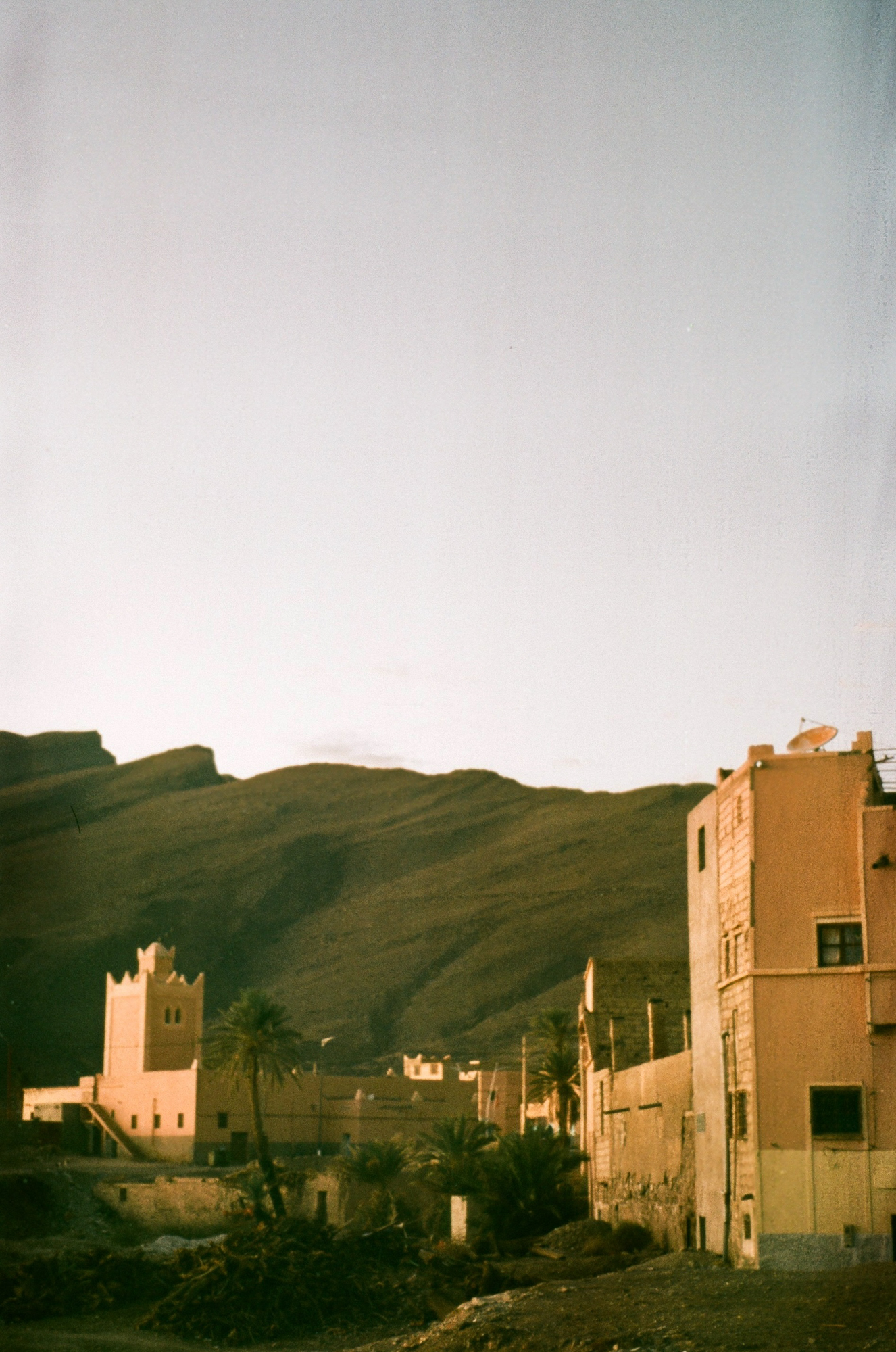
The trip started by loading our bikes into the belly of a bus and winding our way into the Atlas Mountains, up and over into the desert town of Ouarzazate. This section would be an adaptation of the Route of Caravans our trip was based on. With an easy bus schedule from Marrakech, it made the logistics of our start simple, and we’d heard good things about the Draa Valley which would make up the first few days of our trip. With jetlag and a motion sickness hangover, we finished fiddling with our gear and took off out of town. The Draa was worth the detour. Weaving through redrock canyons lined with earthen irrigation channels that create lush and shady date palm groves, it gave an altogether different feeling than the desert of home. Yet the Valley’s ancient structures that form native villages, called ksour, with their red-hued plaster and visible wooden beams, recalled to mind the Ancestral Puebloan structures that dot the Colorado Plateau. We were struck by how akin the prehistoric construction near our home could seem to this place thousands of miles away, by how aridity can similarly shape lives across oceans and centuries.
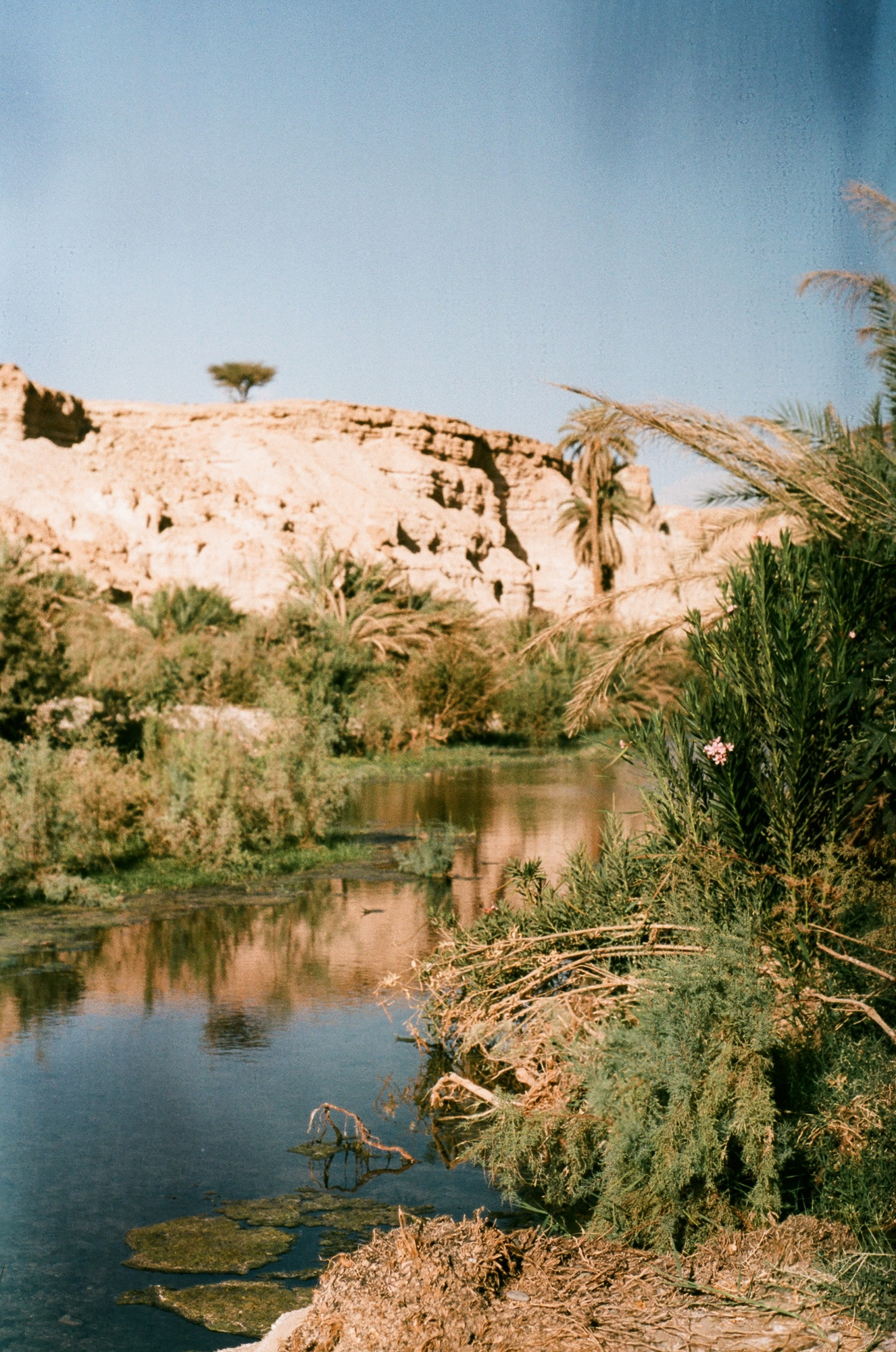
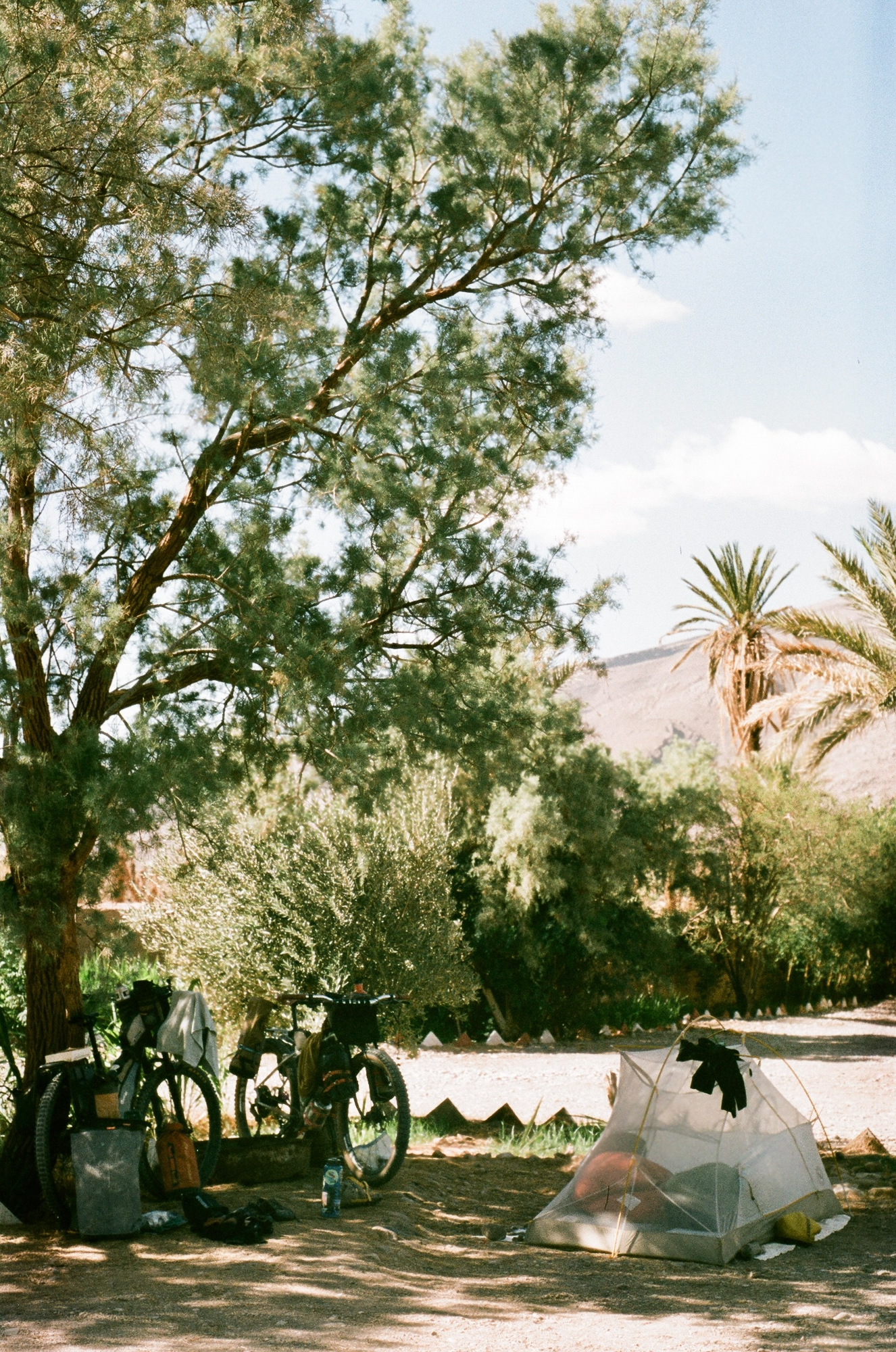
After leaving the Draa, the landscape widened to reveal the open swath of the Sahara desert. We unknowingly timed our arrival in M’Hamid, a tiny town perched on the edge of the dunes, with the Zamane Festival. Walking around town after sunset, the excitement was palpable; the streets bustled with the chatter of families and friends walking to the music festival. Under the open sky, as we swayed to the rhythmic assouf, or desert blues, of Said Taragalte, it was easy to hear how the vibrant melodies connected the resilience of a culture to the dynamic landscape.
Our travel through the Sahara was uniquely beautiful: the long afternoon shadows created sensuous curves on the tall dunes, the starkness of the landscape unlike any I’d seen before. The Sahara was also sprinkled with the universal experiences of bikepacking in the desert: how lucky you feel to find relief in a patch of shade, how frustrated at pushing your bike through deep sand, and how infinite the night sky seems. After two and a half days of alternating between slogging through sand, cruising on the dry lakebed of Iriqui, and stumbling through baby-head washboards, we came out to Foum Zguid. Sitting in the streetside courtyard under an argan tree, drinking mint tea at twilight, we chatted with our new friend Majid about growing up here. He spoke about how his family were traditionally nomadic people, moving through the Sahara with the seasons depending on rainfall and resources. He told us the dry lakebed we had cruised across the day before was not that long ago filled with water and fish, making a reliable stopover for desert caravans. The lake has been largely empty for fifty years due to decreased precipitation and irrigation damming from the upper valleys, and since then many families have had to make the tough decision to leave their traditional way of life and settle in towns on the edge of the desert. The loss of water in the natural landscape due to climate change and dam diversions is an unfortunate commonality with the American Southwest; the heartbreak at losing a precious place to a dam, a throughline I wish we didn’t have to share.
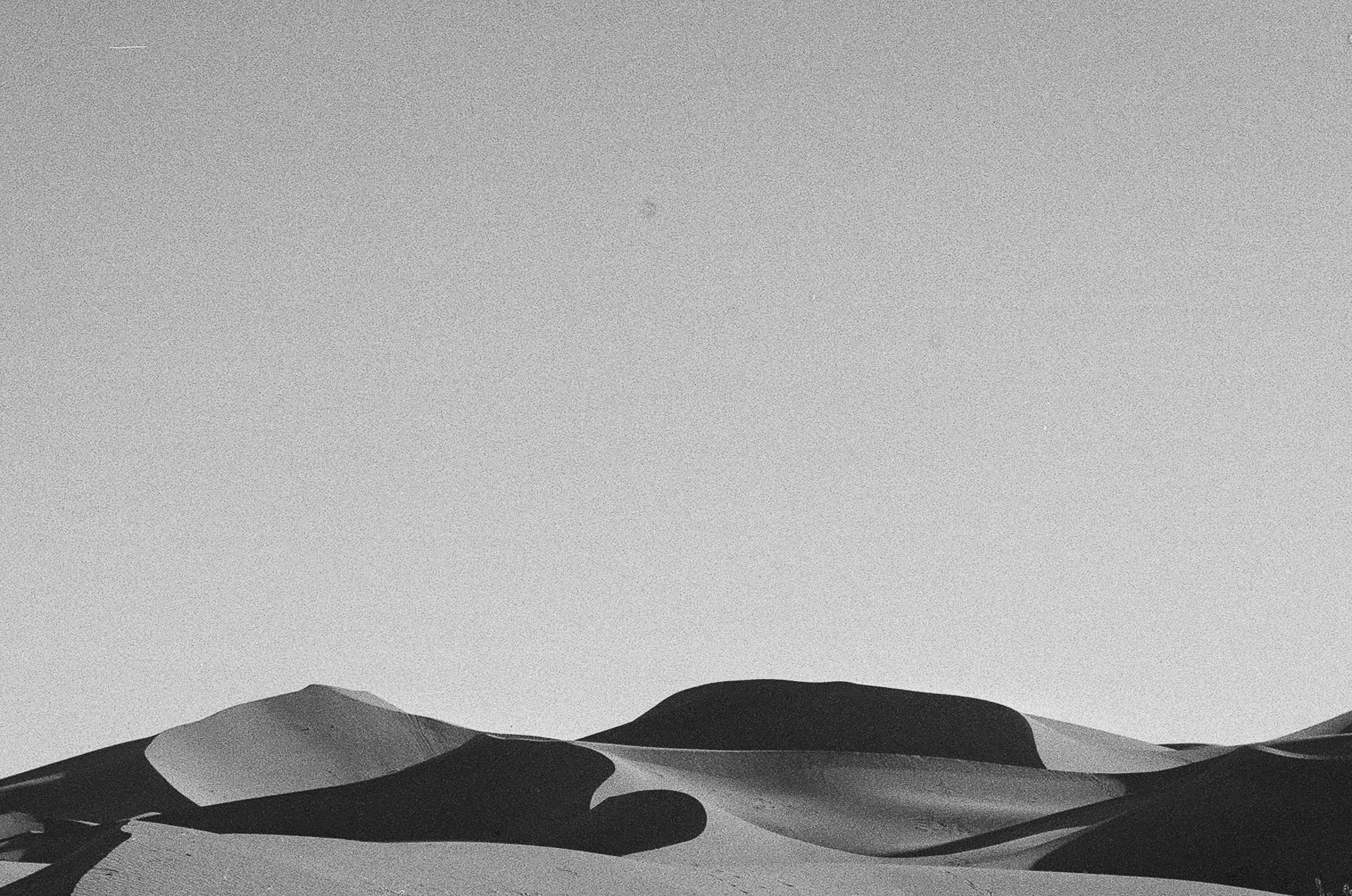
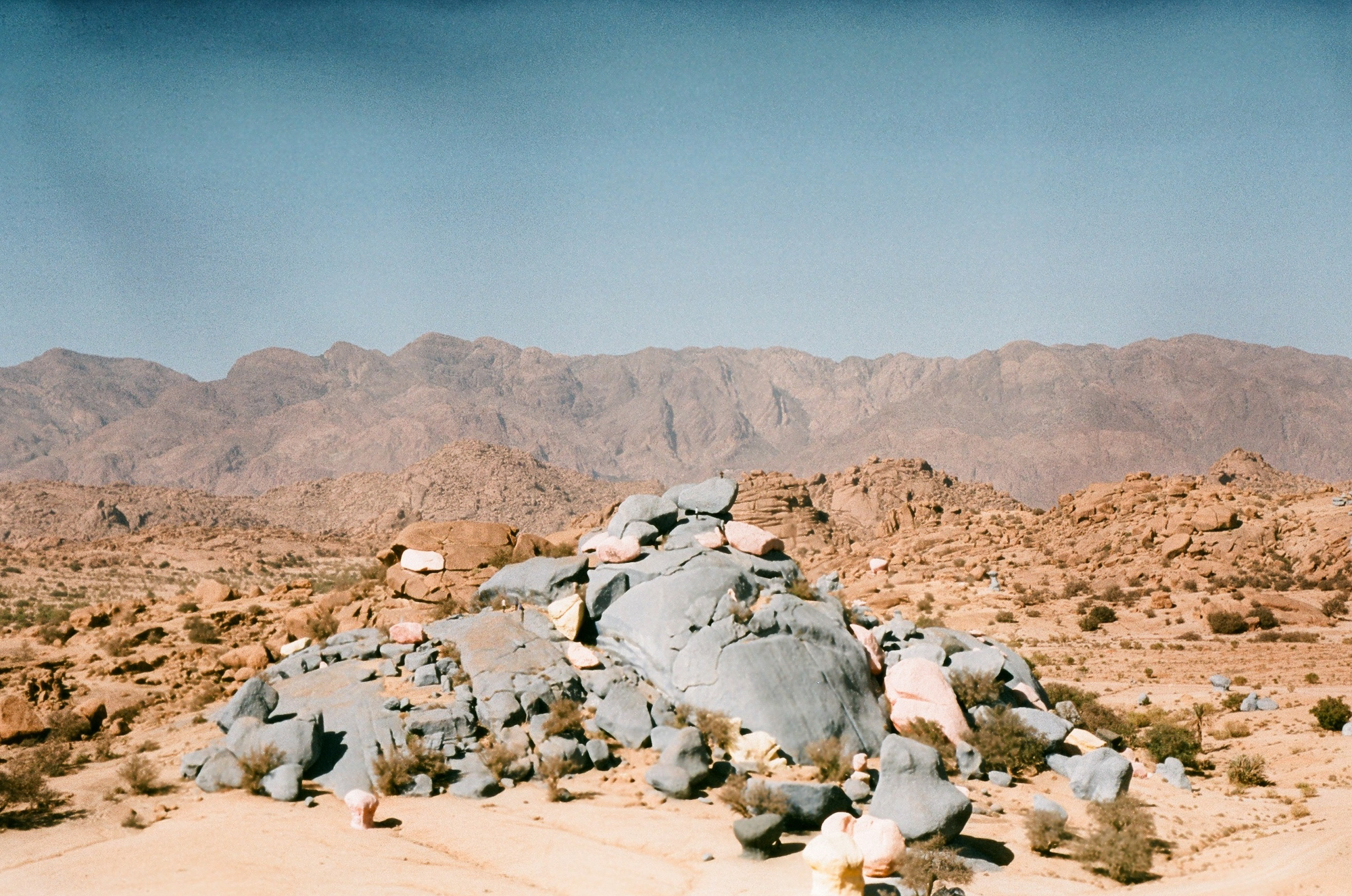
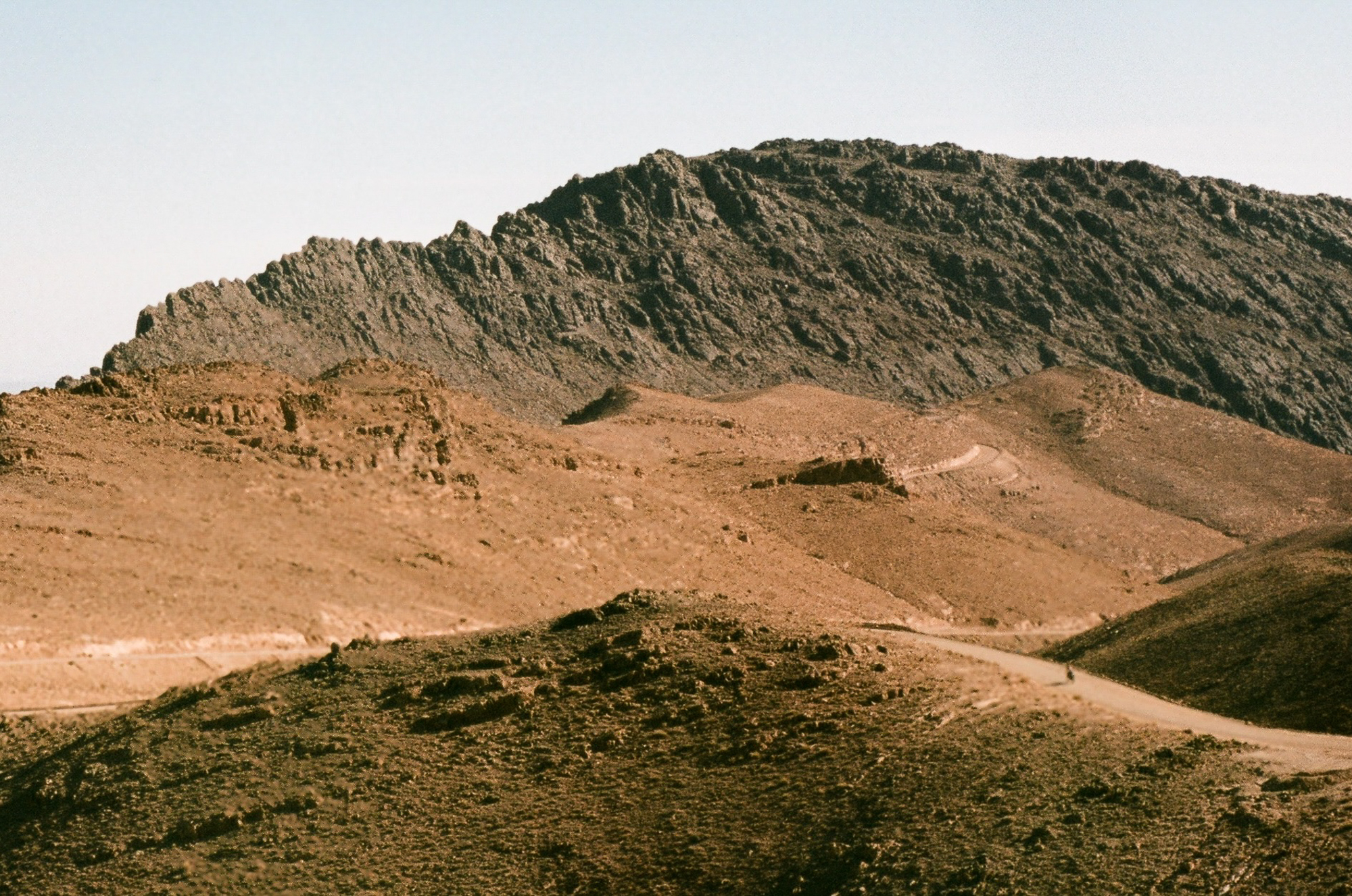
Winding our way into the Anti-Atlas mountain range gave way to a beautiful anticline upheaval, not unlike our beloved San Rafael Swell, with rock layers thrust skyward, creating dynamic and craggy mountains. Good gravel roads ceded to rockier, abandoned donkey tracks, and the further we rode into the mountains, the steeper the climbs became. There was a profound sense of loneliness at the top of these climbs; diminutive vegetation from harsh wind and a lack of development gave the top of the Anti-Atlas an almost eerie feeling. Descending back into the canyons came as a welcome break to our legs, and riding through the small villages lining the mountain range was a highlight of the trip.
Everyone we passed or stopped to say hello to was profoundly welcoming. Folks seemed genuinely excited to share the beauty of their homeland. Public water taps were present even in the smallest villages, often decorated in ornate tilework and stationed outside the town’s mosque. These taps were perfect stops for water resupplies and a reason to pause and take in the hub of the community. After topping off our bottles at one such tap, we rode out into a dry valley and our paths crossed with a woman shepherding a large herd of goats across the road. As she rested in the shade, she beckoned us over. With the customary greeting “Salam”, she mimed herself drinking an imaginary glass of water. Quick to understand, Humjune extended his just-filled bottle to her as she gave a warm smile. There is perhaps no more appreciated and shared experience of desert dwellers than being gifted water in a dry landscape when you find yourself in need.
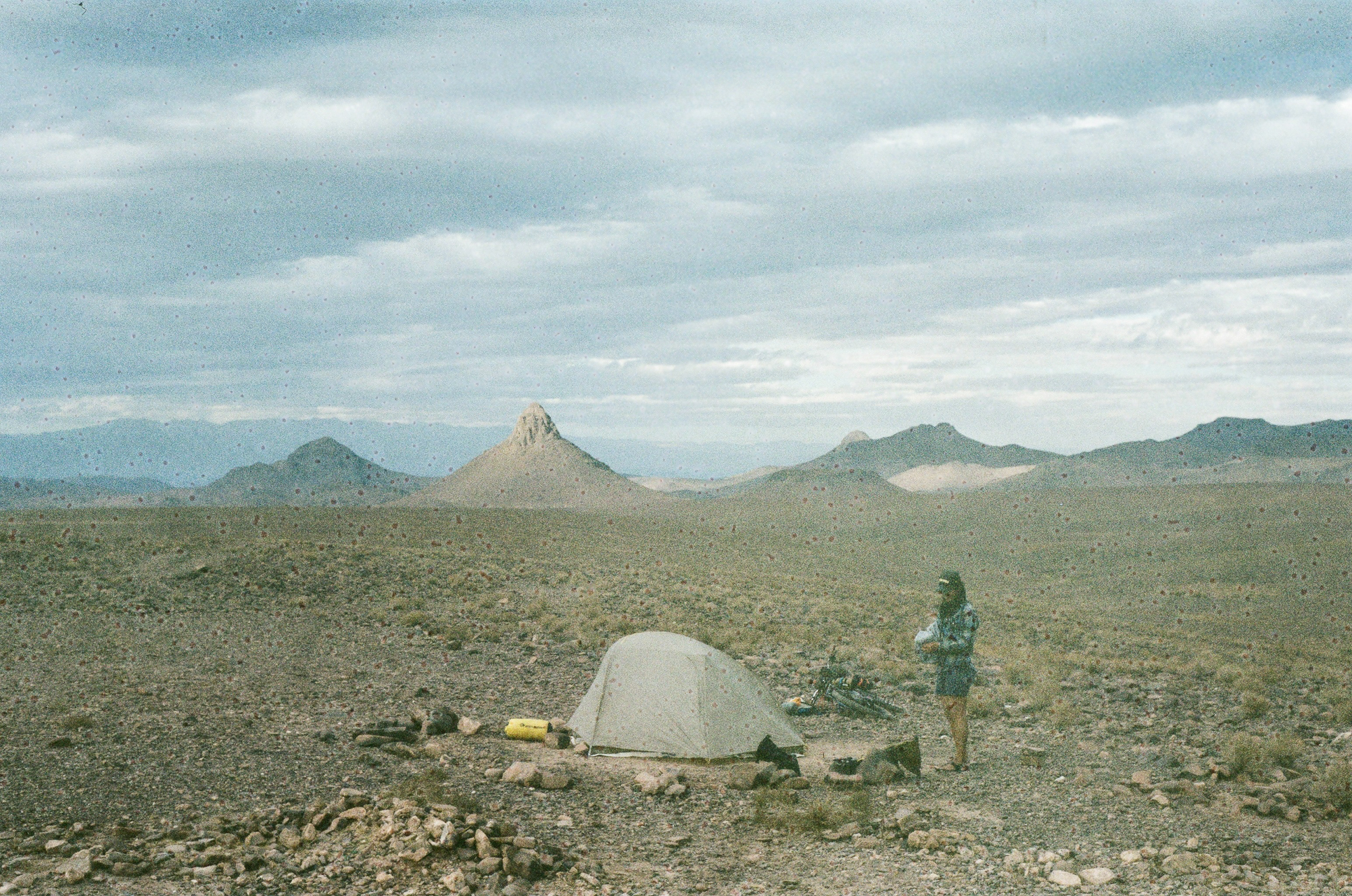
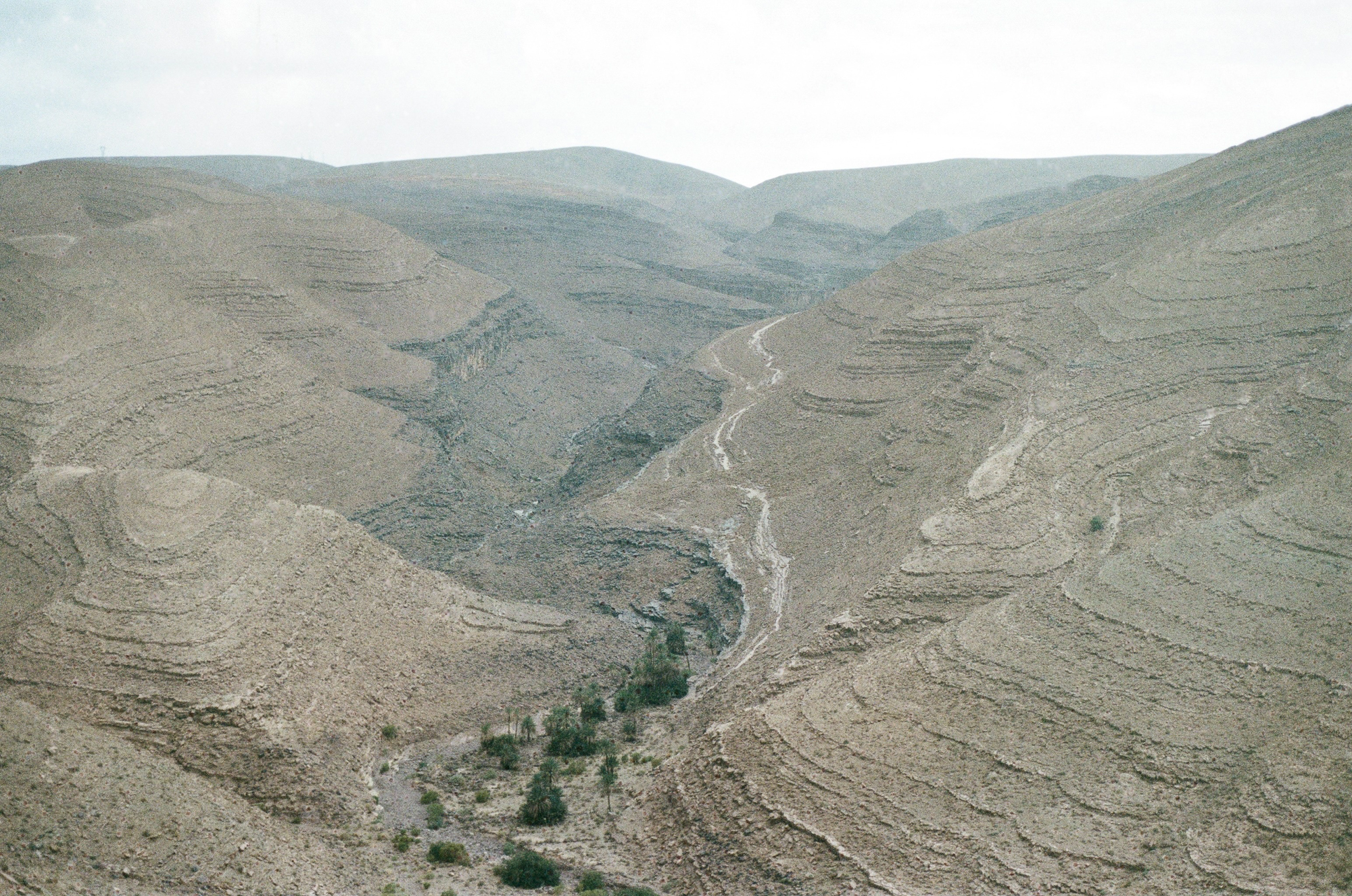
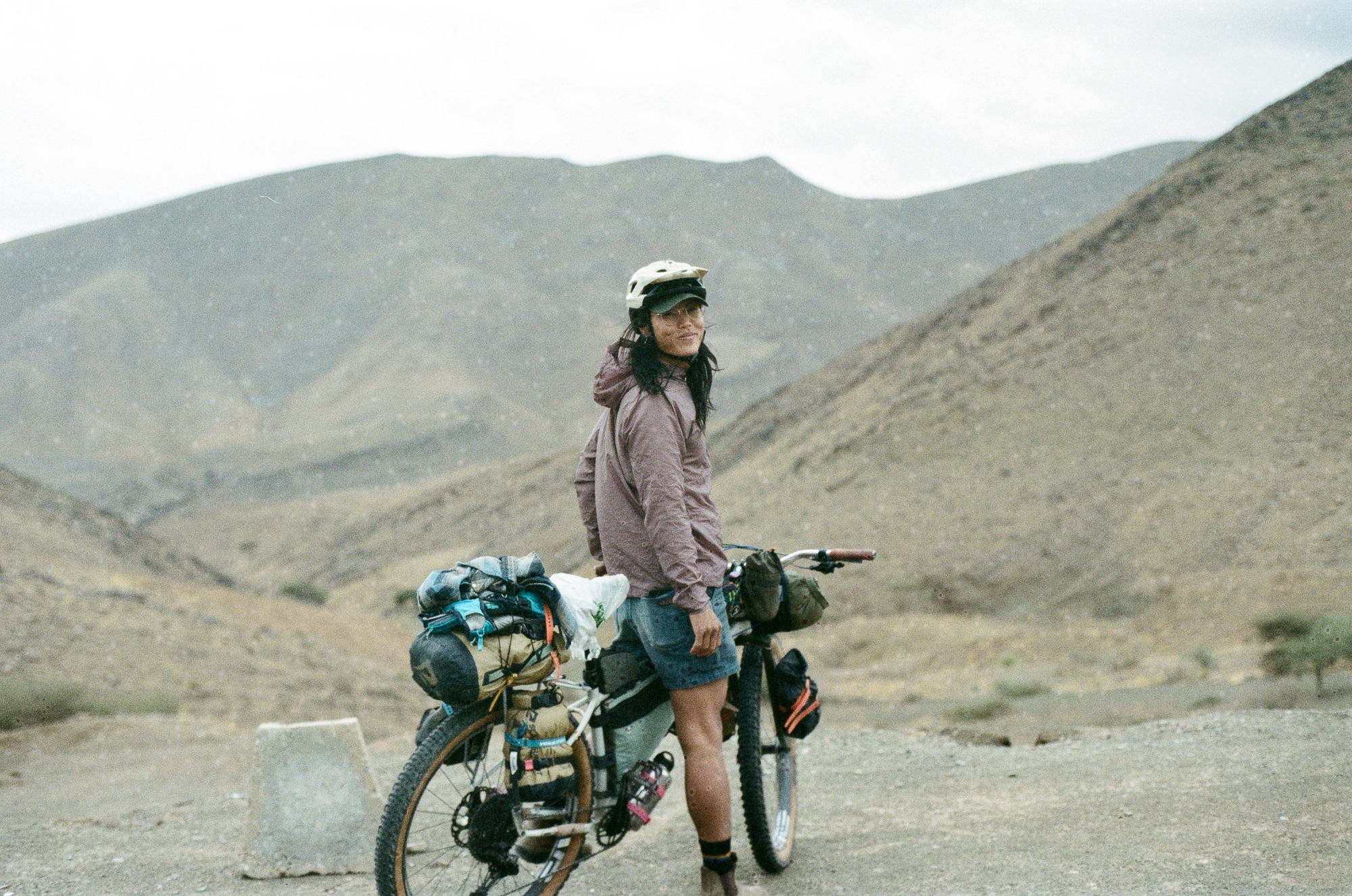
As we rode out of the mountains and turned toward the sea, we were shocked at the sudden humidity dampening our tent, laughing at how comfortable we had felt in the high, dry air in comparison. Transitioning to surfing the Euro-packed points and sitting in the sun drinking lattes from hip cafes – bikes now stowed in the back of our rented minivan – I couldn’t help but reflect on how different our experience of Morocco would have been if we’d simply flown into Marrakech and driven to our surf destination. The comparison of these portions of our trip was telling. The tourist-centric surf towns, carefully tailored to make everything as easy and comfortable as possible for visitors, gave me an overwhelming sense of how much I would have missed from my slow days on the bike: the opportunity to be invited to sit down to tea; to stop and rest our legs as baby camels crossed the road in front of us; the human experience of navigating a new language for your most basic needs, and how connected you can feel to those who help you along the way even when language isn’t shared; the eruptions of laughter as children poured out of doorways to chase us through their village; the feeling of someone passing by as we pedaled a difficult ascent, smiling and lifting their hand to pat their heart, gesturing respect for our time in this shared place.
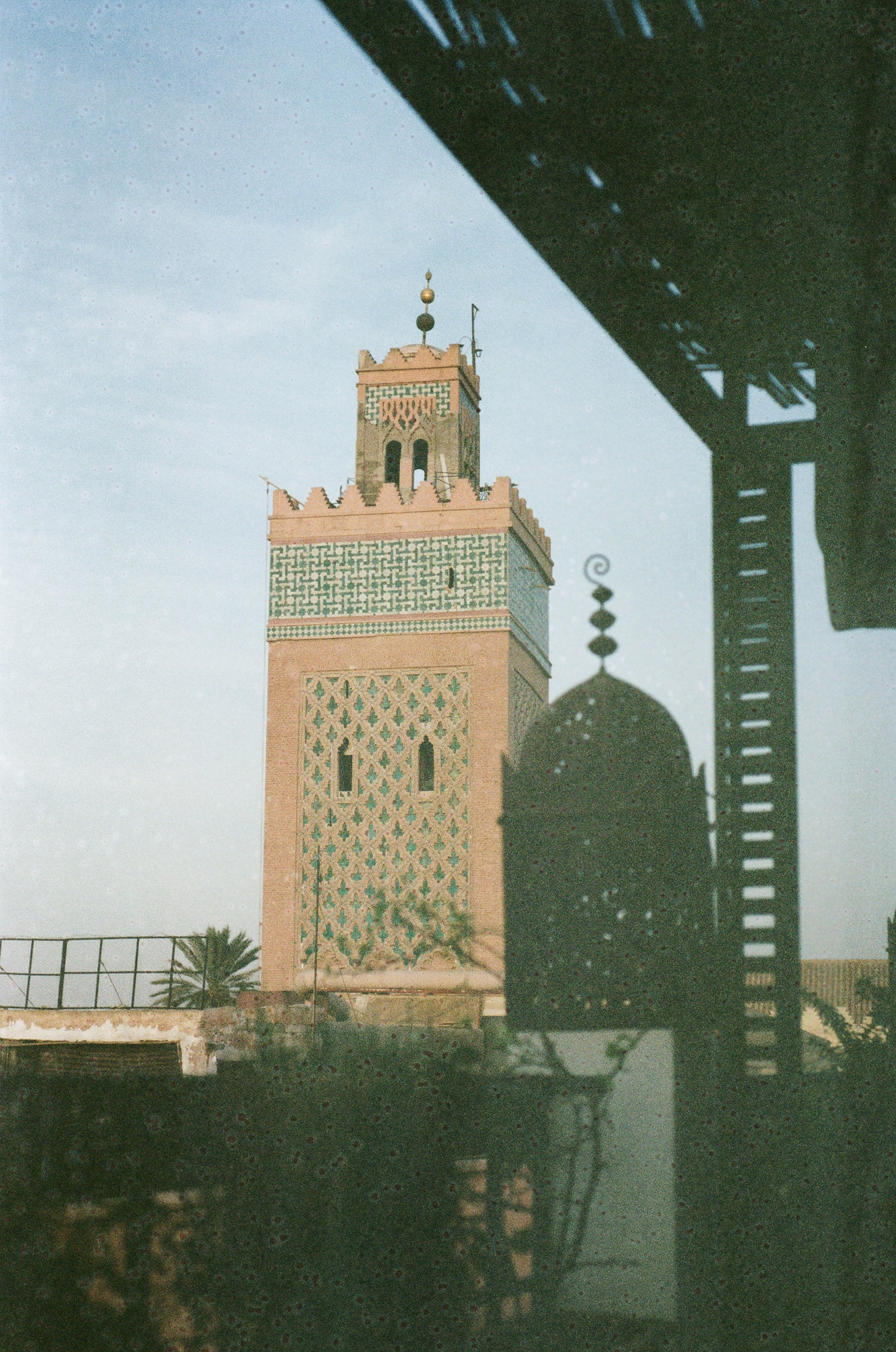
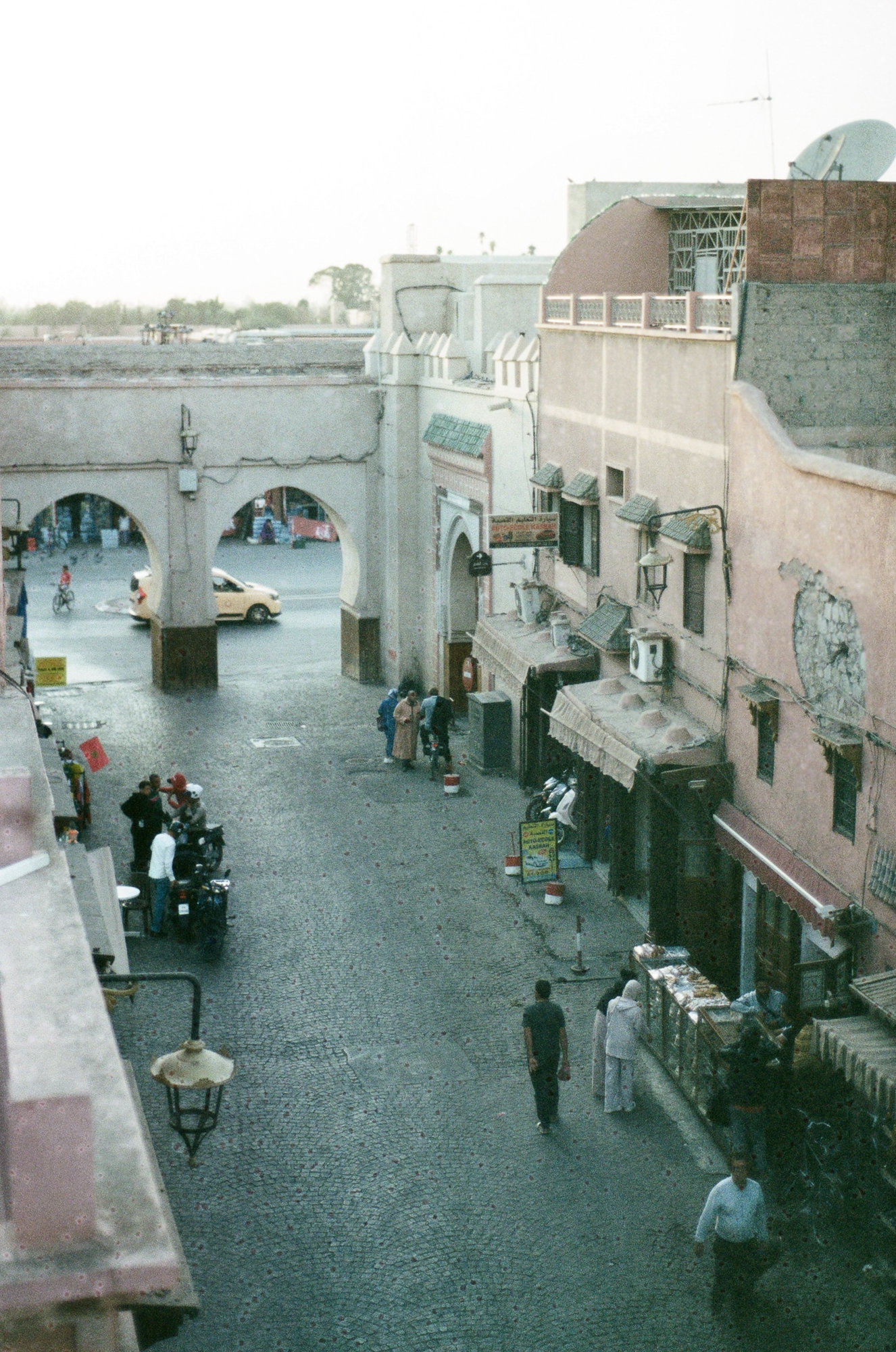
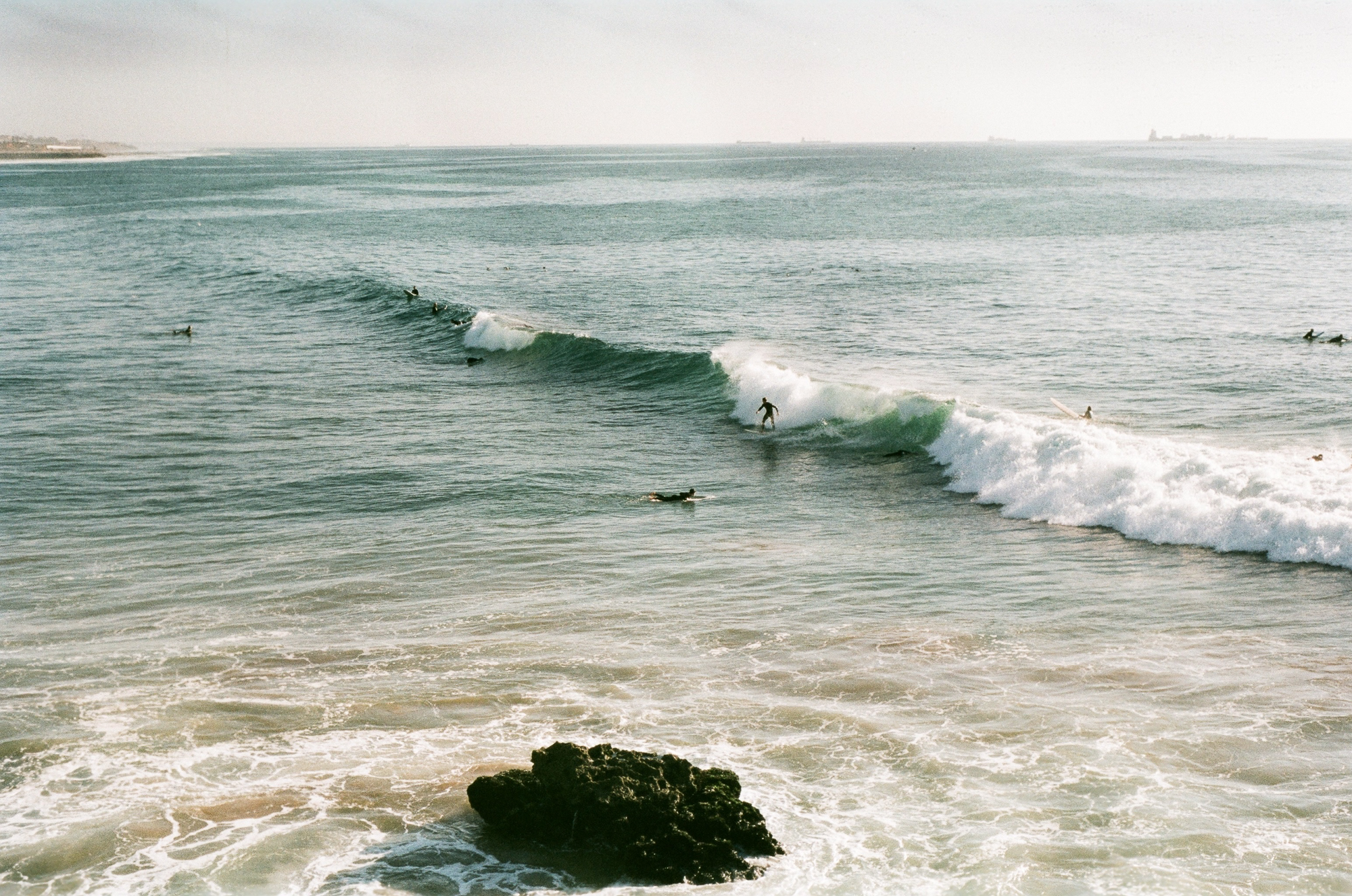
“The land urges us to come around to an understanding of ourselves.” Our immersion in the land is what invited this opportunity. As we bobbed in the soft lull of ocean waves, it was remarkable to me how even though the waves were what lured me, they were now almost an afterthought. With the drone of water against the cliffside as a meditation, I felt most grateful for our time spent in the saddle and all it held, sore butts and all.