
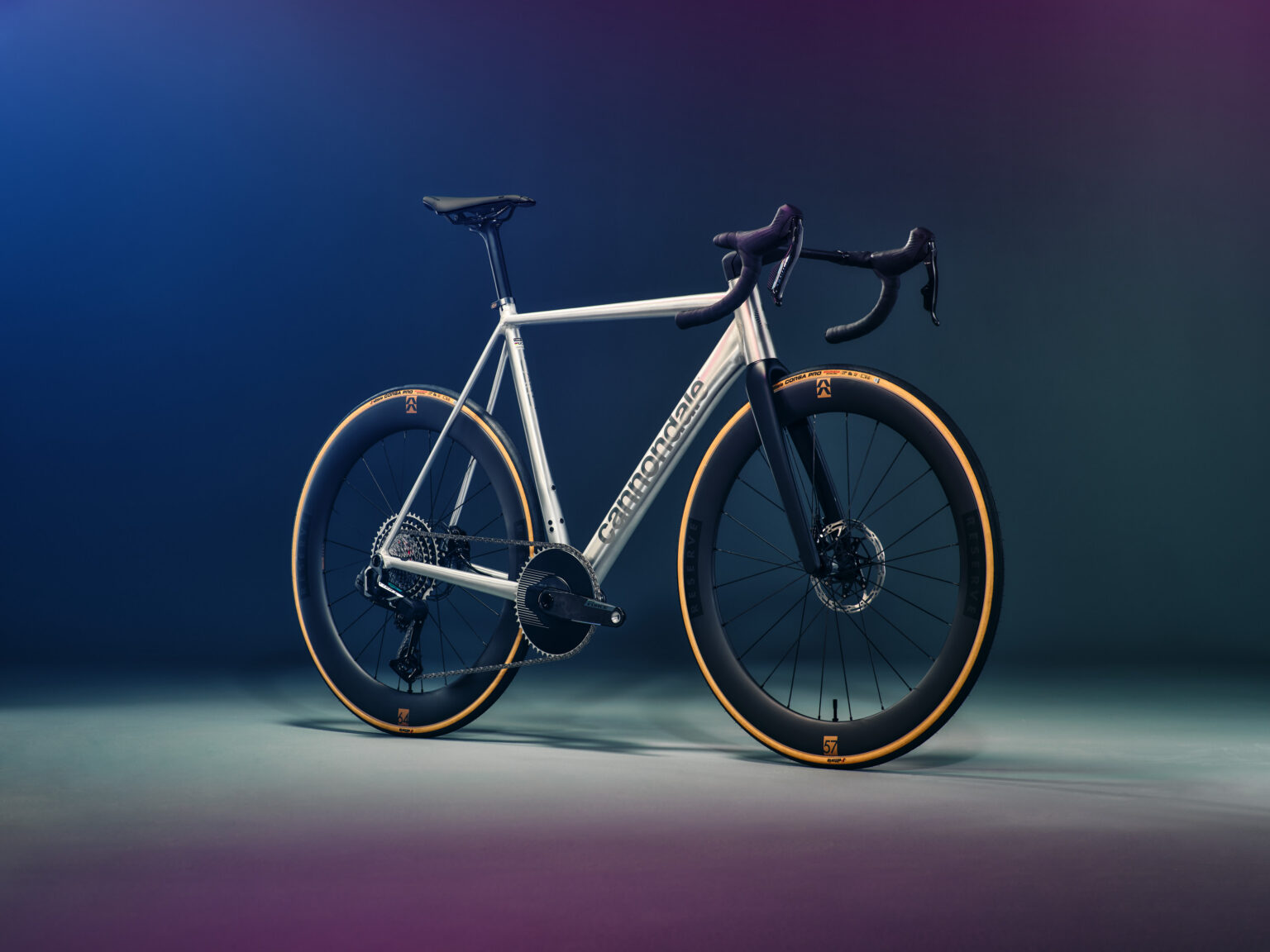
For decades, the Cannondale CAAD series defined what a high-performance aluminum road bike could be. Long before carbon fiber became the default answer to every racing question, CAAD frames were the tops. These easy-to-spot aluminum rockets were tearing up criteriums, winning the world’s biggest races, and earning a reputation for something riders still talk about today: a ride feel that’s sharp, lively, and unapologetically fast.

But why seek out an aluminum frame when the cycling world is literally drowning in cheap carbon race bikes?
It’s the energy, the frame, and the vibe an aluminum bike brings to the ride. It’s a legendary ride with both advantages and shortcomings. In recent years, the Cannondale CAAD series missed the spark that set 90’s racers on edge. It was something about the drop seatstays and the squared tubes that just didn’t fit right…
However, it appears the all-new CAAD 14 has corrected the ship in all the right directions. Delivering a bike that feels ever so CAAD 9/10 (those are my wonder years of CAAD frames) with all the advantages of a modern road frame.
The new Cannondale CAAD 14 proves that you can make an excellent race bike in alloy. One that’s not watered down, but another beast altogether. A bike that riders will seek in a moshpit of entry-level carbon bike madness. The builds start at a respectable $2,500 and frames at $1,800, but if you want top-of-the-line, it’s $7,500 for the super spec’d CAAD 14 1.
This new chapter of Cannondale CAAD has us very excited… let’s check the details.
A New Chapter in Cannondale’s Aluminum Legacy
To sum up the massive Cannondale CAAD history succinctly is a hard task; let’s just start with the name. The CAAD name—short for Cannondale Advanced Aluminum Design– is what helped put the big C on the map. This naming dates back to the early 1980s. Cannondale has spent decades refining aluminum frame construction, pushing the limits of tube shaping, welding, and manufacturing in ways that few companies have matched. If you have some extra time, here is a great video of assembly and fabrication in Bedford, PA.
The CAAD14 continues that lineage with a frame built from SmartForm C1 Premium alloy, Cannondale’s most advanced aluminum construction process. The goal isn’t to imitate carbon tube shapes or pretend aluminum is something it isn’t.
Instead, the CAAD14 leans into the material’s strengths: oversized tubes, smooth welds, and a structure designed for stiffness and responsiveness. The result is a bike that Cannondale describes as explosive and immediate, a bike that wants to go fast.
Alloy – Not Anchor
Despite its alloy construction, the CAAD14 keeps weight impressively low.
Cannondale lists the frame weight at 1280g for the CAAD14 1 model and 1410g for the rest of the lineup, measured for a fully painted size 56 frame. The matching full-carbon fork weighs just 397g, helping keep the front end responsive and comfortable.
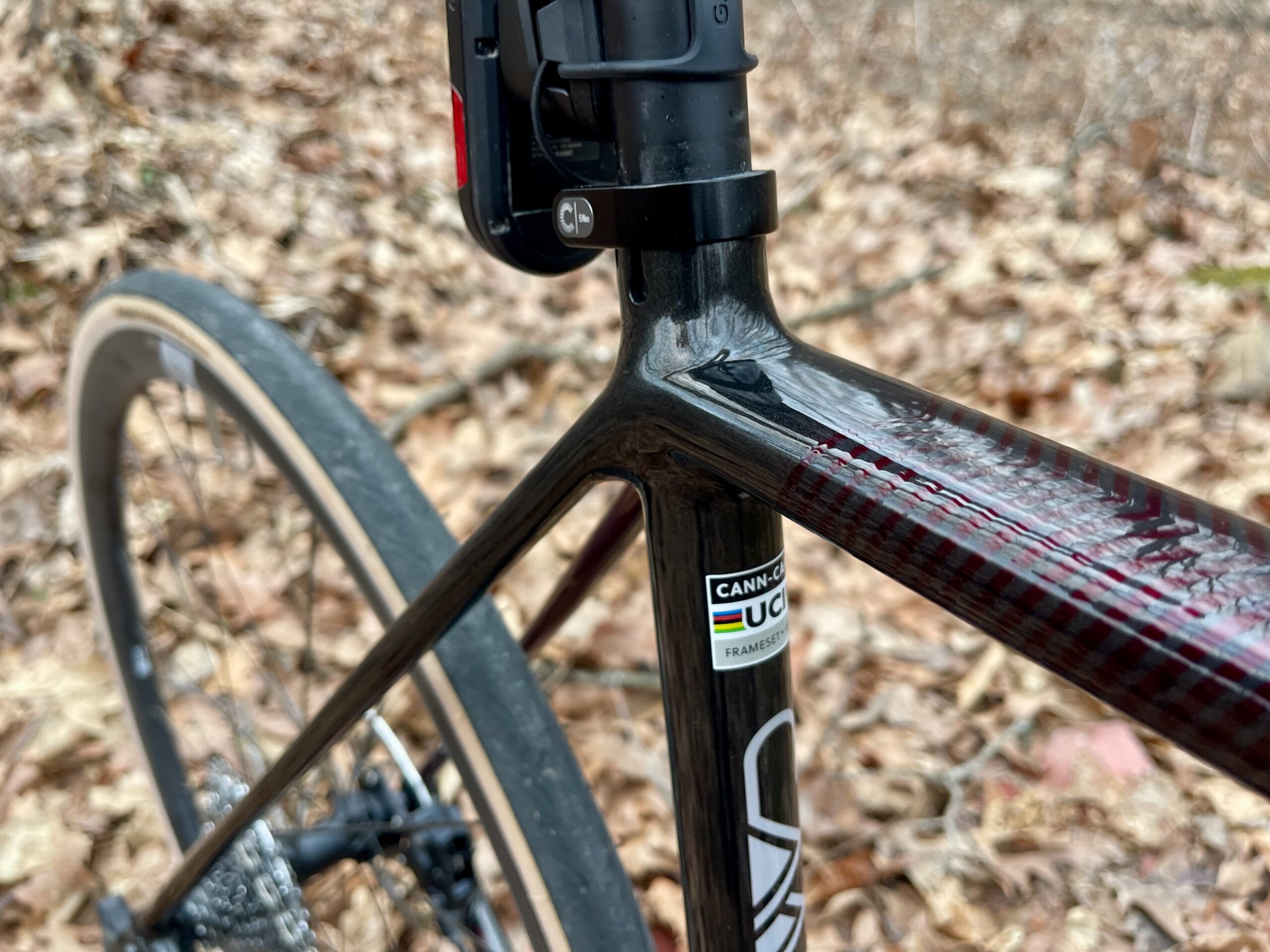
Why does the 1 weigh less? The RAW frame on the 1 is just brushed alloy with the thinnest layer of clear coat. This leads to a super light overall paint weight, but it’s the same material and construction hiding underneath.
The painted frames have quite a bit more paint material on them, with primer and multiple coats of color. The paint may not seem like much, but over a whole frame’s surface area, the grams do add up.
Our review ride weighed a robust 18 lbs out of the box (size 54cm*), and a good chunk of the weight comes from the 1,890g DT Swiss 1800-E wheelset.
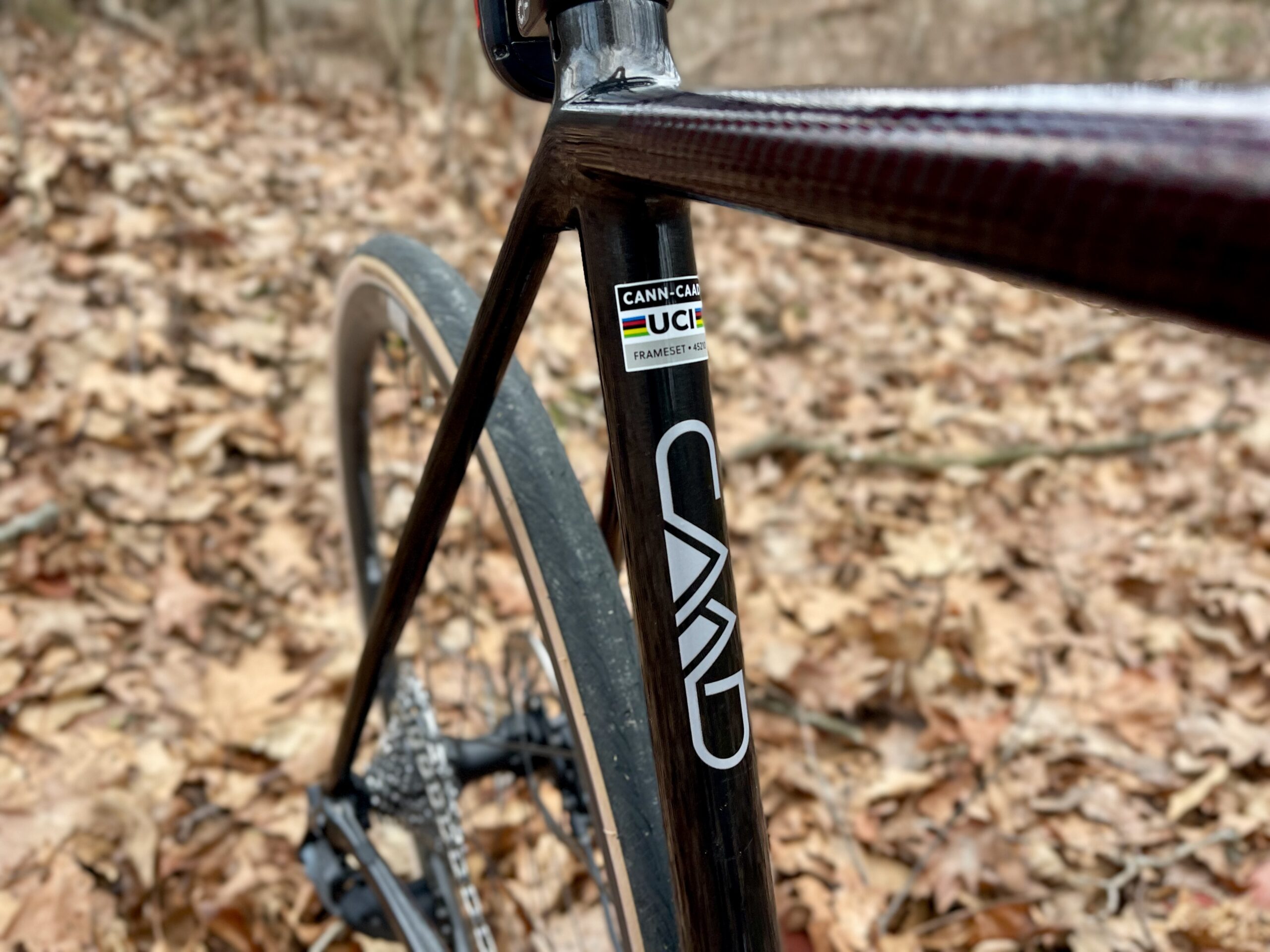
The frame also retains the classic CAAD silhouette. Cannondale didn’t chase exaggerated aero shaping or mimic carbon molds. Instead, the design highlights aluminum’s natural strengths: clean lines, purposeful tube profiles, and a ride quality that feels alive under power.
Modern Standards
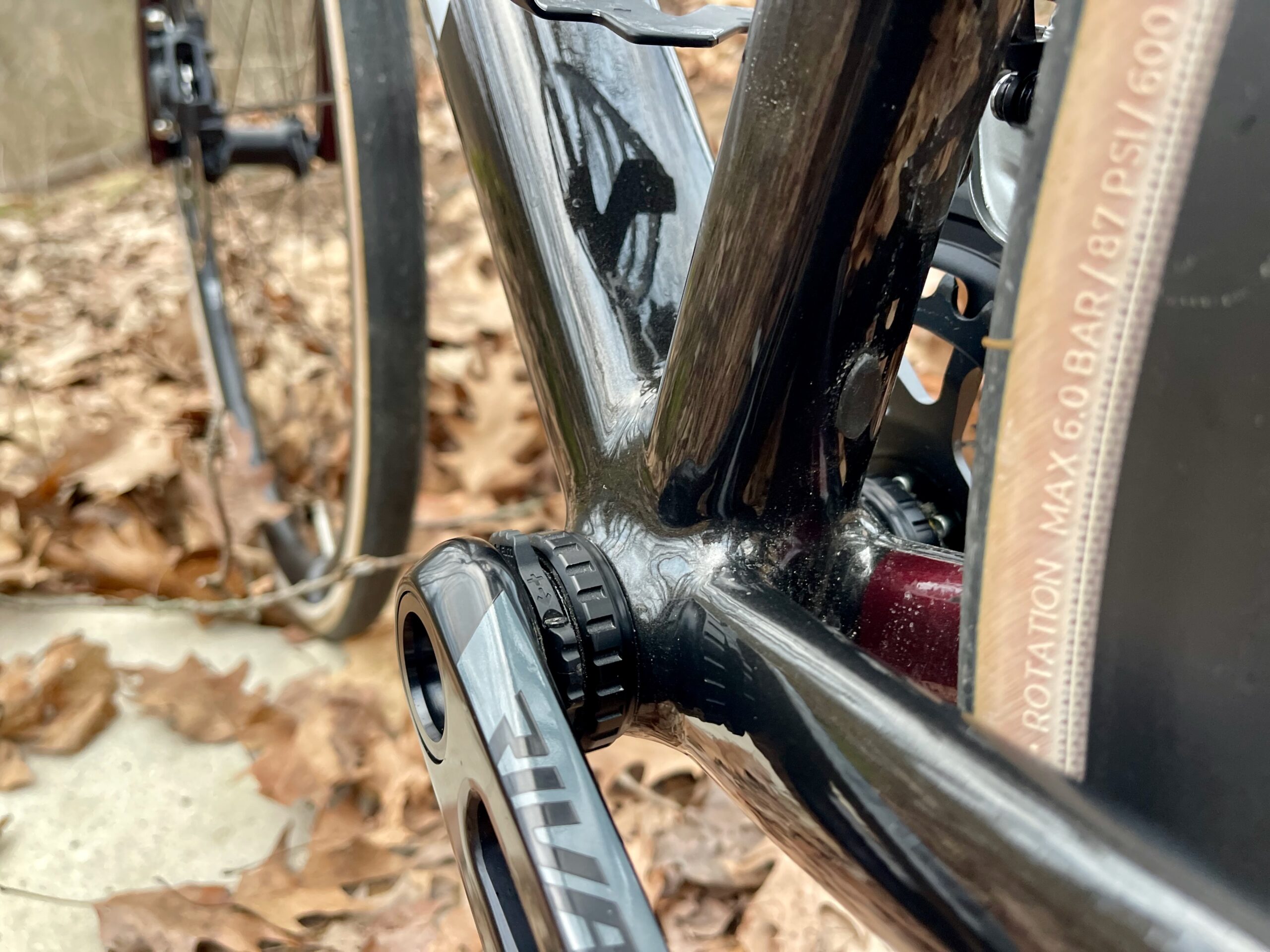
In recent years, we’ve seen Cannondale distance itself from the proprietary bits that became synonymous with the brand: Ai, BB30, 4-bolt rotors, etc. However, the newest offering from Cannondale is refreshingly compatible.
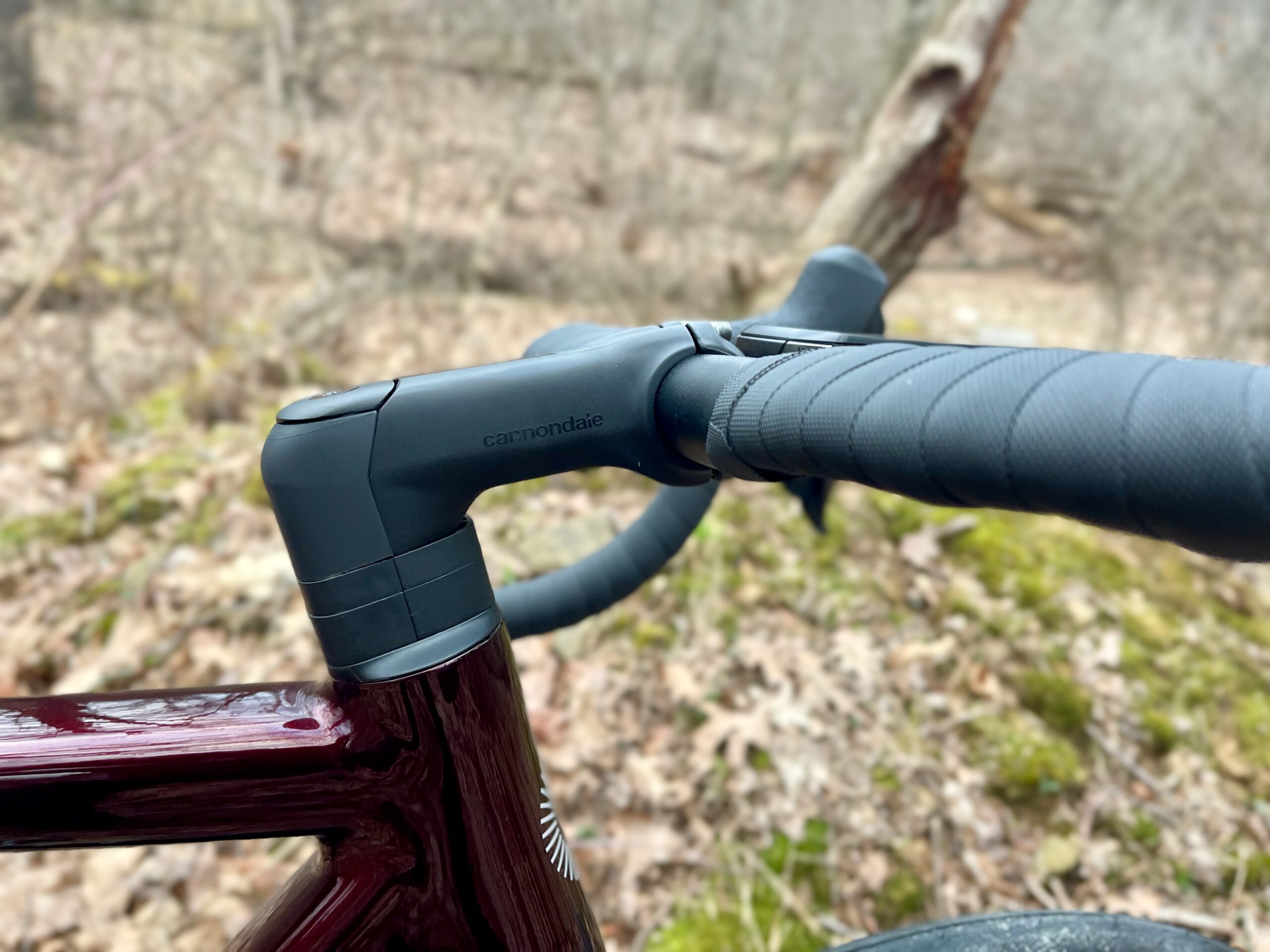
Cable routing is internal for a clean look, but Cannondale avoided over-complicated integration. Riders can run an integrated cockpit if they want—or stick with a traditional stem setup.
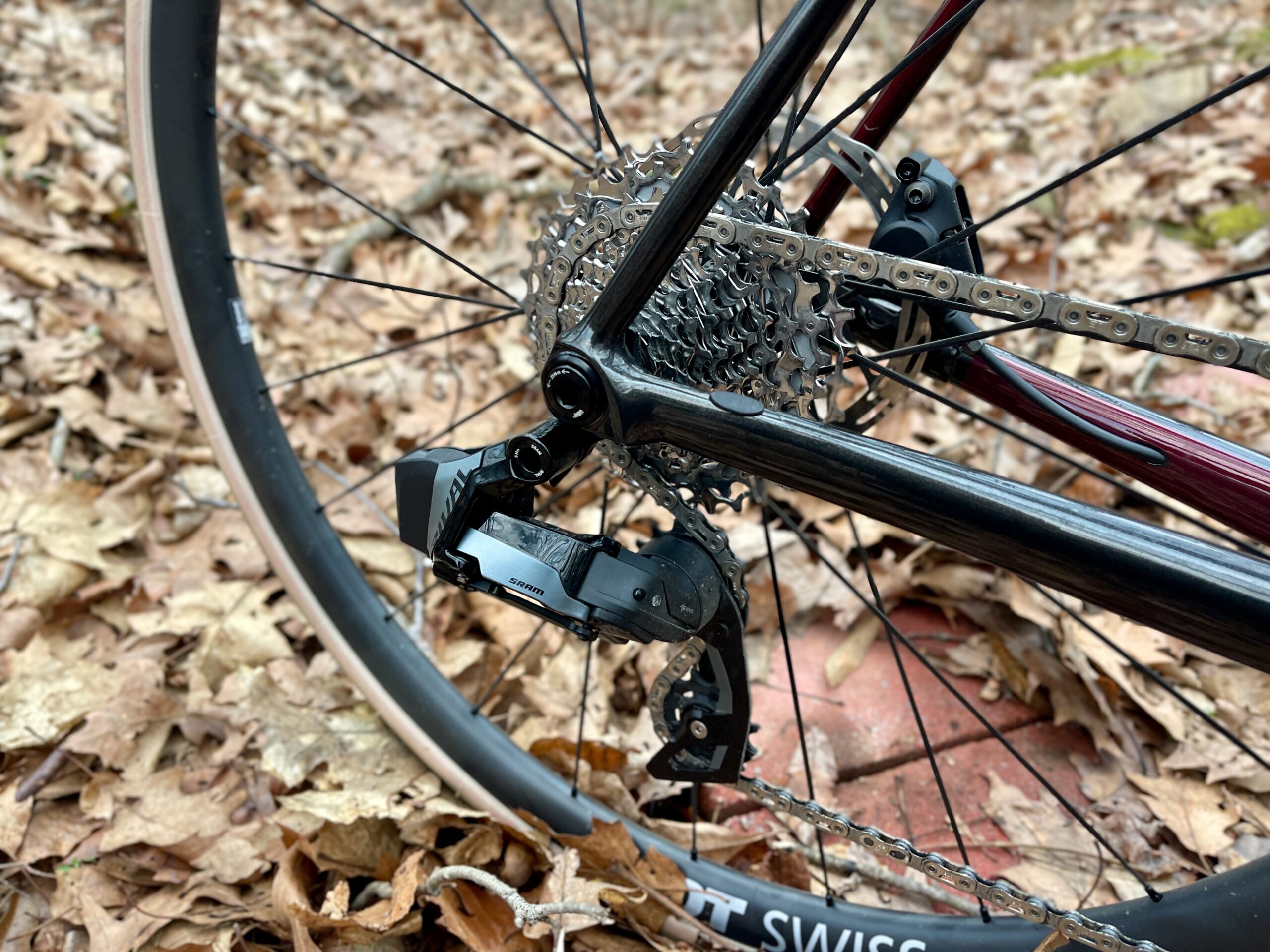
The bottom bracket uses a 68mm threaded BSA standard. The frame also uses the Universal Derailleur Hanger (UDH), which means replacement hangers are easy to find, and most shops (not just the Cannondale dealer) will have them.
Tire clearance is rated for up to 32mm measured width, giving riders room for modern high-volume road tires or super-narrow all-road/gravel tires. It’s a thoughtful balance between modern design and practical serviceability.
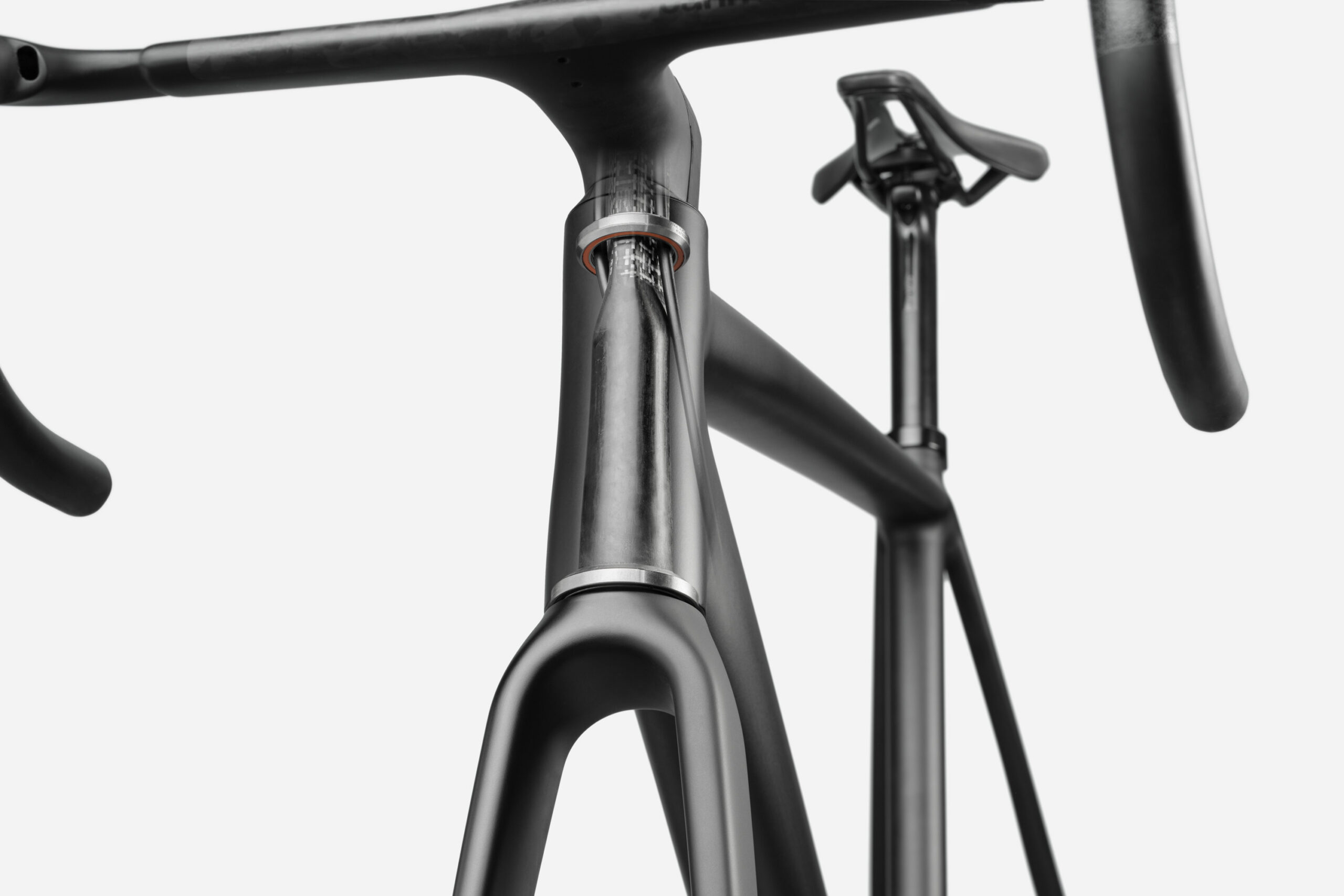
Delta Steerer and Integrated Cockpit
One of the more interesting engineering touches on the CAAD14 is Cannondale’s Delta steerer system, which uses a triangular steerer profile that allows cables to route internally from the handlebar into the frame.
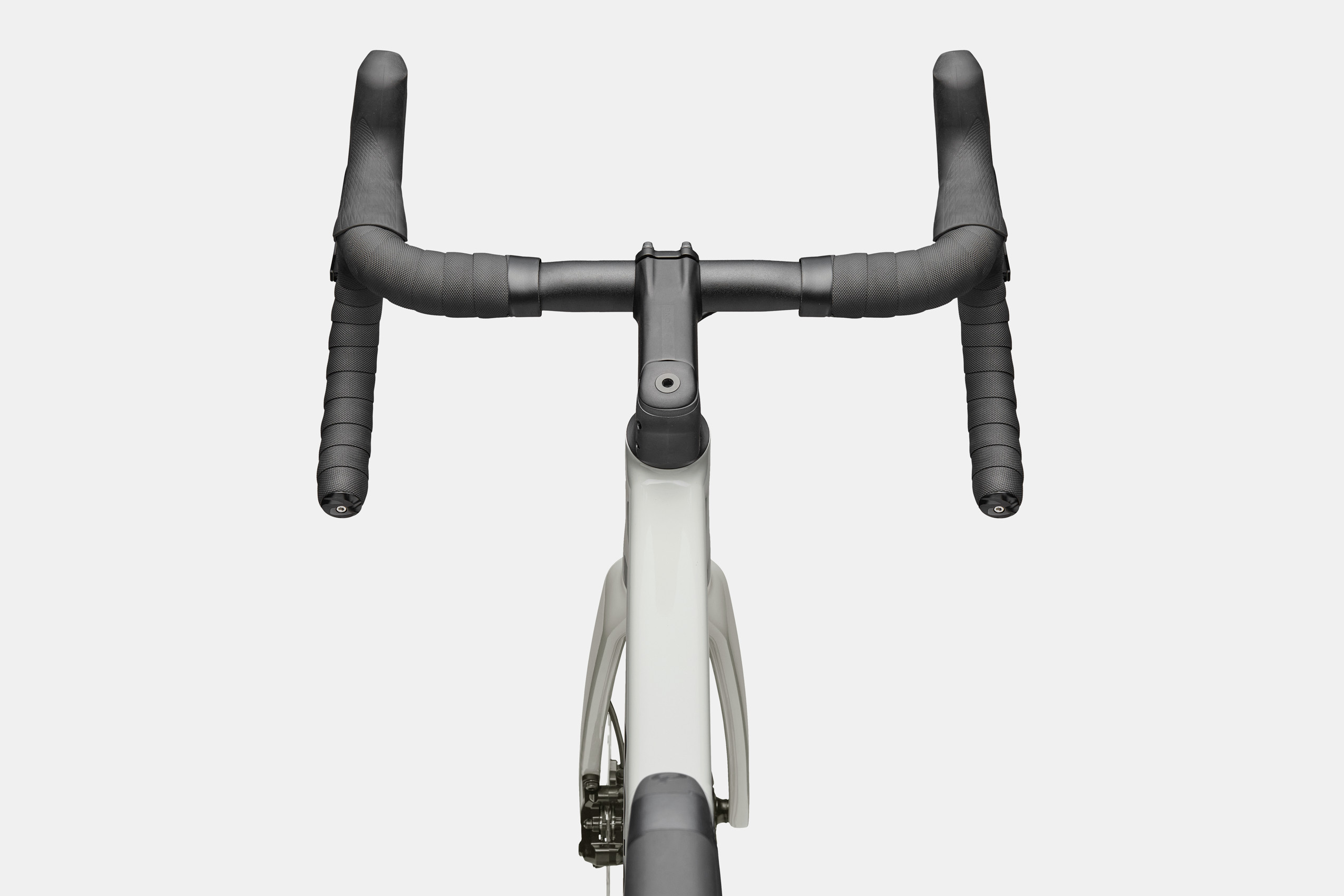
This is a mainstay on Cannondale’s carbon road bikes (including the new SuperSix EVO) but rarely makes its way to the alloy lines. The design helps keep the head tube slim while allowing clean cable routing and compatibility with integrated cockpit setups.
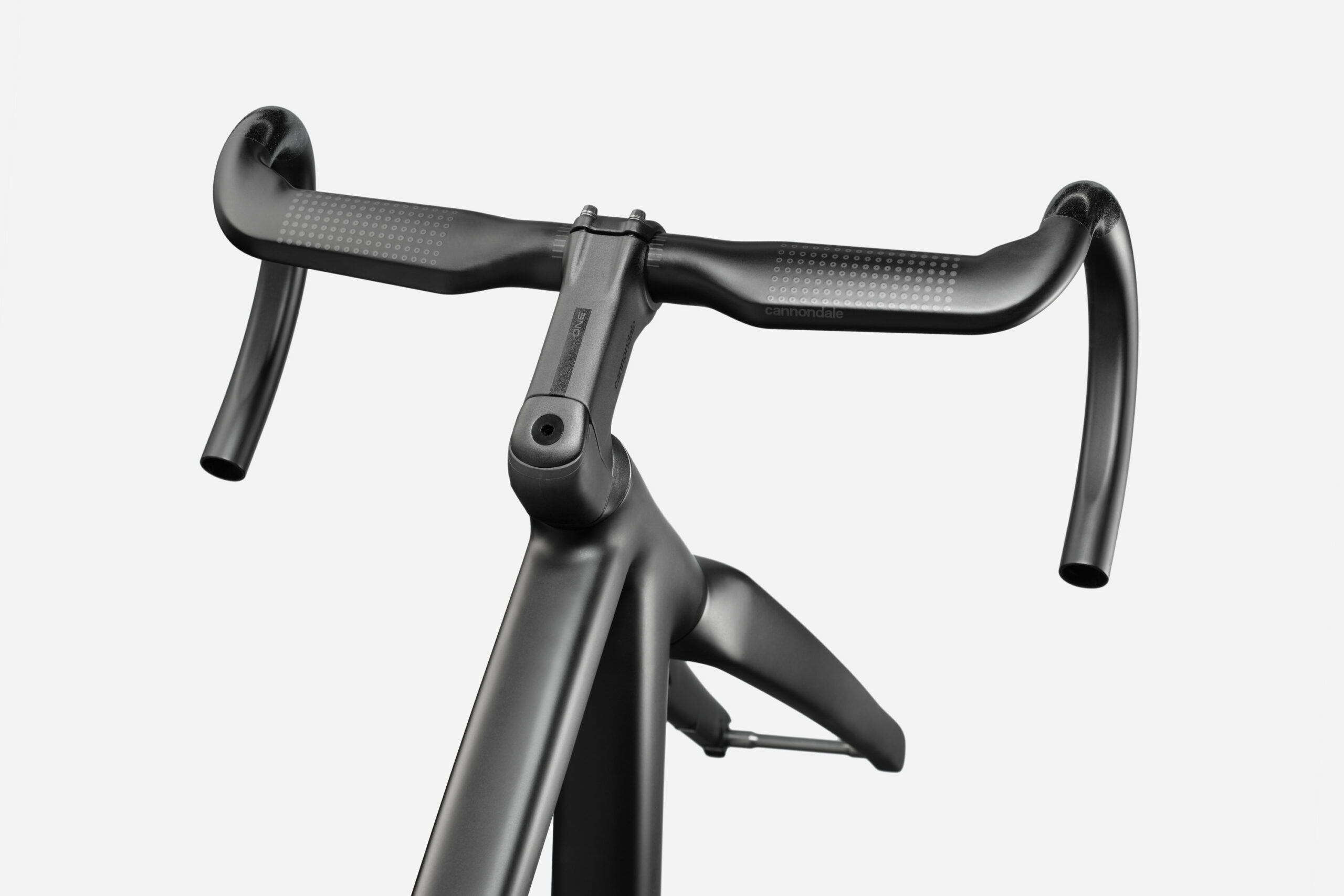
At the top of the range, Cannondale pairs the bike with its SystemBar R-One cockpit, a fully integrated carbon bar and stem developed with MOMODesign. The cockpit blends aerodynamic shaping with comfortable ergonomics and internal routing.
Race Geometry with Real-World Versatility
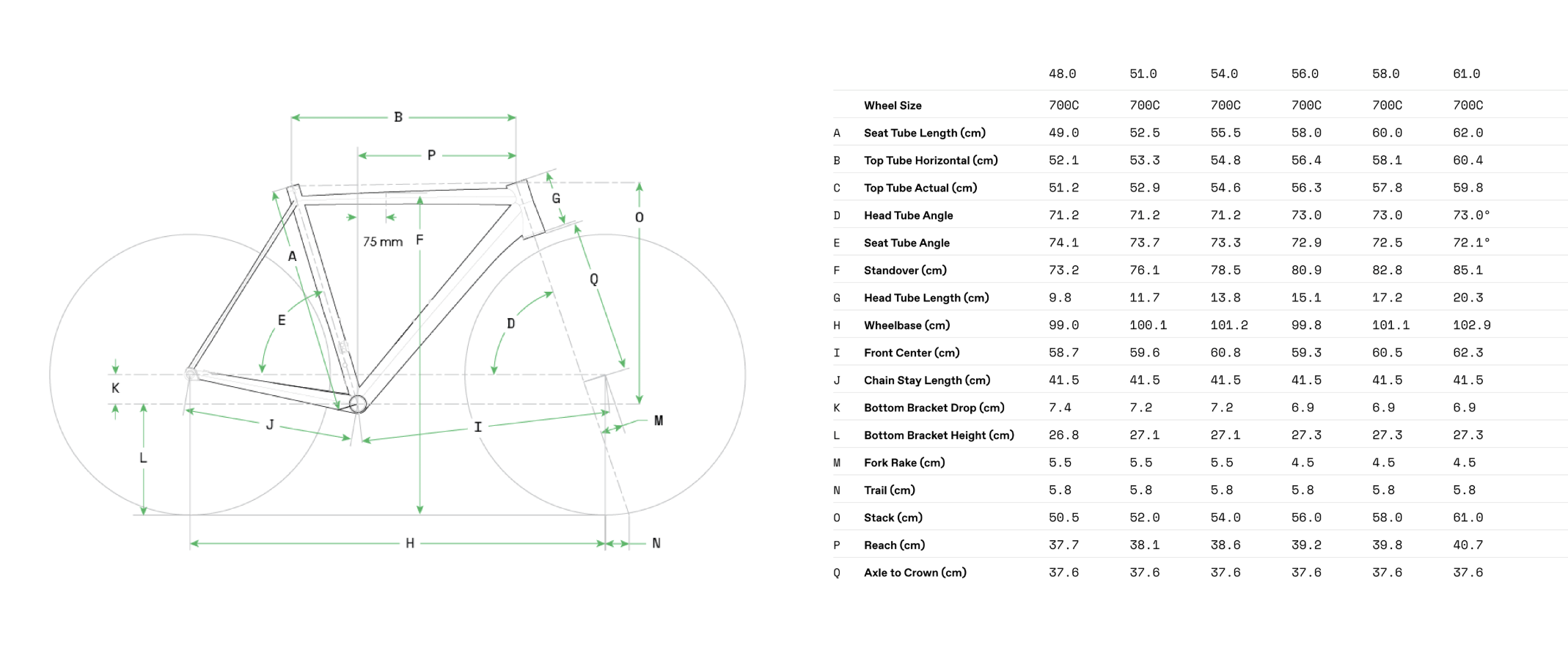
The CAAD14 keeps geometry squarely in the race category; it resembles the updated Super-Six EVO more than its CAAD 13 predecessor.
CAAD14 Build Options
Cannondale is launching the CAAD14 in several builds, each aimed at a slightly different rider.
CAAD14 1
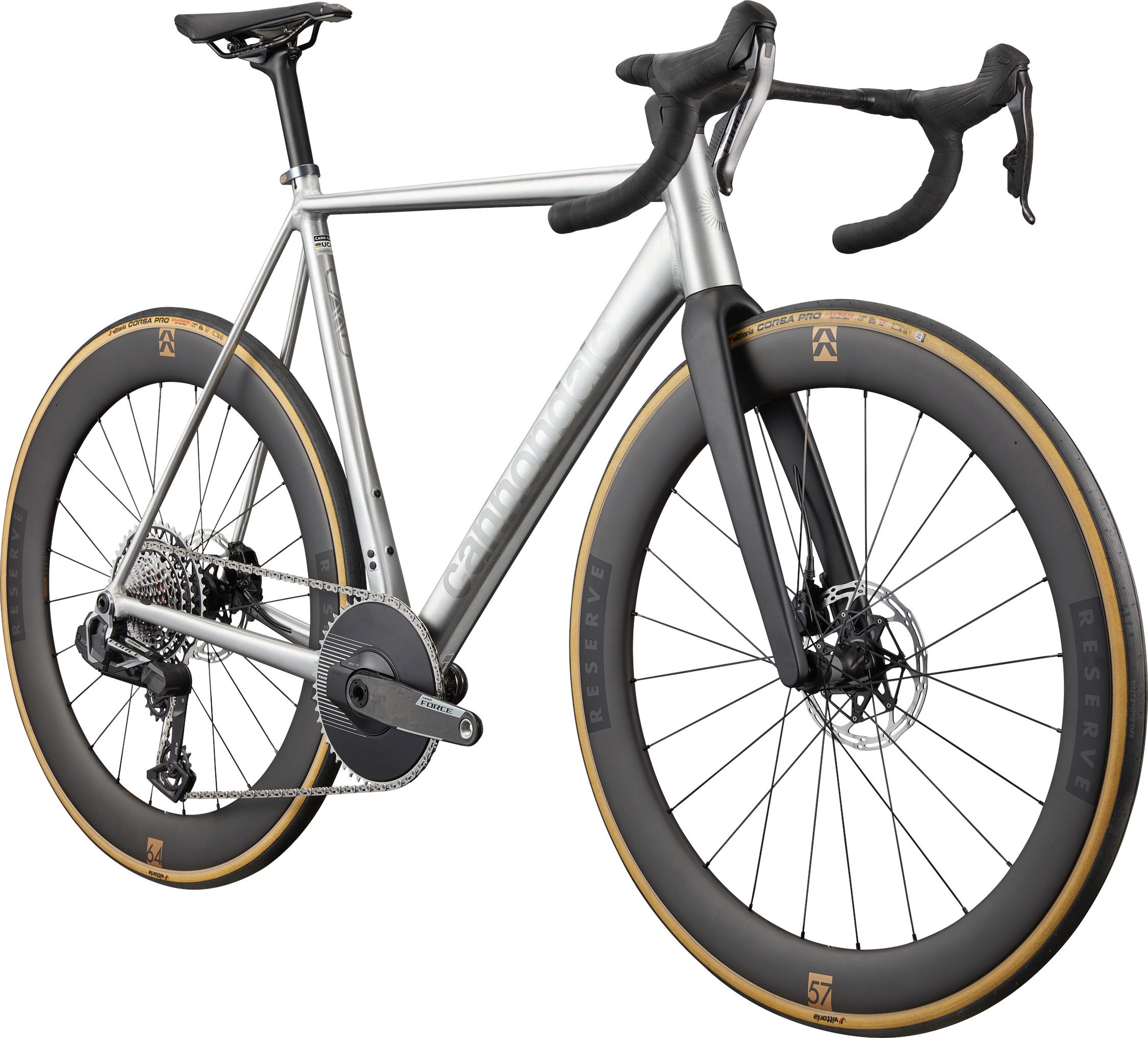
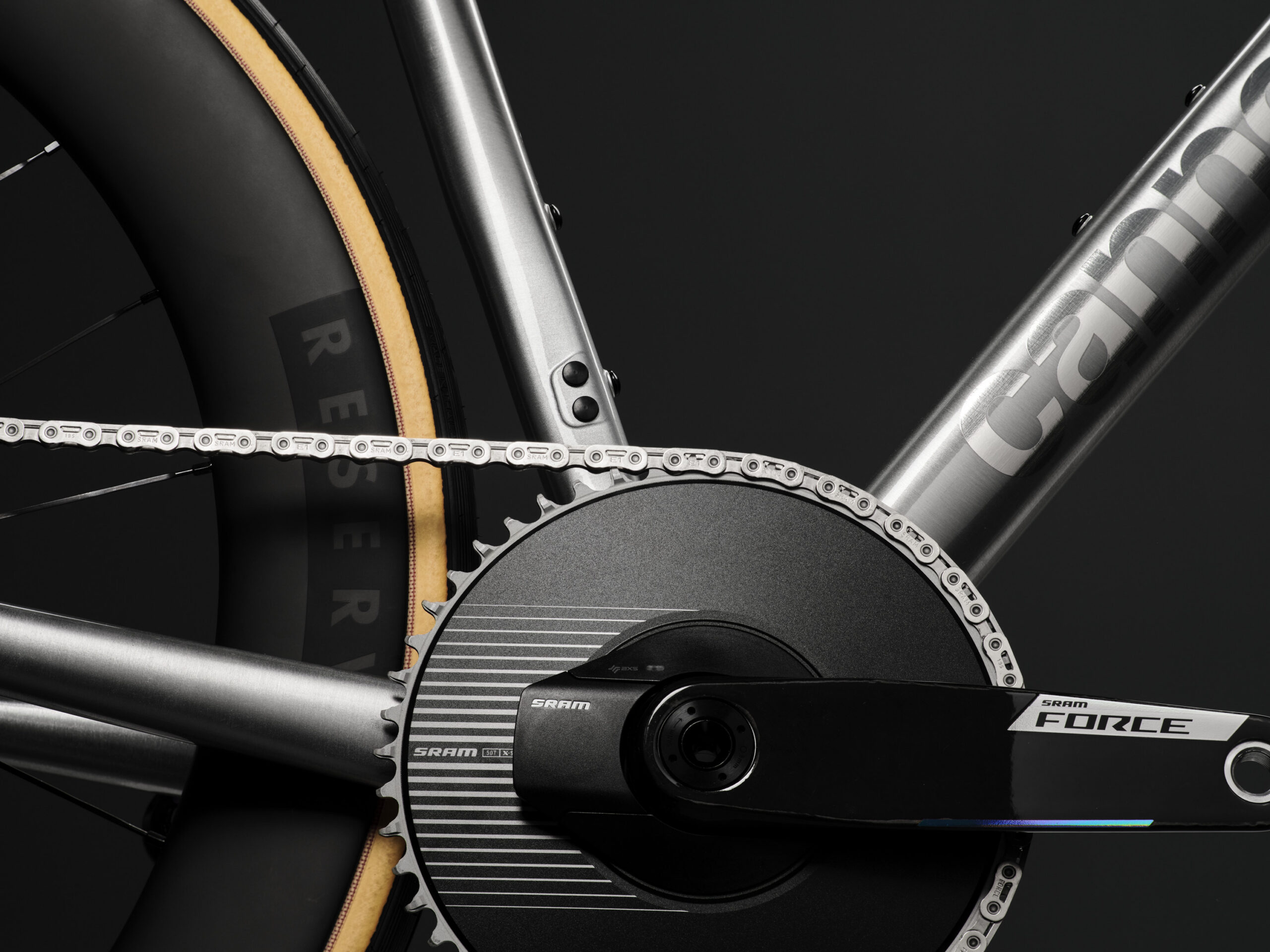
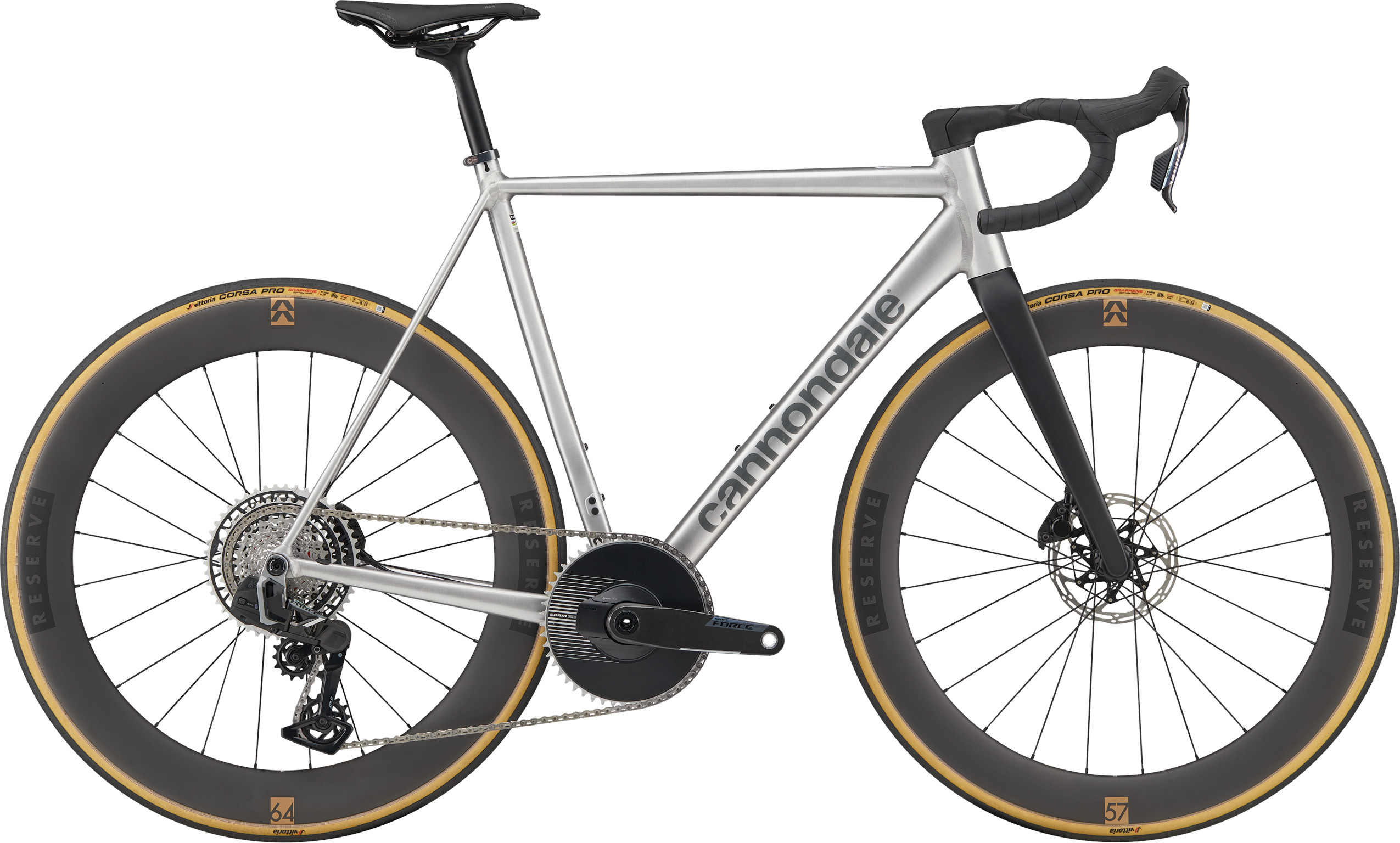
At the top of the lineup sits the CAAD14 1. This build is unapologetically race-focused, but pretty versatile. It features SRAM Force XPLR AXS 13-speed wireless shifting, paired with a Force AXS power-meter crankset and a wide-range 10–46 cassette.
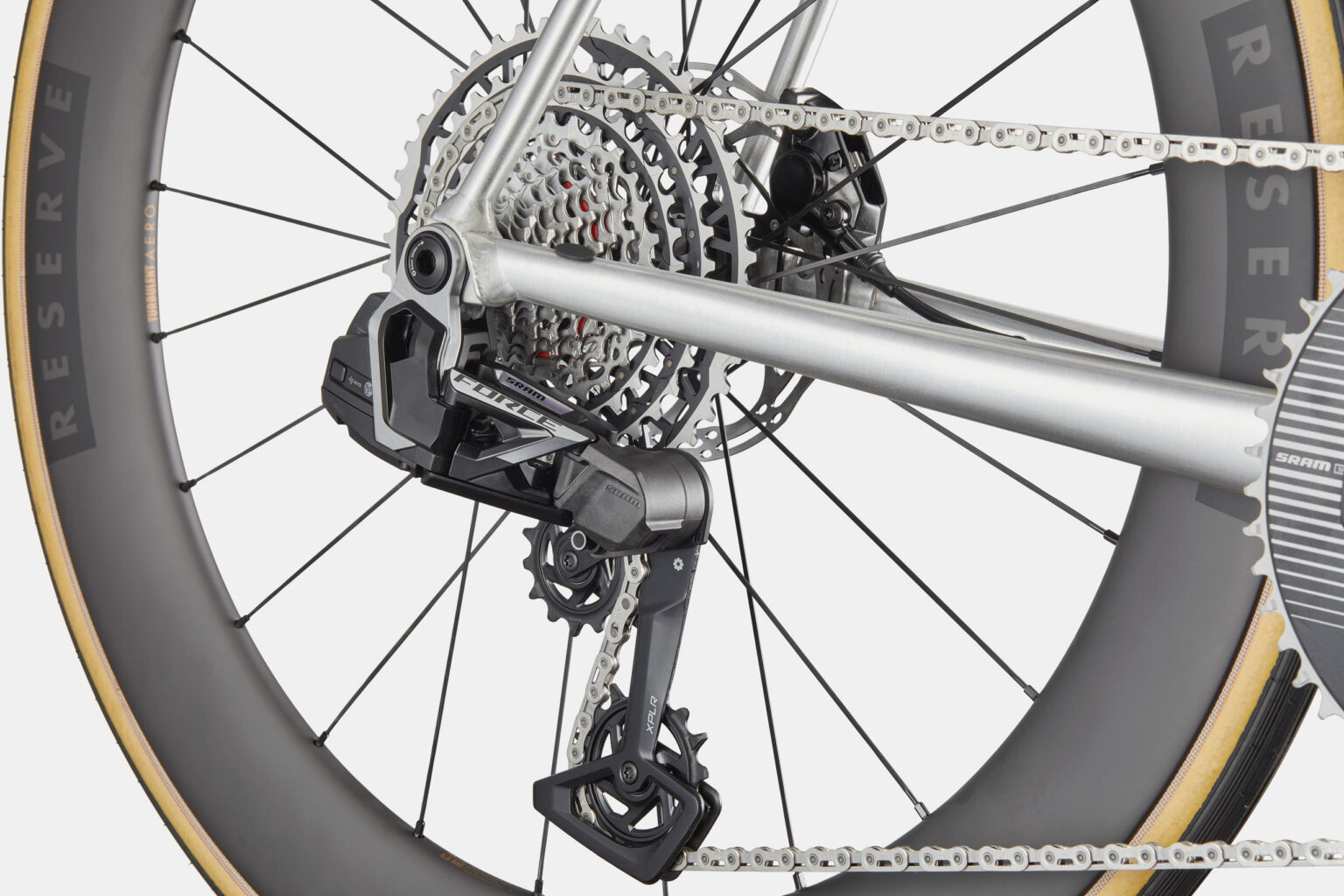
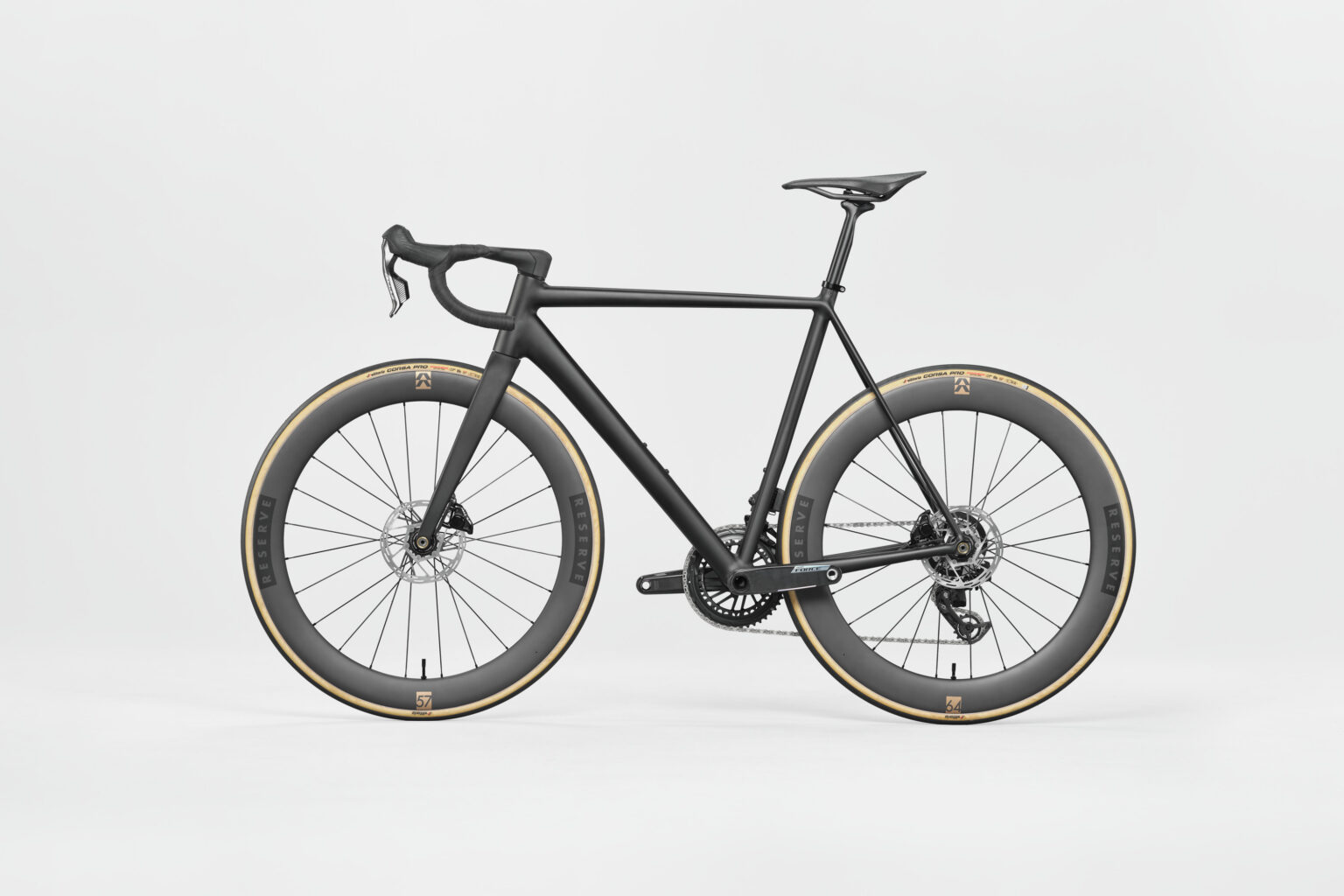
Wheel duties are handled by Reserve 57|64 carbon rims built around DT Swiss 370 hubs, wrapped in Vittoria Corsa Pro TLR 29mm tires.
Up front, the bike uses Cannondale’s SystemBar R-One integrated carbon cockpit, while a SAVE carbon seatpost and Prologo Dimension saddle round out the finishing kit. Price: $7,499 USD / $10,299 CAD.
CAAD14 2
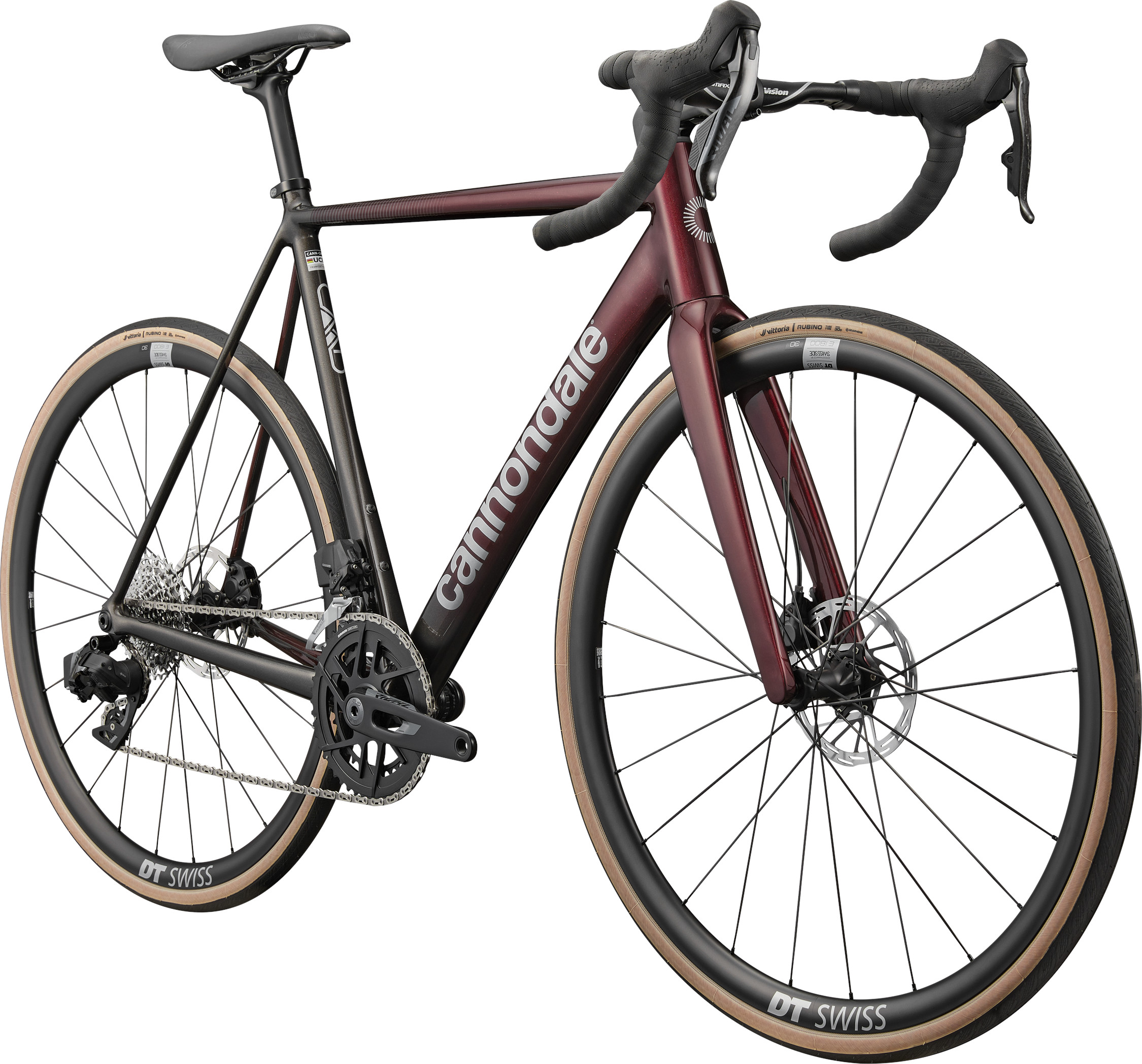
The CAAD14 2 uses SRAM Rival AXS electronic shifting, paired with a 48/35 crankset and a 10–36 cassette. The wheelset drops to DT Swiss E1800 Spline wheels, while Vittoria Rubino Pro tires keep things rolling. The cockpit switches to a Vision Trimax Aero handlebar with Cannondale’s Conceal alloy stem. Price: $3,999 USD / $5,499 CAD.
CAAD14 3
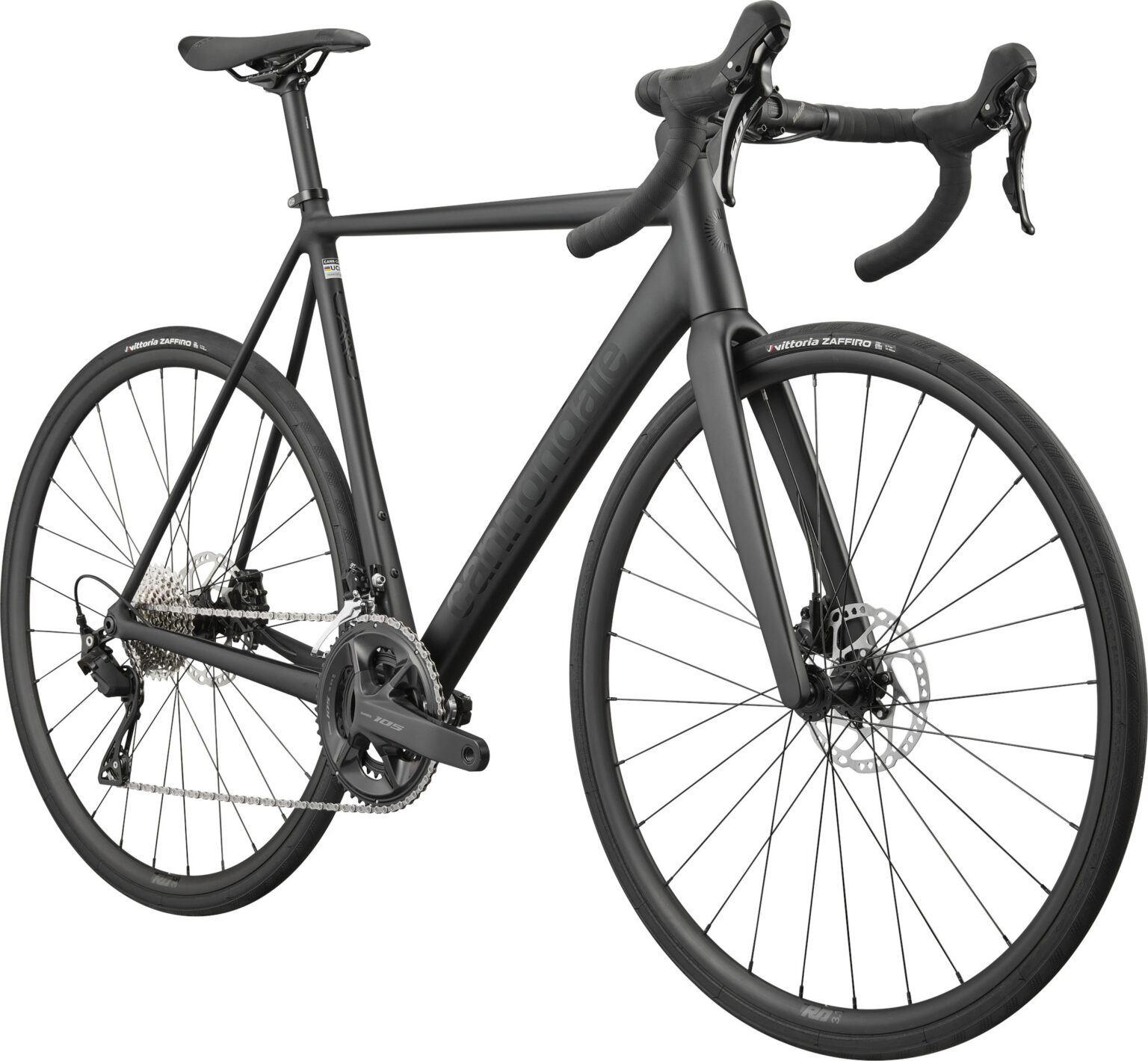
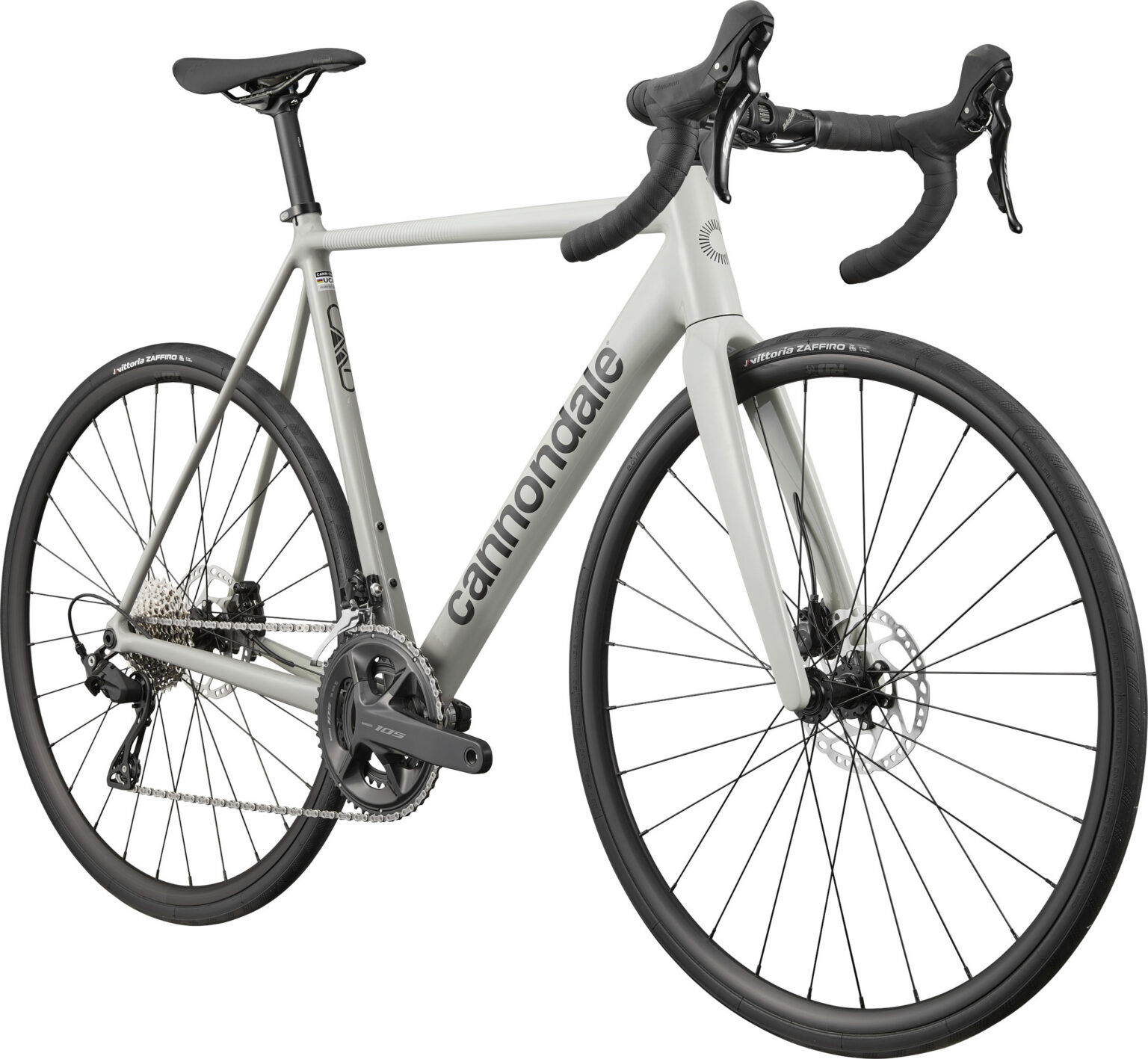
For riders looking for a more accessible entry point, the CAAD14 3 is where it’s at. This build runs Shimano 105 R7100 mechanical shifting, paired with a 50/34 crankset and an 11–34 cassette.
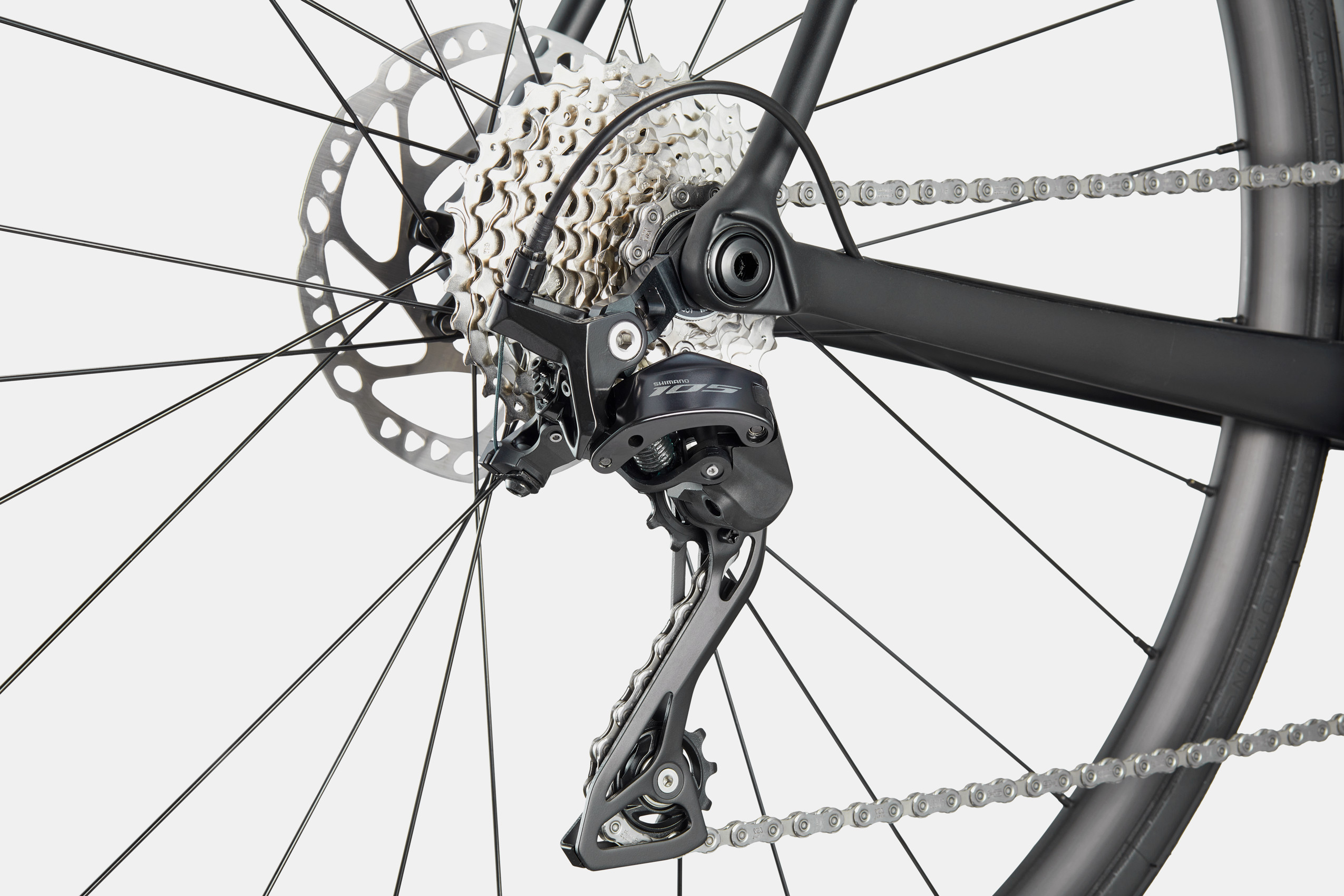
The wheelset uses Cannondale RD 2.0 alloy rims with Shimano hubs, wrapped in Vittoria Zaffiro tires. It’s a straightforward, dependable setup that still benefits from the same performance aluminum frame. Price: $2,499 USD / $3,399 CAD.
Frameset
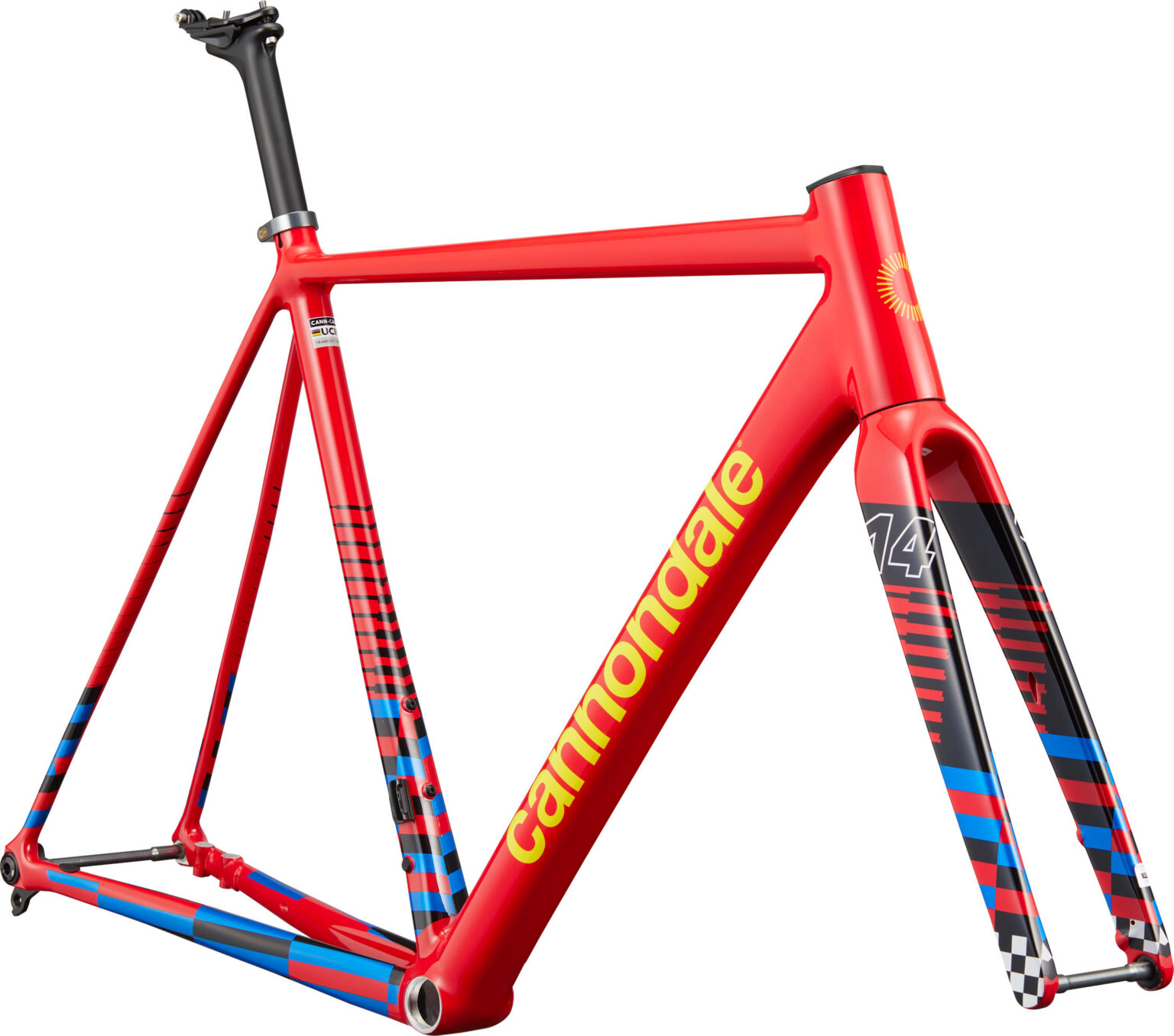
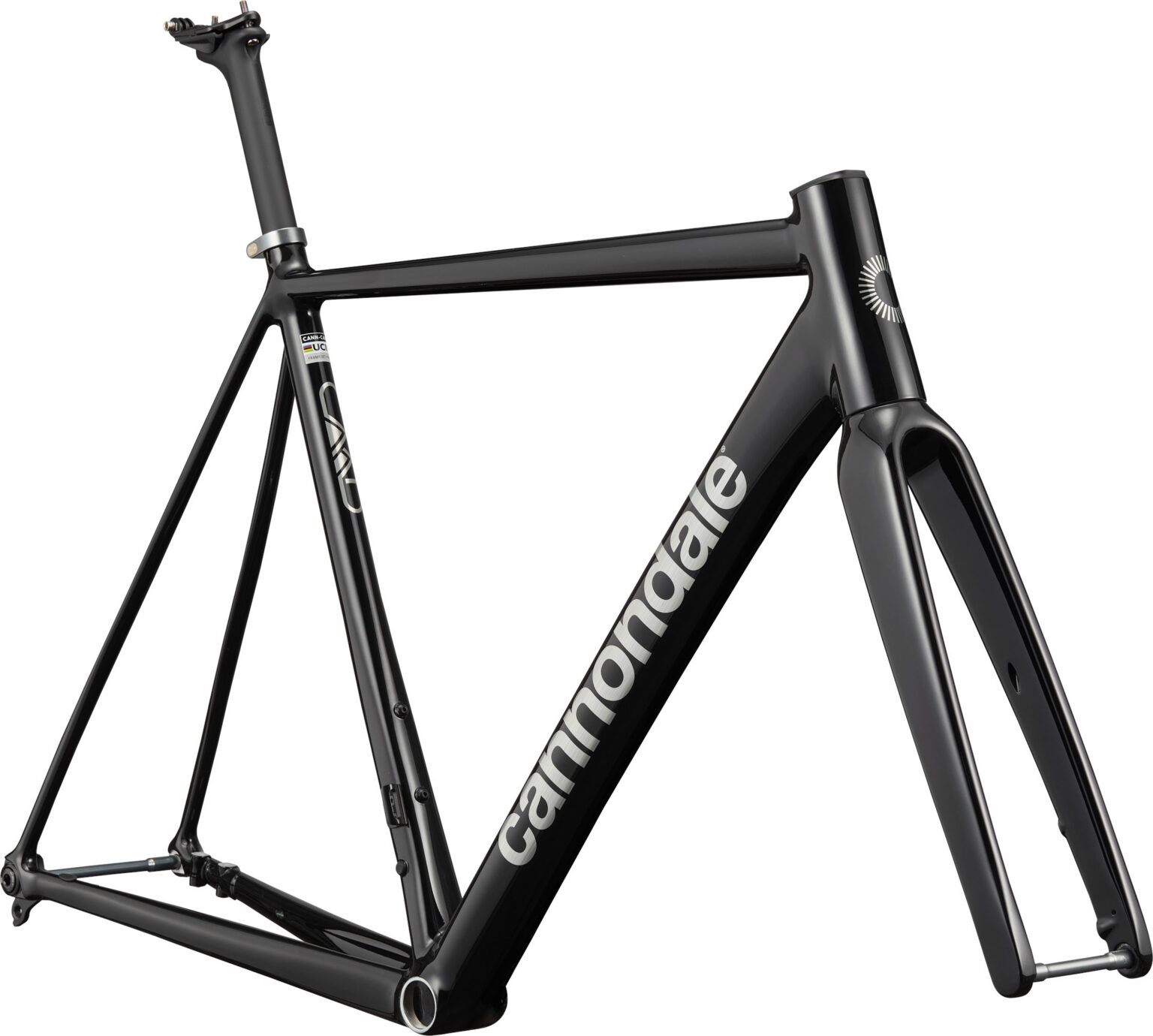
Cannondale will also offer a standalone CAAD14 frameset for $1,799 USD / $2,499 CAD, giving riders the chance to build their own high-performance alloy machine from the ground up. The frameset includes the SmartForm C1 frame, carbon fork, and SAVE carbon seatpost.
First Impressions: CAAD14 2
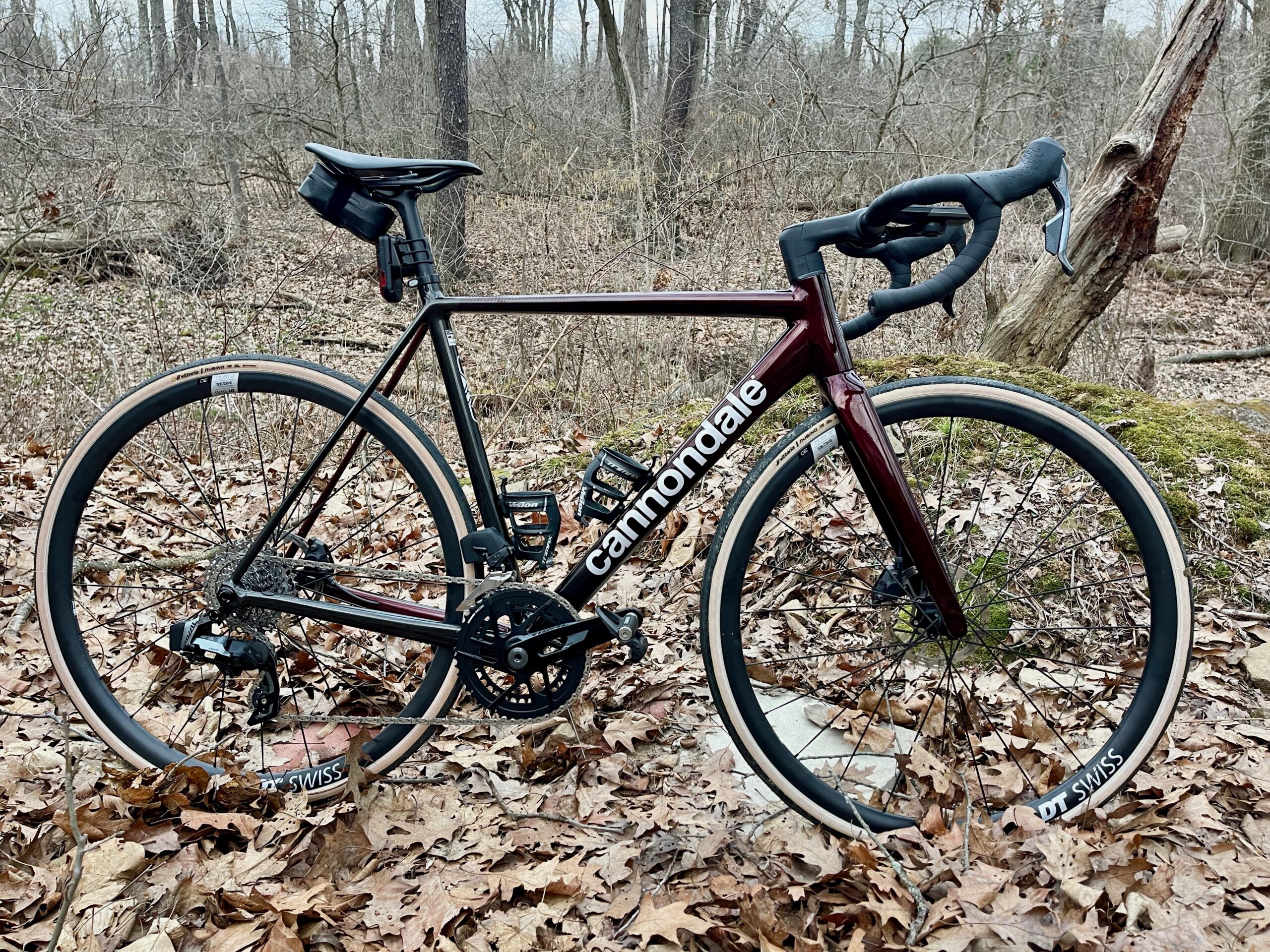
We were lucky enough to snag a CAAD 14 2 pre-launch and take it for a few rides before the launch. The expectations were high, and so was the stoke, as the CAAD series meant a lot to me as I was coming up as a bike racer.
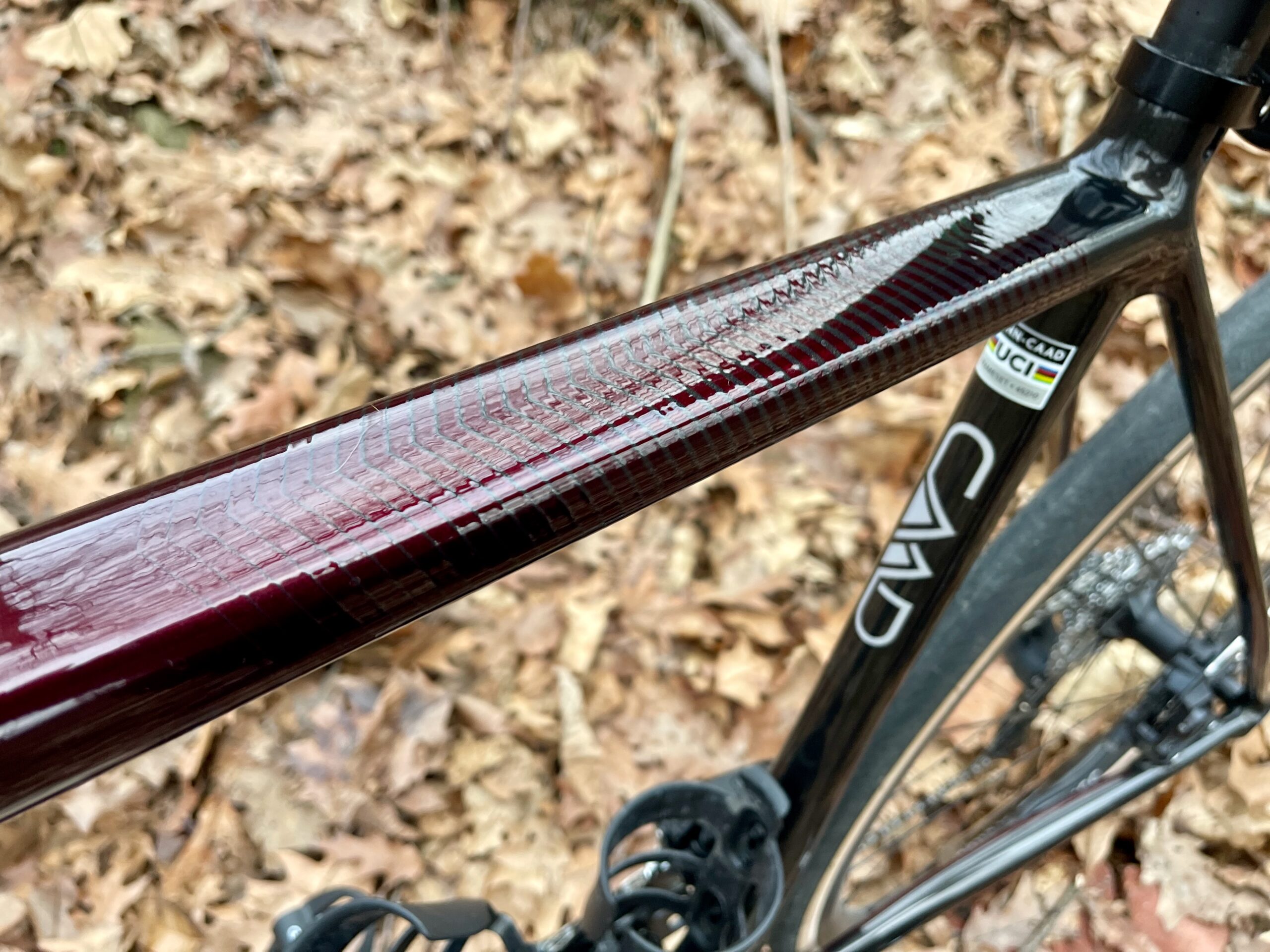
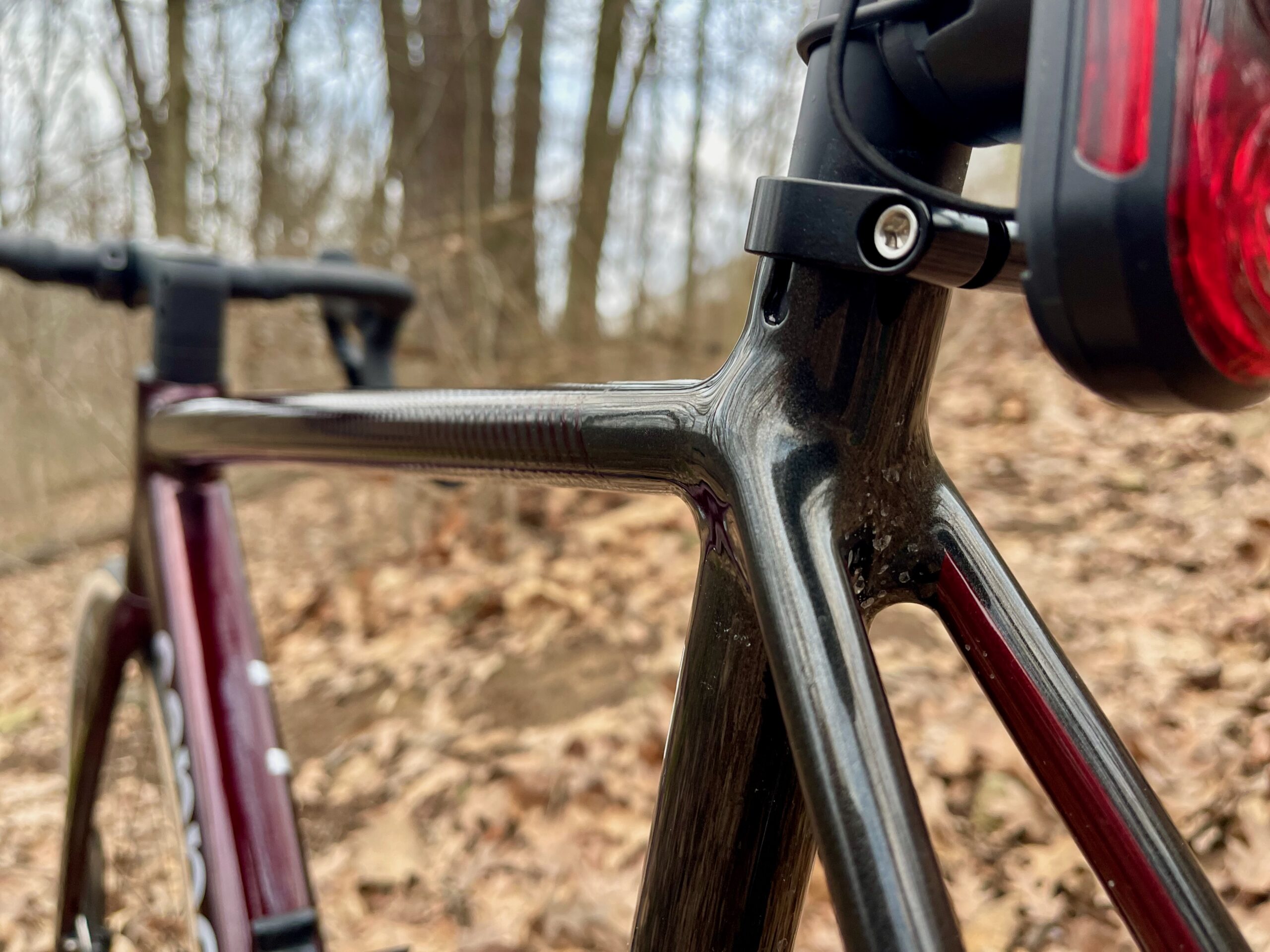
Unboxing, I was very happy to see that Cannondale went with glossy, semi-metallic speckled paint. The red of the frame stands out in the sun, and looks every bit as “carbon” as the super bikes out there. However, the tubes and their sheer bulk give away their alloy nature. I chose a size of 54cm, and it fit well, with only a small adjustment to the stem for a better personal fit. *I’m 5’10” with a 32″ inseam.

Classic Feel
The frame is a bit of a throwback to the CAAD 10, with the same shape toptube and silhouette. It looks like a disc brake CAAD 10, and I love it. The seat stays have a nice semi-flattened profile and meet up near the seat collar – no more dropped stays.
Build and Quality
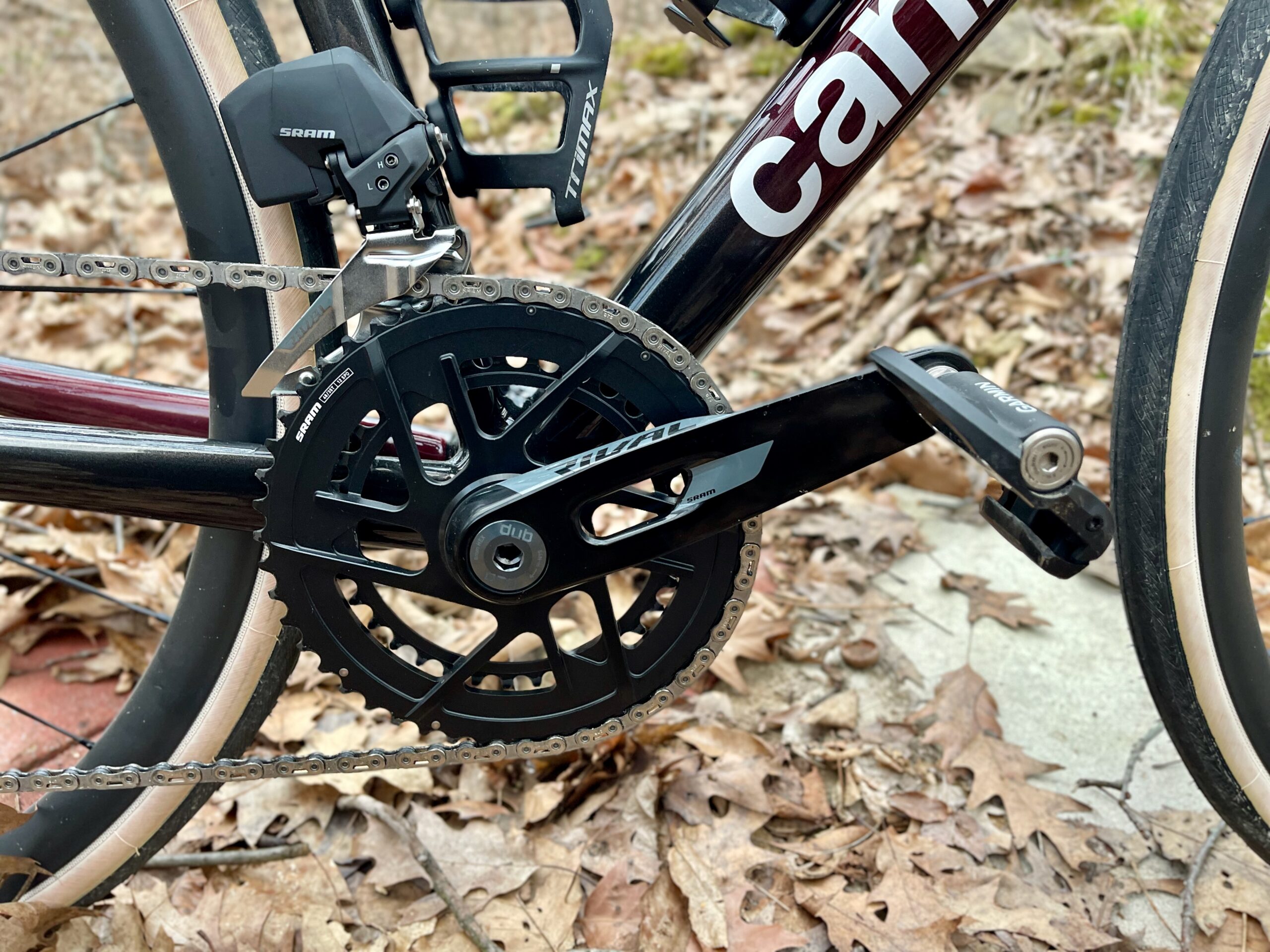
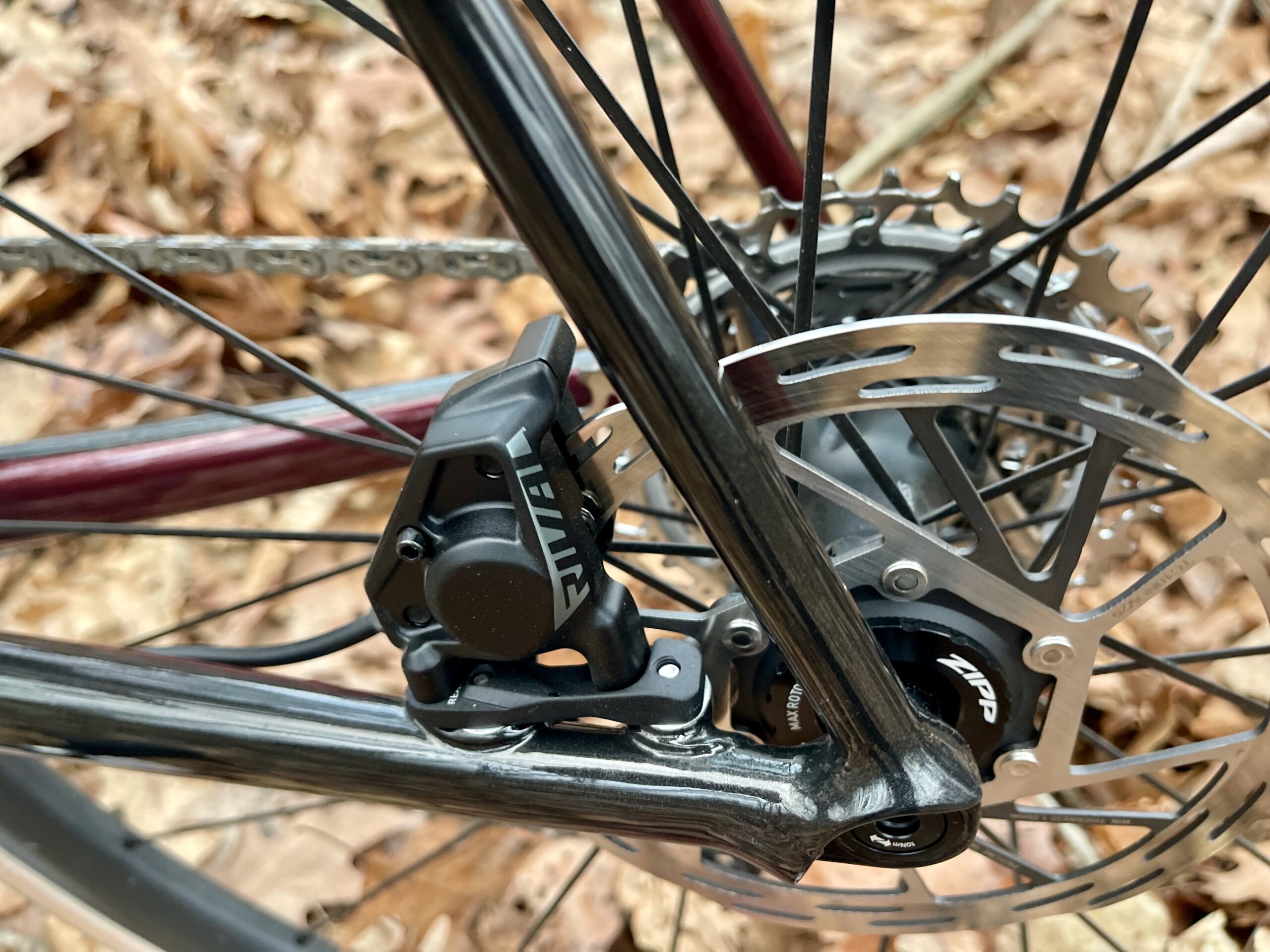
The build is a quality spec, especially if you’re a SRAM fan. After the newest SRAM groupset launch, they won me over. I’m officially a fan, even more so that you can barely tell the difference between groupsets (though the Rival is missing the extra shifting buttons on the body). The build is full SRAM Rival with a 48/36T crankset and a 10-36T do-it-all/climb-it-all cassette.
The wheels and cockpit are more robust. The bars are Vision TriMax 38cm alloy and have a great shape and feel. They are paired with Cannondale’s in-house Conceal stem and work well together. They expertly hide the cables without overdoing it, allowing the bars’ angle and stack to move freely when you need to make an adjustment.
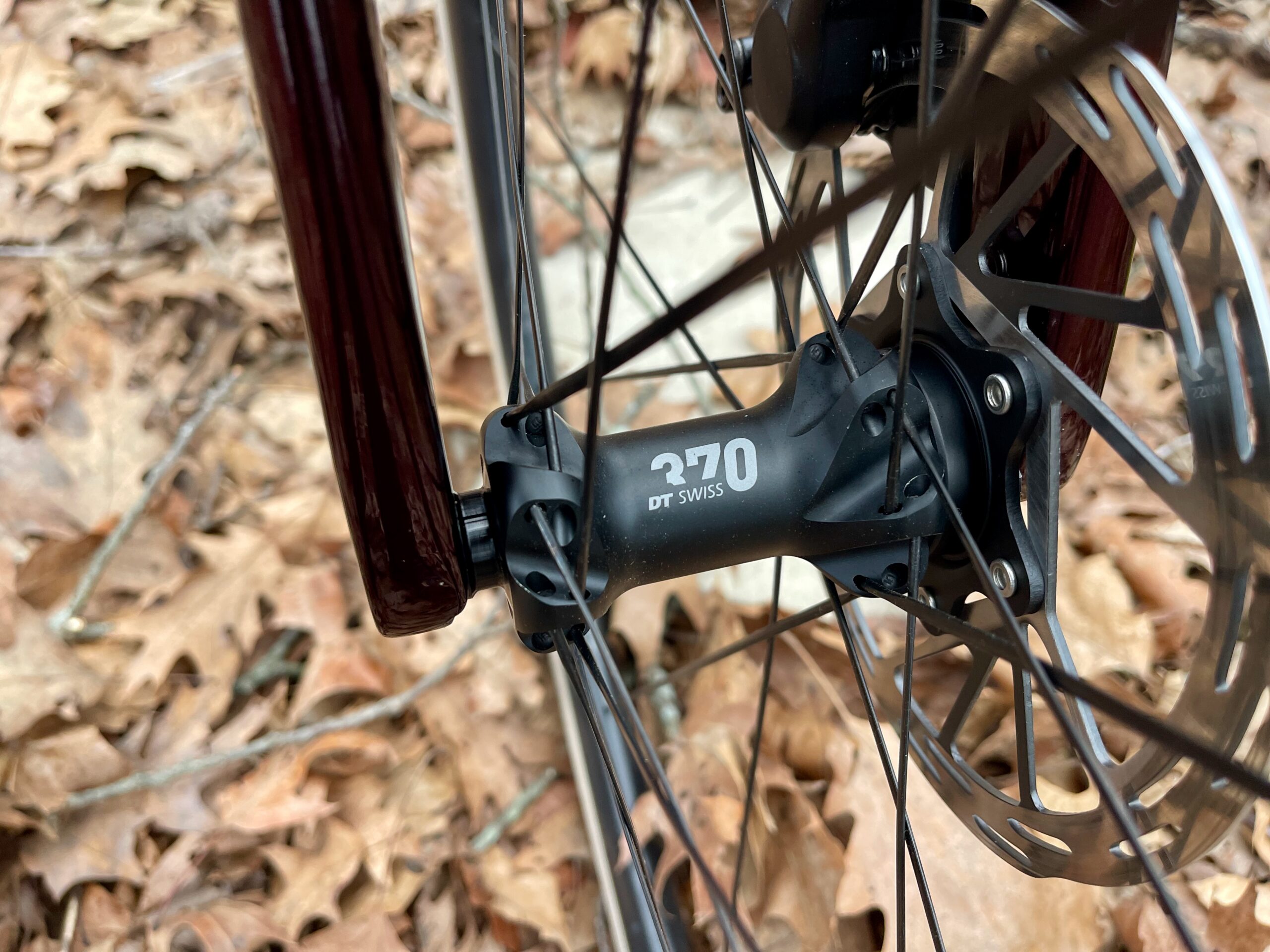
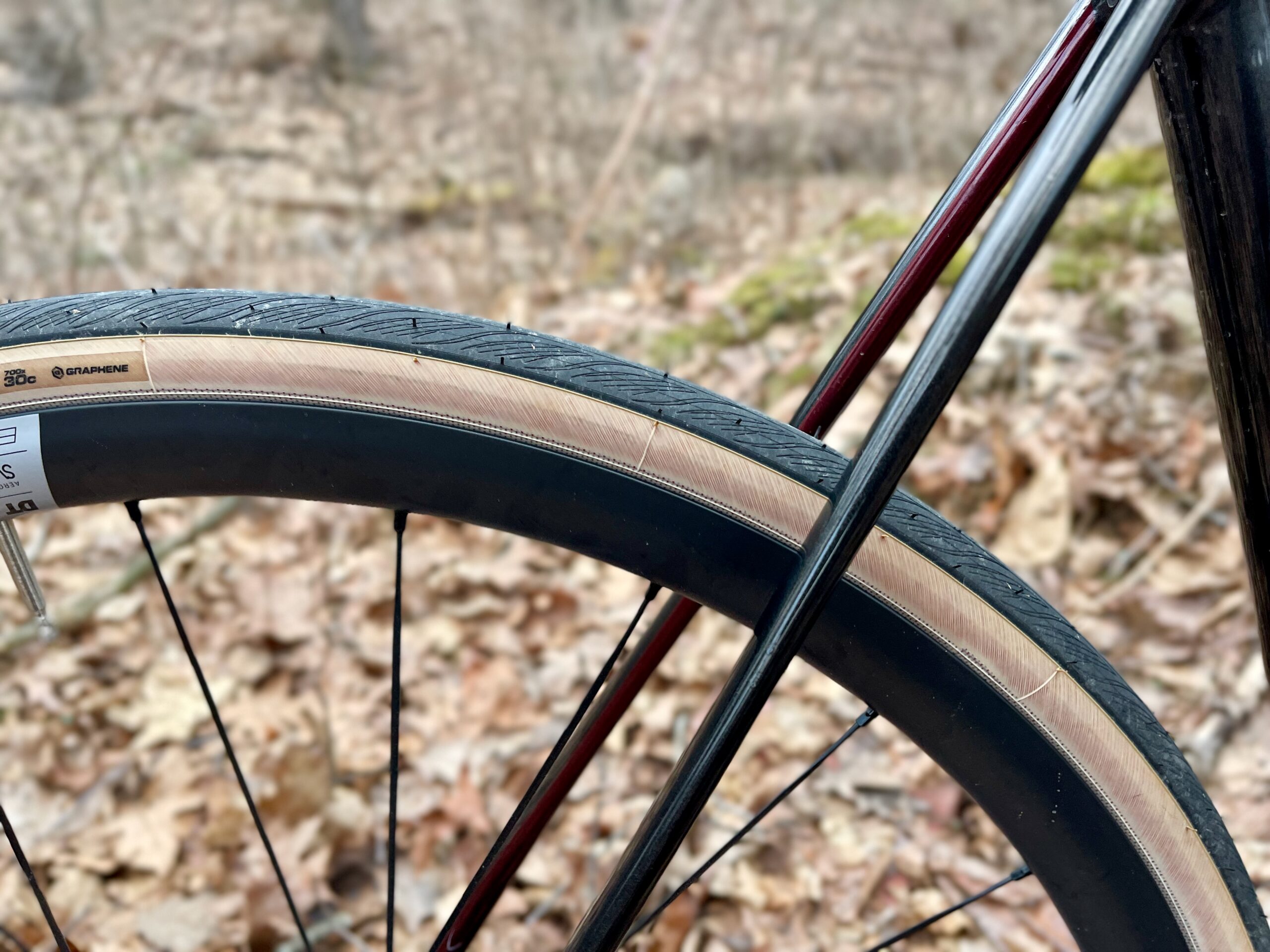
The wheels are DT-Swiss 1800E 30 with DT-370 straight pull hubs. They arrived with tubes, and that’s how I kept them on my test rides, but they are tubeless-ready, with valves included. The wheels come with Vittoria Rubino 30mm tan-wall tires, which add an extra cool, semi-retro vibe to the bike.
Though they are among the heaviest parts on the bike, the wheels are carbon and deliver solid ride quality. They are a shallow 30mm depth, and play nicely with the sometimes harsh ride of a stiff alloy frame. However, you can feel them when getting the bike up to speed if you’re used to a lighter, sharper-feeling wheelset.
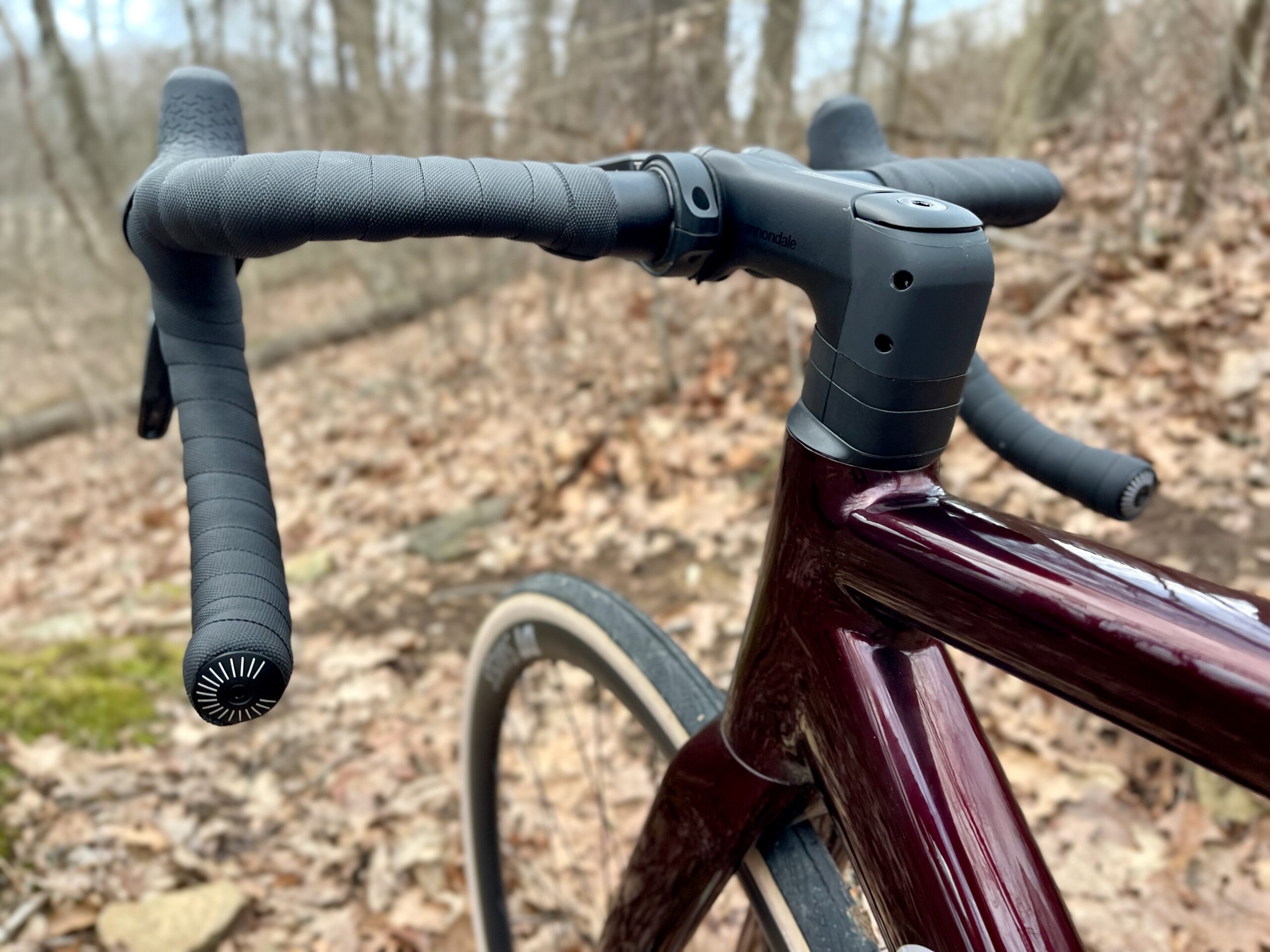
Ride Impression – Cannondale CAAD 14 2
The first thing that stands out is how comparable it feels to a modern aero road bike in terms of ride feedback. I was waiting for a harsher ride that I might have been nostalgic about, but no. The CAAD 14 feels very much like a modern design, but hold that thought.

On my typical mid-length road loop, the CAAD 14 felt responsive and decisive. I was looking for that feel I remember from my CAAD 9, carving around the city streets, that point-and-shoot feeling. Yes – the CAAD 14 has some of that, but much like how I don’t weave in/out of traffic anymore, the CAAD has also matured. It’s more stable; you can feel that in the descending and in the corners. It has the classic CAAD feel, but it’s not a one-trick pony; it can do much more than race a crit.
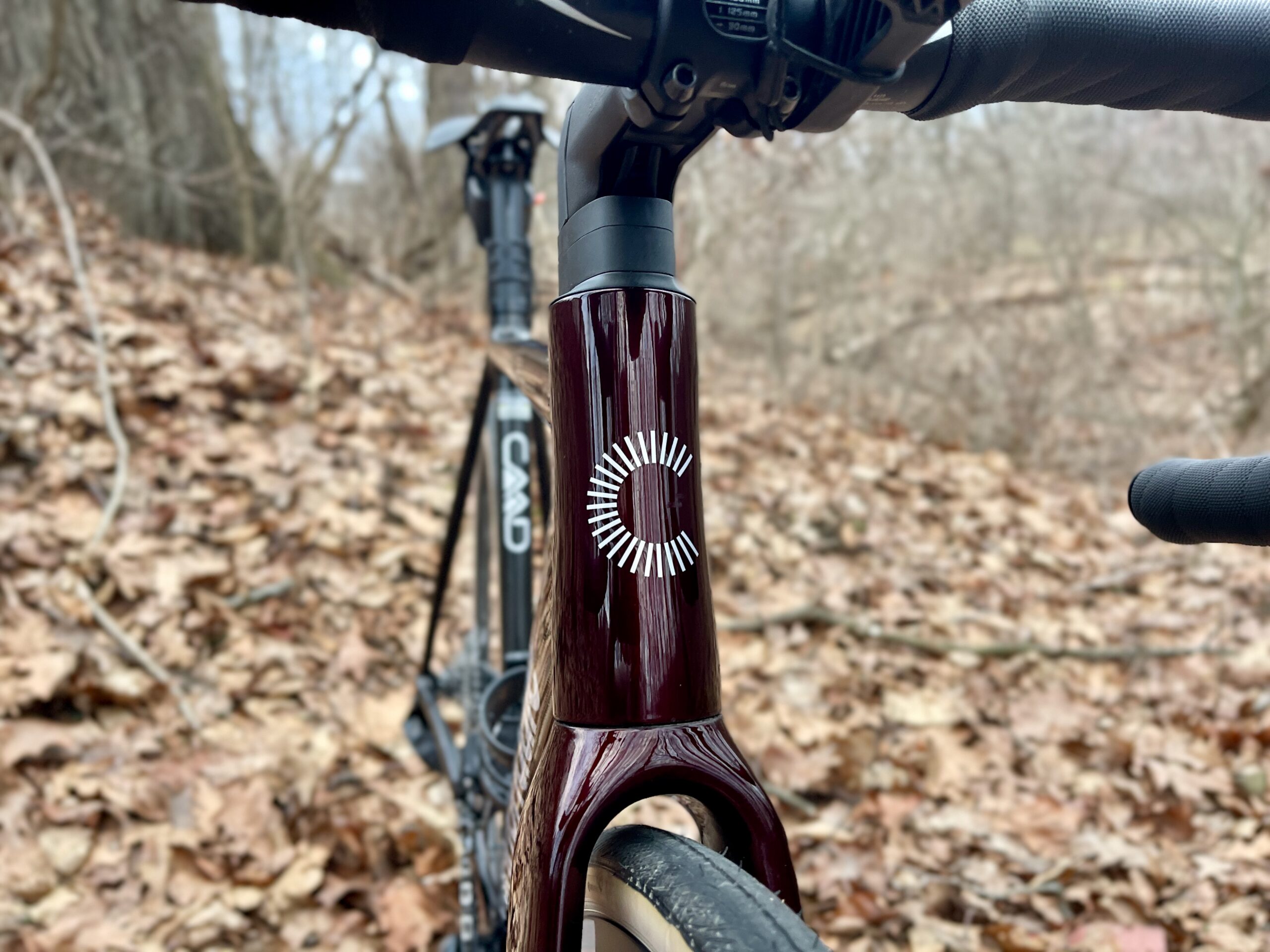
On climbs, the CAAD feels punchy, though you carry around some extra weight with the wheels. The frame is responsive and stiff, but not terribly harsh. This isn’t the alloy bike of the past that felt like a jackhammer on the bricks, and your back hurt after a race. The updated geo and larger tires make the updated CAAD 14 an all-rounder, with a go-long option – especially if you opt for 32mm.
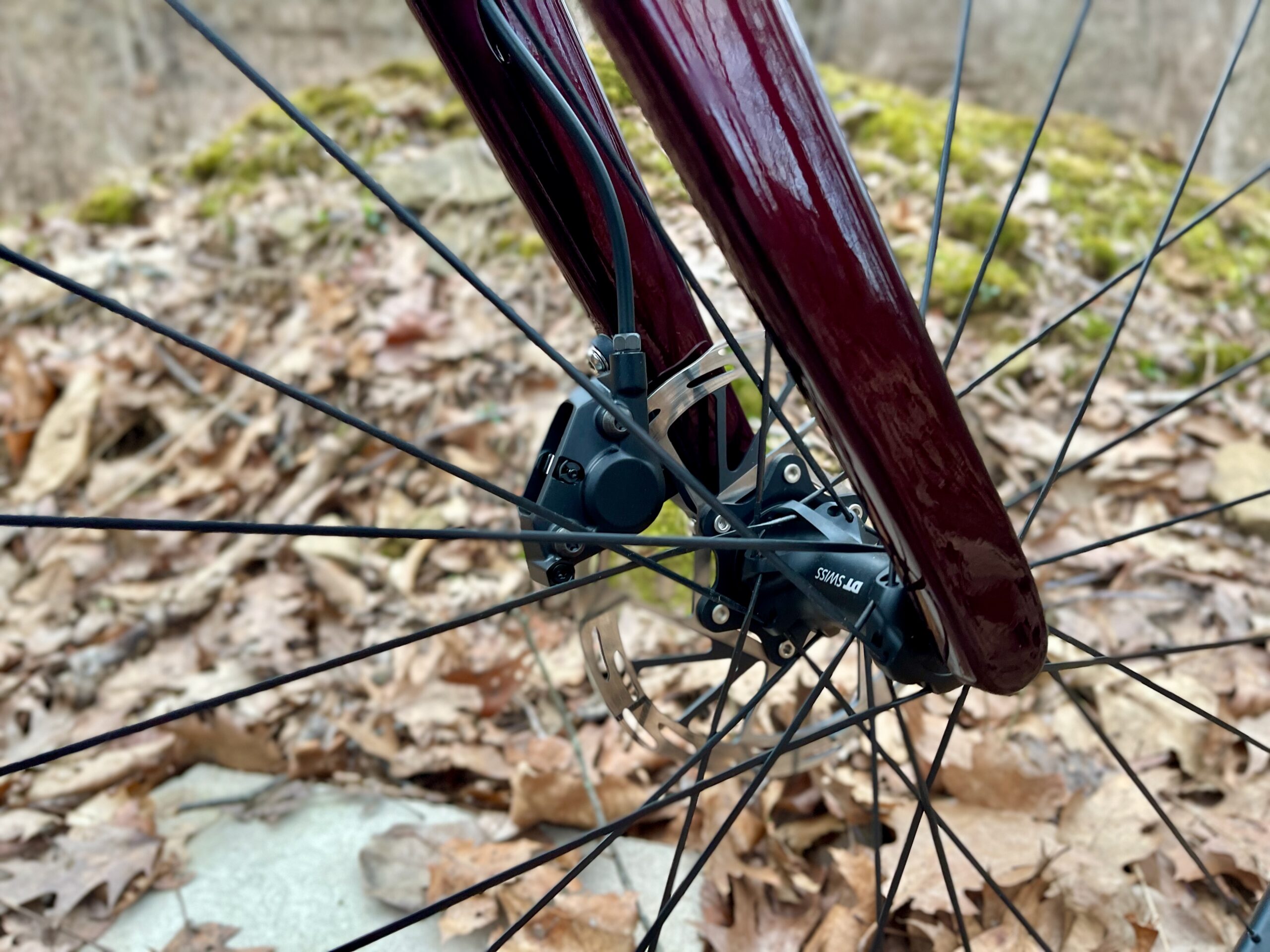
So far, I’m very happy with the performance of our demo CAAD 14. With our limited couple of days of riding, it’s left a lasting impression. I can’t wait to throw some race wheels on it and take it to the races.

If you’re a CAAD fan and are still looking for that 90’s CAAD feel with a modern twist (we’re getting old), the new CAAD 14 is well worth a look. Watch out for a full review coming soon.
More info at Cannondale.com
The post New Cannondale CAAD14 Series Is The Aluminum Race Bike You Remember appeared first on Bikerumor.