
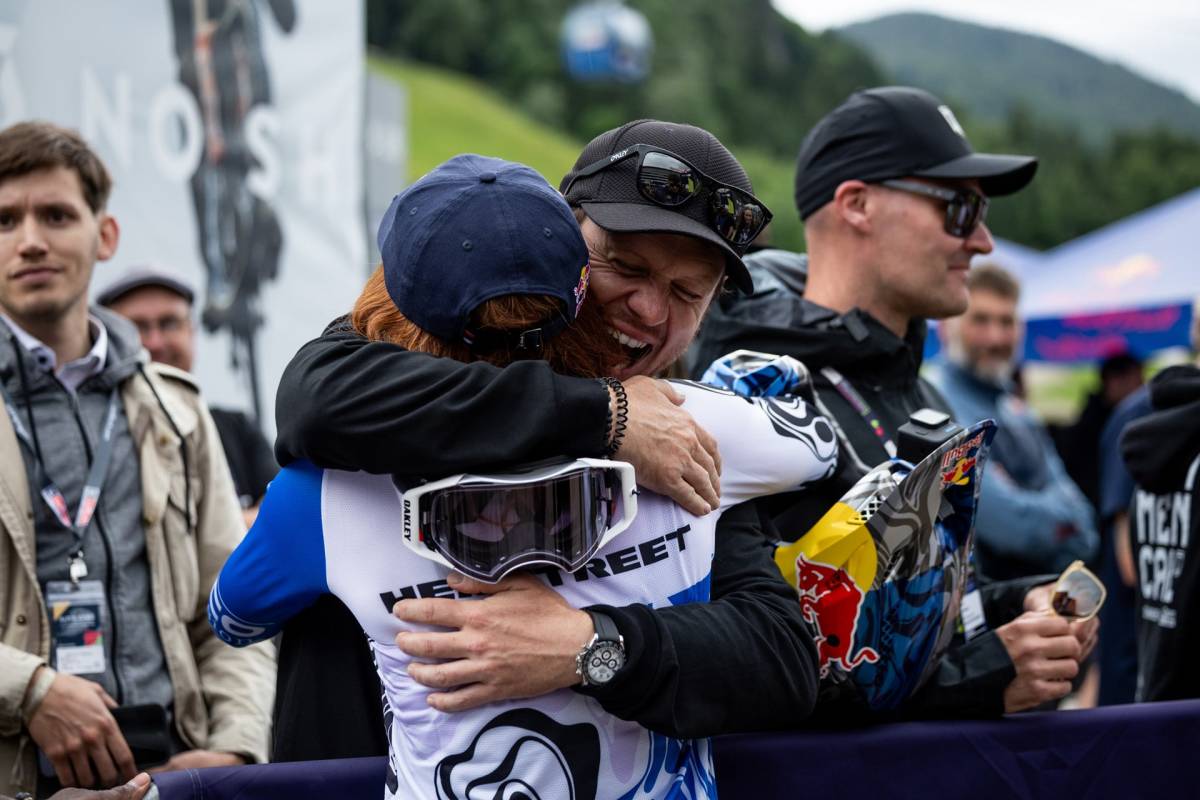
Norco’s 2025 Downhill World Cup season felt like a turning point—not just a team having a few good weekends, but a program that finally looks capable of showing up with real, repeatable speed. And while the results speak for themselves, Norco’s new full-length documentary, Blueprint to Success(the latest installment in their series: Just Getting Started), adds some welcome context to what actually went into their breakout 2025 season. It’s a behind-the-scenes look at the grind of a World Cup year—travel, pressure, momentum swings, and the small breakthroughs that don’t always show up on a results sheet—but the bigger takeaway is simple: Norco didn’t just “improve” in 2025, they arrived.
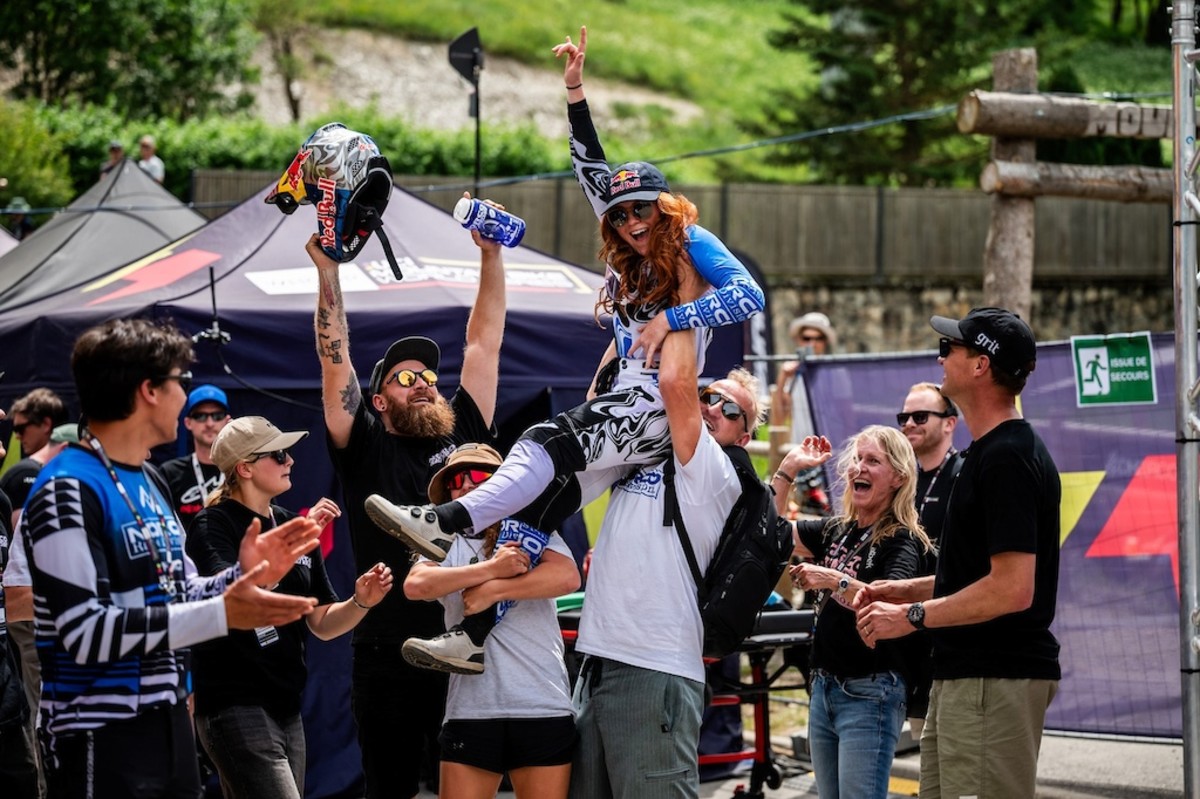
The biggest headline, without question, was Gracey Hemstreet. What made her season so impressive wasn’t only the raw pace, but how quickly she grew into being a team leader and cornerstone of the program. Throughout the seasonmHemstreet rode with a level of confidence that looked new—even by elite standards—and it carried her deep into the title fight with Vali Höll. Hemstreet took three World Cup wins, including the rare and confidence-boosting back-to-back victories at Loudenvielle and Leogang, and proved not only that she could handle the pressure of being the rider everyone expects to deliver, but do so repeatedly and consistently. In a sport where one mistake can erase a weekend, Hemstreet’s ability to continually execute was the kind of performance that changes how a team is viewed in the paddock.
View the 2 images of this gallery on the
original article
Behind Hemstreet, Norco’s women’s program added even more weight to the team’s breakout year. Lina Frener came into the World Cup environment and immediately looked like she belonged, turning early promise into real results with podiums and a win. She didn’t come across as someone simply gaining experience—she looked like the kind of rider who can reshuffle the order the moment everything lines up. At the same time, the season wasn’t all upward momentum. Erice van Leuven’s year showed the other side of racing at this level: injury, setbacks, and the mental grind of trying to rebuild when the calendar doesn’t slow down for anyone. It’s the less glamorous part of downhill, but it’s also the part that most teams quietly spend their entire season dealing with.
View the 2 images of this gallery on the
original article
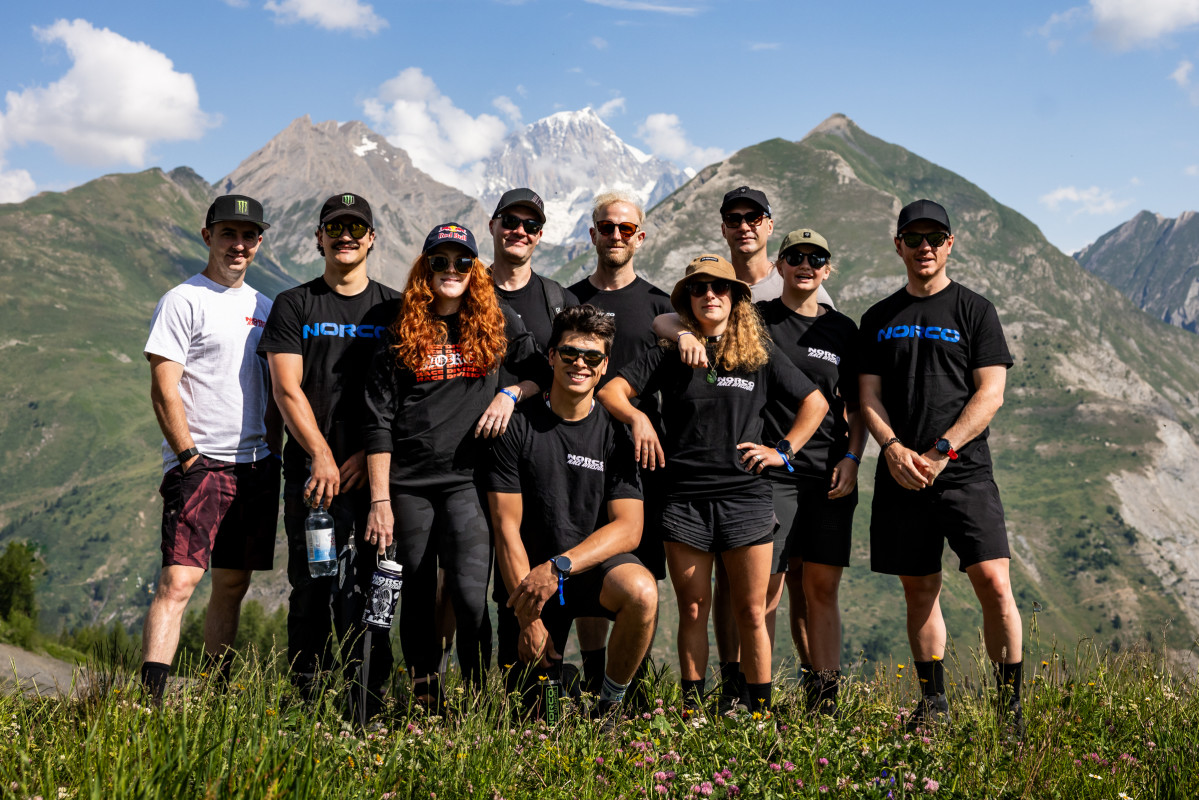
On the men’s side, Norco’s year was less about fireworks and more about persistence—still meaningful, just in a different way. Danny Hart brought the veteran backbone, and his presence mattered in the way it always does when a program is trying to level up. He’s been through enough World Cups to keep things grounded when the pressure spikes, and that stability is hard to quantify until you’re watching it happen in real time. Bodhi Kuhn’s season built more gradually, with early struggles giving way to steadier performances as the year unfolded, while Lucas Cruz embodied the grit it takes just to keep lining up. Between crashes, challenges, and the sheer attrition of downhill racing, Cruz’s season reflected the reality that success isn’t always measured in podiums—it’s often measured in resilience. Cruz also closed the year with a major transition, stepping away from racing and into a new role as part of Norco’s ambassador program, marking the end of one chapter and the start of another.
View the 1 images of this gallery on the
original article
More than anything, Norco’s 2025 campaign proved how much elite downhill is built on momentum and slim margins. Confidence can snowball fast when things start clicking, and it can disappear just as quickly when they don’t. But this season felt different for Norco because the results weren’t isolated—they compounded, and they came from multiple riders across the roster. By the end of the year, the takeaway was pretty clear: this didn’t look like a one-off hot streak. It looked like a team that’s found a foundation—and a program that’s finally positioned itself as a real player in modern World Cup downhill.