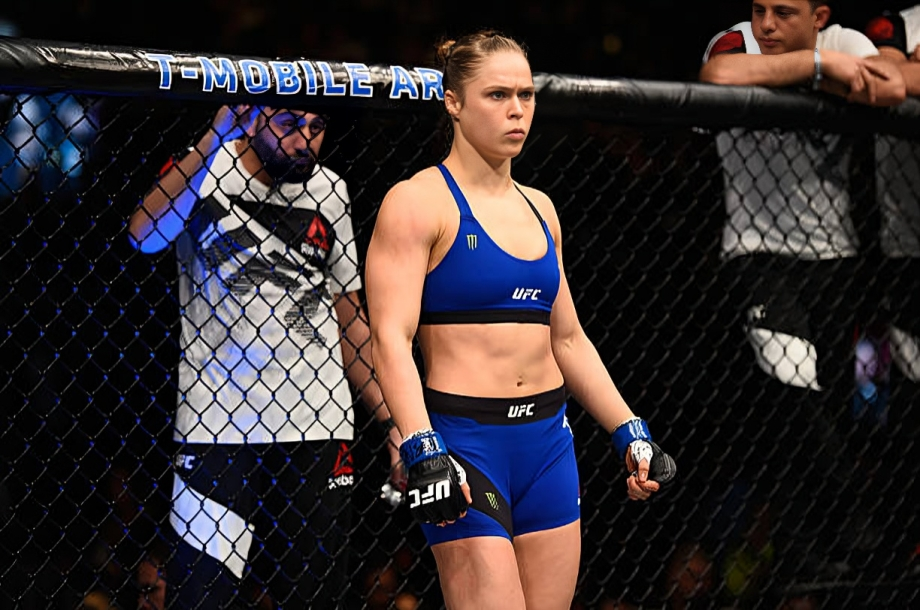
Ronda Rousey has turned her comeback tour into a direct shot at the UFC’s modern business model, using a recent press event for her Gina Carano fight to torch the promotion over pay, matchmaking and its new streaming era priorities.
The former UFC bantamweight champion is returning to MMA under Jake Paul’s Most Valuable Promotions banner, with her long-discussed matchup against Gina Carano scheduled to headline Netflix’s first live MMA card on May 16 at Intuit Dome in California, promoted as a legacy clash between two of the original stars of women’s MMA.
Ronda Rousey blasts $7.7B UFC, says fighters can’t even earn a living wage
Rousey has said she initially tried to make the Carano bout with the UFC and personally reached out to Dana White, but talks collapsed once the promotion’s new broadcast deal and internal financial structure came into play.
In explaining why the fight did not land on a UFC card, Rousey framed the entire breakdown as a consequence of the promotion’s shift from pay-per-view to an all‑in streaming partnership reportedly worth around 7.7 billion dollars with Paramount, which removed traditional PPV upside for stars and placed tighter emphasis on fixed costs and shareholder returns.
“Once [UFC] moved into the streaming model, it’s just not about putting on the best fights possible anymore. Dana is legally beholden to the shareholders and to maximize shareholder value. Unfortunately, now that they’ve taken the reins of the company away from [Dana White], it’s barely recognizable now.”
That criticism tracks with comments Rousey has already made in interviews, where she said the UFC “didn’t want to set a precedent” by giving her the guaranteed purse she felt she and Carano deserved because it could “raise that tide” for the rest of the roster across the life of the Paramount deal.
According to Rousey, the promotion’s new incentives favour “cost‑effective” fight cards over the biggest possible matchups, since blockbuster guarantees would cut into the margins expected by its corporate ownership and public shareholders.
“The UFC is one of the worst places to go. So many of their top athletes are leaving to find pay elsewhere. It’s why their champions like Valentina [Shevchenko] are selling pictures of their titties on OnlyFans.”
Her jab at Valentina Shevchenko plays into a live debate around fighter pay and secondary income streams, with multiple UFC names in recent years turning to subscription platforms and sponsorship-heavy social media to supplement what they earn in the cage.
Rousey’s argument is that, in an era when the company has locked in long-term media money, the financial pressure should ease on athletes at the bottom and middle of cards instead of pushing them towards content side hustles.
“This company just got $7.7 billion. There’s no reason they can’t afford to pay their athletes at least a living wage.”
The 7.7‑billion figure she cites aligns with reports of the UFC’s new broadcast deal value and has become a key talking point among critics who say fighter revenue has not kept pace with the promotion’s media and sponsorship haul. Former featherweight champion Cris Cyborg recently backed Rousey’s assessment, saying the UFC’s refusal to adjust its revenue model after moving to ESPN and then into its Paramount streaming era was a major factor in her departure to Bellator, where she signed what was described as the biggest contract in women’s MMA at the time.
Rousey has also linked her pay criticism to the UFC’s recent matchmaking, zeroing in on the much-hyped 2026 White House card. That event, shaped around political spectacle and corporate milestones, has already been hit with fan pushback over a thin lineup and the absence of several of the promotion’s biggest names.
Jon Jones has been publicly lobbying for a slot on the card after previously walking away from a proposed heavyweight title bout with Tom Aspinall, while Dana White has pushed back, citing trust issues after Jones turned down a massive offer for that fight. Conor McGregor, meanwhile, has been training as if he will feature in Washington according to John Kavanagh, but no official bout has been announced, adding to the sense of uncertainty around the promotion’s supposed super‑card.
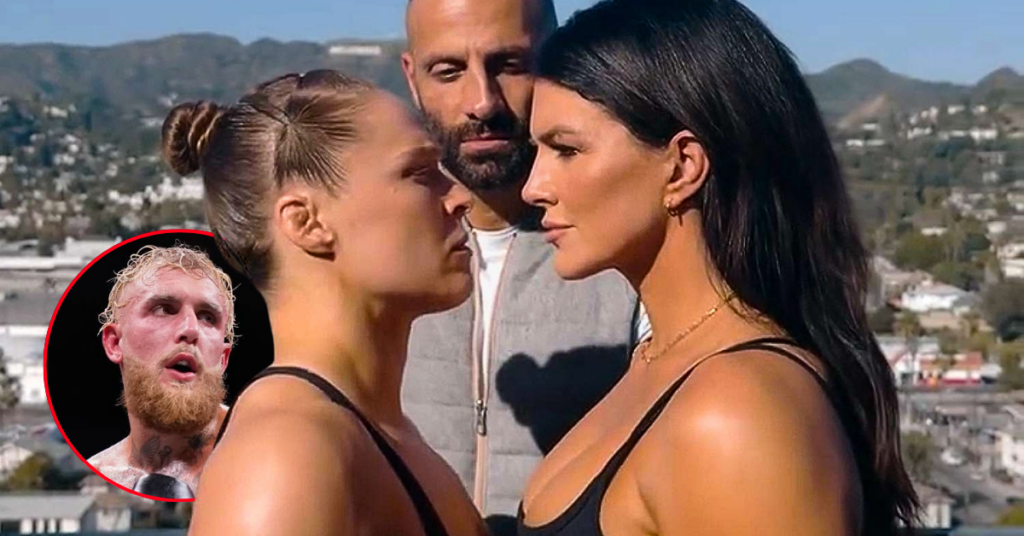
With heavyweight champion Tom Aspinall reacting coolly to Ciryl Gane’s inclusion on the White House show and Jones watching from the outside, the narrative around the UFC’s matchmaking has shifted from dominance to disarray, with Francis Ngannou’s exit to boxing and PFL still looming over the division’s recent history. In that context, Rousey’s comments hit more than one nerve: she is attacking fighter pay, but she is also suggesting that the financial logic of the Paramount era is warping how the UFC builds cards, who gets pushed, and how often fans actually see the biggest fights available.
“I guarantee you he’s not happy with it either.”
As she prepares to face Carano in a Netflix main event powered by an upstart rival promotion, Rousey is positioning herself as a cautionary tale and a warning shot, arguing that when a 7.7‑billion dollar company will not meet the price for one of the biggest fights in women’s MMA history, the message to the rest of the roster is impossible to ignore.