
Many cyclists dream of working in the bike industry. And it’s true: The hours may be long, but the work is fun, because our world is populated by enthusiasts. These pioneers are riders first and foremost, who started their companies because they wanted to make something that didn’t exist. In this post, you’ll read how we met some of our friends in the industry, and how we all share a passion for cycling that forms the basis of our friendships. We are reviving our Bike Industry Appreciation Week with discounts to show our appreciation for all those who work to keep our passion alive.
It’s no secret that idealism and incomes often don’t align. In the bike industry, especially among smaller companies, profits aren’t the main consideration when making decisions—and that’s why incomes tend to be on the low side. Especially these days, when the cycling industry is facing many challenges… That’s the idea behind our Bike Industry Appreciation Week: We’re all in this together, and we want you to ride our tires and parts even if you can’t easily afford them. Details on how to apply are at the end of this post.
Great Friendships Based on Shared Passion
Many of our friendships in the industry date back a long time, before Rene Herse Cycles was reborn in the Cascade Mountains, and even before I started Bicycle Quarterly as a little zine that had no intentions of revolutionizing the bike world.
Here’s a typical story: Way back, I wrote a series of articles about French bikes for the Rivendell Reader. (Grant from Riv is another old friend.) One article was about centerpull brakes, and why they are such a great design. I talked about how the pivot location, near the fork crown, caused the brakes toe out less under hard braking. (Since then, mainstream rim brakes have adopted the same pivot location.)
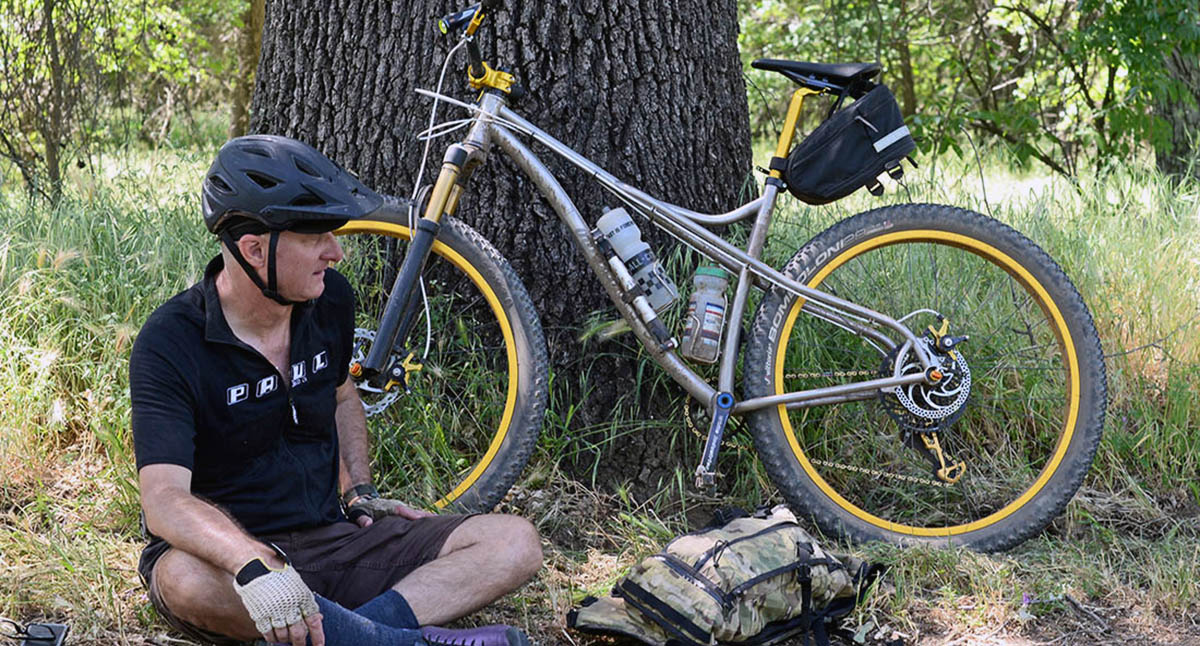
The day after the Reader came out, my phone rang: “Hey, this is Paul Price from Paul Components…” Back then, I was just out of college, and here was the guy who had reinvented canti brakes calling me! He’d read the centerpull article, and he was excited: “This makes so much sense!” We talked for a while, and I sent him an ancient set of Mafac Racer brakes. Paul came up with his own take on centerpull brake, which he called the ‘Paul Racers.’ And then Paul sent me his personal bike, which he’d modified for the new brakes, so I could test them for Bicycle Quarterly.
We’ve been friends ever since. That didn’t change when we introduced our Rene Herse centerpull and canti brakes that are optimized for bikes with fenders and racks. Paul’s brakes and ours complement each other; each are intended for different purposes. A few years ago, Paul invited Natsuko and me to his Paul Camp, where we rode beautiful custom bikes in the foothills of the Sierra Nevada and visited his factory. We wrote a story about this trip and published it in Bicycle Quarterly 61.
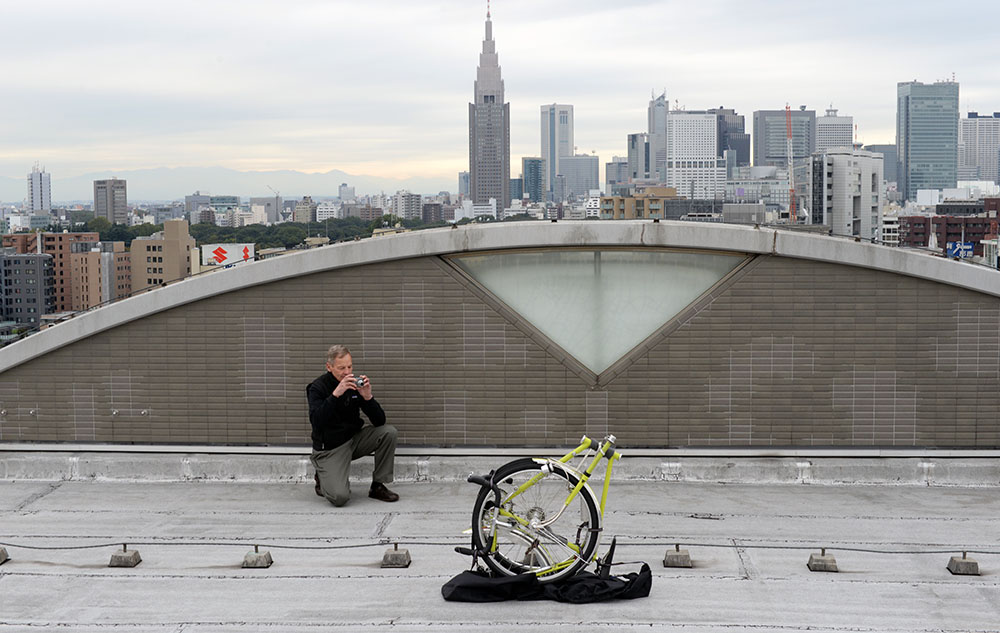
A special bond links us with Peter Weigle, the famous builder from Connecticut. Way back, he built the first modern low-trail rando bikes as a test bike for Bicycle Quarterly. And since he wasn’t sure what to make of those renegades in Seattle, he flew out with his bike to make sure we rode it as he intended. After one ride together, his doubts were dispelled. He said: “You guys know how to ride. I’m heading back home. Keep the bike as long as you want.”
That was the beginning of a long friendship. Peter joined us on trips to Japan (above in Tokyo) and France. There we entered a superlight bike he built in the Concours de Machines together. What a fun adventure that was!
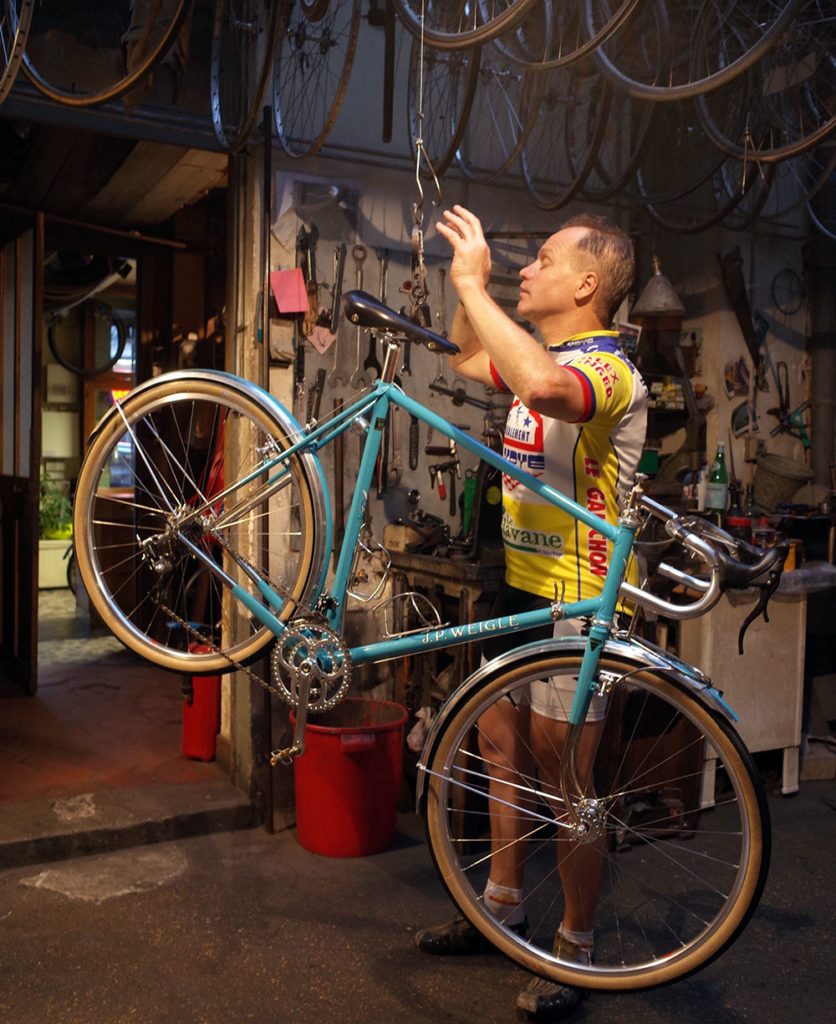
Peter arrived in Paris with the almost-finished bike after working night and day for weeks. Doing the final assembly in our (tiny) hotel room would have been a challenge. Instead, we called another friend: Olivier Csuka at Cycles Alex Singer. It was in his hallowed shop that we completed the build. He was planning to head out for his daily ride, but instead worked with Peter and me to string brake cables, adjust derailleurs, and finish the bike. Despite the pressure, it was fun for the three of us to work together on this beautiful bike.
Then Olivier weighed the bike on the same scale that had already been used for the bikes for the famed mid-century Concours, where Alex Singer entered the lightest cyclotouring bike of all time. It was a moving moment when the scale confirmed that Peter had reached his goal: The complete bike weighed exactly 20.0 lb (9.07 kg) with rack, fenders, generator hub, pedals, bottle cages and even the pump. To put this into perspective: I can’t think of a modern carbon bikepacking bike that weighs that little fully equipped. And in case you wonder: We wrapped the bar tape on the train to the Concours the next day.
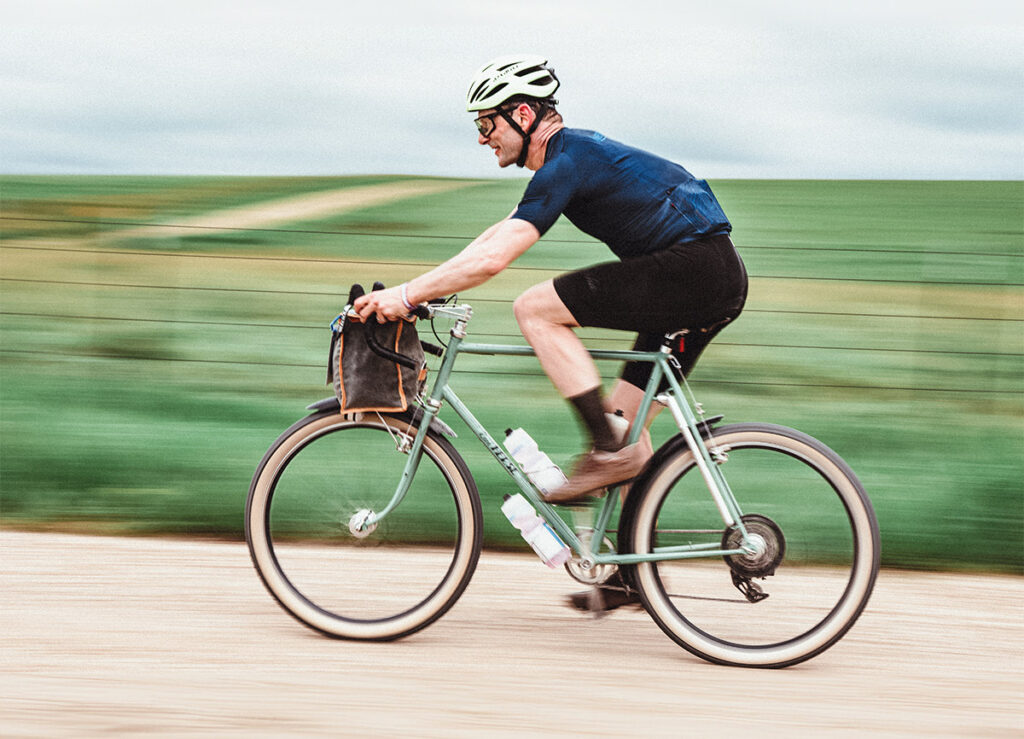
Another great friend is Mark Nobilette, who builds the wonderful frames for the Limited Edition Rene Herse bikes. His hand-made lugs are amazing, and so is his ability to turn our drawings into metal. Thanks to his precision in shaping tubes, we can fit 54 mm tires between low-Q road cranks and beefy round chainstays.
Whenever I have a question or idea, it’s great to get advice and feedback from Peter, Mark and others, like framebuilder Jeff Lyon, the wizards to titanium at Firefly in Boston, or the craftsmen at TOEI in Tokyo.
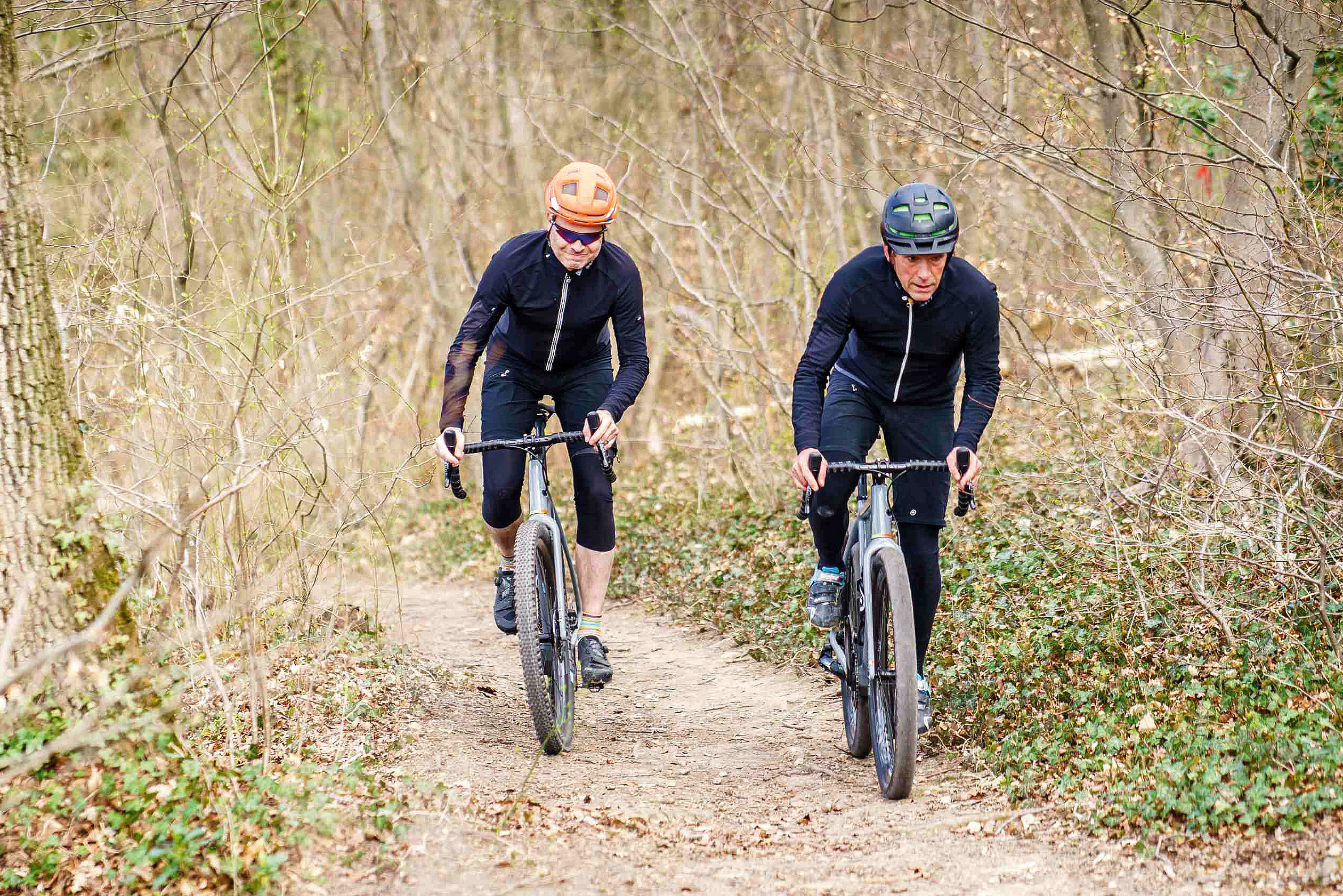
We’ve known Gerard Vroomen and Andy Kessler from OPEN since way back, when they introduced their iconic U.P., which many consider the first modern gravel bike. Sensing that this was the bike I’d been dreaming of—a modern race bike with ultra-wide tires—I got in touch with them as soon as the U.P. was announced. They organized a test bike for us that I rode while living in Japan. We took it on an unforgettable adventure across Odarumi Pass.
Since then, we’ve become friends. Andy runs our tires on his bikes. Gerard asked for the color code of our logo, and when their road bike, the MIN.D., came out, the logo color was an exact match. That was a nice surprise! Our discussions influenced our book The All-Road Bike Revolution (and Gerard wrote a quote for the back cover).
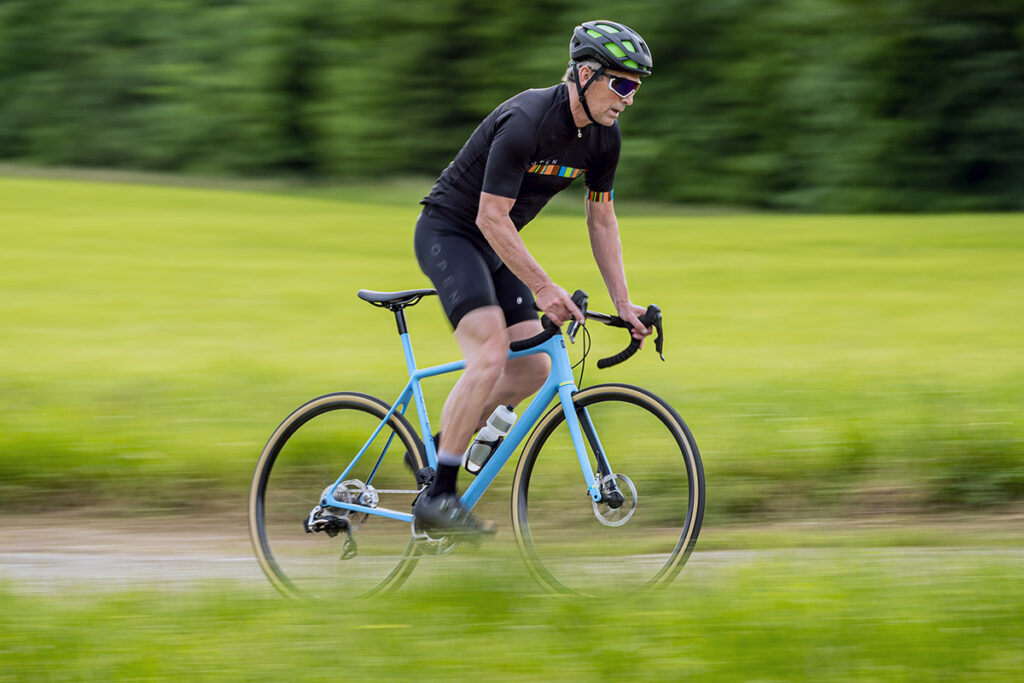
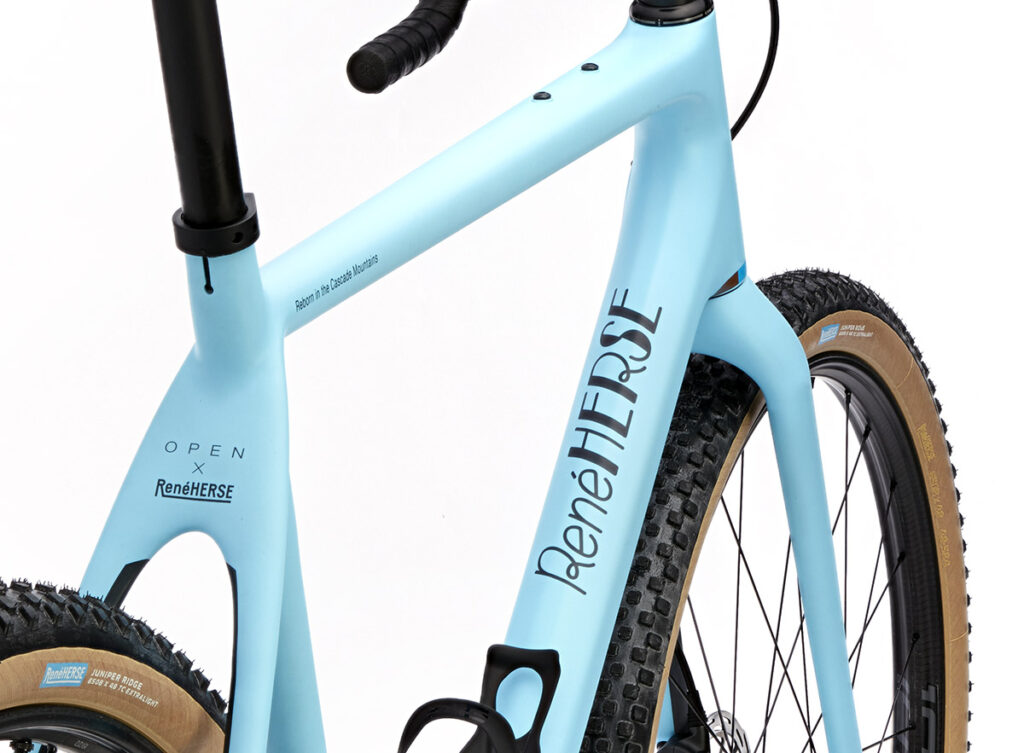
When we decided to collab on a few frames, Andy and Gerard did something that surprised even us: The Rene Herse × OPEN frames are the first (and only) time they’ve allowed somebody else’s name on the down tube: the classic René Herse script. Andy liked it so much that he built up an OPEN × Rene Herse MIN.D. for himself (above).
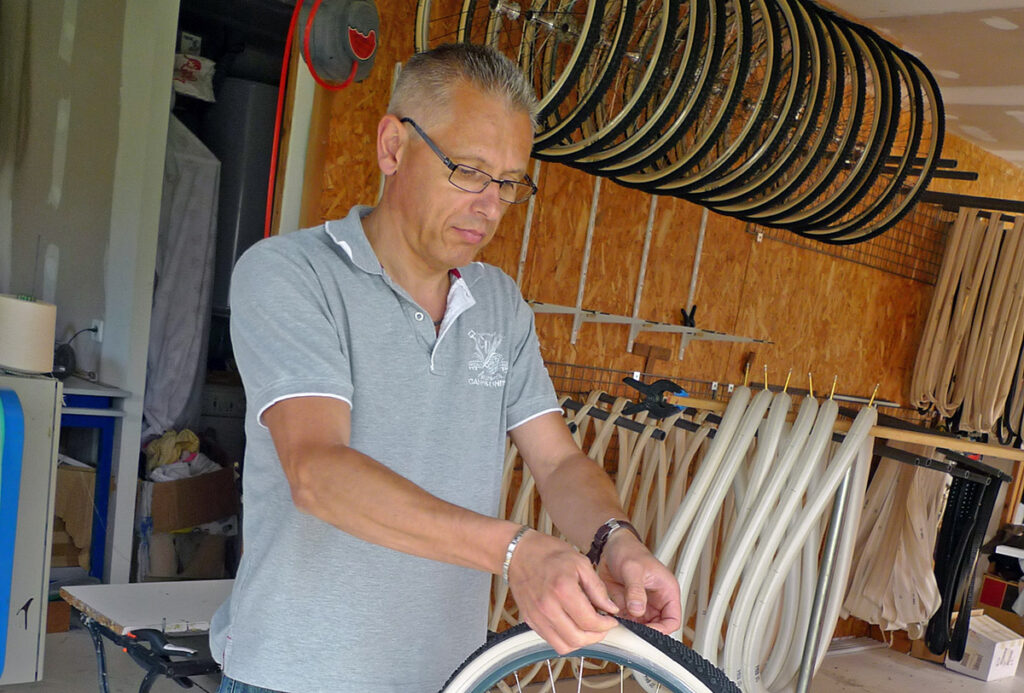
François Marie (above) from FMB taught me much about handmade tires. Visiting his workshop in Britanny (France) was a wonderful experience. After knowing each other for years, we decided to import his wonderful FMB tubulars to North America.
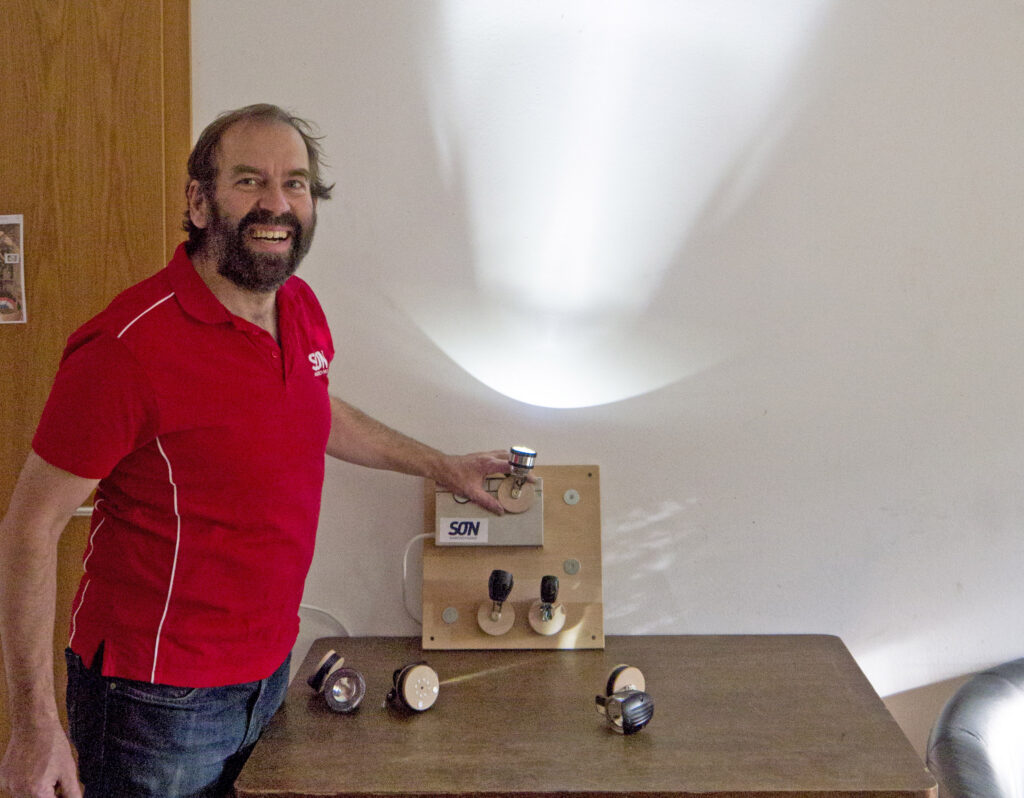
Wilfried Schmidt (above) from SON in Germany made the Wide-Body generator hubs specifically for us. So many customers in other countries also wanted them that they are now a regular part of the program. Wilfried also turned our ideas for the contact-less SL system into reality. And when we visited their factory in Tübingen (Germany), Wilfried and SON’s export manager Britta picked us up at the train station with two tandems.
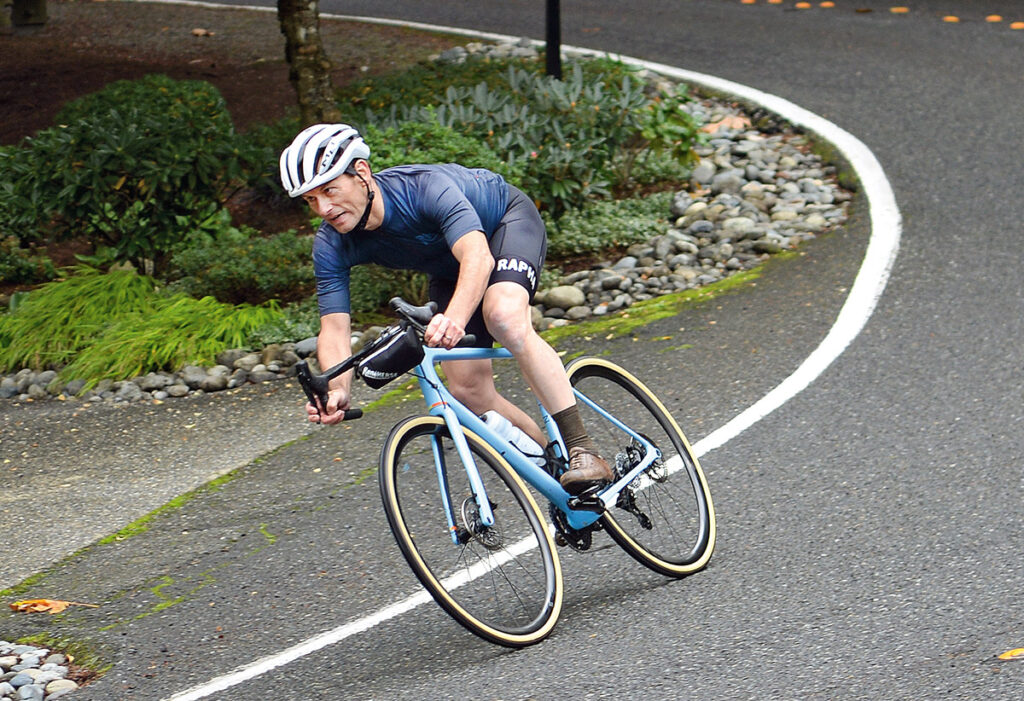
We’ve also known some of the people at Rapha since the earliest days of the company. And we’re good friends with Velocio, who make our superlight Rene Herse jerseys in another collab. The engineers from SRAM and ZIPP have been friends since way back. Their advice was a great help when we were working on our first Rene Herse cranks, more than a decade ago. And when they worked on their XPLR gravel groups, they sent me prototypes for feedback and testing—parts that I’m still running on my Firefly.
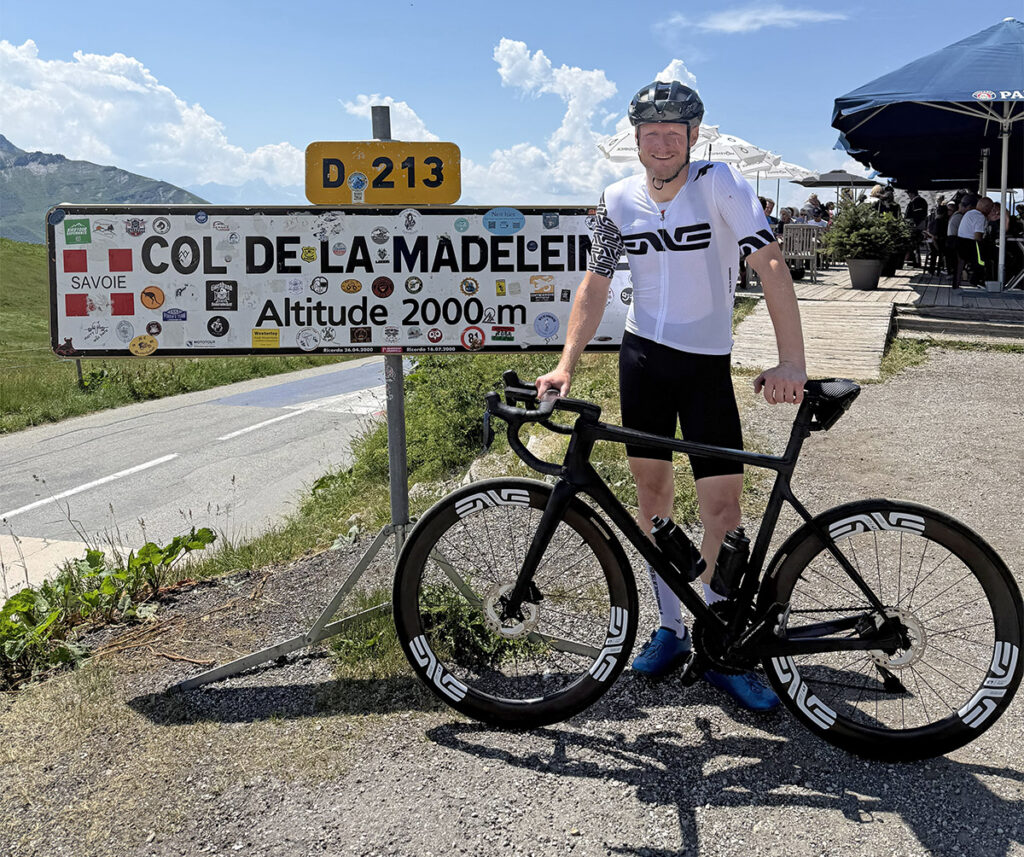
I met the Enve’s engineers—above Jake Pantone, Vice-President of Product and Brand—when we worked on tubeless tire standards as part of the American contingent of the ISO (International Standards Organization). Since then, we’ve been in touch regularly, discussing the ever-evolving issues of rim-and-tire fit and many other things.
These are just a few examples of the wonderful relationships we have within the bike industry. The simple reality is that those making the best parts aren’t in it for the money. We share a passion for riding, a passion for wonderful bikes. That’s what keeps us going. And so we help each other out whenever we can. That extends to everyone else who is working in the bike industry.
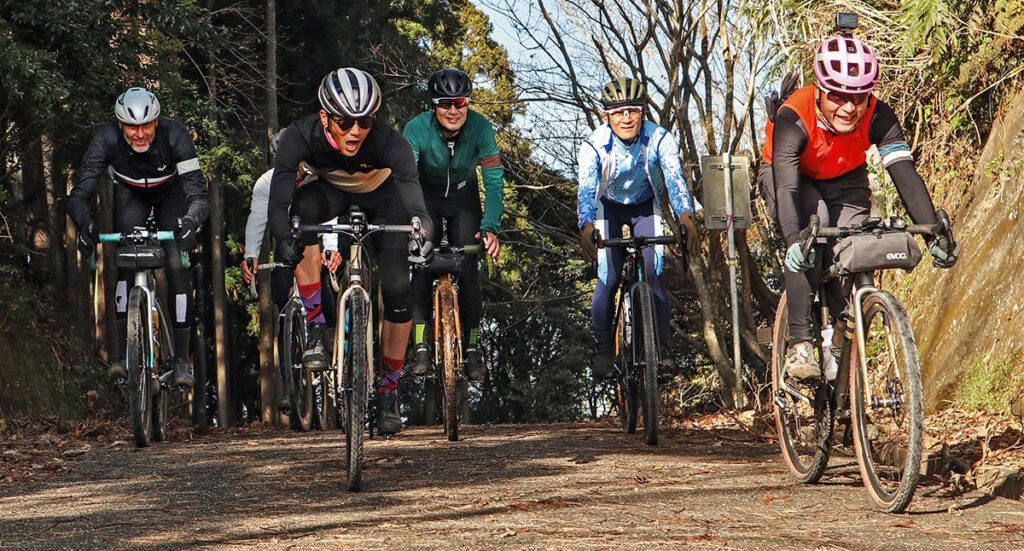
We are celebrating these relationships with our Industry Appreciation Week. If you work in the bike industry, you can order our tires, many components, Bicycle Quarterly subscriptions and books at a significant discount. We are a small company, so rather than running a continuous program—and keeping track of who is working in the industry and who has changed jobs—we’re limiting this program to one week, from February 16 to 22, 2025. That allows us to offer a bigger discount than we could do otherwise.
And since we know that times are hard in the industry right now, if you’ve recently been laid off from your bike industry job, you qualify just as well. Because we’re all in this together. Just fill out our application, and we’ll take it from there. It’s our way to say ‘Thanks’ to the many amazing people in the bike world.
These great friendships improve our components and lead to many wonderful collaborations—which benefits all our customers. What we do wouldn’t be possible in a vacuum, and the inspiration, advice and help we get from others is invaluable. It’s more fun this way, and it leads to better products that we all can enjoy.
More information: