

An announcement last week sent the bespoke bicycle industry into a tailspin. It wasn’t a new product, standard, or innovative piece of tech that would change bikes forever. Rather, it was something far more ominous. Paragon Machine Works, one of the largest full-service bike component machine shops in the world, declared its sudden and immediate closure. As the framebuilding industry grappled with the news, we reached out to a few builders for their reactions and insight…
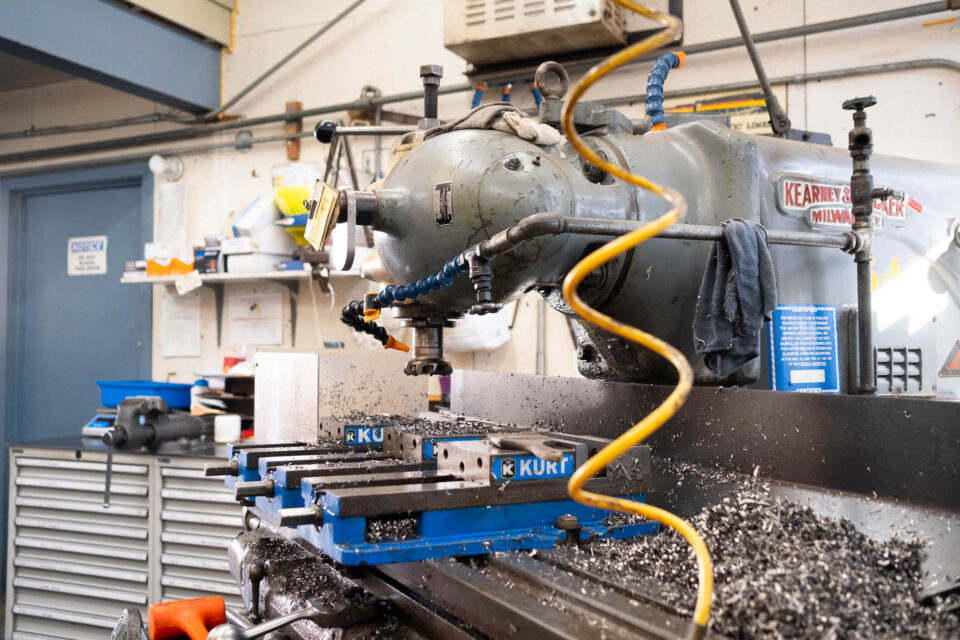
Workshop photos by Dan Stranahan of Forager Cycles
The sun was shining, and spring blossomed with the verve of fresh life. The green and white of a custom cross bike matched the unending green of the foliage, contrasted by the white bloom of a dogwood tree, almost perfectly. I spoke candidly with Charles Thompson of Fine Bikes at Bike Camp back in 2025.
“I try not to be that guy, but it’s impossible sometimes. I go to shows and gatherings like this one and just see this dropout, that headtube. It’s all from Paragon. They’re standard fare for pretty much any framebuilder. I try not to look at it that way sometimes, but it’s hard for me not to!” he laughed.
It was a minor comment that pinged around in my mind as I traveled the country over the next year, covering Philly Bike Expo and visiting Slow Southern Steel in Arkansas and Haute Bikes in Richmond. All of the framebuilders I met were trying to do something unique, but they also shared a consistent material through-line. To say Paragon Machine Works sat among the most important spinal columns of the industry would vastly undersell it. If you’ve seen a custom bike on the site, it likely has something made by Paragon. They created a resource not just for parts, but also for insight and tools essential to the bespoke framebuilding community. So, when news broke last week that they’d be closing their doors on Friday, March 27th, it sent shockwaves through the small bike community in the United States and abroad.
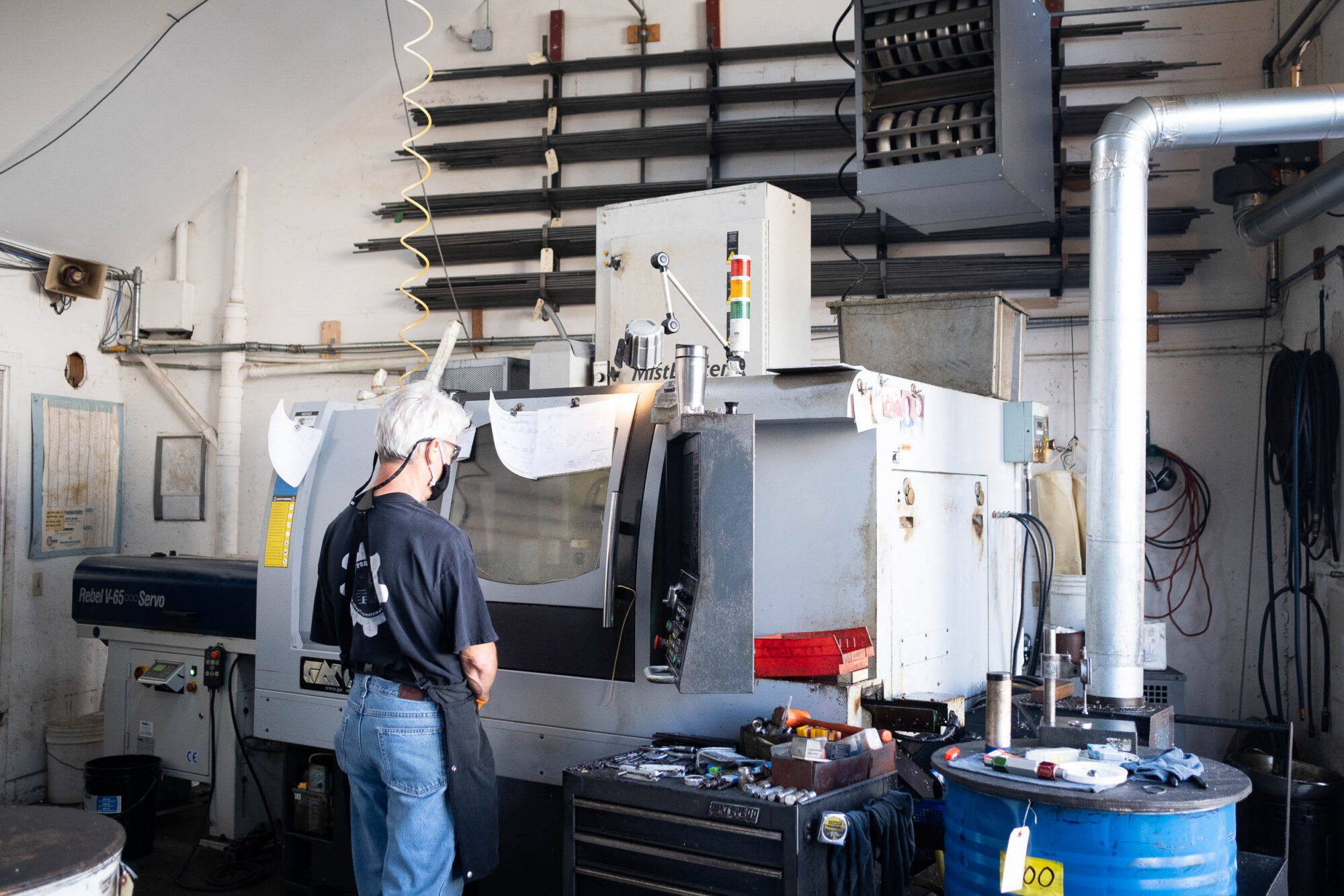
For readers unfamiliar with the ins and outs of custom frame building, machine shops like Paragon are crucial. In business since 1983 and based in Richmond, California, they’ve fed the growth of the framebuilding community through the years. Though the artistry of fabricating a bespoke bike is down to the hands and brains of the builders, it often doesn’t make sense—financially or otherwise—for them to create custom bits for every last portion of their creations. Things such as head tubes, dropouts, caliper mounts, bottom bracket shells, derailleur hangers, cable guides, and other key components that allow a series of metal tubes to become a bike are typically fabricated by companies like Paragon. A tool chest that allowed unique and intriguing designs to come to life, and equally importantly, work financially, Paragon’s sheer breadth of offerings meant it stood as a lifeline for most of the custom framebuilding community.


Without them, builders will scramble to find solutions. There are other players in the market, and some builders have already started planning for a life after Paragon, such as by CNC-ing their own small parts, simplifying designs, or switching to off-the-peg models that rely heavily on Paragon’s IP. But, for many, there is no way around it. The loss of a major player like Paragon Machine Works fundamentally changes how small businesses operate and will require a new way of building solutions to bridge this sizable gap. In conversations with a few folks I’ve met and documented over the past few years, some movers and shakers in the framebuilding space shared their thoughts on Paragon’s closure and its implications for their businesses. Find them below.
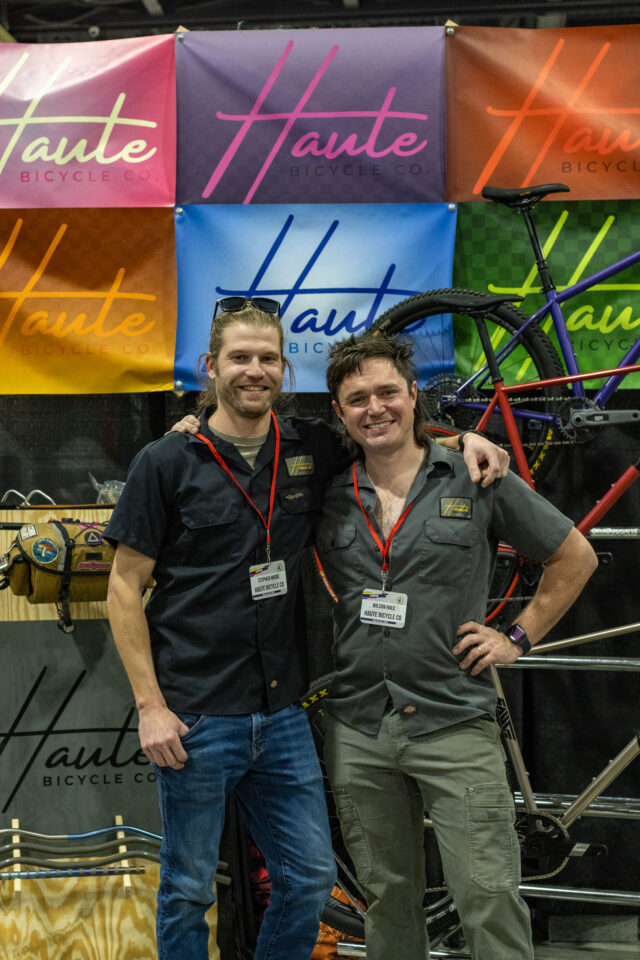
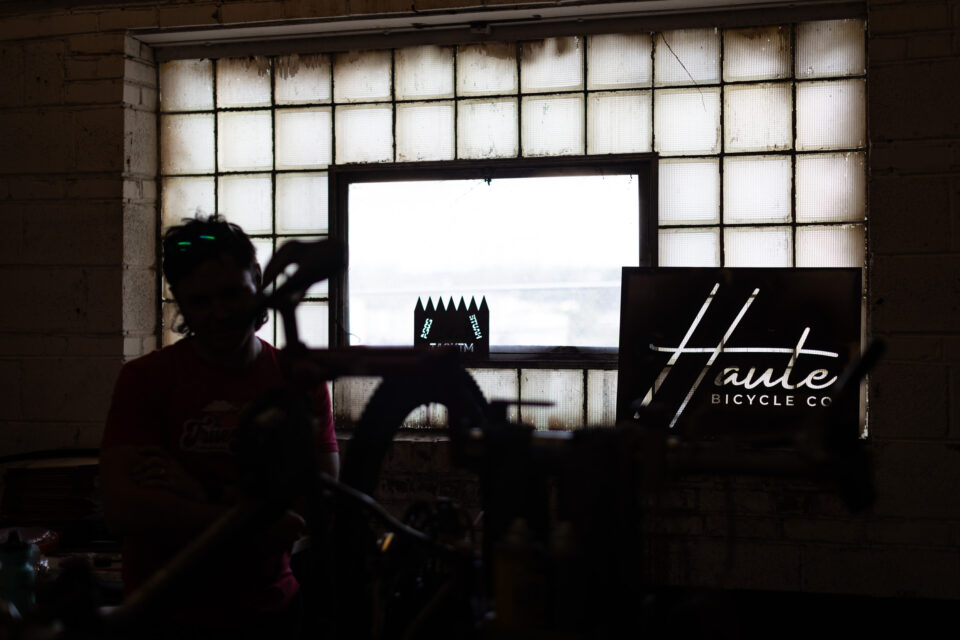
Wilson Hale, Haute Bikes link
Richmond, Virginia
It’s heavy news. The biggest immediate effect will be the supply gap in the industry. I would wager that 90%+ of active frame builders in the US used Paragon parts, and I know they did a decent amount of business globally. Our original source for our dropouts dried up last year, so we’ve had to pivot to Paragon rockers and sliders this winter. We’ve also been working on bringing that in-house. Miles, our machine shop partner, is ready to make dropouts and inserts. He just needs the orders and files. So, we’re hoping to at least have our own dropouts covered this year.

I’m curious what market and industry forces led them to conclude it was best to shut down. Hopefully, all of the folks who worked there land on their feet. I’m sure raw material pricing and availability are major factors. We managed to secure a year’s worth of material for T-bar clamps, but it was lucky and fraught. Having to do the same dance for the 100+ products they make sounds overwhelming, so I could see how the raw material doubling in price (a real thing we’ve seen happen for stainless) or being hard to source would push them way beyond profitability.
Unfortunately, Paragon was the only supplier for a few items, so those are at risk of disappearing forever. Frame building tools are a big one. They’re the main maker of dummy axles, tube blocks, and holesaw arbors, among other things, in various sizes.
Bryan Hollingsworth, Royal H link
Lawrence, Massachusetts
For me, Paragon Machine Works was synonymous with American framebuilding. When I went to the United Bicycle Institute in 2006, they were the parts that were used to build my first frames—track ends for frames #1 and #2. The chunky 6.5mm dropout faces and slender, CNC-machined 5mm tabs were so sophisticated compared to the other forged or water jet cut options out there (and all children of the ‘90s swoon at anything CNC). I think working with these pieces so early in my career has endeared me to them forever. As I developed as a builder, they were the parts I went to when I wanted to try something new—my first disc-brake bike, my first thru-axle bike, my first belt-drive bike, etc. The fact that the PMW stuff was so well made and the tolerances so perfectly held meant one less thing to worry about when trying something for the first time. I could fully trust their parts would have everything set right where it belonged. The breadth of their catalog represented the spectrum of custom bikes out there, and I’m sad I didn’t get to try all of their products (that Z-coupler Rohloff flat mount belt drive customer never materialized!).
I had the pleasure of being on a framebuilder panel moderated by Mark Nordstrom at a Philly Bike Expo, and it was very cool to have the parts maker and parts users on the same stage discussing the state of the industry. And to talk with someone who had been there from the cantilever era into the T47/thru-axle/flat-mount world we find ourselves in now was enlightening. They were always at the shows as well, supporting builders with deals for show bikes and great support with last-minute orders. They made stuff for the small framebuilder, and that felt special. I bought as much PMW material as I could when I heard the news they were closing shop, and I’ll use it up in short order. The thing that will stay in my toolbox for the rest of my career, though, is my Paragon tubing blocks. Arguably the simplest, least complicated tool there is, but well-made and solid, and the starting cradle for all of the bikes that roll out of my shop.

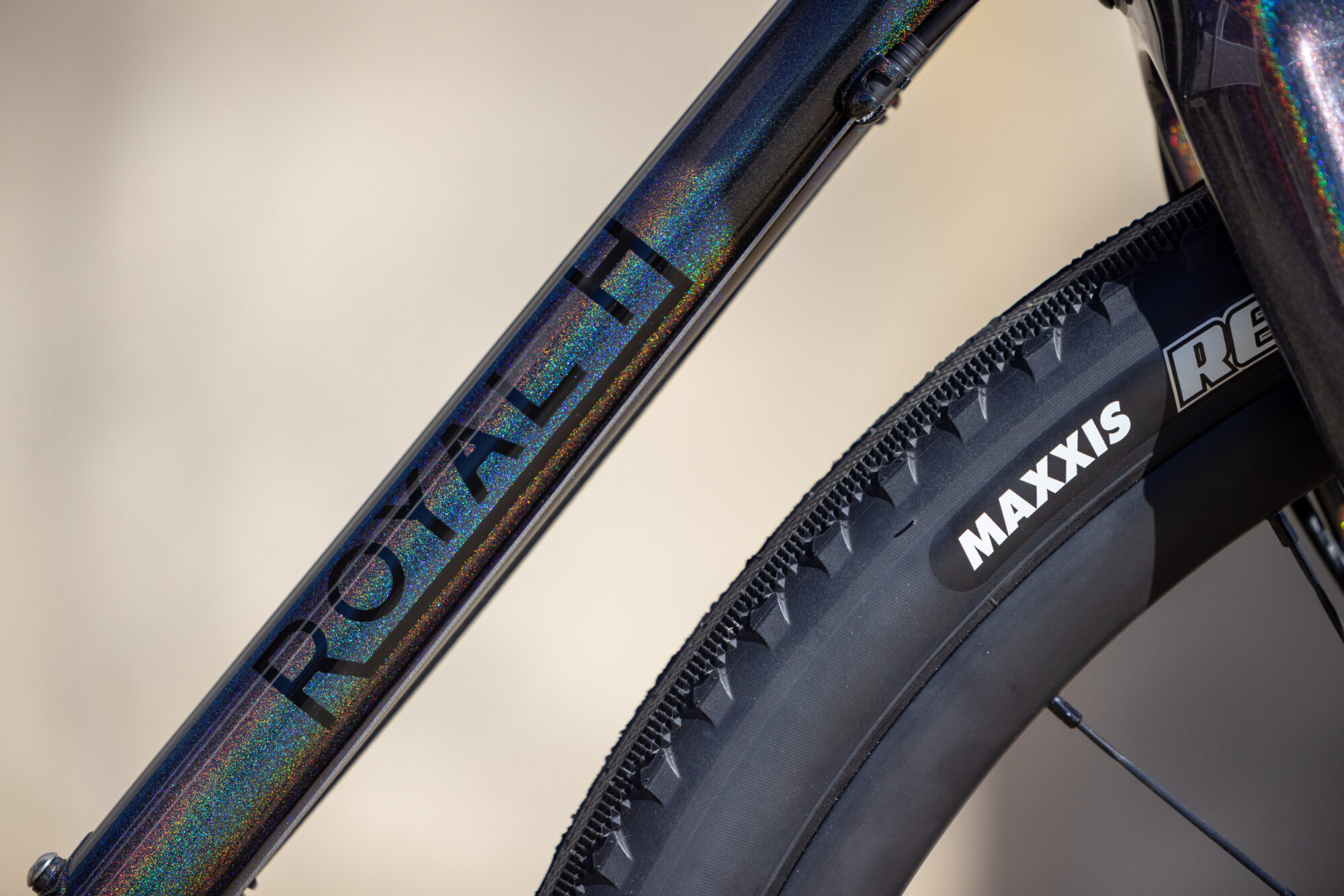
I’ll miss using Paragon parts-they were a uniquely American addition to the bike building pantheon-refined and precise, with that oh so lovely CNC aesthetic (never an edge left un-chamfered!). I wish the best to Mark, Coco, and the rest of the PMW team as they move on. Thanks for all the parts. You made the best stuff!
I don’t really have a plan for what to use moving forward. I think a lot of the custom framebuilding community might be in a bit of a panic at the moment. There are parts out there from Tange, Reynolds, and Long Shen, but the aesthetic is way different, and it will be an adjustment for sure. For simpler parts, this might be the motivation to design and have some water-jet-cut things made, but it’s a loss for sure. We’ll figure it out, but in the meantime, I’ll be using the last of my PMW inventory for as long as I can.
Pete Alfano, Alfano Frameworks link
Leicester, England
From a business perspective, I’m gutted to be losing an incredible resource and an offering for my customers. They’ve been the name in incredibly well-made parts for as long as I’ve been building. On a personal note, I’m also gutted to be losing truly helpful people who were a huge benefit to the whole community.
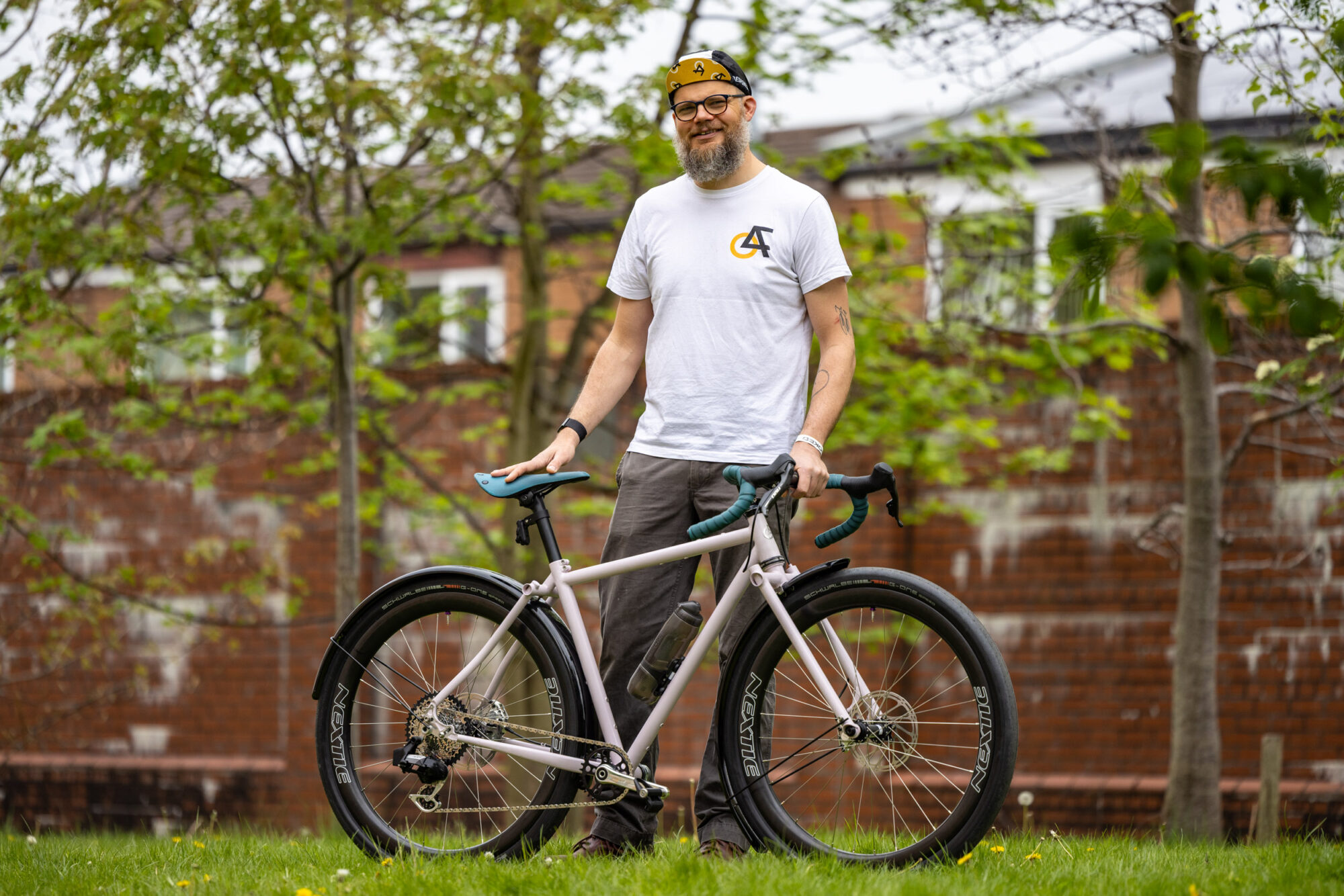
It’s worrying to be losing such knowledge and for people to be losing their jobs. Fewer suppliers and framebuilders make for a less interesting community. Going forward, there’s a good UK supplier from Bear Frame Supplies. I hope Paragon’s tech drawings or files become available so we don’t lose all that incredible work.
Jesse Turner, Slow Southern Steel link
Fayetteville, Arkansas
It’s a huge bummer that we’re all blindsided by. Their quality of work and knowledge around bicycle component standards made them a dream to work with. Their customer service was top-notch! I hope only the best for the PMW family and employees in their future endeavors. That being said, it’s alarming. As a custom builder, many of my customers think of their frames as “forever” bikes. It wasn’t the cheapest option, but I chose to use all PMW dropouts and hangers, expecting those components to be supported and available for years to come. It brought me peace knowing that if I ever shut down my operation, my customers would still have a way to keep their bikes rolling. I was clearly a little naive in that thinking.
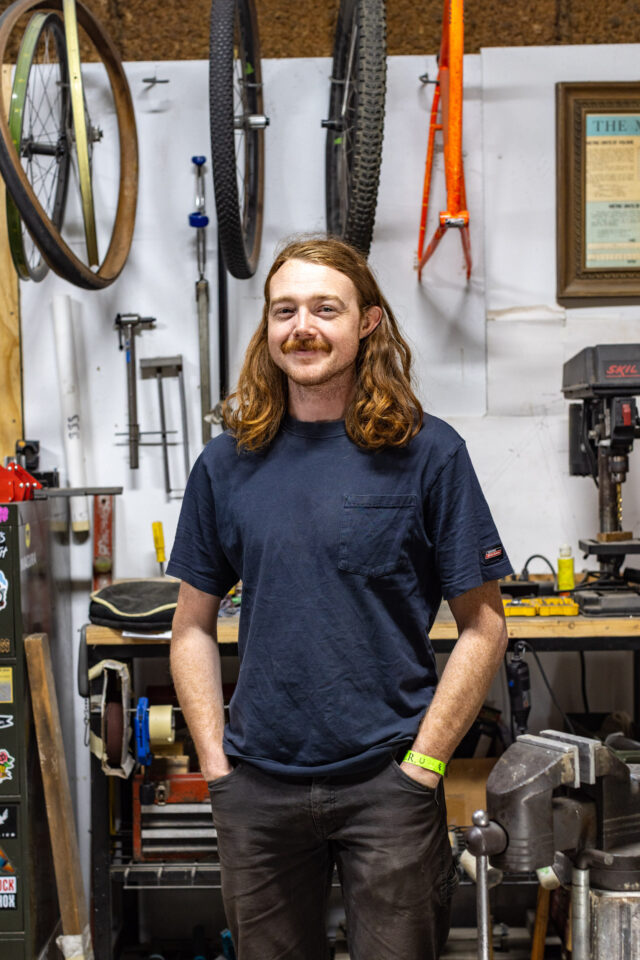

It’s got me questioning everything. Is this the canary in the coal mine? My operation is very small, and my budget is very tight. Getting my own designs manufactured to meet the various needs of producing “custom” bikes might not be financially viable for me, but I’m looking into it. The hope is that someone else can carry on the PMW torch, but this situation has taught me a very important lesson.
Jan Heine, Rene Herse link
Seattle, Washington
It’s harder than ever to make a living as a framebuilder or parts supplier. That’s why we see the number of framebuilders shrinking. When framebuilders retire or quit, they aren’t replaced by new craftspeople starting up. This hasn’t just been small builders like Mitch Pryor, but also several large and experienced shops, like Waterford and Vanilla/Speedvagen. For suppliers of tubing, dropouts, etc., this means production runs are getting smaller and less efficient, but nobody wants to double their prices.


Once upon a time, dropouts, shifter bosses, etc., were made by the 10,000s for production and custom bikes. Back then, there were far fewer parts. For dropouts, you had a choice between long and short horizontal and vertical—three models. That means these parts could be made very efficiently, and they cost next-to-nothing. These days, there are dozens of versions. I doubt even a big maker like Paragon makes (or sadly, made) more than 100 pieces in a production run, which increases all costs exponentially. When I look at what custom work costs in the old car or custom motorcycle world, I can’t help but think that custom bikes are way underpriced.
I wish I could say that the frame tubing and parts we offer at Rene Herse Cycles are profitable… but they mostly exist because we need them for our own bikes. If we make 10 sets of dropouts, centerpull pivots, or taillight braze-ons for our own current and future bikes, we can make a few more and offer them for other builders and riders.
Ashley King, Significant Other Bikes link
Denver, Colorado
It’s important to note that, at the time of this reflection, Paragon Machine Works hasn’t shared details around the catalysts (is anything ever just one thing?) behind its closing. All one can do at this point is take stock of their own experiences and speculate. None of my own speculation diminishes the role Paragon has played within the ecosystem of domestic framebuilding over the last 43 years, nor does it lessen the rippling effect its closure will have for the foreseeable future. I hope that context is kept in mind as I say what follows.

Some may interpret Paragon Machine Works shutting down as a signal of what’s to come for the rest of us. That existing in a space shaped by rising costs of living, hollowed-out domestic supply chains coupled with tariffs on imported raw materials, and ever-thinning margins is ultimately not sustainable because it was not sustainable for them. Despite those shared pressures we all navigate, I believe the clearer warning is this: the inability to adapt to a rapidly changing industry is what ultimately becomes an Achilles’ heel.
Paragon cited “market and industry factors beyond our control” as the reason for its closure. The challenge is that the factors beyond our control are precisely the ones that end up controlling us when we build rigid systems around them. The loss of Paragon Machine Works, a pillar of the domestically sourced and produced bicycle frames community, may be a powerful symbol of this very thing.

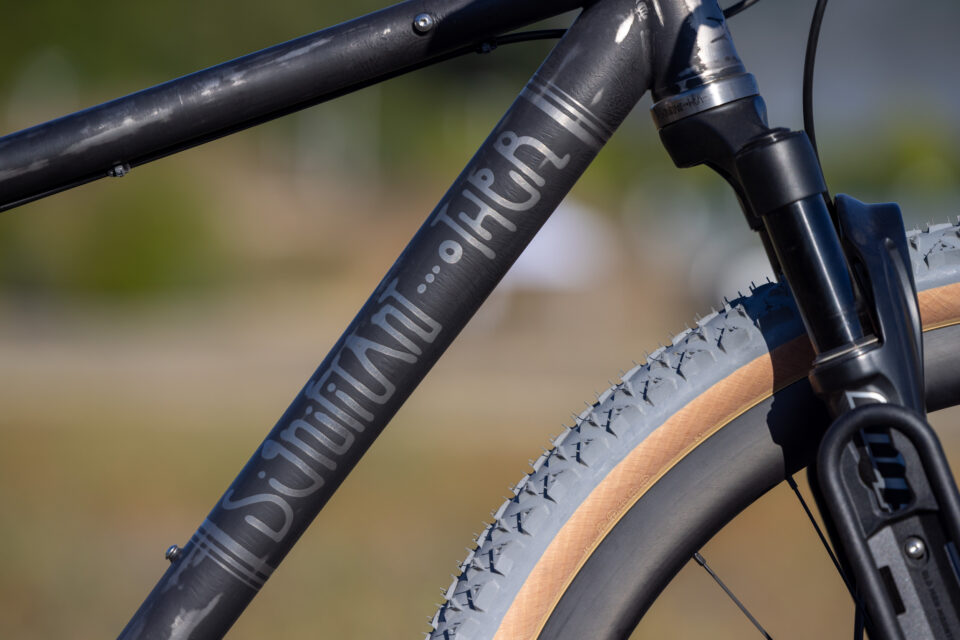

The world is not what it once was, and it never will be again. That has always been true. Markets shift. Industries evolve. The pace of that change has felt highly accelerated in recent years, but change itself is not new. What remains essential is the ability to stay agile within it, to recognize that nothing is guaranteed except continued evolution, and evolution has no regard for legacy. If you cannot move with it, it will simply move past you.
Ultimately, the precise causes of this closure (and any speculation around them) matter less than the legacy itself: 43 years of building, serving, and sustaining a highly specialized industry. While this marks the end of Paragon’s era, it does not mark the end of American framebuilding. Framebuilders, by necessity, tend to be deeply resourceful. They are accustomed to problem-solving, adapting processes, and working creatively within constraints. Paragon was a significant presence in the American supply ecosystem, offering a remarkable breadth of tools and materials, and its absence will absolutely be felt. But there will continue to be people in America making bicycles at a wide range of scales.
Wrap Up
While the range of sentiments about Paragon’s closure is far from complete, this shortlist of builders provides solid insight into what is a cataclysmic event for the small but mighty framebuilding space in the US and elsewhere. While many will agree this is the last thing small builders needed, it will be interesting to see how this resourceful, intelligent, and scrappy part of the industry recovers from the loss of Paragon.
What do you think? Does this affect how you view the industry? Do you own bikes that are affected by Paragon’s closure? Let us know in the Conversation below…
Further Reading
Make sure to dig into these related articles for more info…
Please keep the conversation civil, constructive, and inclusive, or your comment will be removed.