
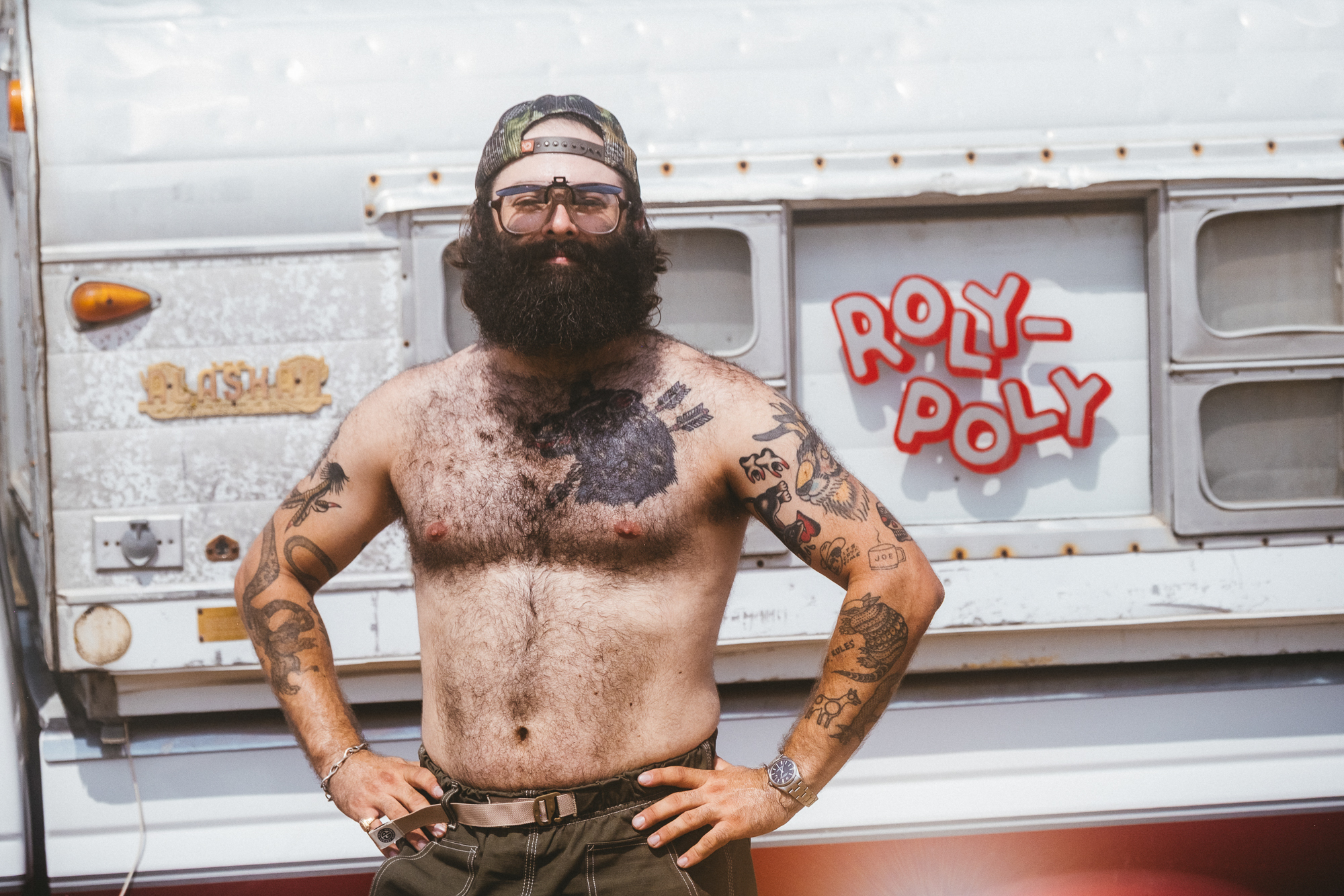
For the next installment of the Radical Rigs series, Paul Kalifatidi presents a portrait of Taylor Wallace, a Bozeman-based bike rider and bean merchant. Take a peek at two of Taylor’s unique vehicles, a 1993 Ford F250 and a 1987 Volkswagen Syncro, and get to know Taylor and his buddy Eli…
For those of us who appreciate unreliability and tom-foolery, we present Radical Rigs, with support from 1Up USA.
For us industry folk, the Made bike show weekend is filled with early mornings, late nights, a seemingly endless list of group rides, hangouts, social hours, media interviews, and networking. With so much on the menu, it’s hard to make time for everything. That being said, I always made sure to visit Taylor Wallace’s Roly-Poly mobile for my morning cup of go-get-it. Taylor’s kind, fuzzy grin was always a welcoming visage in the gloomy yet-to-fully-awaken Zidell Yards. Three shows later, and we’ve finally decided to showcase his mobile coffee stand, and it’s somewhat-trusty support van.
John profiled Taylor and Roly-Poly a few years back, check that out if you haven’t yet!
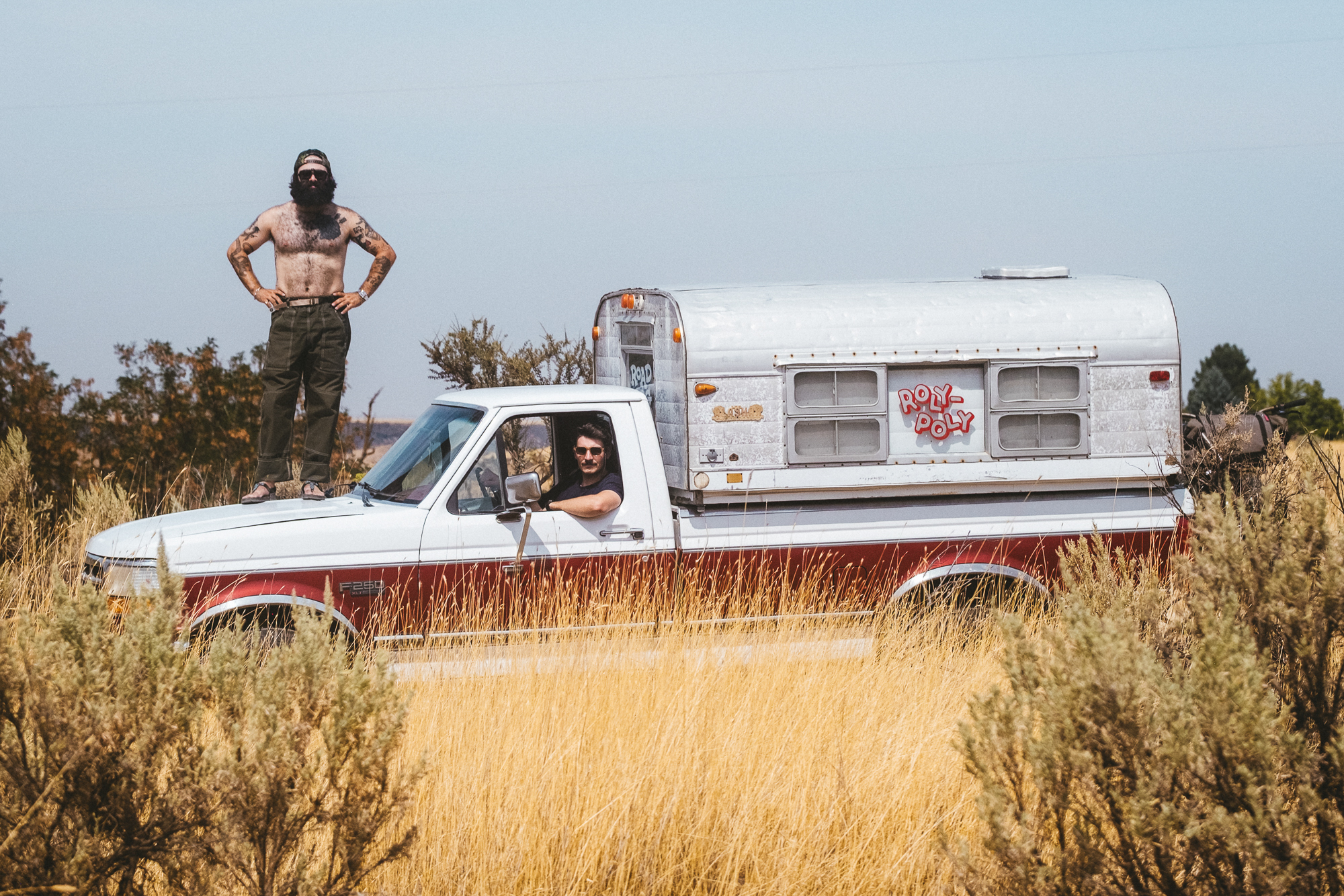
1993 Ford F250
The Ford F250 is quintessential working-class America. Today, most of these trucks are owned by the types of people who enjoy taking care of their rigs. It’s commonly joked that F.O.R.D. stands for “Found On Roadside Dead” or “Fix Or Repair Daily”. To own an old Ford is to know the inner workings of an old Ford. True to their branding, these rigs require hard work. Taylor is as hardworking as they come; to own a coffee shop, operate multiple old vehicles, and exist as a figure in the bike industry requires a steadfast work ethic. Taylor, we see you.
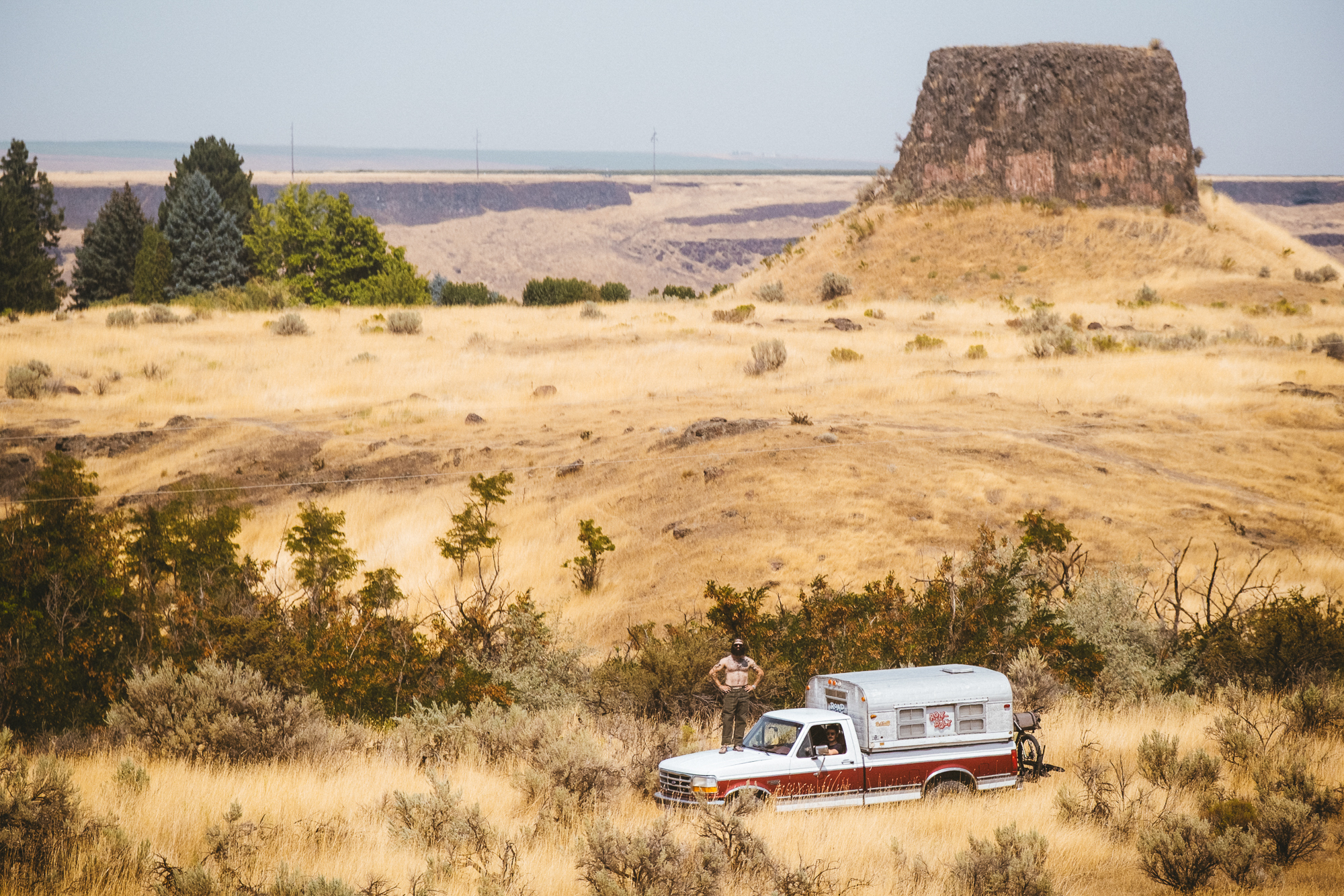
While this series is not intended to be an all-inclusive history of the pickup truck, I do think a brief synopsis is appropriate. Ford’s trucks have consistently been the top-selling trucks in America. In the same way that the Toyota Land Cruiser can be credited for Australia’s rural development and working truck ethos, the Ford F-series of trucks can be lauded for their role in American agriculture and development. Ford introduced these trucks in 1948 as the country recovered from the industrial effort of the Second World War. Originally, the F-series trucks were described with a single-number nomenclature.
The bigger the number, the bigger the truck. They were offered in a smorgasbord of styles: pickup, panel, parcel delivery, cab-over engine, conventional truck, and school-bus chassis body styles. As the models evolved, Ford changed the naming, but the idea remains the same. Since the 40s, trucks (and cars) have swelled in size. While not practical or ethical for commuting, the F250 makes a fantastic platform for a mobile, all-weather, cross-country coffee stand that fuels the mornings of bike journalists.
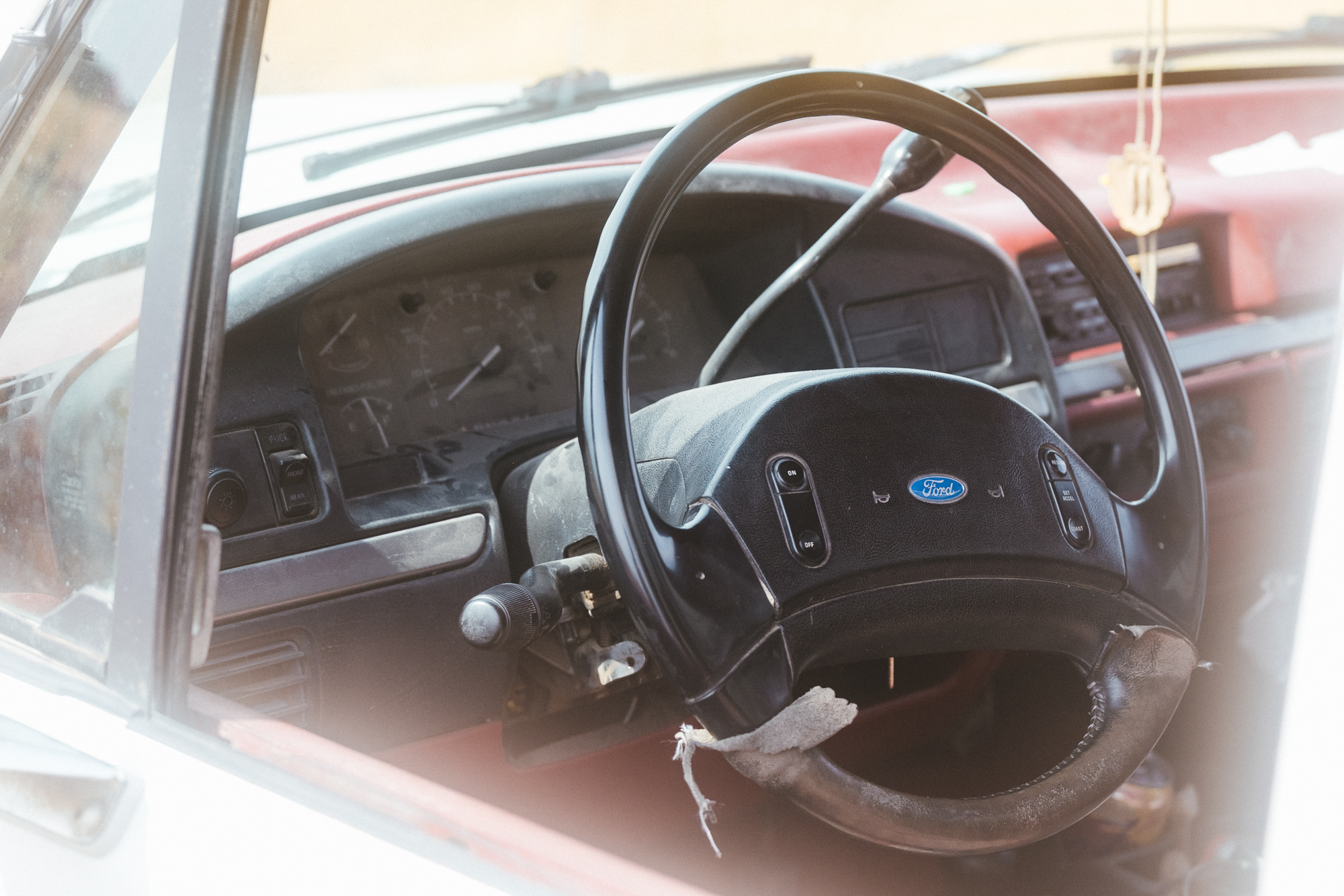
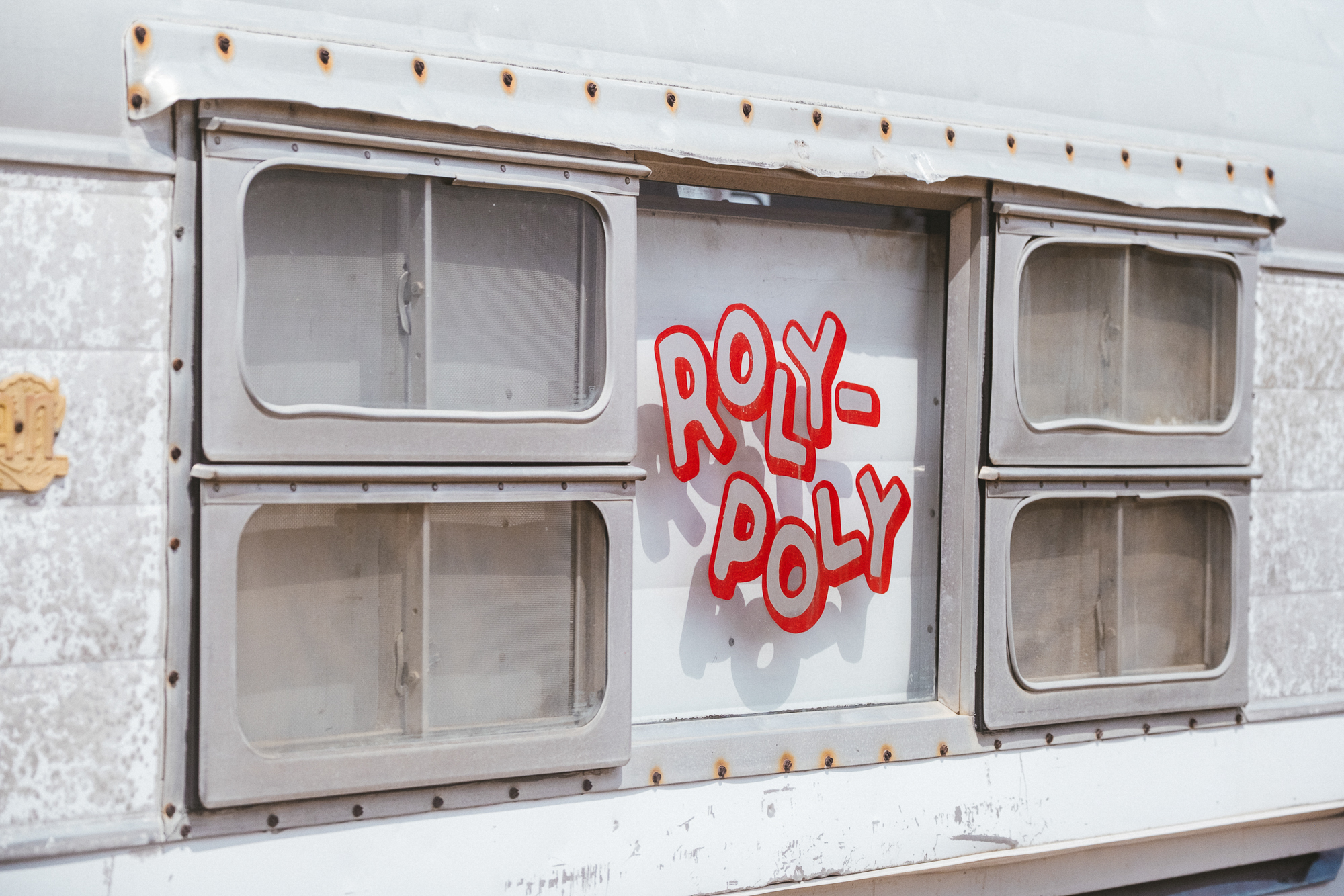
Taylor’s 1993 F250 has been his trailside truck for a while. He purchased it from a sod farmer in Idaho who claimed it was “too nice to be a farm truck.” On the day of purchase, it only had 100 thousand miles. Under the bonnet is a 7.5-liter V8 gasoline engine that’s running in great condition. F250s of this generation came with many engine options: an efficient 4.9L inline six-cylinder available to the two-wheel drive variants of the chassis, a 5.8L V8, a 7.5L V8, or a 7.3L V8 diesel. Hanging over the cab is a 1969 Alaska camper that Taylor acquired for $500 alongside a Honda Goldwing (included in the cost). He flipped the Goldwing and came out $1000 ahead. Pretty freaking slick. The truck has been all over the country on various caffeine creation duties, including its three trips to Made.
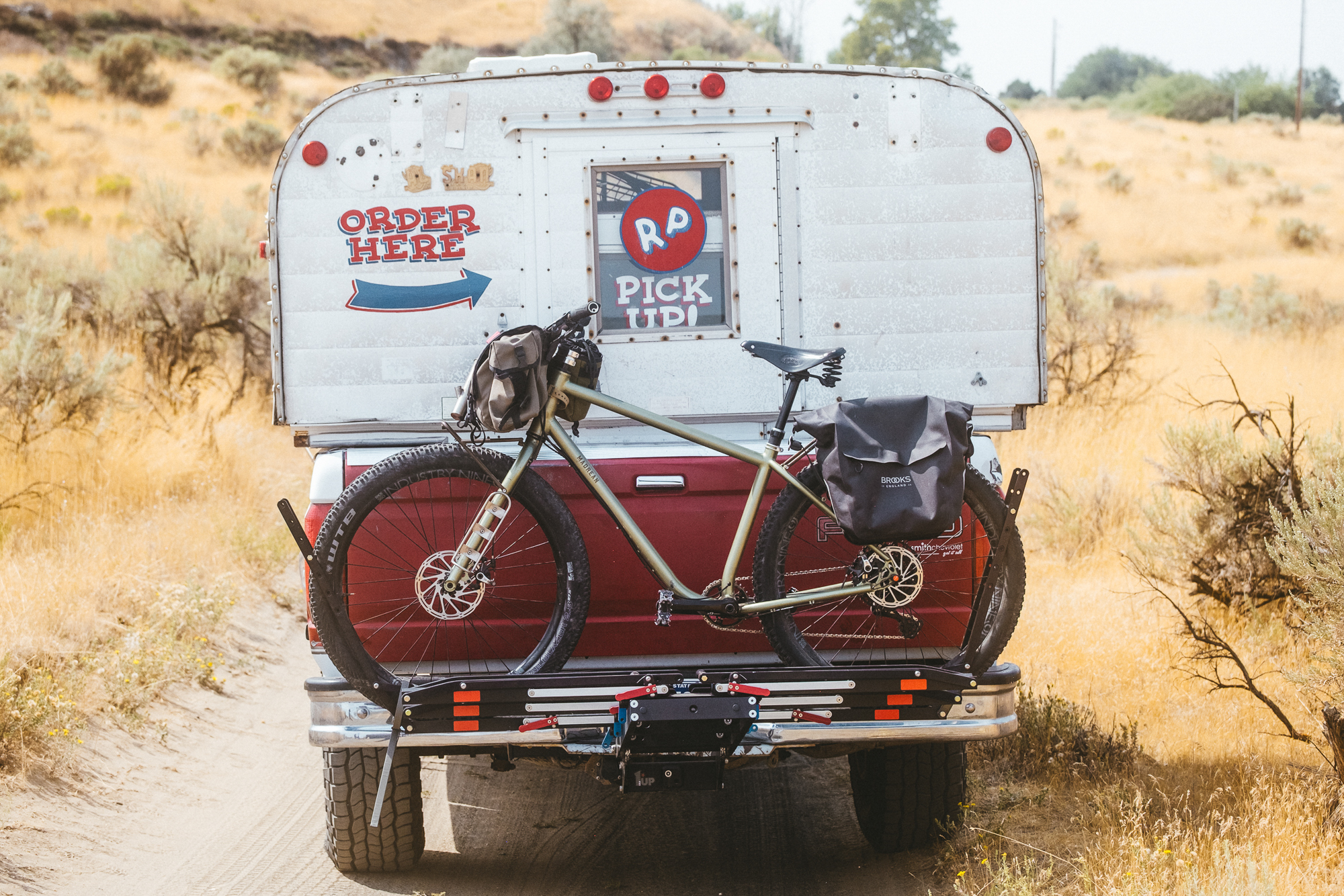
On one such adventure to Portland, the transmission blew up, and Taylor had it rebuilt locally to make it home. Oh, Made, you make us go the distance. When not on voyage duty, the truck serves Bozeman’s community at bike races, teacher appreciation days, and various private events. Sometimes, it gets to relax alongside a river as Taylor euro nymphs for reluctant brown trout under a slow-flowing cutbank (Taylor, I made some of that up, apologies if you’re not a euro nymph guy). Some say that Roly-Poly also exists as brick-and-mortar shops in Bozeman. I only know Roly-Poly as the patinaed truck and the kind soul that supplies my morning cup of coffee on day three of my favorite show. Thank you for the kindness and caffeine, truck, and its captain.
1987 Volkswagen Syncro
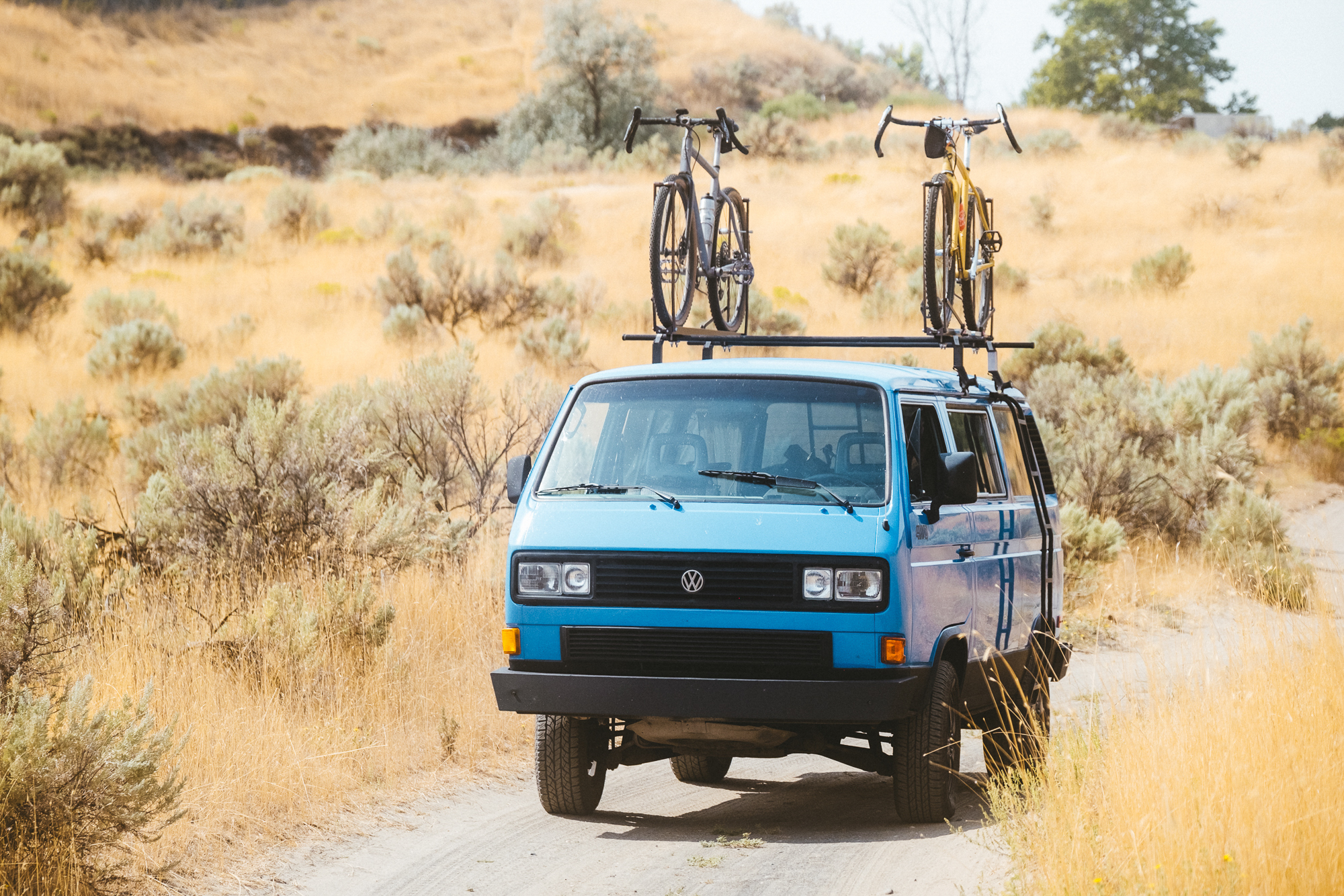
For this past year’s show, Taylor also brought his 1987 Volkswagen Syncro, trustingly piloted by his friend, Eli Santos. We’ll get more into the specs and history of the Vanagon, but first, some quick specs about Eli. He’s about 6 feet tall, features selectable Four Wheel Drive, and is a size 78 in Land Cruiser. He is also the proprietor of Seldom Seen Outdoor Gear. On display in the van is a custom dashmat that Eli made. He said I should ask him for one for my Land Cruiser. I haven’t yet, but his sewing over at Seldom Seen is making me lust after a custom creation. Unfortunately for him, Eli is also an automotive enthusiast. His Instagram features plenty of neat things, like 70-Series troop carriers. While no troop carriers were present for this shoot, Eli did bring his other land cruiser: a Goodday Bikes titanium fat bike. I’d like to posit that the fat bike is the most equatable bicycle to a Land Cruiser. They are durable as shit and designed to go places suspension can’t even dream of. Much like off-roading, fat biking is all about taking all day to go not very far.
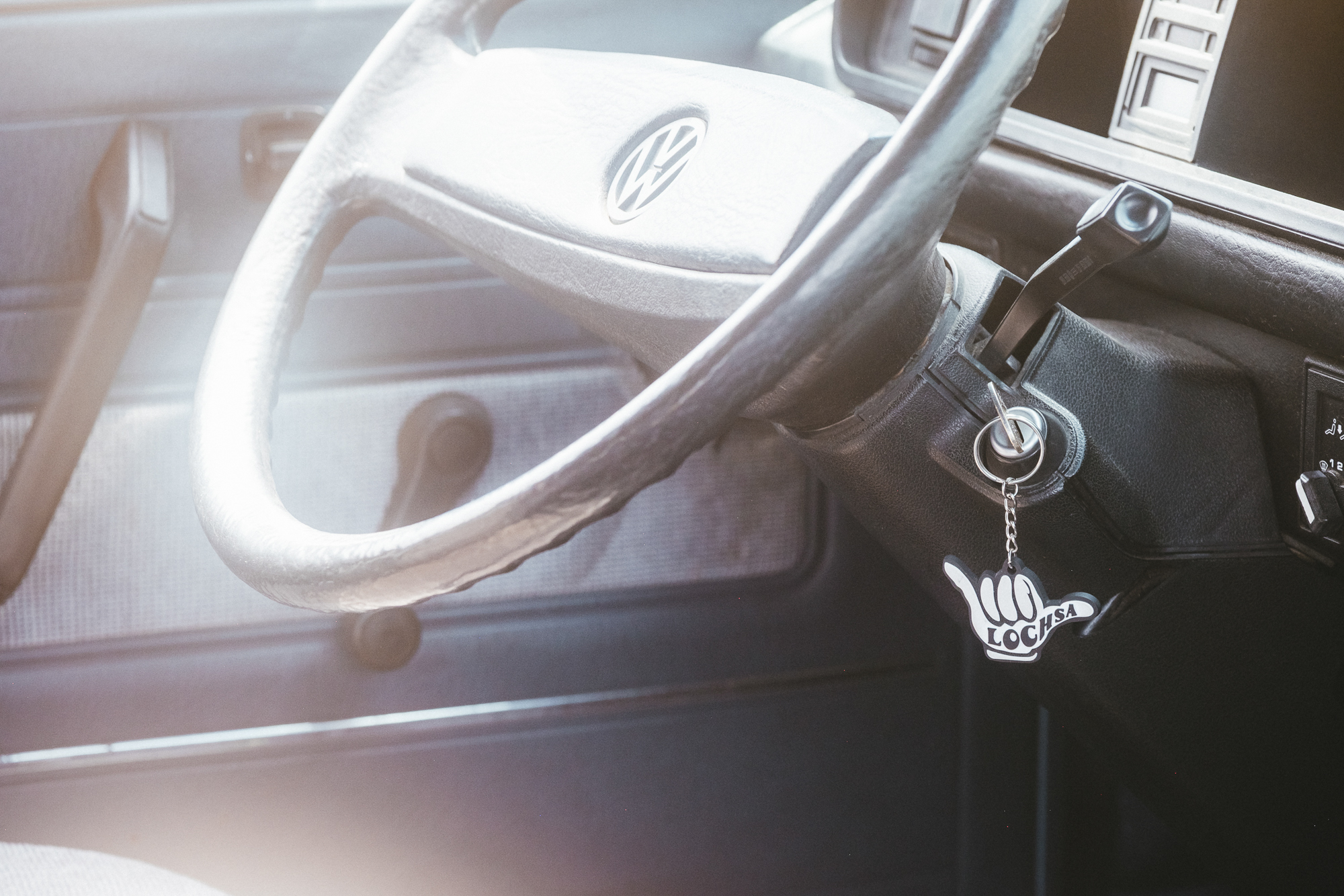
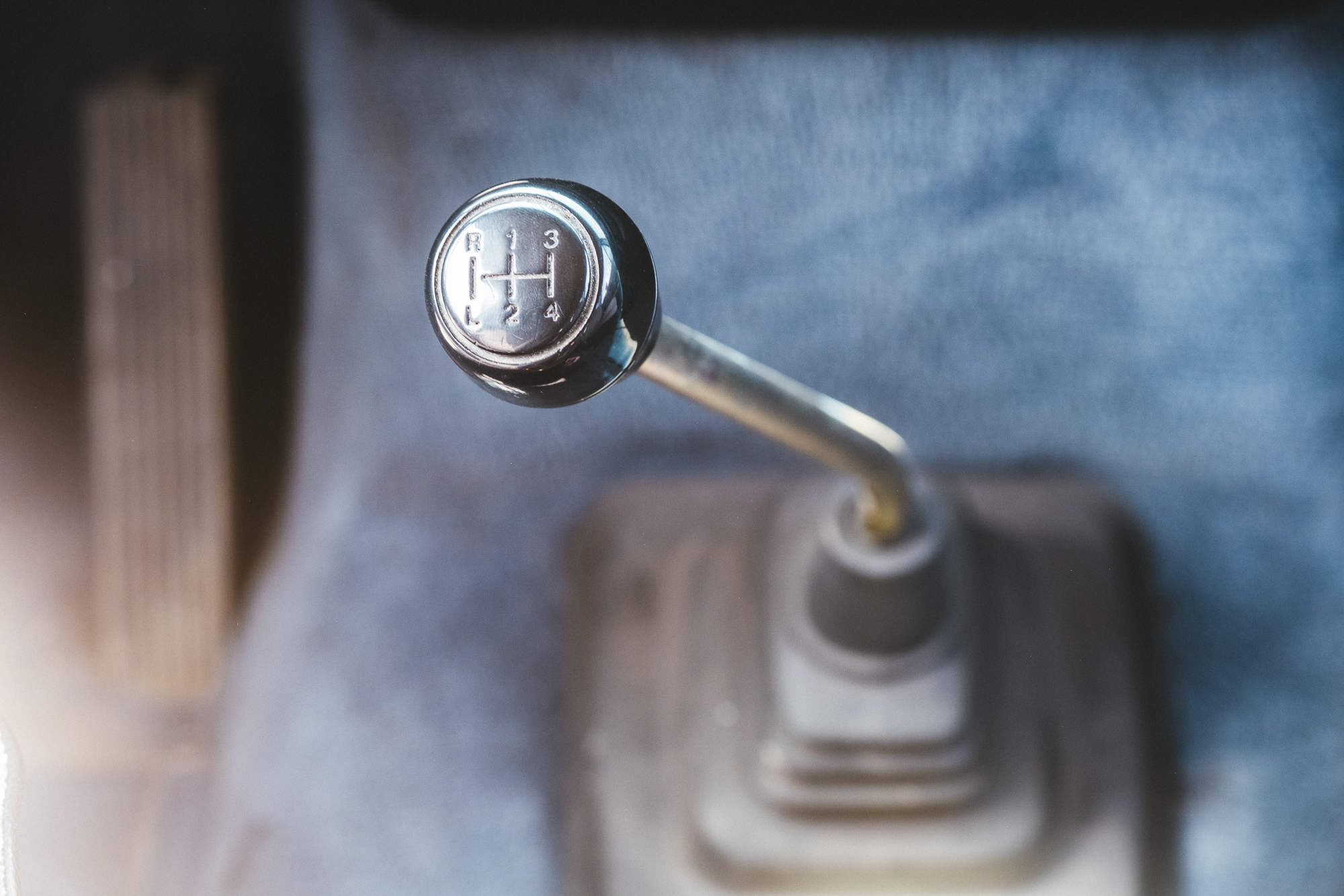
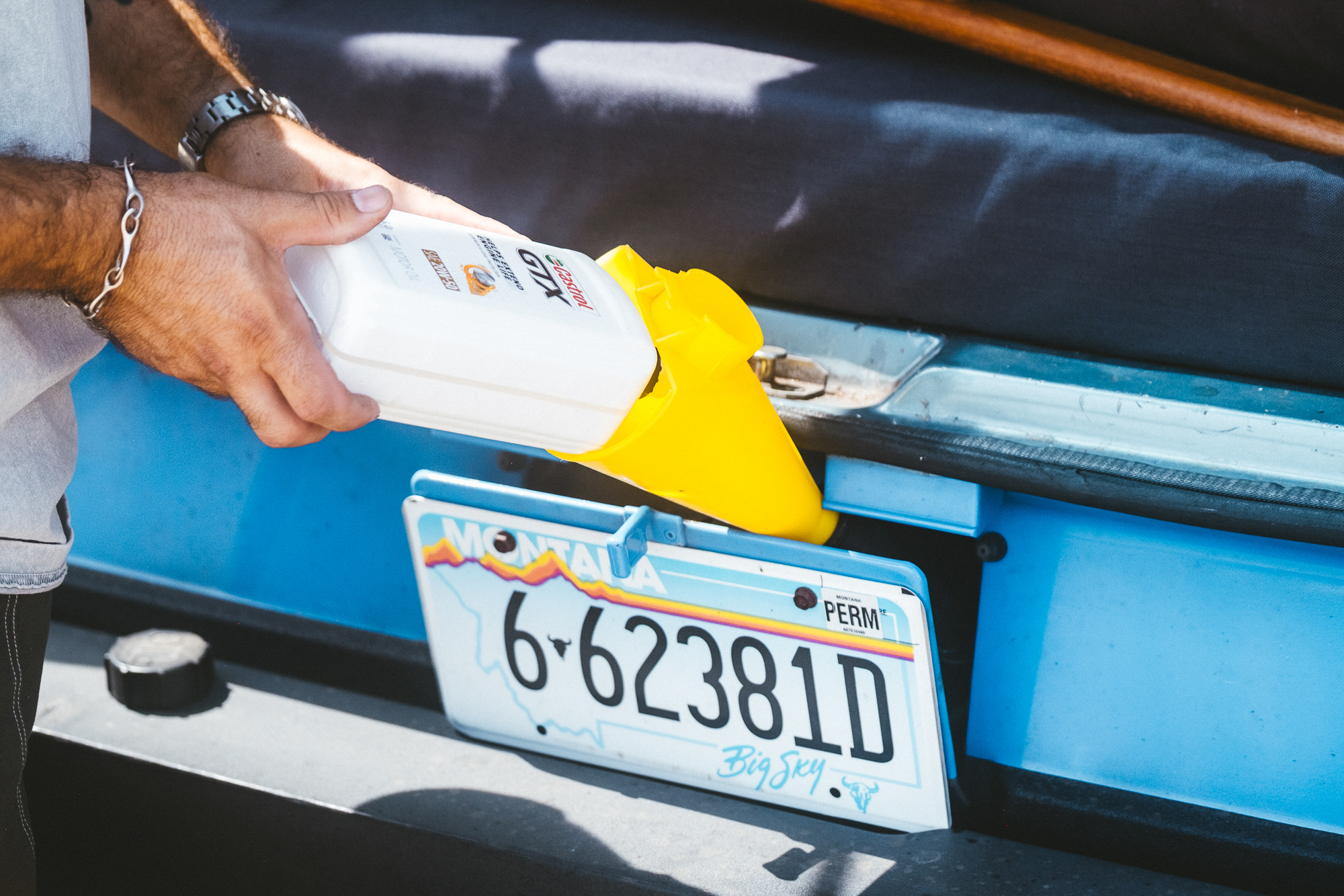
Okay, back to the people’s car. It had always been Taylor’s dream to own a Volkswagen Vanagon. The Syncro nomenclature refers to it being a Four Wheel Drive variant. In Volkswagen speak, this is a Type 2 T3 (referring to the slot it fills in the Volkswagen product lineup) and is the third generation of the vehicle. The first generation is perhaps the most iconic and features the hilariously large VW crest and pointed front paint job. As the generations progressed, the emblem kept getting smaller. Taylor’s VW features the original 2.1 waterboxer engine (referring to the piston orientation and the cooling mechanism). He found it listed for sale on a sketchy Facebook marketplace posting. After confirming its validity, he purchased it. Since then, it’s been his daily driver and occasionally gets turned into a coffee shop when the truck is unavailable. Taylor brought it to this show as Eli, transporting numerous bicycles and other industry secrets.
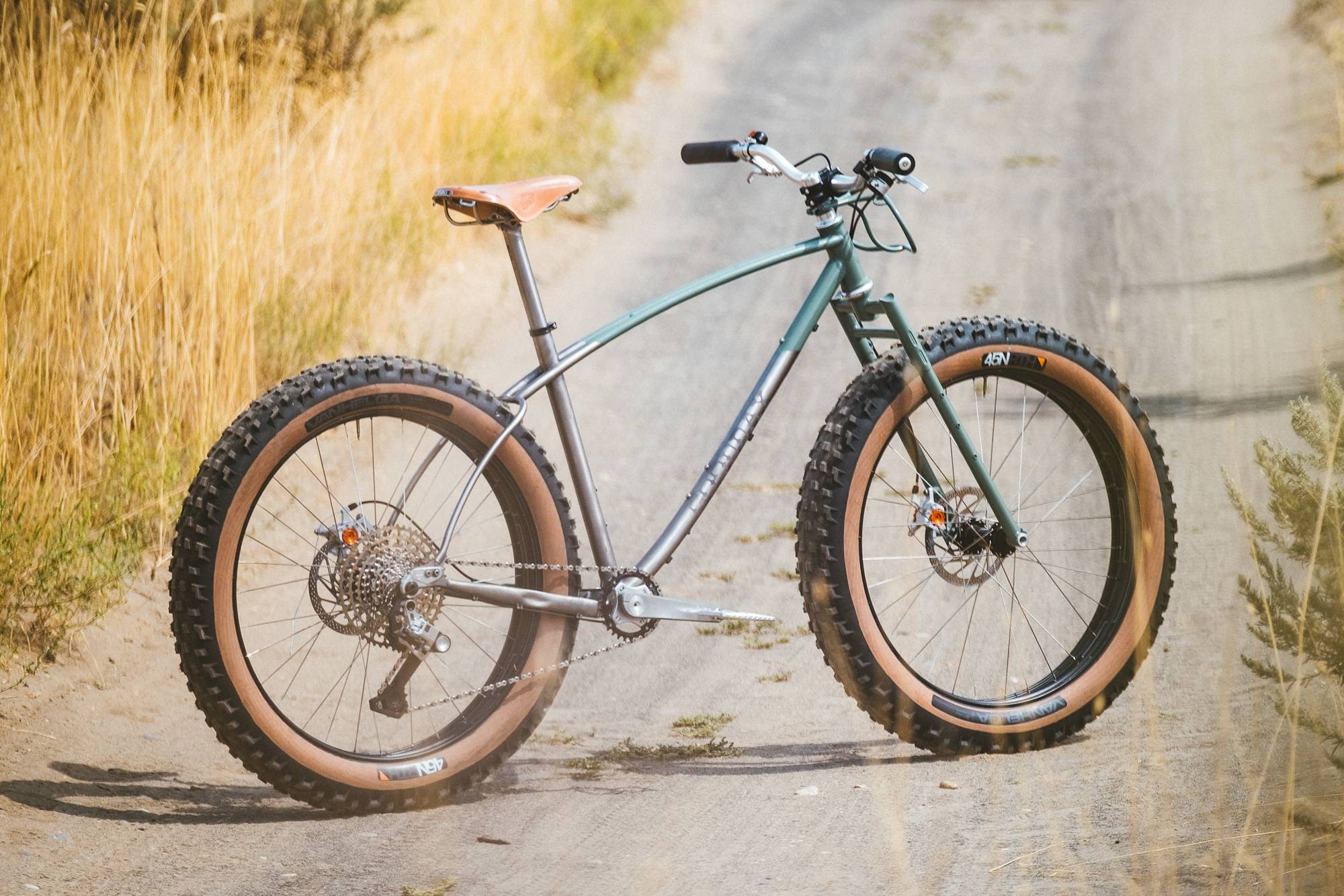
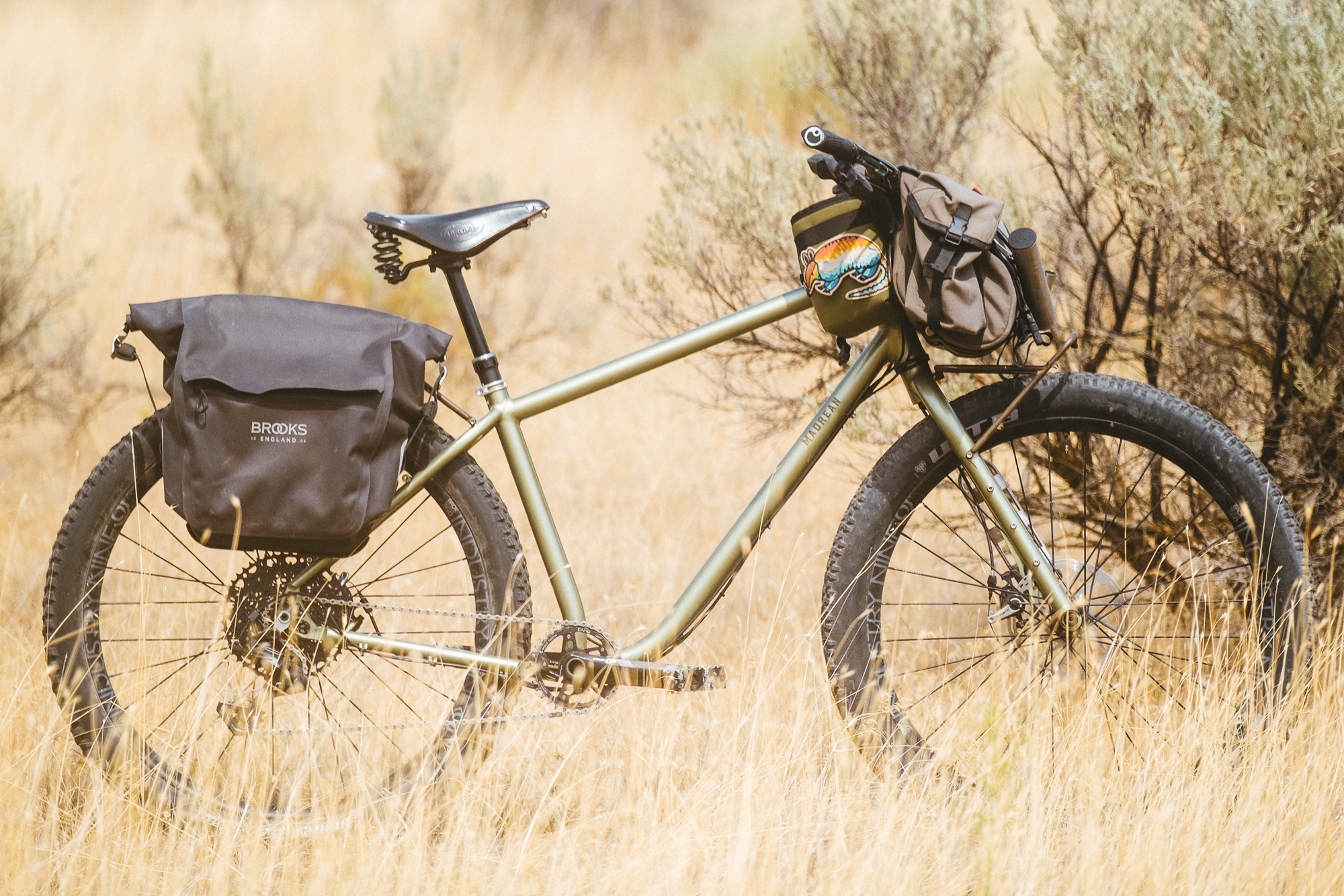
At Made, Taylor partnered with Brooks to provide drinks free of charge. Their relationship goes back a number of years and started after John wrote an article about Taylor’s Madrean (built by Hubert D’Autremont of Madrean Fabrications) and Roly-Poly coffee. The folks at Brooks liked Taylor’s style, and it’s been a partnership ever since. I remember the Sklar Bean Bike that Taylor brought to the first show. These kinds of partnerships make me happy. Anyway, I appreciate you reading this far, and I’d like to leave you with a chuckle.
Shortly after arriving at our shoot location, Taylor announced, “Good news, the Vanagon’s oil is full,” as he tucked away a now-empty quart of oil. We’ve all been there. I’ve laughed and hooted (and stared deep into the void) more about old vehicles than just about anything else. Taylor, thank you for echoing that sentiment and all the bean water…
…and a huge thanks to 1 UP USA for supporting us over here at The Radavist!