

Remind is an aftermarket insole brand with roots in sports like snowboarding and skateboarding. Unlike many insoles, Remind appears to be heavily focused on impact absorption and markets its products directly toward athletes participating in high-impact sports. This is also evident when looking at the brand’s roster of ambassadors, which is stacked with big-name snow and skate athletes such as Travis Rice, Steve Caballero, and many more.
Remind offers a wide range of insoles in various thicknesses, arch heights, and cushioning levels, all designed to provide support, comfort, and stability, for high-impact activities like skiing, snowboarding, skateboarding, and running. One thing that really helps them stand out, however, is the eye-catching designs, with most featuring artwork created or chosen by one of the brand’s many ambassadors. I’ve got two sets, and the Chris Benchetler Waltz and Henrik Harlaut Gremlin 2 graphics are both pretty sweet. I can’t be totally sure, but I highly doubt I’ve ever considered commenting on the appearance or style of shoe insoles before.
Different Strokes for Different Folks
Our cycling shoes don’t have it easy while supporting our weight, protecting our feet, and transferring our pedaling power into the drivetrain. Yet, for as much as they do, our shoes are easily and often overlooked when it comes to comfort upgrades or “maintenance.”
Because all of our feet are different, the stock footbeds in cycling shoes can’t possibly provide adequate arch support, the perfect volume, alignment, or provide cushioning to perfectly suit everybody’s needs and preferences. Have you ever tried on someone else’s Birkenstock? For many riders, aftermarket footbeds or custom orthotics aren’t something they simply want, but they’re a necessity to get a good fit and feel right out of the box.

Alternatively, over time, upper materials stretch and compress, insoles wear out, and those shoes that fit so well when new might no longer provide the security, stability, or support they once did. Sometimes they need a little refresh, and a new/upgraded insole can be a great way to breathe new life into old shoes.
Athletes from all sports have known this for years, which is why there are lots of aftermarket insole brands and models to choose from. Among the options I’ve tried, Remind sets itself apart with its focus on impact absorption. If that sounds like something you’re after, then read on. But if you’re rocking $400+ low-stack, low-volume, carbon-soled road racing shoes, these probably aren’t gonna be the best fit, but that’s obviously up to you…
Remind Insoles
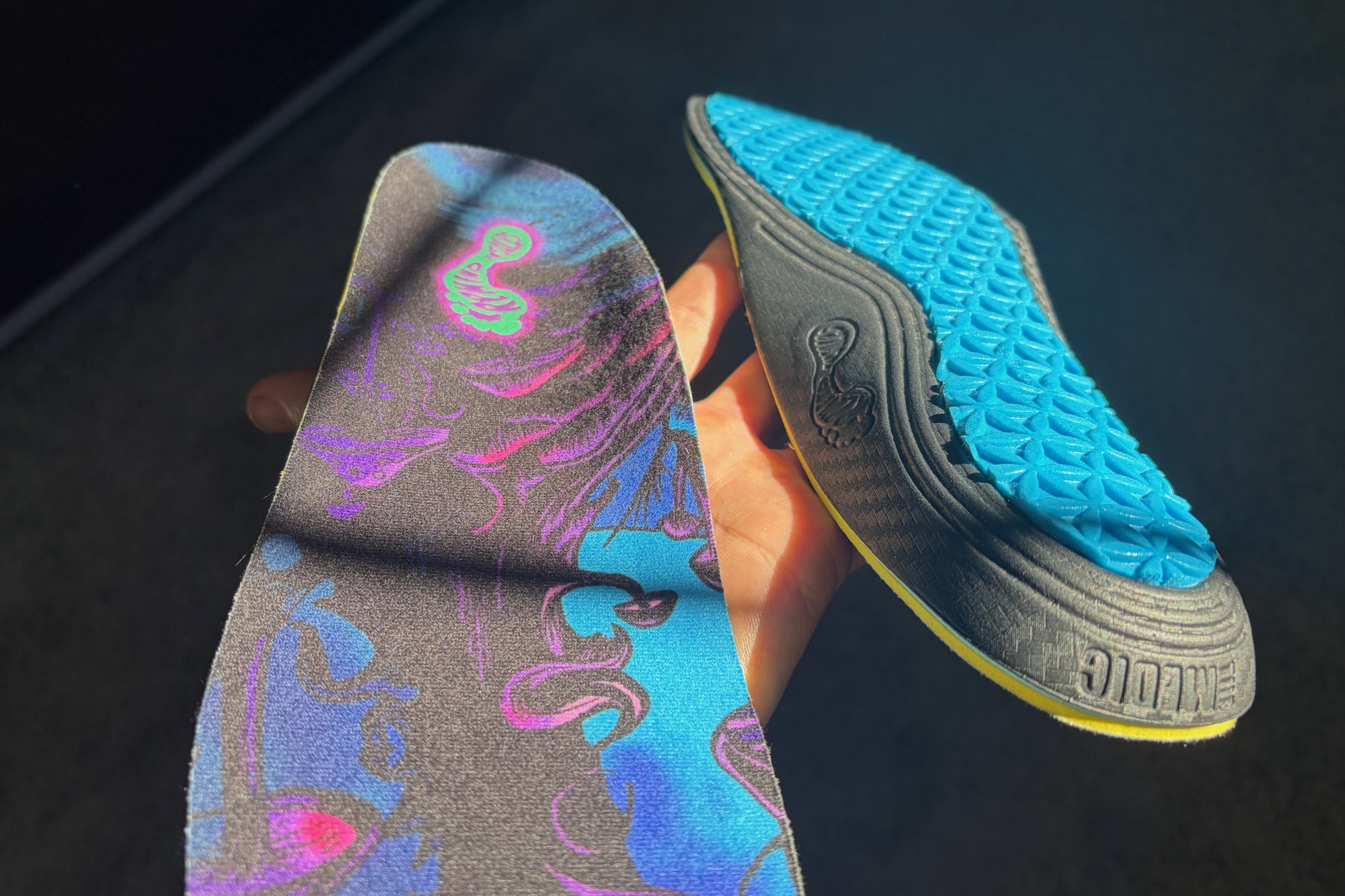
With the focus on absorbing impact, Remind’s insoles are different from the majority of other aftermarket options that I’ve seen or tried over the years. While Ride Concepts shoes has been incorporating small D30 pads in its stock insoles for years, I’ve never noticed much of a difference in terms of impact absoprtion. Remind takes that idea further with impact-absorbing materials and tech for the whole foot.
A such, most of Remind’s insoles are made from multiple layers and are on the thicker side of the spectrum. For example, the Medic Impact 5.5 mm Mid-High Arch insoles I have are 5.5 mm thick in the forefoot and 9 mm thick under the heel. That will compress slightly over time, of course, but that’s significantly thicker than the flimsy, thin, and unsupportive footbeds that come stock in many cycling shoes. Depending on the model, Remind’s insoles vary between 4 mm and 7 mm in thickness (under the forefoot), with the majority in the 5, 5.5, and 6 mm range.
The increased volume of Remind’s insoles may immediately rule them out for many people, but it may be exactly what others need for a more precise fit. I fall into the latter camp with some of my bike shoes due to my average-width but lower-volume feet. For decades, I’ve used custom footbeds in ski boots to take up volume and ensure proper alignment. Likewise, I’ve used trim-to-fit insoles from Superfeet and Sidas to do the same in many (but not all) of my cycling shoes.
Models and Construction
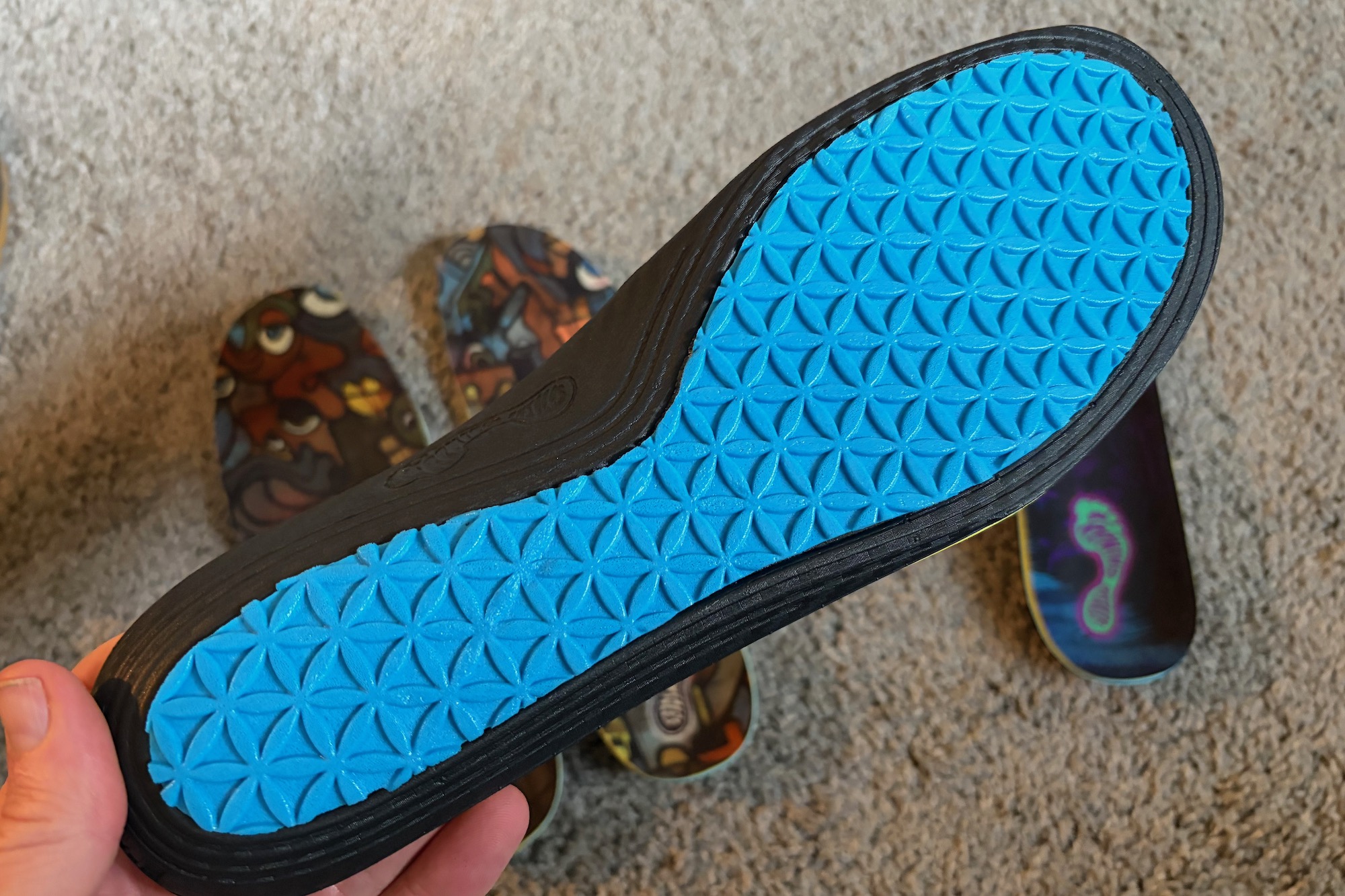
Remind makes several different models of insoles, including The Medic, The Cush, The Destin, The Rede, and The Remedy (heat moldable). They range in price from $45 to $70, and all of them come in several different thicknesses and with numerous graphics to choose from. According to Remind, the different models provide varying arch support levels and performance characteristics. They are:
- The Medic: Mid-High arch support, full foot stability, bulk-free design
- The Cush: Mid-High arch support, targeted arch and heel support, high impact absorption
- The Destin: Low to All arch support, soft and stable, molds to the feet
- The Rede: Low to All arch support, all-around comfort, rebound, and stability
- The Remedy: Custom Arch (heat moldable), perfect fit, durable

All of them look somewhat similar, with the brand’s signature GEOSorb “geometric displacement” structure on the bottom, which is claimed to help distribute the forces from impacts. Otherwise, each insole is comprised of several different layers of materials and technologies, though it varies depending on the model in question. For the Medic Impact 5.5 mm insoles I have, the layers are described by Remind as follows:
- Silver Nylinx – Freshness: A poly-blend material infused with silver ions to neutralize odor, keeping shoes fresh during long shifts or intense workouts with its antimicrobial properties.
- Atmos Foam – Comfort: Ultra-comfortable Micro Cellular Activated Urethane absorbs impact, reducing force by over 90%, ensuring excellent cushioning and less fatigue.
- Thera-Cush – Moldability: A self-molding co-polymer that adapts to the unique contours of your foot, creating a custom fit for optimal alignment and targeted support.
- Archtex – Arch Support: Modular building block foundational support
- PU/RE Form – Impact: High Impact Absorbent Super Polymer that decreases impact force to less than 10%.
- GEOSorb – Geometric Displacement: Geometrically structured shape to displace heavy strikes.
Using Remind Insoles
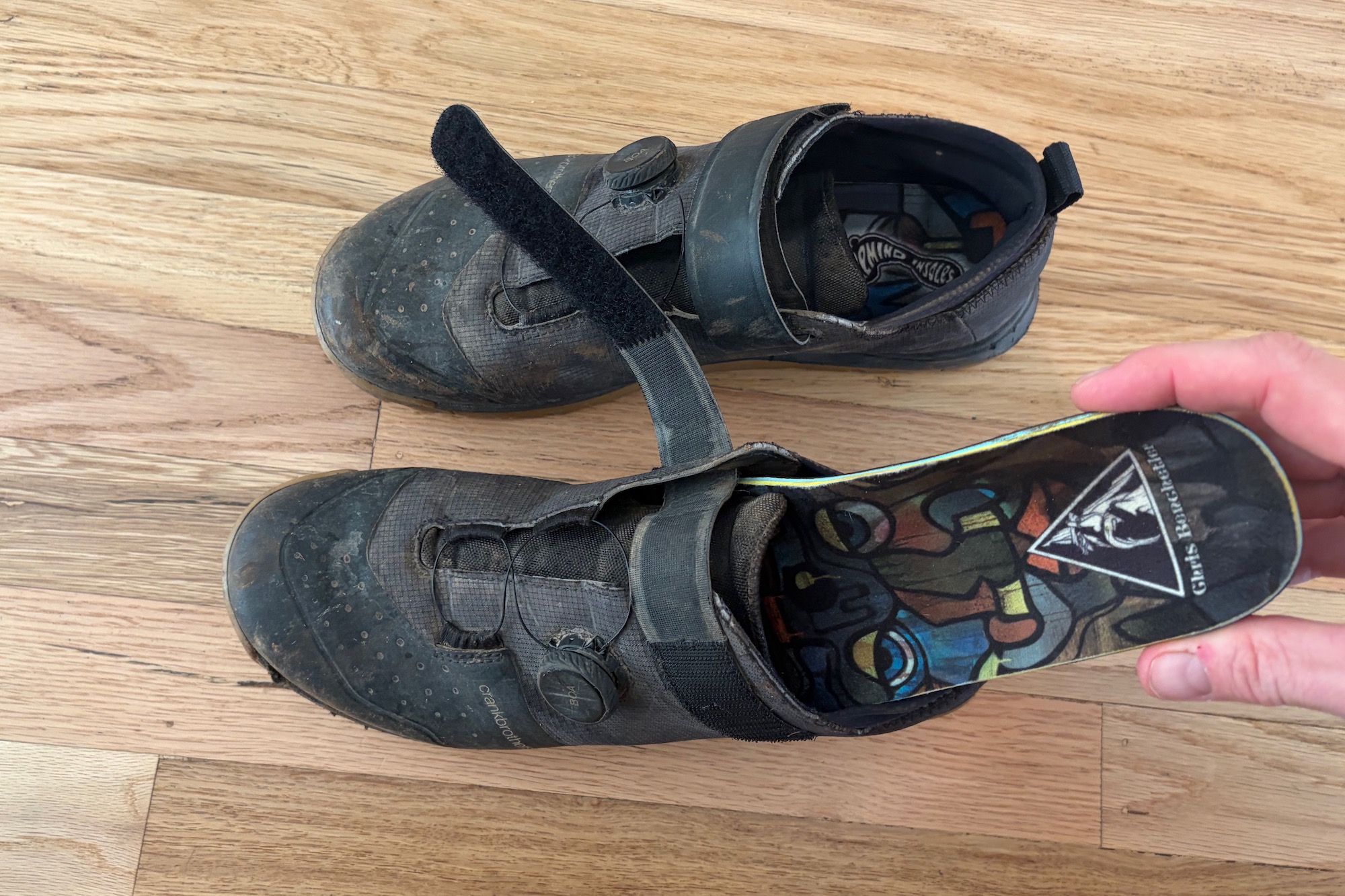
Over the course of the past couple of seasons of riding, my favorite mountain bike shoes, the Crankbrothers Mallet Trail BOA, stretched and packed out a bit, resulting in a somewhat loose fit. Sometime last year, I replaced the thin, unsupportive stock footbed with a set of Sidas Run 3feet Protect Mid insoles. The Sidas were a huge upgrade, providing more arch and heel support, slightly improved cushioning, and filling some of the extra volume. But after about a year of use, they were compressed, super thin, and were no longer doing the job.
With the goal of taking up some volume, I got a couple pairs of Remind Medic Impact 5.5 mm Mid-High Arch insoles a few months ago. I promptly removed the Sidas insoles, trimmed the Reminds to match, and installed them in my Crankbrothers shoes. The Medic insoles are probably about 2 mm thicker in the forefoot than the Sidas when new, and they admittedly felt almost too snug on the first ride or two. After a short break in period, however, I felt right at home.

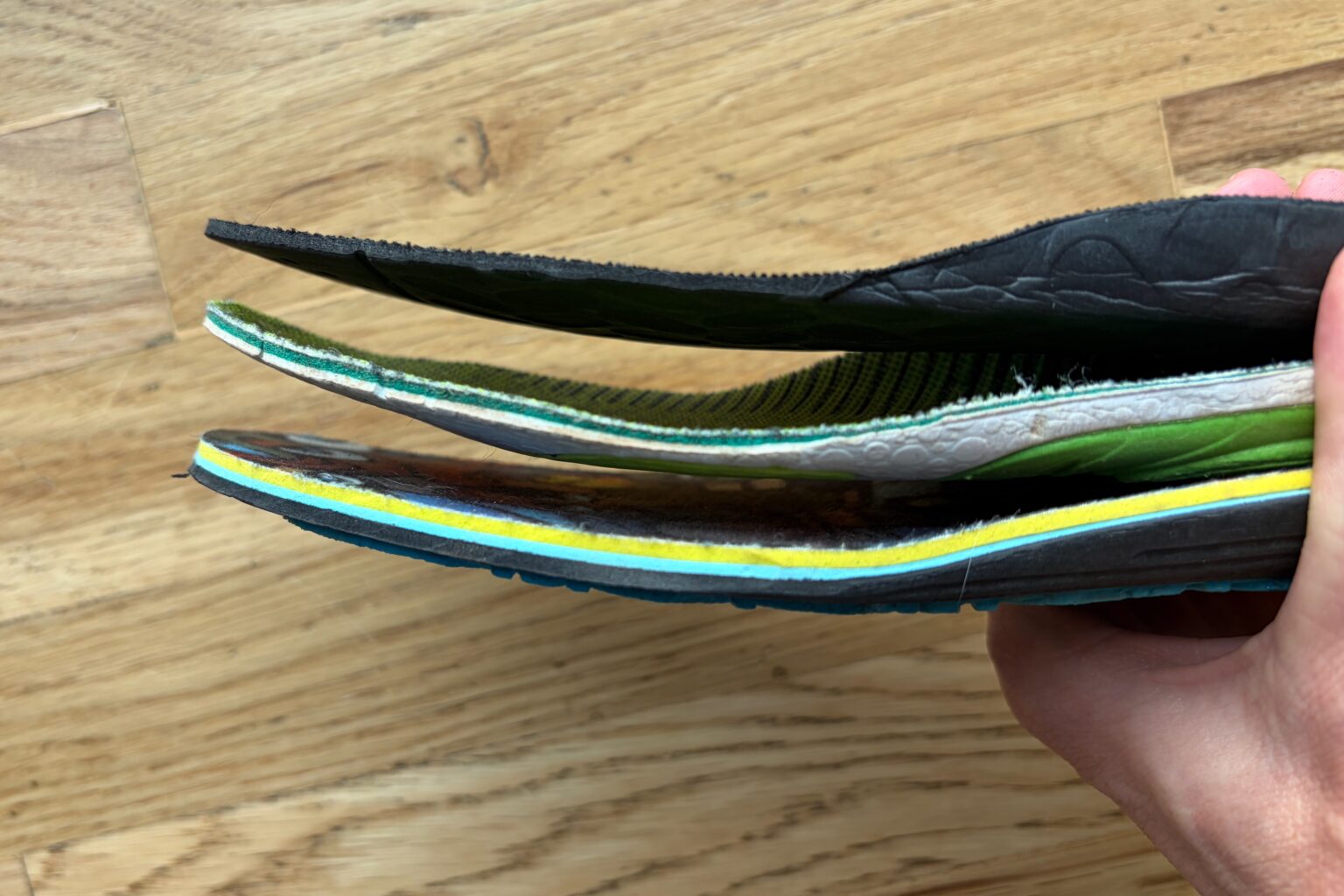
For my feet, taking up some volume with the Remind insoles gives me a more precise and snug fit, resulting in better lateral stability and overall foot security through the whole pedal stroke. The added cushioning is also quite noticeable. I’ve ridden in cycling shoes without impact-absorbing insoles for decades without much complaint, but these make a considerable difference. I was initially concerned that the cushioning might feel squishy or unstable, but that has not proven to be the case. They have plenty of structure and hold their shape well, especially inside of a bike shoe.
I’ve been enjoying them so much that I put the other set in my trail running shoes. Not only have they taken up a little volume and given me a snugger fit, but the enhanced cushioning feels good for my aging leg joints. I’ll take all the help I can get.


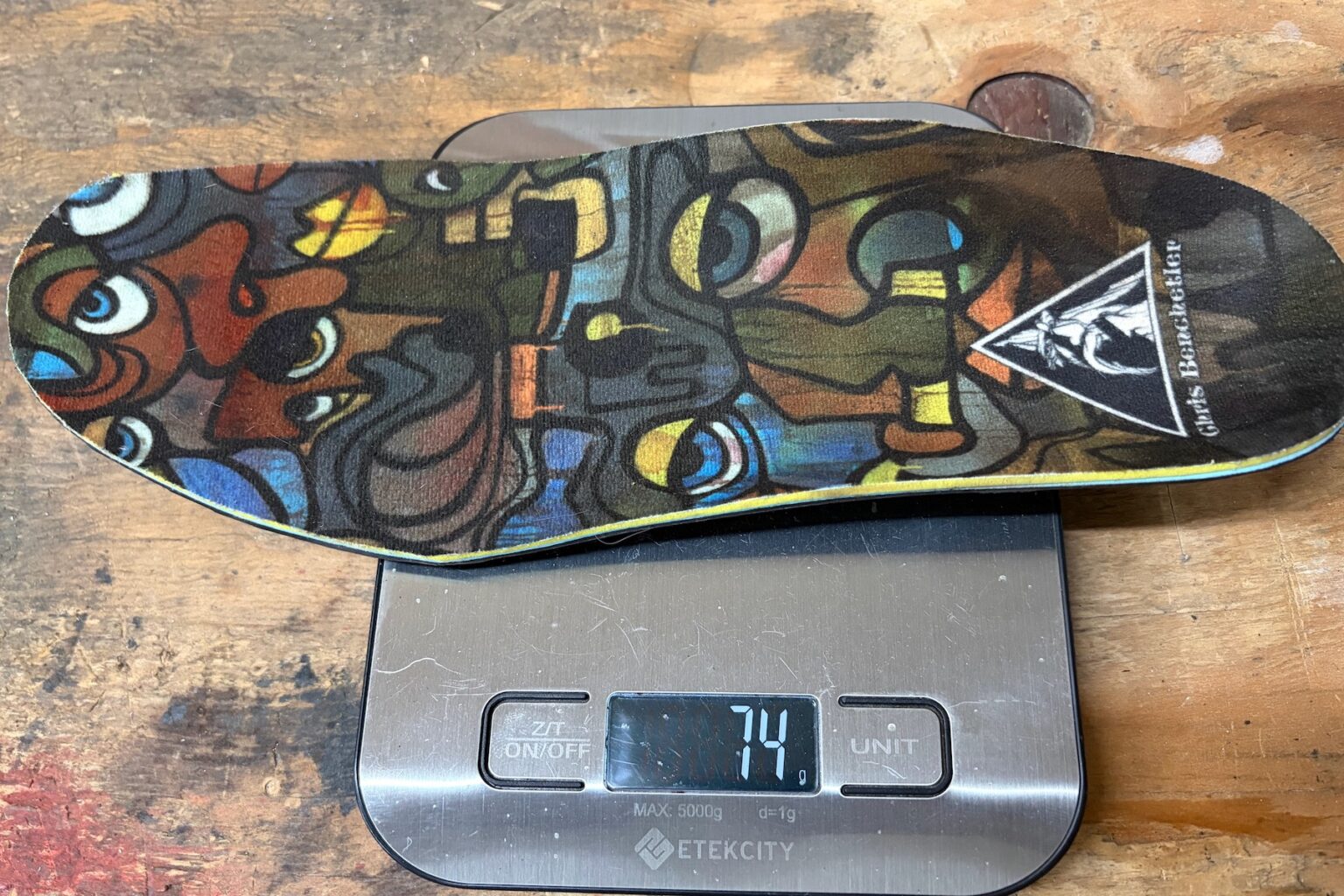
One thing definitely worth mentioning is the weight. They are not particularly light, with my trimmed size 10 Medic Impact 5.5 mm insoles weighing in at 74 grams each. That’s compared to the aforementioned Sidas at 48 grams and the stock Crankbrothers insole at 18 grams. That’s fairly significant and will almost definitely rule them out for super weight-conscious riders and racers. But that’s a weight penalty I’m willing to take for the improved fit and comfort they provide — in the right shoes/applications.
Speaking of the right applications, to me, that seems primarily like gravity-oriented mountain biking, bike park riding, flat pedals/shoes, or any shoes that might need a little volume taken up. While I wouldn’t mind a little vibration damping in my carbon-soled gravel and XC racing shoes, these are a bit too thick to fit and slightly heavier than I’d like. But they’re treating me right in my trail riding shoes where I’m not really that concerned with weight.

Remind Insoles: My Takeaway
Most cyclists could probably benefit from some aftermarket insoles in their cycling shoes. Whether to freshen up an older pair or to enhance the fit, comfort, and performance of new ones, some fresh insoles are an affordable upgrade that can make a noticeable difference. Preferences and needs vary as widely as our feet, so it’s nice to have plenty of options to choose from to meet different fit and performance demands.
With a focus on high-impact sports, Remind’s insoles are arguably best suited to cycling disciplines like mountain biking, dirt jumping, or BMX where the impact-absorbing materials and designs will be most beneficial for hitting jumps, drops, and rough terrain. Given the thicknesses of Remind’s insoles, they’ll also likely appeal most to those who might need to take up a little volume in their cycling shoes. I fit into both of those categories, and I’ve been quite happy with mine for my trail riding and trail running shoes. If that sounds like you, too, then Remind’s insoles could be worth a closer look.
remindinsoles.com