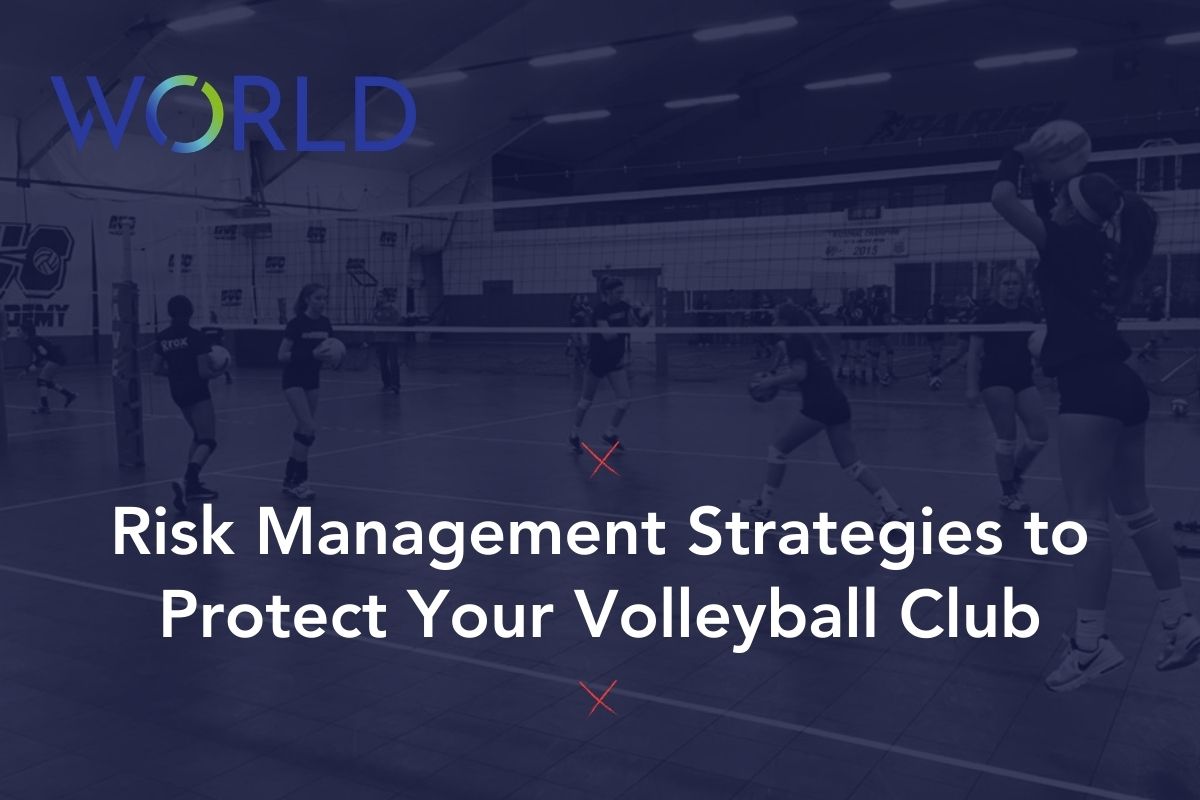
Volleyball is a dynamic, fast-paced sport that can easily lead to player injuries. When the ball is in play, athletes may dive, collide, or trip in their pursuit of a point. Training sessions and tournament travel can also introduce unexpected hazards. For youth volleyball programs, safety must remain a top priority for Coaches, Club Directors, Club Administrators, and volunteers.

While no sport can be completely risk-free, a strong risk management program can significantly reduce the likelihood of injury and help protect the safety and well-being of all participants and support personnel. By establishing clear policies and defined responsibilities, clubs can create a safer environment for athletes while protecting the long-term stability of the organization.

Establishing Policies to Reduce Risk

Maintaining a positive outlook is important, but assuming accidents will never occur is not a responsible strategy. The most effective approach is to plan ahead by implementing specific policies and protocols designed to prevent injuries and respond appropriately when they occur. From staff screening and training to clear expectations for participants and emergency action plans, these policies demonstrate professionalism and provide reassurance to families.

JVA requires the following as part of the JVA Safety Program:

  • Background Screening
    All adults listed on a JVA roster and participating at JVA-insured events must complete the National Center for Safety Initiatives (NCSI) background screening and APS Training.
  • Reporting Injuries
    JVA requires all injuries to be documented. The Head Coach or Tournament Director must complete an Incident Report for every injury. Parents may not complete this form. For minor injuries, keep the completed report on file. For serious injuries, email the Incident Report and Participant Release of Liability to members@jvavolleyball.org within 24 hours. A physical copy of Incident Report forms should be available onsite.
  • Travel Policies
    JVA provides travel policies outlining roles and responsibilities for club travel. Member clubs can access these resources on the JVA website.

Additional policies that strengthen a club’s risk management strategy include:

  • Compliance with SafeSport® training requirements
  • Clear supervision policies for staff, Coaches, and volunteers that define roles and responsibilities
  • A Code of Conduct for Coaches, athletes, and parents with zero tolerance for bullying or hazing
  • Injury prevention policies, including limits on practice duration and return-to-play requirements following injury or concussion
  • Emergency Action Plans for practices and tournaments
  • Communication guidelines governing interactions with athletes, including text messages, emails, letters, and other communications

Waiving Liability

While player safety is always the top priority, protecting the organization is also essential to safeguarding everyone involved in the program. Waivers and release forms ensure families understand the inherent risks of participating in volleyball and help protect organizations from the financial consequences of potential legal claims.

JVA requires the JVA Insurance Waivers for Players and Staff to be completed each season by every player and staff member. These forms should be completed online, preferably on a computer rather than a mobile device.

The required forms include:

  • Liability Waiver: Confirms that parents understand the risks associated with club volleyball and release JVA from liability related to those risks.
  • Communicable Diseases Waiver
  • Crowd Photo/Video Release

All three forms are mandatory.

The Medical Release and Medical Treatment Information forms are also available on the same page. These forms are optional and determined at the club level. JVA does not require clubs to complete them.

Do You Have the Liability Protection You Need?

General liability insurance is the foundation of an effective risk management program. It protects against claims of bodily injury or property damage that may result from the alleged negligence of the club. For example, if a spectator files a claim after slipping on a wet surface or a parent alleges a player’s injury resulted from inadequate supervision, the policy may cover court costs, attorney fees, and settlements or judgments awarded to the plaintiff, up to the policy limits.

General liability coverage is required for JVA club programs, tournaments or leagues, and camps. These coverages are available through JVA on the website. However, tournament, league, and camp insurance coverage applies only to the designated dates of play.

Clubs should evaluate whether additional protection is necessary outside those timeframes. Consider whether risk exists when organized activities are not taking place. For example:

  • Are individuals present on your premises for other reasons?
  • Do you have a commercial lease for your facility?
  • Do you store property that belongs to others?

If the answer to any of these questions is yes, a commercial general liability policy may be necessary to protect both you and your club. Speaking with an insurance advisor who specializes in youth sports organizations can help you evaluate coverage options and determine what protection is appropriate.

Risk Management Hot Tip

Speak with an insurance advisor about your coverage needs.

A general liability policy should never be treated as a simple requirement to satisfy organizational or venue rules. Confirm that your club has the appropriate coverage limits, terms, and conditions to address its specific risks. Identifying and eliminating coverage gaps is critical. The financial cost of a lawsuit can far exceed the cost of maintaining the proper insurance coverage.

About the Author

Mike DiNottia is a client advisor at World Insurance Associates (World). World is a leading insurance brokerage in the U.S. specializing in business and personal insurance, employee benefits, wealth management and retirement plan services, and payroll & HR solutions. The JVA and World have partnered together to bring JVA Members educational articles and content to help you learn about your unique risks and exposures, and how to better protect your businesses, members, and families in general. Feel free to reach out to Mike directly with any questions at mikedinottia@worldinsurance.com 

Stories like the one above are intended to be informational in nature. Insurance coverage will vary depending on language specific to your policy and your specific facts and circumstances. Please contact your insurance broker and/or agent for your specific coverage implications based on your specific situation and follow any claims reporting procedures from your policy with your broker if there might be a claim. Nothing in this story should be considered as legal advice or opinion and you should seek independent advice or legal counsel.