
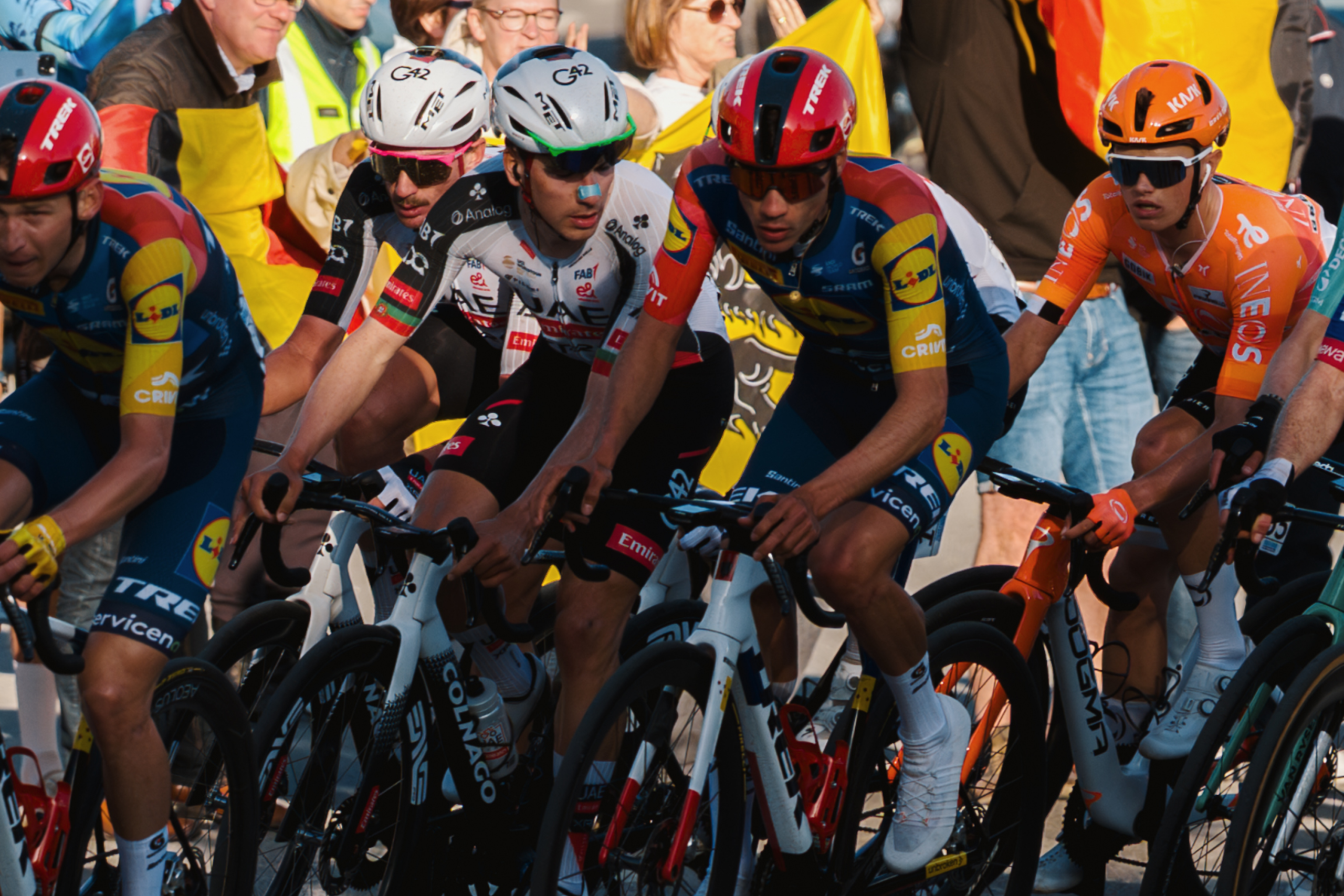
It’s barely the start of the 2026 pro season anymore. The Classics are upon us, Monuments are on the horizon and the first French and Italian tests stare the Grand Tour contenders dead in the eye.
Now three months into the season, almost every key player in the pro cycling sphere has blown the dust off their race bike. At least, everyone apart from Tadej Pogačar and Jonas Vingegaard. After a solid block of stage races and one-day tests, the first judgments have been cast on the WorldTour ahead of the real objections to come through the spring and summer. Let’s cast a look at the past three months and weigh up our first GC signals before the 2026 season really picks up steam next week at Paris-Nice and Tirreno-Adriatico. We’ll discuss some of the key takeaways and compare their season openings to those of previous years.
Is Paul Seixas heading to the Tour de France?
After his pragmatic programme in 2025, French prodigy Paul Seixas has proved his worth over the past fortnight. The 19-year-old first took a stage at the Volta ao Algarve, beating several Grand Tour podium finishers. He picked up a second place overall there before a one-day win at the Faun-Ardeche Classic from a Pogačar-like move made with 40km remaining.
The comparisons to the Slovenian are coming in thick and fast, with many hoping for Seixas to make a Grand Tour debut later this year. Cast your minds back to Pogačar’s three-week debut, at which he finished in third place. Your wish is Decathlon’s command, however, as the French press is now suggesting that Seixas will head to the Tour de France this July. This would be his first Grand Tour, and a weighty one at that.
Currently, Decathlon-CMA CGM don’t have a dedicated GC leader for the Tour. Instead, they intended to support Olav Kooij in his hunt for sprint victories. Seeing how Seixas has hit the ground running this year though, Decathlon would require a rethink of this strategy as Seixas looks strong enough to run for the top ten. Of course, he’s unproven over three weeks, and Grand Tours are far different to week-long tests. Surely, it’s worth a gamble for the French team though. Treat it as an early litmus test on his GC potential.
From what we saw in the Algrave, Seixas might just be the real deal. He can time-trial with the best, having only shed a few seconds to the likes of Filippo Ganna and Juan Ayuso at the race’s only race against the clock, plus is climbing looks flawless and his team have invested a lot into the Seixas project. The only thing to do now is to wait and see whether he becomes the reincarnation of Pogačar.
Red Bull look well-balanced, but need more from Lipowitz
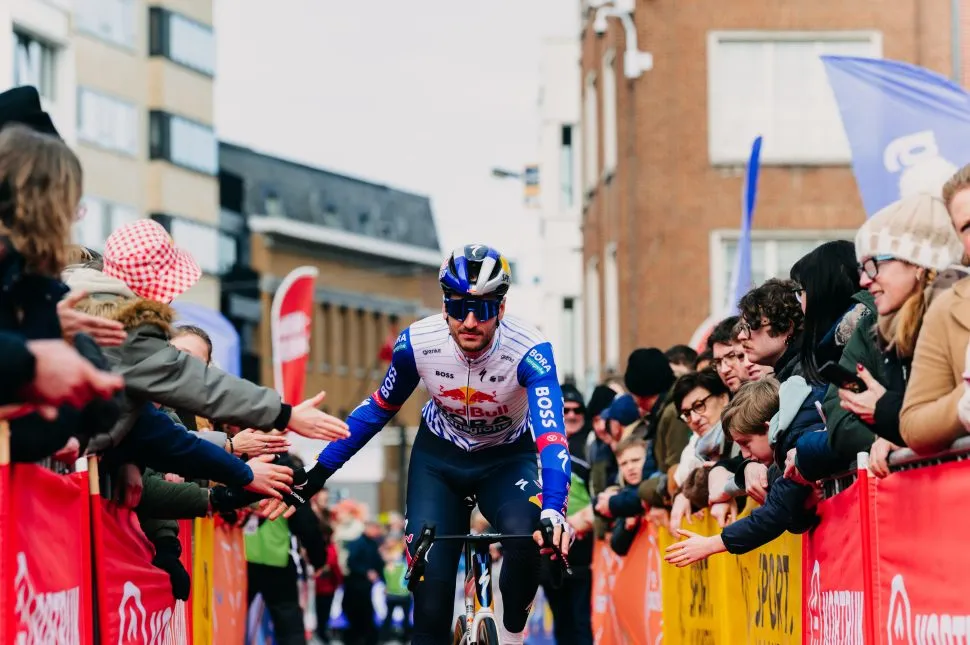
After throwing money at new recruits over the past couple of years, Red Bull-Bora-Hansgrohe look to have started 2026 on the right foot. In fact, they’ve already picked up ten victories and find themselves within in fourth place in the UCI rankings. This may sound inconspicuous, but this is the team’s best start to a pro season in the team’s history.
Fair enough, Remco Evenepoel has fostered a decent amount of points since he joined in the off-season. The Belgian isn’t the only rider on form, however, given that Giulio Pellizzari has also found his way onto a GC podium this year. Arne Marit and Jordi Meeus look to have zapped into life in 2025, with both claiming early-season wins against stiff opposition. Meeus, in particular, looks much stronger than in previous years, having just toppled the opposition at Le Samyn.
While the team beefed up their Classics roster in 2024, it’s only now that they’re reaping the benefits, it seems, after Tim van Dijke and Meeus bagged top ten finishes at the Omloop Nieuwsblad on Saturday. For Van Dijke, a second place at Omloop would bring Red Bull their best Flemish Classic result since the days of Peter Sagan. Now they’ve just got to sustain this cobbled momentum for the next month. Laurence Pithie looks better than he was in 2025, while Meeus and Marit look primed for podium finishes on flatter Flemish courses.
All that’s left is for Jai Hindley and Primož Roglič to make strong impressions over the next two months. The pair will be integral to Red Bull’s Grand Tour strategy. That said, some more evidence needs to be seen regarding Florian Lipowitz, who looks a fraction of the man who podiumed last year’s Tour de France.
Is Evenepoel capable of climbing with the best?
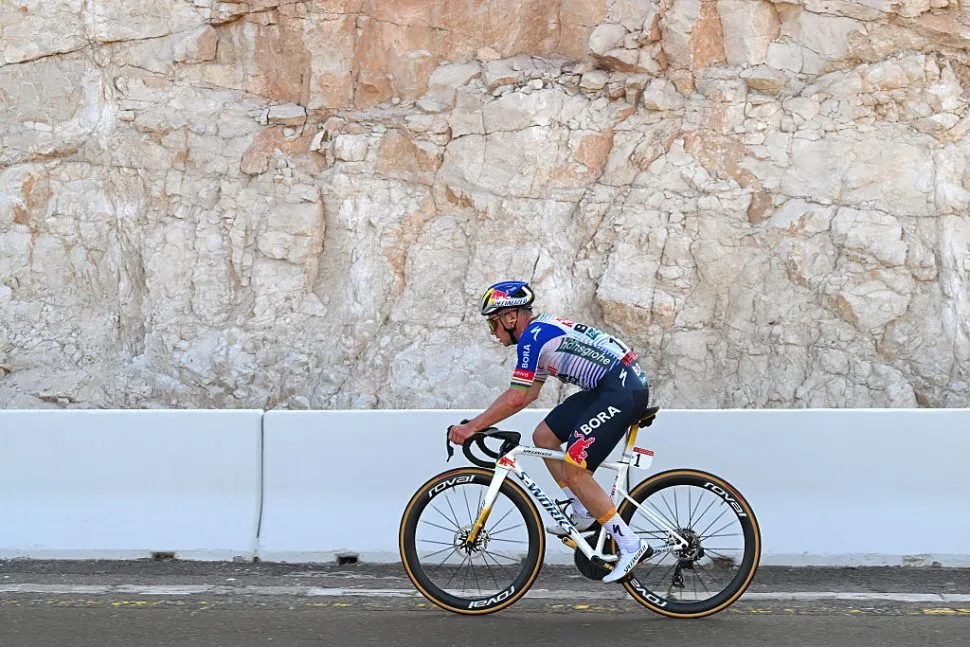
Remco Evenepoel has often opened his years with early-season GC victories, that’s if he’s not nursing some sort of broken bone from the previous year. Since 2020 he’s taken the UAE Tour, Volta ao Algarve and the Vuelta a San Juan during the early throes of the season. This year, he added the Volta a la Comunitat Valenciana to that list of winter celebrations, but he’d soon suffer his worst GC result at a WorldTour stage race in four years at the UAE Tour.
His performance in the UAE was lacklustre to say the least. Yes, he may have picked up a time-trial victory, but there was little to no evidence that he has the climbing legs to keep up with Pogačar or Vingegaard later in the year. He was spat out the back early on both summit finishes. Not only that, Red Bull were uncharacteristically blunt on these stages, regularly overshadowed by Decathlon or UAE.
This was a disappointment after his barnstorming tirade through Spain earlier in the winter, where he picked up several rounds of the Mallorca Challenge and the overall title at the Volta a la Comunitat Valenciana. Those performances were, indeed, convincing, but they lacked any hard-hitting mountains. When pitted against Alp-like tests, Evenepoel continues to struggle. If he’s to finish on the podium of the Tour de France, he’ll need to get himself to altitude to practice those 45-minute-long efforts at 8% gradient.
To be honest, this is the same feedback he’s been hearing for the past few seasons. Despite his change of teams over the winter, the same issues have cropped up, and, to be honest, I’m not sure they can be rectified by the summer. If I were Red Bull, I’d keep my backup options open. Giulio Pellizzari might even be a stronger option in the high mountains.
Oscar Onley looks comfortable at Ineos Grenadiers
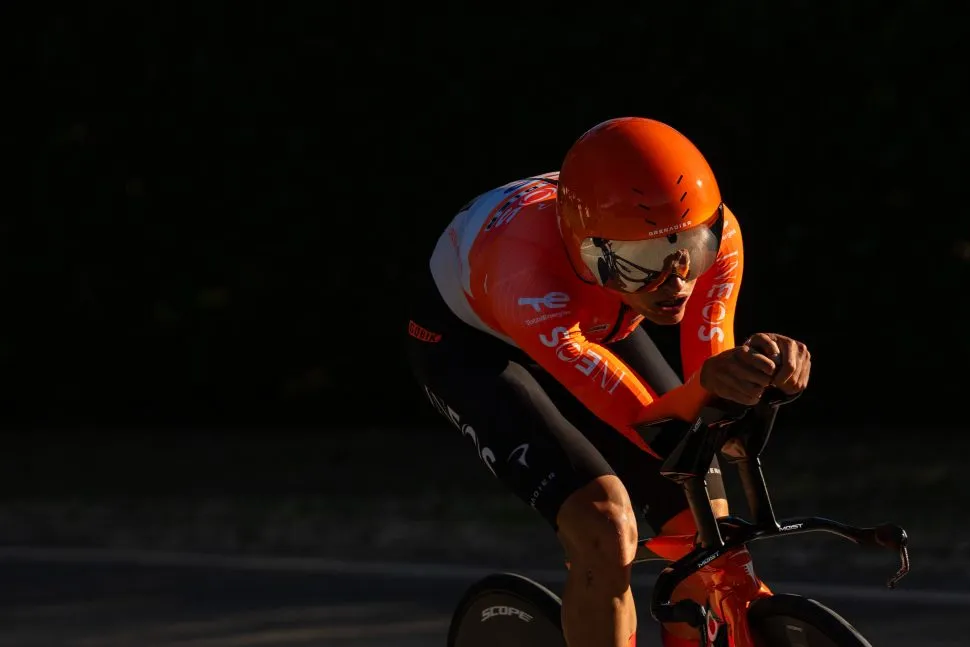
A byproduct of Oscar Onley’s move to Ineos is that he has finally broken the copy-paste programme he was handed at Picnic-PostNL. He’s ditched his usual Australian debut and has gone for his first winter stage race on European soil since 2023. Fair enough after his big money deal to Ineos over the Christmas break.
Onley seems to have settled into life well at Ineos if his debut at the Volta ao Algarve is anything to go by. While many feared he’d be overwhelmed by the team’s range of leaders – namely Kévin Vauquelin and Thymen Arensman – the Scot stood out on the first hilltop finish to cross the line within the front group. Even better, he’d be in the fight for the stage win on the final day, where he missed out on the day’s honours by a whisker.
Reassuringly for British fans, the Scot has proven that he isn’t just a one-Tour wonder. He’s managed to pick up where he left off in 2025 and challenge in the mountains once again. He hasn’t quite received Ineos’s TT magic, but his climbing strength is a good sign ahead of a highly-anticipated return to the Grand Tour stage in July.
On the whole, Ineos look to have sustained their momentum from 2025, which was considered to be a year of rebuilding for the British squad. Throughout the winter, they’ve been busy signing up top riders. Sam Welsford is the only new recruit to have won a race so far this year, but this has been offset by victories from their younger riders Axel Laurence, AJ August and Sam Watson. Ineos are warming into 2026, so I expect some big results to come once Onley gets his time to shine at more stage races.
Isaac del Toro still has some improvements to make
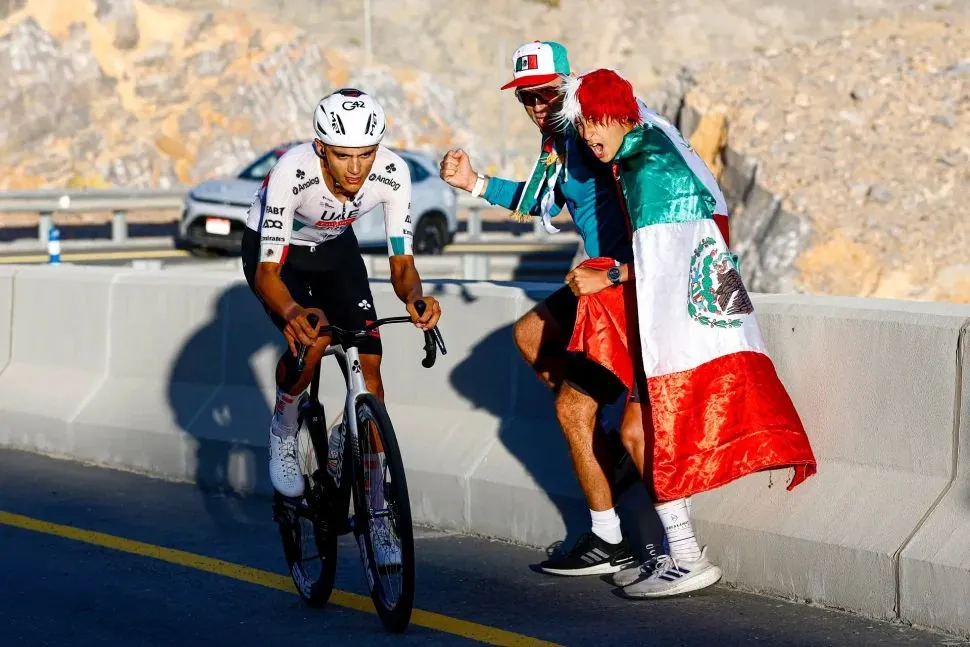
2026 will be a crucial year in the development of Isaac del Toro. The Mexican champion will not only be starting his first Tour de France, but he will be fielded as the team’s leader at top stage races, including Tirreno-Adriatico and the Tour Auvergne-Rhône-Alpes (formerly known as the Dauphiné.
While Del Toro’s stage racing promise was writ large at last year’s Giro d’Italia, the UAE Tour last month was the first race in which he started as UAE’s designated leader from Stage 1. In that sense, it was a real experiment to see how he’d handle leadership duties, without having to share out the responsibility with another teammate like Ayuso or Pogačar.
Given this was something of a novelty for him, he took the role of leader in his stride. Almost too much so after his surprise victory on Stage 1. Clearly, he’s a natural leader since he won the race overall, but I did notice some things that need to be ironed out before he goes into another Grand Tour as UAE’s chosen son.
Firstly, his time-trial needs more work. Over the past year, his results against the clock have yo-yoed between great and satisfactory. At the UAE Tour, on a flat profile of 12km, he lost time to a number of GC rivals, including Remco Evenepoel, Antonio Tiberi and Derek Gee-West. For bleaker reading, Del Toro finished just one second faster than Ben O’Connor. In the age of Evenepoel and Vingegaard, both of whom are top time-triallists, he needs to up his game. I mean, Paul Seixas seems to have the art nailed down to a T already.
João Almeida can’t shake off his bridesmaid status
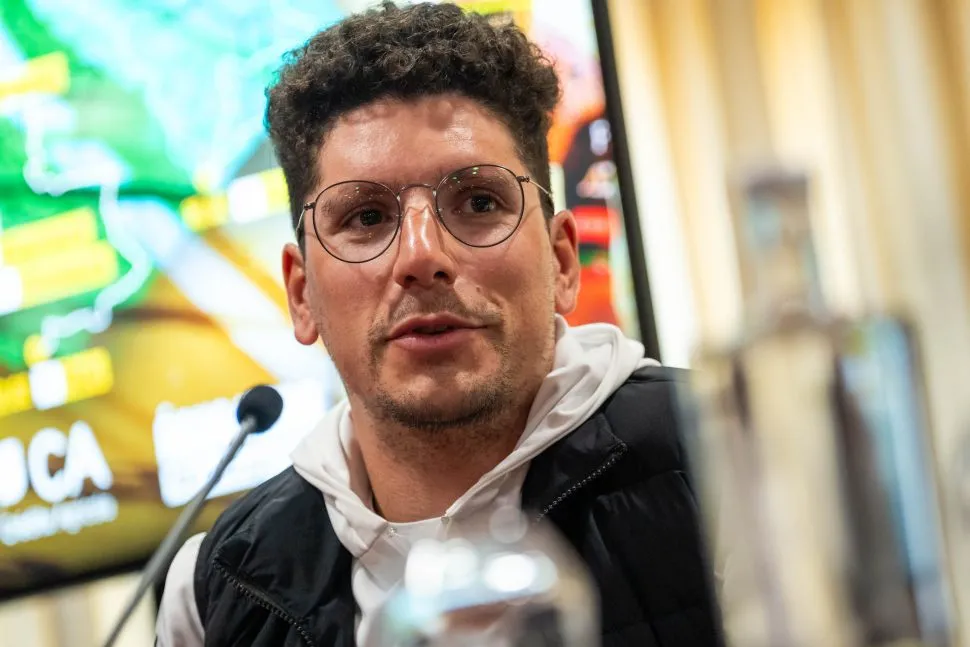
João Almeida has opted for a jam-packed schedule in 2026 as he dislodges himself from the Pogačar-focused wing of the roster.
There wasn’t too much to deduce from his second-place finish at the Volta a la Comunitat Valenciana, in which UAE looked second best behind Red Bull. Despite the support of home fans at the Volta ao Algarve, the UAE rider slipped to third overall, finishing behind former teammate Ayuso and teenager Seixas. Almeida’s time-trial in the Algarve was particularly poor by his usual standards, losing half a minute to both Seixas and Ayuso, a pair of riders we’d expect him to be even with judging from past results.
The Portuguese rider is under pressure to perform within UAE this year, having been handed two Grand Tour leadership spots. If he fails to translate the Giro and Vuelta into victories or, at least, second-place finishes, UAE may promote Isaac del Toro to those duties in the years to come, leaving Almeida as the team’s chief domestique for Pogačar.
Knowing that, he needed to step up this year. But his fortunes don’t look to have changed in 2026. He looks like the same rider, with the same habits on the road. At this point in time, it’s hard to forecast a Grand Tour victory this year.
Juan Ayuso is in control at Lidl-Trek
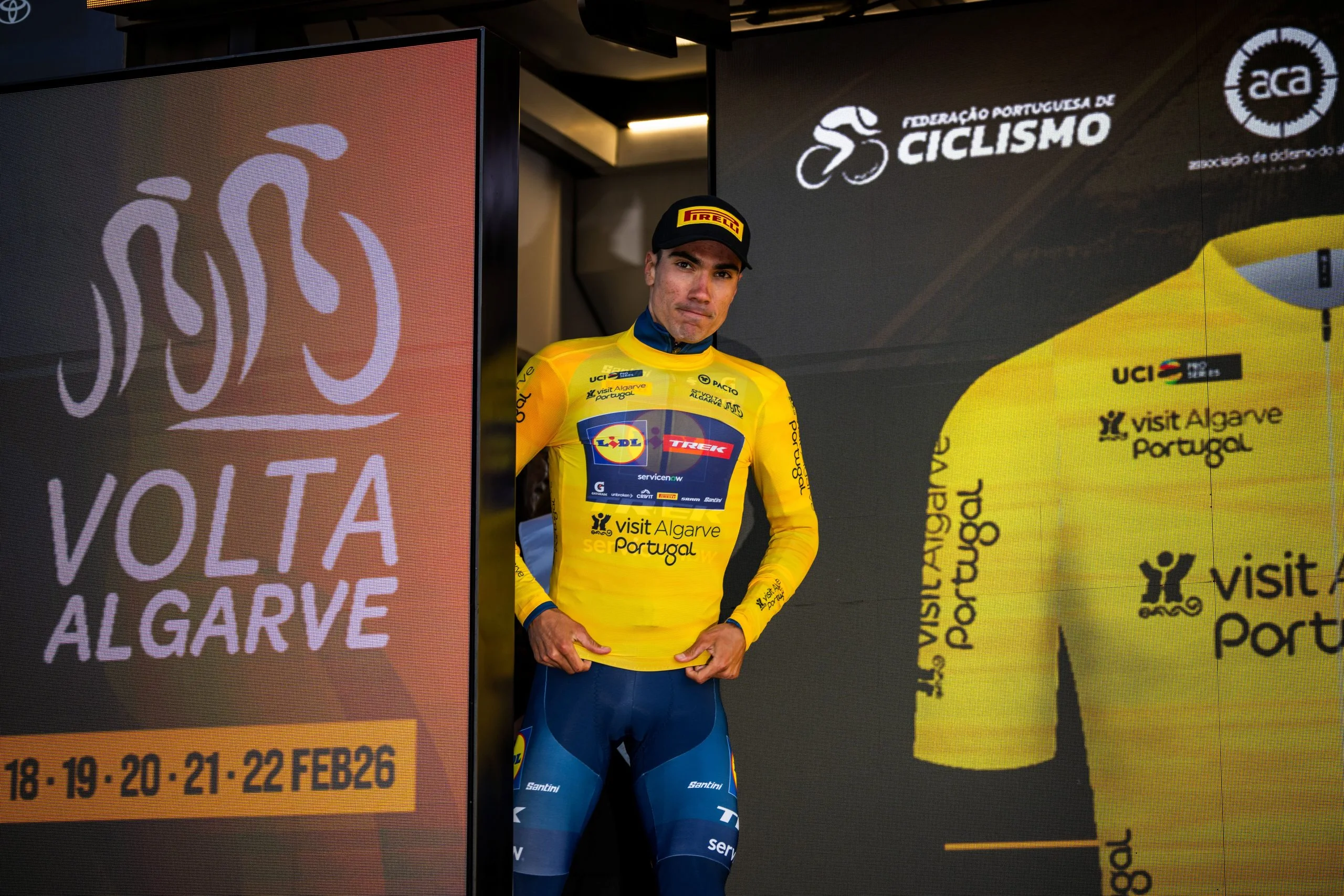
It was always going to be intriguing to see how Ayuso got on at Lidl-Trek after his public divorce from UAE last autumn. Unsurprisingly, he already appears freer in the clown-like colours of Lidl-Trek than those of UAE last year.
On his first appearance post-UAE, the Spaniard picked up a convincing stage race victory at the Volta ao Algarve, beating the likes of Almeida, Onley and Seixas. The 23-year-old was in control throughout the race, whether that be in the time-trial or the race’s two uphill finishes. It was a world away from the unreliable Ayuso of 2025.
Lidl-Trek is starting to become a popular destination for GC riders. Luckily, in terms of the internal pecking order, he’s also done himself some good after a lacklustre performance from Derek Gee-West at the UAE Tour. Now, he just needs to take Mathias Skjelmose down a peg or two after his stern words over the off-season.
In fairness, Ayuso has always looked good in one-week races. Not just that, he’s got a good track record in winter races, having picked up wins in February for the past three seasons. The real test will be translating this to a three-week format. His Grand Tour record is patchy, to say the least. In that case, we won’t have a clear indicator on the success of this transfer until the Tour de France this summer.