
Pakistan will boycott their T20 World Cup 2026 match against India in Colombo on February 15 after a direct order from the government. The decision is being framed as a protest against the ICC and its handling of recent events.

The Pakistan Cricket Board had already been weighing the option of skipping the India game. This thinking began after the ICC removed Bangladesh from the tournament, a move that triggered strong reaction within Pakistan’s cricket and political circles.
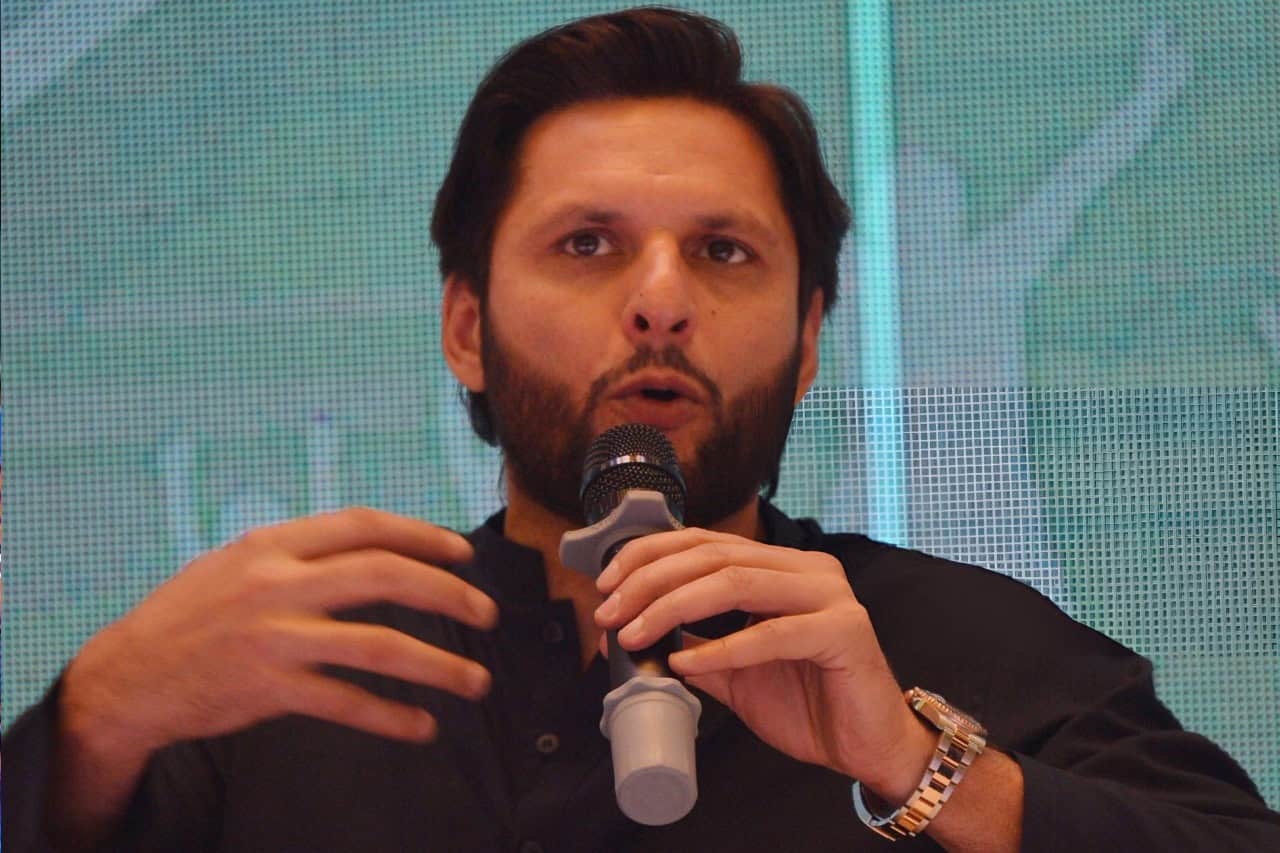
Former captain Shahid Afridi has now spoken publicly on the issue. He said he regrets that fans will miss another India–Pakistan clash but added that he supports the government’s stance in this matter.
Afridi urged the ICC to take responsibility and act fairly towards all member boards. He said the global body must show through its decisions, not just words, that it is impartial and independent.
“I’ve always believed cricket can open doors when politics closes them. Regrettably, Pakistan won’t play India at the #T20WorldCup, but I stand behind my government’s decision,” Afridi wrote on X. He added that this is the moment for the ICC to prove its fairness.
However, the article points out a clear contrast with Afridi’s earlier views. In the past, he had criticised the mixing of politics and sport when India Legends refused to play Pakistan Legends in an exhibition event.
At that time, Afridi questioned how cricket could move forward if politics interfered everywhere. He had said sports are meant to bring people closer, and political decisions often end up hurting everyone involved.
“Sports bring people closer, but if politics gets involved in everything, how will we move forward?” Afridi had said earlier, calling political interference a problem that spoils the game for all.
This shift in stance has drawn attention, with critics calling it inconsistent. Supporters argue Afridi is aligning with national interest during an exceptional situation involving ICC governance.
The controversy sits at the crossroads of cricket diplomacy and government policy. The India–Pakistan match has once again become the stage where politics, protest and sport collide.
With the World Cup approaching, pressure is now firmly on the ICC. How it responds could shape not just this tournament, but future relations with member boards facing political disputes.