
I hope to get a review of Fonseca’s win in Basel out tomorrow.
Jannik Sinner defeated Alexander Zverev 3/6 6/3 7/5 to clinch his second Vienna title (2023 recap) and extend his indoor hardcourt win streak to 21-matches. He also evens his H2H with Zverev at 4-4, having won the last three encounters.
Jannik Sinner was absolutely mincing opponents in Vienna this week, turning the Erste Bank Open Centre Court into his personal woodshed. Altmaier, Cobolli, Bublik, and de Minaur were thoroughly bullied through no fault of their own (the Cobolli match was highly entertaining).
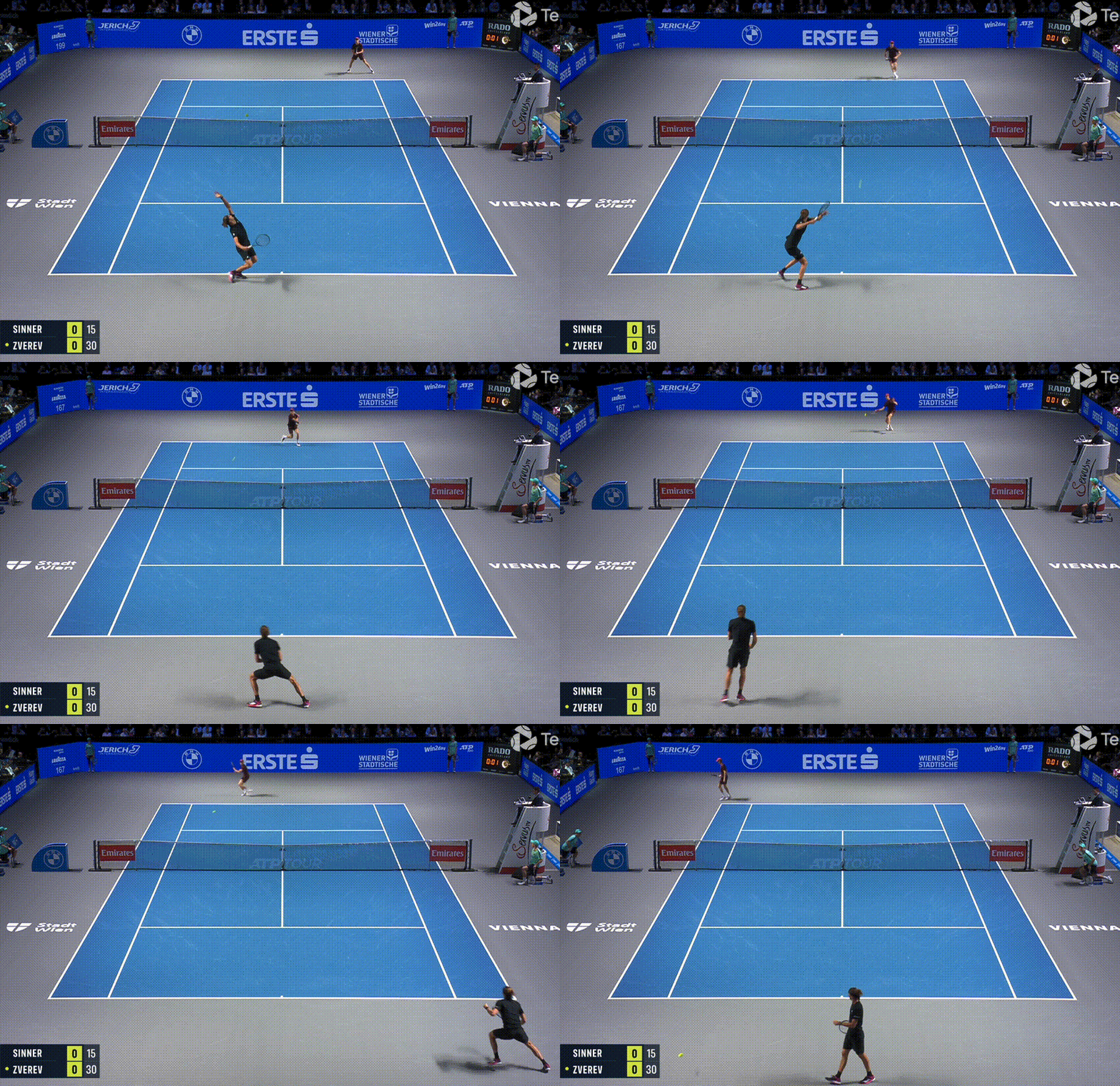
The Italian started the final in a similar mood, lacing a wide forehand that was somehow equally faithful to the terms kinetic and exact:
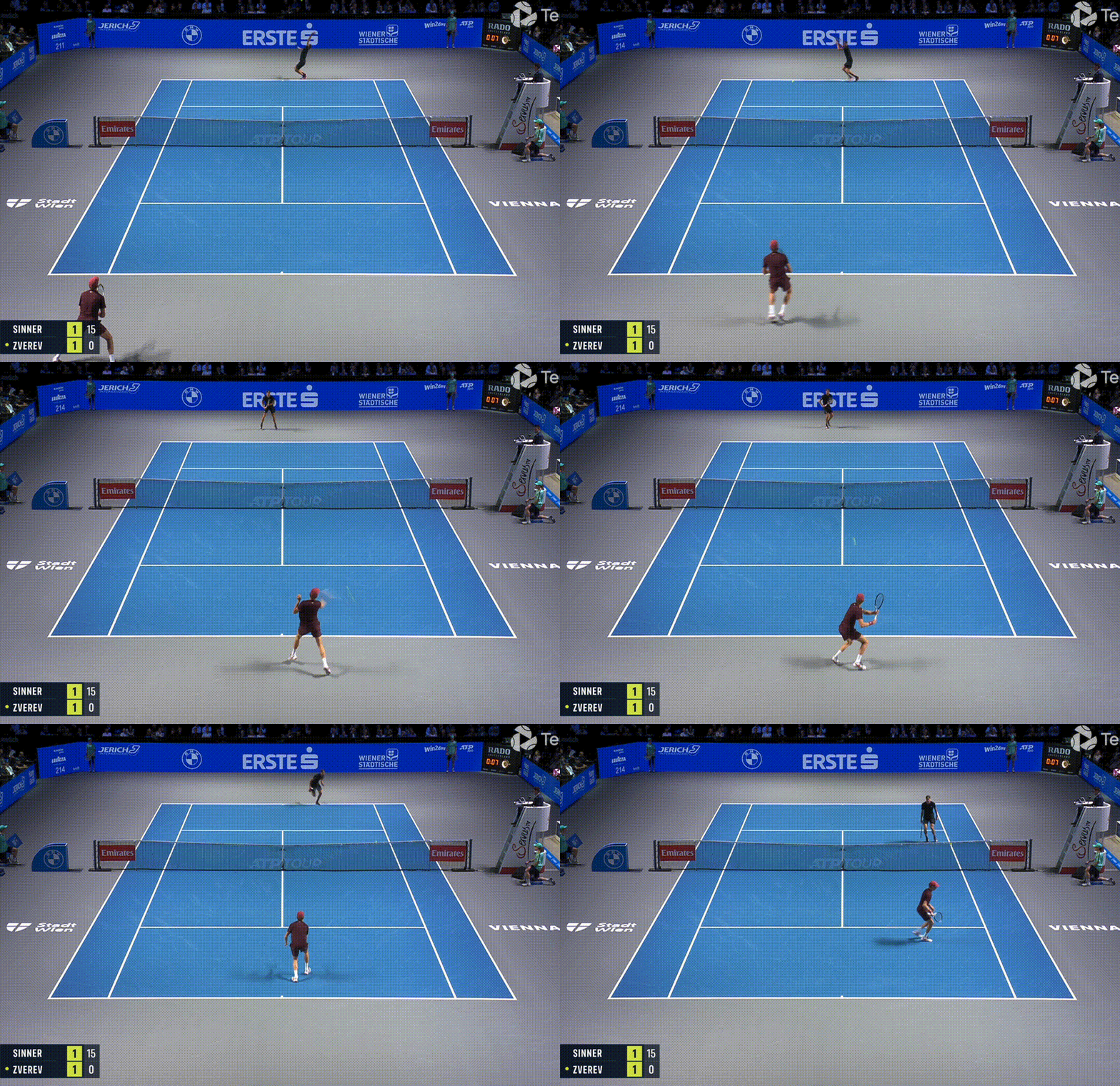
Sinner looked threatening early, creating a break point in Zverev’s opening service game, before cruising to a hold in his own with the kind of baseline ruthlessness that has earned him four slams in the past two seasons. Here, it is the change-of-direction backhand that earned him the forecourt — a shot that proved pivotal in this affair:
Of course, what makes players of Sinner’s ilk special is their endless pursuit of improvement. For the Italian, that has meant a renewed focus on adding some variation to his game in the aftermath of his US Open loss to the unpredictably brilliant Carlos Alcaraz.
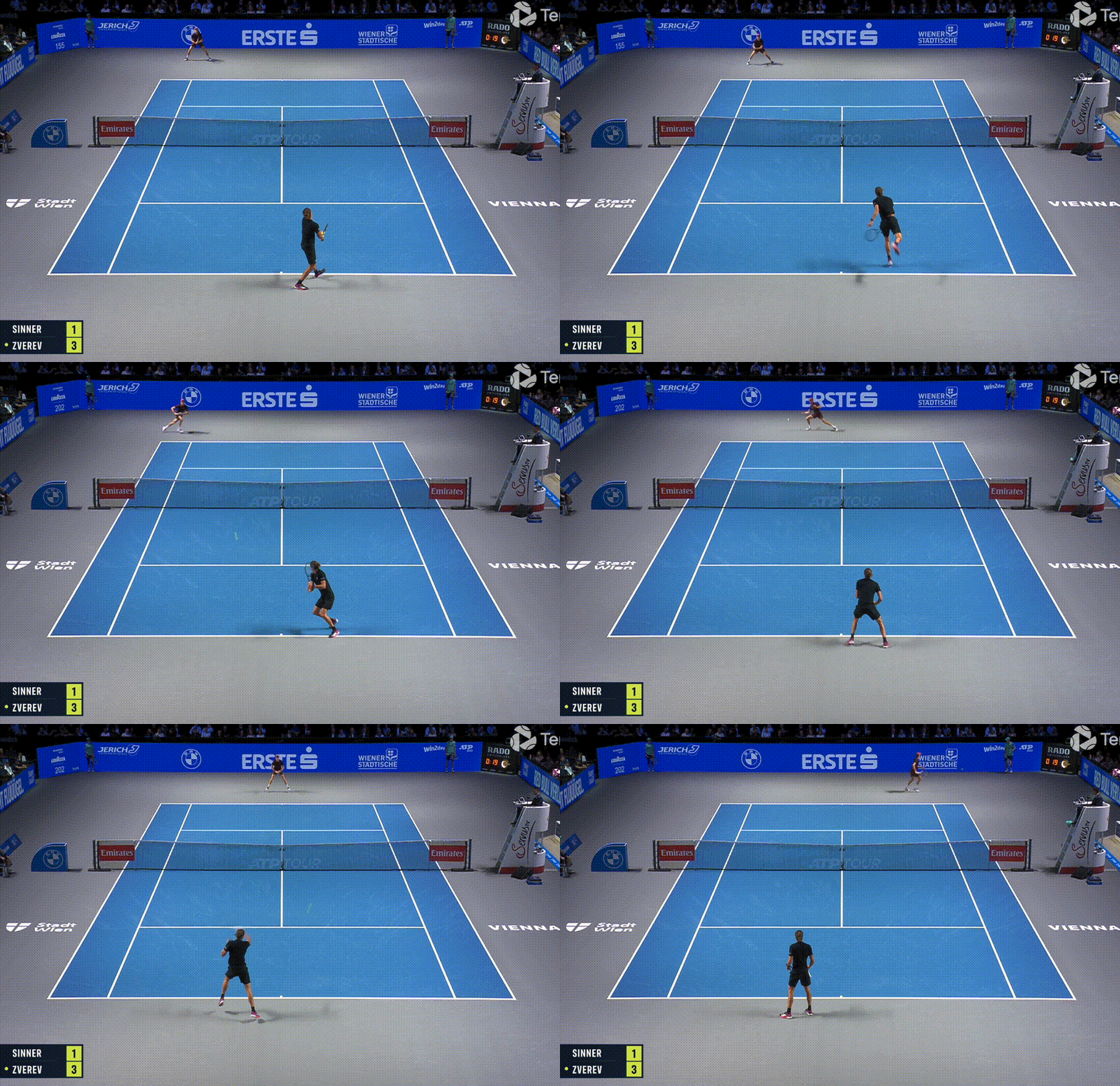
In this specific matchup, it made sense that Sinner looked to the Djokovic Roland Garros playbook and employ the dropshot. Zverev prefers to trade from deeper baseline waters, where he has time to get his 6’6’’ diesel-powered levers moving through the ball. Juxtaposed with Sinner’s always-enterprising forward movement on his own forehand, the forehand dropper is the perfect counter:
But it was Zverev who would break first, and remarkably it was from 40-0 on Sinner’s service game; the Italian’s errors compounding against Zverev’s steady returning.
Yet steady doesn’t tell the whole picture. What was also clear early on was Zverev’s intent to play more aggressively with his ground game. Their last encounter had been the Australian Open final — a mental shellacking as much as a technical and tactical one — and Zverev was doing a fine job of taking matters into his own hands.
Sinner’s downshift from fifth gear to wincing, wobbly legs was as swift as Zverev’s ascendency on the scoreboard, the German stealing ground on the Italian in rallies, hitting deeper, and with more authority.
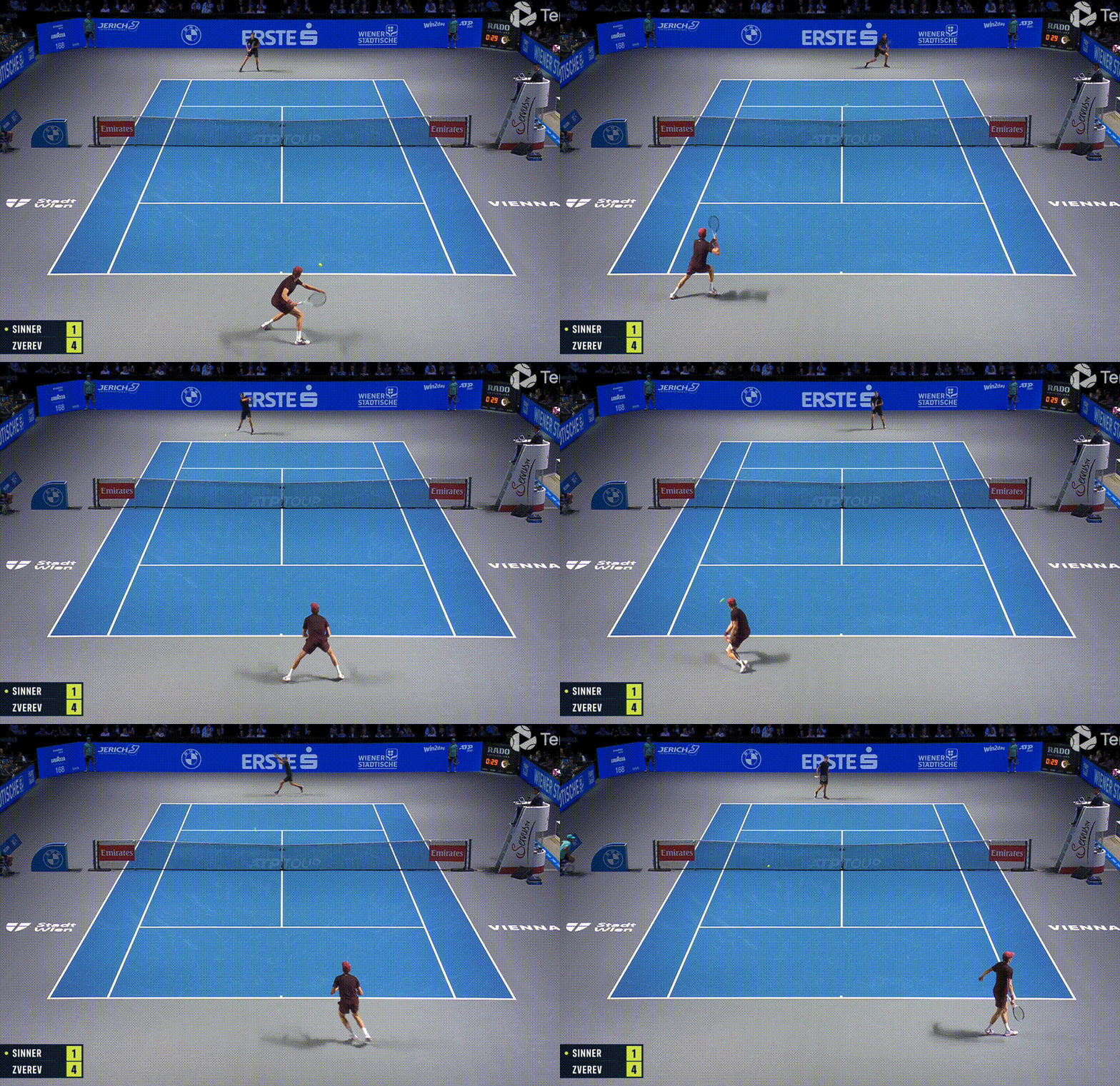
But this is nothing new for Zverev.
To be critical of the German is to concede that his boldest tennis arrives during those games and sets where nothing happens, and just as quickly deserts him during those points where decades happen.
4-1 up in the first set of an indoor 500 final at season’s end is basically a ‘safe space’ for someone of Zverev’s calibre. The weight of shot and freedom is something of a mirage, akin to a showroom prototype that should come with a “for display only” disclaimer.
If he brings this tennis in the tiebreakers of slam finals, then Sincaraz will have a problem.
The deuce wide serve and +1 especially was unstoppable:
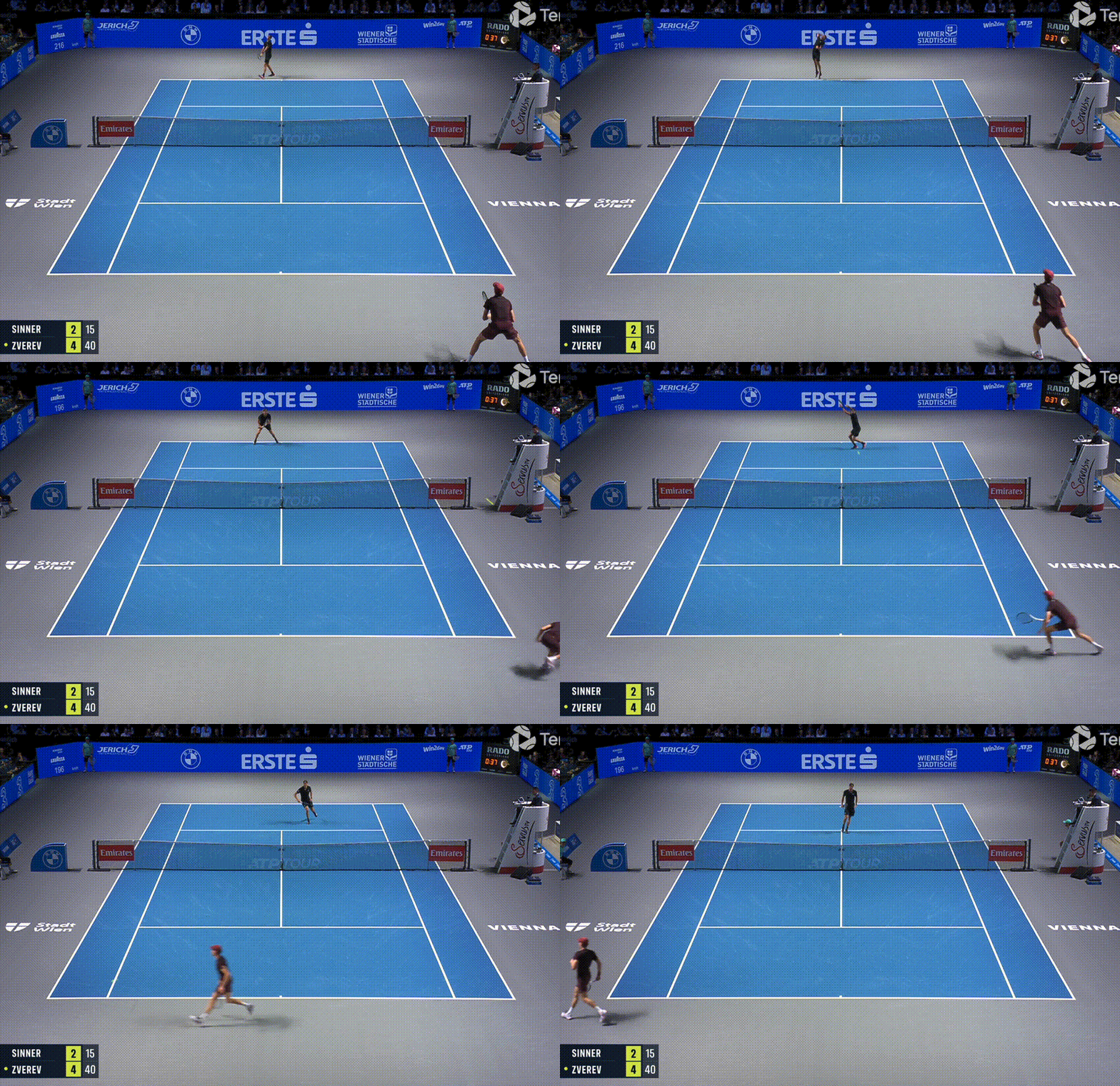
Zverev won 11/13 of his deuce first serves when serving out wide to the Sinner forehand in the opening set, including four aces. By comparison, he was 6/12 on ad-side first serves:
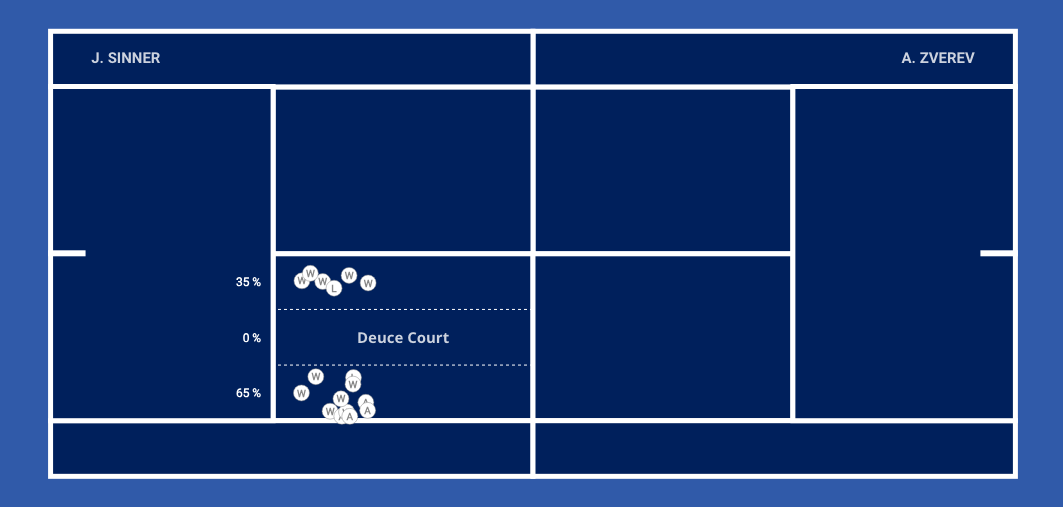
Down the other end, Sinner seemed in a rush to get things back on track. This off-backhand was the smoking gun in a game full of brimstone and fire:
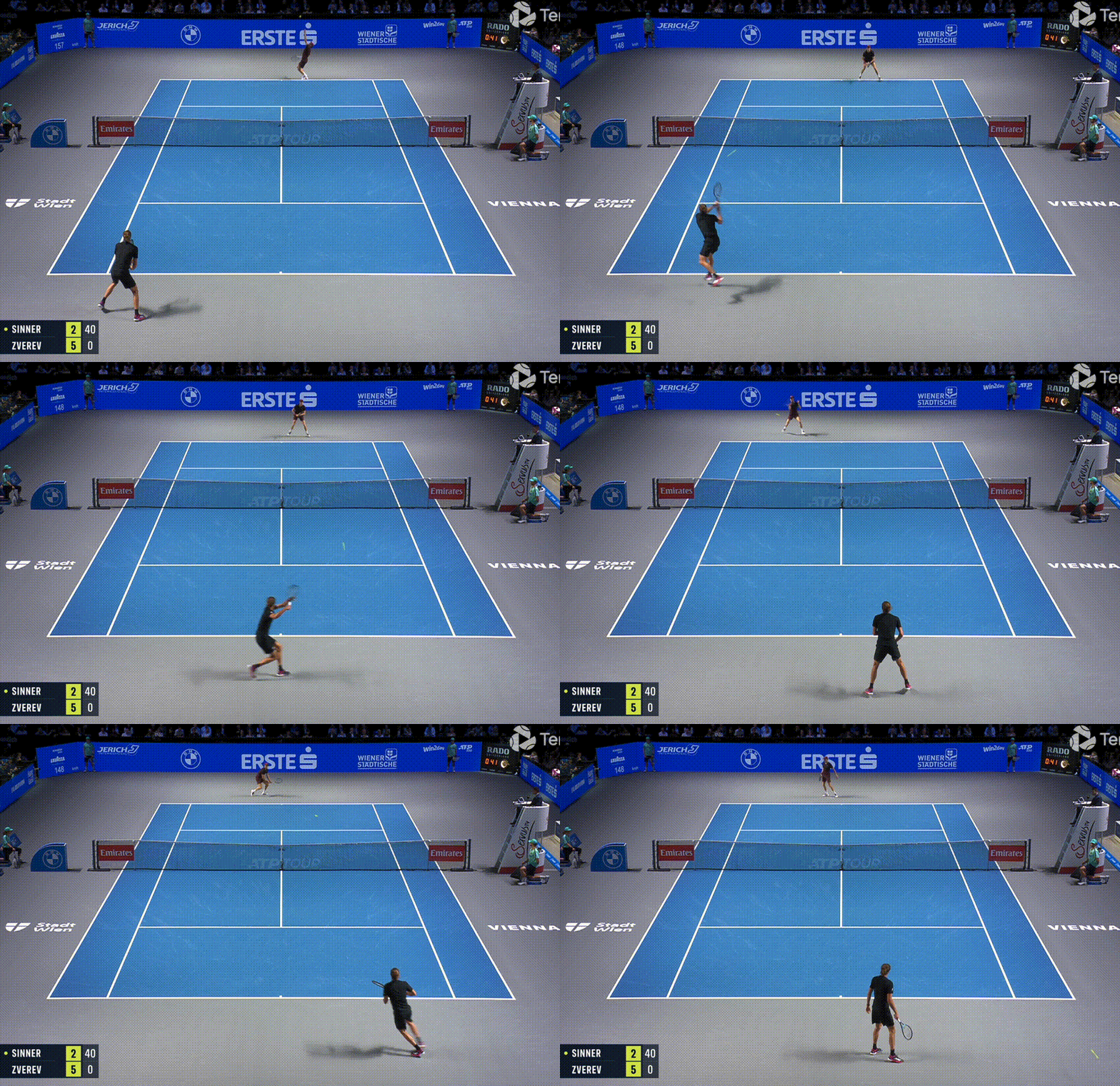
Another angle showcases how he quietens the wrists when going off/line against pace with that shorn-off finish:
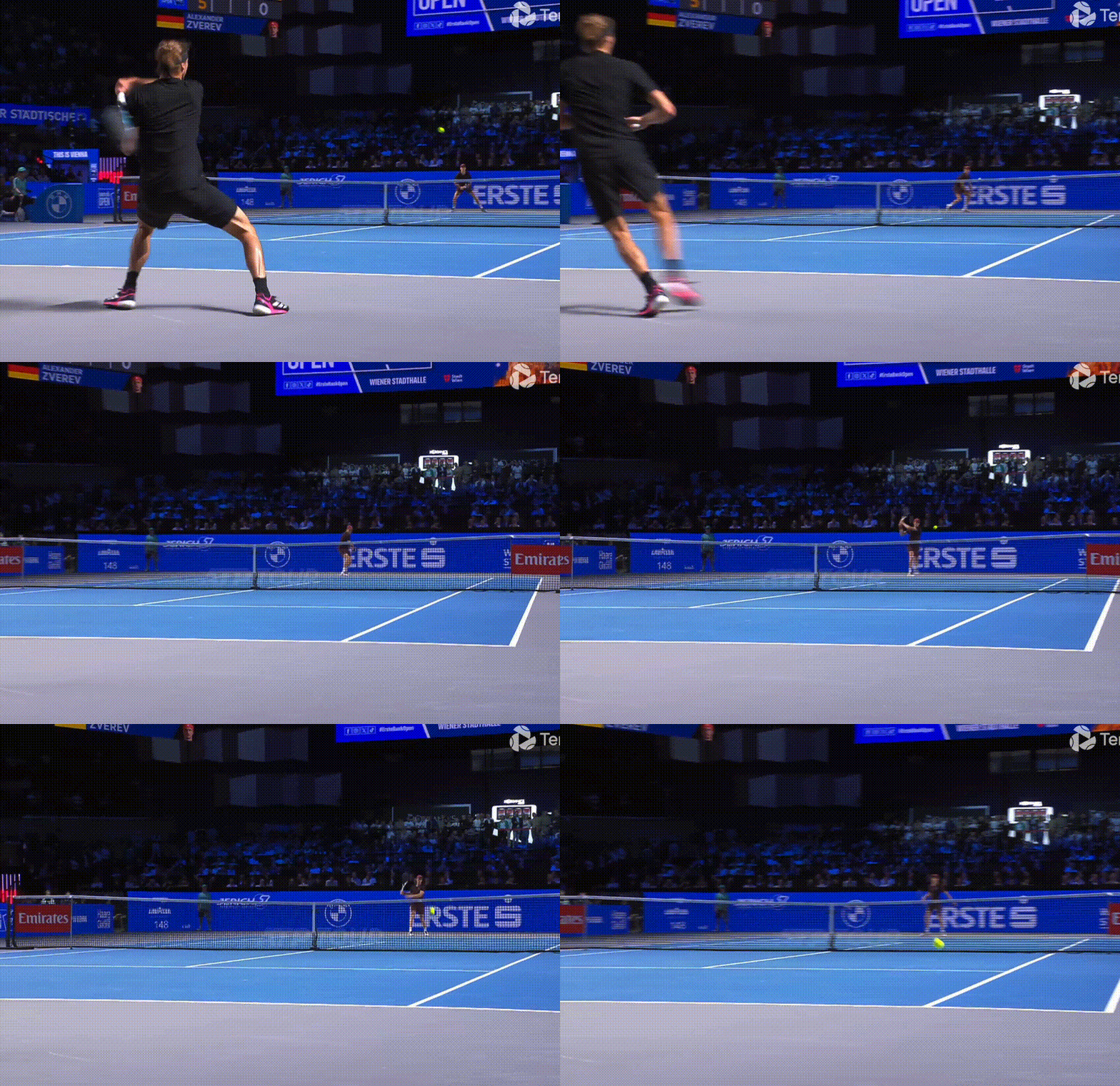
Long known for possessing one of the hardest and heaviest backhands on tour, this finish prioritises timing over force. Note his usual rolled, “left-handed forehand” finish in the left image, against this Djokovician nod to precision.


Sinner got off to the perfect start in the second, breaking Zverev off the back of missed first served at deuce and break point (again Zverev was targeting the forehand return on both missed serve attempts). The Italian converted with his seventh drop shot of the match (5/7 won at this point), and his first backhand attempt by my count:

The set was largely dominated by serve from here, with Sinner raising his serving and forehand level, as Zverev’s own forehand cooled. Tennis Insights provided the numbers:
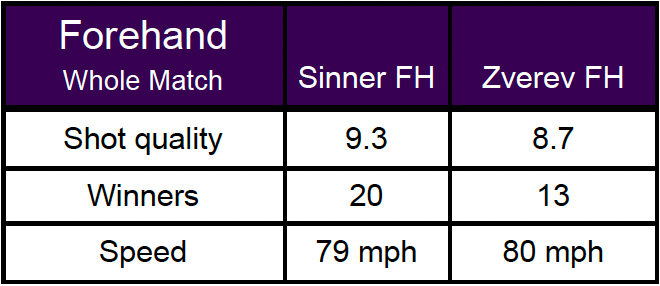
The Zverev forehand has always been the linchpin to his game; if it holds up he is a nightmare, if it folds he becomes fodder for the Slammers.
I’ve long suspected that his setup doesn’t help him under pressure.

Sinner created the first break opportunities in the third set at 2-2, and again the German found relief targeting the deuce wide and ad-court T forehand returns of Sinner (though there was one extended rally at 30-40 where twice Zverev’s forehand tentativeness flirted with the tape; an omen for later). At this point the story of the match had been Zverev’s serve getting him out of trouble, along with a forehand holding up — and at times giving it back — against Sinner’s more pressing game. One wondered if Zverev would get through this, that Sinner’s oath post-US Open to add variety at the expense of wins would be honoured in full:
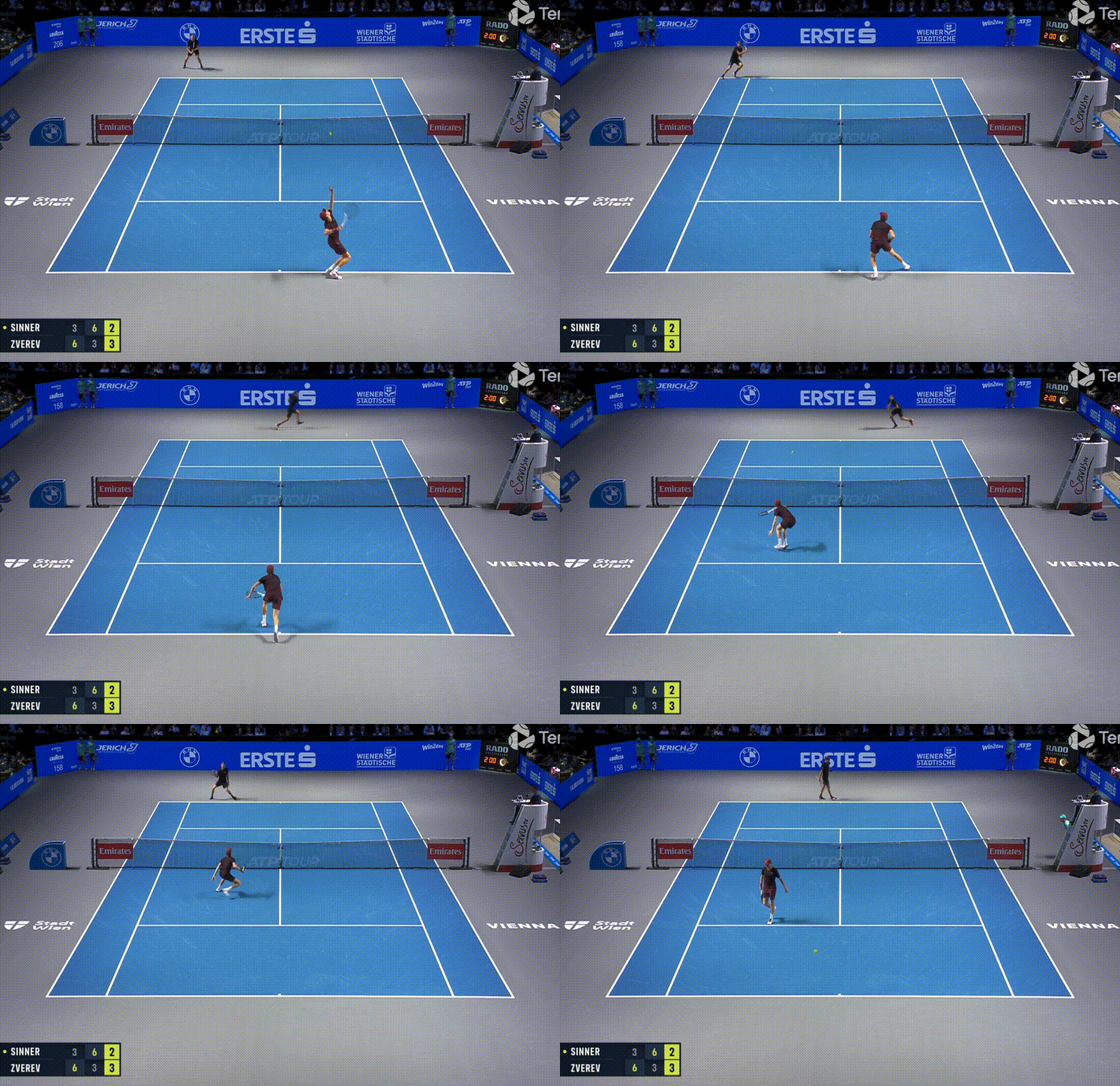
As difficult as it is, against a deep defender that has to be played short. Your nemesis, remember?
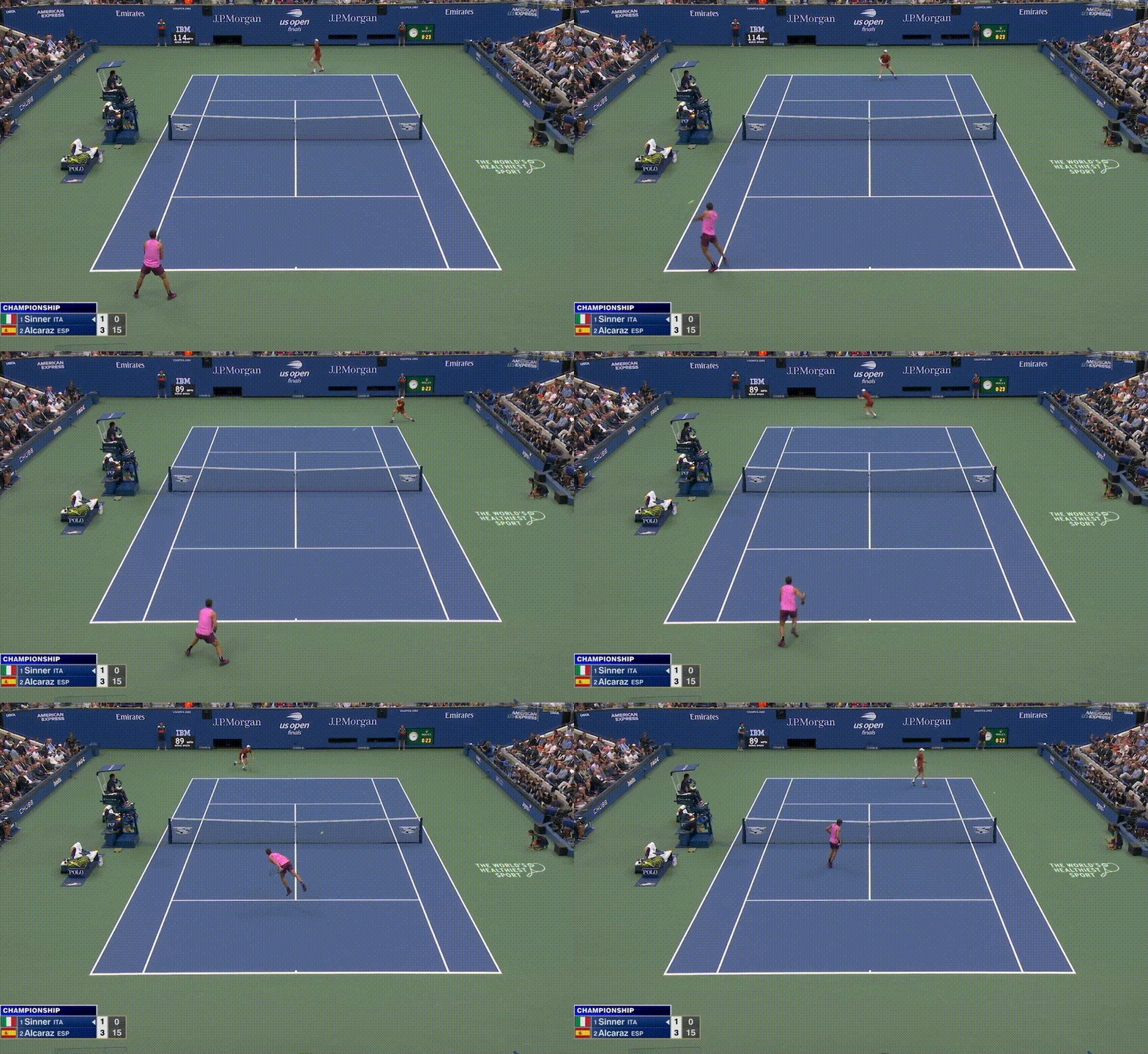
It was at this stage of the match — three games a piece — that Sinner’s legs started to show signs of fatigue, which was surprising given the mild indoor conditions of Vienna.
The Italian seemed to see the opportunity in the problem, raising his aggression even more when on serve for the remainder of the match. Gill Gross for Monday Match Analysis:
“One thing that it did [the onset of cramps] was that it focused Sinner’s first-strike tennis. In Jannik’s three service games after that incident…he only lost one point in those three service games. I don’t think Zverev survived past five shots…The one time he got to a fifth shot was a Sinner volley winner.”
The world number two wasn’t reckless, however. This was calculated. He saved his legs when he really needed it most.
We’ll skip forward to 5-5 deuce. Zverev serving. Sinner gets a look at a second serve.
A 24-shot rally unfolded. Both men playing to big margins, cagey, but Sinner’s cageyness still felt predatory, each backhand jab in service to the final knockout, against an opponent still content trying to win on points.
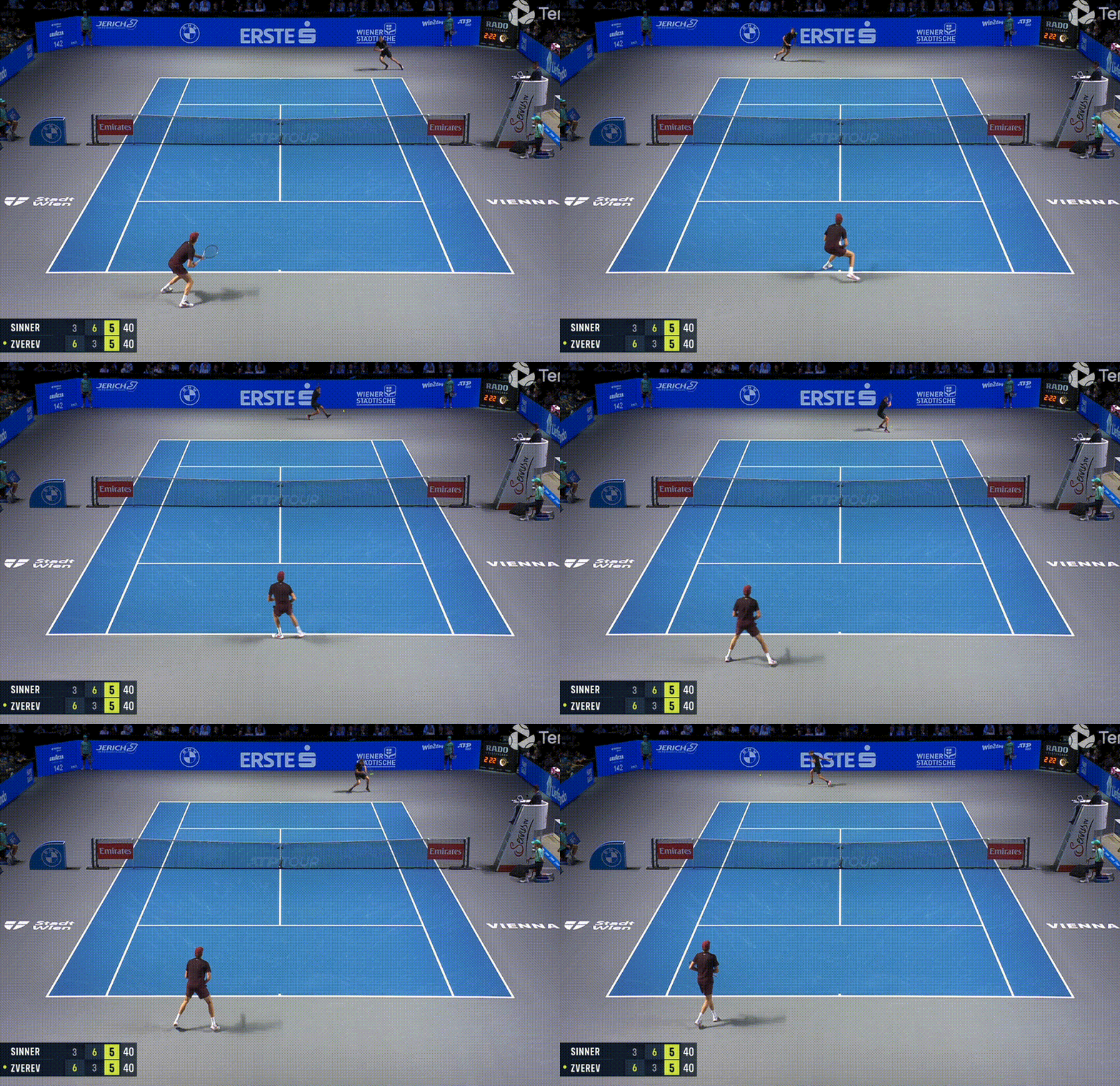
Break point Sinner. Another second serve look. A deep return position. Sixteen balls of tension where Sinner prevailed, this time with Zverev’s trusty backhand buckling.
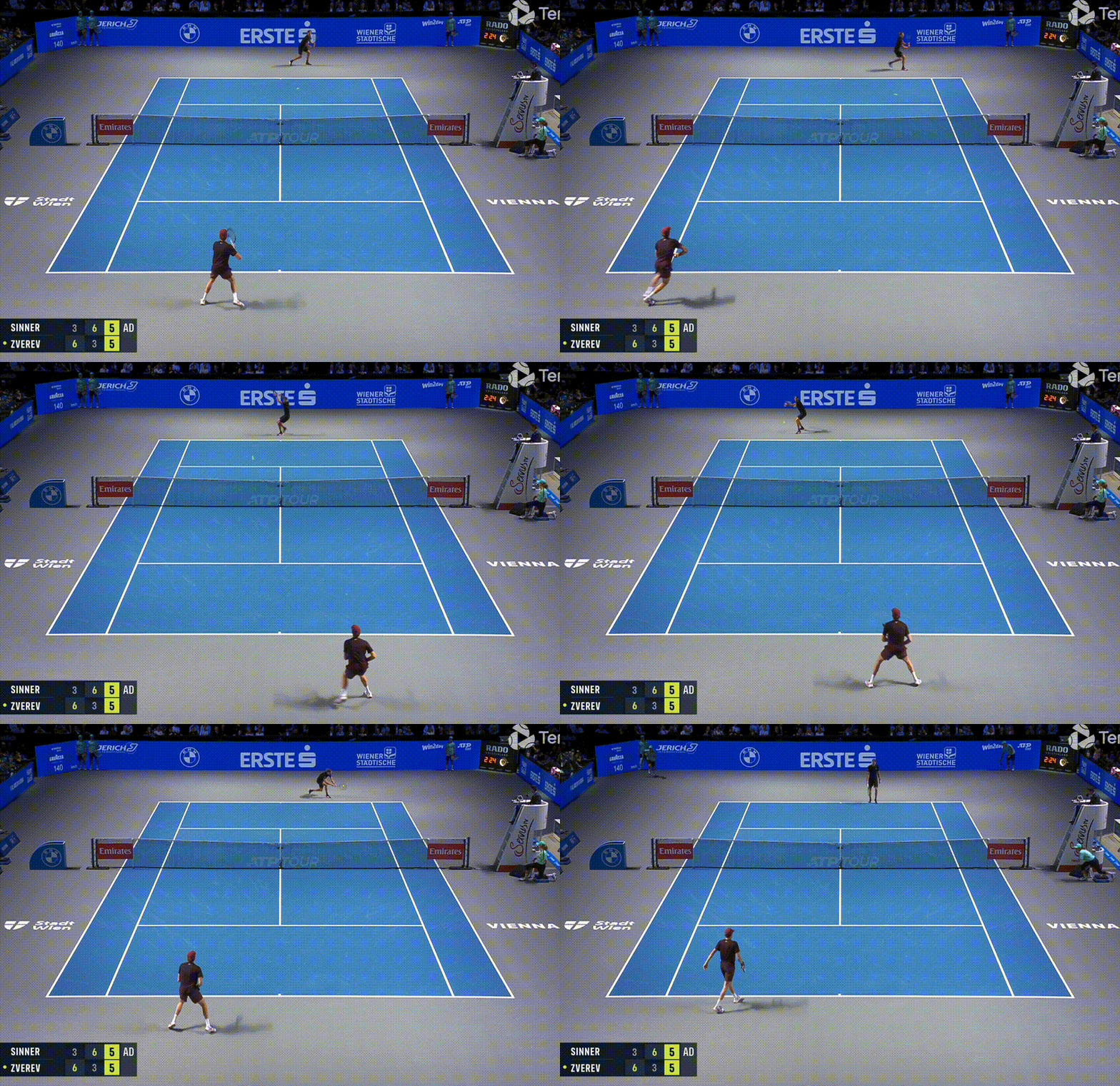
Gill Gross had insight into the specifics of these two points. You’ll see in the whole match analysis that Zverev actually averaged a faster forehand groundstroke speed than Sinner — 80 mph to 79 mph. But I’ve always maintained that a shot’s true measure is in big moments:
While the [Zverev] forehand has improved, it’s hard to really know how good it is unless we are deep in an important slam match. Then we will know where confidence ends and competence starts.
— Zverev vs Humbert: Paris Final Recap 2024
On these two points the fates of their forehands diverged. Sinner’s speed went up to 88mph. Zverev’s speed went down to 75 mph.
These are the points where titles happen, and they tell so much of Zverev’s story.
Everyone knows — even Sascha! — that he needs to play more aggressive.
An immense talent and gritty baseliner, perhaps the grooves in his counterpunching style run too deep, that he wins enough to make it a style so addictive it may unable to be broken, save a spiritual acid trip to provide a hard reset.
For Sinner, it’s another step in the right direction. The serve is improving, the drop shot was a success. Perhaps the fitness is his biggest question mark leaving Vienna in the wake of his Shanghai cramps.
“It was such a difficult start in this final for me. I went a break down, had some chances in the first set but couldn’t use them. He was serving very well, but I just tried to stick there mentally and play my best tennis when it came.
“The third set was a bit of a rollercoaster, but I was feeling the ball very well at times, so I tried to push and I’m very happy of course to win another title. It’s very special.”
Key takeaways:
-
Sinner is still serving well above his US Open level, posting high 8’s on Tennis Insights’ metrics this week.
-
Zverev’s wide serve on deuce was instrumental to holding serve.
-
Sinner hit 10 drop shots in this match. Nine on the forehand (won 6/9, with eight 8 played as off forehand drop shots), and one on the backhand (1/1) for an overall win rate of 7/10.
-
The line backhand from Sinner again came out in key moments and proved decisive.
Hope to be back soon with some Fonseca/ADF coverage from Basel.
See you in the comments. HC