
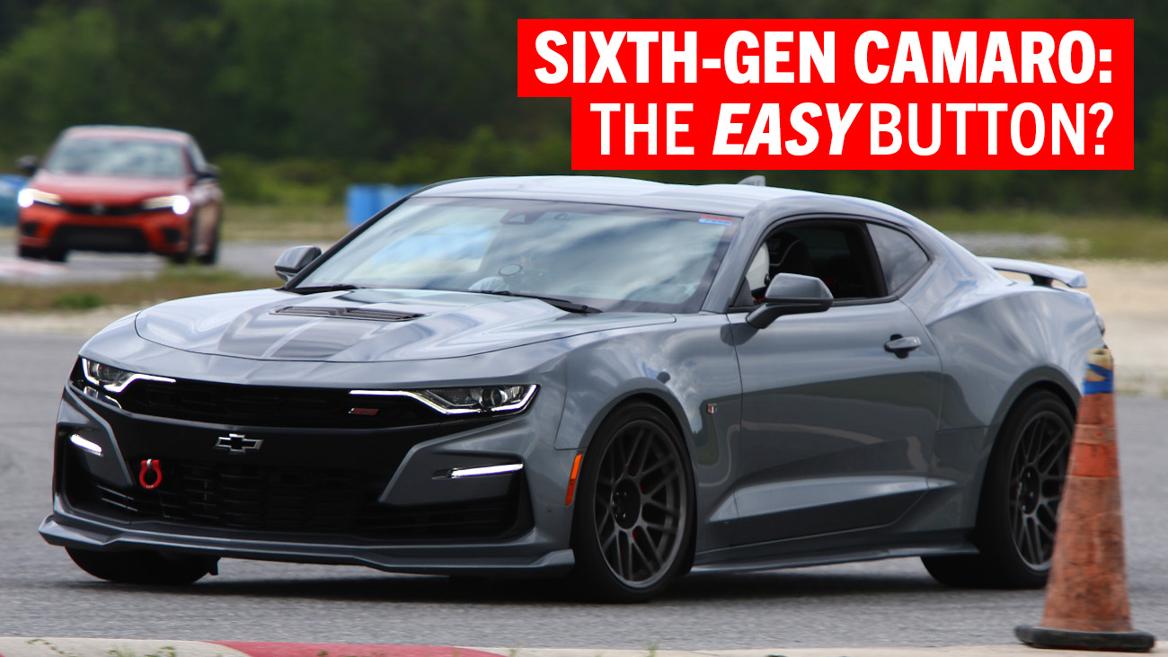
Mustang versus Camaro. Which is better? Up for debate, for sure, but Sam Strano of Strano Performance Parts offers a compelling case for the sixth-gen Camaro SS 1LE.
“Comparing the Camaro to the Mustang Mach 1 or Shelby GT350, it’s easier to get 95% out of the Camaro right out of the box,” Sam explains. “It’s Porsche-level …
Many Trims. One Clear Favorite.
For an out-of-the-box solution, that SS fitted with the 1LE package offers the sweet spot among the wide range of Camaros. It adds a slew of go-fast goodies to the already performance-oriented, V8-powered SS. Magnetic Ride Control FE4 suspension. Electronic limited-slip differential with a 3.73:1 ratio. Forged 20-inch wheels with 285/30R20 front tires and 305/30R20 rear tires. Brembo six-piston front brakes with two-piece, 14.6-inch rotors. A track-cooling package with oil cooler, transmission cooler and differential cooler. Recaro front seats. Short-throw shifter. Dual-mode exhaust that delivers that unmistakable V8 sound.
To quicken turn-in and exit speeds, Chevrolet Performance offered an eLSD calibration for the 1LE that could be completed at the dealer level: part No. 84506758 for the 2017-’18 cars and part No. 84506759 for the 2019-’24 ones. Based on some online chatter, not all dealers got the memo on this. You might need to ask around.
Note that Chevy offered two different SS packages, and both could be paired with the 1LE parts. The 2SS package includes some comfort and convenience items: heated steering wheel, blind-spot monitoring, Bose audio and wireless charging. The 1LE comes without.
The 2017-’18 Camaro SS 1LE models are good, but the 2019-’24 models are even better. Let’s start with Exhibit A: slightly improved ABS calibration, which helps those who more aggressively hit the pedals. However, it’s not a deal-breaker. A 2018 Camaro SS 1LE set fast time during the Tire Rack SCCA Solo Nationals in F Street.
Starting in 2019, Chevrolet offered the 10L80 10-speed automatic. If you’re doing autocross, though, Sam prefers the six-speed manual. He says the automatic is geared a little short and wants to pop into third at times as you navigate the sea of cones. Plus, programming won’t let you downshift if it thinks it’s not appropriate.
However, if road courses are also your game, the automatic tends to be the faster option. “It just cracks off gears,” Sam says. “You actually get a tighter spread among gears than the manual. You’ll never use all 10 gears, either, because the top three are overdrives.”
One warning about the sixth-gen Camaro: It may seem big, but its window openings aren’t. Helmets do not fit through.
And once inside, the windshield is fairly narrow vertically. Some liken the behind-the-wheel experience to driving by periscope, and the inside has been described as the size of a pillbox. Either way, potential buyers should be aware of these constraints as there’s no easy solution to fixing either issue.
Start by Simply Having Fun
Have a stock Camaro 1LE? Just dial up the negative camber–Sam says 2.6° up front and 1.8 to 2° in the rear is typical from OEM parts–and go have fun. That simple.
Besides swapping in some performance brake fluid, there’s no need to touch the brakes–yet the Camaro 1LE comes with a pretty stout setup: big six-piston Brembos up front and four-piston ones in the rear. The factory fit them with Ferodo HP1000 brake pads, which Sam says are pretty similar to a DS2500. Ferodo says the DS2500 is suited for track and light race use. Once they wear out, though, the aftermarket offers a wide variety of relatively inexpensive options.
If autocross beckons, specifically F Street competition, then an adjustable rear anti-roll bar provides plenty of bang for the buck. “Less than $300 and it’s easy to put on,” Sam says. Note that Sam didn’t say to go bigger. The real key, he says, is that the aftermarket bar frees some binding, decreasing some of the edginess found with the stock piece.
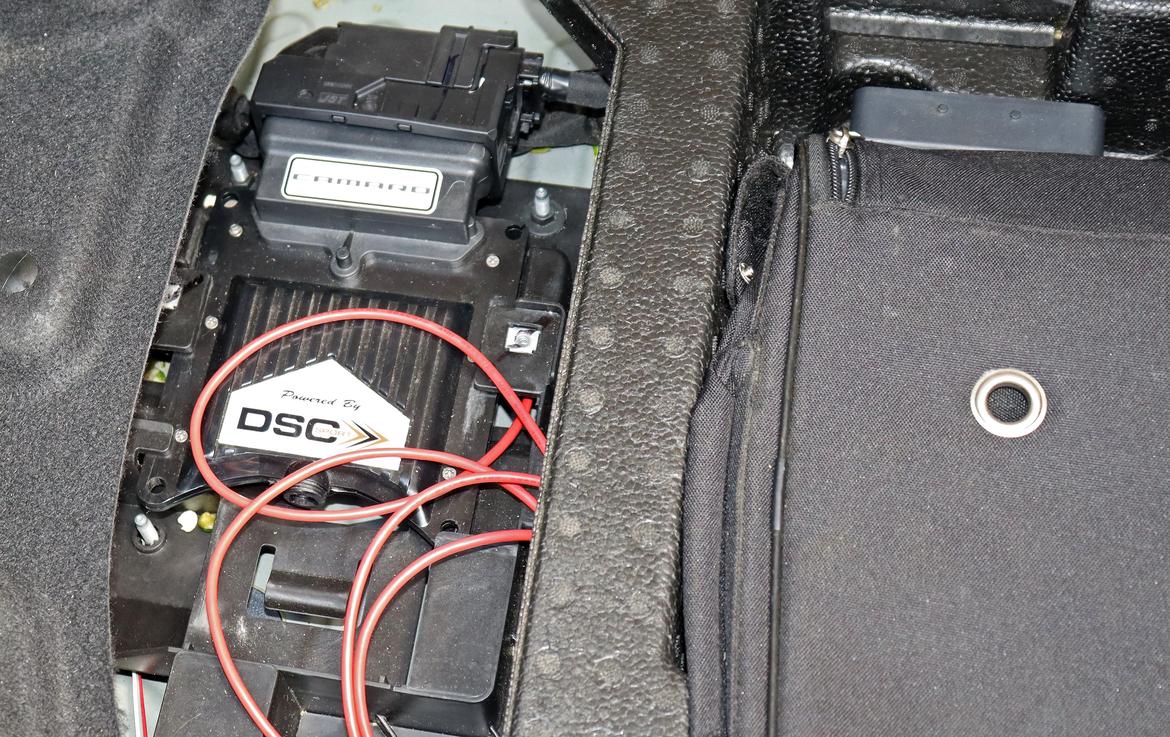
Per SCCA F Street rules, you can also swap in an aftermarket DSC sport shock controller. “They’re not inexpensive,” Sam warns. “They’re about $1400 to $1500. They’re complicated, too: You have to know something about shocks and computers. But there are certain things that controller, plug and play, does better. It rides better. It deals with sharp bumps better. There are certain things it doesn’t do so well, like with launch control, its settings are backwards, so we have to go in there and monkey with settings. But the sky’s the limit with the adjustability.”
The Achilles’ Heels
First, Sam says the brake pedal’s height can fluctuate at times, a situation some call “Alpha Pedal.” He doesn’t know the cause or the solution to the issue.
Second, there’s an ice mode issue. “If you come off the throttle, get right into ABS and have some yaw in the car, it freaks out,” he explains. “It can’t understand how you can have yaw, steering angle and wheelspin followed immediately by ABS. It thinks you are on a low-traction surface, like ice, hence the nickname. The heavy left-foot brakers tend to have it worse.”
And then Sam, along with a couple of others, have experienced some brake issues of a different type: total loss of brake pedal pressure.
“[The Camaro] tried to murder me, and I don’t say that lightly,” Sam says. “[It was a] 1600-mile car, brand-new brake pads, race fluid, the whole deal. Five laps into a session at GingerMan at a Gridlife event, I stepped on the brake pedal and it was completely not there. I stepped onto it a second time and the car shot to the right at over a g at 100 mph. I body-slammed a Honda Civic, and then my car rolled.”
Note: The vast majority of Camaros do not experience these issues. Nevertheless, Sam remains leery of the brake situation. If you’re doing serious tracking, he recommends going with the best brake setup possible. Use the highest quality and highest dry boiling point brake fluid you can find at the very least. Swap in track-oriented pads. Use titanium shims and brake deflectors to keep brakes cool. Do as much as possible to improve your braking system, especially since it’s a 4000-pound car when you figure in the driver.
Oh yeah, one more quirk: If you do too much curb hopping or encounter a violent spin without hitting anything, Sam says, the curtain air bags may go off. Note that that isn’t covered by warranty.
Even More Power? Yes, But…
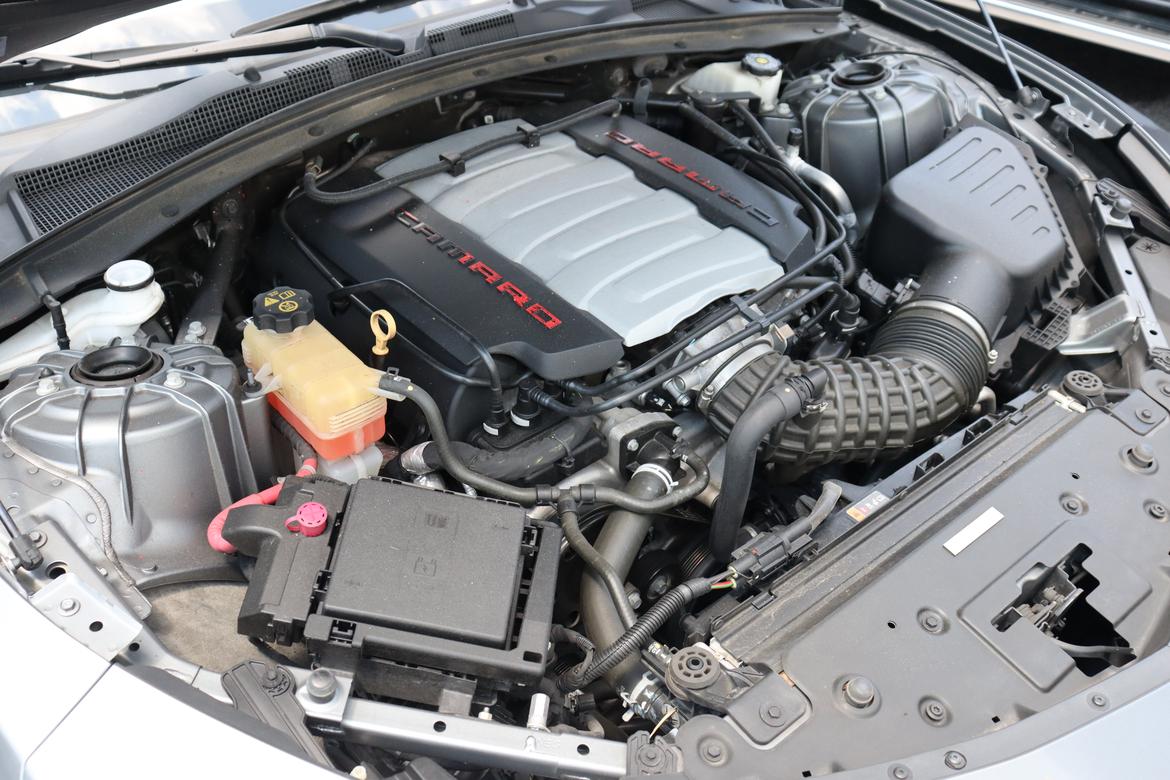
Chevrolet rates the LT1 found in the Camaro SS 1LE at 455 horsepower at the crank. Getting even more power is easy, Sam says. Add a flex fuel sensor, switch to E85 fuel, swap in a set of headers, and give it an ECU tune. With that, Sam says, your power jumps to 500 horses–and that’s at the wheels.
Sam cautions that the 6.2-liter GM LT1 engines aren’t as bulletproof as they seem. “How do they fail? No idea other than they blow up–sometimes with parts coming out. It appears to be oil-related,” Sam admits. “Oil is critical in these cars.” It’s not confined to the wet-sump Camaro, either. He adds that dry-sump C7 and C8 Corvettes also experience issues.
Which Wheels and Tires? It Depends.
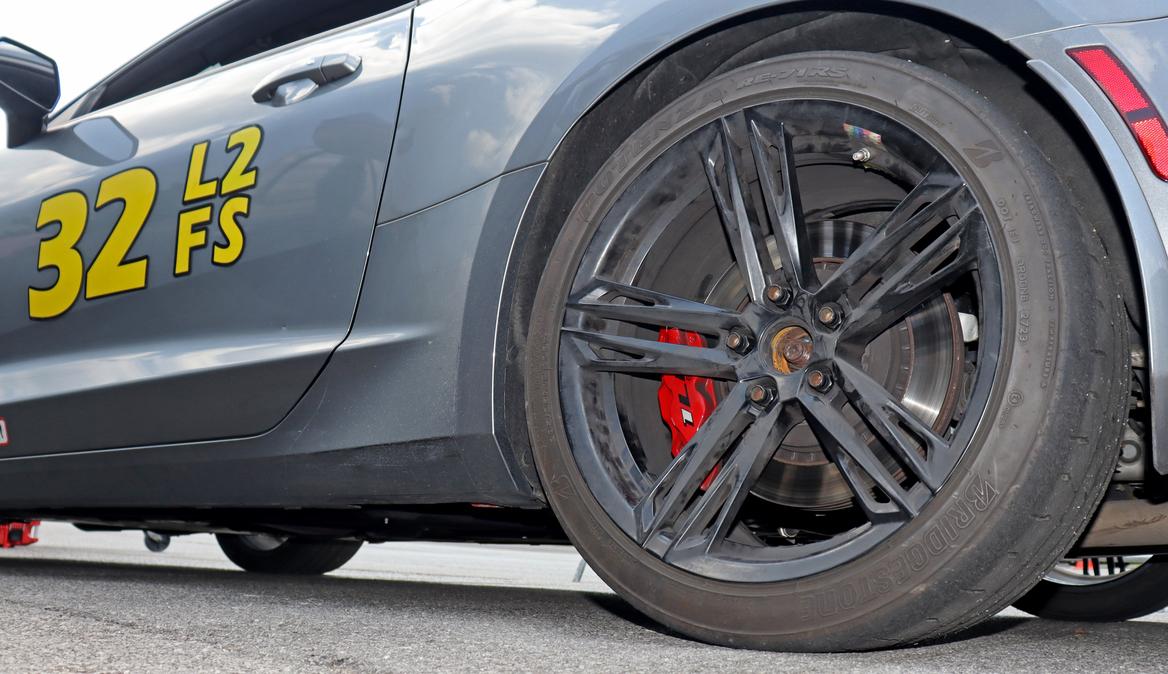
The SS 1LE comes with 20-inch wheels wrapped with Goodyear Eagle F1 SuperCar rubber, with 285/30R20 up front and 305/30R20 in the rear. Sam likes that stock setup–a lot.
If you prefer a square setup and dislike spacers, Sam says, the easiest path is a custom 19×10.5-inch wheel, but selecting tires for that size isn’t as simple. Depending on the wheel and tire, the range of sizes for that rubber go from 275/35R19 to 315/30R19. You can also use 19×11-inch wheels if you don’t mind playing around with spacers.
“The RE-71RS tires are a fight to mount in 305mm wide, but Falkens aren’t,” Sam says. “You just can’t buy some random set of wheels like you can for a lot of other cars and have them just fit.”
If you think using 11-inch wheels off the ZL1 1LE is the easy button, think again. The ZL1 wheels’ offsets will cause issues, as that variant came with wider fenders.
The Final 5%
Suspension might be your early go-to–and there are a lot of options available for upgrades–but Sam says the stock 1LE setup is rather good out of the box: “The suspension is not going to hold most people back for a long, long time. It’s so good, you’ll probably mess it up. You gotta really do your due diligence and use quality parts to improve the suspension.”
The chassis, he adds, doesn’t respond to lowering “as positively” as some other cars. Lowering can actually make the handling worse. Plus, he adds, the car rides rather low from the factory. Sam admits the final 5% is tough to squeeze out of the platform.