
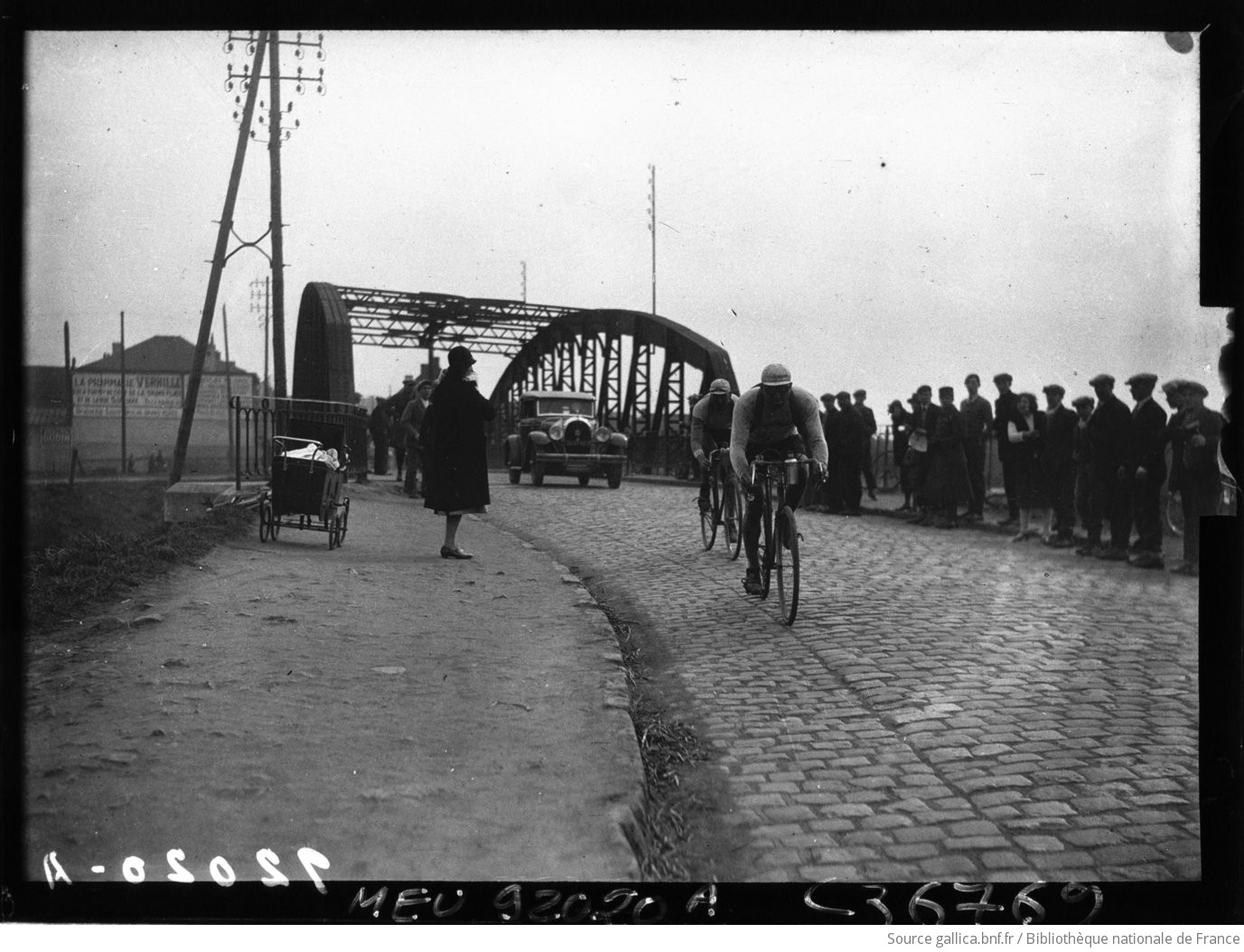
By Steven Sheffield — The Monuments and classics represent the oldest and most prestigious one-day races in professional cycling—contests that predate the Tour de France and have crowned champions for well over a century. From the cobbled brutality of Paris-Roubaix to the Ardennes hills of Liège-Bastogne-Liège, from the sprinter’s lottery of Milano-Sanremo to the autumn leaves of Il Lombardia, these races demand mastery across radically different terrain. Five races hold Monument status: Milano-Sanremo (first run in 1907), Ronde van Vlaanderen (1913), Paris-Roubaix (1896), Liège-Bastogne-Liège (1892), and Il Lombardia (1905). Three additional races—Gent-Wevelgem, La Flèche Wallonne, and Paris-Tours—have historically been grouped with them as cycling’s eight “original classics.” Together, they form a palmarès that defines the complete classics rider, and the questions that follow explore the history, records, and legendary achievements across these storied races.
Q1. The eight original classics—the five Monuments plus Gent-Wevelgem, La Flèche Wallonne, and Paris-Tours—represent the full spectrum of one-day racing: sprinters’ classics, cobbled brutes, and Ardennes climbers’ terrain. Winning even one is a career-defining achievement; winning all eight requires a versatility that borders on the impossible. While three riders have won all five Monuments, only one rider in history has won all eight of these prestigious races. Who is he, and which of the other two Monument winners came closest to matching him?
Q2. La Flèche Wallonne and Liège-Bastogne-Liège have long been linked as the Ardennes Classics, their hilly terrain in eastern Belgium favoring pure climbers and punchy attackers over the powerhouses who dominate the cobbles. Originally run on successive weekend days as “Le Weekend Ardennais,” La Flèche Wallonne moved to the Wednesday before Liège-Bastogne-Liège in 1985—the same year it introduced its now-iconic Mur de Huy finish. Winning both races in the same year remains one of cycling’s rarest achievements, demanding peak form sustained across either two days or five depending on the era. How many riders have completed this “Ardennes Double,” and has any rider achieved it both before and after the 1985 calendar change?
Q3. Before Gent-Wevelgem moved to the Sunday preceding the Ronde van Vlaanderen in 2010, it occupied the Wednesday slot between the Ronde and Paris-Roubaix—creating cycling’s most grueling week. The theoretical “Holy Week Triple” of winning the Ronde on Sunday, Gent-Wevelgem on Wednesday, and Paris-Roubaix on the following Sunday was considered the ultimate test of a Flandrien, requiring a rider to peak not once but three brutal times on cobbled roads over a span of eight days. Only one rider ever accomplished this feat. Who was he, and in what year did he achieve something the modern calendar has made permanently impossible?
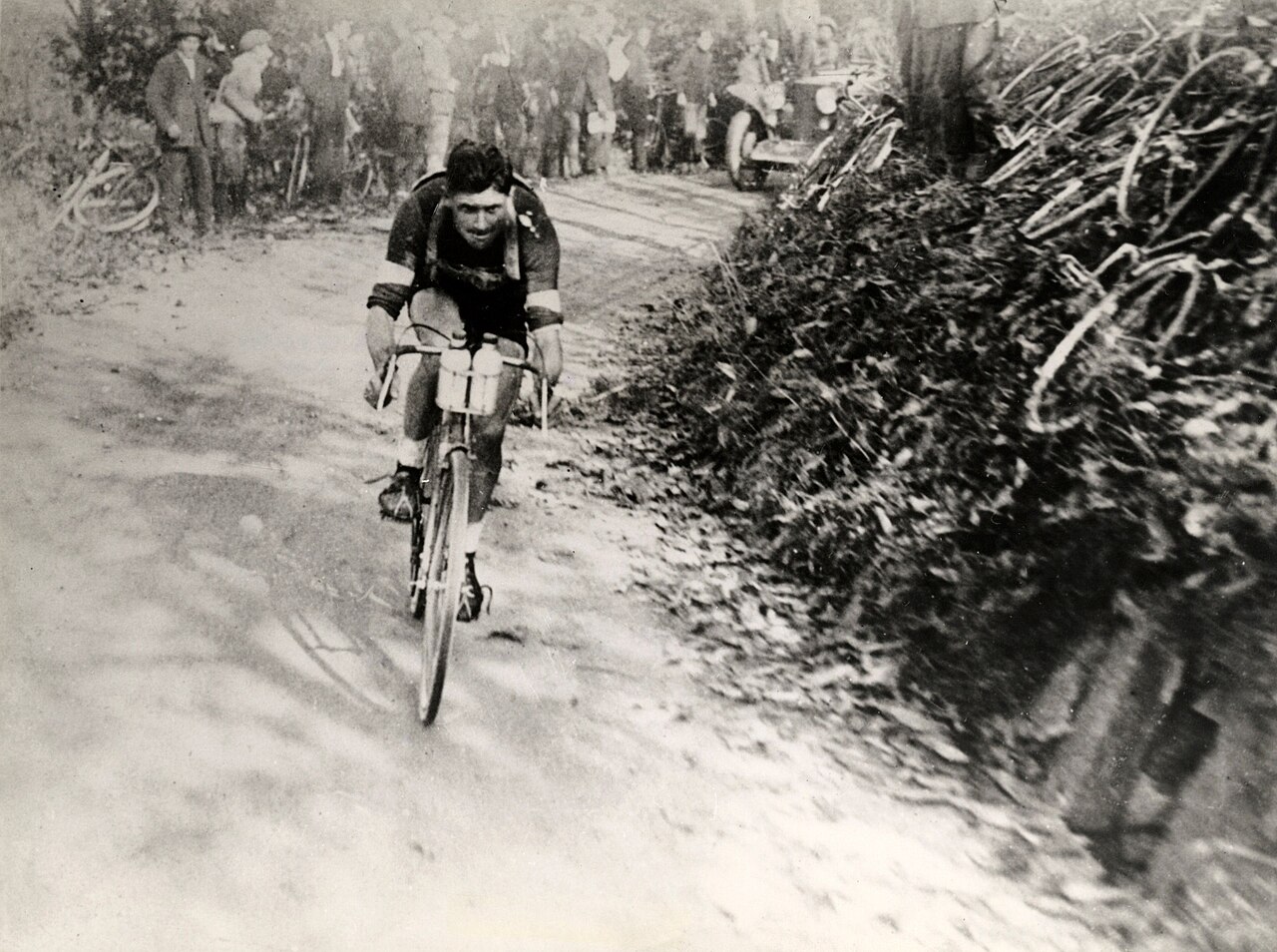
Q4. Winning three Monuments in a single season is one of cycling’s rarest achievements, requiring a rider to peak across different terrain and race profiles over a seven-month span from the March heat of the Ligurian coast to the October chill of Lombardy’s lake country. The specialization of modern cycling—where cobbled classics specialists rarely contest the Ardennes races, and vice versa—has made this feat increasingly difficult. Only two riders have ever done it. Who are they, and how many times did each accomplish this remarkable feat?
Q5. The Ronde van Vlaanderen and Paris-Roubaix are held just one week apart, and winning both in the same spring is considered one of cycling’s greatest achievements. Though both are cobbled classics, they demand different skills: Flanders features steep, technical climbs on narrow farm roads where bike-handling and explosive power decide the race, while Roubaix is a flat war of attrition across 55 kilometers of punishing pavé where endurance and positioning matter most. How many riders have completed this “Cobbled Double,” and which two riders have done it twice?
Q6. Roger De Vlaeminck earned the nickname “Monsieur Paris-Roubaix” not just for his four victories but for his extraordinary consistency across 14 years of racing the Hell of the North. His cyclo-cross background gave him unparalleled bike-handling skills on the treacherous cobbles, and his finishing speed made him lethal in reduced group sprints. His brother Éric, seven-time cyclo-cross world champion, often trained with him by riding in freshly plowed farm furrows and balancing on train rails. In De Vlaeminck’s 14 Paris-Roubaix starts between 1970 and 1983, how many times did he finish outside the top seven, and how many times did he abandon?
Q7. Sean Kelly won nine Monument races across four different Monuments during his remarkable career in the 1980s and early 1990s—a total surpassed only by Eddy Merckx and Roger De Vlaeminck. Yet despite his success in Milano-Sanremo, Paris-Roubaix, Liège-Bastogne-Liège, and Il Lombardia, one Monument eluded him entirely despite three runner-up finishes. Which Monument did Kelly never win?
Q8. Winning Paris-Roubaix three consecutive times is one of the rarest achievements in cycling, requiring a rider to dominate the Hell of the North across three seasons while avoiding the crashes, punctures, and mechanical disasters that decide the race as often as pure strength. In the race’s history stretching back to 1896, only three riders have ever accomplished this feat. Who are they?
Q9. In 2025, Tadej Pogačar contested all five Monuments for the first time in a single season, adding the cobbled classics of Flanders and Roubaix to his established dominance in the Ardennes and Lombardia. His spring and autumn campaign made history in a way no rider—not Merckx, not Hinault, not any of the great all-rounders—had ever achieved across all five Monument races. What was this unique accomplishment? Bonus: Pogačar also set another record with his finish at Lombardia. What was it?
For answers, click to the next page.
(Visited 16 times, 16 visits today)