
More than two years in the making, we’re pleased to premiere the first episode of filmmaker Gregg Dunham’s five-part documentary on the Stagecoach 400, a revered self-supported endurance ride through the mountains and deserts of Southern California. Watch it and read an introduction from Gregg here…
This serialized five-part essay accompanies the release of the Stagecoach 400 Documentary Series. Each Friday for the next five weeks, alongside a new episode, I’ll share reflections on why we chose to tell this story the way we did. These pieces aren’t recaps. Rather, they’re an exploration of what it means to document a grassroots route and event at a moment when bikepacking itself feels like it’s shifting.
A Line on a Map
When a route reaches 15 years, it stops being simply a route. It becomes a proving ground. A story people begin telling about themselves, about who they were when they started, and who they were by the time they finished.
The Stagecoach 400 began as a line drawn across Southern California, an experiment by Brendan Collier to connect mountains, desert, and ocean in a way that felt unbelievable but possible. Four hundred miles linking mountaintop pine forest to coastal urban sprawl to wide, exposed desert. Pavement, sand, hike-a-bike, more sand, and long, lonely stretches threaded into a single effort.

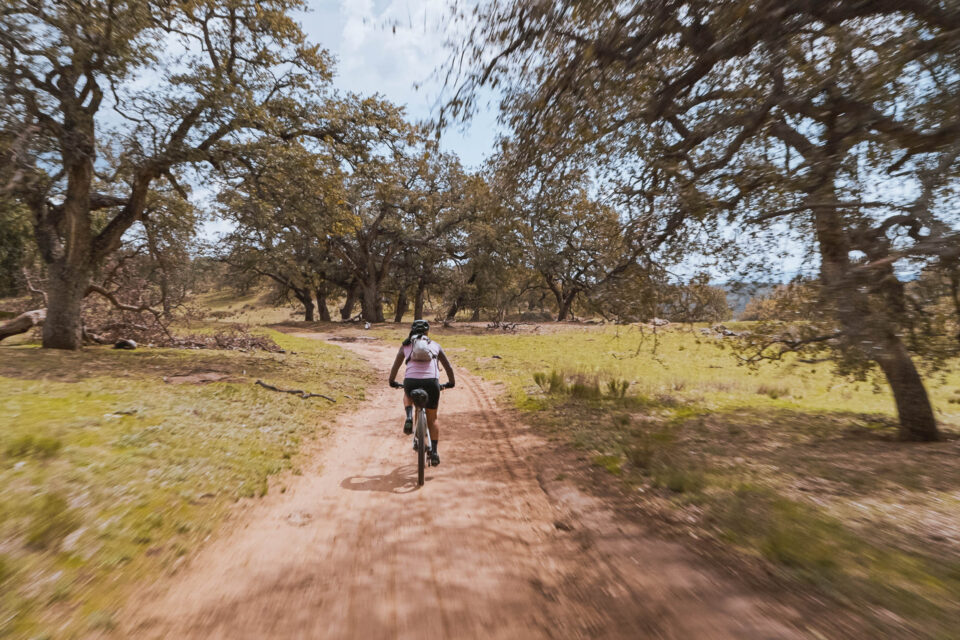

It wasn’t meant to be a spectacle, and it certainly wasn’t conceived as a race in the formal sense. Brendan has described it more as an artistic endeavor and a route built because it felt compelling to ride, not because it needed an audience. But over time, riders began to show up together. And when people gather around a line on a map, that line inevitably becomes something more. We chose to tell this story in chapters because that’s how Stagecoach unfolds. Not just as one continuous ride, but as a series of moments and goals: the city, the desert, the Willows, and the finish.
Six Rides Later
Before I ever pointed a camera at Stagecoach, I rode it. Six times! Through different years and different seasons of my life. The first time I lined up, it felt almost abstract. Four hundred miles sounds clean on paper. It’s like four big rides. Measurable. In practice, it is none of those things. It is sand working its way into every moving part of your bike. It’s a climb that seems to reappear just when you think you’ve turned the last corner. It’s the particular silence that settles in when fatigue dulls the noise in your head, and you’re left with something honest.

Somewhere out in the desert on that first ride, I remember thinking, “Why did I sign up for this, and where did these willows come from?!” But when I finished, I knew almost immediately that I would return. I needed to. And I needed to go faster!
Over six rides, Stagecoach left its mark on me in ways I didn’t anticipate. It changed how I understood effort and discomfort. It revealed how often the impulse to quit originates in the mind long before the body has actually reached its limit. It helped me learn to flip that mental switch. It also introduced me to a community of riders who return not necessarily to improve a time, but to revisit a feeling—the shared butterflies before the start, the best-tasting burrito of my life, the pride of finishing something that doesn’t offer a prize but leaves an imprint.

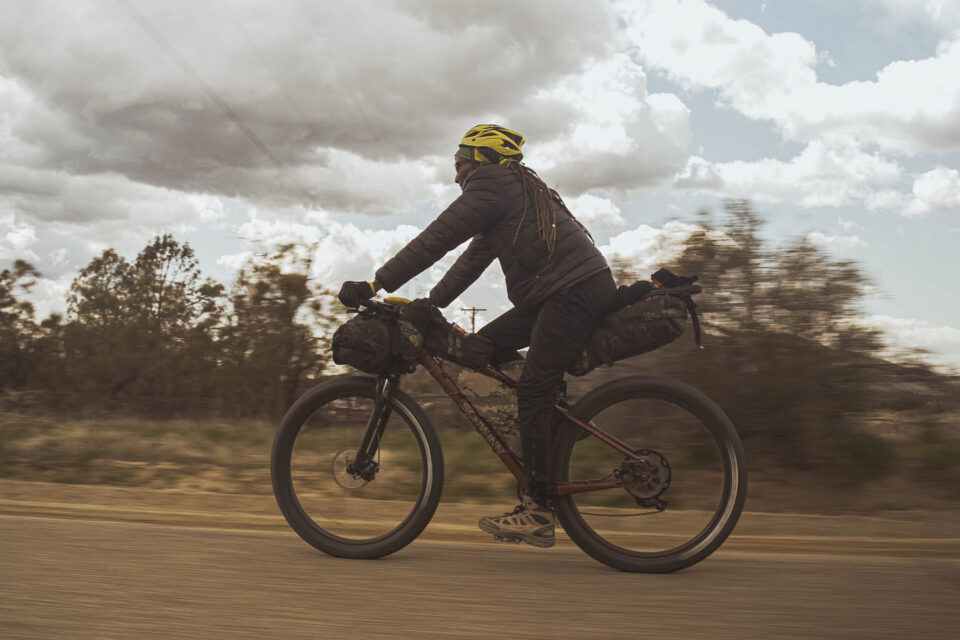
The early informality gradually gave way to larger fields. The front of the pack sharpened. Dot trackers became part of the ritual. Finishing times were recorded and compared. The language around the event remained careful—ride, not race—but the competitive energy became harder to ignore. I wasn’t neutral about this route. I absolutely loved it. That lack of neutrality is exactly why the ethical questions mattered when we began discussing whether and how to document it.
Filming the Gray Space
Underground bikepacking events operate within a delicate ecosystem. They depend on public lands, on community trust, and on restraint. They survive because organizers are intentional about language and structure. Calling something a “race” is not just semantics; it carries legal implications and impacts that can fundamentally alter the character of an event.
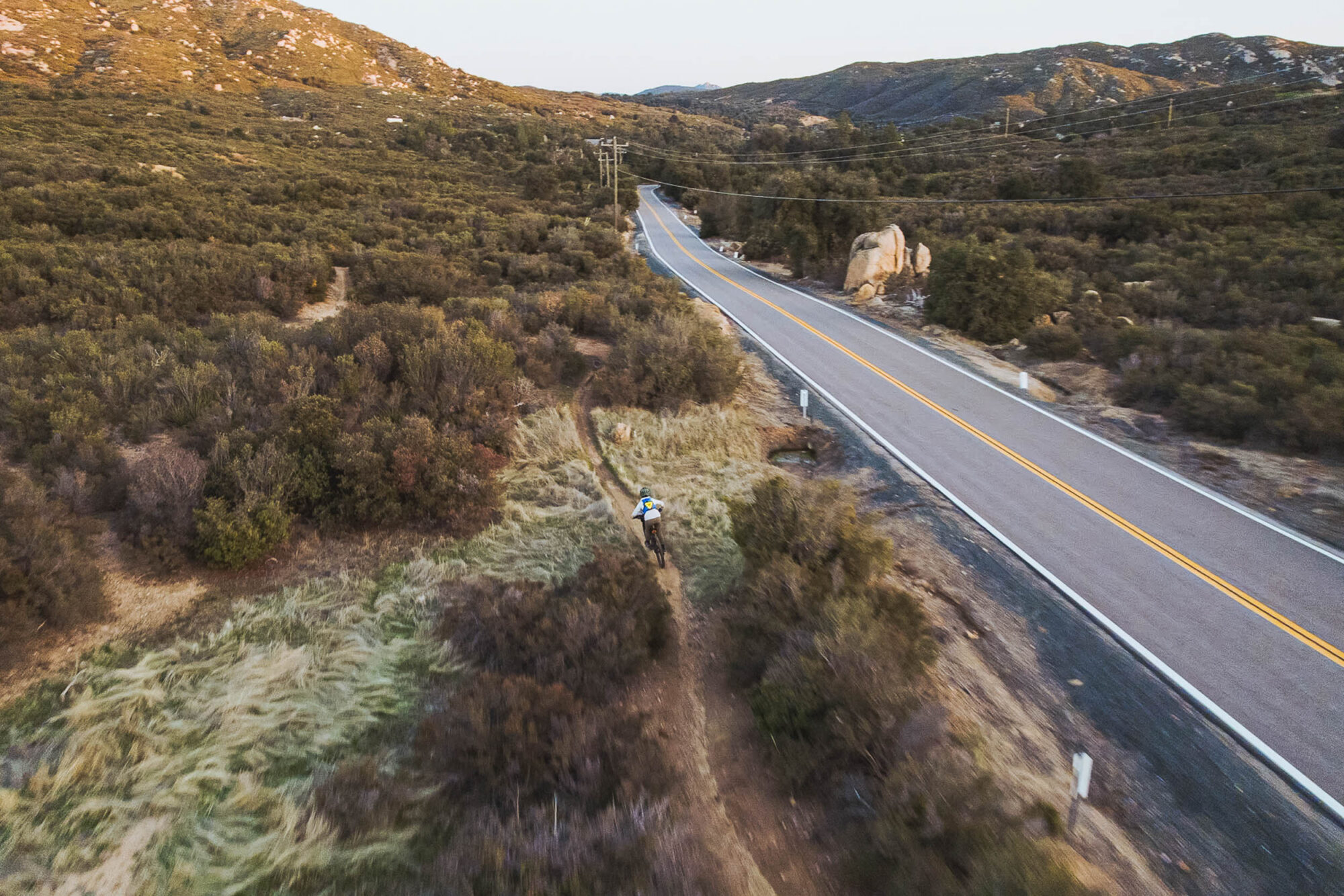
Stagecoach has always lived within that awareness. The phrase “we don’t call it a race” reflects more than preference. It reflects stewardship and an understanding that visibility can be both a gift and a risk. Once something becomes formalized or commercialized, it can lose the very texture that made it meaningful in the first place.
So, when we decided to produce a film series, we had to confront a tension that felt unavoidable: Are we amplifying something that survives precisely because it has remained underground? Are we documenting culture, or inadvertently reshaping it? Those questions shaped how Episode 1 took form.
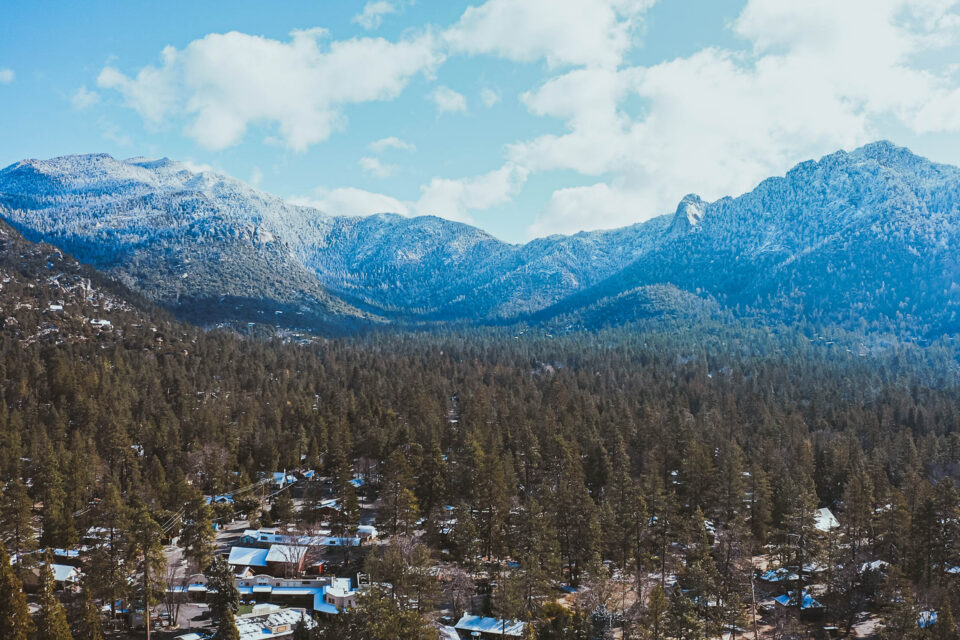
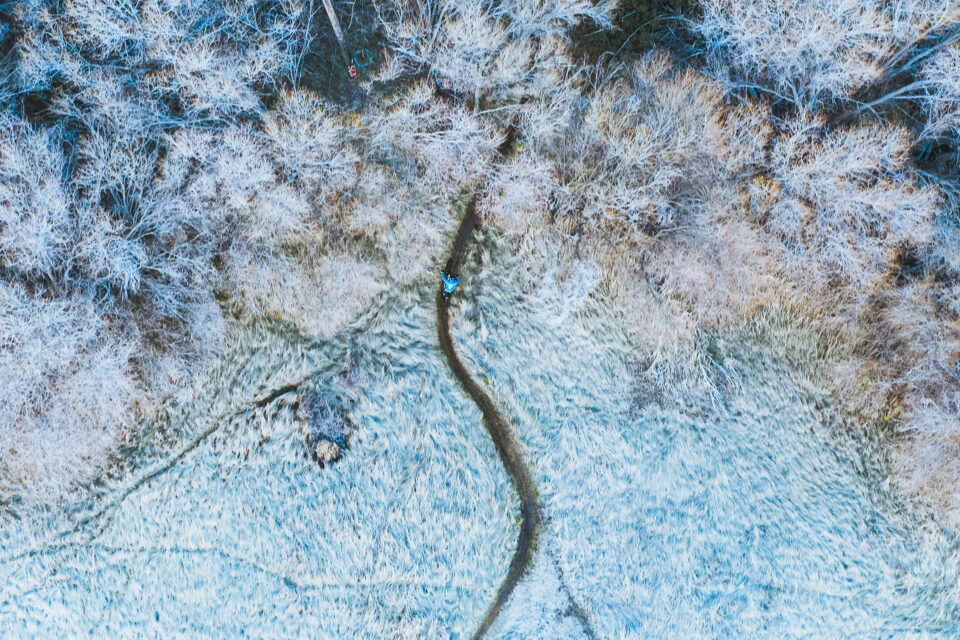
The first Grand Depart I attended as a filmmaker felt different from the six I had ridden. Standing there with a camera instead of handlebars, I noticed how unassuming the start still felt. No banners stretched across the road. No announcer counting down. Riders gathered in small clusters, quietly checking bags, snacks, and straps. Some made nervous jokes, and some stared blankly into space. And then, almost like magic, wheels began to turn, and the riders were off!

That understated beginning is part of what makes Stagecoach and other bikepacking events so special. Even as the field has grown and the speed at the front has intensified, the start retains the feel of a shared ritual rather than an official event. I remembered that morning, with a backpack full of camera gear, batteries, lenses, and a drone, why I wanted to document and share this moment.
Why Now?
This felt like the right moment to document this route and community. Not because the story is finished, but because it’s still being written, and we want to take a snapshot of what it is like right now.
Stagecoach has become a proving ground for many of the sport’s top endurance riders. Times matter. Sleep becomes tactical. Riders chase one another through the night. Yet the event remains officially unsanctioned, still careful about its framing.
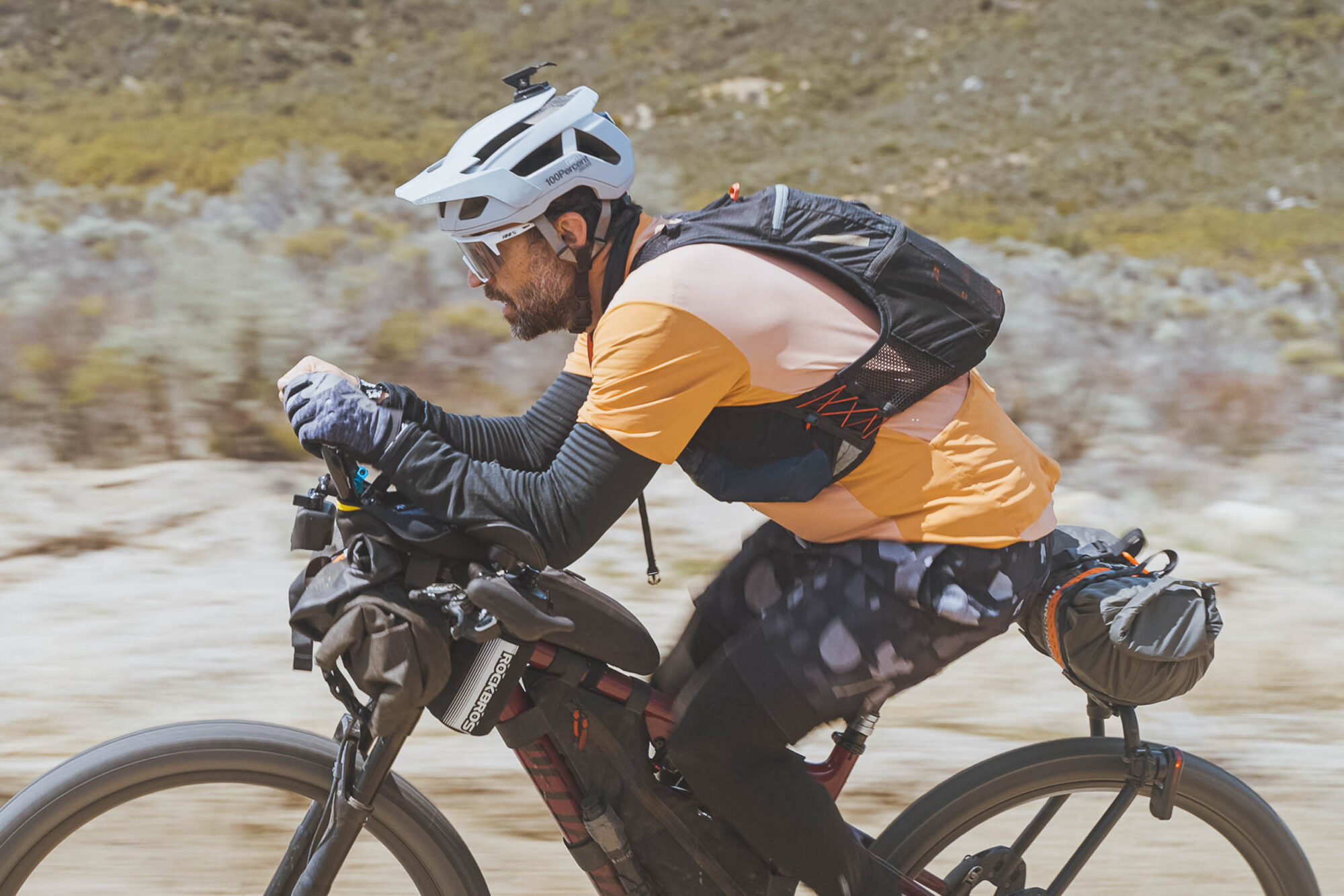
In returning to the route’s origin, we wanted to ground the series in intention. Brendan speaks about the early days not as the launch of an event, but as the creation of a line that felt worth riding. Meg Knobel’s role as steward reflects the next chapter, the continuation of something that now belongs to a broader community.


At the same time, bikepacking itself is evolving. It is more visible, faster, and more widely followed than it was 15 years ago. Social media compresses long efforts into short highlights. Records travel quickly. The appetite for spectacle is real.
The Gathering
For me, filming this project is not about elevating Stagecoach beyond what it already is. It’s not about mythologizing. It is about acknowledging that this route holds significance in the culture I love so much.
As a rider, I approached it with familiarity and respect. I knew the terrain. I knew the fatigue. I knew the subtle transformation that could occur somewhere between the first pedal stroke and the final climb. That history didn’t give me authority over the story, but it did give me responsibility.
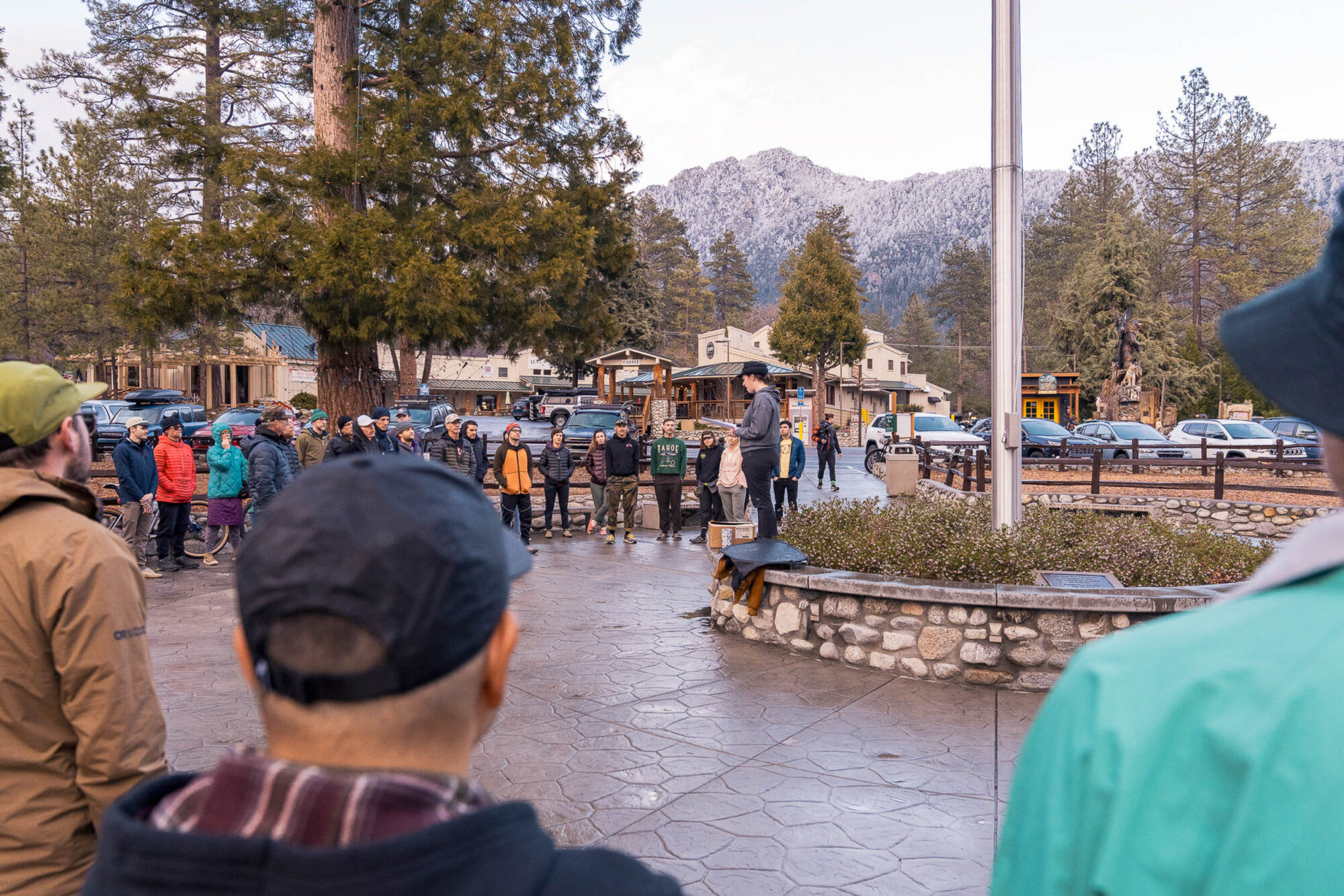

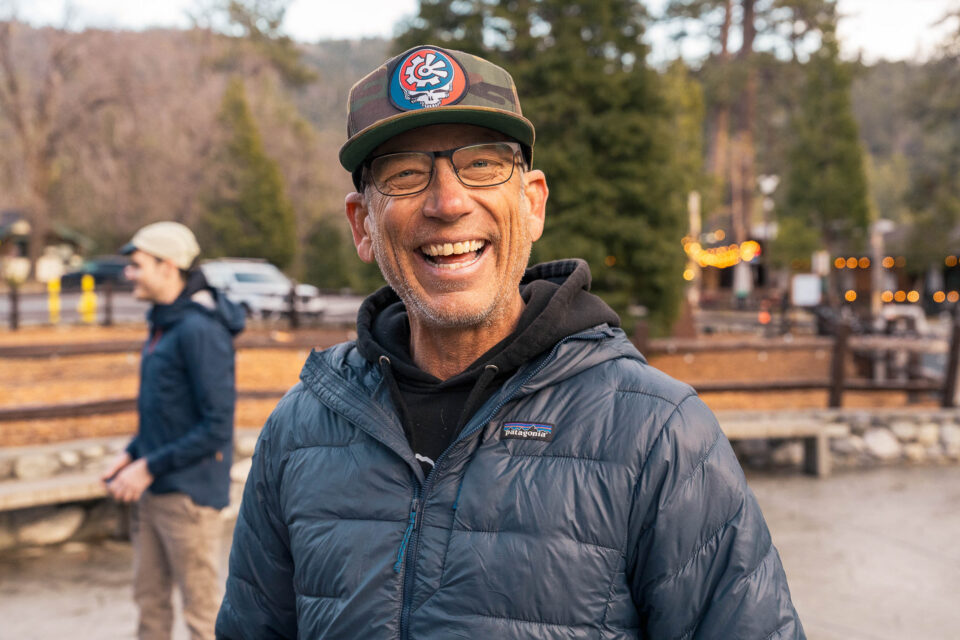
Episode 1 opens with the gathering, because that is where Stagecoach still feels most honest. Before the desert strips things down. Before the front of the pack separates. It begins with people choosing something difficult together.
Somewhere along the way, a line on a map became something riders plan their year around. Something they measure themselves against. Something they curse in the heat and then sign up for again. Documenting that process felt more like preservation. The goal was never to turn Stagecoach into a spectacle. It was to stand at the edge of it, camera in hand, watch, and listen.
Tune in next Friday for Episode 2 of the Stagecoach 400 Documentary Series!
Further Reading
Make sure to dig into these related articles for more info…
Please keep the conversation civil, constructive, and inclusive, or your comment will be removed.