
The second of five episodes in filmmaker Gregg Dunham’s Stagecoach 400 Documentary Series finds riders emerging from the mountains and pedaling under San Diego’s city lights, where creature comforts tempt them to linger a while or call it quits. It explores the psychological effects of navigating an otherwise “easy” section of the rugged route. Watch it and find an introduction from Gregg below…
This five-part essay series accompanies the release of the Stagecoach 400 Documentary Series. Each week, alongside a new episode, I’m sharing reflections on why we chose to tell this story the way we did. These pieces aren’t recaps. They’re an exploration of what it means to document a grassroots route at a moment when bikepacking itself feels like it’s shifting.
The City
If Episode 1 is about the gathering, Episode 2 is where the riders begin to scatter. The riders roll out from the Grand Depart and eventually arrive at an unexpected destination: the edge of a major US city, San Diego. For many people watching a bikepacking film, there’s an assumption that the story unfolds entirely in wild landscapes like remote deserts, mountains, and lonely backroads. But Stagecoach does something different. It passes straight through civilization. A collision right in the middle of the ride!

San Diego is loud. Bright. Busy. After hours of quiet riding, it smashes up against the senses like a wall. Cars, music, clubs, food, lights, and people moving quickly in every direction. The brain suddenly has to process an entirely different environment. And in the middle of all that stimulus, riders are asked to make a decision. Keep going… Or stop?
The strange thing about the city section of Stagecoach is that it’s technically easy riding. Smooth pavement, familiar infrastructure, endless options for food and rest. Compared to the desert ahead, it might be the most comfortable miles of the entire route. But psychologically, it can be the hardest place to leave.
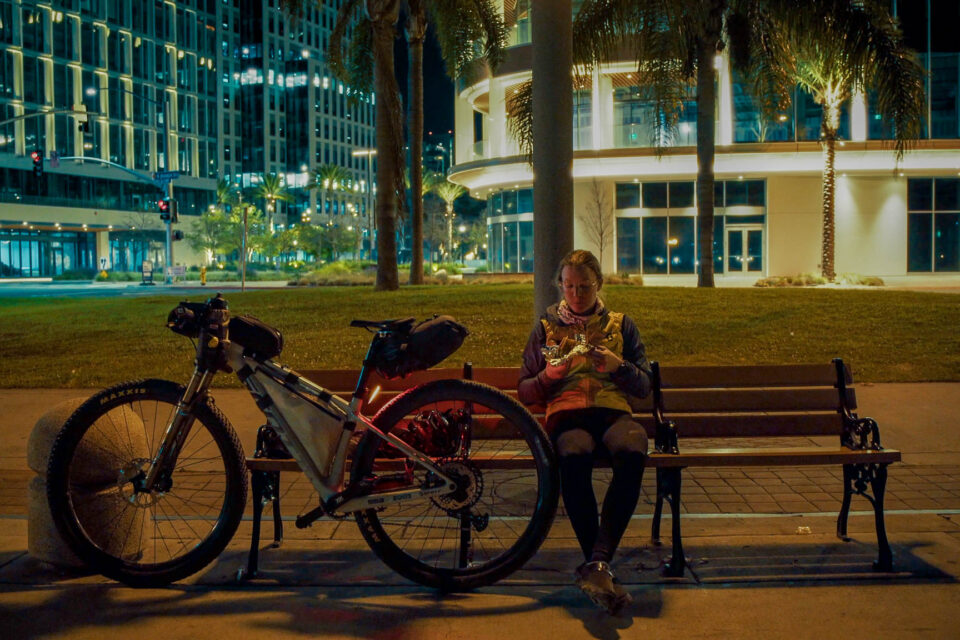

Brendan, the route creator, describes it perfectly: “Riding through the city is technically easy, but it’s psychologically difficult to keep moving when everything around you invites you to stay.” Meg, the route director, puts it this way: “If you can’t ride away from the city, you probably shouldn’t be heading into the desert.”
The Temptation to Stay
From a storytelling perspective, this section fascinated us in the edit room. Endurance films often focus on hardship through brutal climbs, weather, and exhaustion. Stagecoach has those traits, but it introduces a different kind of challenge here: temptation. The temptation to linger. To relax. Enjoy a proper meal at a restaurant. To stretch a stop into an hour, then two…
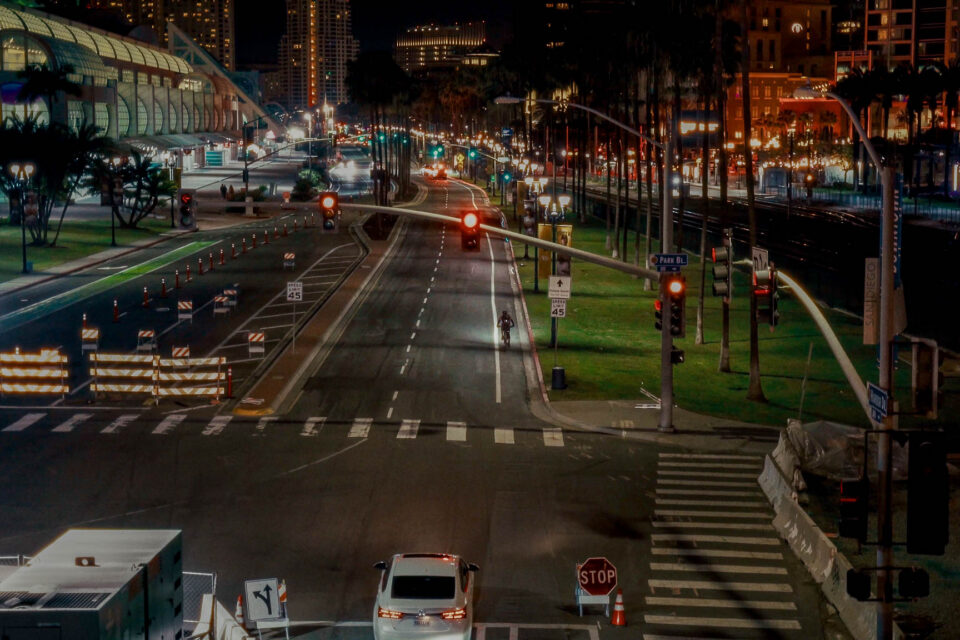
The riders know what lies ahead. They’ve studied the route. They know the desert will slow things down again. Water planning, heat, wind, and long stretches where the only sound is the tires on the sand. But the city offers a moment of normal life. Pizza. Burritos. Beer. Coffee. A warm place to sit.
Leaving that behind requires a kind of discipline that has nothing to do with physical fitness. It’s easy to think endurance events are about testing physical limits. But sometimes the real test is simply the decision to keep moving when stopping would feel far better. The mental battle.
The Race No One Calls a Race
Then there’s the other layer. Stagecoach famously exists in a gray area. The organizer and riders often repeat the same phrase when describing it: “It’s not a race.”
Technically, that’s true. The event is unsanctioned. With no official organizer, no fees, no marketing budget, just “friends out riding bikes.” The language matters because it allows the route to continue to exist as it always has: informal, community-driven, and supported by volunteers.
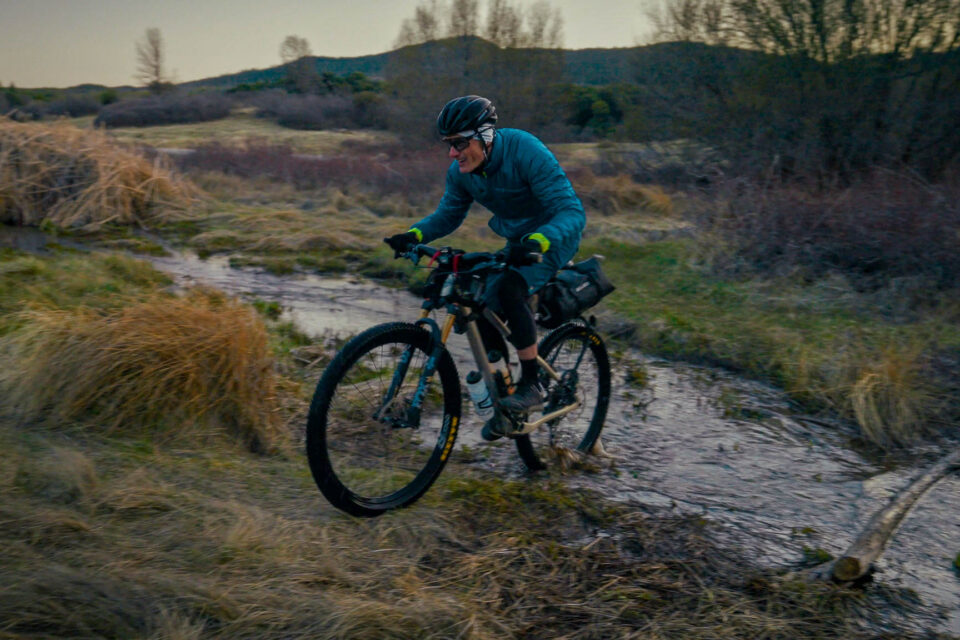
But if you spend even a few minutes listening to riders along the route, something else becomes clear. People are chasing each other. They’re watching the tracker. They’re calculating sleep. They’re pushing the pace to catch someone just ahead or stay ahead of someone behind. They’re riding in a way they otherwise wouldn’t.
In the episode, riders talk openly about this contradiction. One person admits they didn’t come here to race—until they realized they were riding near someone fast. Suddenly, their effort changes, and the pace increases. Suddenly, the motivation becomes primal.

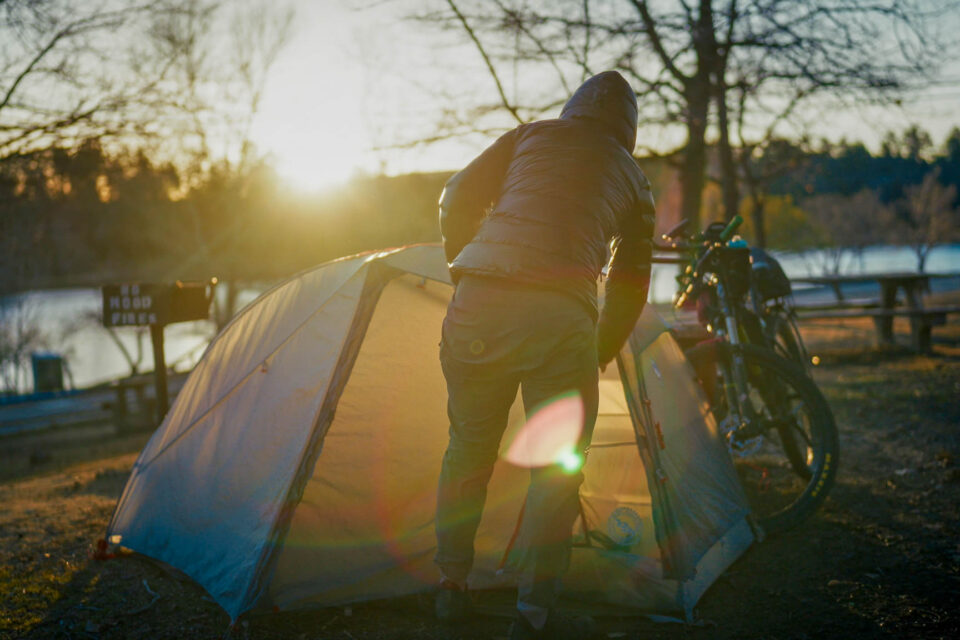
Another rider talks about sleep not as rest, but as a strategy. Do you stop for the night and recover, or push through the darkness to gain time? None of it is “official,” but the competition is unmistakable.
Riding the Line
What fascinated me while filming and later in the edit room was how comfortable the community seemed with that contradiction. Everyone understands the language: “It’s not a race, it’s a ride.” But everyone also understands the unspoken reality.
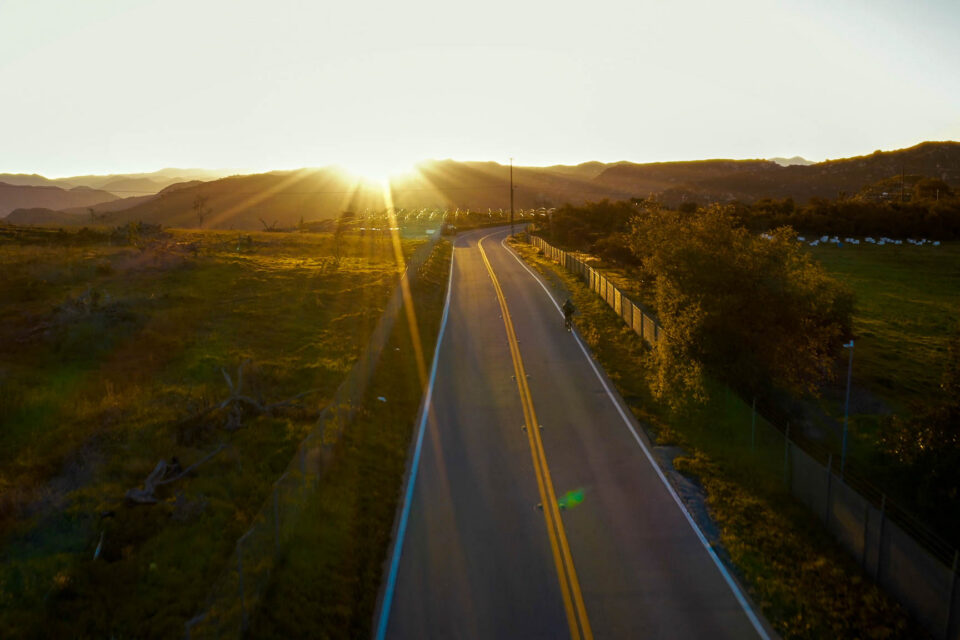
Riders push hard. Times are compared. Records are discussed. The front of the pack moves quickly and deliberately. Meanwhile, others ride at a completely different pace, embracing the experience as a personal challenge rather than a competition. Both approaches exist side by side. That duality is part of the culture. If Stagecoach ever became a formally sanctioned race, that subtlety and nuance might be lost. Right now, Stagecoach lives somewhere between chaos and structure. Episode 2 tries to explore that space.
The Decisive Moment
From a narrative standpoint, the city section is also the moment when the ride truly begins to separate. The Grand Depart is communal. Riders roll out together. Conversations happen. Groups form naturally. Once riders reach the city, fatigue begins to shape their choices. The terrain ahead starts to pull them apart. Paces change. Sleep decisions deviate. Mechanical issues appear. The desert waits for them all.
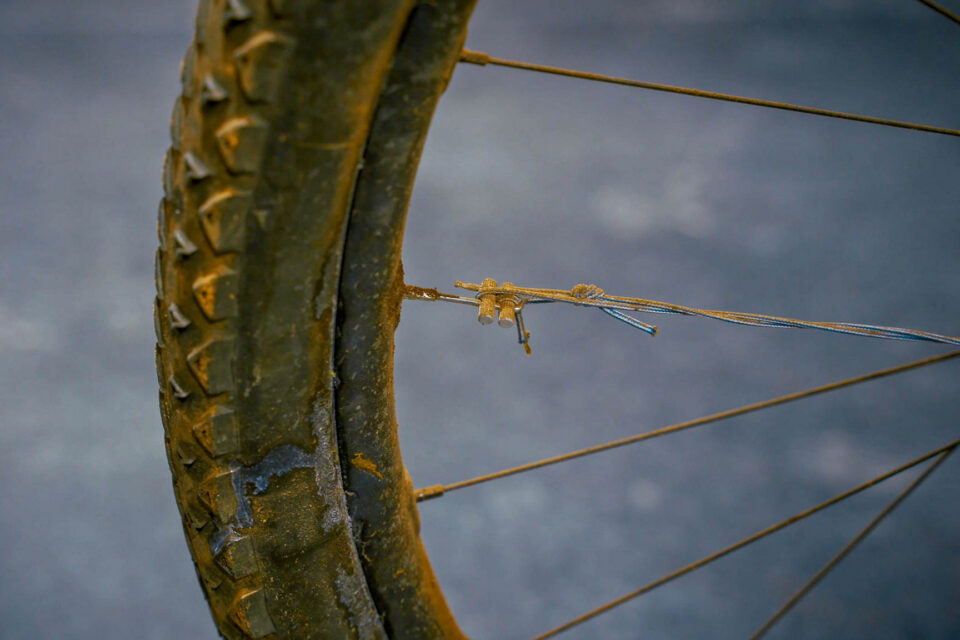
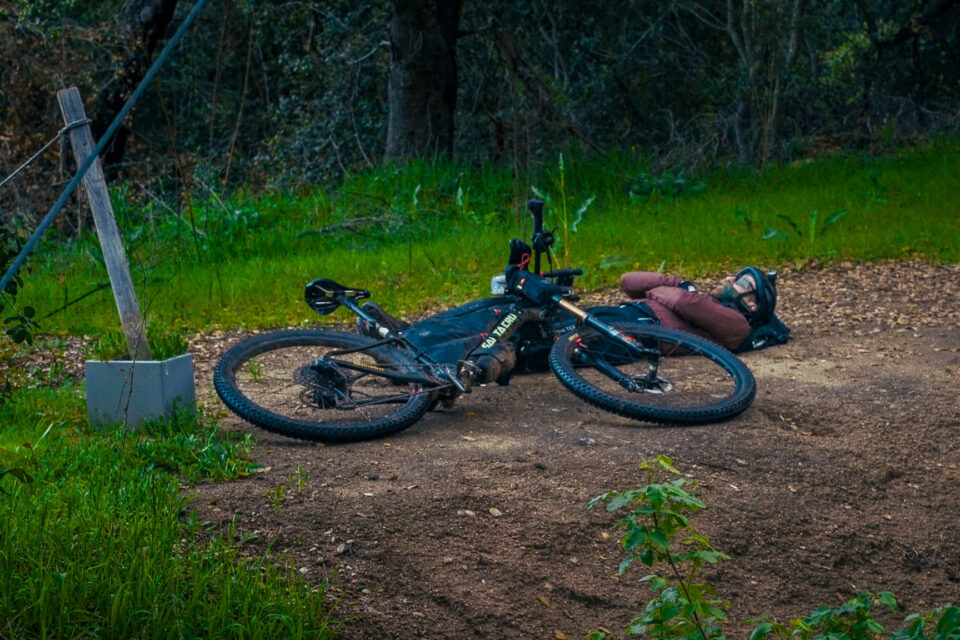
And when riders roll out of San Diego and begin climbing again, something shifts. The ride becomes harder and more isolated. Somewhere out there, the people who were together hours earlier are now spread across dozens of miles of terrain.
The Question That Lingers
Episode 2 sits in that moment of transition. It asks a simple question that riders themselves seem to wrestle with throughout the route: “If it’s not a race, why does it sometimes feel like one? And is that necessarily bad?”

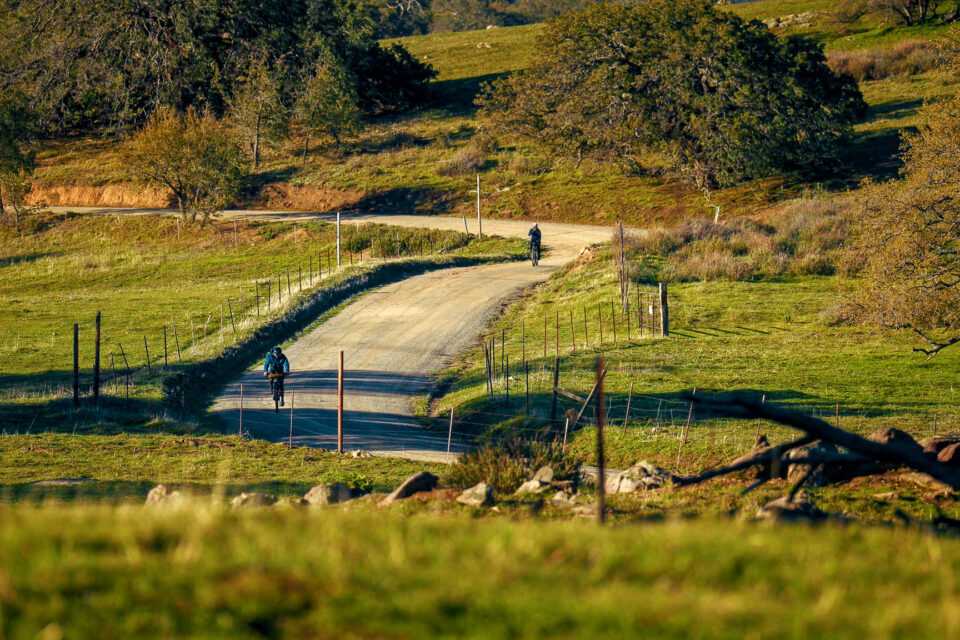

There isn’t a single answer. For some riders, the competition is the point. For others, it’s simply the environment, the presence of strong athletes pushing the pace that elevates their own effort. For many, the tension is exactly what makes Stagecoach compelling. It’s a ride you can approach however you choose. But once you’re out there, it’s hard not to push a little harder than you expected. And by the time the riders leave the city behind, the ride has shifted into something else completely. The desert is waiting…
Further Reading
Make sure to dig into these related articles for more info…
Please keep the conversation civil, constructive, and inclusive, or your comment will be removed.