
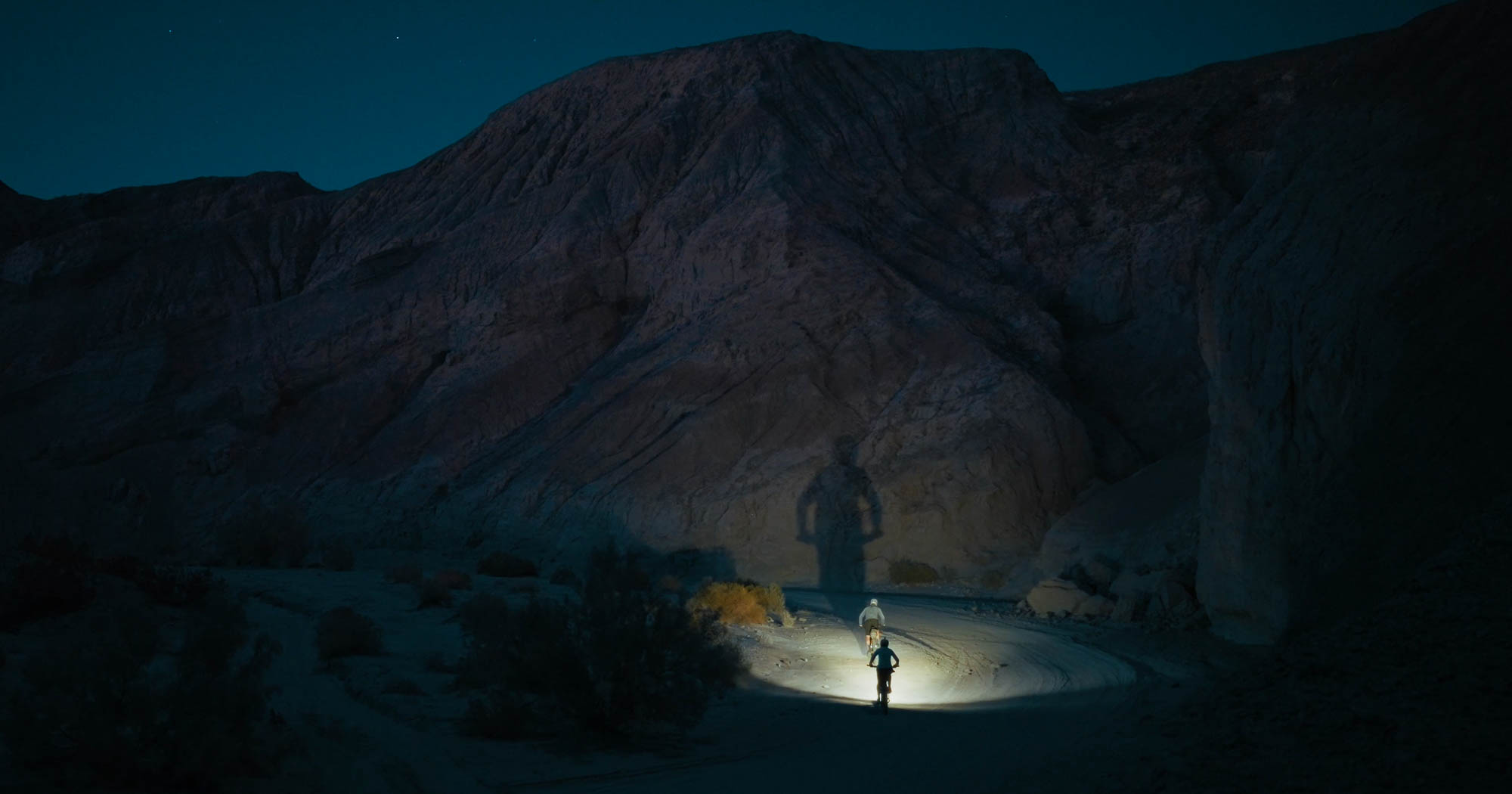
In the third episode of the Stagecoach 400 Documentary Series, filmmaker Gregg Dunham follows riders as they spin away from the bright lights of San Diego and head deep into the harsh, unforgiving desert. Join riders as they push, hike, and pedal through fatigue, traversing a stretch of the route where it’s often simpler to keep going than to quit…
This five-part essay series accompanies the release of the Stagecoach 400 Documentary Series. Each week, alongside a new episode, I’m sharing reflections on why we chose to tell this story the way we did. These pieces aren’t recaps. Rather, they’re an exploration of what it means to document a grassroots route at a moment when bikepacking itself feels like it’s shifting.
The Desert
Episode 2 was about contradiction, the uneasy balance between ride and race. Episode 3 is where those questions begin to fall away. Because eventually, the riders leave the city behind. The lights fade. The noise disappears. The ease of smooth pavement and endless food options give way to dirt, rock, and much more exposed conditions. The terrain shifts abruptly. The route lifts upward, then outward, and the landscape opens into something that feels far less predictable.
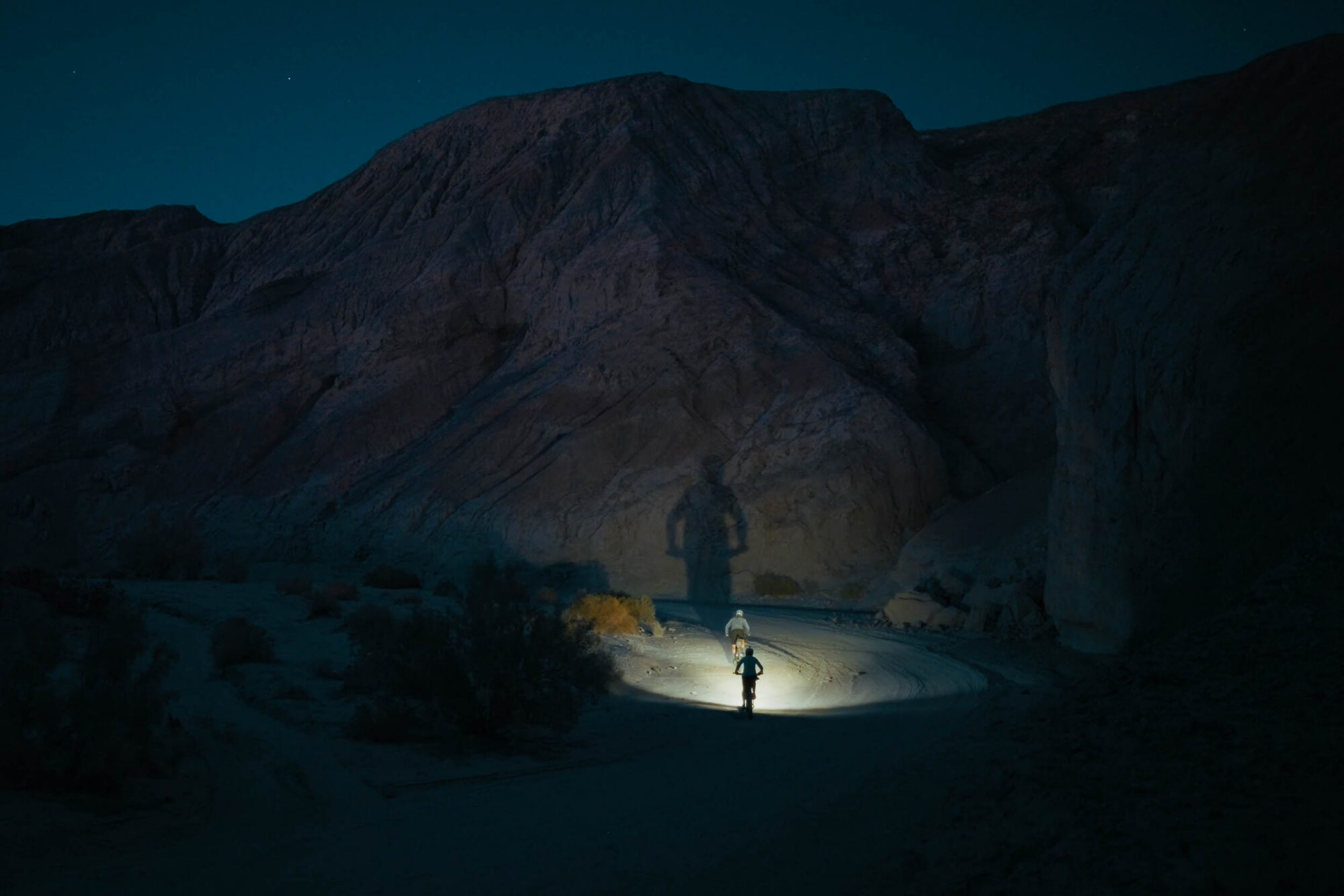
The desert lies ahead. For many riders, this is the section they remember most vividly. Not necessarily because it’s the most scenic or the most dramatic, but because it’s where the ride truly begins to reveal itself. By the time riders reach this point, the early energy of the Grand Depart has worn off. Sleep has become inconsistent. Small mistakes in nutrition, pacing, and hydration begin to surface. The body has started to adapt, but not always in the ways you hoped.
The desert doesn’t introduce the challenge, but it does expose the thin veneer that has been covering it. Out here, the terrain feels different from anything that came before. Sand-filled washes stretch across the route. Tracks fade in and out. Progress becomes inconsistent. One moment, you’re riding. The next, you’re pushing, and then riding again, never quite finding a rhythm. Washboard roads, sand, rocks, repeat.


Riders describe it as feeling like another planet. There are long stretches where the only sound is wind and tires moving through sand. The scale of the landscape distorts distance. Landmarks hover on the horizon, never quite getting closer as quickly as they should. And for many, there is a kind of quiet that settles in. Not exactly peaceful, but refining. The desert has a way of removing distractions. And when that happens, what’s left is the rider’s state of mind.
Crossing the Desert
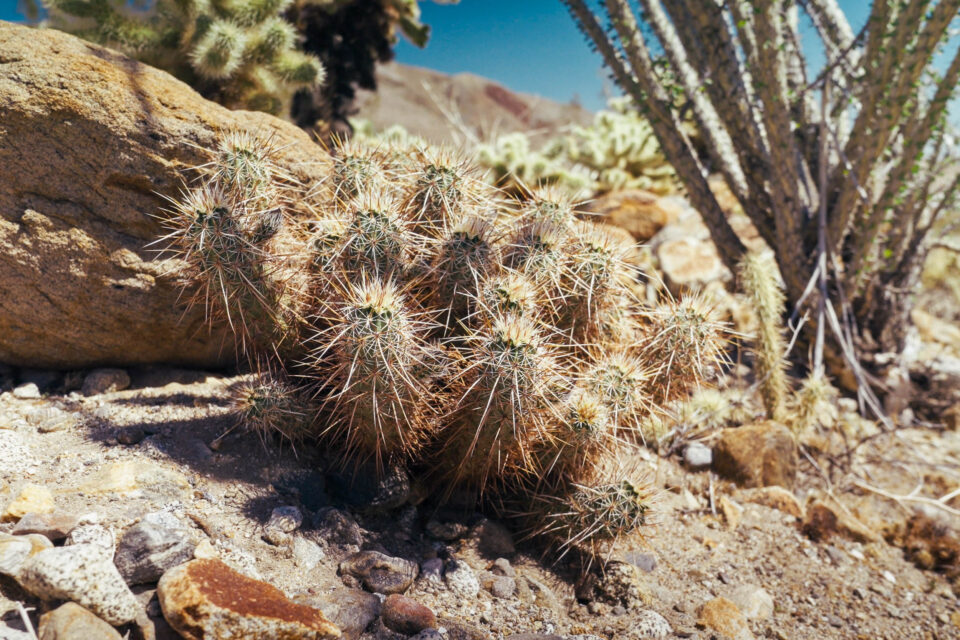
What becomes clear very quickly is that the desert introduces a different kind of difficulty. Endurance efforts are defined by obvious obstacles: steep climbs, bad weather, and mechanical issues. The desert works differently. The challenge here accumulates slowly. Sand seems to work its way into everything.
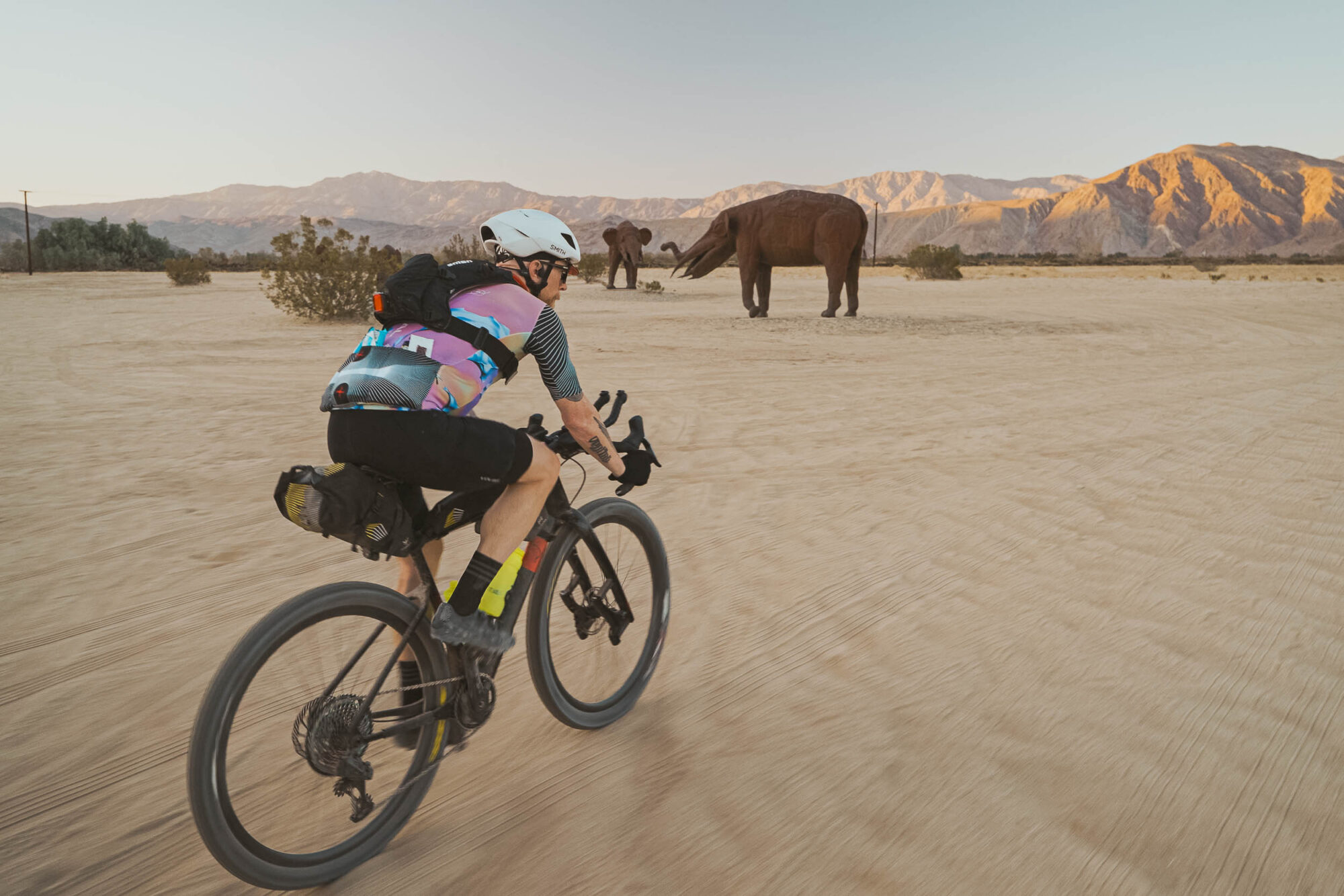

Momentum becomes something you have to fight for. Riders burn energy just trying to maintain forward progress through terrain that seems designed to slow them down. It’s not always dramatic, but it is constant. And over time, it adds up.
There is also a mental shift that begins to happen. Fatigue deepens. Sleep becomes fragmented. The body continues to move, but the mind starts to drift. Riders talk about struggling to eat, struggling to drink, and struggling even to focus on navigation. Thoughts become less clear, and emotions become harder to manage. At a certain point, the experience stops feeling structured. It becomes something more primal. A will to survive kicks in. Crossing a desert carries weight. It feels like something ancient.
The Point of No Return
Another reality kicks in when you’ve made it this far. By the time riders are deep into this section, quitting becomes complicated. The terrain is remote, and the route stretches over long distances. Bailing out of the desert requires as much effort as continuing forward. Brendan, the route creator, puts it simply: “It’s easier to finish than it is to quit.”
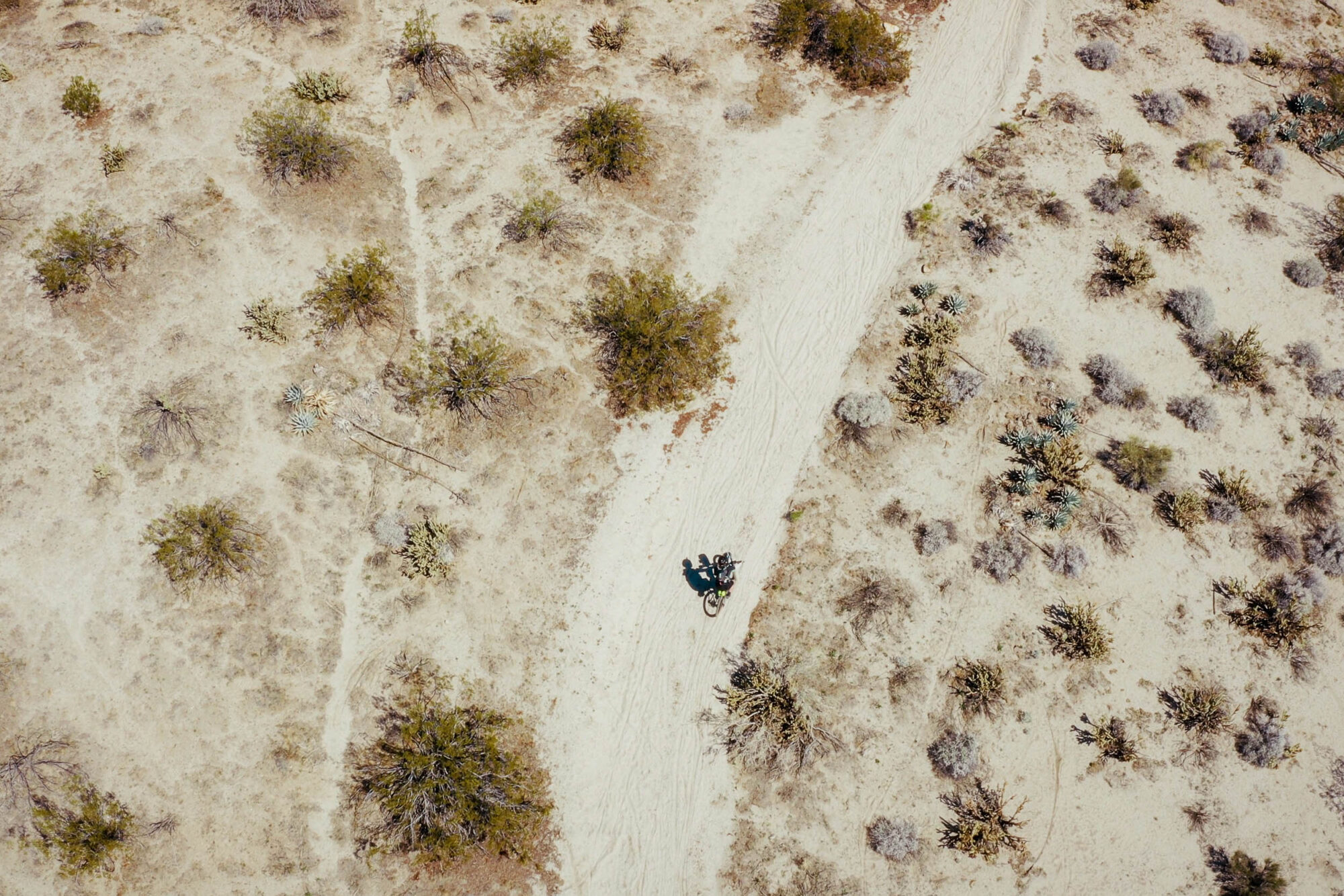


The desert creates a commitment. Once you’re in it, you tend to keep moving. Not necessarily because you feel strong, but because forward becomes the most logical direction. Out here, the choices narrow. The objective simplifies. Keep moving, and escape…
The Iron Door
As riders move deeper into the desert, something else begins to take shape. The mind begins to drift, and riders start fixating on a simple objective: the Iron Door.
Under normal circumstances, it’s just a bar. A long-standing desert dive, a place where off-road travelers might grab a drink, a snack, maybe a short rest before continuing on. But after 300+ miles of effort, it becomes something else entirely—a destination and a point to aim for.
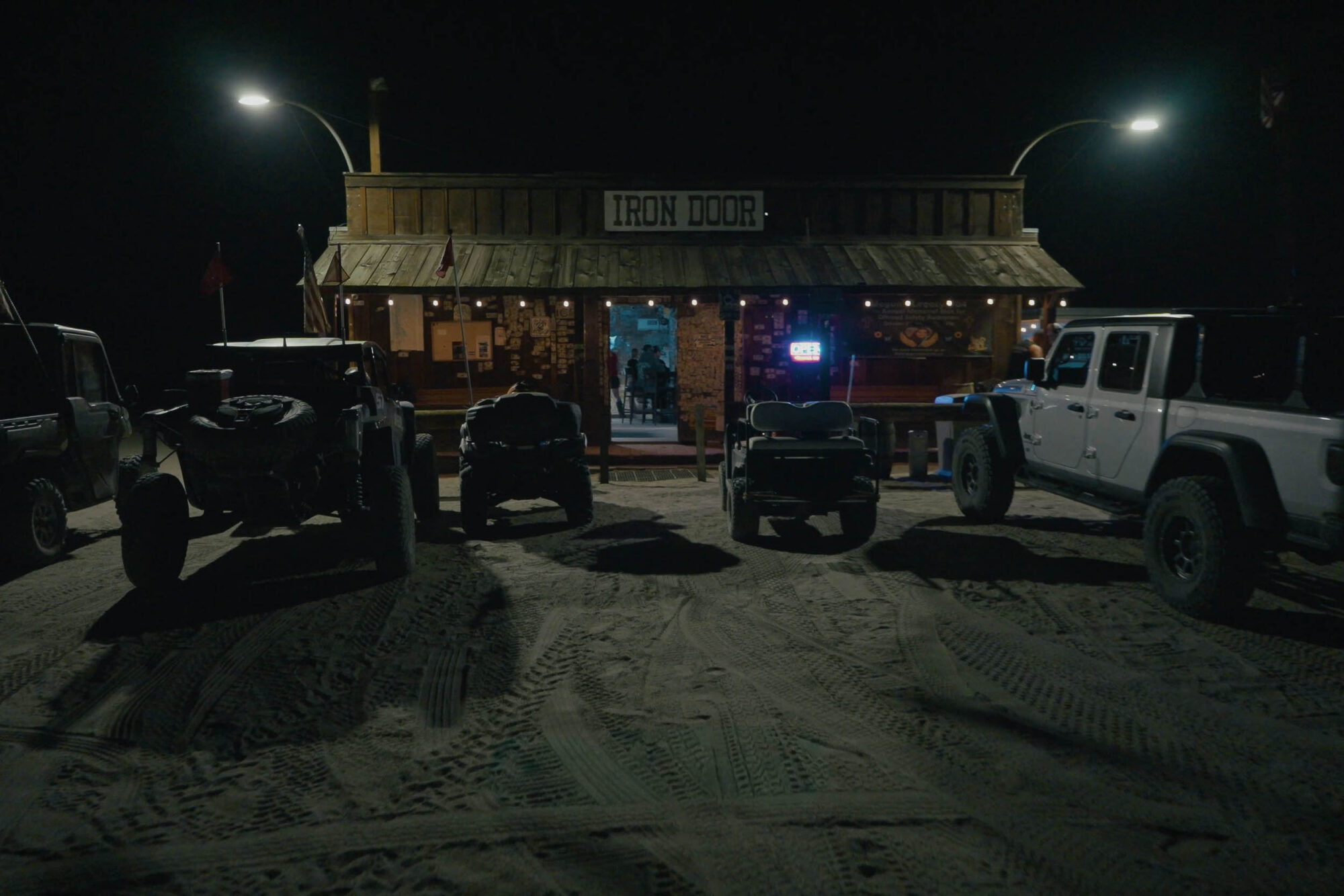
Some push harder than they should just to reach it before closing. One rider describes sprinting through the desert, watching the clock, fully committed to the idea—a hallucination—that a burger is waiting on the other side. When it isn’t, when the doors are closed, when the lights are off, the reaction is immediate. An emotional unraveling, because out here, it’s never just about the burger. It’s about what it represents.
The Iron Door serves as a waypoint amid an otherwise barren landscape. It’s a reminder that somewhere beyond the sandy washboard roads and silence, there is still something familiar. A refuge. In a place that often feels empty, that kind of presence matters.
What the Desert Leaves Behind
By the time riders begin to emerge from this section of the route, something has shifted. The group that rolled out from the Grand Depart is no longer intact. The pace differences have widened significantly, sometimes by days.

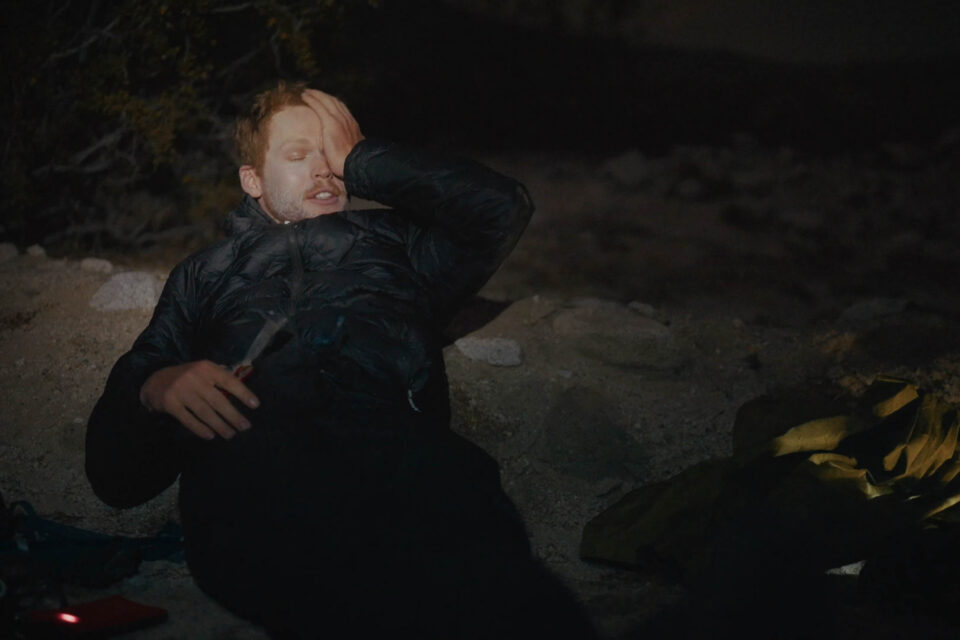
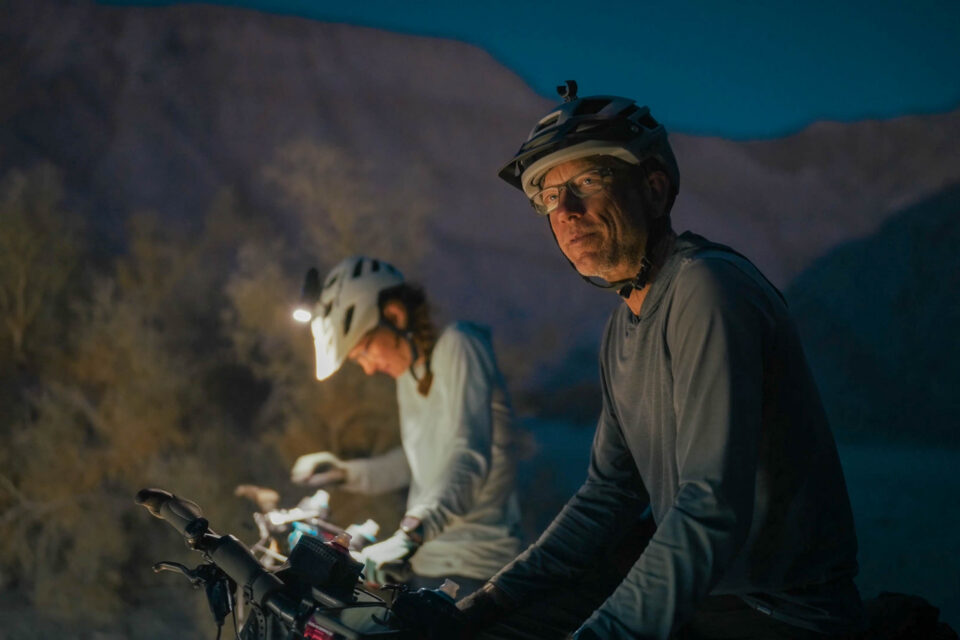
The desert doesn’t just slow riders down. It strips away the assumptions that riders have about control. It reshapes expectations. It creates a kind of presence that’s hard to replicate anywhere else—a type of meditation retreat by bicycle. For many riders, it becomes the defining memory of the entire Stagecoach 400 experience.
Further Reading
Make sure to dig into these related articles for more info…
Please keep the conversation civil, constructive, and inclusive, or your comment will be removed.