
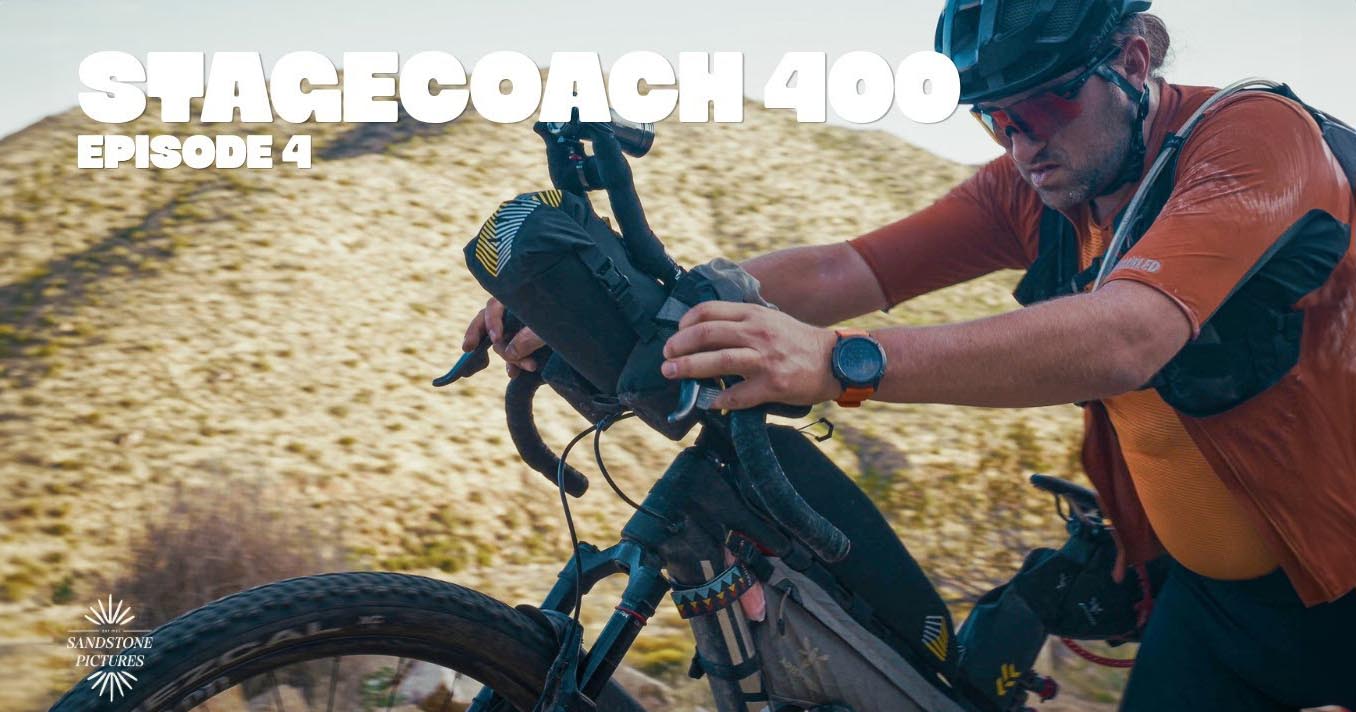
The fourth episode of filmmaker Gregg Dunham’s Stagecoach 400 Documentary Series explores the tension between the many gifts the route provides and those it just as easily takes away. Riders’ spirits are boosted by trail magic, only to be dashed as they enter the notorious Willows section. Watch it here…
This five-part essay series accompanies the release of the Stagecoach 400 Documentary Series. Each week, alongside a new episode, I’m sharing reflections on why we chose to tell this story the way we did. These pieces aren’t recaps. They’re an exploration of what it means to document a grassroots route at a moment when bikepacking itself feels like it’s shifting.
Trail Magic
There’s a rule that governs everything out there: Self-supported. No outside help. Nothing, unless it’s available to everyone else doing the route. It’s straightforward and simple. And it’s what shapes the experience.
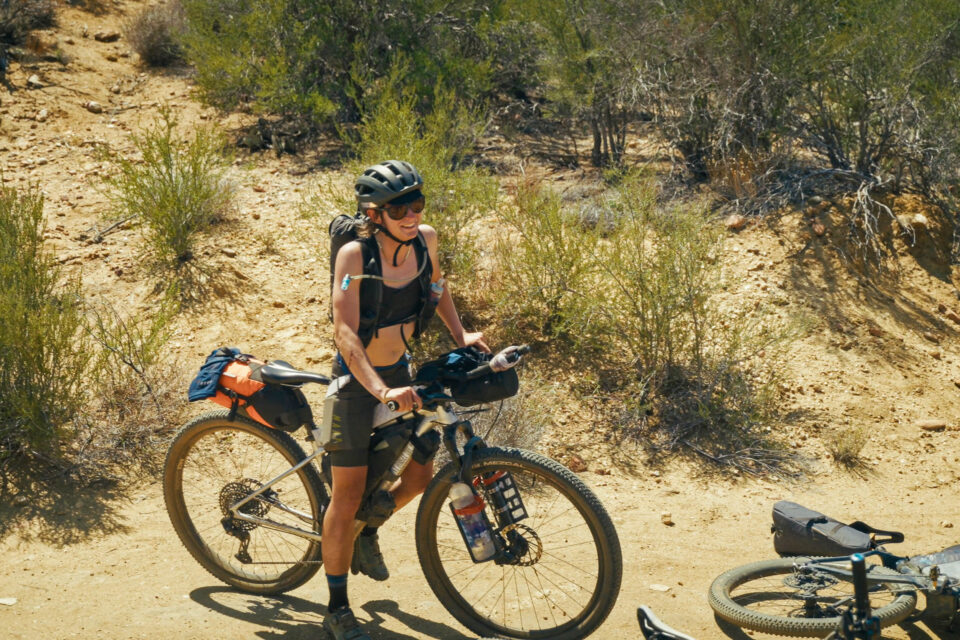
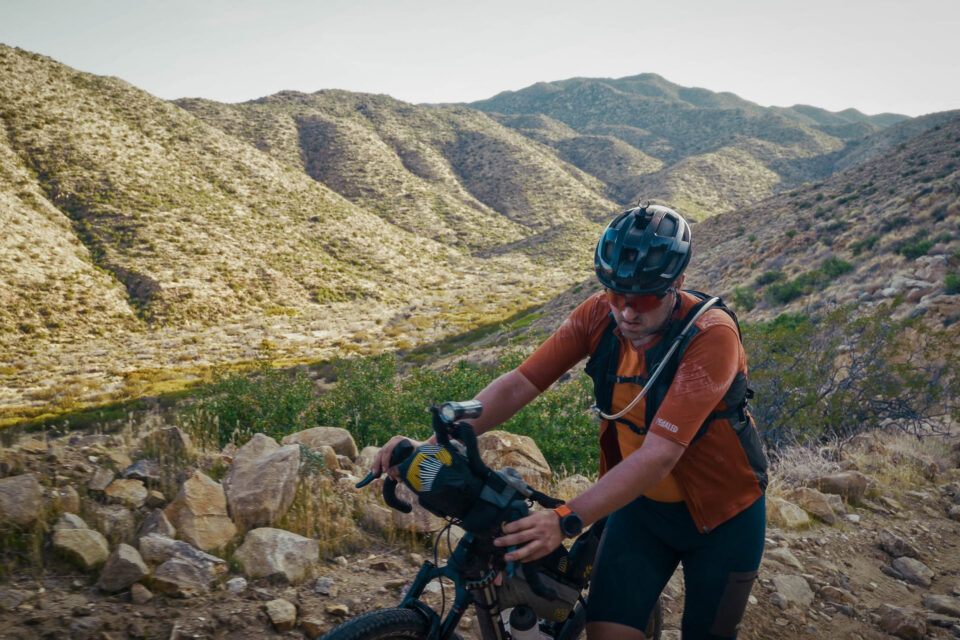
Then the magic happens—somewhere out in the middle of the desert, someone hands you a cold soda. A cooler appears. Chips. Cookies. Music is playing through a Bluetooth speaker. People waiting for riders they don’t know, offering something they don’t have to give. Trail magic. It’s not planned. It’s not guaranteed. It doesn’t favor one rider over another. It just… happens. And when it does, it matters.
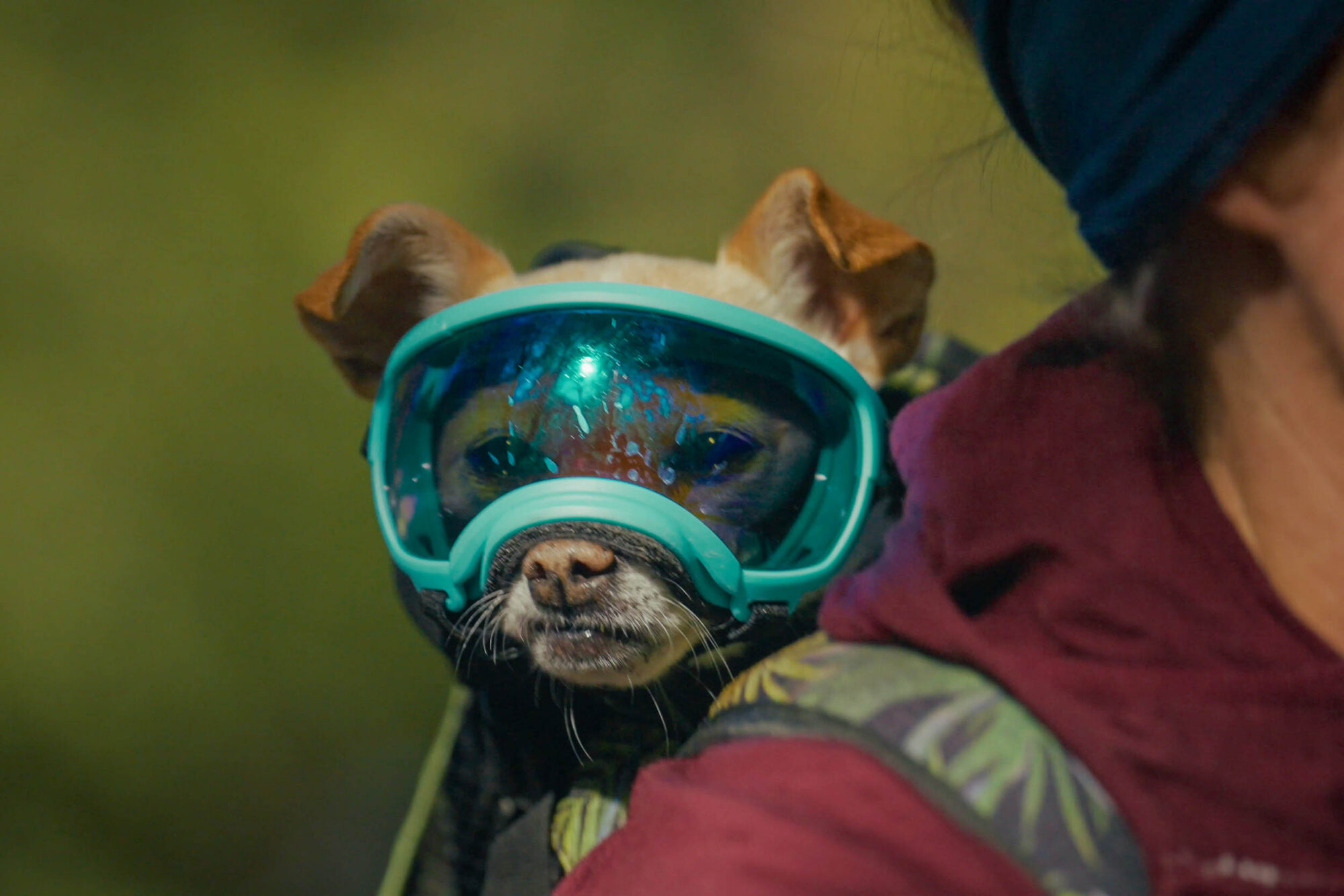
Not because of what’s being given, but because of what it does to the rider. The effect is immediate. A shift in energy. A lift in morale. Something small that carries far beyond the moment. Riders roll away from it differently than they arrived. Out there, that can be a life-altering experience. A cold drink. A quick conversation. A reminder that you’re not entirely alone. It doesn’t simplify the ride, but it enables riders to keep going. It adds to the richness of the Stagecoach experience and community, so we decided to explore it in the series.
Filming the Space Between
While all of this is unfolding, there’s another effort happening just outside the frame. The film crew. From the start, we knew this would require a different approach. Stagecoach doesn’t pause. Once the riders roll out, the event continues until they finish.
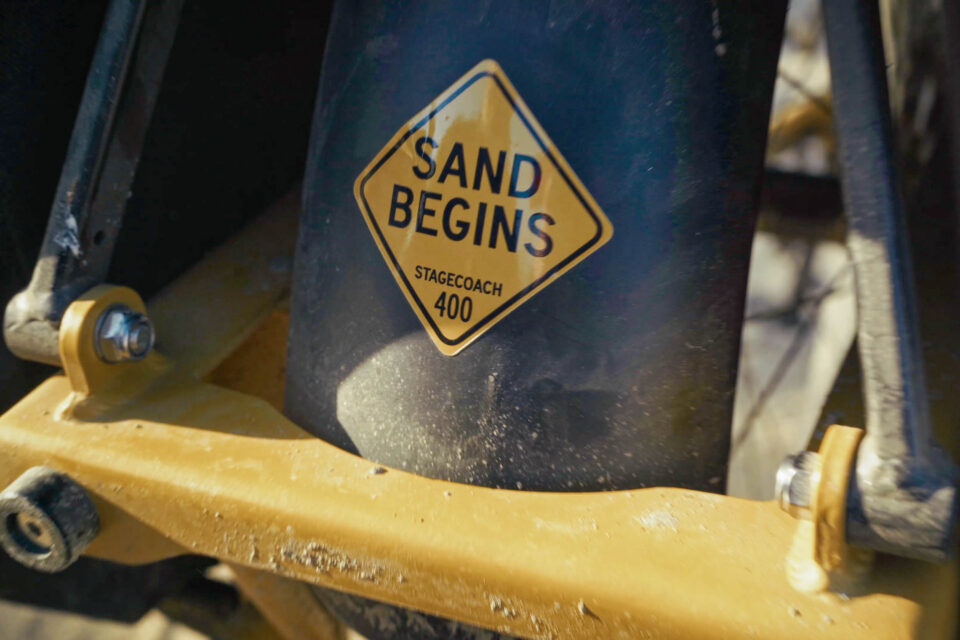
Before any of that began, there was another decision. We kept it quiet. Meg, as the route director, didn’t want the film crew’s presence to shape the ride before it even started. No one adjusting strategy. No one riding differently because they knew cameras would be out there. So, we showed up the morning of the Grand Depart. Riders gathered and did the final checks. That mix of calm and nerves. And then Meg let everyone know. We’re here to document the ride. If you have concerns, come talk to me. If you don’t want to be on camera, just let the crew know.

That was it. From there, we moved with the event. The clock started when the riders rolled out, and for us, it didn’t stop. No clean breaks. No defined shooting windows. Just a constant question: Where is the story right now? We weren’t trying to capture a play-by-play. We were trying to understand the culture. That meant moving constantly. Leap ahead. Double back. Split up. Regroup. Three crews with a mission and a 400-mile route. Sleep became optional. And like the riders, we felt it. That deep fatigue set in, and we persevered. We weren’t riding 400 miles, but we were inside something that didn’t stop.
The Presence of a Camera
There’s another layer we had to acknowledge. Cameras change things. Riders know when they’re being filmed. There’s a subtle push to ride a little harder, to stay on the bike a little longer.
It’s not a direct contribution, but it’s not neutral. In that way, media becomes something close to support. Not physical. Not tangible. But real. An emotional boost. And we had to sit with that. We set our own boundaries during pre-production.
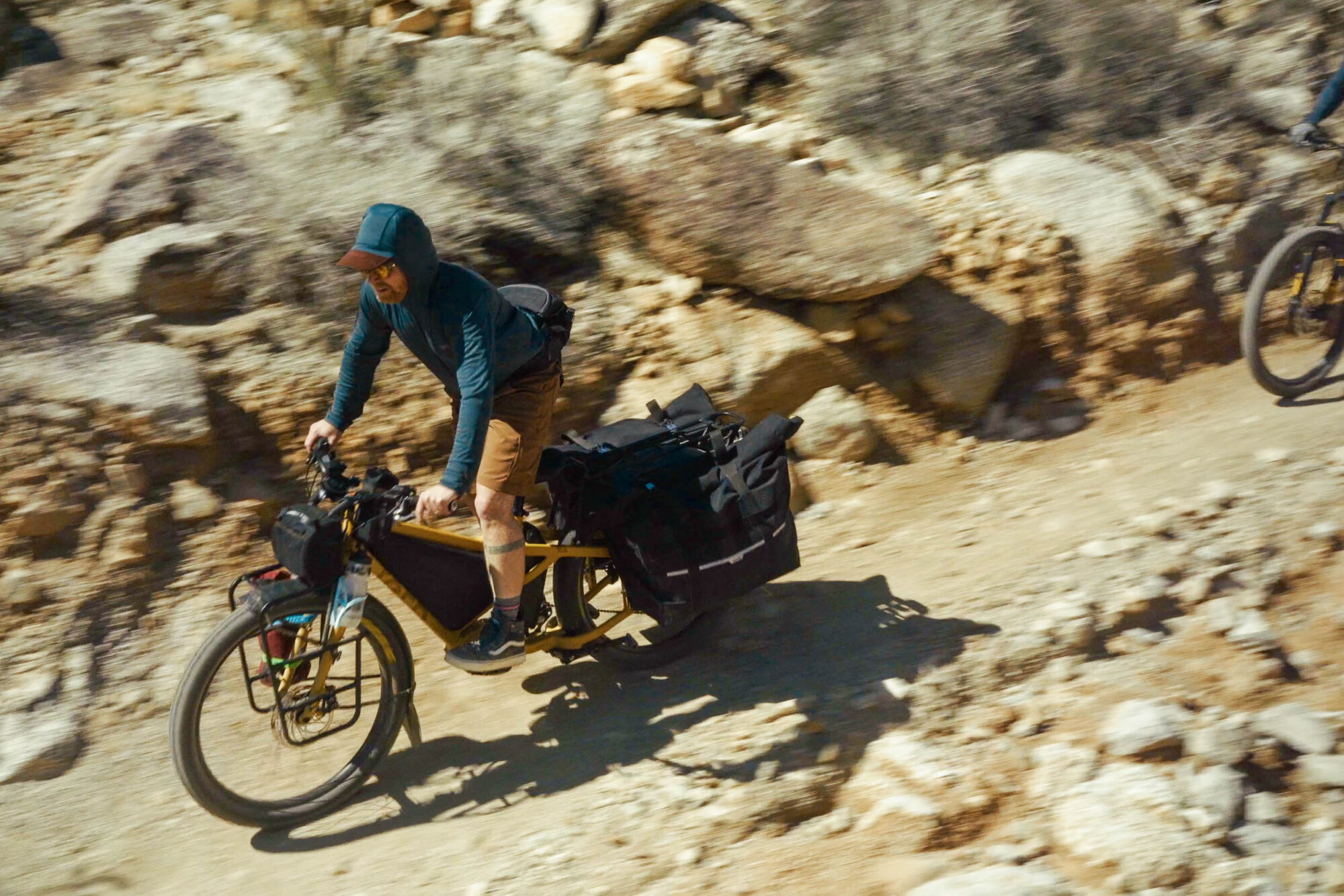
We don’t help riders. We don’t influence outcomes. We don’t become part of the ride. We don’t chime in on the dynamics of “the race” or information. We acknowledged our presence would have an effect. Instead of pretending it didn’t, we made a decision: If the media crew adds something… it has to be available to everyone. Not just the front. Everyone. That meant being intentional about filming. Front. Middle. Back. The full picture of the Stagecoach 400 experience.
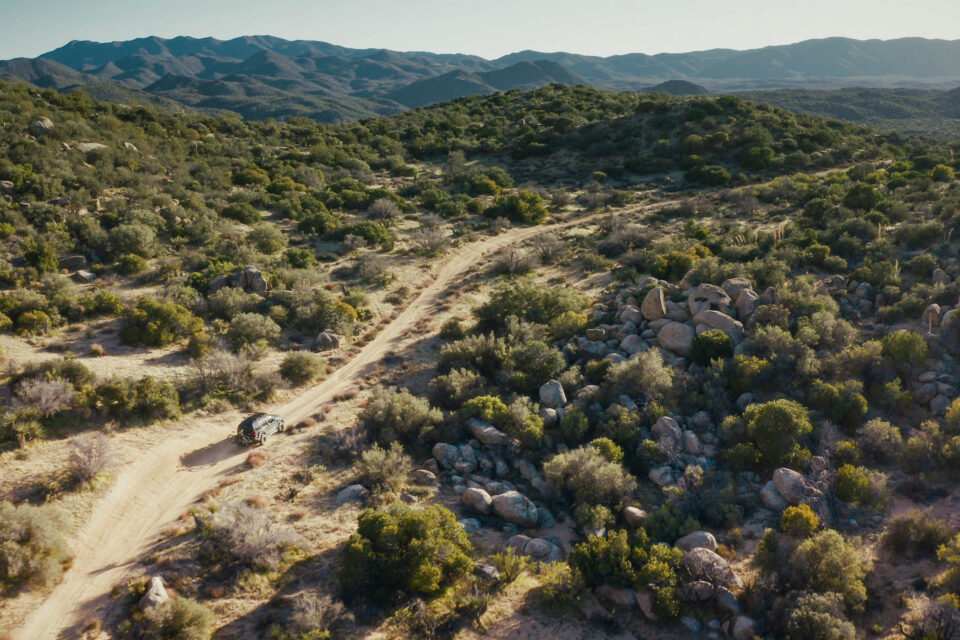
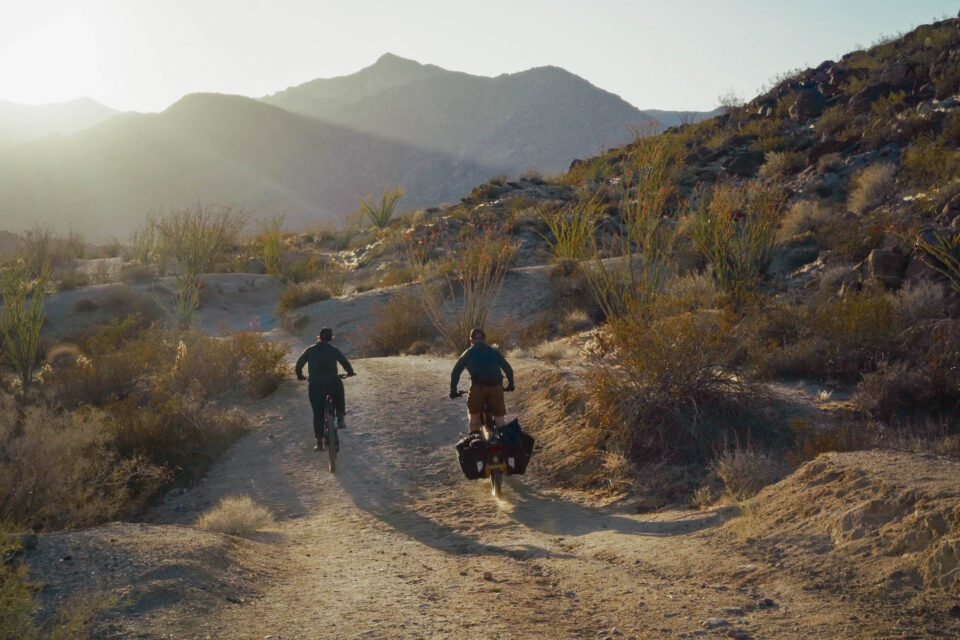
There were times when the riders would get lost, go off route, or become confused. It took a strong will, but we did not help them. You see someone struggling. You know your presence might give them something. And at the same time, you know you can’t cross the line. So you stay just outside of it. Close enough to witness.
The Willows
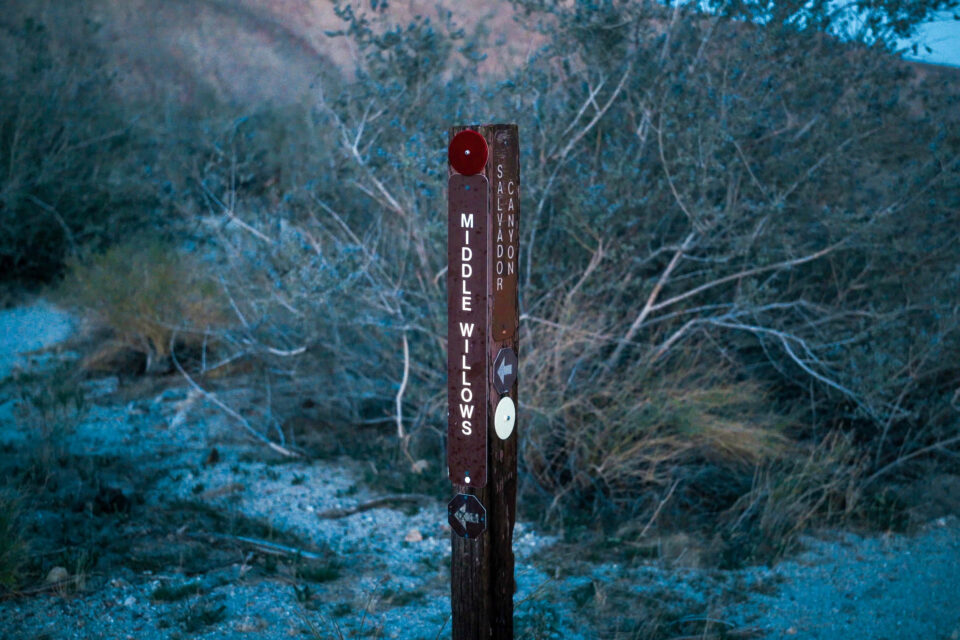
Eventually, the route shifts again. The openness of the desert gives way to something more contained. The Willows. It’s not a climb. It’s not a descent. It’s not a trail you can clearly measure on a map. It’s a place where direction becomes uncertain. A creek shadowed by willow trees. A desert oasis—if it weren’t so hard to navigate through and didn’t contain the scattered remains of animal kills.
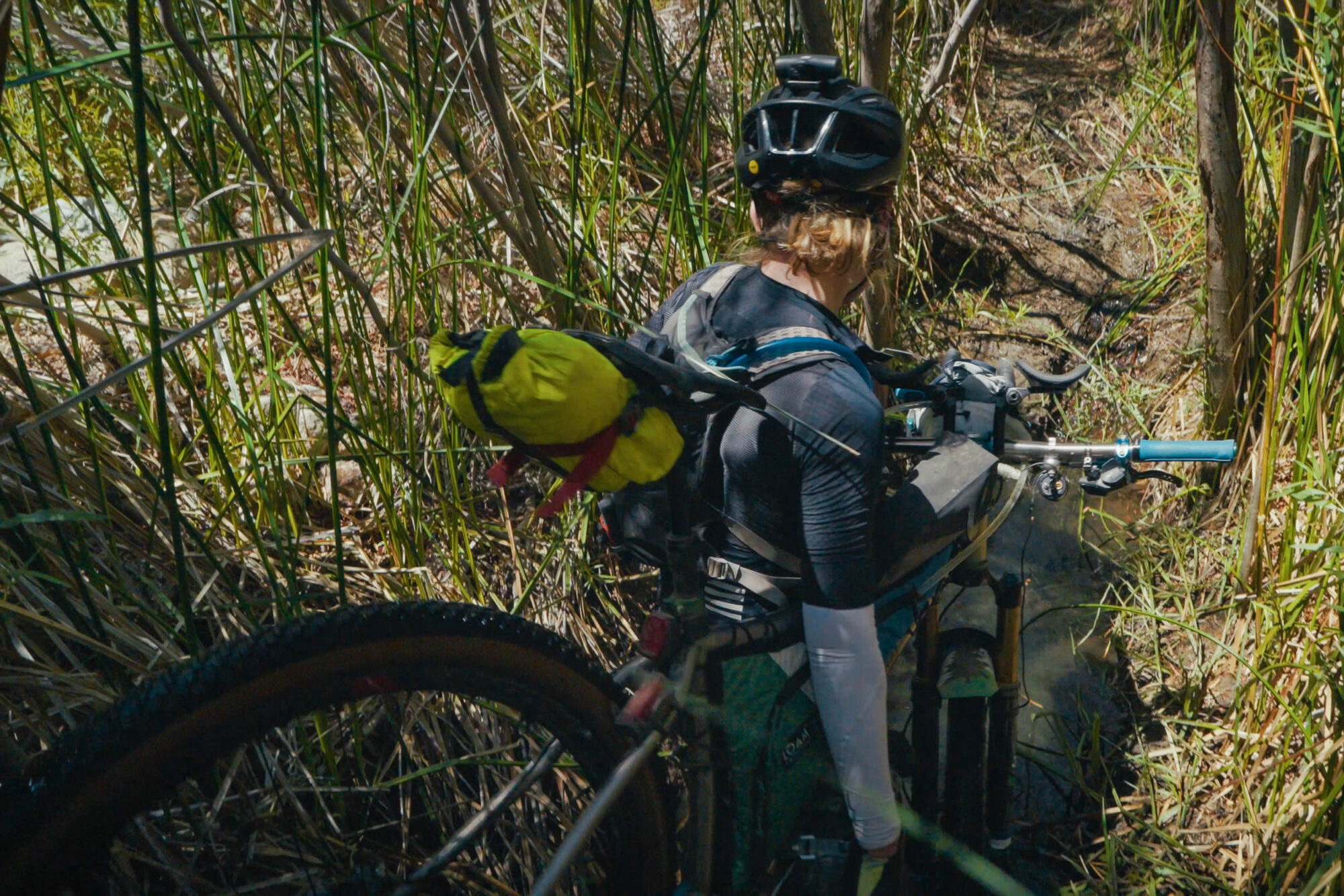

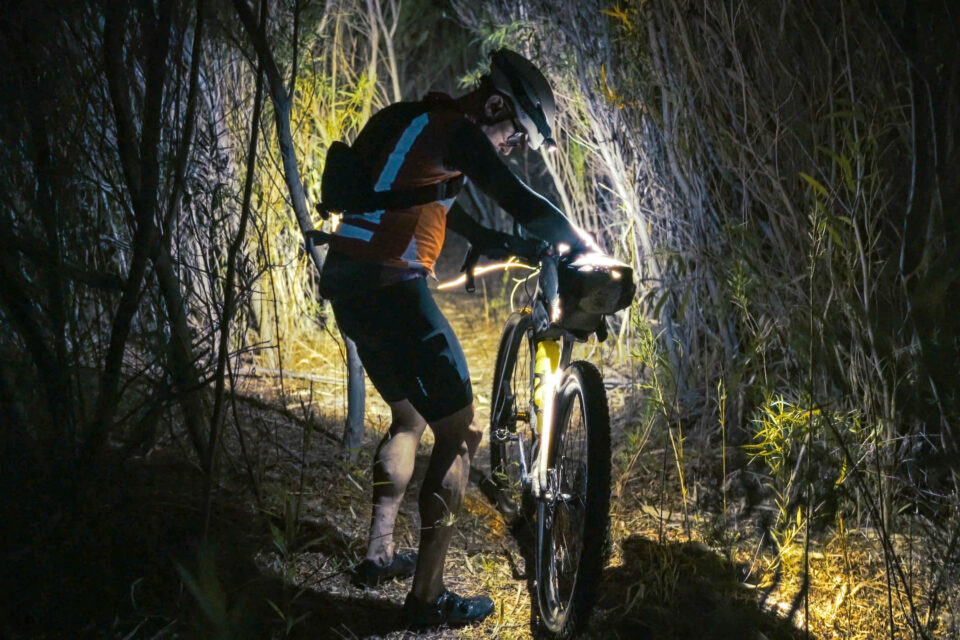
The trail splits, fades, then reappears. What seems like the right way isn’t always. Riders double back and lose time. They second-guess themselves. Even experienced riders get turned around here. You are effectively jumping into a creek with your bike and hoping for the best. And for many, it comes at the wrong moment. Late in the day with deep fatigue, sometimes in the dark.
The Willows don’t throw you off right away. Instead, they slowly lead you off track. And once that happens, it can take longer than expected to find your way back.
Why We Told It This Way
Stagecoach doesn’t unfold in a straight line. It jumps through space, time, and emotion. One moment, a rider is alone in the desert; the next, they’re laughing over a Coke and cookies. Hours later, they’re lost in the Willows, questioning everything. It doesn’t move like a traditional story, so we didn’t try to force it into one.
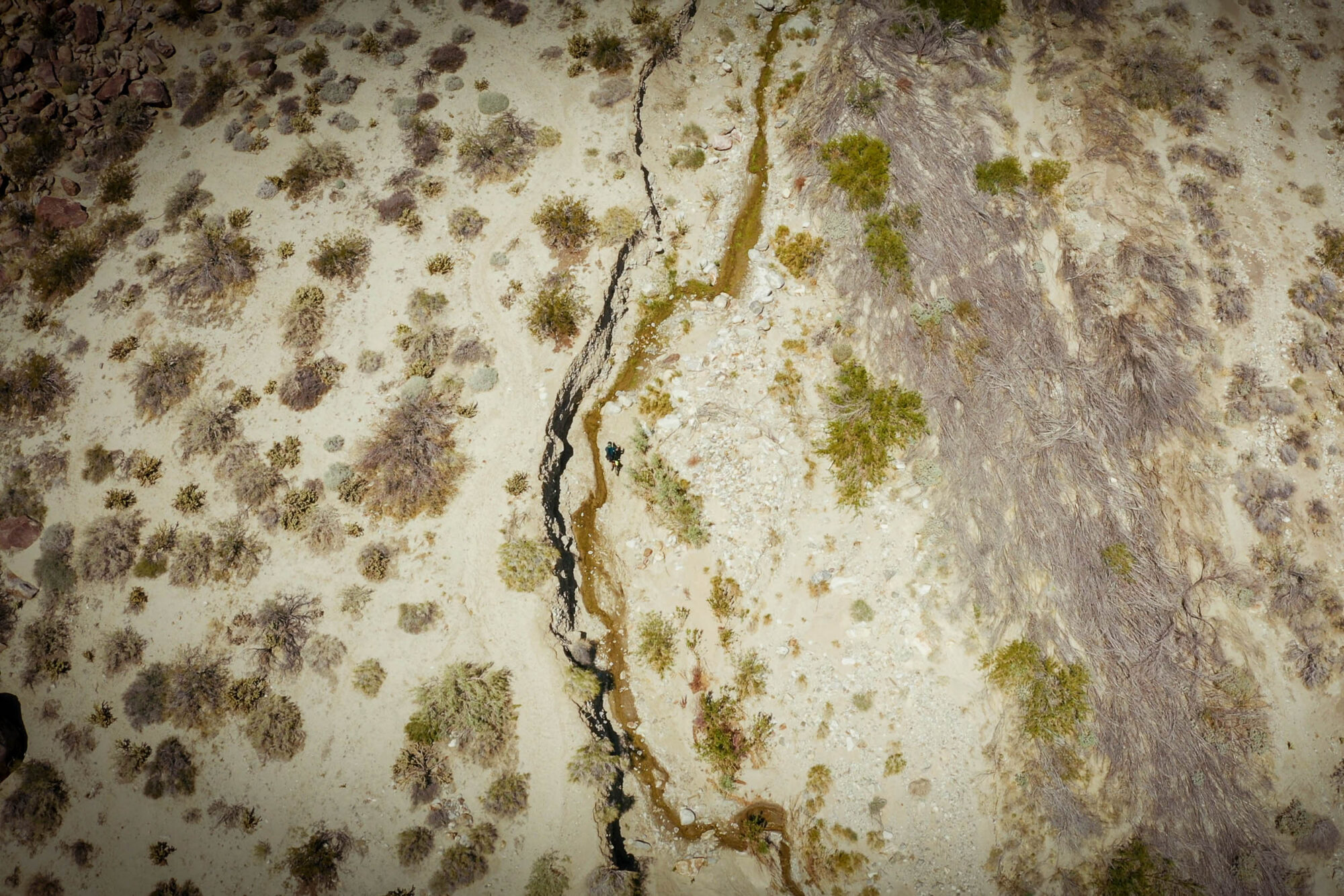
We chose to tell this in chapters and episodes. Not as a continuous recap, but as a series of moments. Fragments and shifts in perspective. Because that’s what it feels like to ride it. You’re not following a single, clean narrative. You’re moving through phases, through different headspaces, through other people’s stories intersecting with your own.
That meant jumping between riders, between positions in the field, between completely different experiences happening at the same time. The front, pushing through the night. The middle finding rhythm. Someone further back, deep in their own battle. All of it is happening. And all of it matters. Trail Magic and the Willows. A moment where the route gives something, and then asks for it back.
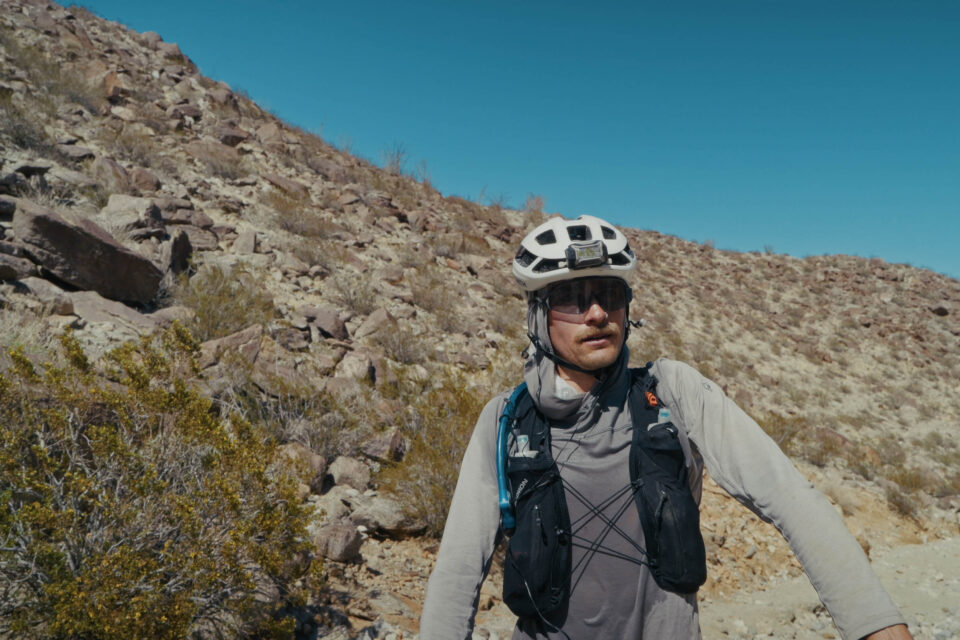
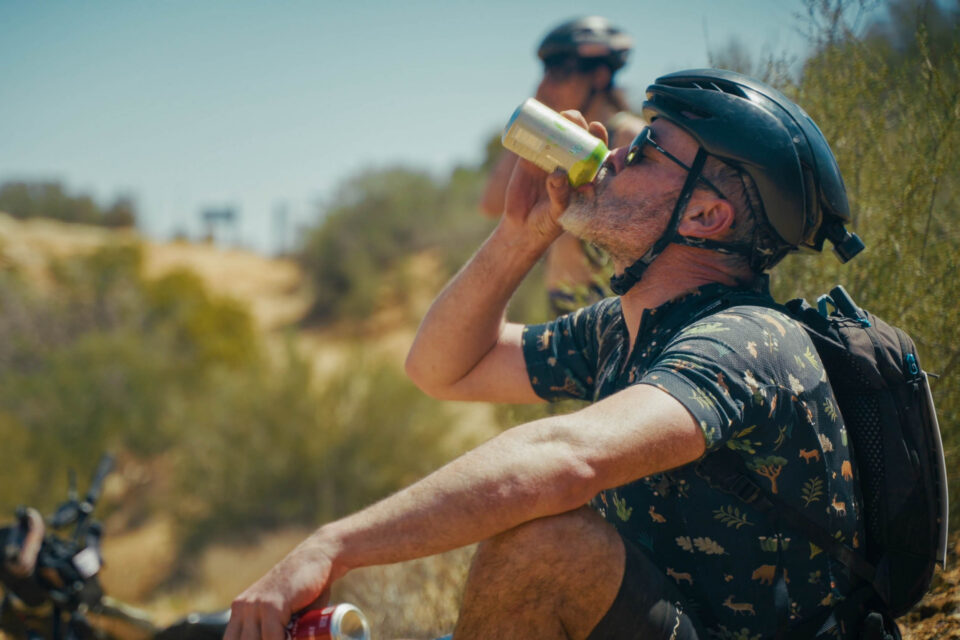
We didn’t want to smooth that out. We wanted to move between those moments the same way riders do. Abruptly, unexpectedly, without warning. Because in the end, Stagecoach isn’t one story. It’s many, happening all at once.
Further Reading
Make sure to dig into these related articles for more info…
Please keep the conversation civil, constructive, and inclusive, or your comment will be removed.