
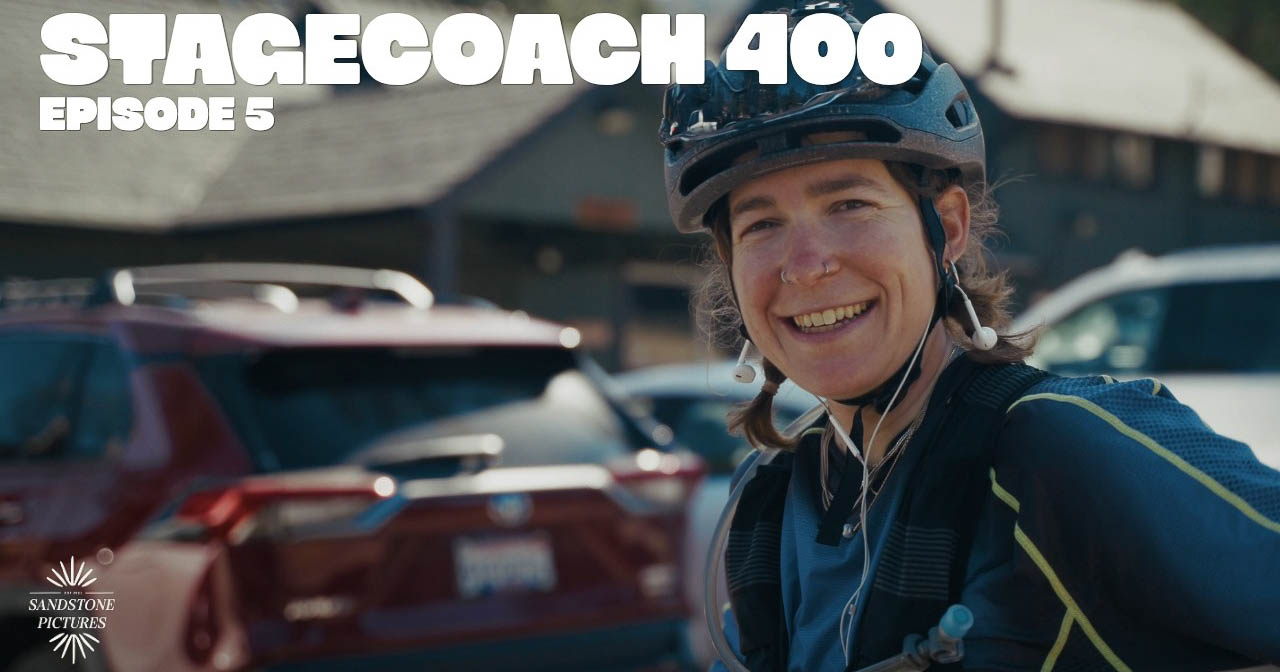
Coinciding with today’s 2026 grand depart, the fifth and final release in filmmaker Gregg Dunham’s Stagecoach 400 Documentary Series finds exhausted, trail-worn riders navigating the last miles of the event and arriving at the finish line changed in small and large ways. Watch the closing episode and catch up on others you missed here…
This five-part essay series accompanies the release of the Stagecoach 400 Documentary Series. Each week, alongside a new episode, I’m sharing reflections on why we chose to tell this story the way we did. These pieces aren’t recaps. They’re an exploration of what it means to document a grassroots route at a moment when bikepacking itself feels like it’s shifting.
The Final Miles
For most of the route, riders repeat the same thing: “It’s not a race.” Near the end, something changes. The miles start to feel limited. The finish line becomes real, and riders start thinking about time again. About placement. About who might be ahead, or just behind. The pace quickens, even if no one says it out loud. And whether they admit it or not, it becomes… a race.
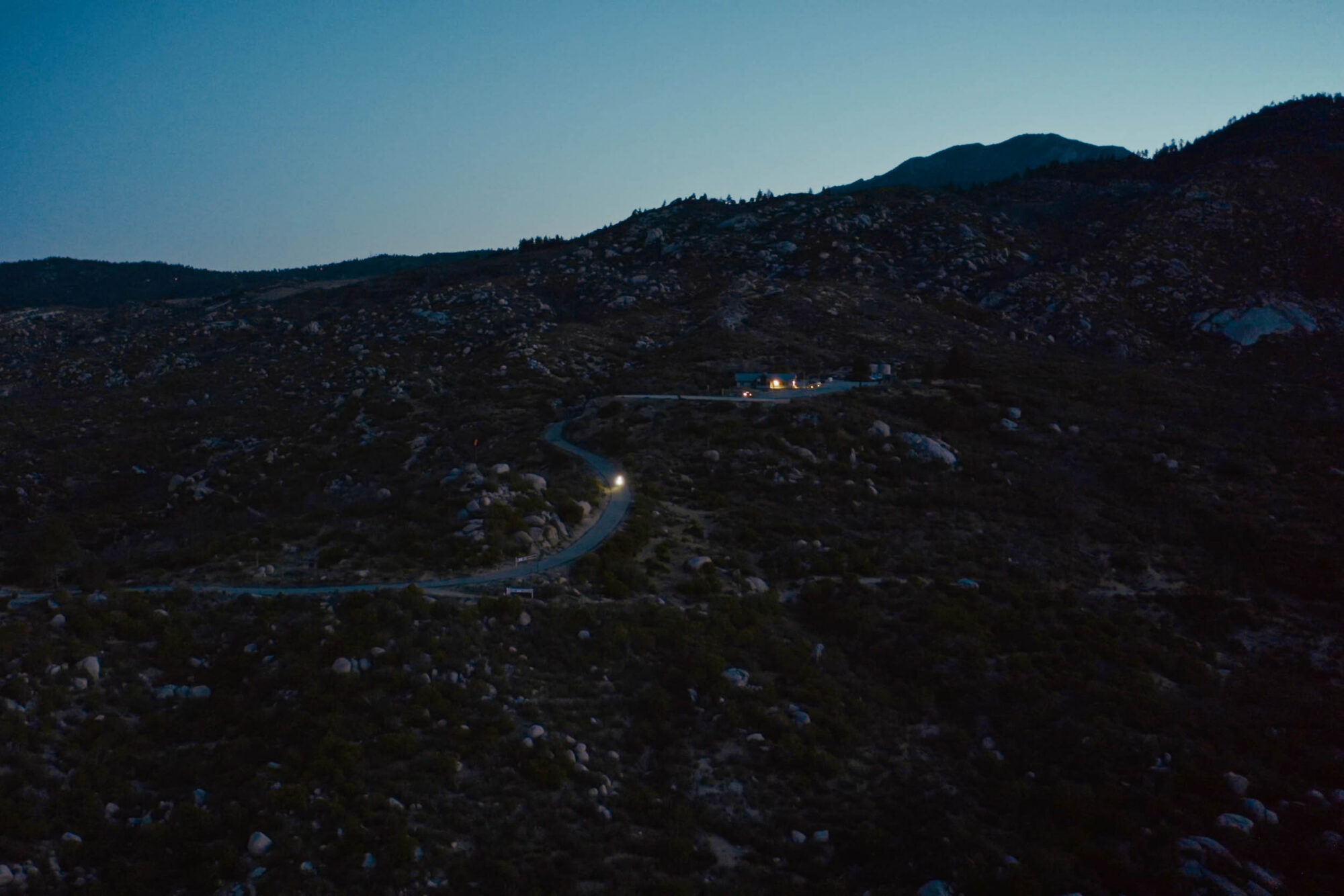

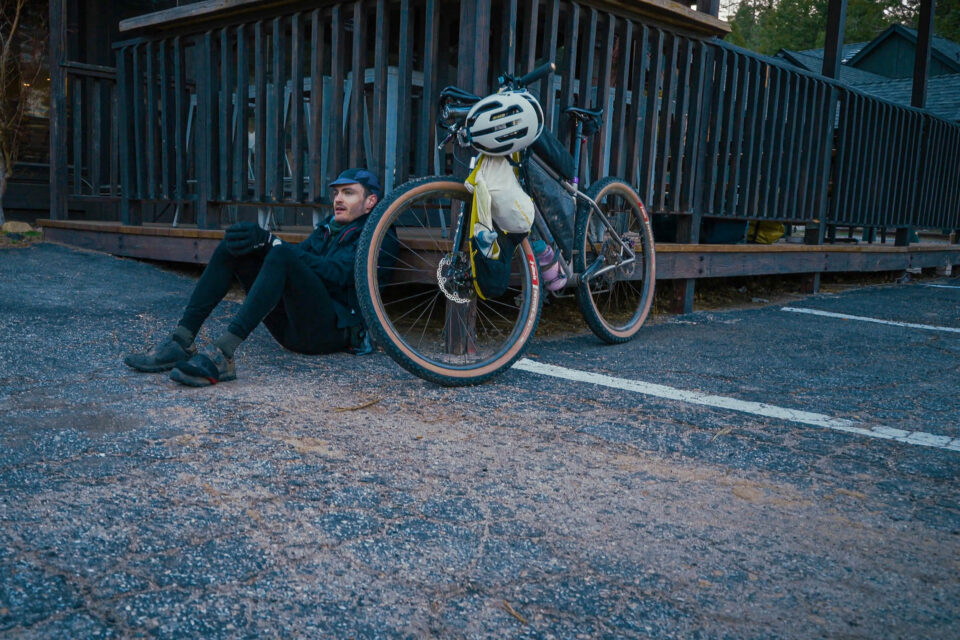
After 400 miles, there’s no room left for mistakes. The body is worn down. Sleep has been inconsistent. Nutrition has been improvised. The small things—navigation, pacing, rest, decision-making—start to carry more weight than they should. A wrong turn, just miles from the finish, doesn’t feel like much in the moment. Until it is. Out there, the route doesn’t care how strong you are. It doesn’t care how fast you rode the last 380 miles. It doesn’t care how close you were. It only cares if you followed it. That’s part of the deal. And everyone seems to understand that.
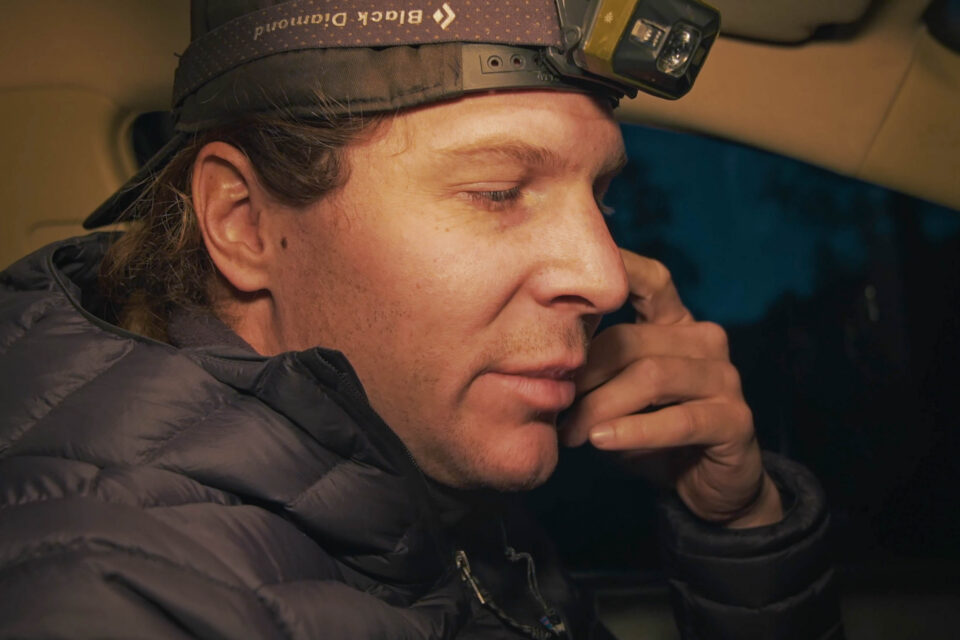
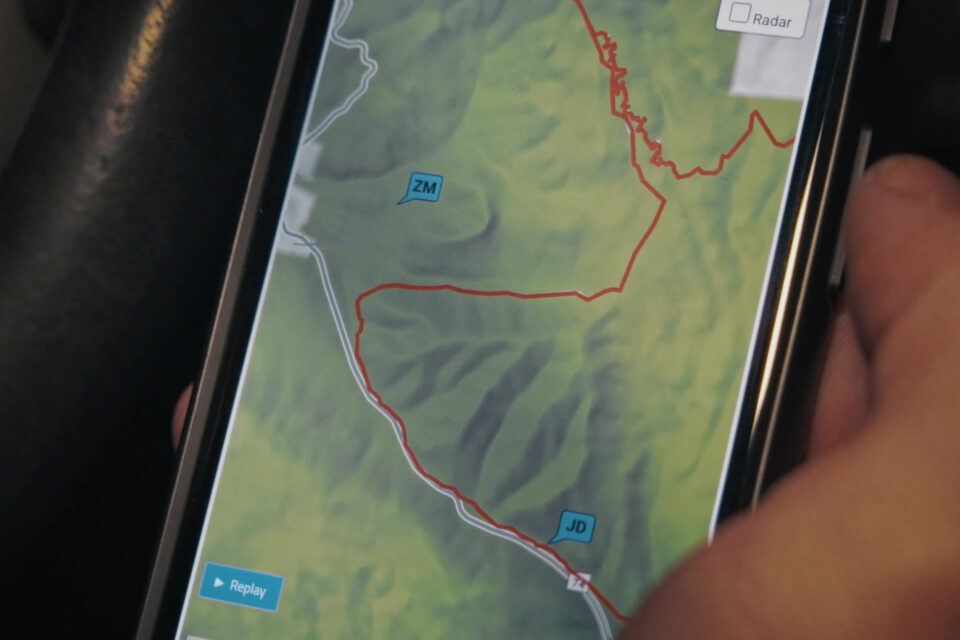
There’s no protest. No argument. No one trying to bend the rules in their favor. Just an acceptance that the outcome is the outcome, even when it stings. Especially when it stings.
The Finish Line
The finish line itself is almost understated. There’s no crowd waiting. No banner stretched across the road. No announcer calling out names. Just riders arriving one by one, each carrying the weight of the last few days in their own way. One rider in the film simply says, “This is it?”

Some sit down immediately. Some need a minute before they can even speak. Some don’t yet fully know what they’re feeling. Everything hurts. If you’ve done an event like this, you know the feeling. But there’s something else. A shared understanding among riders who, just days earlier, were strangers. It reveals itself in the way they speak to each other, in how they congratulate one another, and in how they sit side by side without needing to explain anything. They understand what it took to get here.

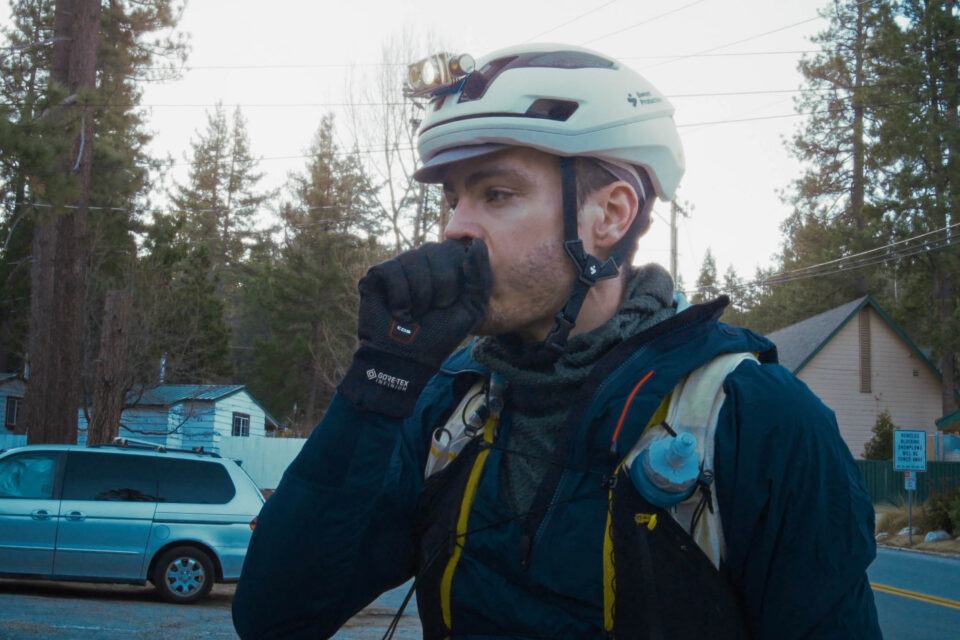
And almost as soon as they arrive, something else begins to emerge. Someone mentions next year. A section of the route that the riders believe they could ride faster. Maybe a part that was more challenging than they expected. Perhaps they stayed too long at a resupply. Maybe they just want to relive this raw experience. That’s the part that’s hard to explain.
The Space It Lives In
The Stagecoach 400 occupies a unique space. Not quite a race. Not quite a ride. Not fully defined, and maybe better for it. But one thing that stands out, year after year, is how open it is. There’s very little gatekeeping. You don’t need to qualify. You don’t need to prove yourself. You don’t need to come from a certain background or know the right people. If you’re willing to show up and give it a go, you belong.


And that openness shapes the experience. What you see out there isn’t just competition. It’s a wide range of people—different ages, different backgrounds, different paths, different reasons for being there—all sharing the same route and the same reality. That kind of culture is rare. And it’s part of what makes this event so special.
Unsupported Bikepack Racing
This style of bikepack racing has developed its own identity over time. No fees to enter. No prizes. No financial incentive waiting at the finish. No real structure. One hundred percent self-supported.
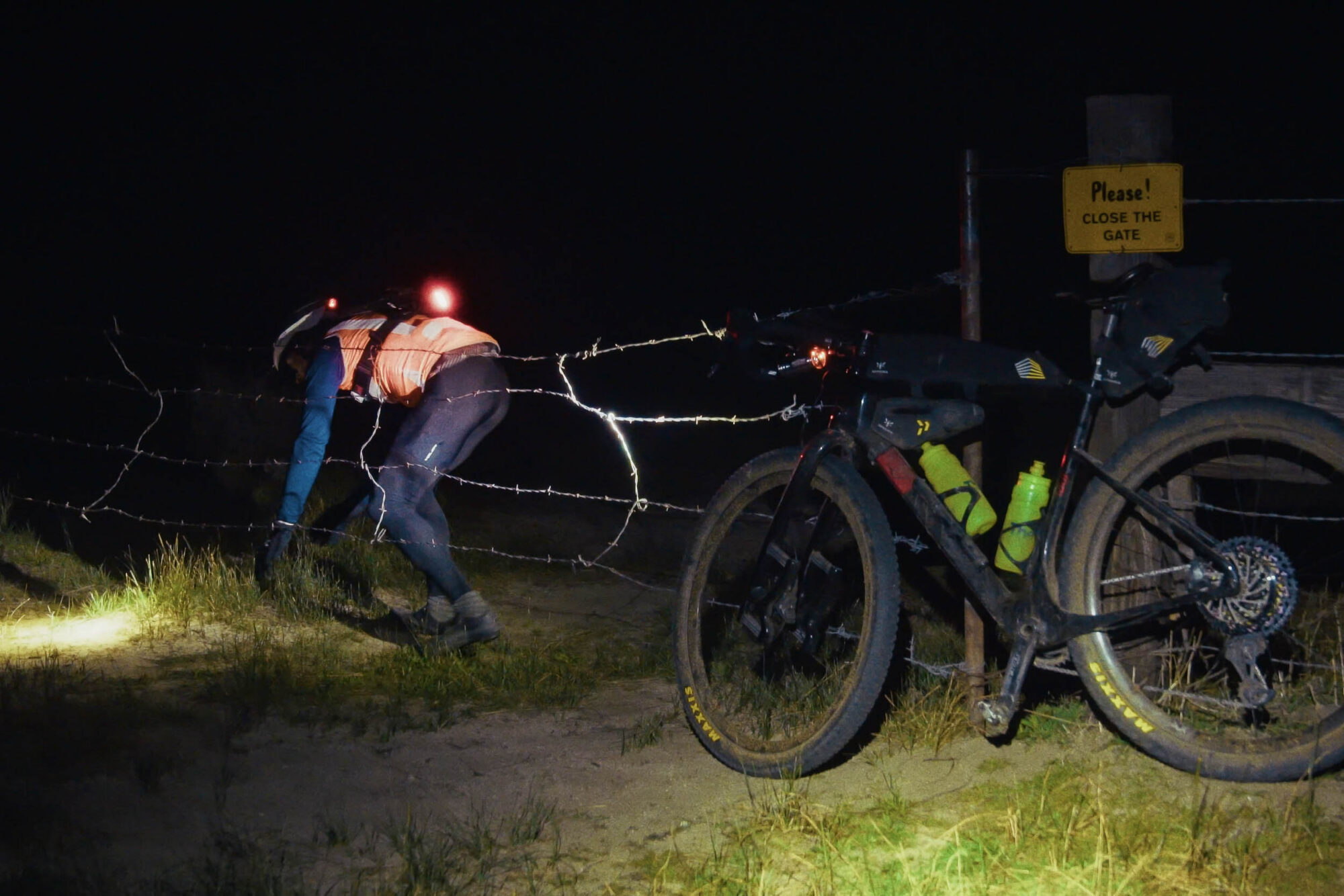
The rules are minimal, but those that exist matter. You carry what you need. You solve your own problems. You accept the consequences of your decisions. The self-supported ethos isn’t just a guideline; it’s the foundation of the entire experience. There’s no outside help, no checkpoint stations, nothing that isn’t available to everyone else on the route.
And because of that, something beautiful and raw takes shape. It’s not enforced in a traditional sense. It’s understood. Agreed upon. Lived out by the people who show up. It’s a little rough around the edges. A little unpolished. And somehow, that’s exactly what makes it work.
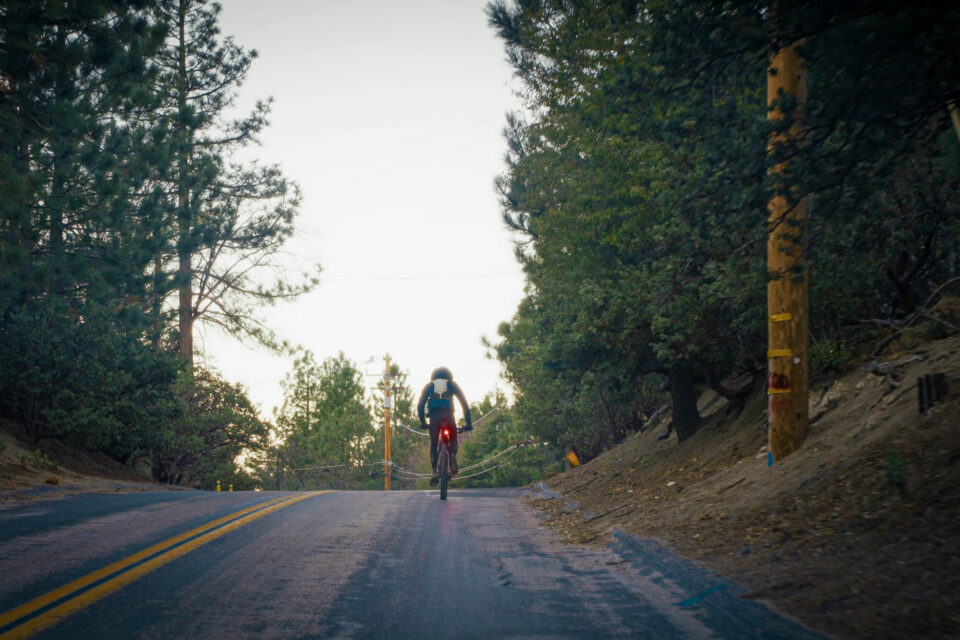

This has created a unique culture. One built more on trust than oversight. A community built around the feeling of accomplishment and acknowledging that no matter how long it took, you shared this hard experience with someone.
Why Document This
This series was never about defining the Stagecoach 400 or setting it in stone. It was about documenting it as it exists right now. A moment in time. A snapshot of a culture that continues to evolve but still holds onto something rare. The tension between racing and not racing. The respect between riders and the “rules” of this weird little sport. The willingness to take on something difficult, without needing to make it something bigger than it is.
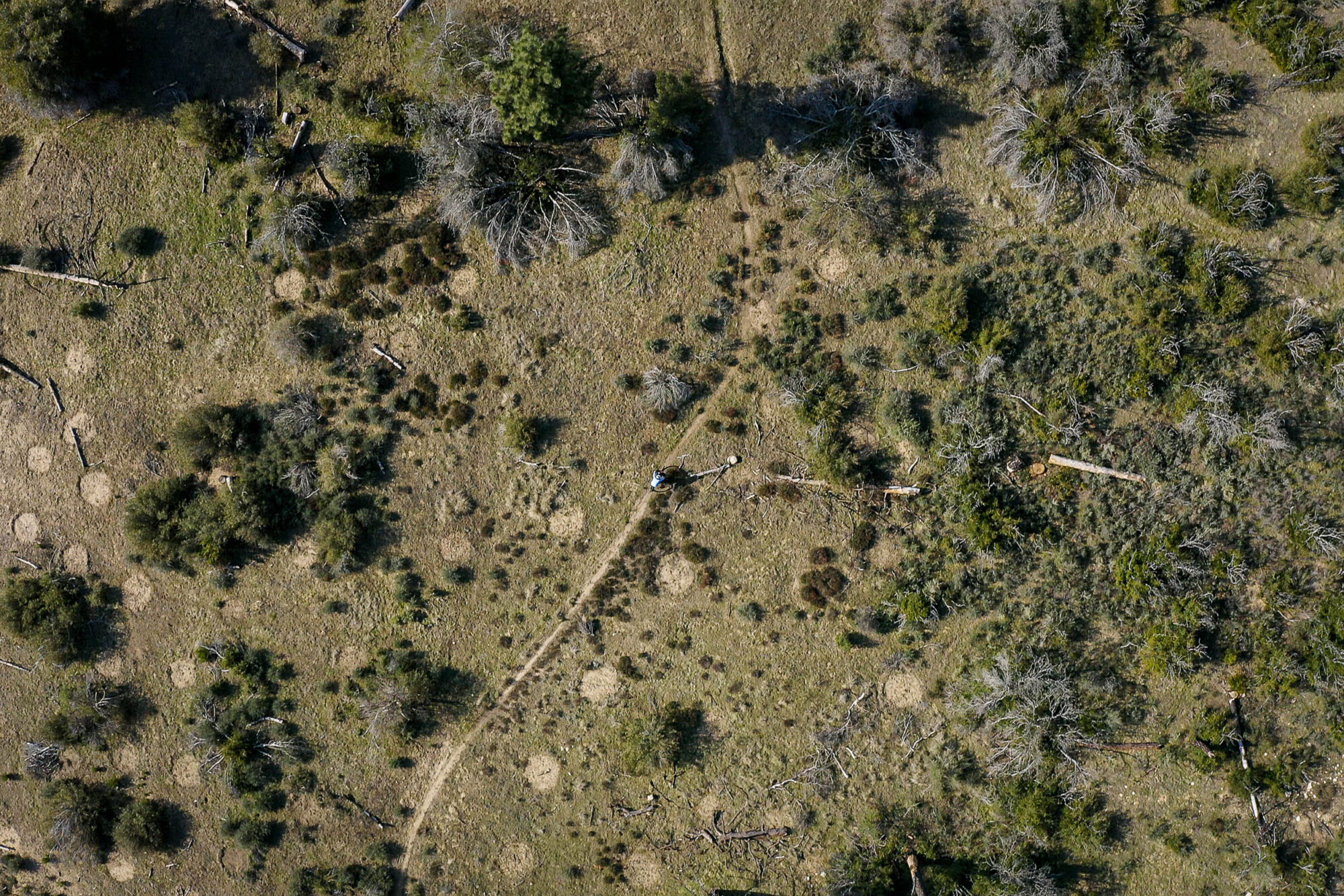
This style of “racing” doesn’t always fit neatly into categories, and that’s part of what makes it worth paying attention to. Something to document for future generations who might stumble upon this sport, as I did. As we near the 15th annual grand depart of the Stagecoach 400, it’s important to reflect on how events and routes like these shape our community. Bikepacking and bikepack racing have profoundly impacted my life in so many unexpected ways. This sport has taught me the lessons of endurance and the beauty of self-reliance. At the same time, it has brought me many dear friendships and experiences to hold on to for the rest of my life.
What Remains
In the end, this series was never just about who finished first. Or the heroes who chase speed and glory. It was about everything that happens along the way. The small decisions, the long nights, the moments of doubt, the unexpected kindness, the shared miles—things that don’t show up in results or on tracking maps but stay with you long after the ride is over.
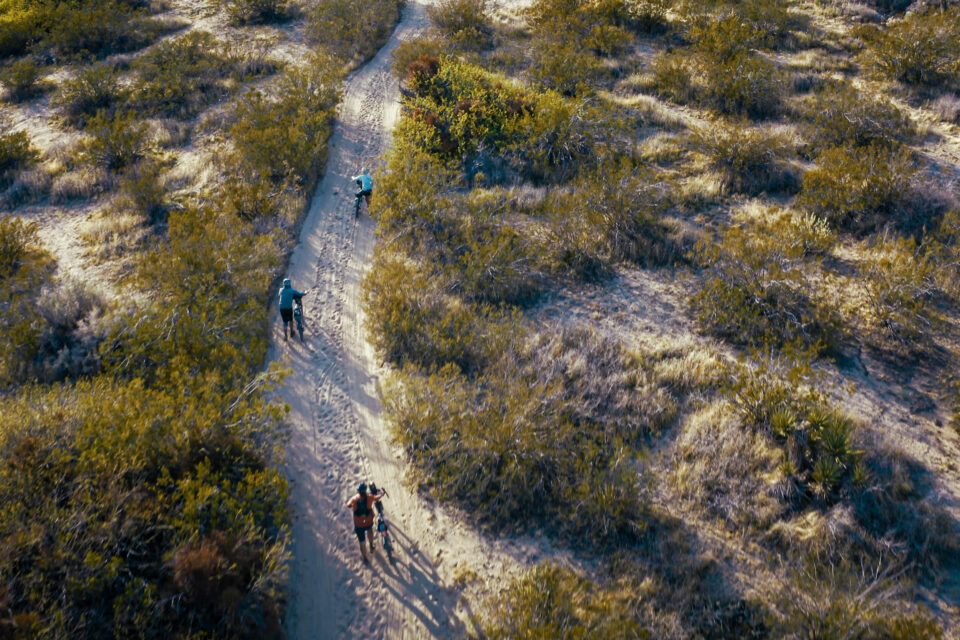

What remains isn’t the leaderboard. It’s the feeling—the memory of pushing through something tough, the connection to the land, the bond with other people. The sense that, for a brief moment, you were completely present. That you earned something. Even if you can’t quite put a name to it.
The glory of going fast. The joy of going slow. Somewhere between those two is why this matters at all.
Further Reading
Make sure to dig into these related articles for more info…
Please keep the conversation civil, constructive, and inclusive, or your comment will be removed.