
It’s human nature to look forward. Whether we’re thinking about the next event, whether we’re anxious about getting through the next interval, or whether we’re planning next year’s race calendar, we’re programmed to look ahead. Reflection, by contrast, takes a bit of work. It requires patience, it taps into our memory so as to engage and start turning the cogs in our mind to recall particular events, assess how they went, how they were successful or challenging. It’s easy to say we learn from our mistakes so that we can be better in the future, but the actual act of doing so is a bit more work. Superficial as it may be, that’s what I like about the month of December when our favorite fitness tracking apps present the our previous year in rapid fire format. (I’m looking at you, WHOOP and Strava!)
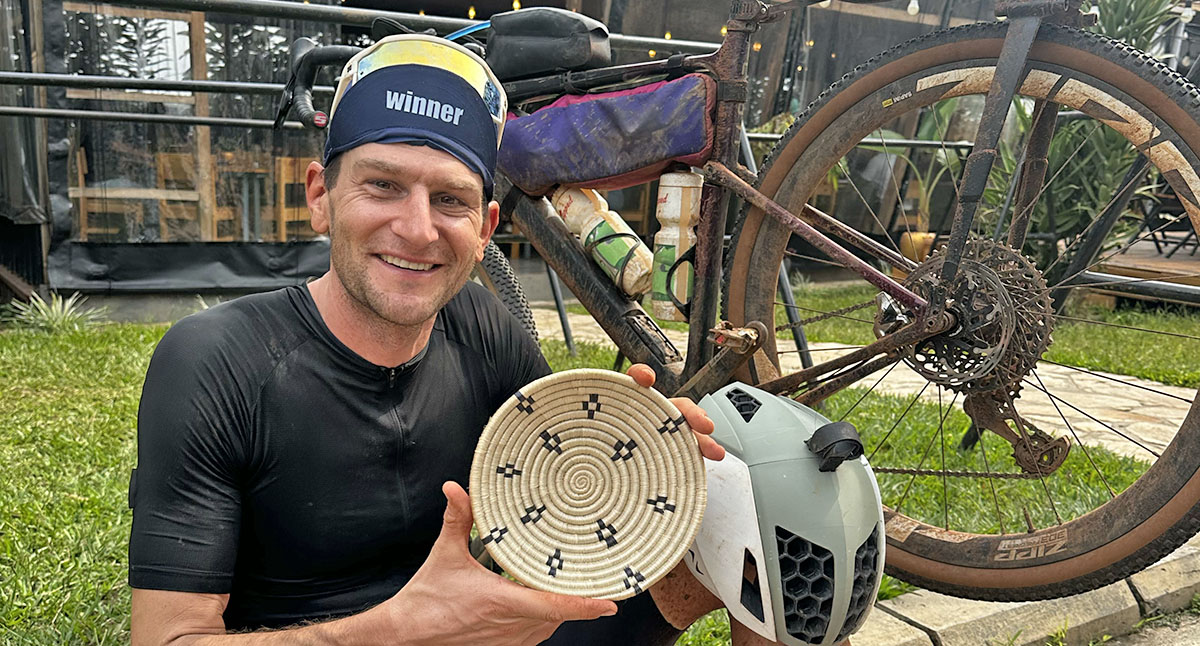
Calling Vermont home makes it mandatory to embrace the seasons—and our winter delivered a walloping one year ago. Record snow and arctic temperatures had me performing a balancing act of nordic skiing, alpine touring on skis, plenty of indoor riding, and, more often than not, braving the elements, just to get outdoors for a ride. This was all part of the plan to be ready for my first event of the year, The Race Around Rwanda. This 1,000-km bikepacking race is young in its history, but it draws an impressive rider lineup. For example, at the time we set off from Kigali, the previous two Tour Divide winners, Ullrich Bartholmoes and Justinas Leveika, had also recently tackled the RAR.
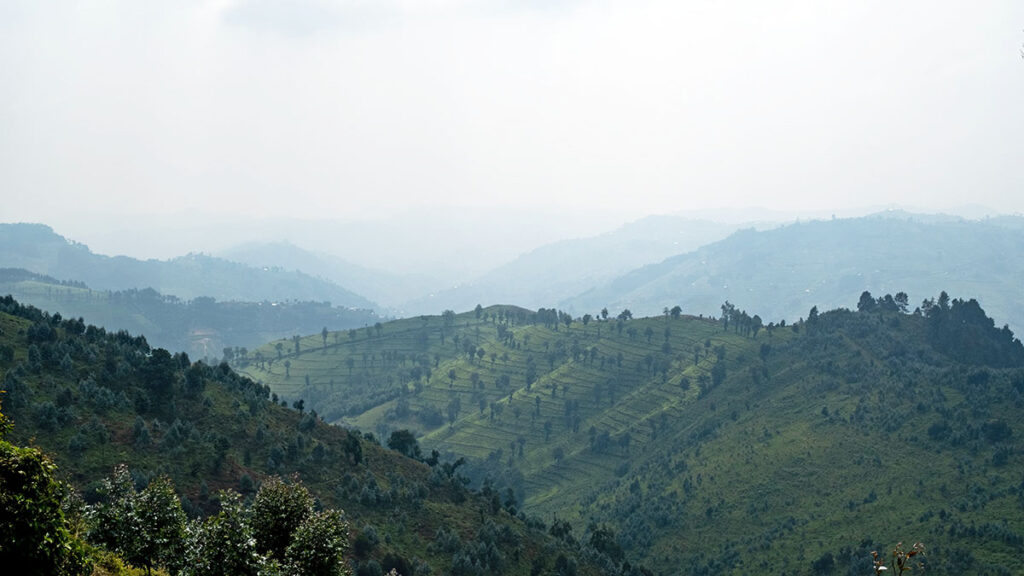
Definitely a highlight of my year, I looked at it as my chance to explore a new continent as well as see the country and capital city in which the UCI Road World Championships would take place eight months later. My cycling career prior to the privateer life was that of a pro road cyclist, which is a world I continue to follow closely. So fast forward to last week, where I had Magdeleine Vallieres on my King of the Ride podcast, it was tongue-in-cheek that I joked she and I both won our respective races in Rwanda this year. Her rainbow jersey as elite world champion, however, is something she can wear all year—that’s something that wasn’t up for grabs during my trip.
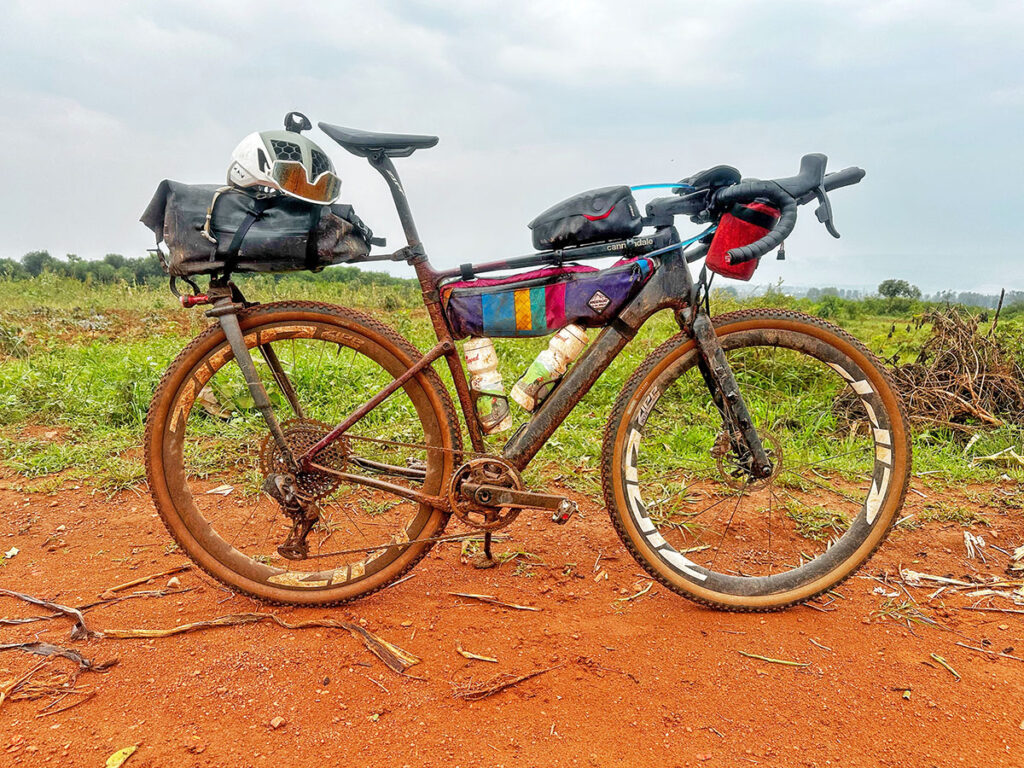
I rode my Cannondale Topstone around Rwanda, which is the workhorse of the Cannondale endurance/off-road family. Not knowing the nuances of the terrain there on the other side of the world, I matched that bike up with 700 x 48 mm Rene Herse Oracle Ridge tires in my preferred Endurance Plus casing. Standing just shy of 6 foot 3 inches, I tend to put my tires through the ringer. On this trip, the Oracle Ridges stood up to every challenge Rwanda had in store.
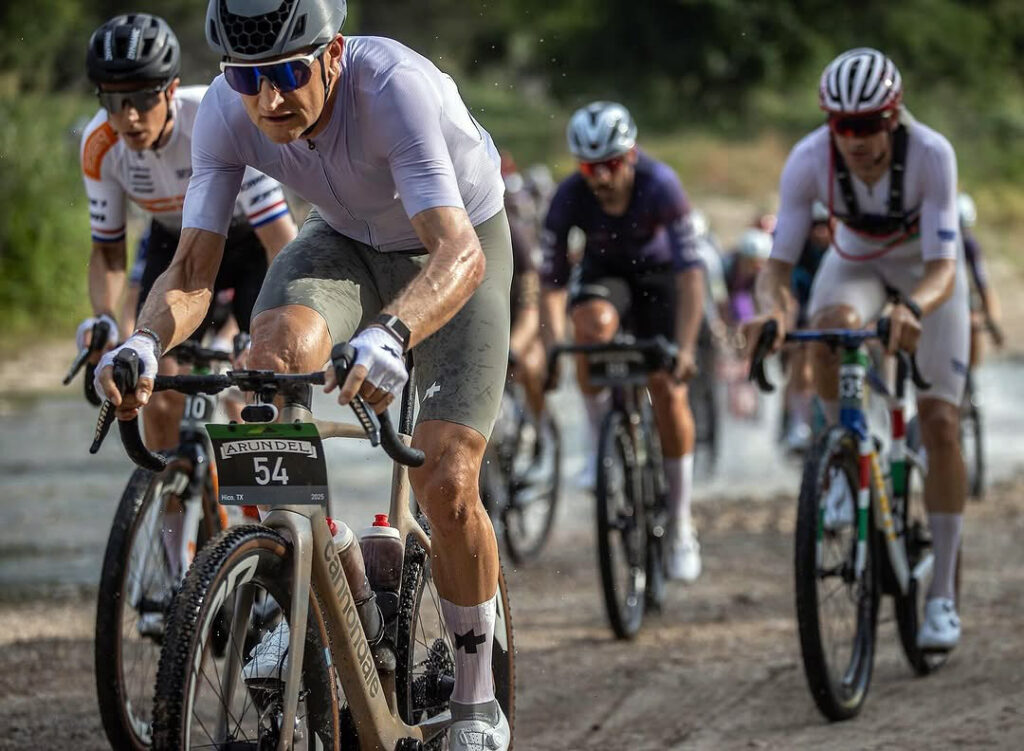
Continuing to think back on the year, my 2025 calendar proceeded with a mix of 25 events in total. From the gravel races that earn headlines in cycling’s biggest publications to upstart mom ‘n’ pop events, road camps for fitness and gravel camps for community building, a pair of (successful!) FKT attempts, a road stage race, and a handful of cross-country mountain bike races, I really enjoy the process of mounting up and riding (almost) the full range of Rene Herse tires, from the 31 mm Orondo Grade road tires to the big 29″ x 2.2″ Fleecer Ridges.
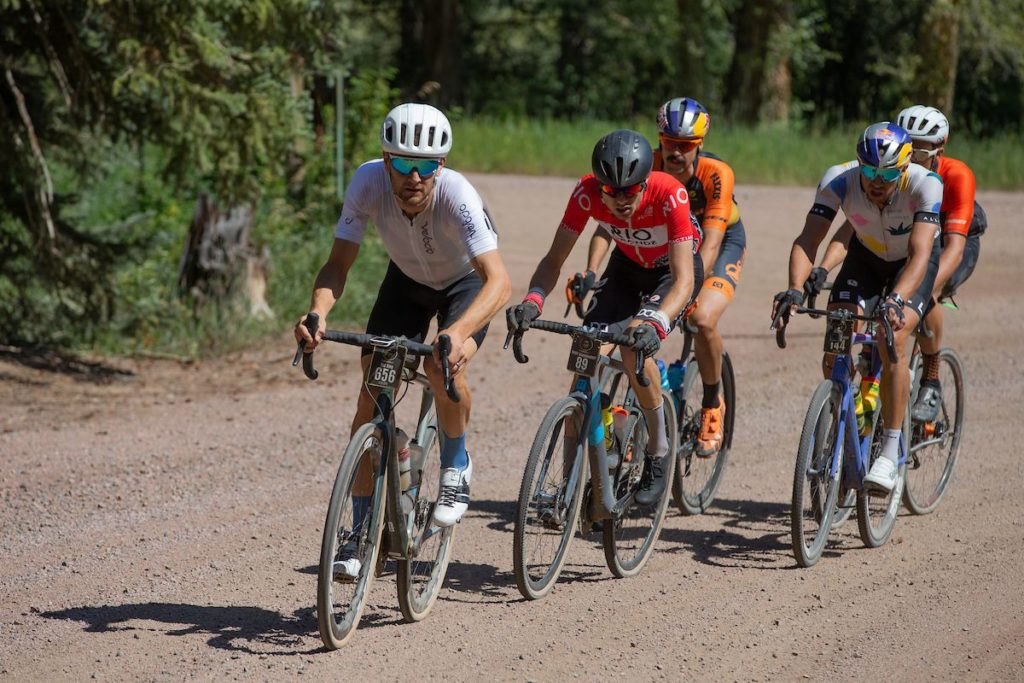
One of the standout tires of the year shares a history with one of North America’s biggest races. It was back at the inaugural 2019 SBT GRVL in Colorado where, after a hard-fought battle, I proudly crossed the line first. Working with the Rene Herse team over the years, it was clear that something in between a slick tire and their characteristic dual-purpose knobby would be useful, and the semi-slick Corkscrew Climb—an homage to the original SBT course—was the result. I’ve put my Corkscrews through their paces all throughout the year in races clear across the country, from California to Vermont, and call them a standout favorite.
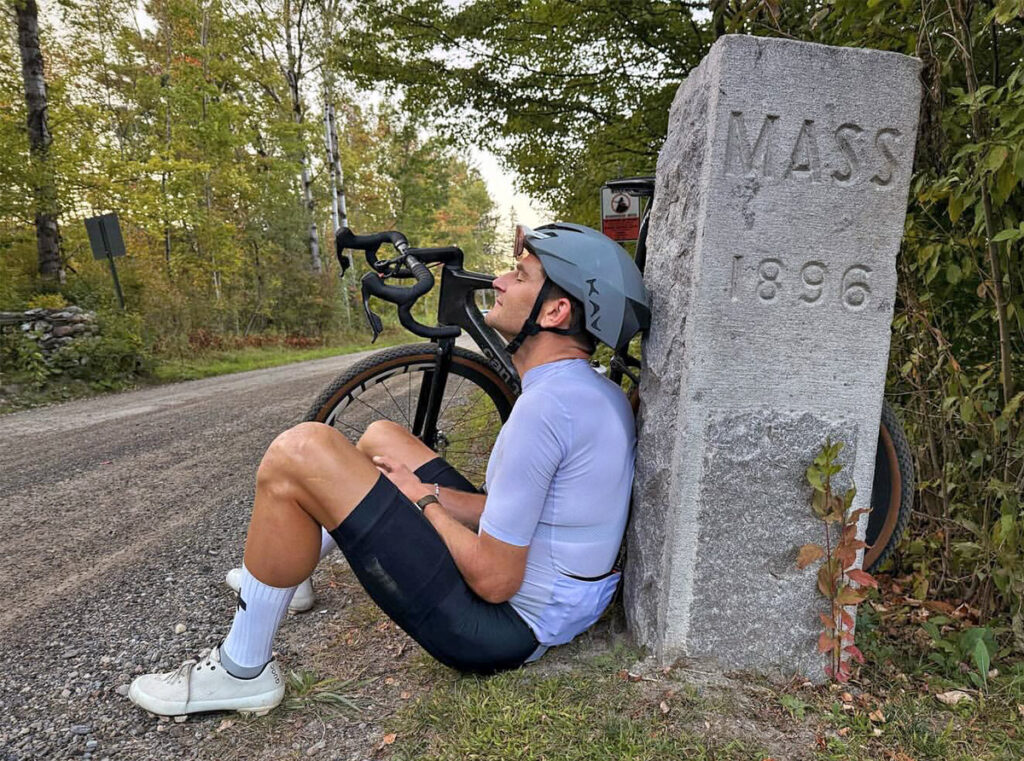
In a similar vain, the Corkscrew Climbs saw their bigger brother, Poteau Mountain, debut in the middle of 2025, and that’s a tire I took with me on my FKT across Vermont on the 300-mile VTXL late in the season. With the 4-mm jump from 44 to 48 resulting in 19% more air volume, the Poteau is the tire I opt for on longer outings or more chunky terrain. So it was my go-to for Unbound XL, as well as a second-place finish in the early-autumn, 400+-mile Megahopper.
It’s mid-December as I type this, and I’m proud of the year that’s been. I climbed on a handful of podiums, and I cheered for those who earned their place there instead of me. It’s still human nature, though, to look towards midnight on December 31, 2025, and I can’t help but glance at a few Strava reminders that I’m still 300 miles shy of 12,000 miles or 1,000,000 feet of elevation climbed for the year. Arbitrary, for sure, but motivating nonetheless to set up an even better 2026.
Happy end of season, everyone. I’m sure you can look back and find some proud moments as well.
More Information:
Photo credits: Manu Cattrysse (Photo 3); Jim Merithew (@tinyblackbox; Photo 5); Photowil/SBT GRVL (Photo 6)