
Embark on a journey off the beaten path and discover the world’s most remote bicycle routes tucked away in remote corners of the globe. From rugged mountain passes to desolate deserts, these trails promise unforgettable adventures for intrepid cyclists seeking to explore the world on two wheels.
1. The Death Road (Yungas Road), Bolivia
Descend from the heights of La Paz to the lush tropics of Coroico on one of the world’s most thrilling and picturesque routes, known as The Death Road (Yungas Road). Carved into the mountainside, this narrow dirt track winds through the dramatic landscapes of the Bolivian Andes, offering breathtaking views at every turn. Cascading waterfalls, sheer cliffs, and dense cloud forests create a cinematic backdrop for your journey, while the adrenaline-pumping descents will leave you exhilarated. Despite its daunting name, improvements in safety measures have made this iconic route accessible to adventurous cyclists seeking an unforgettable experience.
Practical Tips: Ensure your bike is in top condition, as the rough terrain and steep gradients can put strain on equipment. Consider joining a guided tour for added safety and local insights.
Death Road fun
3. Pamir Highway, Tajikistan
Traverse the breathtaking Pamir Mountains along one of the highest-altitude routes on Earth, experiencing the rugged beauty and rich history of this remote region. The Pamir Highway, also known as the “Roof of the World,” offers cyclists an unparalleled journey through towering peaks, vast plateaus, and ancient Silk Road settlements. Marvel at the stark contrast between the snow-capped peaks and the barren, lunar-like landscapes of the Pamir Plateau as you pedal through remote villages and past pristine alpine lakes. Encounter the warm hospitality of the Pamiri people, whose nomadic traditions have endured for centuries in this harsh yet captivating environment.
Practical Tips: Acclimatize gradually to the high altitude to avoid altitude sickness. Carry a reliable GPS or map, as signage and infrastructure can be limited in remote areas. Respect local customs and traditions, particularly when interacting with communities along the route.
4. The Karakoram Highway, Pakistan/China
Journey through the heart of the Karakoram Range, witnessing towering peaks, ancient glaciers, and the majestic beauty of this remote mountain landscape. The Karakoram Highway, one of the world’s highest paved roads, connects Pakistan and China via a route that traverses some of the most spectacular terrain on the planet. Cyclists will be awestruck by the sheer scale of the mountains, including iconic peaks like K2 and Nanga Parbat, as they pedal through dramatic valleys and past cascading waterfalls. Along the way, encounter the diverse cultures and traditions of the region, from the vibrant bazaars of Gilgit to the tranquil Buddhist monasteries of Ladakh.
Practical Tips: Prepare for extreme weather conditions, including sudden changes in temperature and altitude. Take precautions against altitude sickness by staying hydrated and allowing time for acclimatization. Exercise caution on the road, particularly in areas prone to landslides and avalanches.
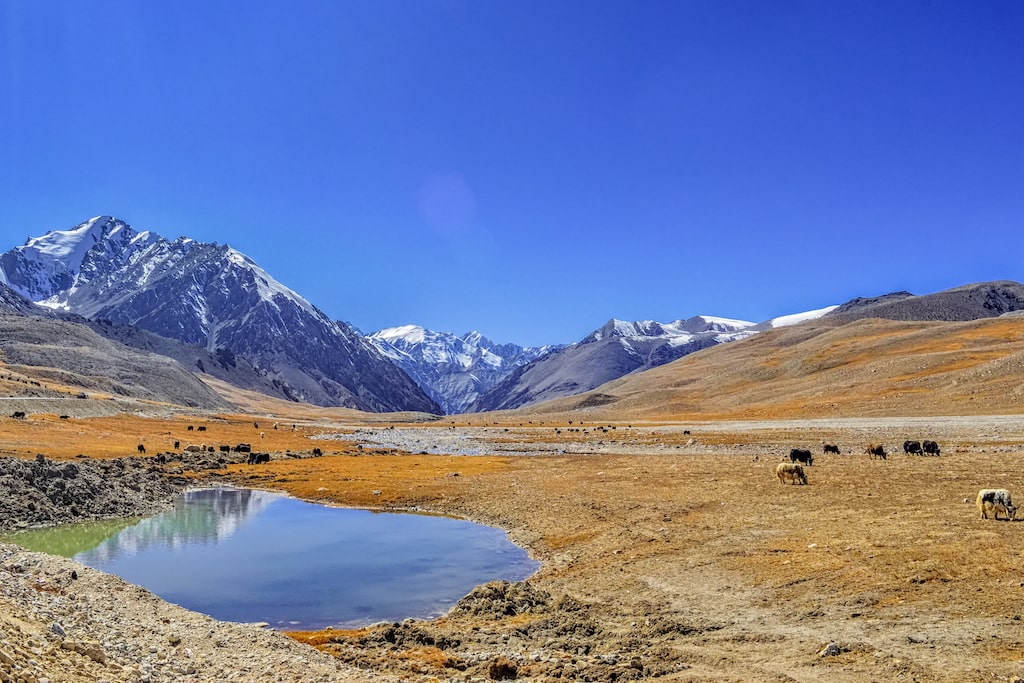
Karakoram Highway
5. The Shimanami Kaido, Japan
Experience the beauty of Japan’s Seto Inland Sea on the Shimanami Kaido, a 70-kilometer bicycle route that connects the islands of Honshu and Shikoku via a series of bridges. Starting in the historic city of Onomichi, this scenic route takes cyclists over six islands, each offering its own unique charm and attractions. Pedal across impressive suspension bridges, through quaint fishing villages, and past citrus groves and temples. The Shimanami Kaido is renowned for its stunning coastal views, well-maintained paths, and cultural highlights, making it a favorite among both local and international cyclists.
Practical Tips: Rent a bicycle at one of the many rental stations along the Shimanami Kaido, which offer a variety of options including electric bikes. Plan your journey to include stops at local eateries and attractions, such as the Kosanji Temple on Ikuchijima Island and the Hirayama Ikuo Museum of Art. Be mindful of weather conditions, particularly during the typhoon season from August to October. Carry a map or GPS device to navigate the route and locate rest stops and services along the way.
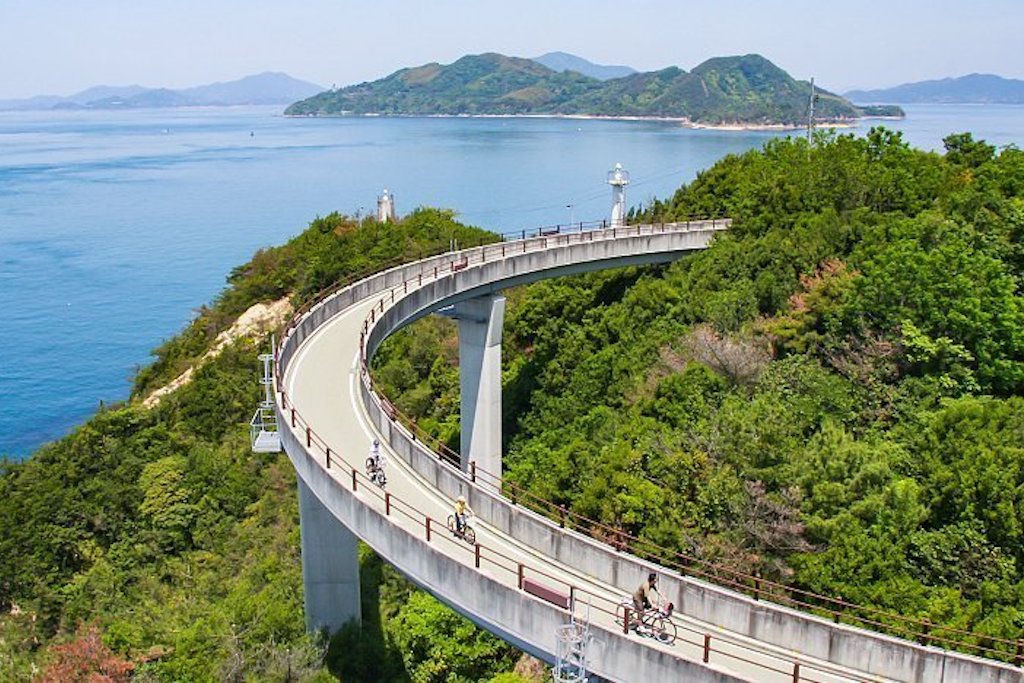
The Shimanami Kaido, Japan
6. The Great Divide Mountain Bike Route, USA/Canada
Embark on an epic off-road adventure along the spine of the Rocky Mountains, traversing 2,700 miles of pristine and remote bicycle route from Canada to Mexico. The Great Divide Mountain Bike Route offers cyclists an unparalleled opportunity to explore the rugged beauty of North America’s backbone, passing through six states and two countries along the way. Pedal through dense forests, alpine meadows, and expansive prairies as you follow the Continental Divide from the wilds of Montana to the deserts of New Mexico. Along the route, encounter diverse wildlife, from grizzly bears and elk to pronghorn antelope and bighorn sheep, as you test your mettle against some of the most challenging terrain on the continent.
Practical Tips: Prepare for a variety of trail conditions, including rocky descents, river crossings, and steep climbs. Carry bear spray and know how to properly store food to minimize encounters with wildlife. Plan your resupply points carefully, as services can be scarce in remote areas.
7. The Hebridean Way Cycling Route, Scotland
Discover the remote islands of the Outer Hebrides, cycling through rugged coastal landscapes, ancient ruins, and windswept beaches along the edge of the Atlantic Ocean. The Hebridean Way Cycling Route offers cyclists a journey through some of Scotland’s most breathtaking scenery, from the rugged cliffs of Harris to the pristine sands of Vatersay. Pedal past historic sites like the ancient standing stones of Callanish and the medieval castle of Kisimul as you immerse yourself in the rich history and culture of these remote islands. Along the way, savor fresh seafood, warm hospitality, and traditional music at local pubs and inns, where you’ll be welcomed like family by the islanders.
Practical Tips: Prepare for changeable weather conditions by packing waterproof clothing and layers. Take advantage of local accommodations and services to rest and refuel along the route. Respect the natural beauty of the Hebrides by following Leave No Trace principles and supporting sustainable tourism initiatives.
Hebridean Way – Cycle YOUR Way from Outer Hebrides on Vimeo.
8. The Friendship Highway, Nepal/Tibet
Follow in the footsteps of ancient traders along this high-altitude route, offering unparalleled views of the Himalayas, including the majestic Mount Everest. The Friendship Highway connects the Tibetan capital of Lhasa with the Nepalese border town of Zhangmu, traversing some of the most spectacular mountain scenery on the planet. Pedal through remote Tibetan villages, past sacred monasteries, and alongside turquoise lakes as you journey through the roof of the world. Encounter the unique culture and traditions of the Tibetan people, whose deep spiritual connection to the land is evident in every prayer flag-draped pass and whitewashed stupa along the route.
Practical Tips: Obtain the necessary permits and visas for travel in Tibet, as restrictions may apply. Allow time for acclimatization to the high altitude, particularly when crossing mountain passes. Respect local customs and traditions, including Buddhist religious sites and cultural practices.
9. The Munda Biddi Trail, Australia
Spanning over 1,000 kilometers through Western Australia’s jarrah forests, the Munda Biddi Trail offers cyclists a unique opportunity to experience the state’s diverse wildlife, ancient forests, and rugged terrain. From the coastal town of Mundaring to the historic port city of Albany, the trail winds its way through some of the most pristine wilderness in Australia, passing through national parks, conservation areas, and rural farmland. Pedal beneath towering karri trees, past tranquil rivers, and alongside picturesque vineyards as you immerse yourself in the natural beauty and tranquility of the Australian bush. Along the way, keep an eye out for kangaroos, echidnas, and colorful birdlife, as well as traces of the region’s rich indigenous heritage.
Practical Tips: Plan your route carefully, taking into account trail conditions, water availability, and camping options. Carry sufficient supplies, including food, water, and repair tools, as services are limited along the trail. Respect the natural environment and indigenous cultural sites by following Leave No Trace principles and obeying trail regulations.
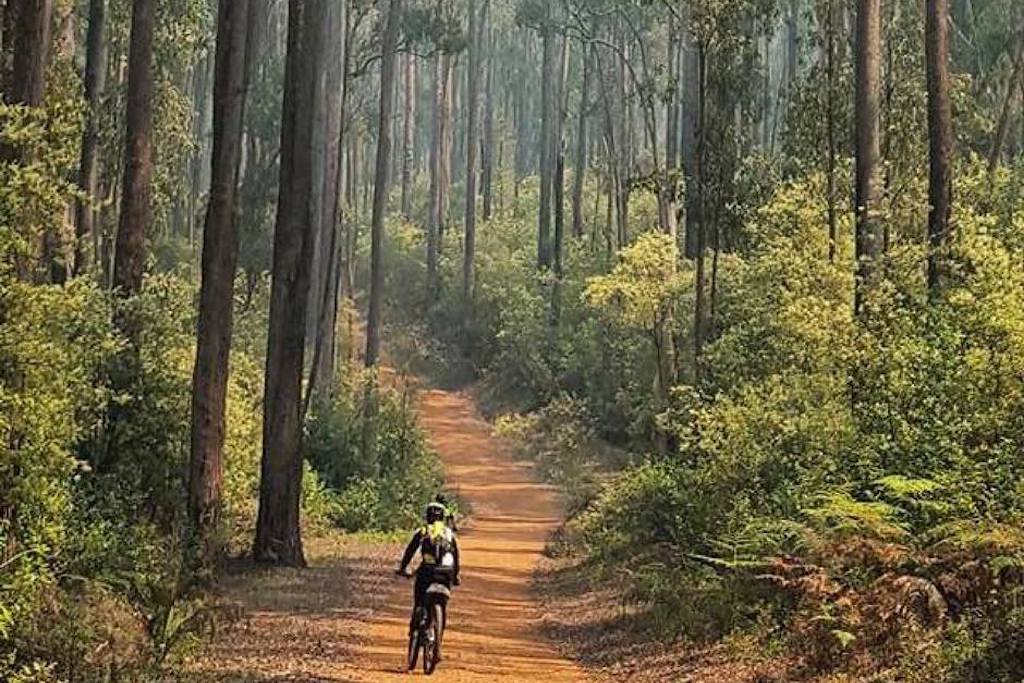
The Munda Biddi Trail (Facebook Munda Biddi Trail Foundation)
10. The King’s Highway, Jordan
Follow in the footsteps of ancient traders and pilgrims along this historic route, which winds through the rugged landscapes of Jordan’s desert regions, past ancient ruins, and alongside dramatic canyons. The King’s Highway traces its origins back thousands of years, connecting the ancient cities of Petra and Aqaba with the capital city of Amman. Cyclists will be captivated by the stark beauty of the desert, where towering sandstone cliffs give way to sweeping vistas of rocky terrain and endless horizons. Pedal past iconic landmarks like the Crusader castles of Kerak and Shobak, the Roman ruins of Jerash, and the biblical site of Mount Nebo as you delve into the rich history and culture of this timeless land. Along the way, encounter the warm hospitality of the Bedouin people, whose nomadic traditions have endured for centuries in the harsh desert environment.
Practical Tips: Carry ample water and supplies, as services are limited in remote areas. Take precautions against the intense desert heat by wearing sun protection and staying hydrated. Respect the cultural heritage of Jordan by obeying local customs and traditions, particularly when visiting religious sites and interacting with local communities.
11. The Transfăgărășan Highway, Romania
Tackle one of Europe’s most dramatic mountain roads on two wheels as you ascend Romania’s legendary Transfăgărășan Highway. Carved through the rugged Făgăraș Mountains in the Southern Carpathians, this sinuous route is a favorite among intrepid cyclists drawn to its hairpin bends, soaring alpine vistas, and adrenaline-pumping climbs. Originally constructed in the 1970s as a military road, the Transfăgărășan has since gained fame as a cycling mecca, often cited as one of the most scenic roads in the world.
The highway stretches for over 150 kilometers between the historic regions of Wallachia and Transylvania, climbing to a breathtaking 2,042 meters at its highest point near Bâlea Lake. Along the way, cyclists pass cascading waterfalls, dense coniferous forests, glacial lakes, and even the ruins of Poenari Castle—an inspiration for Dracula lore. The high-altitude route is both physically demanding and incredibly rewarding, offering sweeping panoramas at nearly every turn.
The road is generally closed to cars from late October through June due to heavy snowfall, but for well-prepared cyclists, the shoulder seasons can offer a quieter, even more magical ride.
Practical Tip:
Start your ascent early in the morning to avoid afternoon traffic and changing weather conditions at higher altitudes. Pack warm layers—even in summer—as temperatures near the summit can drop rapidly.
12. The Annapurna Circuit by Bike, Nepal
Pedal through one of the world’s most iconic Himalayan journeys on the Annapurna Circuit, a rugged and soul-stirring route that offers cyclists a unique blend of natural beauty, cultural richness, and high-altitude challenge. Originally a trekking trail, this route has increasingly attracted adventurous mountain bikers seeking to test their limits and immerse themselves in Nepal’s breathtaking landscapes.
Stretching around 200 kilometers, the circuit traverses a wide range of altitudes and ecosystems, from lush subtropical valleys to stark alpine plateaus. The pinnacle of the route is the Thorong La Pass, a jaw-dropping 5,416 meters above sea level, where riders are rewarded with views of snow-capped giants like Annapurna I, Dhaulagiri, and Gangapurna. Along the way, cyclists pass through vibrant villages inhabited by Gurung, Thakali, and Tibetan communities, stopping at centuries-old monasteries and traditional teahouses that dot the trail.
While the terrain is rugged and technically demanding—with a mix of singletrack, jeep roads, and rocky descents—the Annapurna Circuit offers a deep connection to the land and people of the Himalayas. It’s not just a bike ride—it’s a pilgrimage by pedal.
Practical Tip:
Plan for rest days to acclimatize properly, especially before crossing Thorong La Pass. Altitude sickness is a serious risk, so take the time to adjust, hydrate often, and listen to your body.
13. The Skeleton Coast, Namibia
Cycling Namibia’s Skeleton Coast offers a surreal, isolated experience along one of the most inhospitable and visually dramatic coastlines on Earth. Here, the vast Namib Desert spills into the Atlantic Ocean, creating a haunting landscape of fog, shipwrecks, and endless sand dunes. This ride is less about distance and more about surviving the elements: roaring coastal winds, shifting sands, scorching sun, and eerie silence. Wildlife sightings—like jackals, oryx, and seal colonies—contrast with rusted wreckage and fossilized bones that litter the beach. With virtually no human settlement and strict access controls in protected zones, this journey demands logistical precision, typically involving support vehicles or guided expeditions.
Practical Tips: Best attempted in May to September, during the dry, cooler months—fog and wind are still common, especially in early mornings. A fat bike with 4”+ tires is essential for riding on sand—avoid narrow tires. Water and food must be carried for the entire route—there are no shops, towns, or freshwater sources; plan with support vehicles or pre-arranged drops.

Skeleton Coast
14. The Baja Divide, Mexico
The Baja Divide is a formidable off-road bikepacking route stretching over 2,700 kilometers from San Diego, California, to La Paz in southern Baja California Sur. Designed for self-supported cyclists, the route follows a maze of sandy desert tracks, remote ranch roads, and rugged coastline, offering a raw and immersive adventure through one of North America’s most arid and isolated regions. Riders will encounter towering cardón cacti, quiet fishing villages, volcanic peaks, and vast stretches of uninhabited desert. Nights under star-filled skies, the sound of waves along the Sea of Cortez, and the occasional taco stand in a dusty town bring a rhythm to the journey, but the challenges are real: long gaps between water sources, loose sand, brutal sun exposure, and minimal infrastructure demand careful planning and a high level of resilience.
Practical Tips: Best ridden from November to March when temperatures are manageable—summer heat can be dangerous. Water carries may exceed 100 km, so bring at least 6–8 liters capacity, plus a filter or chemical purifier for remote wells or streams. Use plus-size or fat tires (2.4”+) for sand and rugged tracks—tubeless setup helps avoid cactus thorns.
15. The Silk Road Mountain Race Route, Kyrgyzstan
Originally designed for one of the world’s most extreme endurance races, the Silk Road Mountain Race route traverses Kyrgyzstan’s wild, high-altitude landscapes on barely-there jeep tracks, shepherd paths, and rocky mountain passes. Cyclists are immersed in the vastness of Central Asia’s rugged terrain—crossing glacial rivers, camping in alpine valleys, and navigating passes over 4,000 meters—all while being welcomed by Kyrgyz nomads in yurts offering hot tea and warmth against a backdrop of ice-capped peaks and unending sky. There’s almost no infrastructure, no cell service, and minimal shelter along this route, making it a true test of endurance, solitude, and self-sufficiency—one that rewards with breathtaking vistas and unforgettable cultural encounters.
Practical Tips: Ride in August or early September to avoid snow while maximizing daylight—many passes are inaccessible in early summer or late fall. Bring offline GPS navigation and topo maps—there are no trail signs, and routes often shift with livestock movement. Pack winter-grade gear: temperatures can drop below freezing even in summer, especially above 3,500 meters.