

Published December 18, 2025 08:43AM
The Velo Product of the Year encompasses just about everything that isn’t a bicycle. This year, that meant everything from $25 cleats all the way up to fancy 13-speed fully wireless drivetrains out of Italy. We call that the duality of Velo.
What makes a product of a the year nominee? It’s simple: these are things we’re eager to ramble on and on about whenever we’re given the chance. We might even like the product enough to shoehorn it into conversation when it’s barely appropriate.
Stay tuned for the overall Product of the Year to come. See the nominees below, and the rest of the Velo Awards to come here.
Oakley Meta Vanguard glasses
Look, I’m not going to tell you that you need to rush out to buy the Oakley Meta Vanguard glasses. What I will tell you is that they were one of the most surprising bits of gear I’ve tried in 2025. Not only do these glasses work as well as promised, but they exceeded my expectations and changed what I like to bring on my rides.
The key reason I like these glasses is how good they are at dealing with my media as I ride or run. Camera quality isn’t exceptional, but I continue to be impressed by the video stability. And once I take that video or photo, I can request to have it sent to my wife or friends, all without removing my hands from my handlebars. The speakers and mic also impress, allowing me to hold real conversations while riding at 20 miles per hour. Again, all without my hands leaving my handlebars.
Again, these glasses aren’t perfect. They’re expensive. The shape of the arms limits how far you can insert them into a helmet. And while I’m impressed by the battery life, I wish I could get more out of it. But few bits of kit in 2025 wowed myself (and everyone around me) quite like these glasses. – Alvin Holbrook
Exposure Lights Toro 16
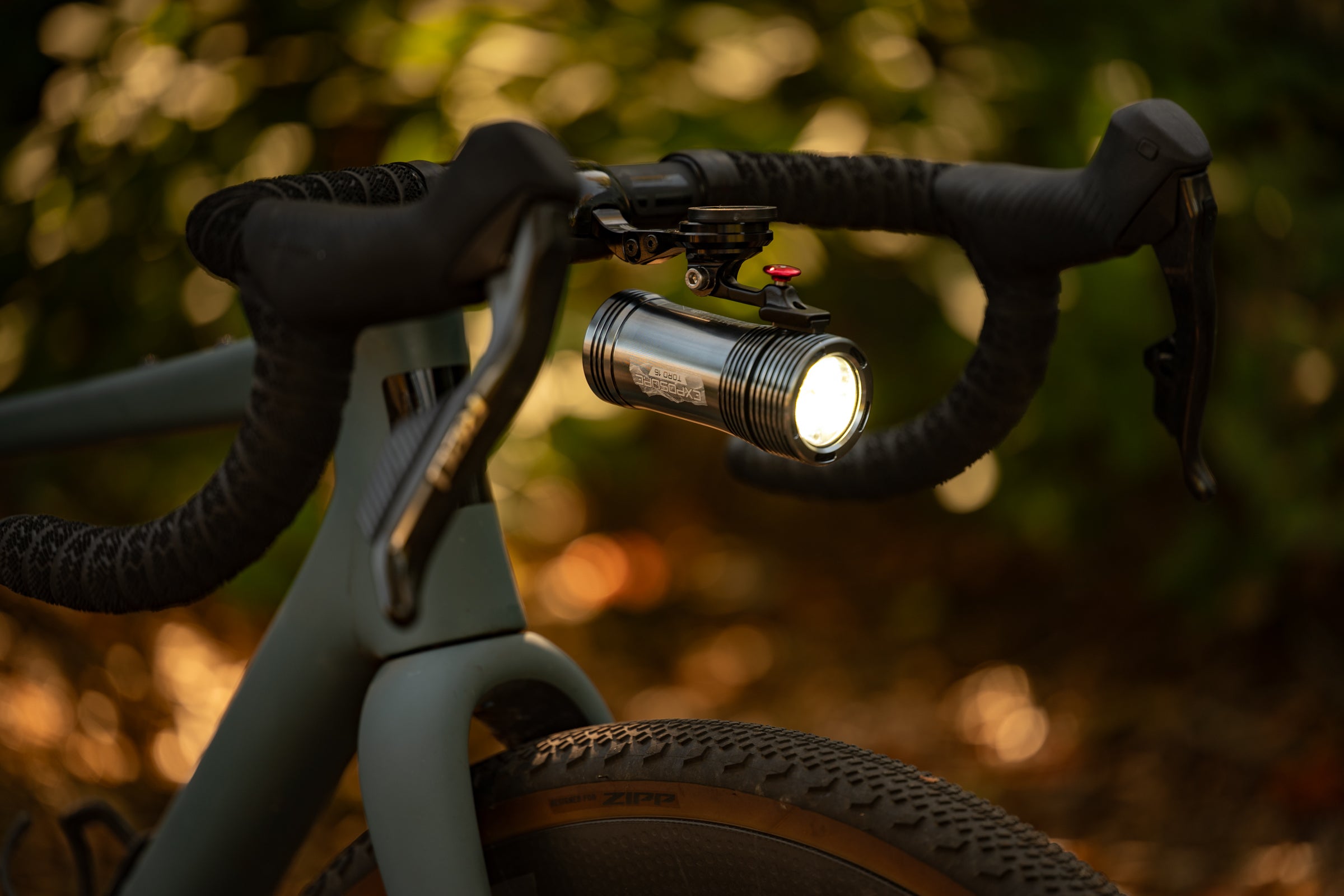
Sometimes a product doesn’t get a big flashy roll out and full review but still absolutely changes the game. That’s what happened with the Exposure Lights Toro 16.
There was no embargo, I didn’t cover it in a launch story, and I didn’t even review it. I quietly added it to the Best Bike Lights Buyer’s Guide and that was it.
That doesn’t mean I wasn’t impressed. The Toro 16 is not a breakthrough technology but rather the result of the slow, steady march or progress combined with precision and attention to detail. It takes the unrivaled quality of an Exposure light, with all of the CNC-machined glory the brand is known for, and adds the latest combination of LED, reflector design, and battery to make a light that you can run through the night with no outside battery.
That last bit is why I am standing up to sing the praises of the Toro 16. If you can get through a single night, you can charge during the day or, as in my case, you’ll be done riding. Previous Exposure lights have been closed and so is the Outbound Detour. Close doesn’t count, though, and the Toro 16 will push 468 lumens for 12 hours. That’s a game-changing solution for the small number of us who need that kind of thing. – Josh Ross
TQ HPR40 e-bike motor
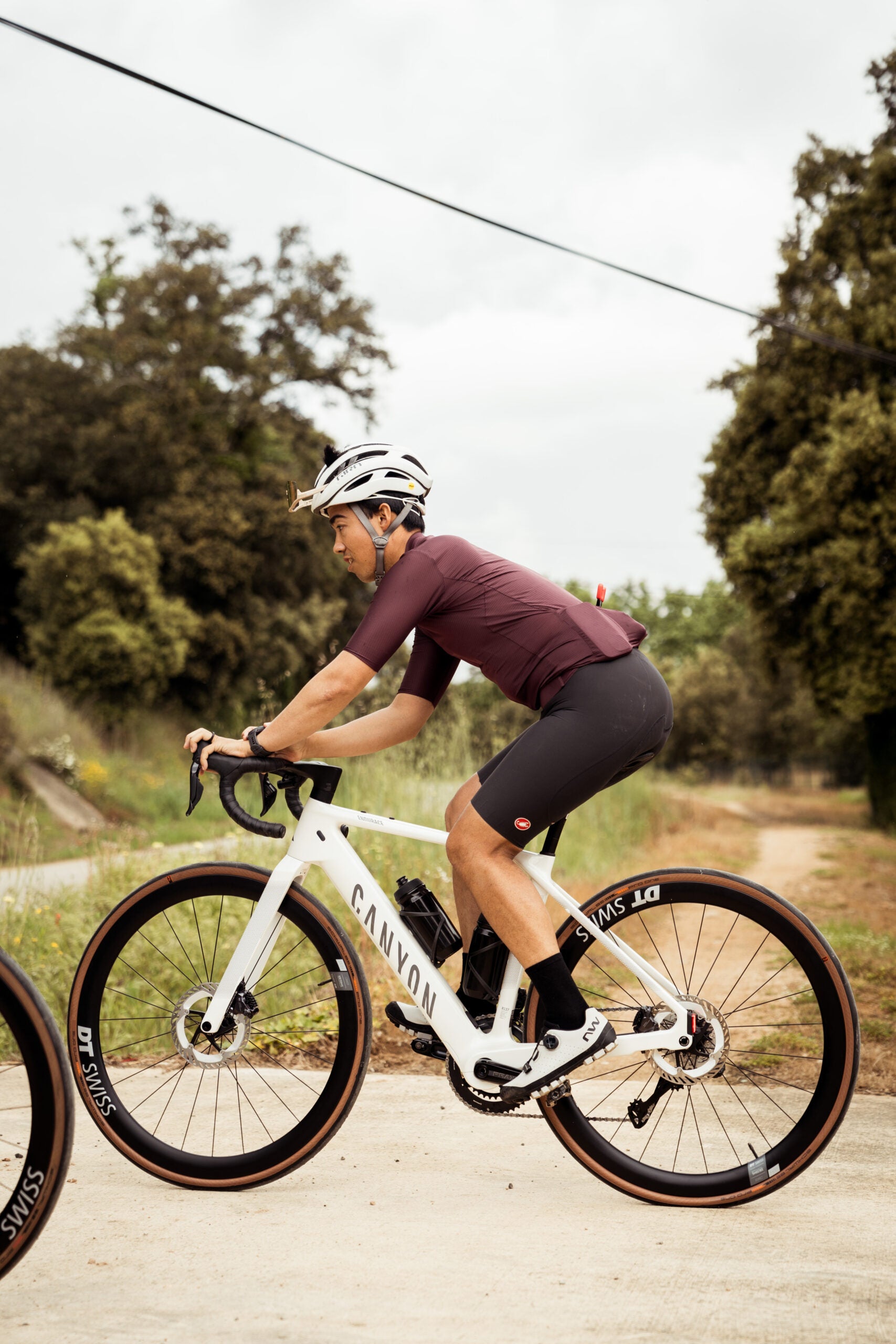
Look, I know that y’all are going to be unhappy about this, but one of the best bits of tech I’ve ridden in 2025 was an e-bike motor. Specifically, it’s the TQ HPR40, the first e-bike motor I’ve tried that hasn’t felt like I was riding through a bucket of sand.
That’s a bit of an exaggeration, but not far past what I felt using the system. Most lightweight e-bike motors have become quite good over the years: quiet and smooth, but still operating in a way that you’re always aware of it. The HPR40 felt like the first time I routinely questioned if the motor was on or not, or whether or not I was pedaling past the assist cutoff. Only when I’d look at my computer did I recognize that I was going far faster than anticipated.
TQ also nailed the integration, or the relative unobtrusiveness. The motor is hardly visible, with just one display – a single button paired with four LEDs – in the bar end plug, leaving the power data to be displayed on the bike computer of your choosing. Other e-bike motors do some combination of these things, but none have impressed quite like the TQ HPR40. – AH
Campagnolo Super Record 13

This isn’t the first time that Campagnolo has added a gear before anyone else and guess what, it’s once again better. When I start raving about this though, I always hear the same thing. What do I need an extra gear for?
You don’t need more gears. It’s not necessary to have 13 sprockets in the cassette. I used to head to Southern California every January and borrow a friend’s 2×9 Specialized Alleze Sprint for a week. It was fine. It had less gears, no electronics, and it was relatively heavy. It was also a blast and I had fun riding it.
Super Record 13 is here not because you need more gears but because having them is a better experience. Modern race bikes generally use (Shimano as example) 52-36 with an 11-34. Personally I prefer a 50-34 with an 11-34 so that after all day on a bike I can spin a little slower up those last few hills. I also recognize that means I give up some speed.
Super Record 13 offers it all. There’s a ton of gearing options but I run 52-36 with an 11-36. That means I get all the hard gears I need but now there’s one more gear at the top of the cassette. Why would I not want that? You lose nothing but add extra range. There’s no compromise and that sure sounds like a product of the year. For more information check out the full Campagnolo Super Record 13 review. – JR
Shimano GRX Di2 1x RX827
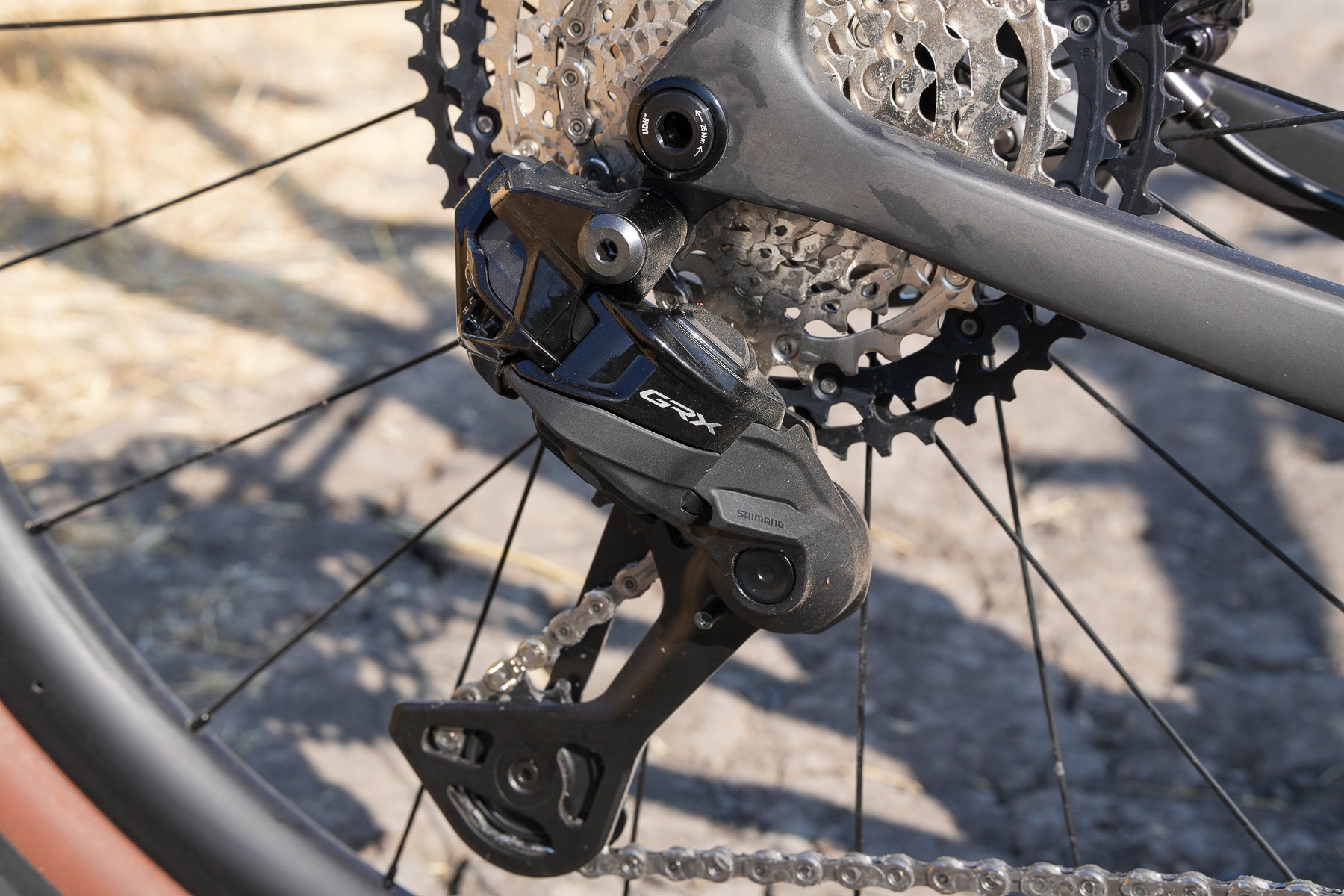
Shimano has slowly lost its footing in the gravel bike drivetrain space, as its competition (SRAM) has quickly and quietly given people the 1x, wireless, and electronic drivetrains people want. While GRX Di2 1x doesn’t feel like the resounding no-brainer that some had hope it would be, there is a lot to like from this new groupset.
Shifting is the key here, as GRX has seemed to lose none of its shifting speed or precision from its road bike siblings. Not only are the shifts faster than what you’ll get from a SRAM XPLR or Transmission drivetrain, however, but they’re about as smooth too. The braking performance here is as good as you’ll find from a drop bar Shimano product. And for folks curious, the new GRX derailleur battery life is excellent too; I’ve gotten roughly 600 miles out of a charge on hilly terrain before the drivetrain tells me to charge the battery.
I won’t say that Shimano GRX Di2 1x is the undisputed go-to solution for electronic gravel drivetrains. But what I can say is that Shimano’s new groupset has been a blast to ride, and easy to recommend, too. – AH
Shimano MT001 SPD cleats
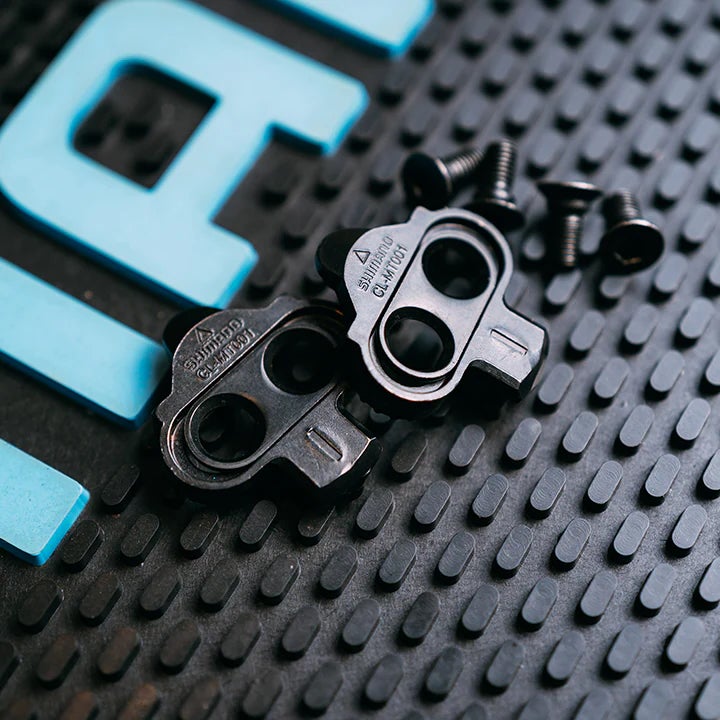
I had to ask myself when Shimano last updated its SPD cleats, because they’ve legitimately been around about as long as I have. The original SH51 cleats were released in 1995, with the SH56 multi-directional release cleats released in the mid 2000s. Now comes 2025, where Shimano has released a third cleat called the MT001. I think it’s their best yet.
Whether or not you realize it, a standard SPD cleat has trained you to clip in an out in a specific way. It requires you to go toe in, catching the front of the pedal to guide the rest of the cleat into the pedal system. There’s no learning needed for the new MT001 cleats, as they promises the ability to clip into any Shimano SPD pedal, either toe in, heel in, or by straight up stomping down on it. While I don’t think the long-seasoned SPD rider will notice much of a difference, you really feel it whenever you’re in a rush.
There’s far less precision needed when clipping in. Now the action feels like your foot is being connected in place as if a magnet were guiding you in. And somewhat surprisingly, I noticed that the curved front edge of the cleat meant less of that ‘scraping on the ground’ sound you might get by some SPD cleats as you walk around.
This isn’t an update that everyone needs to rush out to buy, particularly as SPD cleats tend to last for years at a time. But folks who do eventually wear out their cleats will find Shimano has made a legitimately helpful update to a system that is compatible with the vast majority of clip-in style pedals in the world. – AH
SRAM Force (and Rival)
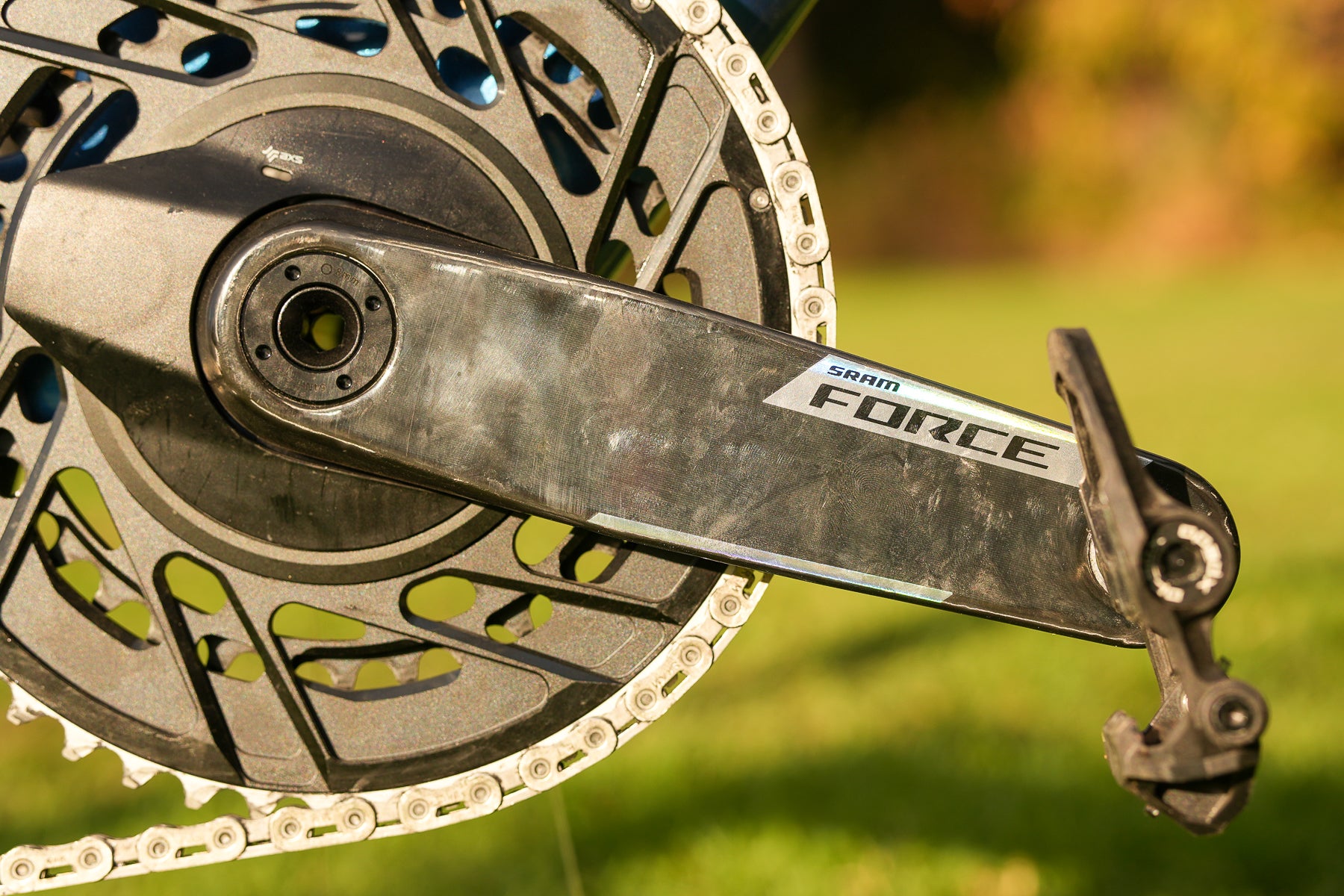
Actually, there is one compromise to Campagnolo Super Record 13 and that‘s price. It might not be more expensive than SRAM RED or Shimano Dura-Ace but those are all crazy expensive. SRAM Force and Rival are much more accessible.
It’s not the accessibility that lands these on this list though. Accessibility is important but when I worked on the SRAM Force AXS review this summer it wasn’t the accessibility or the features alone that impressed me.
What impressed me about SRAM Force and Rival was SRAM confidently stating that the two lower groupsets weren’t a compromise compared to RED. They weigh more and they look different but you get the same performance. That deserves recognition.
The entire time I’ve been reviewing bike products it’s always been a dance to review Ultegra and Force. You’d find yourself trying to explain why there’s supposedly some small advantage to the flagship groupset while not actually being able to feel any difference. This time SRAM said the quiet part out loud. You get the same incredible braking that came to RED in 2024 plus all the other performance. If you pick Force or Rival it just costs less. – JR
Zipp 303 SW wheels with AXS connectivity

I bounced this back and forth between categories a bunch of times. These are certainly an innovation, but really, they are more concrete than that. This is a product.
The Zipp 303 SW wheels took the previous version of the wheel and updated the hub, a longstanding user complaint, as well as made the rims stronger. The real change, though, was the addition of a pressure sensor directly integrated into the mold of the carbon.
That means the Zipp 303 SW is the first app-connected wheelset. Which sounds like a definite contender as an innovation but it’s a little more subtle than it sounds. Like the Toro 16, it’s not a breakthrough technology but rather the result of a slow steady progression. Zipp already had a pressure sensor that connected to the AXS system and there were certainly both the 353 NSW and the 303 Firecrest wheelsets in the product catalog. The Zipp 303 SW simply updates the 303 Firecrest with normal wheel upgrades while also building a spot in the carbon for the pressure sensor cartridge.
The result is not a giant leap forward but rather a subtle advancement that makes things a little better for the person riding the bike. If you have a set of the Zipp 303 SW wheels you walk out to your bike and shake it to see a green or red light. If it’s red, add air. Once riding, you can see the pressure in real time on your bike computer. Pretty cool stuff. You can read more in my Zipp 303SW review. – JR