
Updated February 10, 2026 02:37PM
Pros
- Sure-footed but without the “sit back and relax” traits that can come with adventure builds.
- Great performance on the road, with great handling in corners.
- If you’re after a true Italian bike, the Palta should tick all the boxes as it’s handmade in Bassano del Grappa.
Cons
- Could be a bit harsh for some on the rougher gravel roads.
- Several of the build options aren’t as competitively priced as rivals.
- May not have enough mounts for some.
Sicily and the roads up Mt. Etna certainly make for one heck of a testing ground for the new Basso Palta, and that’s precisely where the Italian brand amassed the reporters lucky enough to have the chance to test ride this new gravel bike. Not a shabby location for a winter shakeout ride, but the question is: is the bike not too shabby?
Basso doesn’t have any pro road teams using its bikes, and that’s due to the brand’s philosophy on road bike development, especially the SV model. That philosophy is that its bikes are designed for everyday performance riders who don’t need the extreme design traits of a race bike. And that philosophy seems to be something that is has again carried over to the third generation of the Palta, its gravel offering. Basso’s claim: “..gravel isn’t a choice between racing and exploring, it’s both. The Palta is the singular answer to a fragmented market, a unique blend of performance and versatility packed into one iconic frame at its third generation.” So with this in mind, what has it produced for the 2026 market? Let’s jump in.
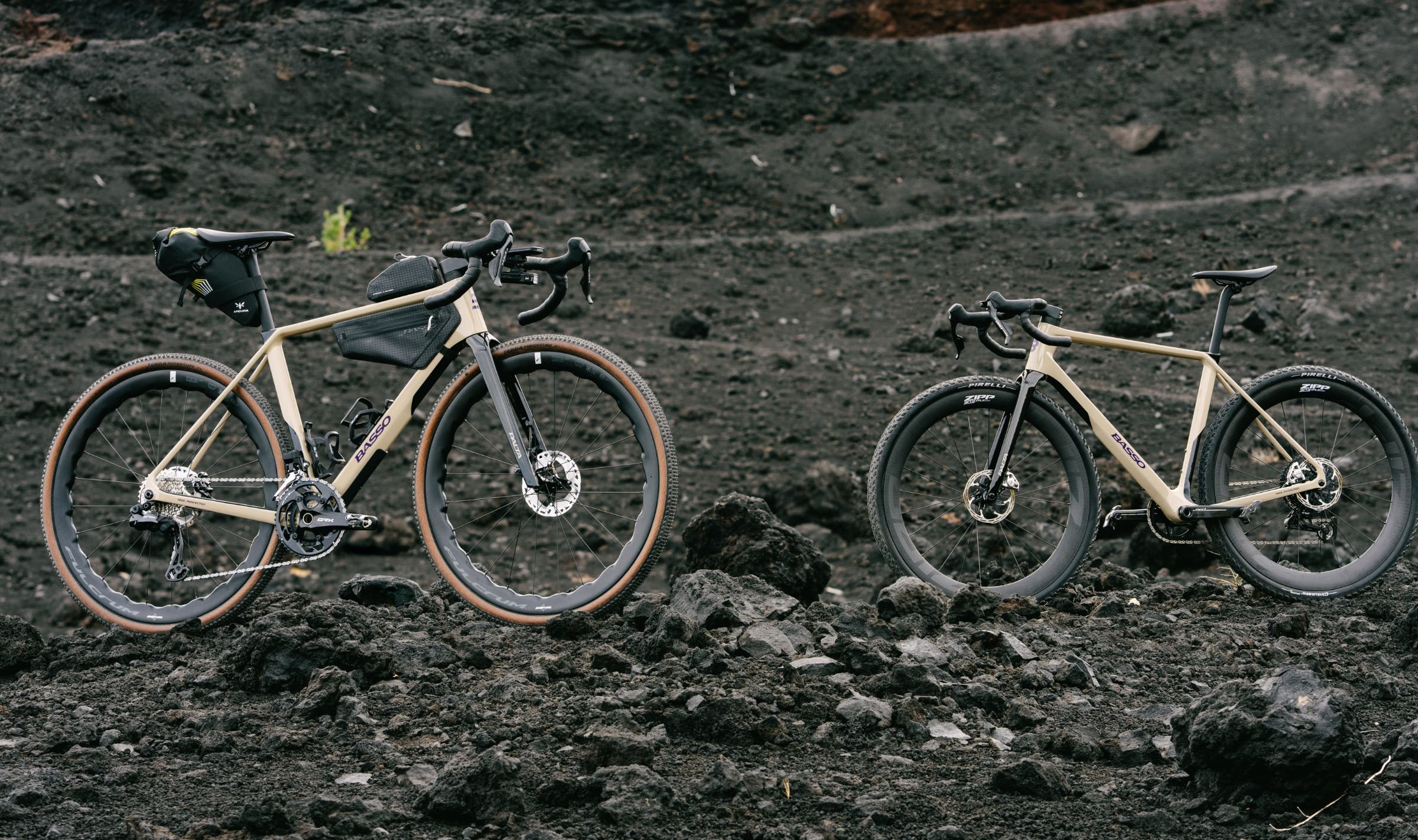
It’s been five years since the second-generation Palta was released back in 2021; the Palta 2 was arguably its first proper gravel bike. Just take a look back at the Palta’s first-generation model, and I’m sure you’ll agree it looks more akin to a cross bike than what a gravel bike is today. And that’s understandable; over that time, gravel and the scene have become a defined discipline of its own, yes, multiple styles, but definitely its own thing. But the jump between the 2021 Palta and this model isn’t quite as striking as the first two generations. Or at least at first glance, but delve a bit deeper and it’s clear this is more than just a facelift.
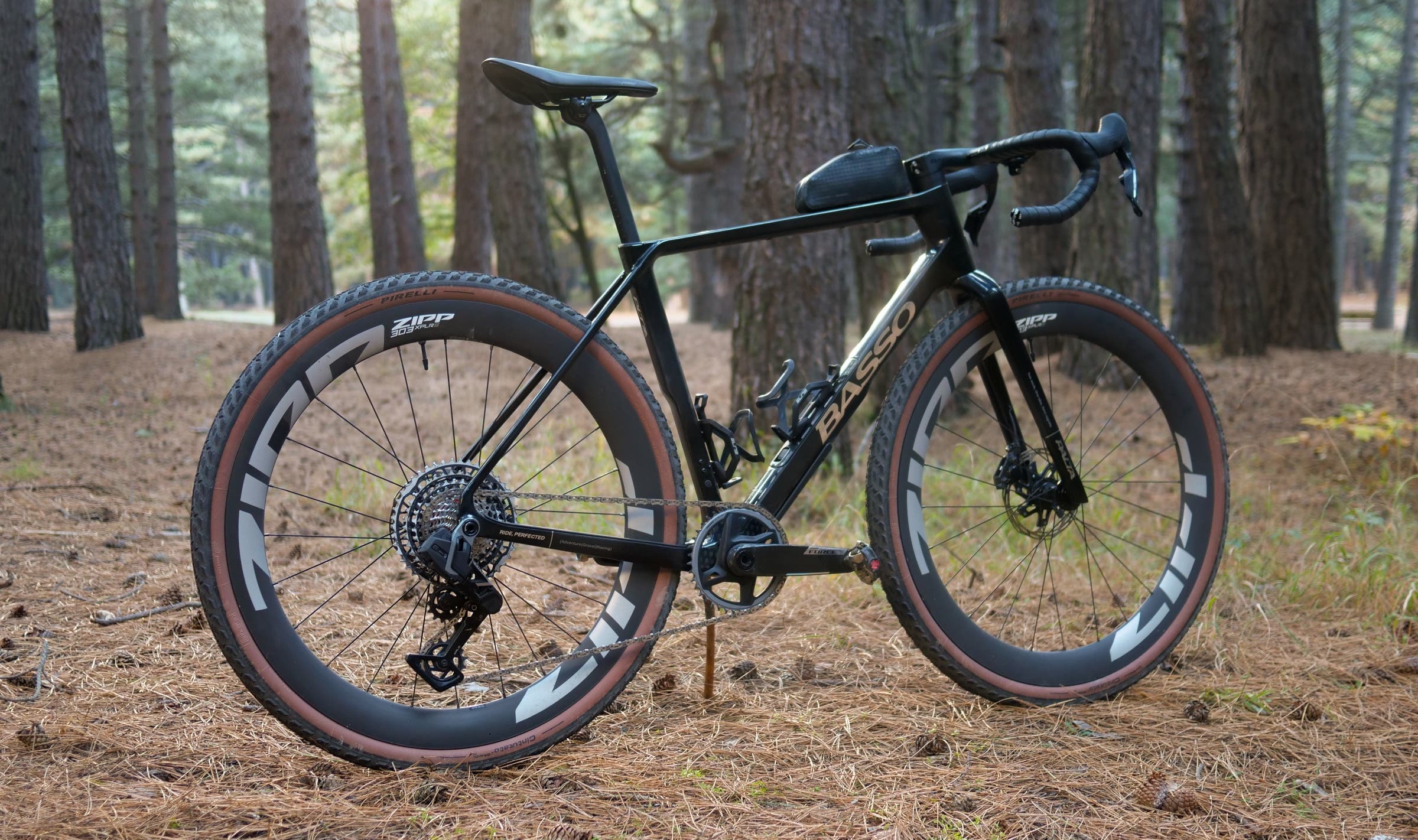
As with every gravel bike, the first thing to be discussed on the cafe ride is the tire width, so let’s kick off with that first. Just like many recently released gravel bikes, the Palta 3 doesn’t shy away from healthy-sized rubber. Out rear, you’ll be able to fit a 50mm tire with enough clearance for dirt shedding, or adding an extra few millimeters of rubber if you’re on dry-packed surfaces (that’s not official though), and upfront the fork allows for an official 52mm of tire clearance. Ok, now we have that out of the way, let’s get on with the rest of the bike.
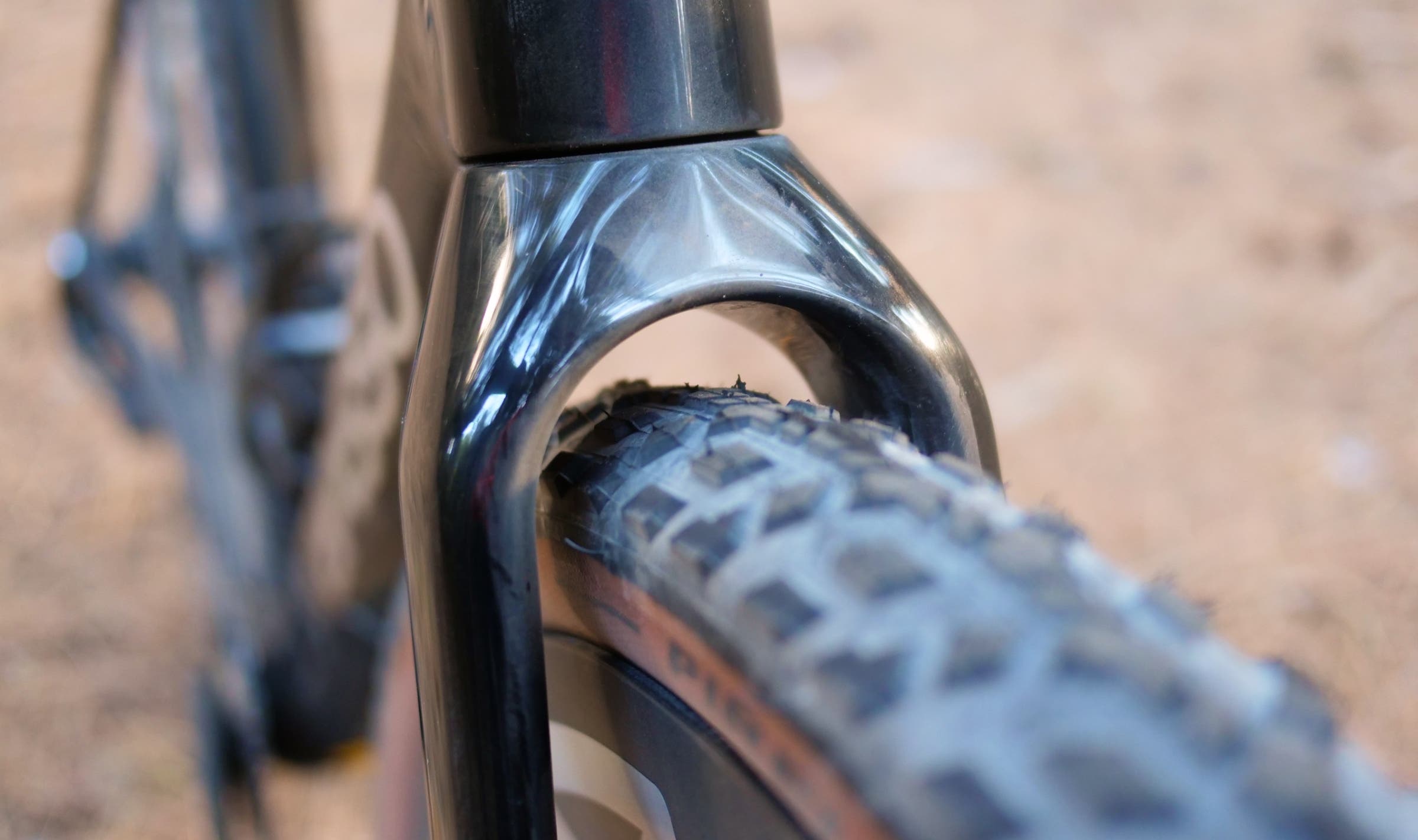
One thing that sets Basso bikes apart is that the brand produces all its frames in Italy. Carbon is sourced from Japan. For the Palta 3, Basso has used the ever-popular Toray, in this case a mix of T800, M40JB, and T700 (if that means anything to you).
Unlike much of the market, Basso has sidestepped many design trends and has focused on producing a bike that forgoes dropped stays and instead incorporates an “elbow” design rear dropout that claims to provide a vertical flex point. It’s not the first time we’ve seen this design on a gravel bike, but it fits in with Basso’s design aesthetics that it has adhered to across its range. This design language is best seen in how it has basically copied and pasted the downtube from the SV road model into the Palta 3. Aero-optimized, with a few extra design flourishes more suited to gravel.
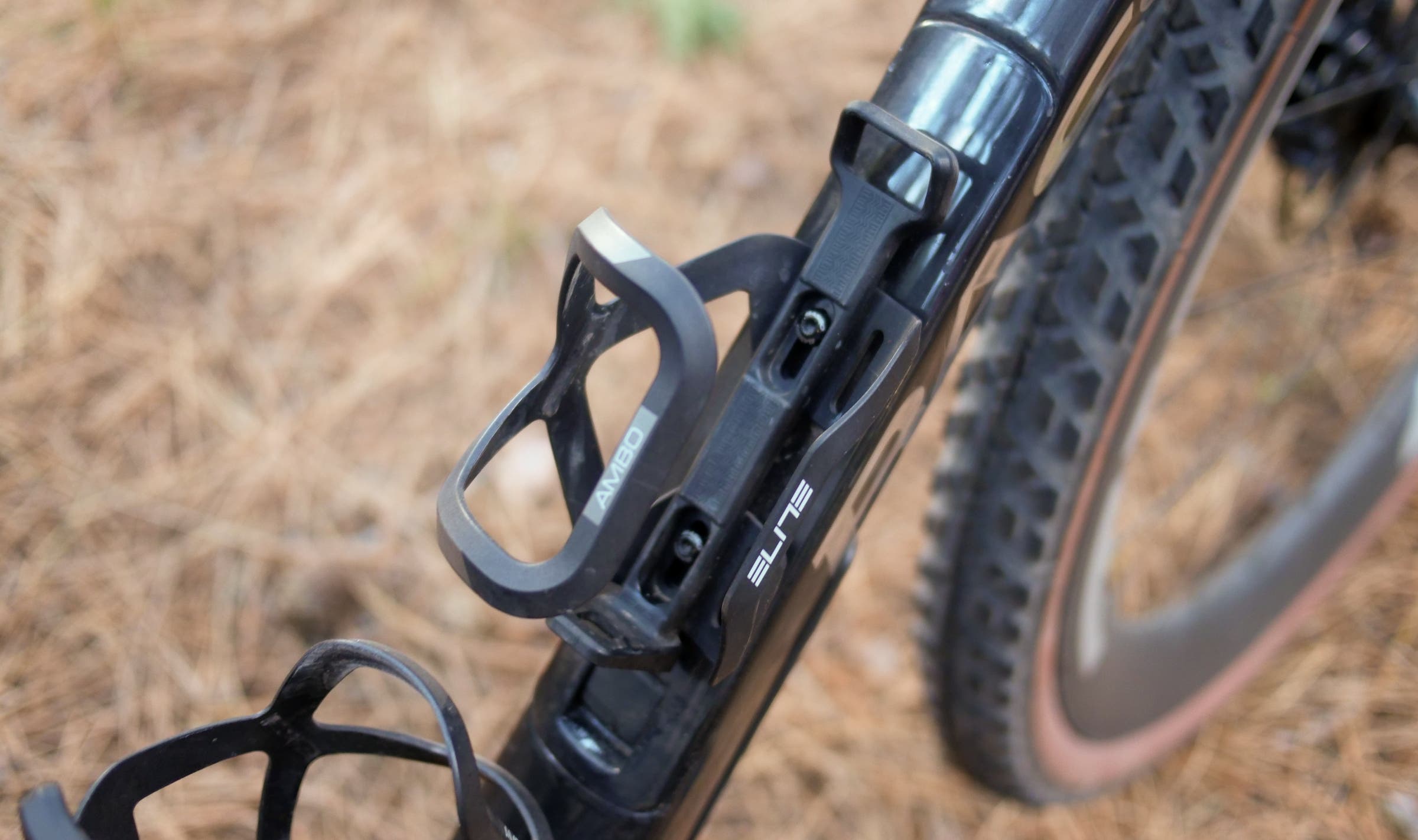
For the Palta, Basso has partnered with Vibram — yes, those people usually seen on the soles of trail and hiking shoes — and developed a replaceable hard-rubber covering for the lower part of the down tube and the BB area. That SV-shaped downtube has also had a storage system added, which is now standard on gravel bikes. The included compartment, accessible via a Fidlock quick-release magnetic latch, includes two internal bags that fit inside the down tube: one large for bigger days and one small for carrying the bare essentials.
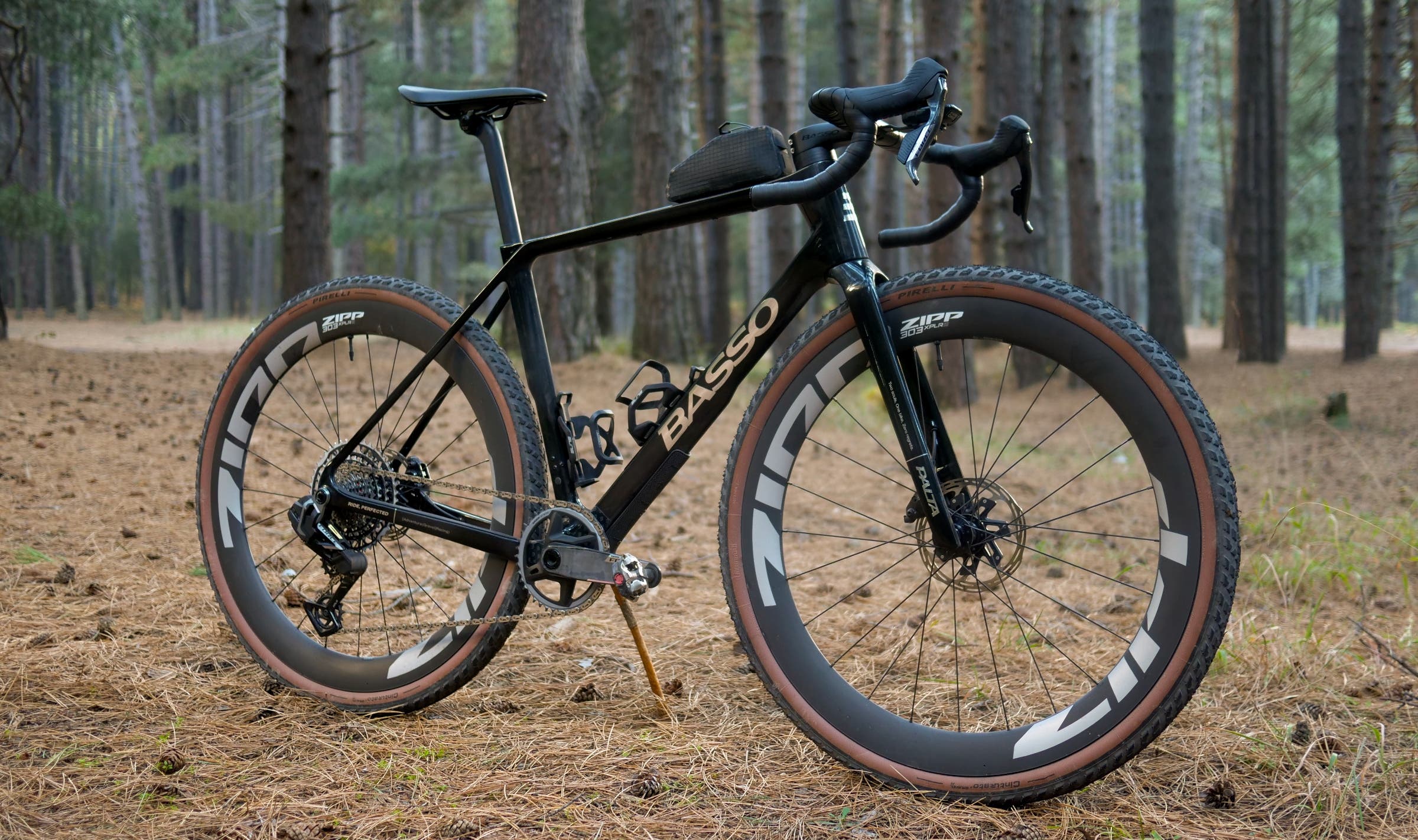
The rest of the tube profiles are pretty much across the narrower but deeper in profile. This has resulted in an 18% reduction in frontal area over the Gen-2 bike. The head tube stiffness has, though, become slightly more compliant (according to the data shared with us), while the rear triangle and bottom bracket stiffness have increased. Frame weight now drops to a claimed 970 grams for a medium.
Geometry
Geometry sits as expected for a bike that wants to straddle the race and adventure market, somewhere in the middle. I’ll delve into how I found this later in the first ride review. As for the fork, it’s been completely redesigned. Weight now stands at 370 grams uncut, and the drive side includes clean, non-visible dropouts. There will be six frame sizes available, XS through 2XL.
Mounting points haven’t been neglected: two on the top tube for a bolt-on bag (something I’ll get to in a mo), plus three extra bolts on the underside of the top tube. In addition to the standard bottle cage mounts on the seat and down tube, there are two extra mounts on the underside of the downtube. You’ll find no mounts on the fork legs, but this bike isn’t designed for multi-day wilderness exploration.
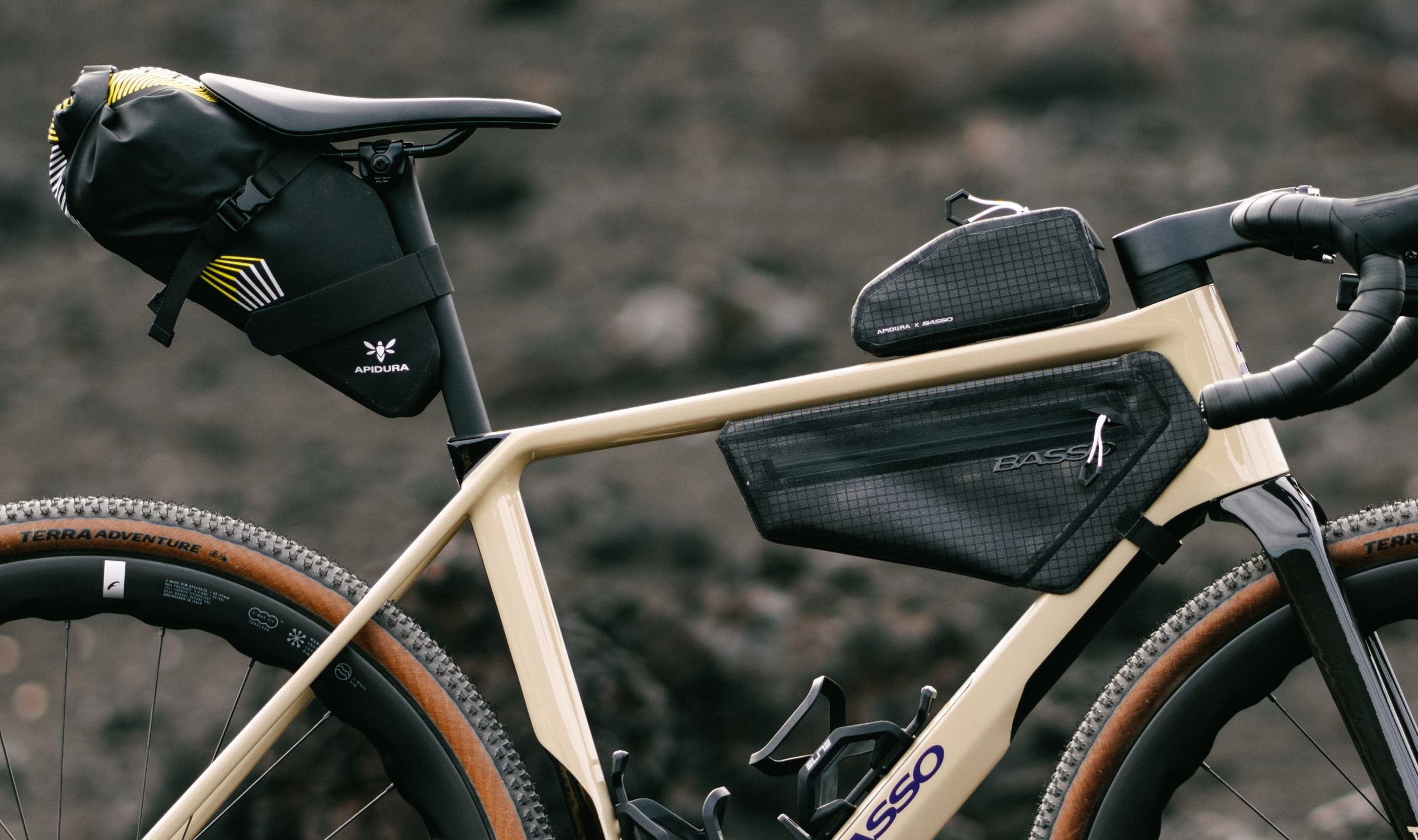
When it comes to storage, Basso has partnered with Apidura to develop frame-specific bags. In my case, the small top-tube bag (0.4l) had enough room for some gels and my DJI Pocket 3 camera, and a large bag. Then there are two frame bags, a small one at 1.4l and a large one at 2l.
Another carryover from the rest of the Basso run is the 3B seatpost clamp assembly. The hidden bolt design incorporates a dense rubber bung that allows the seatpost to flex slightly. I found it worked well on the Sv when I reviewed it and was happy to see it included here.
The frame is UHD as standard, UCI-approved, so yes, you can race on it, and it has a 5-year warranty.
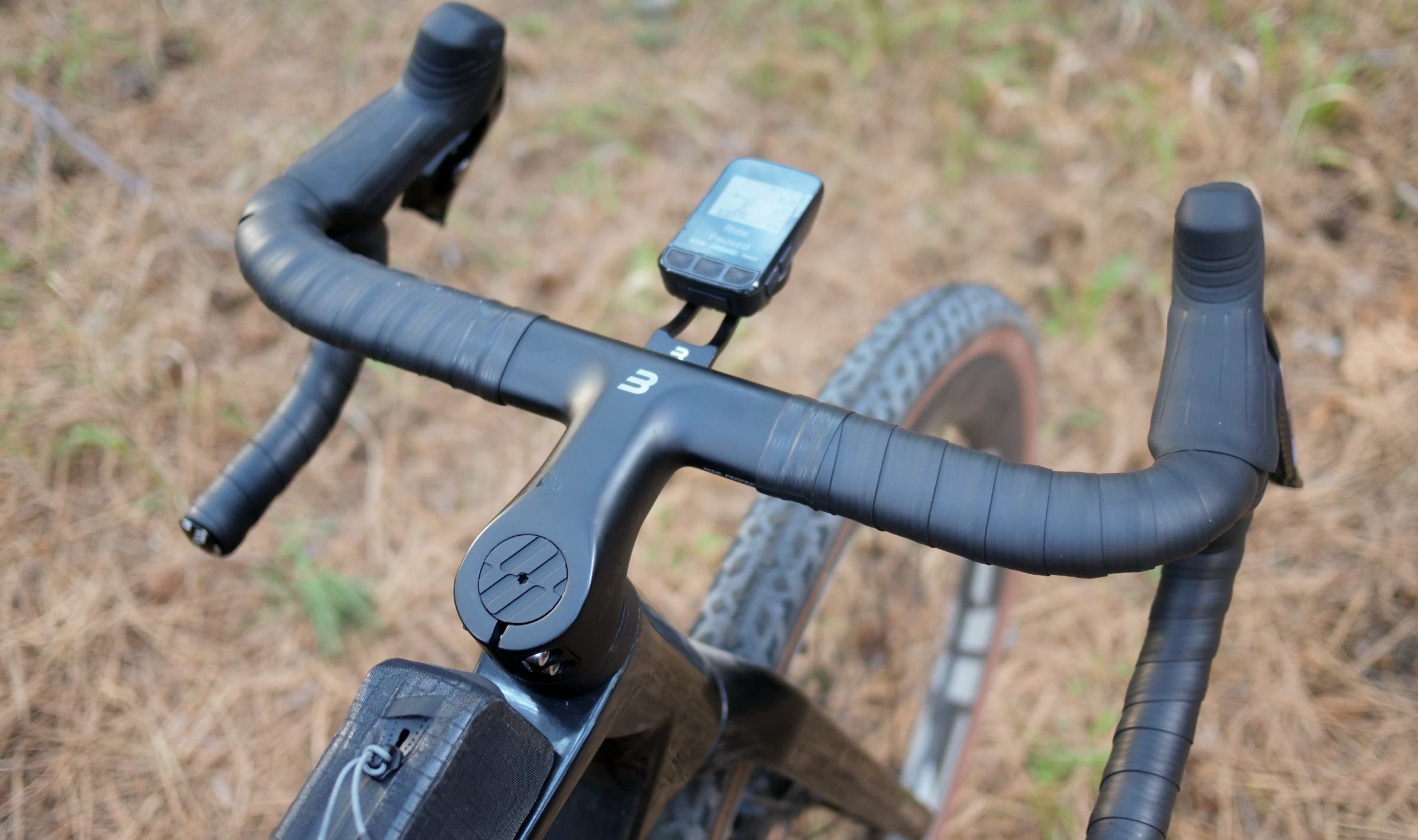
There are three bar/stem options to choose from. The gravel-specific two-piece setup, with the gravel bar (available in 40, 42, 44, and 46cm with that flair at 12 degrees) is designed for those that want a bit more comfort. This is matched to the Strato alloy stem, available in lengths of 80-130mm, providing a combination that should fit most. If one piece is more your thing, you can choose between the two options: the Fuga is a more aero, race-oriented model. In one width, at 40cm center-to-center at the drops and 38 at the hoods, drop is 115mm and reach 65mm, with a lesser sweep than the gravel bar at 6 degrees. This comes in stem lengths of 80-130mm. If you’re still after a one-piece bar but want something with a more classic design, a deeper drop, and longer reach, the Levita may be more up your street. This is available in 10 sizes and four bar widths. Both of these options are a straight carryover from their SV road bike.
Finally, the seatpost weighs 180g (380mm length) and comes in either a -15mm offset or a 0 ° offset.
Builds
There will be three color options to choose from initially: the eye-catching, glittery green Galaxy Dream, a Purple dust that is desert yellow with purple accents, and chrome black. In total, they’ll be nine builds available, starting at $4795 / €3299 for the frame kit and topping out at $10,995 / €8499 for the SRAM Red AXs with Zipp 303 XPLR SW wheels. The particular bike I tested was built with SRAM Force and Zipp 303XPLR S wheels, which retail for $8995 / €6699.
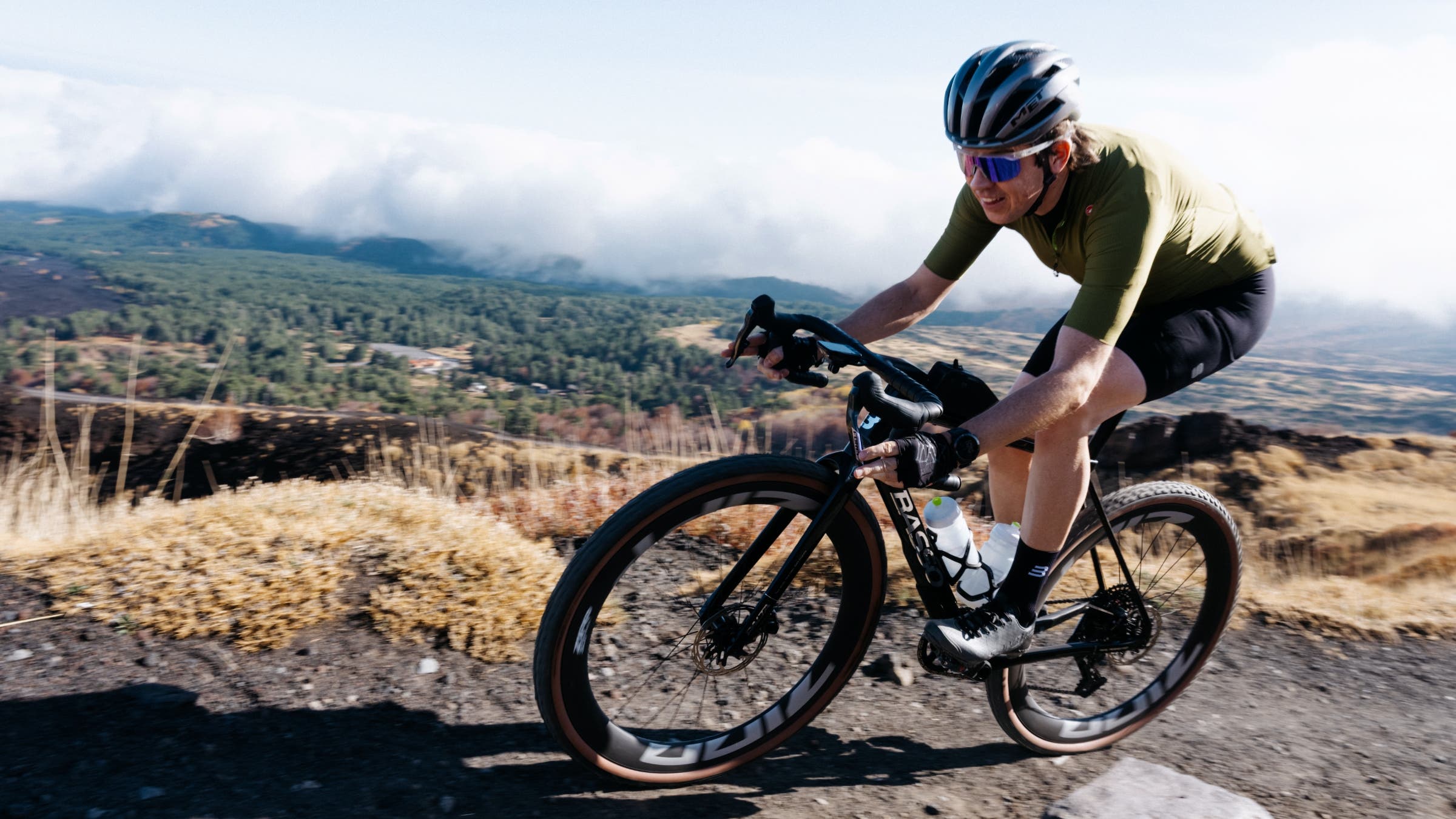
Review: How the 3rd Gen Basso Palta Rides
This past year, I’ve had the opportunity to throw a leg over a few new gravel bike offerings, and for most, they either fall into one of two camps: the race-ready type or the work-horse all-around gravel bike. The Basso seems to slip between the gap, which seems to be the brand’s intent, but does this mean it’s not ideal for either group? A miss-mash of needs but lacking in both areas, certainly not. If anything, it could be a bike that many of us have been looking for.
Let’s start with its handling prowess, as it has a lot to offer in this department. Confidence, yep, it certainly supplies that, on and off road. It’s not a bike that will have you turning your brain off and swooping through tricky corners with aplomb; the geometry isn’t slack or long enough for that type of bashing about. Instead, with a racier tilt to the geo, it makes you feel nippy but not on your toes all the time. It forgives you for foolish mistakes while making you aware that you’re in control, not the bike. I’ll admit I’m not the most skilled off-road rider, but I never felt like I was overcooking, even on the loose black dust that sits on Mt. Etna.
Geometry-wise, it may feel a touch high on the front end for some when climbing steeper gradients, but for the most part, the fit and profile of the bike sit nicely under you, even with the top tube bag in place. I never felt I was riding an “Endurance” styled frameset, but rather a comfortable, fast bike — something that I’m sure I said about theeir SV model when I tested it. It’s geometry that feels planted yet not overly long.
Comfort is one aspect a gravel bike needs to offer, and as we probably all know by now, tire and pressure choice is generally far more important in this department than the bike itself. But saying that the Palta 3 is comfortable and forgiving, not the most forgiving I’ve used, but more than bum and back easing on the terrain that I would think this is designed for. We hit a few seriously rough ruts on one particular descent on the first day of testing, and here I felt the stiffness of the carbon bars mixed with the fork definitely wasn’t where it excelled. But I’ll forgive the bike this, because I think we’ve reached the point in gravel riding where the line between gravel and XC is diverging a lot. For instance, I’ve spoken with many gravel pros who state that the terrain that you’ll find at some more extreme Euro gravel events is now more suited to a hardtail mountain bikes that what adventure performance gravel can be designed for. On terrain that most sane people would class as gravel, be it semi-rough, root-strewen, rutted lanes or hard-packed soil, this thing will be more than at home in the comfort stakes.
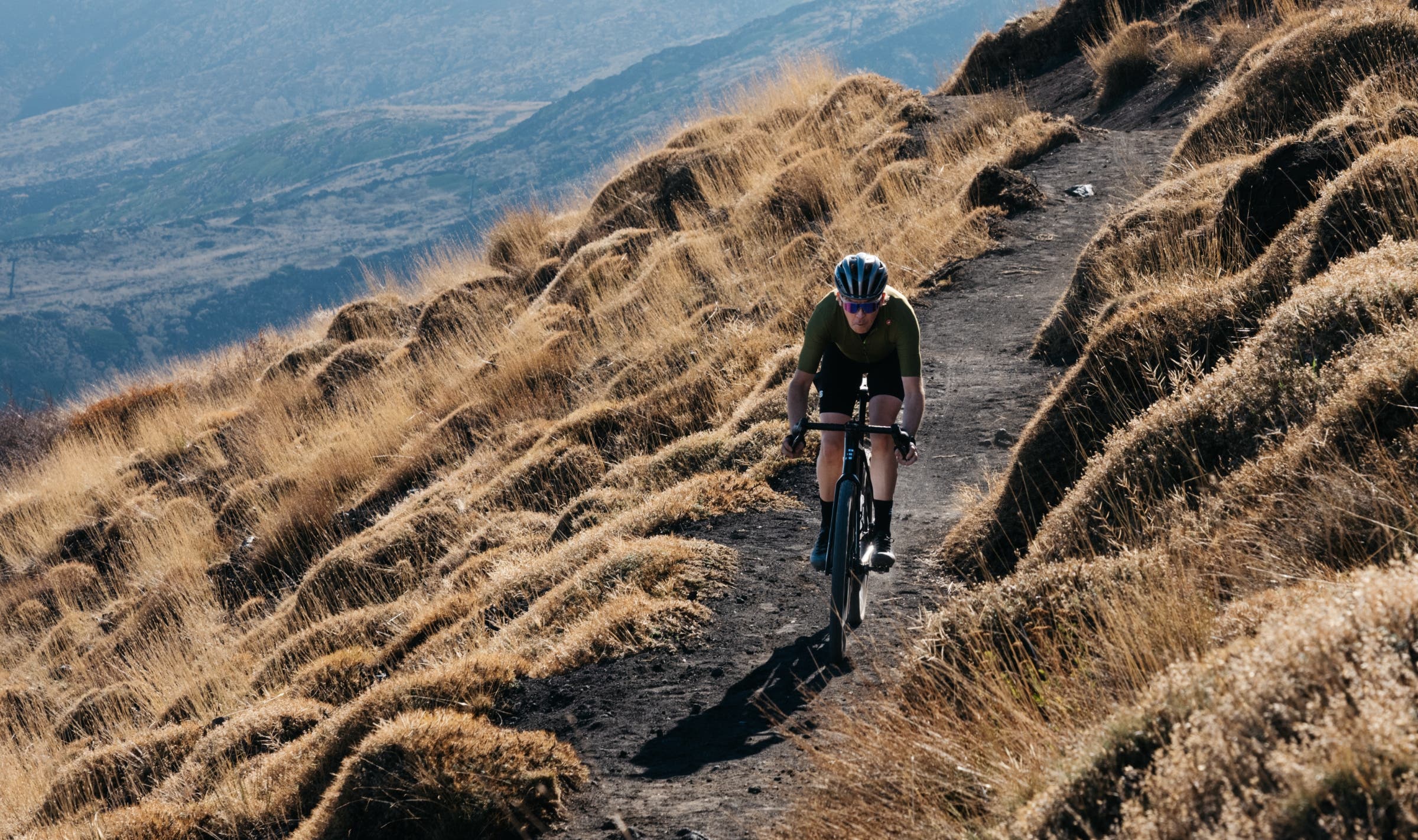
It wasn’t until the outrageously gorgeous evening ride home, where we took in the descent of Mt Etna and some extra tarmac through the idyllic Sicilian towns, that I really realized its road capabilities. The descent of Etna is silky smooth with fast switchback after switchback, mixed with some rapid wide corners. I highly recommend you get it on your bucket list.
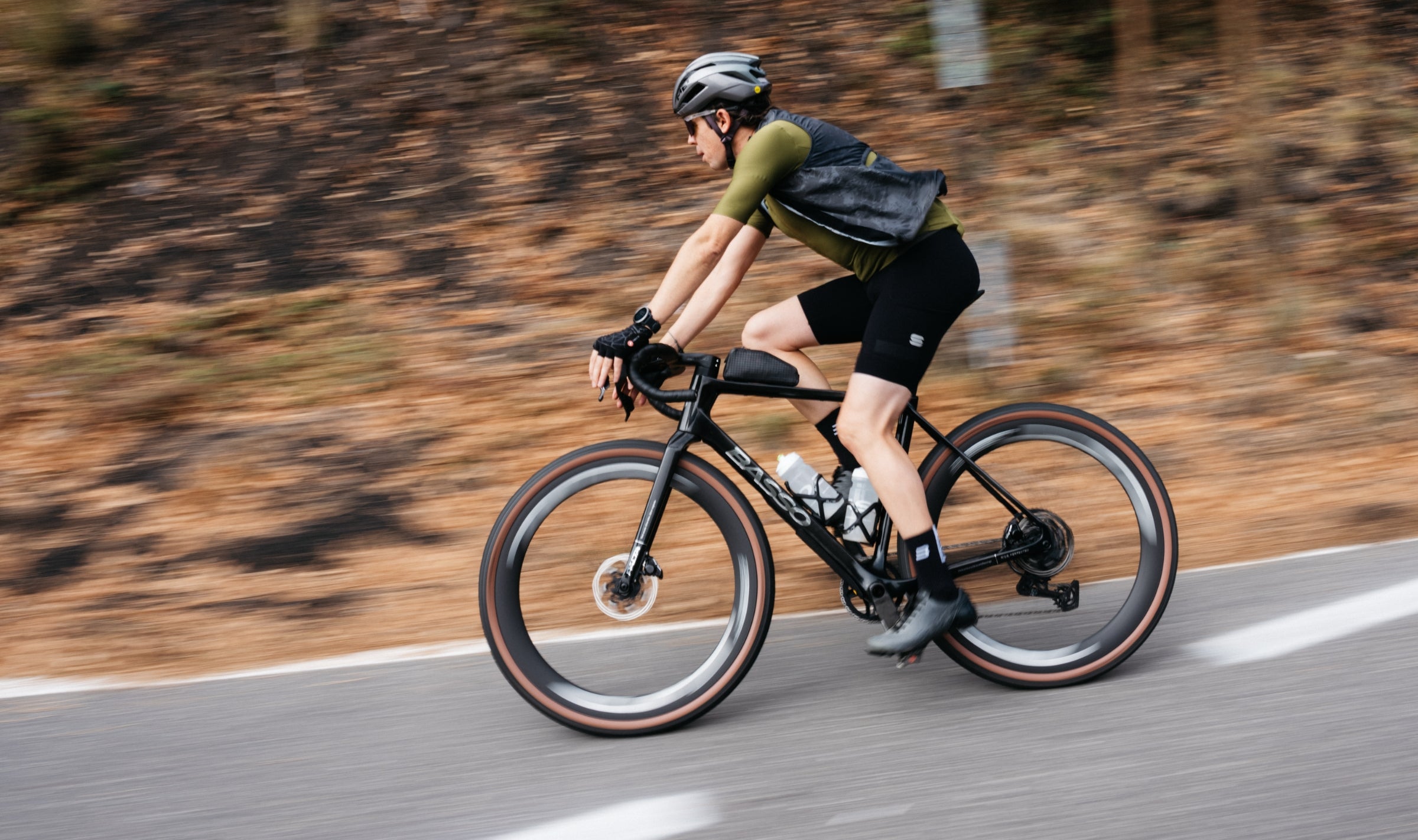
Usually, with gravel bikes, you have an under-steer due to the slacker head angle and fork rake that are designed for coping with the off-road sectors, but the Palta was without a doubt the best road handling gravel bike I’ve used. Its handling felt on-point and precise. Again, it gave me the confidence to push it. In this case, it’s a bike that could almost fall into the all-road category; it’s a bike that I’d happily use on a daily basis, unless I was hitting a fast group ride or a big old day out on the road. You’d certainly feel its gravel traits in situations like that, I guess. But its outstanding and surprising handling on the road really had me wondering if this bike could replace a few bikes in the garage. Yes, climbing on the road isn’t as whippy and responsive as a proper road bike, but you can’t expect that. Saying that, not once did it feel lacking when climbing, for a gravel bike.
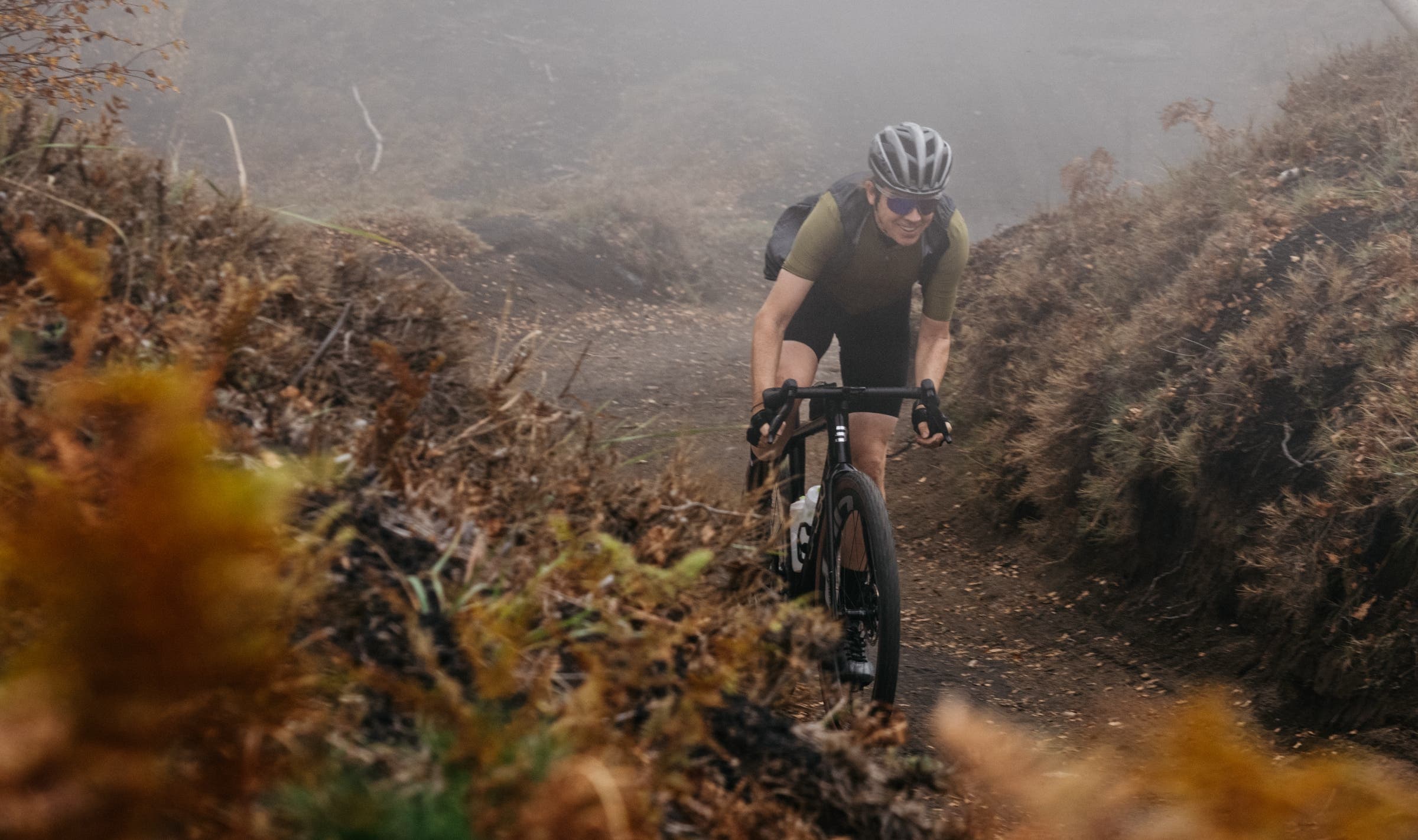
Basso has just like its year-old SV road model built a bike that caters to cyclists, not pros (though GVA is racing on it this year). It’s a bike designed around what the average performance-oriented cyclist would want and need. It’s not trying to fall into some niche part of the market, but offering a ride and characteristics that should appeal to those who want a gravel bike that hits that middle ground without feeling lacking. It’s not trying to be extreme at the fringes of either the race or adventure markets, but rather offering a ride and features that I, for one, would be looking for in a gravel bike. I’m not planning on getting my head down and racing gravel weekend after weekend, nor am I looking to head out for multi-day adventures in the roughest of terrain. But I am looking, and my guess is the mass market is looking for a bike that allows you to just have a bloody fun time every time you jump on it, and this is what it offers.
Like saving money on great gear? Us too. That’s why we developed this powerful tool that collects the best deals on cycling gear from across the internet in one convenient, searchable place.