F1’s Gulf cancellations are causing several legal issues, and you will find out what they are in this week’s Business of Motorsport Roundup. I also have details on what’s holding up MotoGP’s “Concorde Agreement,” the latest sponsorship news and more.
Motorsport Industry News
What the Bahrain and Saudi Cancellations Reveal About How F1’s Money Works
Liberty Media’s stock fell approximately seven percent when Bahrain and Saudi Arabia were removed from the 2026 Formula 1 calendar, pricing the cancellations as lost growth rather than contained exposure.
So F1 did not lose two races, it lost two hosting fees. The distinction is not semantic, it is structural, and it explains why the championship’s most valuable revenue streams continued undisturbed while the calendar contracted around them.
“The event is visible. The revenue is not. That gap is the business model.”
Autosport explains here.
Why F1 is Still a Game of Haves vs Have Nots in a Cost Cap Era
There’s still a gulf between the ‘haves’ and the ‘have nots’ in Formula 1, even after the sweeping 2026 rule changes. The difference was once shaped primarily by dollars and cents, as while having the big bucks was no guarantee of success, it was a prerequisite for it. Yet today, even with the cost cap in place since 2021, rules conceived to tighten the field spread, F1’s economic boom and the more equitable distribution of the commercial monies shared between the teams, the big beasts still lead the way.
RACER explains why.
The Commercial Questions Hanging Over F1’s 2026 Regulation Summit
Formula 1 stakeholders have gathered for the first of a number of crunch meetings thins month aimed at fixing issues with the sport’s 2026 regulations – and the outcomes carry significant implications for its commercial ecosystem.
“What looks like uncertainty from a regulatory standpoint can actually serve the commercial ecosystem rather well. Uncertainty tends to generate conversation, debate, and narrative. And narrative is the oxygen that keeps a sport like Formula 1 commercially alive. Sponsors do not invest in technical compliance documents. They invest in visibility, emotion, and story.”
Read more at Sector.
Boles Open-Minded About Possibility of Expanded IndyCar Schedule in the Future
How many races can IndyCar fans look forward to in the coming years? According to IndyCar president Doug Boles, the answer is flexible. “Seventeen was where we’ve been for a long time, but adding the 18th, obviously, that’s great opportunity for us to celebrate our country’s birthday and doing something that’s never been done before with the IndyCar brand and with racing there in D.C.,” Boles told RACER.
“But frankly, our focus really is on having great events, and that means the right events, good races and good markets. If that’s 17 next year, then we’ll stay at 17. If we’re able to find other venues where we should run and it’s 18 or 19, then we’ll be 18 or 19. There’s not a decision that says we’re going to be 17 or 18 or any specific number. The decision really is wanting to have events that make a difference. And adding events like Arlington (main image) and D.C. clearly do that.”
The Business of NASCAR in 2026: Billion-Dollar Revenues and a System Under Strain
A return to racing action is always welcome in Nascar, but rarely has it felt as necessary as it did at the start of this season. After a turbulent 12 months marked by legal battles, leadership upheaval and sliding viewership, the 2026 campaign offered an opportunity to reset.
The prolonged lawsuit involving 23XI Racing and Front Row Motorsports finally concluded at the end of last year, and commissioner Steve Phelps stepped away in January. While much has changed, Nascar has entered the new season with reasons for optimism alongside some challenges it can no longer ignore.
BlackBook Motorsport has all the details here.
The Factors Causing a Delay in the MotoGP ‘Concorde Agreement’ Being Signed
Despite the summit held by manufacturers and MotoGP’s top executives in Austin on the morning before the United States Grand Prix, differences between the parties – primarily financial – continue to keep the commercial agreement on hold. Autosport looks into why this delay is occurring here.
Quick Takes on the Business of Motorsport This Week
College Racing and More
Highlights from the Sustainable Motorsport Roundup
How Sustainability Is Reshaping F1 Partnerships
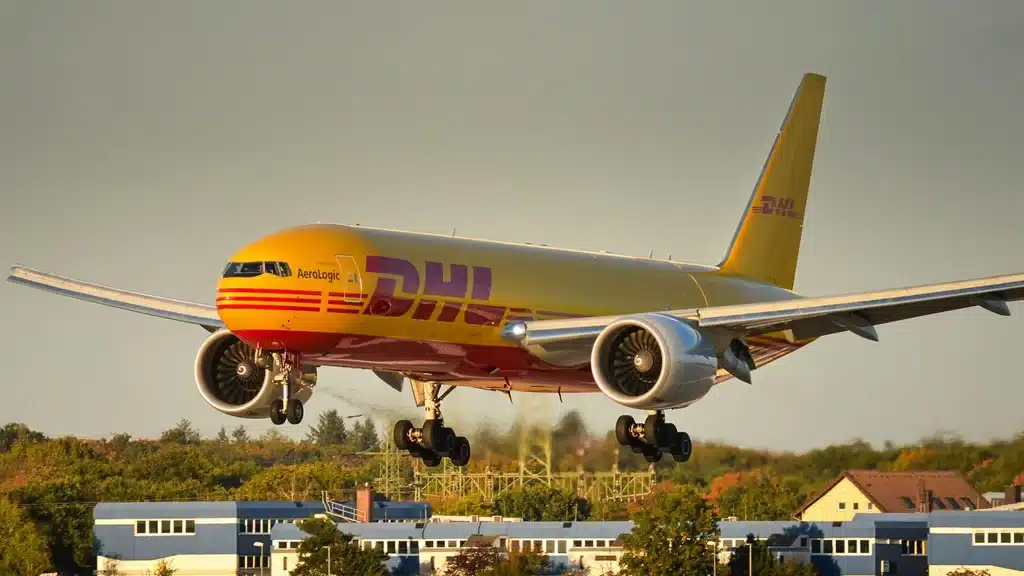
How sustainability is reshaping F1 partnerships is just one of the topics in this week’s Sustainable Motorsport Roundup. I also have news of a green rally in Canada, the drivers of the NASCAR EV prototype and more!
The Numbers This Week
IMSA’s Upward Trajectory Continues in 2026 with Record Sebring Crowd and Continued Audience Growth
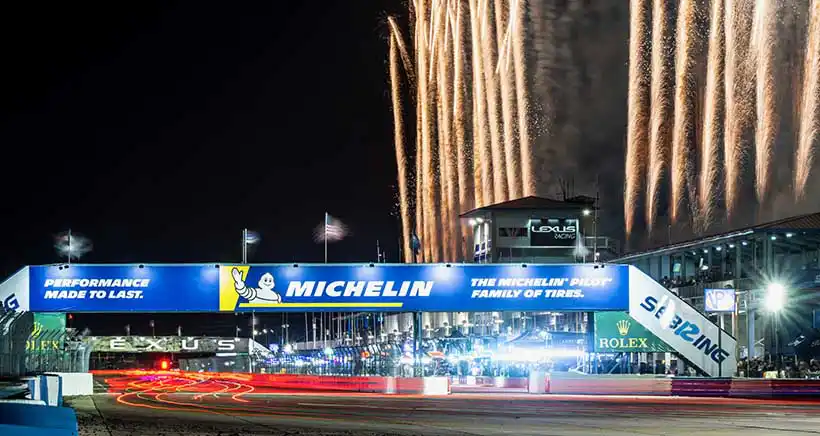
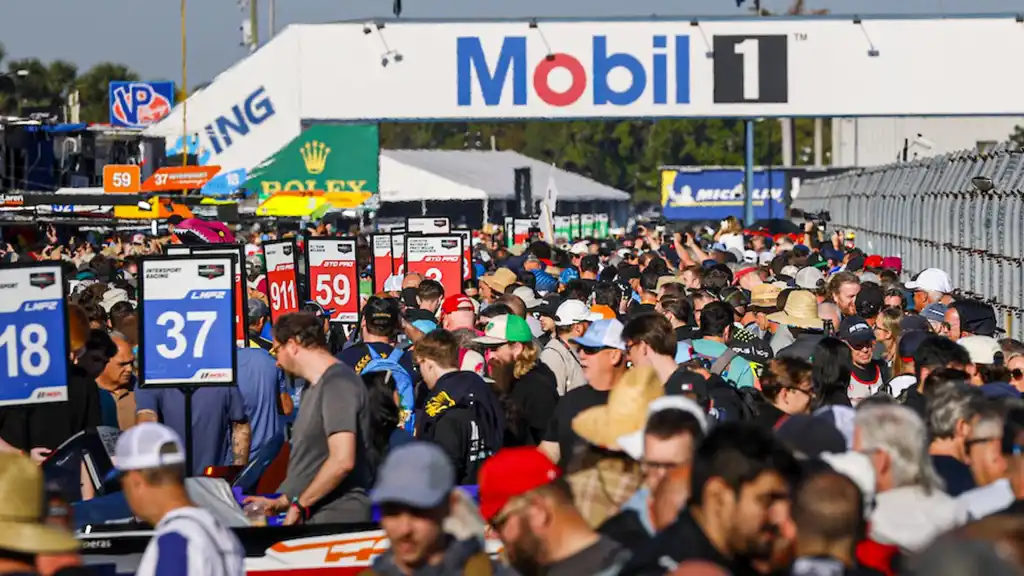
On the heels of record attendance and strong viewership performance from January’s Rolex 24 At Daytona, the numbers are in from the Mobil 1 Twelve Hours of Sebring and they are similarly impressive.
Officials from Sebring International Raceway confirmed an all-time attendance record for the 74th running of the once-around-the clock classic, with more than 115,000 attendees passing through the gates over the four-day period from March 18-21. At-track attendance was reinforced by substantial increases in merchandise sales, with IMSA seeing a 32 percent increase year over year and Sebring International Raceway experiencing a 19 percent increase. IMSA and Sebring saw a combined 25 percent increase over 2025.
Motorsport Law Roundup
F1’s Gulf Cancellations: The Legal Issues That Matter More Than Force Majeure
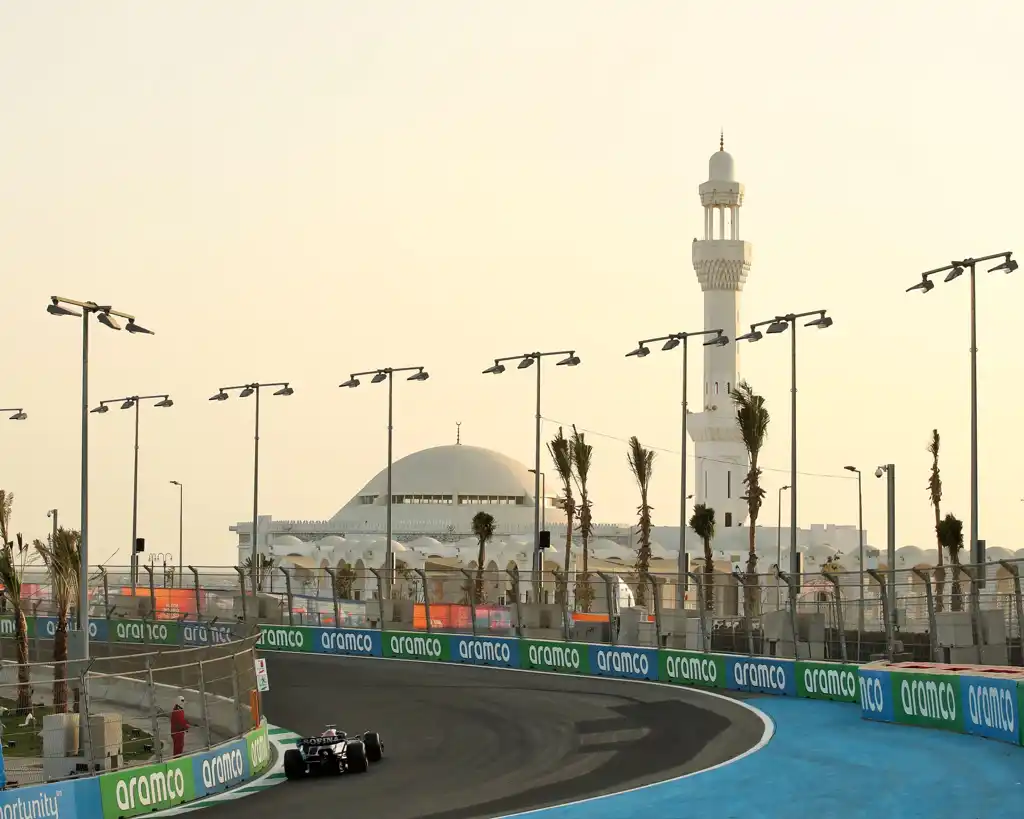
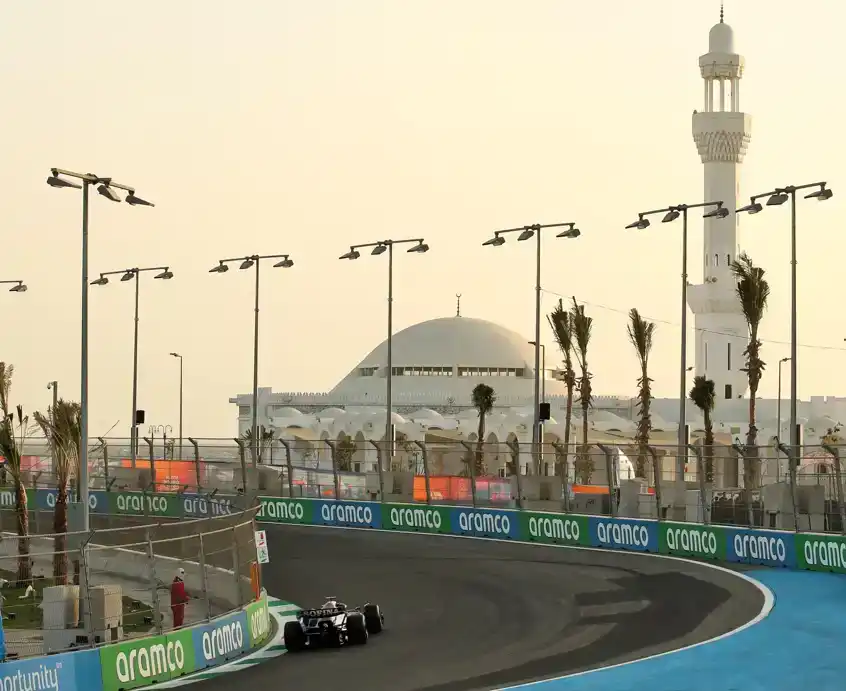
The recent announcement that Formula 1 has cancelled both the Bahrain and Saudi Arabian Grands Prix – reducing the 2026 season to 22 races and leaving a five-week gap in the calendar between Japan and Miami – was not, in truth, a surprise. Both countries are among the Gulf states struck by Iran in retaliation for US-Israeli air strikes, and the writing had been on the wall for weeks. What was striking was the speed and scale of the commercial fallout. While fans of the sport may view this as a mere disruption to the racing calendar, the legal and commercial ripple effects are seen behind the scenes, far beyond the track. A Guggenheim Partners analyst note estimated the cancellations will cost the sport approximately $190 to $200 million in revenue and $80 million in EBITDA, with over $100m of that in lost hosting fees.
Many lawyers in the region will now be sending bulletins telling clients to check their force majeure clauses. This is not that bulletin. Yes, your force majeure clause needs to contemplate war. That has been true since well before Covid. If your precedents still don’t say it clearly, that is a separate and urgent conversation. But the more interesting legal questions, the ones that will generate the actual disputes, predominantly lie elsewhere.
This article in LawinSport examines the principal contractual and commercial law issues arising for rights holders, sponsors, broadcasters and event operators with exposure to sports contracts in the Gulf Cooperation Council. While the analysis focuses on Formula 1, the legal issues discussed are broadly applicable across sports-related agreements in the region, including boxing, football, tennis and the expanding portfolio of global sporting events that have established the Middle East as a premier international sports hub.
You can read the full article here.
Martin Brundle Questions Legality of 2026 F1 Cars
Martin Brundle has brought up a very interesting point about the potential legality of 2026 Formula 1 cars. He doesn’t think their legal.
“Now, there’s a regulation in Formula 1, it’s been around for forever, it’s very simple and far-reaching,” he said on The F1 Show. “The driver must drive the car alone and unaided,” Brundle insists. And article 27.1 of the sporting regulations does indeed mandate that a driver must pilot their vehicle independently, yet the current power units are overriding their input.”
“I think the problem the drivers have got; one thing that really worried me was Lando Norris saying ‘I didn’t want to overtake Lewis Hamilton, but my battery decided it did, and then I had nothing to defend with.”
Gabehart Calls on Court to Reject Gibbs’s Latest ‘Desperate’ Motion
RACER reports that Chris Gabehart believes the Western District of North Carolina should deny Joe Gibbs Racing’s second expedited discovery request, since it has already addressed the issues presented.
“JGR’s litigation strategy – file motion after motion, accuse first and ask questions later – cannot manufacture evidence of disclosure of confidential JGR information where none exists,” the response filed Wednesday by Gabehart said. “JGR is clearly desperate. It has yet to identify a single verified instance in which Mr. Gabehart transmitted, disclosed, or used any JGR Confidential Information… The only documents JGR has been able to point to are personal to Mr. Gabehart and cannot seriously be said to qualify as ‘Confidential Information’ or trade secrets – a high-level business plan and a basic scorecard form used to compile widely-disseminated race information and (race) notes. JGR’s latest Motion is yet another attempt to paper over this fundamental shortfall with volume rather than substance.”
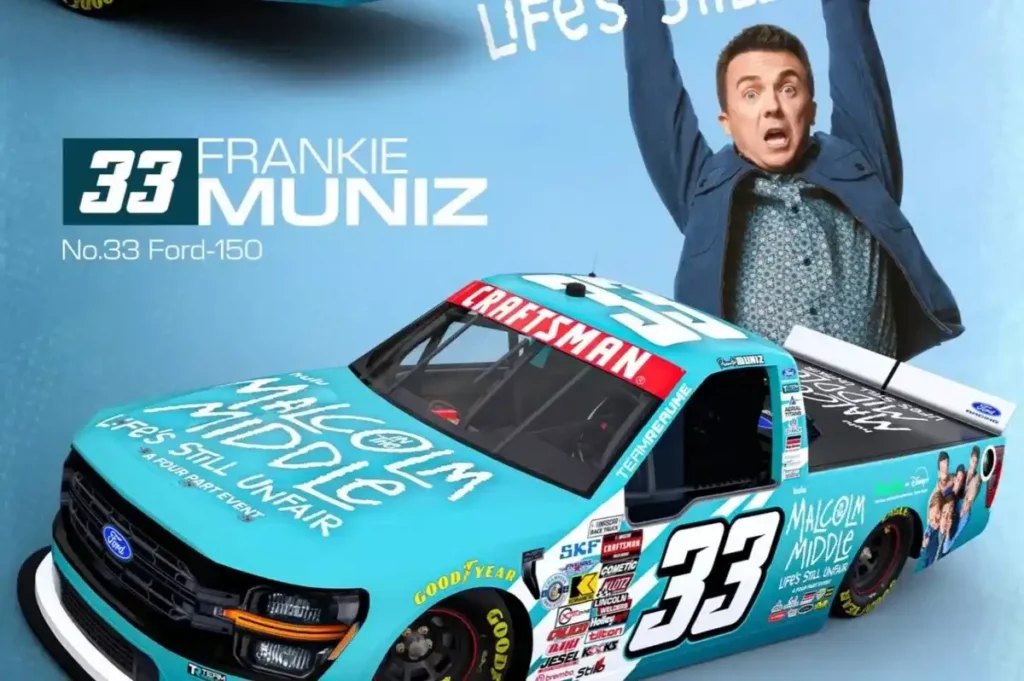
Malcolm in the Middle Goes Racing and More Sponsorship News


Team & Manufacturer News
Ford and the ELMS Plus More Team News