
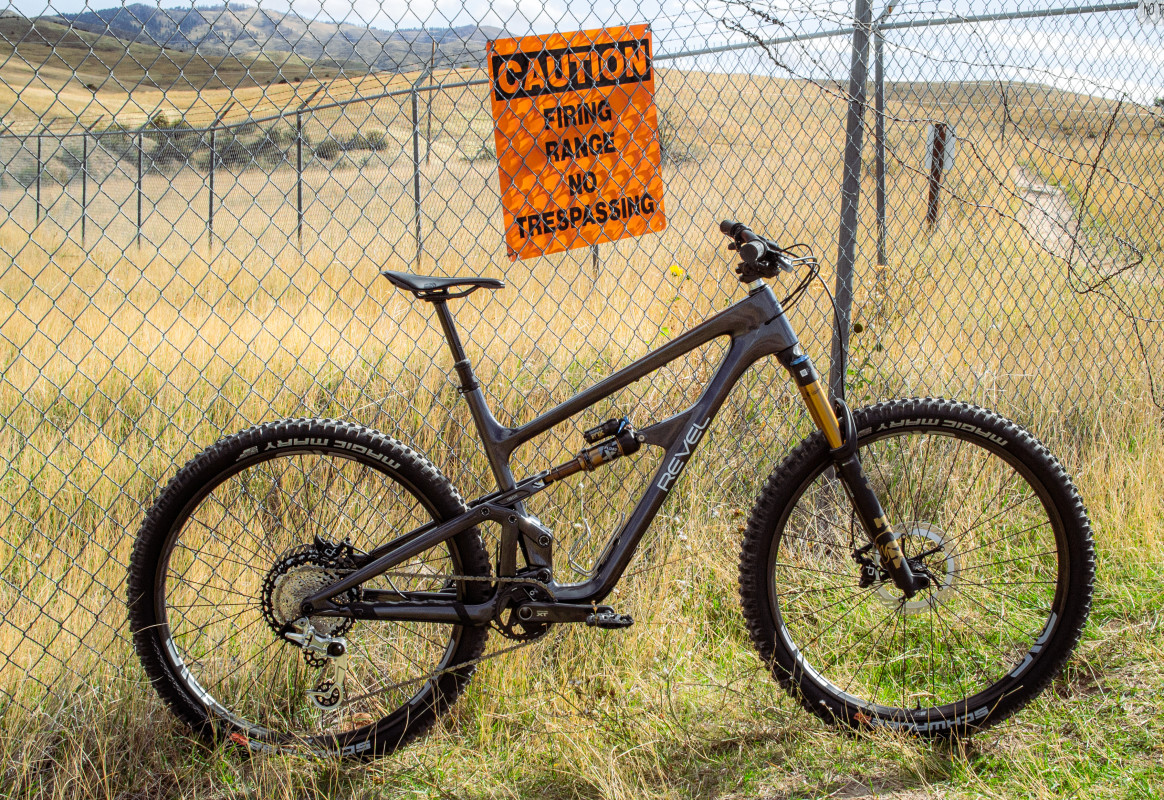
Six years ago, the Revel Rascal was a standout in the 2019 Bible of Bike Tests, and since then, Revel has had quite the journey. But with all the ups and downs Revel has seen over the years, the Rascal has remained a bike with an almost cult-like following, and after spending a lot of quality time on the new Revel Rascal SL this year, I’d say I’ve joined the cult without any hesitation. But I wasn’t without skepticism going into the review.
To kick things off, I want to address the fact that Revel calls this bike a “quiver killer,” which, personally, is a term that I’m not a massive fan of. What happened to making a bike that does one type of riding really well? Why does every bike have to do everything, and doesn’t that mean it can do everything, okay, but can’t do one thing really well? A Jack of all trades, master of none, if you will. I’m happy to report that although the Revel Rascal SL is slapped with the quiver killer tag, it’s actually just a perfect example of a modern trail bike – a category of bike that is inherently capable of doing a lot of things really well. The Rascal has refined the versatility of the trail bike category, making it the ideal bike for riders looking for a true quiver killer.
Going up, the bike wants to cling to the ground and take all the power you put into the pedals and send it right to the rear wheel. Going down, the Rascal is eager to play around with alternative lines and eat up chunky sections with the poise of your favorite trail dog. The Rascal SL can do just about everything, and do it really, really well.
I built this Rascal SL from the frame up, using a selection of parts to make it a do-it-all machine, as Revel suggests it should be. With wheels, tires, and brakes you’d expect on a bike with much more travel. Enve M6 wheels are wrapped in Schwalbe Magic Mary 2.5, soft compound tires, and the Hayes Dominion A4 brakes with 203mm rotors are probably slightly overkill, but I didn’t want to put any limits on what I could do on this bike.
Deven McCoy
Quick Hits & Features
- Frame size on test: XL
- Travel numbers: 140mm front, 130mm rear
- UDH: Yes
- Tube-in-tube cable routing: Yes
- In-frame storage: No
- Frame MSRP: $3,199 USD w/ shock
- Frame material: Thermoset Carbon
- Wheel size: 29″ only
- Chainstays: 436mm
- Head tube angle: 65.5 degrees
- Seattube angle: 76 degrees
Deven McCoy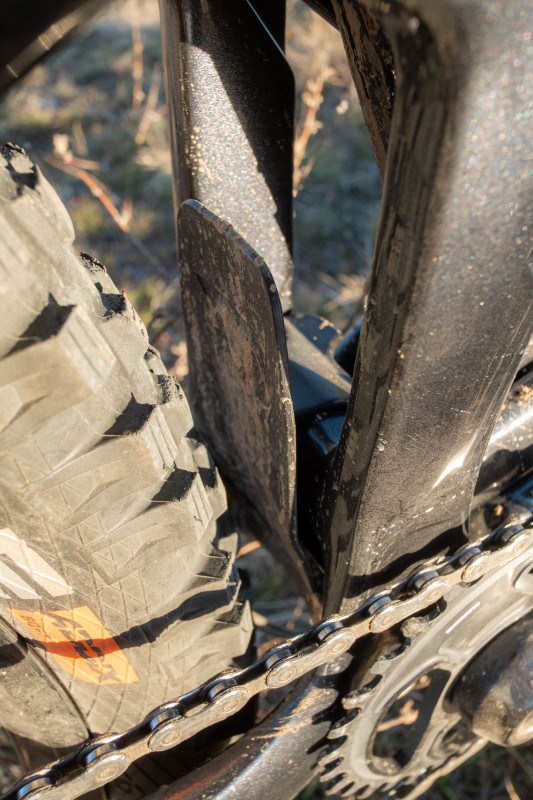
View the 2 images of this gallery on the
original article
Deven McCoy
Geometry & Details
I don’t want to get bogged down in geometry specs, build kits, or all the options, because for all that information, you can go to the Revel website. But I can’t write this review without mentioning those things. I’m 6’2” and chose the XL Rascal for the 498mm reach and 635mm stack for a more upright and conservative front center. Across the size range, the chainstays are a nice medium at 436mm – not too long, and not too short. The 76-degree seat tube angle, found on all sizes, isn’t crazy steep, but it’s not slack enough to be a problem and feels nicely centered.
David Bontrager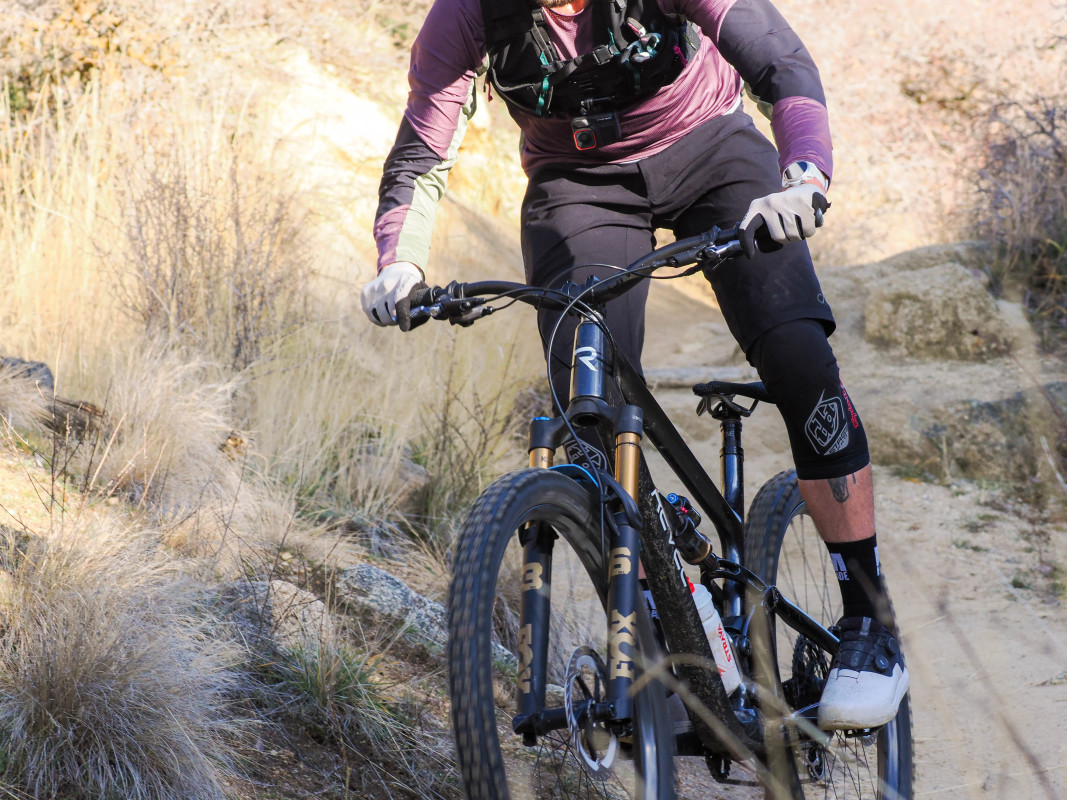
With an MSRP of $3,199 for a frameset, the Rascal SL isn’t really an outlier on the market as a super-expensive bike or one that is flying off the shelves as a bargain (although many sizes and complete builds are sold out). However, what Revel Bikes has achieved with the Rascal SL is truly special, and I fully understand the hype. If you’re in the market for what could actually be one of the most well-rounded trail bikes in existence, the Rascal might be your ideal bike.
Revel Bikes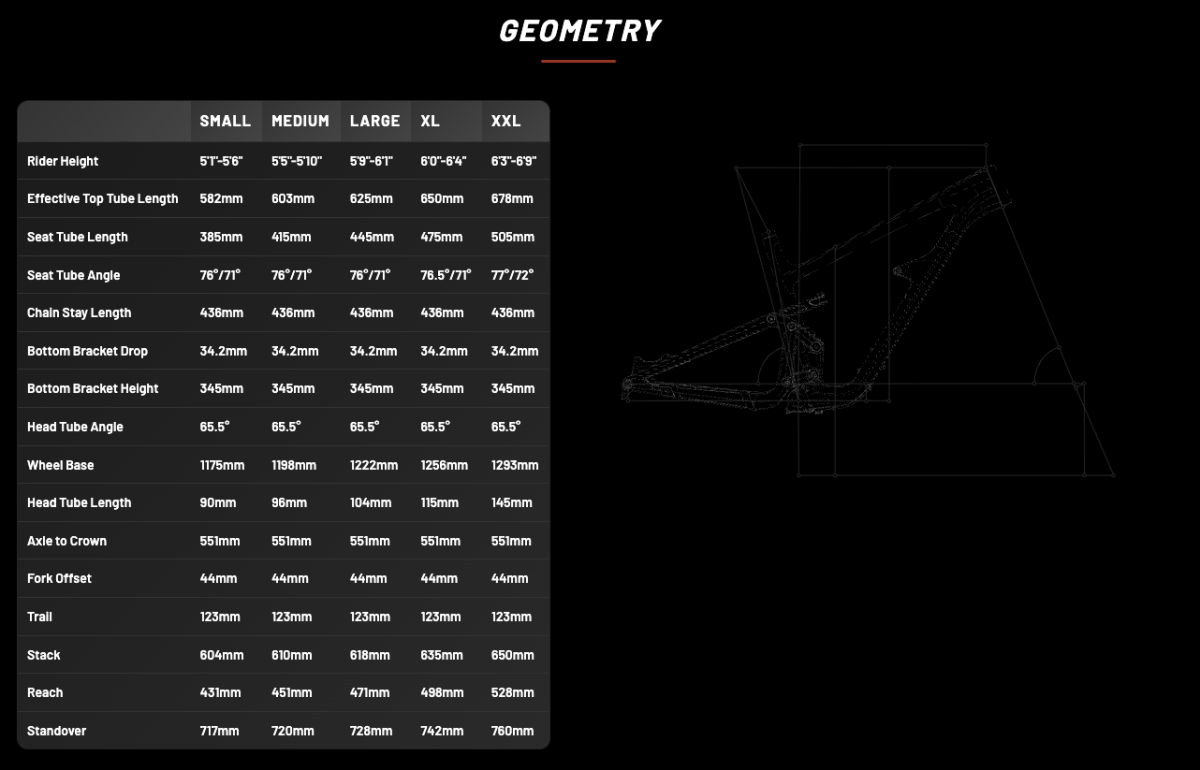
Ride Impressions
I have been riding a mix of bikes all summer. From full-power, long-travel eMTBs to short-travel and nimble XC bikes, but for my daily rides, which are just for me and not involving testing for work, I pick a trail bike. They’re balanced, efficient, and the goldilocks option for 90% of my rides. After building the Rascal SL with a handpicked selection of components from Madrone Cycles, Fox, Hayes, Enve, Schwalbe, and OneUp Components, I was eager to get the bike on the dirt.
Deven McCoy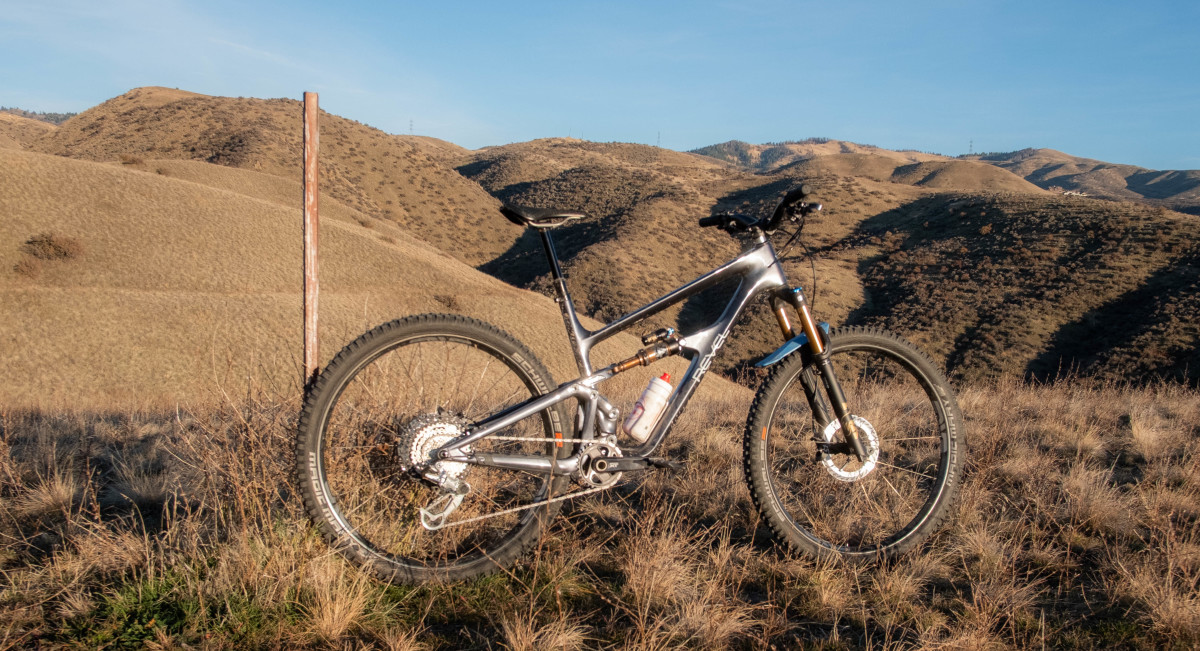
I wanted to build the bike with things I was familiar with, so as not to have my first impressions of the Rascal clouded by unfamiliar feelings. I needed to focus on how the frame and suspension system behaved, and from the first ride to the trailhead, I knew something was different about this rather ordinary trail bike.
Pedaling the Rascal SL felt like riding an XC bike. No energy was wasted on the suspension bob while navigating the bike paths and bike lanes to the trails, and I had to check multiple times that the shock was unlocked. Climbing the dirt roads riddled with washboard felt unnaturally smooth for a bike that felt so efficient on smooth pavement. And when I pointed the bike downhill for the first time, the secret sauce of the CBF suspension was at the forefront of my palette.
David Bontrager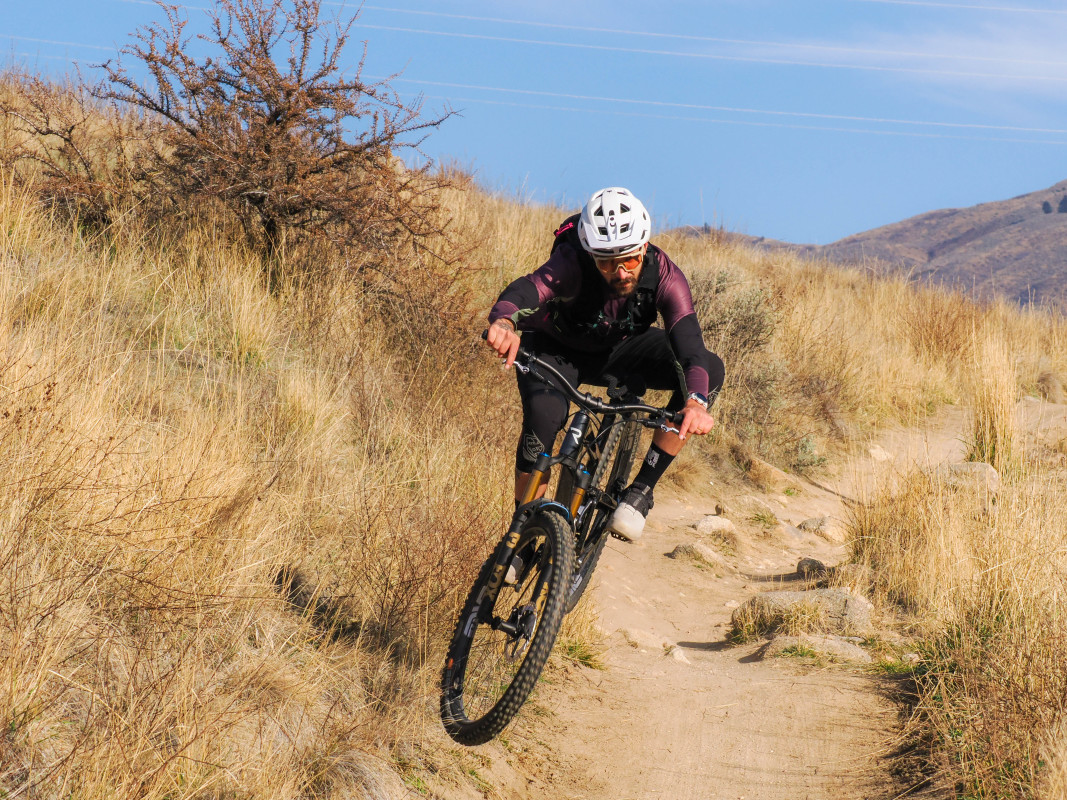
Honestly, the first ride was confusing. For a 130mm travel bike, the Rascal SL pedaled like a 100mm XC missile and descended like a 160mm enduro bike, yet still felt light, poppy, and nimble like a trail bike. I began to understand why Revel calls this a quiver killer. The geometry isn’t anything crazy, and in my opinion, trail bike geometry has plateaued in the last five years. Most modern trail bikes are just so damn good these days, and it mostly comes down to how balanced the rider feels, with suspension being a significant factor. Thankfully, the anti-rise is equally impressive as the anti-squat on the Rascal. When paired with the precisely tuned leverage curve that offers a lot of suppleness off the top, great mid-travel support, and excellent bottom-out resistance that doesn’t feel too abrupt, you get a highly capable 130mm platform.
David Bontrager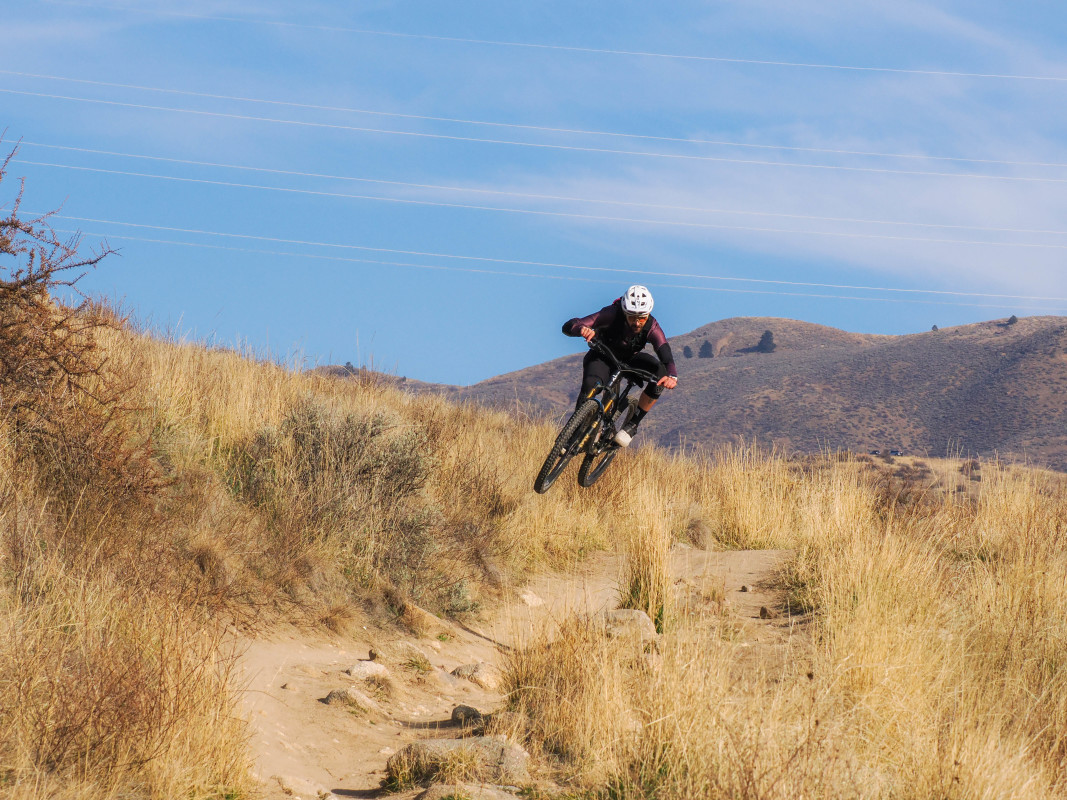
Deven McCoy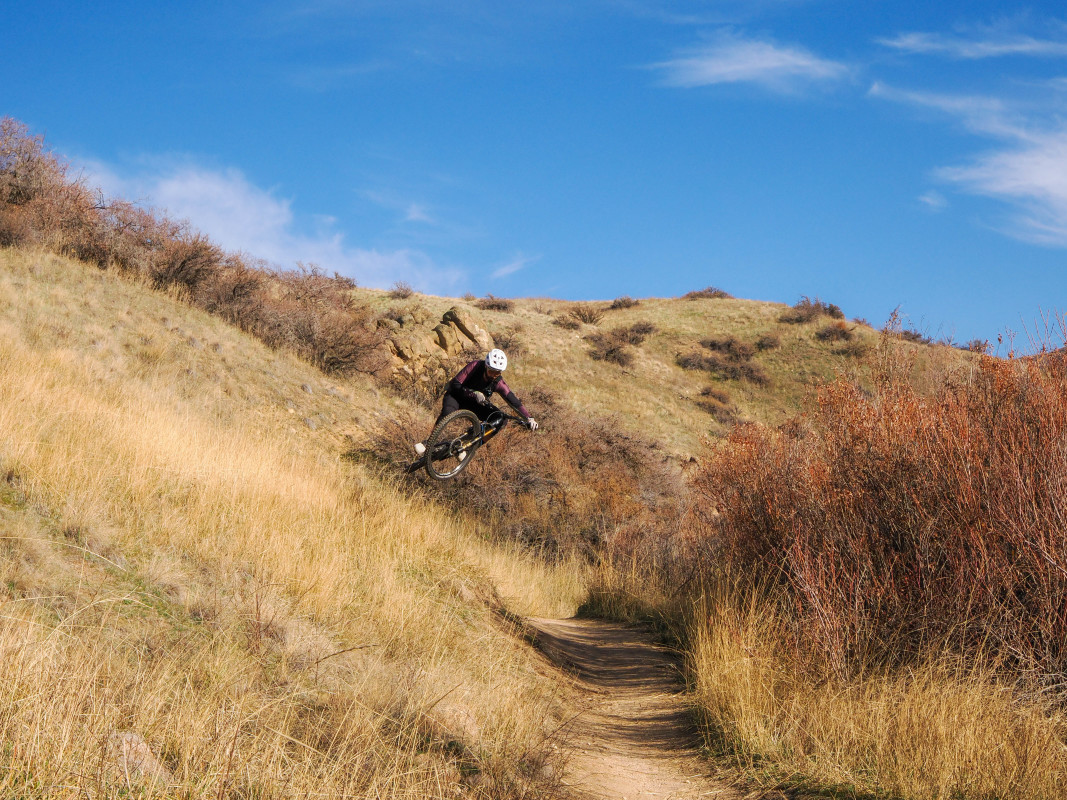
The best way I can describe the geometry is “safe”, in that there is nothing about the Rascal that feels like it’s reaching for another category of bike – it knows what it is, and stays in its own lane. The chassis is nimble and responsive in tight corners, thanks to the 65.5-degree head tube angle, 345mm bb height, and 436mm chainstays, which allow the rear wheel to track nicely. Thanks to the relatively tall stack (especially with 50mm OneUp Carbon bars), the nimble little trail bike feels surprisingly composed and planted on steeper trails when you need to squat into the center of the bike to throw weight around. With such detailed kinematics, balanced geometry, and a playful chassis, the Rascal somehow blends the liveliness of an XC bike, the composed aspects of an enduro bike, and the versatility of a trail bike into one machine.
Suspension Magic: The Canfield Balance Formula
From the first pedal on the Rascal SL, I noticed something extraordinary. The tune on this CBF suspension system is the magic sauce that makes this one of, if not the best, trail bike I’ve ever ridden. The pedaling platform, while climbing, is stiff in all the right places, feeling like a bike with much less than 130mm of rear wheel travel. This is mainly due to the absurdly high anti-squat numbers. At static, the Rascal has 140% anti-squat, and at full bottom out, that number doesn’t drop below 90%. On most bikes, this means that all the mass-transfer and pedaling forces would keep the suspension pretty much locked up. The beauty of the CBF suspension platform and the kinematics used on Revel’s bikes is the balance (pun intended) between the anti-squat and anti-rise. The suspension feels pretty stiff on long road pedals, fireroad climbs, and smooth trails, but has enough activity to keep traction on the rougher, chunkier tech climbs.
Deven McCoy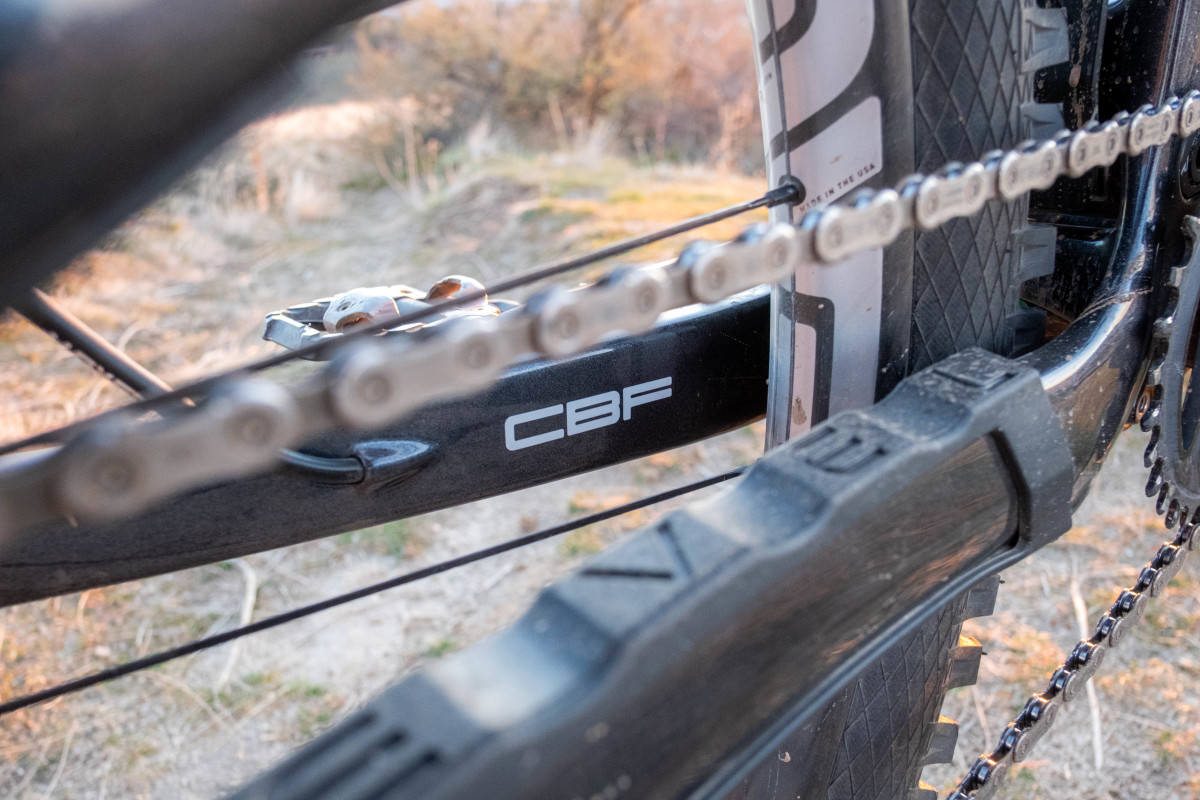
Deven McCoy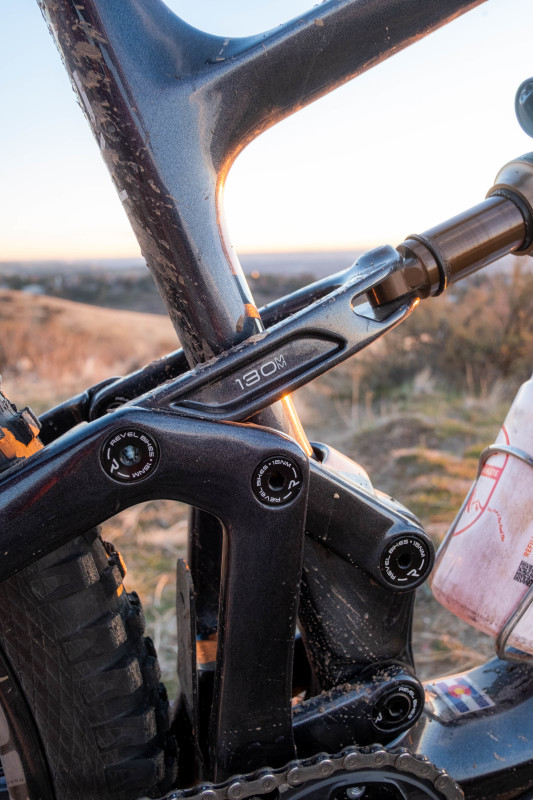
View the 2 images of this gallery on the
original article
You’d think that this would mean more pedal kickback and less suspension response when you point the bike downhill. And you’d be wrong. This is where the magic formula is most noticeable and kind of mind-blowing. Like a high-pivot bike with an idler, the CBF design offers a rearward axle path, thanks to the parallel linkages, that keeps the center of curvature from changing as the bike moves through the travel. This means that although the suspension is supportive and precise while climbing, it’s also ready to soak up hits and bumps quickly while still feeling almost bottomless. All these factors together make the Rascal SL feel like an XC bike on the climb and a borderline enduro bike on the descent.
I’d heard all the praise for CBF and Revel from other riders. I’d read the literature. I’ve seen the breakdowns. But it took riding and feeling the bike firsthand to really grasp the magic for myself.
Quick summary of the Rascal SL: Very supportive and efficient climbing, with a light breakaway point for small bumps, with virtually no pedal kickback or stiction on the way down. You can have your cake and eat it, too!
David Bontrager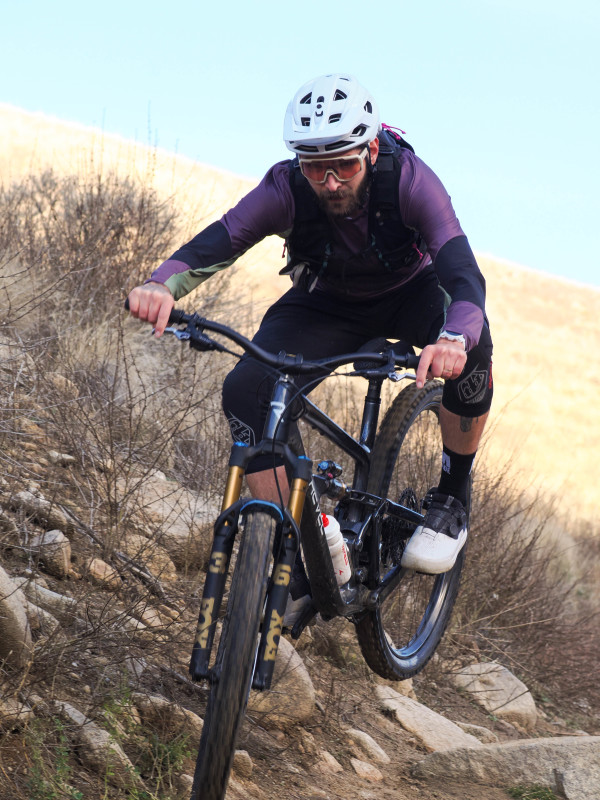
Construction & Features
There isn’t anything you need that you don’t get in terms of features with the Rascal SL. Sure, there is no in-frame storage, no flip chips, or any attempts to change the industry with wild features. You get an absurdly capable trail bike at a competitive weight. The Rascal SL has a threaded BSA bottom bracket, easily serviceable linkages, top-tube accessory mounts, tube-in-tube cable routing, UDH mounting, well-placed frame protection, and dialed geometry that nails what a trail bike should ride like.
Deven McCoy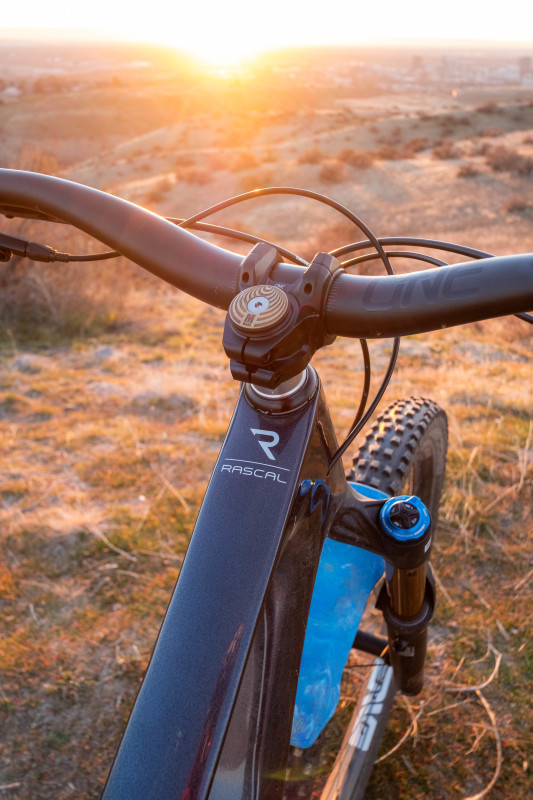
View the 2 images of this gallery on the
original article
When Revel designed the Rascal SL as the successor to the Rascal, they didn’t tweak the geometry because it didn’t need it; all they could think to improve the bike was to make it a bit lighter (200g lighter than the previous Rascal). That’s kind of the trend with Revel, and they don’t see the need to hit the drawing board and redesign something just for the sake of pushing the next best thing – because the Rascal is already the best that it can be.
Although some might argue that the chainstays could be longer and the seat tube angle steeper, those are minor gripes, and, in my opinion, any changes would detract from the bike’s playful nature.
The chainstays are in a sweet spot for whipping the bike around, manualing everything, and pumping on flow trails, and the seat tube angle gives you a really comfortable position for tech climbs – any slacker, and you might feel a little unbalanced. I have been paying attention to these things while riding the Rascal, and I’ll argue that the chainstays aren’t that short and the STA isn’t that slack compared to other trail bikes, so making these changes would be unnecessary in the grand scheme.
Deven McCoy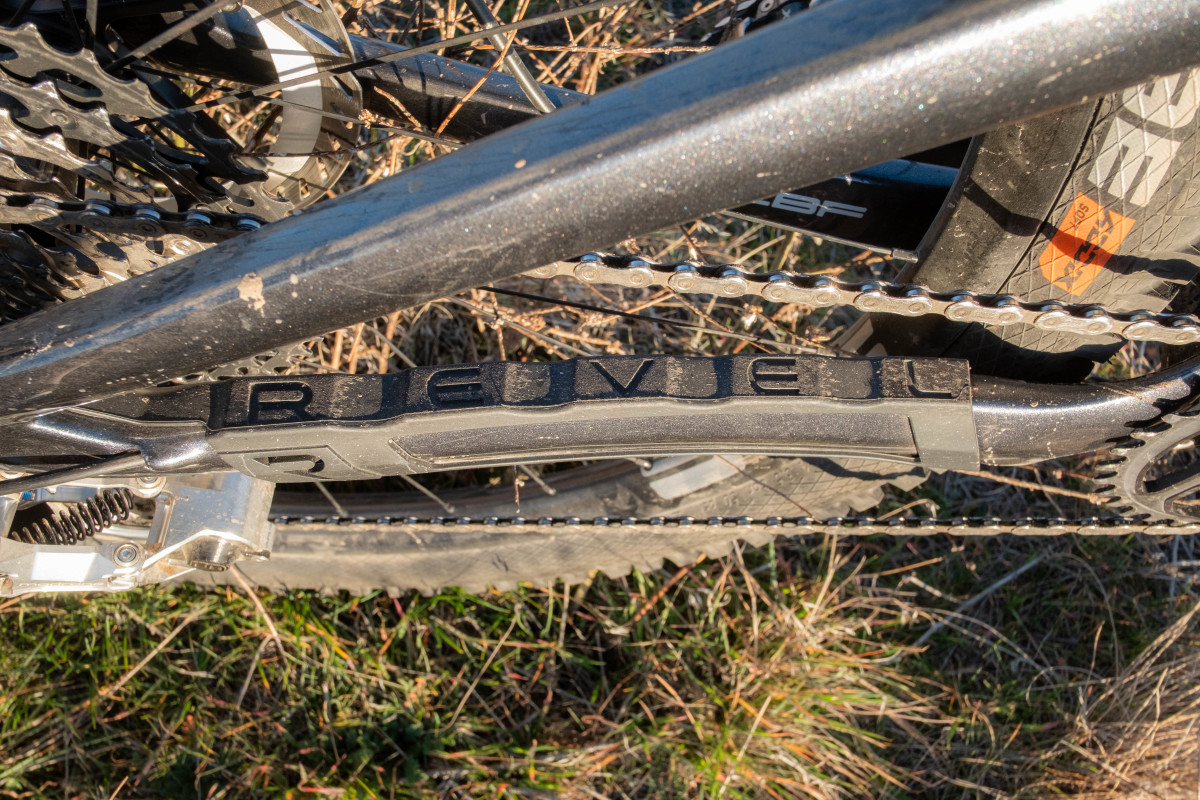
Final Thoughts
In the original Bible of Bike Test for the first Rascal, Travis Engle wrote, “The Rascal has a nearly all-mountain suppleness to its suspension, more so than a bike this quick-feeling has any right to,” something that I needed to see for myself, and fully recognized after just a few rides. Travis continued by saying, “If you want your trail bike to feel at home on, like, the whole trail, few bikes compare to the Rascal,” and I think this statement still holds, and I’m taking back everything I ever said about the “quiver killer” statement.
Sure, the geometry hasn’t changed much over the years, because it didn’t need to. Sure, there aren’t features like in-frame storage, flip chips, or idler pulleys. That’s because they aren’t necessary on a trail bike like this. The Rascal is a bike that knows what it’s made for and isn’t trying to appease the algorithm with gimmicks, smoke and mirrors, or claims of marginal performance gains; instead, the Rascal SL leans on real-world science, geometry, and the feelings that matter most on the trail. Quiver killer? Not quite. But a fucking awesome trail bike? You bet.
If you’re in the market for the best possible trail bike from a brand that really loves the sport, head over to Revelbikes.com.
David Bontrager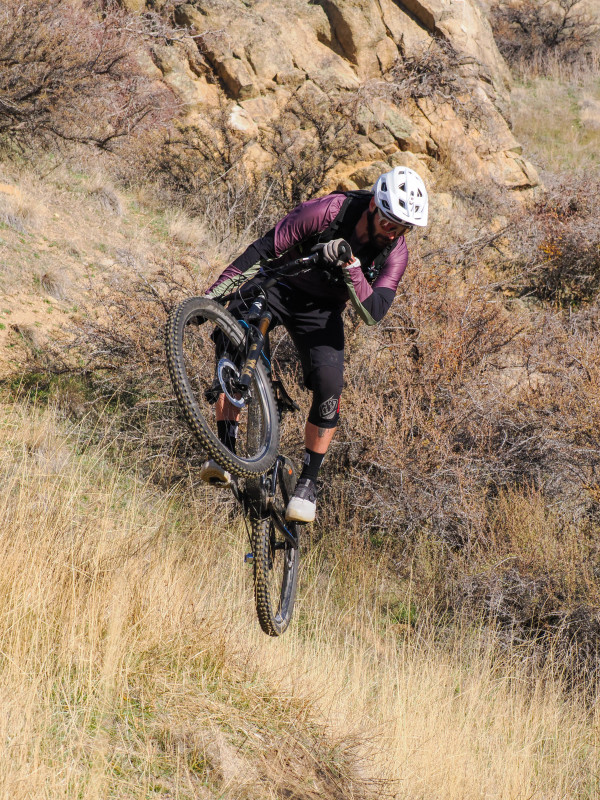
View the 2 images of this gallery on the
original article