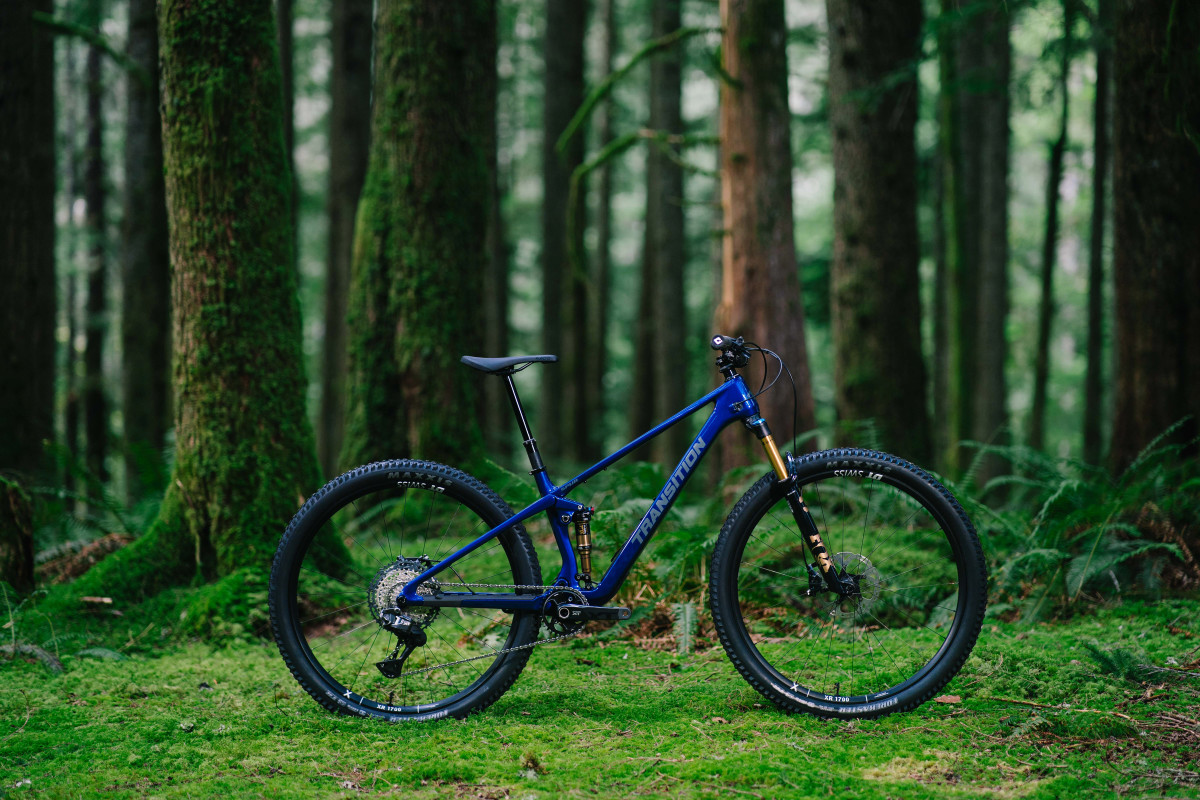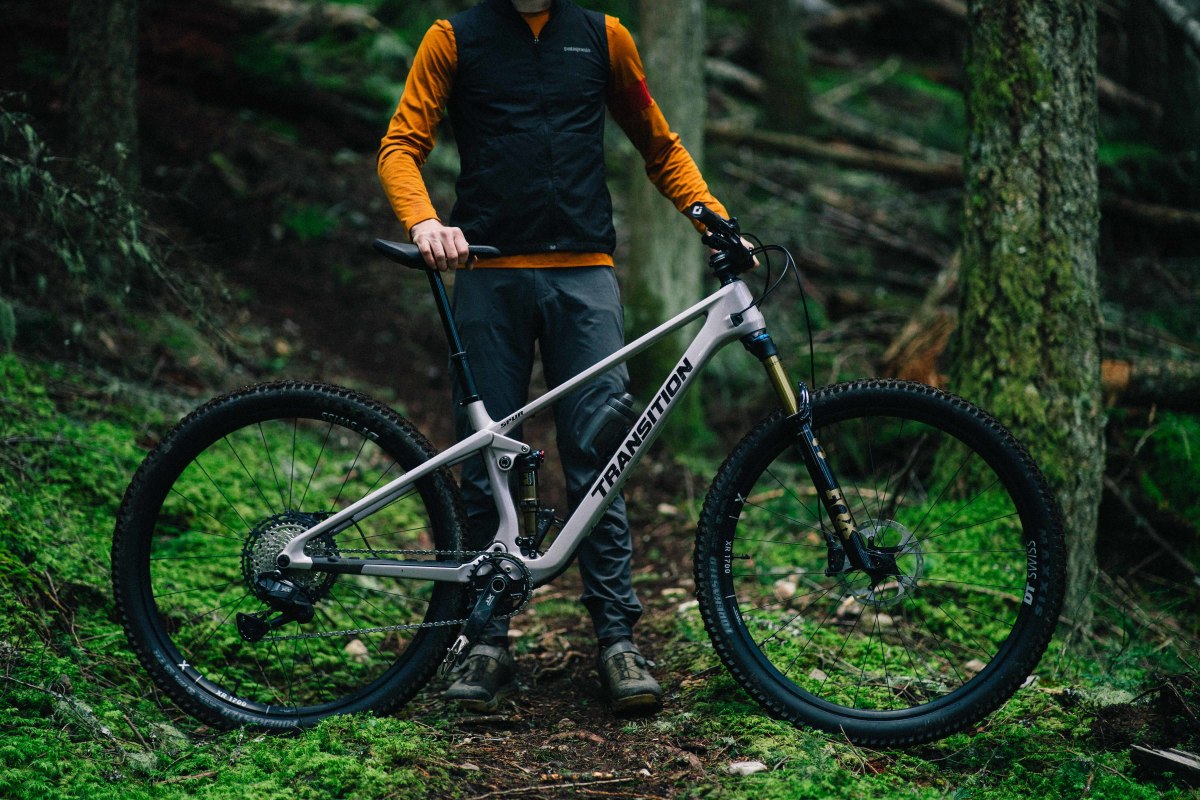
Let’s get one thing straight: Transition has never been particularly interested in making bikes for people who wear matching Lycra kits and obsess over grams. And yet, somehow, the Spur has become the bike for the XC-curious rider who doesn’t want to fully commit to the XC lifestyle. It’s an XC bike for someone who wants one, but at the same time doesn’t want one. The V2 doesn’t change that trajectory — it doubles down on it.
The updated Spur is essentially Transition asking, “What if your XC race bike was actually just a trail bike?” and then answering that question with 130mm up front, 120mm out back, and a geometry package that would look right at home on most trail bikes. Thats my takeaway from all the time I’ve spent on the Spur V1, and the new Spur is just taking that formula and adding a few updates, but honestly, I’m not sure how necessary they are.
Transition Bikes
The Spur V2 gets internal cable routing, hidden linkage hardware, in-frame storage, a longer fork, and a flip-chip to ever-so-slightly shift head tube angle and BB height. I like the in-frame storage, but personally, two things I loved about the OG Spur were the external cable routing and the absence of flip-chips. While the longer fork is nice, I’ve already had a 130mm fork on the Spur, and with such small changes made with the flip-chip, I don’t really see the point.
Overview
- 130mm fork / 120mm rear travel
- 66/65.5 degree head-tube-angle
- Proportional chainstay lengths
- BB drop and headtube angle flip-chip
- In-frame storage
- 29″ wheels front and rear
- Internal cable routing
Pricing and Build Kits
- XTR Di2: $10,999 USD / $14,999 CAD / €11,699
- XT Di2: $7,499 USD / $10,299 CAD/ €7,999
- Eagle 90: $6,499 USD / $8,999 CAD / €7,199
- Eagle 70: $5,499 USD / $7,599 CAD / €5,999
- Frameset: $3,599 USD / $4,999 CAD / €3,399
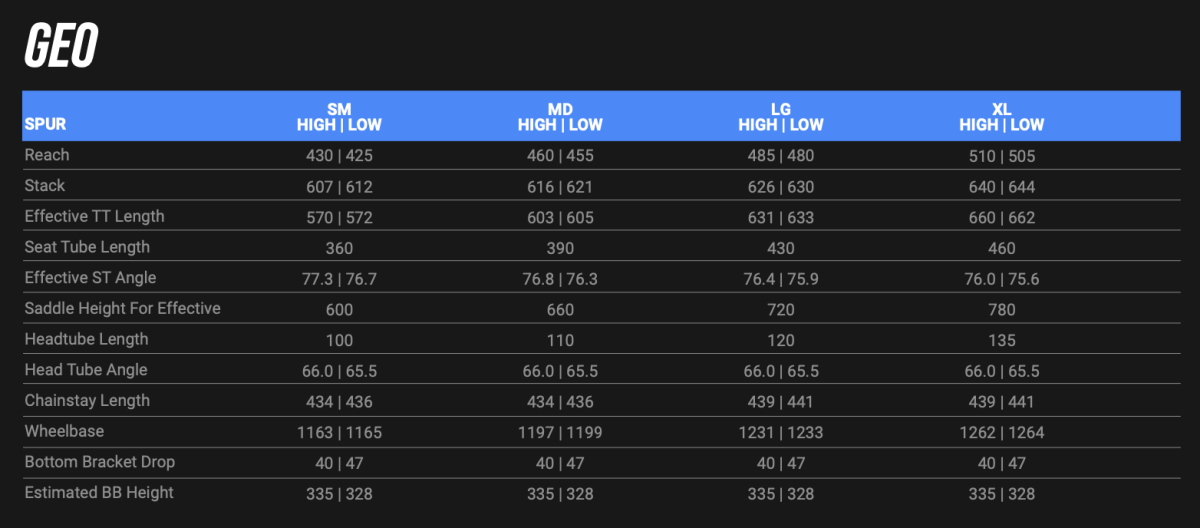
I do love to see the geometry changes, though, and longer chainstays and taller stack height across the board. The flip-chip, which changes the bottom bracket drop from 40 to 47mm, could also be an interesting thing to play with, but it would be cool to see it change the head-tube angle by more than half a degree.
Overall, this seems more like a Spur V1.5 rather than a totally new and updated bike, but in all fairness, the V1 Spur was an absolute weapon, so there isn’t much that Transition could really improve on.
Deven McCoy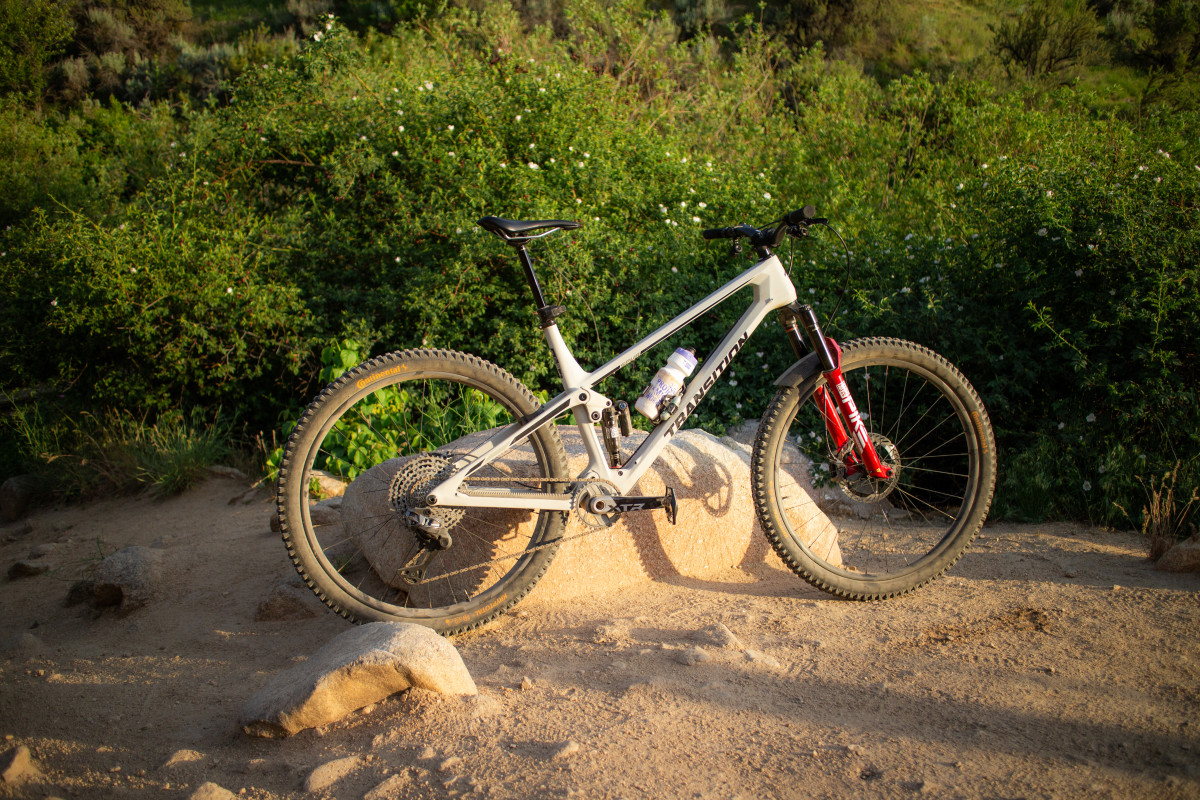
More Travel, More Better
The headline number here is 130mm of front travel, up 10mm from the previous generation. But I guess I’ve already been riding the Spur V2 for a while if this is the major callout. I’ve spent a ton of time on the V1 Spur, and it really opened my eyes to the capabilities of a 120mm bike, but after upping the fork travel and putting a piggyback shock on the V1, it really showed me how blurry the lines between trail and XC are, and I think the Spur V2 is just carrying that torch.
Transition Bikes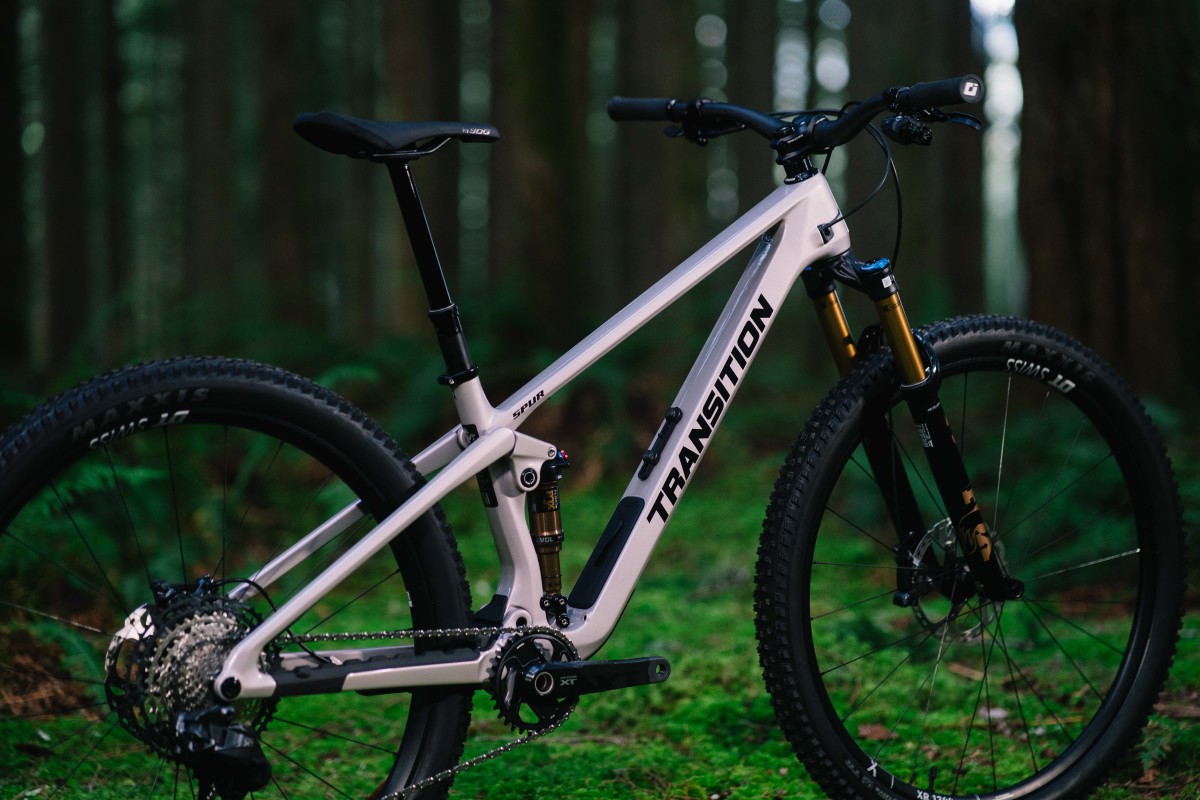
Transition Bikes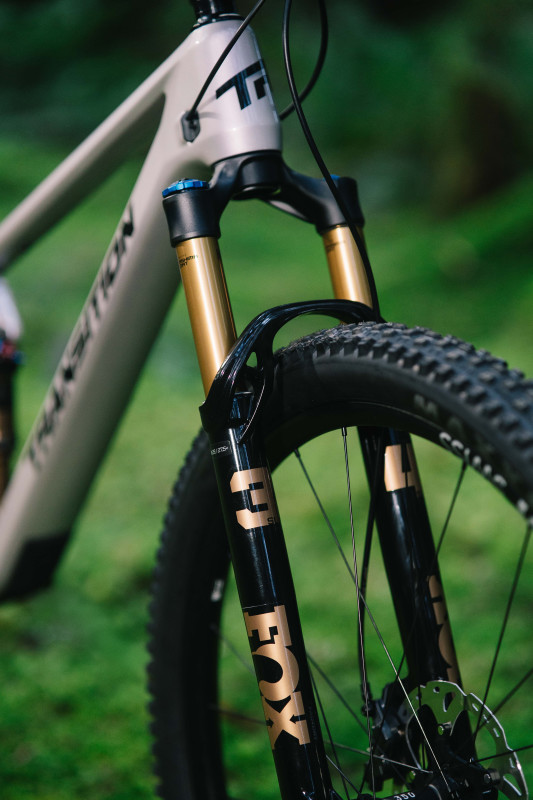
View the 2 images of this gallery on the
original article
Transition isn’t just stapling a burlier fork onto the front and calling it an upgrade. The intent is to mirror what’s happening in the real world, where XC race courses increasingly look like what we used to call “trail bike terrain”. Twenty years ago, 100mm was aggressive. Now, race tape is sending riders into rock gardens that would give a 140mm bike pause, and the Spur V2 is here for the modern age of XC riding.
Out back, the Spur keeps its 120mm of rear travel but adds a geo-adjustment at the lower shock mount. This means you can tweak things for a half a degree of headtube angle and 7mm of BB height. That’s a small tweak on paper, but maybe it will be used in the real world? I don’t really see the point in .5-degree changes to head tube angle, if I’m being honest, because most people won’t actually notice a difference. I could get into my thoughts on flip-chips and piss off a lot of people online, but I’ll save that for another time.
Geometry Changes

Transition Bikes
Transition Bikes
The Flex Stay Stays
One of the things that made the original Spur so tight was its flex stay rear end. It’s not inherently unique to the Spur or to other short travel bikes, especially XC bikes, which have been using a flex-stay to keep things tight and tidy. Just carbon doing what carbon does when you engineer it properly.
Transition Bikes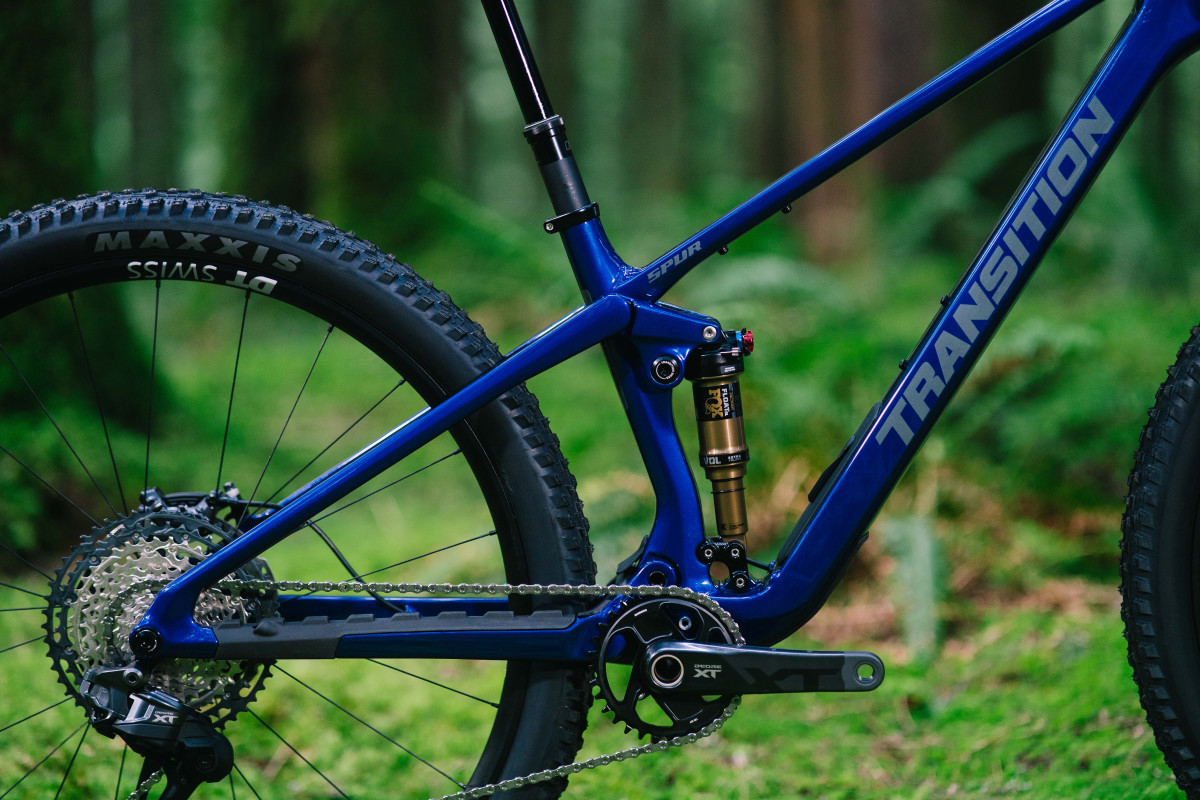
The result on the V1 Spur was a rear end that felt alive without feeling vague, supple without feeling soggy, and light without feeling fragile. To be fair, I’ve pointed the V1 Spur down some stupid terrain and never really worried about the carbon flexing where pivots would normally be, and I’m glad to see the Spur V2 hold onto the flex-stays.
Transition clearly got some letters from fans, because they haven’t touched it. The V2 keeps the flex stay design and that famously progressive leverage curve that somehow feels both supple and supportive. It’s a neat trick, and they’d be crazy to mess with it for the second iteration.
Deven McCoy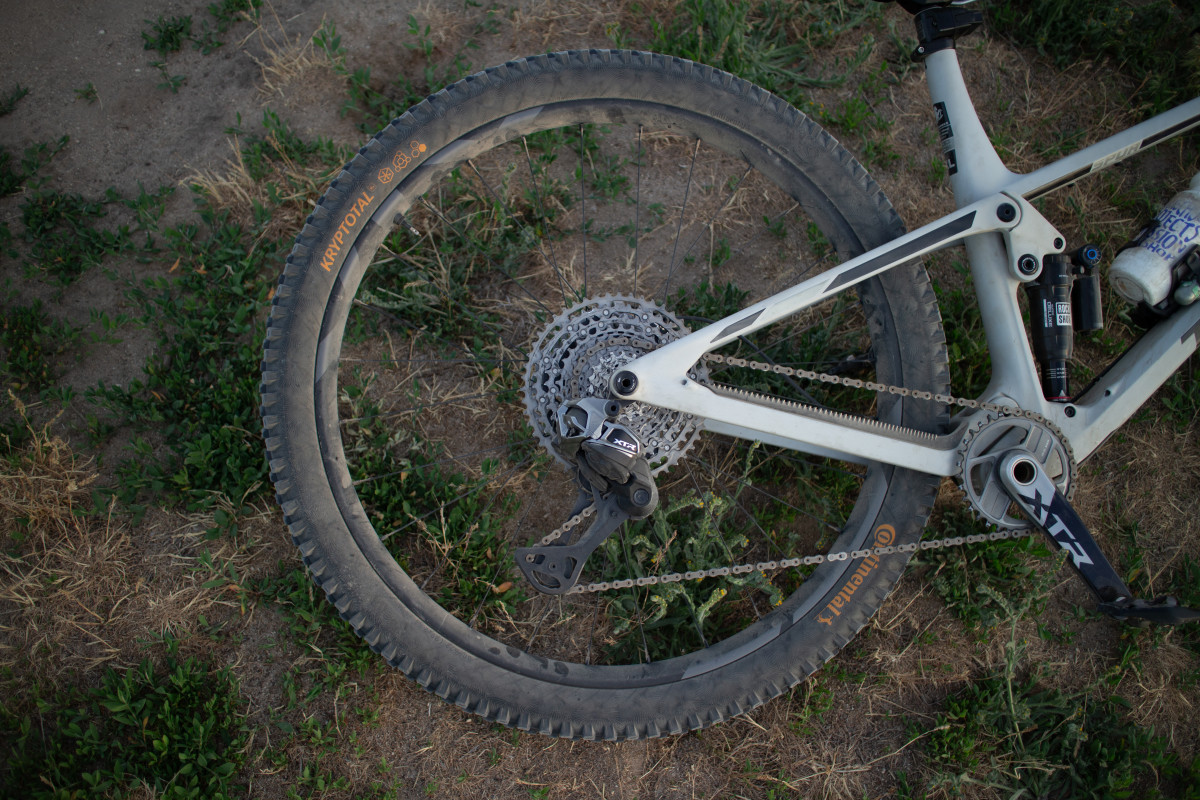
The Details That Matter
Transition has also snuck in the B.O.O.M. Box for this new Spur. The craze for internal frame storage is welcome, and it’s always nice to have extra storage space, even if it isn’t always in use. The Spur V2 now has fully internal cable routing with new headtube ports that promise to keep the cockpit quiet and clean.
Transition Bikes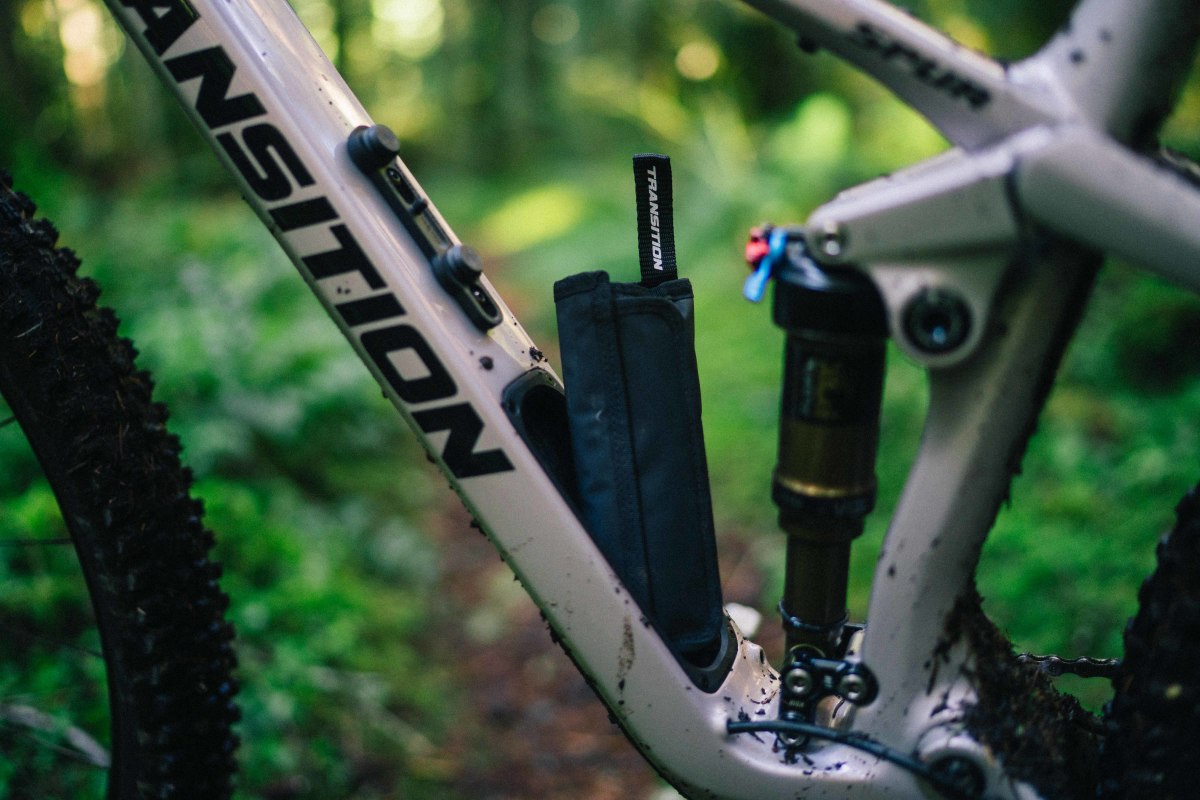
View the 2 images of this gallery on the
original article
In the same trend, the Spur V2 now has hidden linkage hardware at the seatstay-to-rocker junction. The result is a bike that, aesthetically, looks more grown-up than its predecessor while still being unmistakably a Transition. Size-specific geometry gets a nod here, too, which, at this point, should be table stakes but somehow still isn’t universal across the industry.
Transition Bikes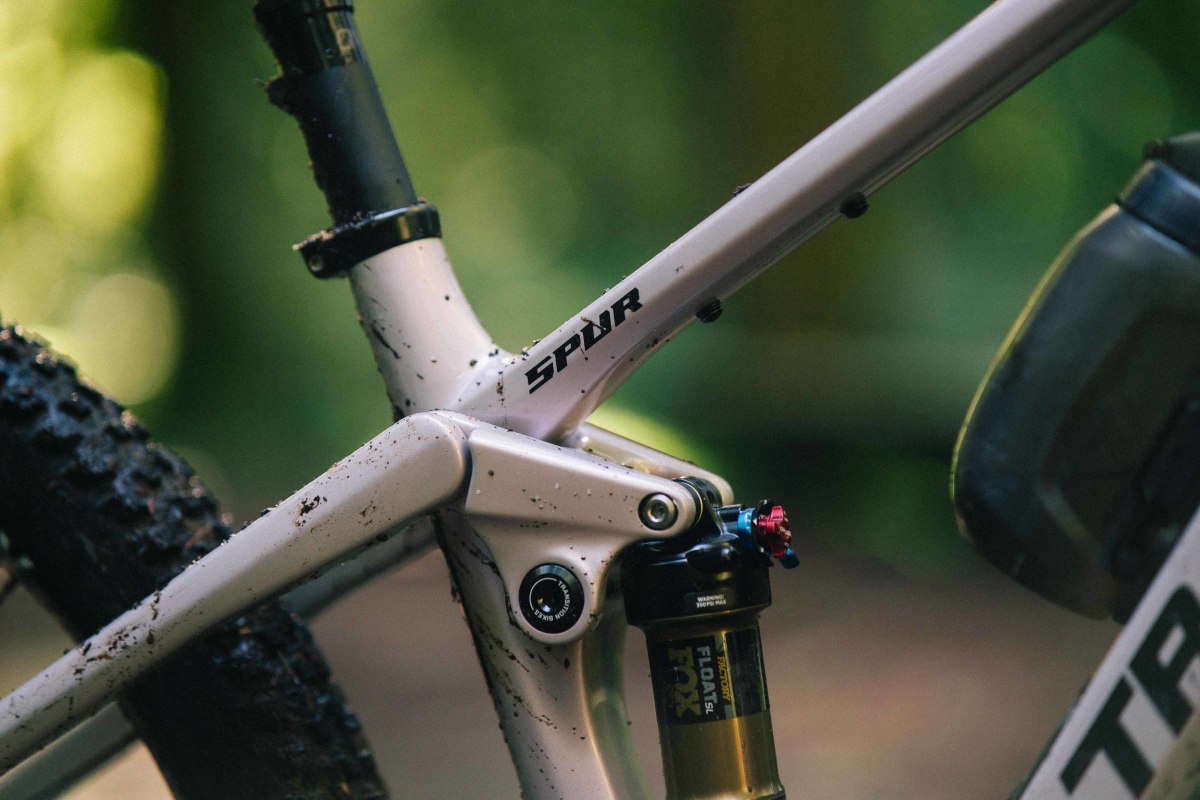
What It Means
The Spur V2 is Transition’s clearest argument yet that the XC/downcountry/trail category divide is basically made up. This is a bike that can credibly line up at a cross-country race, charge a rowdy trail descent, and do it all without making you feel like you compromised anywhere along the way. That’s a hard thing to pull off; if the original Spur is any indication, they’ve probably pulled it off again.
We’re getting our hands on one soon. Check back for the full review.
Transition Bikes